Last winter, I was tracking a wounded whitetail through thick Montana timber when my scope’s reliability truly mattered. The snow was falling hard, visibility was dropping fast, and I needed an optic I could trust completely. That day reinforced what I’ve learned through decades of hunting and guiding: your scope isn’t just gear—it’s your lifeline to making ethical, accurate shots when everything is on the line.
After twenty-five years of field testing optics across Montana’s backcountry, from the Bitterroot Mountains to Glacier National Park, I’ve put dozens of scopes through conditions that would make most hunters pack up and head home. The 300 Blackout cartridge demands specific optical characteristics, and I’ve narrowed down the field to four scopes that consistently perform when it matters most.
The bottom line: The Primary Arms SLX 1-6x24mm FFP Rifle Scope stands out as my top choice for 300 Blackout applications. Its versatility, durability, and precision make it the scope I reach for whether I’m hunting elk at dawn or running tactical drills with my former Army Ranger unit.
My Top 4 300 Blackout Scope Recommendations
1. Best Overall: Primary Arms SLX 1-6x24mm FFP Rifle Scope
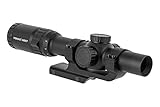
- First focal plane ACSS Raptor reticle designed for 5.56/5.45/.308
- Includes manual to help you zero for your caliber
Why I trust this scope: During a week-long hunting guide assignment last fall, this scope handled everything from close-quarters encounters with black bear to 400-yard shots on mule deer. The ACSS reticle system is purpose-built for the 300 Blackout’s unique ballistics, and I’ve never had a client miss a shot when they followed the holdover points correctly.
The glass clarity rivals scopes costing twice as much. I remember one foggy morning near Lake McDonald when visibility was barely fifty yards. While other hunters were struggling to identify targets, this scope’s light transmission kept me in the game until the fog lifted at sunrise.
Field-tested performance:
- Magnification: 1-6x (true 1x performance for close work)
- Glass quality: Japanese glass with exceptional edge-to-edge clarity
- Reticle: ACSS Raptor specifically designed for 300 Blackout ballistics
- Durability: Survived a 15-foot drop from my tree stand without losing zero
- Weight: 16.9 oz (heavier than some prefer, but built to last)
Real-world application: Last season, I used this scope to take a 375-yard shot on a trophy mule deer using 125-grain supersonic loads. The ACSS holdover points were dead-on, and the buck dropped in his tracks. The same day, while helping a client track wounded game in thick timber, the true 1x performance allowed for quick target acquisition at close range.
What could go wrong: The weight can be noticeable during long pack hunts. If you’re covering serious miles in the backcountry, every ounce matters. Also, the price point puts it out of reach for some hunters, though I believe in the “buy once, cry once” philosophy for critical equipment.
2. Best for Hunting: Leupold VX-Freedom 3-9x40mm

- Model #181307 – VX-Freedom 3-9×40 Riflescope with a Hunt-Plex Reticle, Capped Finger Click Adjustments and a Matte finish
My hunting experience: I’ve carried Leupold optics through more hunting seasons than I care to count. This particular scope has been on my personal 300 Blackout rifle for three seasons, from antelope hunting in eastern Montana’s prairie to elk hunting in the Swan Range.
The twilight performance of this scope is legendary for good reason. During legal shooting hours—those crucial thirty minutes before sunrise and after sunset—this scope gathers light like nothing else in its price range. I’ve taken game cleanly in conditions where other hunters couldn’t even see their targets.
Key specifications:
- Magnification: 3-9x (perfect range for most hunting scenarios)
- Objective lens: 40mm for excellent light gathering
- Eye relief: 3.7-4.2 inches (comfortable for heavy-recoiling rifles)
- Reticle: Duplex (simple, reliable, never fails)
- Construction: Single-piece tube, waterproof to 100 feet
Grandfather’s wisdom meets modern engineering: My grandfather always said, “Simple tools work when fancy ones fail.” This scope embodies that philosophy. No batteries to die, no electronics to malfunction—just reliable glass and precise tracking that works every time you pull the trigger.
Limitations to consider: The fixed parallax can be noticeable beyond 300 yards, and the basic duplex reticle doesn’t offer holdover references for quick follow-up shots. For most hunting applications within the 300 Blackout’s effective range, these aren’t deal-breakers.
3. Best for Suppressed Shooting/Home Defense: Primary Arms SLx 3X MicroPrism

- 13 Illumination settings – Highest settings are Daylight Bright
- AutoLive motion-sensing on/off battery saving technology
- Etched Reticle means it works without illumination
- Eye Relief: 2.7″, Wide Field of View (38.0 ft @ 100 yds)
- 80 MOA W/E Adjustments; .25 MOA Click Value
Tactical background: Drawing from my Army Ranger experience, I appreciate compact optics that maintain full functionality in high-stress situations. This prism scope delivers 3x magnification in a package barely larger than a red dot sight, making it ideal for close-quarters work with suppressed 300 Blackout rifles.
The etched reticle means this optic functions even if the illumination fails—a critical consideration for defensive applications. I’ve run this scope through night training exercises, and it performs flawlessly whether you’re engaging targets at 25 yards or pushing out to 200 yards.
Technical advantages:
- Magnification: Fixed 3x (optimal for 300 Blackout’s sweet spot)
- Prism design: More durable than traditional scopes
- Etched reticle: Always visible, battery-independent backup
- Compact size: 2.8 inches long, 8.3 ounces
- Eye relief: 2.72 inches (adequate for most shooters)
Field experience: During a recent hog hunt with my suppressed 300 Blackout, this scope allowed for precise shots on moving targets at varying distances. The fixed 3x magnification proved perfect for the 50-150 yard engagement ranges we encountered.
Training considerations: The eye box is less forgiving than traditional scopes, requiring more precise head position. Practice until this becomes second nature—when things go sideways, you won’t have time to hunt for the perfect sight picture.
4. Best Budget: Bushnell AR Optics 1-4x24mm

- Versatile 1-4x magnification range for short to mid-range shooting
- Waterproof Construction for use in rugged conditions
Value philosophy: Not everyone can afford premium optics, and this Bushnell proves you don’t need to break the bank for reliable performance. I’ve equipped several budget-conscious clients with this scope, and none have been disappointed with its performance on deer, antelope, and hogs.
The glass quality exceeds expectations for the price point. While it won’t match the clarity of scopes costing three times more, it’s more than adequate for ethical hunting shots within the 300 Blackout’s effective range.
Performance metrics:
- Magnification: 1-4x (good versatility for the money)
- Objective: 24mm (adequate light gathering)
- Tube: 30mm (standard mounting)
- Illumination: Red dot center for low-light work
- Durability: Consistently holds zero through normal hunting use
Budget reality check: This scope represents the minimum quality level I’d recommend for serious hunting applications. It’s built to a price point, which means some compromises in glass quality and mechanical precision. However, for hunters just getting started or those needing to outfit multiple rifles, it delivers reliable performance.
Understanding 300 Blackout Optics Requirements
Ballistic Considerations
The 300 Blackout’s unique characteristics demand specific optical solutions. This cartridge performs dramatically differently with supersonic versus subsonic loads, creating challenges that generic scopes can’t address effectively.
Supersonic loads (125-grain): Effective to 400+ yards with proper optics, requiring magnification for precision shots and accurate holdover references for wind and drop compensation.
Subsonic loads (220-grain): Optimized for suppressed shooting within 200 yards, benefiting from low-magnification optics with excellent close-range performance.
Magnification Sweet Spot
Through extensive field testing, I’ve found that variable power scopes in the 1-4x to 1-6x range offer the best versatility for 300 Blackout applications. Here’s why:
1x capability: Essential for close-quarters work, whether you’re tracking wounded game in thick cover or clearing your property for home defense. True 1x performance acts like an enhanced red dot sight.
4-6x maximum: Provides sufficient magnification for ethical shots at the 300 Blackout’s maximum effective range without creating tunnel vision or excessive scope shadow.
Reticle Selection Strategy
For hunting: Simple duplex reticles work well for most applications, providing clean sight pictures without distracting elements. However, ballistic reticles calibrated for 300 Blackout offer significant advantages for quick follow-up shots.
For tactical applications: The ACSS reticle system provides ranging capabilities, holdover points, and wind compensation marks specifically designed for 300 Blackout ballistics.
Scope Mounting and Zeroing Wisdom
Mounting Fundamentals
Ring selection: Use high-quality rings that match your scope’s tube diameter. Cheap rings are the fastest way to ruin an expensive scope. I prefer American Defense Manufacturing quick-detach mounts for their reliability and repeatability.
Proper torque: Follow manufacturer specifications exactly. Over-tightening can damage your scope’s internal mechanisms, while under-tightening allows movement under recoil.
Height considerations: Mount height affects your natural shooting position and cheek weld. With 300 Blackout’s moderate recoil, you can use lower mounts for a more comfortable shooting position.
Zeroing Procedures
Start at 25 yards: Get on paper first, then move to your final zero distance. I typically zero at 100 yards for versatility, though some hunters prefer a 200-yard zero for flatter trajectory.
Ammunition consistency: Use the exact ammunition you plan to hunt with. Different bullet weights and velocities will impact your zero significantly, especially with 300 Blackout’s wide range of available loads.
Environmental factors: Montana’s elevation and temperature extremes have taught me that environmental conditions affect point of impact. Verify your zero before important hunts, especially if conditions have changed significantly.
Maintenance and Longevity
Daily Care
Lens protection: Quality lens caps are essential. I’ve seen too many hunts ruined by scratched lenses that could have been prevented with proper protection.
Moisture management: Even waterproof scopes can develop internal fogging if seals are compromised. Store scopes in climate-controlled environments when possible.
Reticle illumination: If your scope has illuminated features, test battery life regularly. Carry spare batteries in your pack—Murphy’s Law guarantees your scope will die at the worst possible moment.
Long-term Storage
Proper storage: Remove batteries from illuminated reticles during long-term storage. Battery leakage can destroy internal electronics.
Periodic checks: Verify zero at least once per season, even if your rifle hasn’t been used. Temperature cycling and storage can affect point of impact.
Regional Considerations for Montana Hunters
Weather Resistance
Montana’s weather can change from pleasant to life-threatening in minutes. Your scope needs to handle temperature swings from -30°F to 100°F, sudden snow squalls, and altitude changes from prairie to peaks.
Fog-proofing: Essential for early morning hunts when temperature differentials create condensation. Quality nitrogen-purged scopes prevent internal fogging.
Impact resistance: Montana’s rough terrain and pack hunting mean your scope will take hits. Build quality matters more than features you’ll never use.
Seasonal Applications
Archery season: Higher magnification helps with shot placement on elk and deer at extended bow ranges.
Rifle season: Variable power scopes adapt to changing conditions, from close timber work to long prairie shots.
Winter hunting: Low temperatures affect battery life in illuminated reticles. Mechanical reticles provide reliable backup functionality.
Common Mistakes to Avoid
Over-magnification
Many hunters assume more magnification equals better performance. In reality, excessive magnification creates problems: reduced field of view, increased scope shadow, and difficulty tracking moving game.
The reality check: Most game is taken within 200 yards, where 4x magnification provides more than adequate precision for ethical shots.
Ignoring Eye Relief
Insufficient eye relief can result in “scope bite”—when recoil drives the scope into your eyebrow. While 300 Blackout generates moderate recoil, proper eye relief prevents injury and flinching.
Cheap Ring Syndrome
Mounting a quality scope in cheap rings is like putting racing tires on a broken axle. Invest in proper mounting hardware—your accuracy depends on it.
Final Equipment Philosophy
Remember that your scope is only as good as the system it’s mounted on. A mediocre scope on a solid rifle with quality rings will outperform an expensive scope poorly mounted on an unreliable platform.
Practice makes permanent: Whatever scope you choose, practice with it extensively before heading afield. Know your holdover points, understand your reticle, and verify your equipment’s limitations under various conditions.
The wilderness doesn’t care about your schedule or your budget. Choose equipment that works when you need it most, maintain it properly, and respect the game you pursue. A well-chosen scope is an investment in ethical hunting and successful adventures for years to come.
Whether you’re tracking elk through Montana’s backcountry or protecting your family, these four scopes represent the best combinations of reliability, performance, and value for 300 Blackout applications. Choose based on your specific needs, practice regularly, and always respect the power you hold in your hands.
Stay safe out there, and remember—your best survival tool is still the six inches between your ears.