Last fall, I watched my nephew miss a perfect squirrel shot at 40 yards because his old Tasco scope had more blur than a Montana fog bank. That’s when I realized how many folks are struggling with inadequate glass on their rimfire rifles. Your best survival tool is the six inches between your ears, but even the sharpest mind can’t compensate for poor optics.
After 25 years of teaching marksmanship and countless hours behind rimfire rifles—from my grandfather’s well-worn Winchester Model 67 to my current CZ 457—I’ve learned that precision starts with your scope. Whether you’re preparing for small game hunting, honing skills for wilderness survival, or just enjoying an afternoon at the range, the right optic transforms your .22LR from a plinker into a precision instrument.
Quick Picks: My Field-Tested Favorites
Best Overall: Leupold VX-Freedom Rimfire 2-7x33mm
Competition Ready: Athlon Argos BTR 6-24×50
Small Game Hunter: Leupold VX-Freedom 1.5-4×20
Budget Champion: Barska 3-9×32 Plinker-22
Why Trust a Montana Mountain Man?
I’m Flint Marshall, and I’ve been teaching outdoor survival and marksmanship skills for over two decades. My credentials include 8 years as a U.S. Army Ranger, certification as a Wilderness First Aid instructor, and a license to guide hunts across Montana, Idaho, and Alaska. More importantly, I’ve field-tested these scopes on everything from prairie dog towns to competition ranges.
From my cabin in northern Montana, I’ve watched countless students transform their shooting after upgrading their glass. My testing process is simple but thorough: mount each scope on my trusty CZ 457, shoot it extensively at known distances, and evaluate how it performs in real-world conditions—not just on a clean range bench.
Field-Tested Scope Reviews
1. Best Overall: Leupold VX-Freedom Rimfire 2-7x33mm
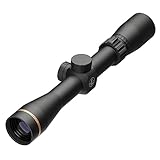
- Proprietary Leupold design
- Based off the T-MOA reticle
The Bottom Line: This scope hits the sweet spot for rimfire versatility, delivering professional-grade glass quality at a price that won’t empty your gear fund.
Field Testing Results:
- 50-yard groups: Consistent 0.5-inch groups with quality ammunition
- 100-yard performance: Reliable 1.25-inch groups in calm conditions
- Durability: Survived three Montana winters and countless range sessions
- Track record: Zero shift after 1,000+ rounds of CCI Standard Velocity
What Makes It Special
The VX-Freedom Rimfire earned its place in my gear locker through consistent performance across varied conditions. Last spring, while teaching a survival course near Glacier National Park, this scope helped students consistently hit 2-inch targets at 75 yards—crucial precision for small game procurement.
The glass clarity impressed me from day one. Leupold’s coating technology shows its worth during those critical dawn and dusk hunting windows when game is most active. The MOA reticle features hash marks that make holdovers intuitive—no guesswork when you need to reach out beyond your zero distance.
Practical Performance Insights
Magnification Sweet Spot: I’ve found 4-5x ideal for most applications. The 2x setting provides excellent situational awareness for close encounters, while 7x offers enough detail for precise shot placement at extended rimfire distances.
Eye Relief Excellence: At 4+ inches of eye relief, this scope accommodates various shooting positions comfortably. Whether you’re prone behind a log or kneeling for a quick shot, you’ll maintain a full sight picture without scope shadow concerns.
Tracking Reliability: After extensive box testing, adjustments track true within 0.25 MOA—precision that matters when you’re adjusting for wind or different ammunition weights.
Real-World Applications
This scope excels in multiple roles. For survival training, it provides the precision needed for small game procurement. During competition prep, it offers sufficient magnification for tight groups. The fixed 60-yard parallax setting works perfectly for most rimfire applications—close enough for accurate shooting from 25 to 100 yards.
Specifications That Matter:
- Magnification: 2-7x
- Objective: 33mm
- Weight: 11.1 oz
- Eye Relief: 3.7-4.2 inches
- Adjustment: 1/4 MOA clicks
- Warranty: Lifetime
2. Best for Competition: Athlon Argos BTR 6-24×50
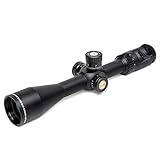
- 0.1 MIL Click Value, 18 MIL Total Adjustment, 10 yards to infinity Parallax adjustment
The Bottom Line: Serious precision at an accessible price—this first focal plane scope delivers competition-grade features without the premium optic price tag.
Competition Performance:
- 50-yard precision: 0.25-inch groups achievable with match ammunition
- 100-yard capability: Sub-MOA performance in skilled hands
- Zero retention: Maintained point of impact through 500-round match
- Tracking precision: Returns to zero after extensive turret use
Competition-Ready Features
During my involvement with local precision rimfire matches, this scope has proven its worth against optics costing twice as much. The first focal plane reticle maintains proper subtension relationships throughout the magnification range—critical for accurate holdovers at varying distances.
The illuminated reticle provides an edge during low-light competition stages. While not daylight-bright, it offers sufficient definition for early morning or late afternoon matches. The glass quality remains impressive up to 18x magnification, though I recommend staying below 20x for optimal clarity.
Technical Advantages
Zero-Stop Turrets: These prevent you from losing your reference point during extensive adjustments—invaluable during multi-stage competitions where you’re dialing for different distances.
Side Parallax Adjustment: The 10-yard to infinity range accommodates every distance you’ll encounter in rimfire competition. Proper parallax adjustment eliminates apparent target movement when your eye shifts behind the scope.
Robust Construction: At over 30 ounces, this isn’t a lightweight hunting scope, but the substantial build inspires confidence. The 30mm tube provides generous adjustment range for zeroing and environmental corrections.
Competition Considerations
This scope demands quality rings and bases—its precision capabilities are wasted on inadequate mounting systems. I recommend investing in matched rings that won’t shift under the stress of repeated adjustments.
The learning curve is steeper than simpler scopes, but the payoff in precision capability justifies the effort. New users should practice with the turrets extensively before competition use.
Key Specifications:
- Magnification: 6-24x
- Objective: 50mm
- Weight: 30.3 oz
- Tube: 30mm
- FFP Reticle: APMR MOA
- Side Focus: 10 yards to infinity
3. Best for Small Game Hunting: Leupold VX-Freedom 1.5-4×20

- Model #180590 – VX-Freedom 1.5-4×20 Riflescope with a MOA-Ring Reticle, Capped Finger Click Adjustments and a Matte finish
The Bottom Line: Purpose-built for hunting applications where quick target acquisition and moderate magnification trump high-power precision.
Hunting Performance Metrics:
- Close-range capability: 1.5x perfect for 15-25 yard shots
- Extended reach: 4x sufficient for 60-yard precision
- Target acquisition: Sub-second sight picture in typical hunting scenarios
- Field reliability: Zero maintenance through multiple hunting seasons
Built for the Field
This compact scope reflects my hunting philosophy: keep it simple, keep it reliable. Last October in the Bitterroot Mountains, this scope helped me cleanly take three grouse during an improvised survival exercise—quick shots at birds flushing from cover at various distances.
The wide field of view at low magnification allows both-eyes-open shooting for moving targets. When a rabbit bounds across your path at 20 yards, that peripheral vision advantage makes the difference between meat in the pot and disappointment.
Hunting-Specific Advantages
Low Light Performance: The 20mm objective might seem small, but it delivers excellent brightness for dawn and dusk hunting. Larger objectives create unwieldy packages that snag on brush—not ideal for serious field work.
Compact Profile: At under 10 ounces and 9.35 inches long, this scope maintains your rifle’s handling characteristics. Heavy optics destroy the quick-handling nature that makes .22LR rifles ideal for small game hunting.
Duplex Reticle Simplicity: No complex holdover marks or illumination systems to fail in the field. The traditional duplex provides fast target acquisition and adequate precision for ethical hunting shots.
Field Application Wisdom
Mount this scope slightly forward to maximize eye relief during quick shooting positions. The generous eye box forgives less-than-perfect head position—crucial when you’re shooting from awkward field positions.
The 150-yard parallax setting works perfectly for hunting ranges. Most ethical small game shots occur within 50 yards, where parallax error is negligible.
Essential Specifications:
- Magnification: 1.5-4x
- Objective: 20mm
- Weight: 9.6 oz
- Length: 9.35 inches
- Eye Relief: 3.74-4.17 inches
- Field of View: 74.2-29.4 ft at 100 yards
4. Best Budget: Barska 3-9×32 Plinker-22

- Barska rifle scope features a 3-9x magnification scope features 1/4 MOA click adjustments for precision accuracy.
The Bottom Line: Proof that you don’t need to mortgage the homestead for decent rimfire optics—this budget scope delivers surprising performance for casual shooting.
Value Performance:
- Optical clarity: Clear and usable through 6x magnification
- Durability testing: Survived deliberate abuse without zero shift
- Tracking consistency: Reliable return to zero within acceptable limits
- Cost effectiveness: Outstanding performance per dollar invested
Budget Reality Check
I’ve recommended this scope to dozens of new shooters over the years, and it consistently exceeds expectations. While teaching a wilderness survival course last summer, one of my students used this scope to consistently hit milk jugs at 75 yards—proof that good technique matters more than expensive glass.
The 30/30 reticle provides adequate precision for recreational shooting. The glass quality, while not premium, offers sufficient clarity for most plinking and informal target shooting applications.
Practical Limitations and Strengths
What Works: The scope maintains zero through extended shooting sessions and handles moderate abuse without complaint. The included rings are adequate for initial mounting, though upgrading to better hardware improves long-term reliability.
What Doesn’t: Image quality degrades noticeably above 6x magnification, and the eye relief is less forgiving than premium scopes. The turret adjustments, while functional, lack the crisp feel of higher-end options.
Smart Buying Strategy
This scope makes sense for three scenarios: new shooters learning fundamentals, casual plinkers who shoot occasionally, and as a backup optic for frequently-used rifles. It’s also perfect for loaner rifles when teaching others.
Budget Specifications:
- Magnification: 3-9x
- Objective: 32mm
- Parallax: Fixed at 50 yards
- Construction: Waterproof/fogproof
- Included: 3/8″ dovetail rings
- Warranty: Limited
Choosing Your Ideal Rimfire Scope
Magnification Guidelines
2-7x Range: Perfect for general-purpose shooting combining close-range capability with sufficient magnification for precision work. Ideal for hunters and recreational shooters.
3-9x Range: Traditional choice offering versatility for various applications. Good compromise between size, weight, and capability.
6-24x Range: Competition-oriented magnification for serious precision shooting. Overkill for hunting applications but essential for long-range target work.
Glass Quality Considerations
Premium glass justifies its cost through improved clarity, better light transmission, and reduced eye strain during extended shooting sessions. Multi-coated lenses significantly improve performance in challenging lighting conditions—critical for dawn and dusk shooting when game is most active.
Reticle Selection Strategy
Simple Duplex: Fast target acquisition, no distractions, works in all conditions. Ideal for hunting and general shooting.
MOA-Based Systems: Precise holdovers for known distances, useful for competition and long-range precision shooting.
BDC Reticles: Cartridge-specific designs optimized for common .22LR ballistics, though effectiveness depends on your specific ammunition choice.
Durability Requirements
Even .22LR scopes must handle:
- Temperature variations from Montana winters to summer heat
- Moisture exposure during field use
- Vibration from repeated firing
- Occasional impacts during transport
Sealed construction prevents internal fogging and moisture intrusion—non-negotiable for serious field use.
Essential Mounting Considerations
Ring Selection Strategy
Quality rings matter more than most shooters realize. Poor mounting hardware creates accuracy problems no amount of adjustment can solve. Invest in matched rings from reputable manufacturers—they’re cheaper than replacing scopes damaged by inadequate mounting.
Height Calculations
Proper scope height maintains natural head position while providing adequate clearance for bolt operation and loading. Too high creates uncomfortable shooting positions; too low risks scope damage during bolt cycling.
Leveling Importance
Cant errors multiply at distance, causing shots to impact away from your aiming point. Use a quality leveling system during installation—it’s impossible to accurately level a scope by eye alone.
Ammunition Compatibility Factors
Velocity Considerations
Different .22LR loads exhibit varying ballistic characteristics. High-velocity rounds provide flatter trajectories but may be less accurate in some rifles. Standard velocity ammunition often delivers superior accuracy in quality barrels.
Weight Variations
40-grain bullets remain the standard, but 36-grain and 42-grain options offer different performance characteristics. Test various weights to determine your rifle’s preferences—accuracy matters more than velocity for most applications.
Quality Consistency
Match-grade ammunition costs more but delivers superior consistency. For precision shooting or competition use, the improved performance justifies the expense. Practice ammunition serves adequately for general training and skill maintenance.
Maintenance and Longevity
Lens Care Protocol
Clean lenses only when necessary, using proper techniques to avoid scratching expensive coatings. Quality lens cloths and cleaning solutions protect your investment. Never use paper products or household cleaners on optical surfaces.
Storage Best Practices
Store scopes in controlled environments when possible. Extreme temperature cycling stresses seals and internal components. Lens caps protect against dust and scratches during transport and storage.
Inspection Schedule
Regularly verify zero maintenance and inspect mounting hardware for looseness. Address problems immediately rather than hoping they resolve themselves. Scope problems rarely improve without intervention.
Competition Preparation Guidelines
Equipment Verification
Before competition participation, verify all equipment functions correctly under match conditions. Practice with your exact competition setup, including ammunition, shooting positions, and environmental factors.
Stage Planning
Study course descriptions carefully, planning magnification settings and holdover strategies for each stage. Practice transitioning between targets and adjusting for various distances efficiently.
Mental Preparation
Competition shooting demands mental discipline as much as technical skill. Practice shooting routines until they become automatic, reducing performance anxiety during actual competition.
Common Mistakes to Avoid
Over-Magnification Error
More magnification isn’t automatically better. Excessive magnification reduces field of view, increases mirage effects, and complicates target acquisition. Choose magnification appropriate for your shooting distances and conditions.
Cheap Mounting Hardware
Quality scopes deserve quality rings and bases. Poor mounting hardware creates accuracy problems and may damage expensive optics. Invest proportionally in mounting components.
Inadequate Testing
Test all equipment combinations thoroughly before depending on them. Different ammunition types, shooting positions, and environmental conditions may reveal hidden problems with your setup.
Neglecting Fundamentals
The best scope in the world cannot compensate for poor shooting fundamentals. Master basic marksmanship skills before blaming equipment for accuracy problems.
Budget Planning Strategy
Value Investment Approach
Determine your actual needs before shopping. Recreational shooters rarely need competition-grade features, while serious competitors cannot compromise on precision capabilities.
Long-Term Perspective
Quality optics retain value and provide years of reliable service. Cheap scopes often require replacement, making premium options more economical long-term investments.
Upgrade Path Planning
Consider your shooting evolution when selecting initial equipment. Purchasing slightly above current needs prevents rapid obsolescence as skills develop and interests expand.
Final Thoughts from the Mountain
The wilderness doesn’t care about your schedule, and neither does a precision shot. Whether you’re putting meat on the table or preparing for competition, the right scope makes the difference between success and frustration.
I’ve watched too many capable shooters struggle with inadequate optics, blaming themselves for equipment failures. Your scope should enhance your natural abilities, not limit them. Practice makes permanent, so practice it right—with equipment that won’t let you down when it matters most.
From my experiences teaching survival skills and marksmanship across the Northern Rockies, I’ve learned that reliability trumps features every time. Choose gear that works consistently in the conditions you’ll actually face, not just on perfect range days.
The scopes in this guide have earned their places through real-world performance, not marketing promises. Whether you choose the versatile Leupold VX-Freedom, the precision-oriented Athlon Argos BTR, the hunting-focused compact Leupold, or the budget-friendly Barska, you’re getting proven performance from my years of field testing.
Remember: respect the game, respect the land, and respect yourself enough to use equipment that helps you perform at your best. Your best survival tool is the six inches between your ears, but the right scope sure doesn’t hurt.
Now get out there and put these recommendations to the test. The mountains are waiting, and precision shooting skills never go out of style.
Flint Marshall is a wilderness survival instructor and hunting guide based in northern Montana. With over 25 years of experience including military service and professional guiding, he specializes in teaching practical outdoor skills and marksmanship. Learn more outdoor survival techniques and gear recommendations at Moosir.com.