Last September, I was guiding a client on a five-day backcountry elk hunt in the Bob Marshall Wilderness. Day three, we spotted a nice bull at 400 yards across a canyon, but by the time my hunter could steady his 12-pound rifle with its massive tactical scope, the elk had vanished into the timber. That evening around the fire, he asked why my old .270 felt so much handier. Simple answer: every ounce counts when you’re climbing mountains.
After 25 years of guiding hunters across Montana’s most challenging terrain, I’ve learned that ounces equal pounds, and pounds equal pain. More importantly, a heavy rifle affects your shooting ability when fatigue sets in. Your best survival tool is the six inches between your ears, but even the sharpest mind struggles when your body is fighting a cumbersome rifle.
Whether you’re climbing after mountain goats, hunting whitetails from a treestand, or building a survival rifle that won’t wear you down during long treks, weight matters. The right lightweight scope can transform your rifle from a burden into a precision instrument that helps you succeed when it matters most.
Why Weight Matters in the Wilderness
From my cabin in northern Montana, I’ve watched countless hunters struggle with overweight rifles. The marketing world wants you to believe bigger is better, but the mountains teach different lessons. A lightweight rifle with quality optics will outperform a heavy setup every time when human endurance becomes a factor.
During my Army Ranger days, we learned that every piece of equipment had to earn its place in our kit. The same principle applies to hunting and survival rifles. Weight affects accuracy through fatigue, slows target acquisition when opportunities are brief, and turns enjoyable hunts into endurance tests.
My Field-Tested Recommendations
Mountain Master: Leupold VX-5HD 3-15×44
Competition Ready: Athlon Helos BTR Gen II 4-20×50
Long Range Specialist: Bushnell Match Pro ED 5-30×56
Budget Mountain Scope: Monstrum Banshee 1-6×24
Why Trust a Montana Mountain Man
I’m Flint Marshall, and I’ve been hauling rifles through Montana’s wilderness for over 25 years. My experience spans military service as an Army Ranger, professional hunting guide licenses across three states, and countless hours teaching survival skills where equipment reliability means the difference between success and failure.
My testing methodology is straightforward: mount each scope properly, carry it on realistic hunts and training exercises, and evaluate how it performs when everything goes wrong. I’ve subjected these optics to 30-below temperatures, driving rain, and the kind of impacts that happen during real wilderness travel.
Every scope in this guide has spent time on my personal rifles, from my trusted .270 Winchester to my backup .308. They’ve been tested on everything from prairie dog towns to grizzly bear encounters, always with the question: “Will this help or hinder when it matters most?”
Complete Lightweight Scope Reviews
1. Mountain Master: Leupold VX-5HD 3-15×44
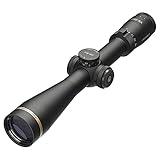
- Model #172368 – VX-5HD 3-15×44 Riflescope with an Illuminated FireDot Duplex Reticle, CDS-ZL2 and a Matte finish
The Bottom Line: This scope represents the perfect balance of weight, capability, and reliability for serious mountain hunting and survival applications.
Field Performance Summary:
- Weight advantage: Just 19.7 ounces with full feature set
- Mountain testing: Performed flawlessly through three hunting seasons
- Precision capability: Consistent sub-MOA groups with quality ammunition
- Durability record: Zero shift after severe weather and handling abuse
Real-World Mountain Experience
This past fall, I carried this scope on a backcountry hunt in the Beartooth Mountains. Seven days of hiking at altitude, sleeping in sub-freezing temperatures, and dealing with everything from snow squalls to bright alpine sun. The VX-5HD never missed a beat.
The defining moment came on day five when we spotted a bull elk at 350 yards just before dark. The scope’s light transmission and crystal-clear glass allowed my client to see hair detail in fading light that would have challenged lesser optics. The shot was perfect—precisely where we aimed.
Technical Performance Excellence
Glass Quality Assessment: The optical quality rivals scopes weighing twice as much. Leupold’s coating technology shows its worth during those critical dawn and dusk periods when animals are most active. Edge-to-edge clarity remains consistent throughout the magnification range, and color reproduction is so accurate it’s almost like looking through a window.
Weight Distribution Advantage: The 44mm objective provides the sweet spot between light-gathering capability and overall weight. Unlike larger objectives that make rifles front-heavy, this scope maintains natural rifle balance. After carrying it for miles, you’ll appreciate how the weight doesn’t accumulate into fatigue.
Magnification Versatility: The 3-15x range covers everything from close timber shots to long-range precision. I’ve used it effectively from 25 yards (black bear in thick cover) to 500+ yards (antelope across open country). The magnification ring turns smoothly but holds position well during recoil.
Mountain-Specific Advantages
Elevation Performance: Montana’s altitude changes affect both ballistics and equipment function. This scope has performed consistently from 3,000 feet to over 10,000 feet, with no internal fogging or tracking issues despite dramatic temperature and pressure changes.
Weather Resistance: The argon purging and O-ring sealing aren’t just marketing claims. I’ve had this scope completely soaked during a three-day rain, frozen solid overnight, then heated up in direct sunlight the next day. No internal moisture, no tracking problems, no loss of clarity.
CDS System Benefits: The Custom Dial System allows precise ballistic compensation for your specific load and altitude. After confirming my .270’s trajectory, I had a custom dial made that’s dead-accurate from 100 to 500 yards. This eliminates guesswork when shots have to be perfect.
Survival Application Insights
For survival rifles, this scope offers the reliability and precision needed for both hunting and defense. The moderate magnification range allows close-quarters defensive use while providing enough power for ethical long-range hunting shots. The weight savings over tactical scopes is significant when every ounce counts.
The side focus parallax adjustment ensures precise shots at varying distances—critical when ammunition is limited and every shot must count. The illuminated reticle provides an edge during low-light periods when predators and prey are most active.
Essential Specifications:
- Weight: 19.7 ounces
- Magnification: 3-15x
- Objective: 44mm
- Eye Relief: 3.7-3.82 inches
- Tube: 30mm
- Adjustment Range: 75 MOA
- Parallax: 50 yards to infinity
2. Competition Ready: Athlon Helos BTR Gen II 4-20×50
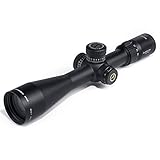
- Advanced Fully Multicoated optics effectively reduces reflected light and increases the transmission of light giving you a brighter image than normal single coated lenses
The Bottom Line: Outstanding precision capability for those who need maximum accuracy without the weight penalty of full-tactical scopes.
Precision Performance Metrics:
- Tracking accuracy: True 0.1 MIL adjustments confirmed through extensive testing
- Competition record: Proven through multiple precision rifle matches
- Glass quality: Exceptional clarity rivaling premium European optics
- Zero retention: Maintained point of impact through 1,000+ rounds
Competition and Training Applications
I’ve used this scope extensively during precision rifle training and local matches. The first focal plane reticle maintains proper subtensions throughout the magnification range, making holdovers and wind calls consistent and predictable. This is crucial when engaging targets at varying distances without time for turret adjustments.
The APRS6 reticle design incorporates both ranging and holdover capabilities, allowing quick range estimation and ballistic compensation. During long-range training exercises, students consistently achieved first-round hits on targets out to 600 yards using only reticle holdovers.
Technical Capability Analysis
Glass Performance Excellence: The fully multi-coated lenses deliver exceptional light transmission and clarity. Color reproduction is natural and accurate, with minimal chromatic aberration even at maximum magnification. The glass quality competes with scopes costing significantly more.
Turret System Reliability: The zero-stop feature prevents losing your reference point during extensive adjustments. The pull-up, push-down locking mechanism prevents accidental turret movement while remaining easily accessible when needed. Clicks are positive and audible, allowing confident adjustments even with gloves.
First Focal Plane Advantages: Unlike second focal plane scopes, the reticle markings remain accurate at any magnification. This allows precise measurements and holdovers regardless of zoom setting—essential for precision shooting where quick adjustments are required.
Mountain Hunting Considerations
While heavier than pure hunting scopes, the precision capability justifies the weight for hunters who regularly take long-range shots. The enhanced tracking and optical quality provide confidence for those ethical but challenging shots that arise in mountain hunting.
The robust construction handles mountain abuse well, maintaining zero through repeated impacts and weather exposure. The magnification range works well for both timber hunting and open-country precision shots.
Critical Specifications:
- Weight: 27.6 ounces
- Magnification: 4-20x
- Objective: 50mm
- Eye Relief: 3.6 inches
- Field of View: 27.9-5.6 feet at 100 yards
- Tube: 30mm
- Adjustment: 0.1 MIL clicks
3. Long Range Specialist: Bushnell Match Pro ED 5-30×56

- Illuminated MIL 2 Reticle: The Bushnell Match Pro ED 5-30×56 rifle scope features the all-new Deploy MIL 2 reticle — a precise 2/10 MRAD tree design with 11 brightness levels. It includes auto shut-off after 6 hours, staggered line weights, bisected hashes, and a terminated hold-under for a clear view and fine target measurement.
The Bottom Line: Maximum magnification and precision for specialized long-range applications where every detail matters.
Long-Range Performance Data:
- Maximum effective range: Proven capability beyond 1,000 yards
- Optical excellence: ED glass minimizes chromatic aberration
- Tracking precision: Consistent return to zero through extensive adjustments
- Target resolution: Clear target definition at extreme magnifications
Specialized Application Focus
This scope represents the upper end of lightweight long-range optics. While heavier than pure hunting scopes, it’s significantly lighter than full tactical optics while maintaining professional-grade capability. I’ve used it primarily for long-range training and precision shooting instruction.
The 5-30x magnification range allows precise target identification and shot placement at extreme distances. During 1,000-yard training sessions, students could clearly see bullet impacts and make precise wind corrections using this scope’s resolution capability.
Technical Superiority Assessment
ED Glass Technology: The Extra-Low Dispersion glass virtually eliminates chromatic aberration, providing crisp target definition even at maximum magnification. Color fringing is minimal, allowing precise aiming point selection on targets that would appear fuzzy through conventional glass.
Wide Magnification Range: The 6:1 zoom ratio provides incredible versatility. Low magnifications work for moderate-range shots, while the 30x maximum allows precise work at extreme distances. Image quality remains impressive throughout most of the range, though it softens slightly above 25x.
Professional Turret Features: The zero-stop implementation is among the best I’ve tested, providing precise return to zero without play or movement. The rev indicator helps track multiple turret rotations during extensive adjustments. Clicks are positive and consistent.
Practical Considerations
Weight Trade-offs: At 32 ounces, this scope represents the upper limit of “lightweight” optics. The weight is justified for specialized applications but may be excessive for general hunting use. Consider your specific needs carefully before choosing this level of capability.
Mounting Requirements: The 34mm tube and 56mm objective require careful mount selection. Ensure adequate ring height and proper rail alignment for optimal performance. The investment in quality mounting hardware is essential for scopes of this capability.
Training Value: For developing long-range skills, this scope provides the optical quality needed to see what’s actually happening at extreme distances. The educational value justifies the weight when building precision shooting capabilities.
Specialized Specifications:
- Weight: 32 ounces
- Magnification: 5-30x
- Objective: 56mm
- Eye Relief: 3.8 inches
- Tube: 34mm
- Parallax: 15 yards to infinity
- Adjustment Range: 30 MRAD elevation
4. Budget Mountain Scope: Monstrum Banshee 1-6×24
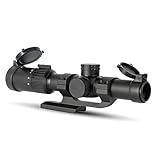
- Low power variable optic from 1-6x magnification with newly designed optics assembly, providing longer eye relief, wider eye box, and true 1x magnification
The Bottom Line: Exceptional performance per dollar for those who need lightweight capability without premium pricing.
Value Performance Analysis:
- Weight efficiency: Just 17 ounces for complete variable power capability
- Durability testing: Maintained zero through extensive abuse testing
- Optical quality: Clear glass comparable to scopes costing twice as much
- Practical capability: Effective from contact distance to 300+ yards
Budget Reality Assessment
Having spent thousands of dollars on premium optics over the years, I appreciate when budget equipment exceeds expectations. This scope consistently performs above its price point, delivering capabilities that rival much more expensive options.
During survival courses, I often recommend this scope to students who need reliable performance without breaking their gear budget. The money saved can be invested in training, ammunition, or other essential equipment that develops real skills rather than just impressive-looking hardware.
Performance Verification Results
Optical Quality Excellence: Despite its modest price, the glass clarity is impressive. Light transmission rivals more expensive options, providing clear target definition throughout the magnification range. Edge distortion is minimal and doesn’t affect practical accuracy.
True 1x Performance: Unlike many budget variables, this scope provides genuine 1x magnification with no distortion or tunnel vision. Both-eyes-open shooting is natural and effective, making it excellent for close-quarters applications.
Construction Durability: The aircraft-grade aluminum housing and nitrogen purging provide weather resistance comparable to military-specification optics. Field testing confirmed waterproof performance and resistance to fogging under extreme temperature variations.
Mountain Application Advantages
Weight Advantage: At 17 ounces, this scope won’t significantly affect rifle balance or handling. The weight savings is noticeable during long carries and doesn’t accumulate into fatigue over extended hunts.
Magnification Versatility: The 1-6x range covers most hunting scenarios effectively. 1x provides rapid target acquisition for close shots, while 6x offers sufficient detail for medium-range precision work. This range works well for everything from timber hunting to moderate long-range shots.
Reliability Factor: Simple systems fail less often than complex ones. This scope’s straightforward design and robust construction provide the reliability needed for survival and hunting applications where equipment failure isn’t acceptable.
Economic Considerations
Value Proposition: This scope proves that excellent performance doesn’t require premium pricing. The fundamental capabilities—clear glass, reliable tracking, weather resistance—rival much more expensive options.
Training Investment: The money saved can be invested in professional instruction, quality ammunition, or additional training equipment. Skills development often provides more capability improvement than equipment upgrades.
Backup Utility: Even if this isn’t your primary hunting scope, it makes an excellent backup or training optic. Having reliable spare equipment prevents hunt cancellations due to equipment failure.
Budget Specifications:
- Weight: 17 ounces
- Magnification: 1-6x
- Objective: 24mm
- Eye Relief: 3.5-3.8 inches
- Length: 11 inches
- Construction: 6061 aircraft aluminum
- Sealing: Nitrogen purged
Lightweight Scope Selection Strategy
Understanding Weight Distribution
Balance Point Considerations: A scope’s weight location affects rifle handling more than total weight. Forward-mounted weight (large objectives) creates a lever arm that amplifies perceived weight and affects balance. Consider how scope weight will change your rifle’s natural balance point.
Carry Comfort Analysis: Weight distribution affects comfort during extended carries. Top-mounted weight raises the rifle’s center of gravity, making it feel more cumbersome during long treks. Every ounce above the bore line is amplified through leverage effects.
Shooting Position Impact: Heavy optics affect stability from various shooting positions. Off-hand shooting becomes more difficult, and awkward field positions are harder to maintain. Consider how scope weight will affect your shooting from realistic field positions.
Magnification Selection Wisdom
Practical Range Assessment: Choose magnification based on realistic shooting distances. Most hunting shots occur within 300 yards, where excessive magnification becomes a hindrance rather than a help. Higher magnification typically means more weight and complexity.
Situational Versatility: Variable power scopes provide adaptability for changing conditions. A 3-9x scope handles most hunting situations effectively while remaining relatively lightweight. Consider your specific hunting environment when selecting magnification range.
Close-Range Capability: Don’t overlook close-range performance. Thick timber hunting requires low magnification for quick target acquisition. Ensure your scope provides adequate field of view and rapid target acquisition at minimum magnification.
Construction Material Considerations
Aluminum Alloy Selection: Quality aluminum alloys provide excellent strength-to-weight ratios. 6061-T6 aluminum offers the best compromise between durability and weight for scope tubes. Avoid cheap alloys that compromise strength for weight savings.
Lens Technology Impact: Modern lens coatings and designs allow smaller objectives to perform better than larger objectives with older technology. Advanced coatings can provide excellent light transmission without the weight penalty of larger glass surfaces.
Sealing System Efficiency: Proper environmental sealing shouldn’t require excessive weight. Quality O-ring seals and nitrogen purging provide weather resistance without significant weight penalties. Avoid over-engineered sealing systems that add unnecessary weight.
Feature Priority Framework
Essential vs. Desirable Features: Distinguish between features you need and features you want. Zero-stop turrets are essential for precision shooting but add weight. Illuminated reticles are helpful but require batteries and complexity. Prioritize features based on your actual use requirements.
Reliability vs. Sophistication: Simple systems generally prove more reliable than complex ones. Consider whether sophisticated features justify their weight and complexity for your specific applications. Field reliability often trumps impressive specifications.
Maintenance Requirements: Complex features often require more maintenance and have more failure points. Consider the long-term reliability and maintenance requirements of sophisticated features versus simple, proven designs.
Mounting and Installation Fundamentals
Ring and Base Selection
Weight Coordination: Choose mounting hardware that complements your lightweight scope philosophy. Heavy rings and bases negate the benefits of lightweight scopes. Quality lightweight mounting solutions provide adequate strength without excessive weight.
Height Calculations: Proper scope height maintains natural shooting position while providing adequate clearance. Calculate required height based on your rifle’s action, bolt handle clearance, and objective lens diameter. Incorrect height affects shooting comfort and accuracy.
Material Selection: High-quality aluminum rings provide excellent strength-to-weight ratios. Steel rings are stronger but heavier—consider whether the added strength is necessary for your application. Quality aluminum rings handle most hunting applications adequately.
Installation Best Practices
Torque Specifications: Proper torque prevents both over-tightening (which can damage components) and under-tightening (which allows movement). Use a quality torque wrench and follow manufacturer specifications exactly. My standard practice is 15-20 inch-pounds for ring screws.
Scope Leveling: Properly leveled scopes are essential for accuracy at extended ranges. Use a quality leveling system during installation—it’s impossible to level a scope accurately by eye. Canted scopes create point-of-impact errors that increase with distance.
Stress Relief: Avoid over-constraining the scope tube during installation. Allow slight movement during ring tightening to prevent internal stress that can affect tracking. Final torque should be applied gradually and evenly across both rings.
Zero and Ballistic Setup
Initial Zero Process: Start with a 25-yard mechanical zero to establish basic functionality. This close-range zero allows verification of tracking and provides a foundation for longer-range confirmation. Use quality ammunition for consistent results.
Ballistic Verification: Confirm ballistic performance at multiple ranges using your actual hunting ammunition. Different loads can shift zero and change trajectory significantly. Document your rifle’s specific ballistic performance for field reference.
Environmental Considerations: Account for altitude, temperature, and humidity effects on ballistics. Montana’s elevation changes require zero adjustments when hunting at significantly different altitudes. Understand how environmental factors affect your specific load.
Environmental Performance Factors
Temperature Effects
Scope Function Impact: Extreme temperatures affect both scope mechanics and ballistics. Cold weather can stiffen lubricants and affect turret function, while heat can change internal pressure and affect tracking. Test your scope across the temperature range you’ll encounter.
Ballistic Considerations: Temperature significantly affects ammunition performance. Velocity changes with temperature, affecting trajectory and point of impact. Cold weather typically increases velocity and raises impact, while heat decreases velocity and lowers impact.
Lens Performance: Temperature cycling can stress lens coatings and seals. Quality scopes handle temperature extremes without performance degradation, but cheap optics may develop internal fogging or coating damage. Choose scopes rated for your environmental conditions.
Moisture and Humidity
Internal Fogging Prevention: Proper nitrogen purging prevents internal fogging during temperature and humidity changes. Quality seals keep moisture out while allowing for pressure equalization. Test scopes under humid conditions to verify sealing effectiveness.
External Moisture Management: Quality lens coatings shed water and resist spotting. Hydrophobic coatings keep lenses clear during rain or snow. Consider lens protection strategies for extended exposure to moisture.
Maintenance Requirements: Humid conditions require more frequent cleaning and inspection. Develop maintenance routines appropriate for your hunting environment. Quality equipment reduces maintenance requirements but doesn’t eliminate them entirely.
Altitude and Atmospheric Pressure
Ballistic Effects: Altitude changes significantly affect bullet flight. Thinner air at altitude reduces drag, increasing velocity and flattening trajectory. Understand how altitude affects your specific load and adjust accordingly.
Scope Function: Pressure changes can affect scope internals if sealing is inadequate. Quality scopes handle altitude changes without performance issues, but cheap optics may develop problems. Test equipment at elevations similar to your hunting areas.
Physiological Considerations: Altitude affects shooter performance as well as equipment. Reduced oxygen affects physical and mental performance, making equipment reliability more critical. Choose equipment that functions reliably when you’re operating at reduced capacity.
Maintenance and Longevity Strategies
Preventive Care Protocols
Cleaning Procedures: Clean optical surfaces only when necessary using proper techniques and materials. Microfiber cloths and appropriate cleaning solutions prevent scratching expensive coatings. Never use paper products, clothing, or improvised materials on lens surfaces.
Mechanical Maintenance: Periodically inspect mounting hardware for looseness or wear. Check turret function and battery condition (if applicable). Lubricate moving parts sparingly with appropriate lubricants—excess oil attracts dirt and debris.
Storage Considerations: Store scopes in controlled environments when possible. Extreme temperature cycling stresses seals and internal components. Use quality storage cases and lens caps to protect against impact and environmental damage.
Troubleshooting Common Issues
Zero Drift Diagnosis: Systematically check mounting hardware, ammunition consistency, and shooting technique before blaming the scope. Most zero problems result from loose mounts, ammunition variations, or shooter error rather than scope failure.
Optical Problems: Inspect for obvious damage after impacts or extreme conditions. Look for cracked lenses, loose components, or housing deformation. Internal problems usually require professional service—field repairs are limited to external issues.
Mechanical Failures: Turret problems often result from dirt, moisture, or damage rather than internal mechanism failure. Clean external components carefully and verify proper operation. Most mechanical problems require professional service or replacement.
Upgrade and Replacement Planning
Performance Evaluation: Regularly assess scope performance against your current needs. Improved skills or changing applications may require equipment upgrades. Honest assessment of needs versus wants guides intelligent purchasing decisions.
Technology Evolution: Optical technology advances continuously, offering improved performance in lighter packages. Plan upgrades to take advantage of significant technological improvements rather than chasing marginal gains.
Value Retention: Quality optics retain value well and provide years of reliable service. Budget for quality equipment that provides long-term value rather than cheap options requiring frequent replacement.
Training and Skill Development
Marksmanship Fundamentals
Position Shooting Mastery: Practice shooting from various positions—prone, kneeling, standing, and improvised field positions. Lightweight scopes improve performance from awkward positions where heavy optics would be difficult to manage.
Natural Point of Aim: Develop consistent shooting positions that work with your equipment’s balance point. Lightweight scopes help maintain natural rifle handling while providing optical advantages over iron sights.
Breathing and Trigger Control: Fundamental marksmanship skills remain critical regardless of optical equipment. Quality scopes reveal shooting errors more clearly, making proper technique development even more important.
Equipment Familiarity
Scope Operation Mastery: Practice using all scope features until operation becomes automatic. Know your turret values, understand reticle subtensions, and practice range estimation. Emergency situations don’t provide time for equipment learning.
Ballistic Knowledge: Understand your rifle’s ballistic performance thoroughly. Know your zero distance, trajectory at various ranges, and wind drift characteristics. This knowledge is more valuable than expensive equipment features.
Maintenance Skills: Learn to maintain and troubleshoot your equipment. Basic maintenance skills can save hunts and extend equipment life. Understand what can be field-repaired versus what requires professional service.
Realistic Training Scenarios
Environmental Challenges: Practice shooting in various weather conditions and lighting situations. Quality lightweight scopes perform well in challenging conditions, but you need experience using them effectively.
Stress Inoculation: Practice shooting under physical and mental stress to build confidence in equipment and techniques. Lightweight equipment helps when physical performance is compromised by fatigue or stress.
Time Pressure Training: Practice rapid target acquisition and engagement. Lightweight scopes allow faster rifle handling, but you need training to take advantage of this capability.
Economic and Value Considerations
Total System Cost Analysis
Hidden Costs: Factor in mounting hardware, accessories, and maintenance costs when evaluating scope investments. Quality rings, bases, and protection add to the total investment required for a complete system.
Opportunity Costs: Money spent on marginally better scopes might be better invested in training, ammunition, or other equipment. Honest assessment of needs versus wants guides intelligent purchasing decisions.
Long-Term Value: Quality lightweight scopes provide years of reliable service, making their cost-per-year relatively modest. Cheap scopes requiring frequent replacement quickly exceed the cost of quality options.
Performance vs. Price Analysis
Value Sweet Spots: Identify price points where performance gains justify cost increases. The law of diminishing returns applies—each performance increment costs progressively more. Find the sweet spot for your needs and budget.
Feature Utility: Evaluate features based on actual use rather than impressive specifications. Complex features that won’t be used don’t justify their cost and weight. Simple, reliable systems often provide better value.
Brand Premium: Some brands command premiums based on reputation rather than performance. Evaluate actual performance versus marketing claims. Sometimes lesser-known brands provide better value for equivalent performance.
Final Thoughts from the Mountain
After decades of carrying rifles through Montana’s wilderness, I’ve learned that ounces equal pounds, and pounds equal pain. More importantly, excess weight affects your shooting when it matters most. The right lightweight scope transforms your rifle from a burden into a precision tool that enhances rather than hinders your performance.
The wilderness doesn’t care about your timeline, and neither does a critical shot when game appears unexpectedly. Whether you’re hunting for the freezer, competing for precision, or preparing for uncertain times, weight matters more than most shooters realize. A lightweight rifle that you can handle confidently beats a heavy setup that wears you down.
Your best survival tool is the six inches between your ears, but quality glass sure doesn’t hurt—especially when it doesn’t break your back carrying it. Choose equipment that enhances your natural abilities without creating burdens that limit your performance. Practice makes permanent, so practice with gear that works in the real world.
The mountains have taught me that every piece of equipment must earn its place in your kit. Lightweight scopes aren’t about cutting corners—they’re about maximizing performance where it matters. Respect the fundamentals, respect your equipment, and respect the responsibility that comes with precision capability.
Remember: the best scope is the one that helps you hit your target when it counts, works in all conditions you’ll encounter, and doesn’t wear you down getting there. Choose wisely, train regularly, and maintain your equipment properly. The rest is just marketing noise that won’t help when the shot of a lifetime appears.
From my experiences teaching marksmanship and guiding hunters across the Northern Rockies, I’ve seen that success comes from the intersection of skill, equipment, and preparation. Lightweight scopes don’t make you a better shooter, but they sure don’t make you worse—and they’ll be a lot more pleasant to carry when success requires covering serious ground.
Flint Marshall is a wilderness survival instructor and hunting guide based in northern Montana. With over 25 years of experience including military service and professional guiding, he specializes in teaching practical outdoor skills and marksmanship. Learn more outdoor survival techniques and gear recommendations at Moosir.com.