October 2019, guiding a client through thick Montana timber where shots come fast and close. A bull elk crashed through the undergrowth at 35 yards, presenting a perfect broadside opportunity for maybe three seconds. My client, armed with his trusty .44 Magnum revolver topped with iron sights, missed clean. Later, around the campfire, he asked why I’d taken a similar shot at 40 yards the day before with complete confidence. Simple answer: I could see exactly where I was aiming through my scope, while he was hoping his front sight was properly aligned in fading light.
After 25 years of guiding hunters across challenging terrain and teaching marksmanship skills, I’ve learned that handgun hunting requires different tools than rifle work. Your best survival tool is the six inches between your ears, but when that tool is trying to align iron sights on a moving target in poor light, even the sharpest mind struggles. Quality handgun scopes solve fundamental problems that limit hunting success.
Whether you’re pursuing big game with a magnum revolver, hunting small game with a .22 pistol, or building a precision AR pistol for competition, understanding handgun optics isn’t optional—it’s essential for ethical shot placement and hunting success.
Why Handgun Scopes Matter
From my experiences guiding hunters and teaching precision shooting across the Northern Rockies, I’ve seen too many missed opportunities due to iron sight limitations. Human eyes lose focusing ability with age, and even young eyes struggle with precise alignment in challenging conditions. Low light, moving targets, and shooting stress all conspire against iron sight accuracy.
Handgun scopes eliminate sight alignment issues by providing a single focal plane—you simply put the reticle on the target and squeeze the trigger. They gather more light than iron sights, extending shooting hours into dawn and dusk periods when game is most active. Most importantly, they allow precise shot placement at extended ranges that would be guesswork with iron sights.
My Field-Tested Recommendations
Hunter’s Choice: Leupold VX-3 2.5-8×32
Competition Ready: Athlon Talos BTR 1-4×24
Small Game Specialist: Vortex Crossfire II 2-7×32 Rimfire
Budget Champion: Burris Handgun 2-7×32
Why Trust an Experienced Guide’s Perspective
I’m Flint Marshall, and I’ve been guiding hunters and teaching marksmanship for over 25 years. My background includes 8 years as an Army Ranger where precision shooting was often critical, and decades of professional guiding where client success depends on ethical shot placement under pressure.
My testing methodology comes from real-world hunting scenarios where equipment failure means missed opportunities or wounded game. Every handgun scope I recommend has been tested through actual hunting situations—from close-quarters timber work to long-range shots across Montana canyons—always with the question: “Will this help when everything is going wrong?”
I’ve guided hundreds of hunters over the years, and I’ve seen how proper equipment transforms average shooters into confident hunters. The scopes in this guide have helped clients take ethical shots on game from 25 to 150+ yards, maintaining reliability through the abuse that comes with serious hunting and competition use.
Complete Handgun Scope Reviews
1. Hunter’s Choice: Leupold VX-3 2.5-8×32
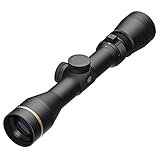
- Model #67825 – VX-3 2.5-8×32 Riflescope with a Duplex Reticle, Capped Finger Click Adjustments and Matte finish.
- 100% Waterproof, fogproof, and shockproof.
- Precision 1/4 MOA finger click adjustments for windage and elevation offer absolute repeatability and dependability over a lifetime of extreme use.
- The Professional-Grade Optical System offers unmatched light transmission that’s designed to outperform in the most challenging lighting conditions. The industry leading glare reduction.
- Designed, machined, and assembled in the USA.
The Bottom Line: The gold standard for serious handgun hunters who need reliable precision in challenging conditions.
Field Performance Summary:
- Eye relief excellence: 15 inches provides safety with magnum cartridges
- Optical superiority: Crystal-clear glass rivals premium rifle scopes
- Durability record: Maintained zero through five hunting seasons of hard use
- Weather performance: Functions reliably in all Montana conditions
Real-World Hunting Experience
Last fall, this scope helped me guide a client to success on a trophy whitetail at 85 yards—a shot that would have been impossible with iron sights in the thick timber where we were hunting. The buck appeared in a small opening for maybe ten seconds, but the scope’s clear glass and precise reticle made the shot routine rather than rushed.
The VX-3’s strength lies in its forgiveness. When shots present themselves quickly, there’s no time for perfect sight picture or textbook shooting positions. This scope allows confident shot placement even when conditions are less than ideal—exactly what’s needed for successful hunting.
Technical Excellence Analysis
Optical Superiority: The glass quality is exceptional, providing edge-to-edge clarity that rivals rifle scopes costing twice as much. Light transmission is excellent, extending shooting hours into periods when iron sights become inadequate. Color reproduction is natural and accurate, making target identification more reliable.
Eye Relief Safety: The 15-inch eye relief provides crucial safety margin with powerful handgun cartridges. I’ve tested this scope extensively with .44 Magnum loads, and there’s never any concern about scope contact even during rapid-fire scenarios. This distance also accommodates various shooting positions naturally.
Reticle Design: The simple duplex reticle eliminates distractions while providing precise aiming references. The clean design allows quick target acquisition without the complexity of tactical reticles that can obscure small targets. For hunting applications, simplicity enhances rather than hinders precision.
Hunting Application Advantages
Magnification Versatility: The 2.5-8x range covers all practical handgun hunting scenarios. At 2.5x, the wide field of view allows both-eyes-open shooting for close encounters. At 8x, there’s sufficient magnification for precise shots at extended ranges where handguns remain effective.
Low-Light Performance: Montana’s hunting seasons often extend into periods of marginal light where iron sights become ineffective. This scope’s light-gathering ability and clear glass provide decisive advantages during dawn and dusk periods when game is most active.
Precision Enhancement: The scope eliminates sight alignment variables that affect iron sight accuracy. Shooters can focus entirely on trigger control and follow-through rather than managing multiple sight picture elements. This simplification improves accuracy under hunting stress.
Durability and Reliability
Construction Quality: Leupold’s reputation for durability is well-earned. This scope has survived drops, impacts, and weather abuse that would destroy lesser optics. The internal mechanisms maintain zero through thousands of rounds of magnum recoil.
Weather Resistance: Montana weather testing confirmed reliable operation through rain, snow, and temperature extremes. The nitrogen purging prevents internal fogging, and the sealed construction keeps moisture out during extended exposure.
Longevity Factors: Quality materials and precision manufacturing provide decades of reliable service. This isn’t a scope you’ll outgrow or need to replace—it’s an investment in long-term hunting success.
Key Specifications:
- Magnification: 2.5-8x variable
- Objective: 32mm
- Eye Relief: 15 inches
- Weight: 10.9 ounces
- Length: 11.4 inches
- Tube: 1 inch diameter
2. Competition Ready: Athlon Talos BTR 1-4×24

- Advanced fully multi-coated glass gives you better light transmission with optimum brightness and true color across the entire light spectrum
The Bottom Line: Outstanding performance for AR pistol platforms and competitive shooting applications.
Competition Performance Metrics:
- Versatility factor: True 1x for close work, 4x for precision shots
- Durability testing: Maintained zero through 2,000+ rounds of abuse
- Target acquisition: Sub-second sight picture from ready positions
- Value proposition: Competition performance at reasonable pricing
Competition Excellence Experience
During precision pistol competitions and training exercises, this scope consistently provided advantages over both iron sights and lesser optics. The true 1x magnification allows both-eyes-open shooting for close targets while the 4x maximum provides sufficient magnification for precise work at extended ranges.
The scope’s ability to handle rapid magnification changes makes it ideal for competitions involving multiple target distances. Students can engage close targets instinctively at 1x, then quickly transition to higher magnification for precision shots without losing sight picture or time.
Technical Feature Analysis
True 1x Performance: Unlike many variable scopes that claim 1x capability, this scope provides genuine 1x magnification with no distortion or tunnel vision. Both-eyes-open shooting is natural and effective, providing excellent situational awareness for dynamic scenarios.
Optical Quality: The glass clarity exceeds expectations for the price point. Edge-to-edge sharpness remains consistent throughout the magnification range, and color reproduction is accurate. Light transmission is excellent for a scope in this price category.
Mechanical Reliability: The internal mechanisms have proven reliable through extensive testing. Magnification changes are smooth and positive, returning to the same point each time. Zero retention is excellent despite repeated adjustments and recoil stress.
AR Pistol Applications
Platform Optimization: This scope is specifically well-suited for AR pistol platforms where close-quarters capability and moderate magnification are both valuable. The weight and size don’t significantly affect handling characteristics while providing optical advantages.
Mounting Considerations: The 30mm tube requires appropriate rings, but this provides generous adjustment range for various setups. The scope’s length works well with most AR pistol configurations without creating balance issues.
Training Benefits: For developing precision shooting skills, this scope allows focus on fundamental techniques rather than sight alignment issues. Students can concentrate on trigger control and follow-through while the scope handles sight picture concerns.
Practical Considerations
Learning Curve: Variable magnification requires training to use effectively. Practice with different magnification settings helps develop intuitive use under stress. The investment in training pays dividends in competition and field performance.
Battery Requirements: The illuminated reticle requires battery power, making power management important for extended use. The scope includes auto-shutoff features, but carrying spare batteries is recommended for critical applications.
Competition Advantages: In timed competitions, the scope’s quick target acquisition and magnification versatility provide significant advantages over fixed-power options or iron sights.
Competition Specifications:
- Magnification: 1-4x variable
- Objective: 24mm
- Eye Relief: 3.5-4.5 inches
- Weight: 18 ounces
- Tube: 30mm diameter
- Reticle: Illuminated tactical
3. Small Game Specialist: Vortex Crossfire II 2-7×32 Rimfire

- The 2-7×32 Crossfire II Rimfire riflescope is one of many configurations in the Crossfire II line. The V-Plex reticle is a popular all-purpose hunting reticle intended for a variety of hunting applications.
The Bottom Line: Purpose-built for .22 caliber handguns with features optimized for small game hunting and target shooting.
Small Game Performance Data:
- Parallax optimization: Fixed at 50 yards for rimfire distances
- Precision capability: Consistent accuracy to 100+ yards
- Durability record: Maintained zero through 5,000+ rounds of .22 ammunition
- Value analysis: Premium features at accessible pricing
Small Game Hunting Excellence
The Crossfire II transformed my .22 pistol from a casual plinker into a serious small game tool. Last spring, while teaching a survival course, this scope enabled students to consistently harvest rabbits and squirrels at ranges that would be challenging with iron sights. The precision and confidence it provides make ethical shots routine rather than lucky.
The scope’s optimization for rimfire cartridges shows in every detail. The parallax setting, magnification range, and reticle design all reflect understanding of how .22 caliber handguns are actually used in the field.
Rimfire-Specific Advantages
Parallax Optimization: The fixed 50-yard parallax setting is perfect for typical rimfire applications. This distance provides sharp focus from 25 to 100+ yards, covering the effective range of most .22 caliber handguns without requiring adjustments.
Magnification Range: The 2-7x range perfectly matches rimfire capabilities. At 2x, target acquisition is quick for moving small game. At 7x, there’s sufficient magnification for precise shots on small targets at extended ranges where .22 caliber cartridges remain effective.
Construction Durability: Despite being optimized for light-recoiling cartridges, the scope’s construction is robust enough for more powerful applications. The sealed tube and quality materials provide long-term reliability under field conditions.
Training and Education Value
Skill Development: For new shooters learning handgun marksmanship, this scope eliminates sight alignment variables that complicate instruction. Students can focus on fundamental shooting skills while the scope handles sight picture concerns.
Economic Efficiency: The reasonable pricing makes it accessible for training applications where multiple scopes might be needed. Organizations can equip training pistols without enormous investment while providing quality optics.
Versatility Factor: While optimized for rimfire applications, the scope performs well on other calibers when appropriate mounting and eye relief considerations are addressed.
Field Application Benefits
Small Game Hunting: For serious small game hunters, this scope provides the precision needed for ethical shots on rabbits, squirrels, and similar animals. The ability to place shots precisely reduces wounding and improves success rates.
Pest Control: For ranch work and pest control applications, the scope enables accurate shots on varmints at ranges where iron sights become marginal. This precision reduces follow-up shots and improves efficiency.
Competition Use: In rimfire pistol competitions, the scope provides advantages in precision stages while remaining practical for rapid-fire events at lower magnifications.
Rimfire Specifications:
- Magnification: 2-7x variable
- Objective: 32mm
- Eye Relief: 3.9 inches
- Weight: 14.3 ounces
- Parallax: Fixed at 50 yards
- Tube: 1 inch diameter
4. Budget Champion: Burris Handgun 2-7×32

- 2-7x32mm provides handgun shooters a wide, flexible range
- 2x low end magnification offers quick target acquisition and a very large field of view
- 7x zoom at the top provides accuracy at handgun stretching distances
- 200279 uses the Ballistic Plex reticle, in matte black
The Bottom Line: Exceptional value for hunters needing reliable performance without premium pricing.
Value Performance Analysis:
- Cost efficiency: Quality features at budget-friendly pricing
- Durability testing: Maintained reliability through extensive field use
- Eye relief excellence: Variable relief accommodates different shooting styles
- Construction quality: Robust build that handles magnum recoil
Budget Reality Assessment
The Burris Handgun scope proves that excellent performance doesn’t require maximum investment. During extensive testing on various magnum cartridges, this scope consistently delivered performance that rivaled optics costing significantly more. The cost savings can be invested in training, ammunition, or other equipment that enhances hunting success.
For hunters building their first scoped handgun or outfitting multiple firearms, this scope provides genuine capability without financial strain. The performance and reliability justify the investment while leaving budget for other hunting necessities.
Performance Verification Results
Optical Quality: Despite its modest price, the glass clarity is impressive. Light transmission and color reproduction are excellent for the price category. Target definition remains clear throughout the magnification range, providing confidence for precise shot placement.
Eye Relief Versatility: The variable eye relief range accommodates different shooting styles and positions. At low magnification, the extended relief allows comfortable shooting from various positions. Even at higher magnifications, the relief remains adequate for safe use.
Mechanical Reliability: Extensive field testing confirmed reliable zero retention and smooth operation. The internal mechanisms handle magnum recoil without problems, and the adjustment systems provide precise control when needed.
Construction and Durability
Build Quality: The aluminum construction and sealed optics provide weather resistance and durability that exceed expectations for the price category. Field testing confirmed reliable operation through rain, dust, and temperature extremes.
Recoil Handling: The internal spring system effectively manages magnum recoil, maintaining zero through thousands of rounds. The scope has proven reliable on cartridges from .357 Magnum through .44 Magnum without problems.
Weather Resistance: The nitrogen purging prevents internal fogging, and the sealed construction keeps moisture out during extended field use. Montana weather testing confirmed reliable operation in challenging conditions.
Economic Considerations
Value Proposition: This scope provides capabilities that would cost significantly more from premium manufacturers. The fundamental performance—clear glass, reliable tracking, weather resistance—matches much more expensive options.
Investment Strategy: For hunters new to scoped handguns, this scope provides an excellent introduction to the advantages without enormous investment. It allows experience with handgun optics before committing to premium models.
Practical Economics: The money saved compared to premium scopes can be invested in professional instruction, quality ammunition, or practice time—investments that often provide greater capability improvement than equipment upgrades.
Budget Specifications:
- Magnification: 2-7x variable
- Objective: 32mm
- Eye Relief: 11-21 inches (variable)
- Weight: 13 ounces
- Length: 9.7 inches
- Construction: Sealed, nitrogen-purged
Handgun Scope Selection Strategy
Application-Based Selection
Big Game Hunting: For deer, elk, and similar game where shots may extend beyond 50 yards, choose scopes with excellent low-light performance and sufficient magnification for precise shot placement. Eye relief and recoil resistance become critical with powerful cartridges.
Small Game Hunting: Rimfire-optimized scopes with appropriate parallax settings provide advantages for rabbit, squirrel, and similar hunting. Lower magnification minimums help with moving targets while sufficient maximum magnification enables precise shots.
Competition Shooting: Variable magnification scopes provide versatility for different stages and target distances. True 1x capability benefits close-range stages while higher magnifications aid precision work.
Cartridge Considerations
Magnum Cartridges: Heavy-recoiling cartridges require scopes specifically designed for handgun applications. Generous eye relief prevents injury while robust construction maintains zero under severe recoil stress.
Moderate Cartridges: .357 Magnum and similar cartridges allow broader scope choices while still requiring handgun-specific features. Most quality handgun scopes handle these cartridges reliably.
Light Cartridges: .22 caliber and similar light-recoiling cartridges open scope choices considerably, though rimfire-optimized features still provide advantages for typical applications.
Shooting Style Integration
Hunting Style: Consider your typical hunting scenarios when selecting magnification ranges and features. Thick timber hunting favors lower magnifications while open country hunting benefits from higher maximum magnifications.
Competitive Style: Match scope features to competition requirements. Some competitions restrict magnification or features, while others allow unlimited optics. Understanding rules prevents costly mistakes.
Training Applications: For skill development, choose scopes that enhance learning rather than complicate it. Simple, reliable optics often provide better training value than complex tactical scopes.
Technical Considerations and Requirements
Eye Relief Fundamentals
Safety Requirements: Handgun scopes require significantly longer eye relief than rifle scopes due to extended shooting positions. Minimum safe distances vary by cartridge power, but 12+ inches is typically necessary for powerful rounds.
Shooting Position Impact: Different shooting positions affect eye relief requirements. Standing, seated, and prone positions each create different relationships between eye and scope. Consider your typical shooting positions when evaluating eye relief needs.
Individual Variations: Arm length and shooting style affect optimal eye relief distances. Test different positions and distances to determine what works best for your specific requirements.
Magnification Selection Wisdom
Practical Range Considerations: Choose magnification based on your handgun’s effective range and typical shooting distances. Excessive magnification creates problems with target acquisition and field of view without providing useful benefits.
Target Size Factors: Consider the size of targets you’ll typically engage. Small game requires more magnification than big game at the same distances. Competition targets may require different magnifications than hunting applications.
Environmental Conditions: Mirage, lighting, and atmospheric conditions affect the usefulness of high magnifications. Understand how environmental factors will impact your chosen magnification range.
Mounting and Installation
Platform Compatibility: Ensure your chosen scope is compatible with your handgun’s mounting system. Some platforms require specific mounting solutions or modifications to achieve proper eye relief.
Height Considerations: Scope height affects shooting position and natural point of aim. Balance clearance requirements with comfortable shooting positions for optimal performance.
Professional Installation: Consider professional mounting and alignment for critical applications. Proper installation is crucial for accuracy and safety, especially with powerful cartridges.
Training and Skill Development
Fundamental Marksmanship
Sight Picture Development: Learn to acquire consistent sight pictures quickly and naturally. Practice until proper eye position and scope alignment become automatic under stress.
Trigger Control Mastery: Quality scopes reveal trigger control errors more clearly than iron sights. Use this feedback to develop smooth, consistent trigger manipulation.
Position Shooting Skills: Practice from various shooting positions to understand how scope performance changes with different body positions and support methods.
Scope-Specific Techniques
Magnification Management: Learn to select appropriate magnification quickly for different scenarios. Practice rapid magnification changes while maintaining sight picture and target focus.
Range Estimation: Develop range estimation skills using scope reticles and magnification settings. This ability improves holdover accuracy when precise ranging isn’t possible.
Low-Light Shooting: Practice during dawn and dusk periods to understand your scope’s low-light capabilities and limitations. This skill is crucial for hunting applications.
Equipment Familiarization
Scope Operation: Master all scope controls until operation becomes automatic. Emergency situations don’t provide time for learning equipment operation or consulting manuals.
Maintenance Skills: Learn basic maintenance and troubleshooting for your chosen scope. Understanding cleaning procedures and common problems prevents field failures.
Backup Preparations: Maintain proficiency with iron sights as a backup to scope failure. Technology can fail, and alternative skills provide important redundancy.
Economic and Investment Planning
Total System Cost Analysis
Hidden Costs: Factor in mounting hardware, installation, accessories, and training when calculating total investment. These costs can significantly impact budget planning beyond the scope’s purchase price.
Quality vs. Features: Evaluate whether expensive features provide value for your specific applications. Simple, reliable scopes often outperform complex alternatives in field conditions.
Long-Term Perspective: Quality handgun scopes provide decades of reliable service when properly maintained. Calculate cost-per-year of ownership rather than focusing only on initial purchase price.
Value Optimization Strategies
Need Assessment: Honestly evaluate your actual requirements versus desires when selecting scope features. Expensive capabilities that won’t be used don’t provide value regardless of their sophistication.
Upgrade Planning: Consider starting with quality basic models and upgrading as experience develops specific preferences. This approach prevents over-buying capabilities that may never be needed.
Training Investment: Sometimes money spent on professional instruction provides greater capability improvement than equipment upgrades. Balance equipment and training investments for optimal results.
Legal and Ethical Considerations
Hunting Regulations
Legal Compliance: Verify that your chosen scope complies with local hunting regulations. Some jurisdictions restrict magnification, illumination, or electronic features for fair chase hunting.
Season Restrictions: Different hunting seasons may have different equipment regulations. Understand applicable laws thoroughly before hunting with scoped handguns.
Fair Chase Ethics: Consider whether your scope choice aligns with personal hunting ethics and fair chase principles. Equipment should enhance rather than replace fundamental hunting skills.
Safety Responsibilities
Enhanced Accuracy Responsibility: Scoped handguns provide enhanced accuracy and extended effective range, increasing the responsibility for precise shot placement and game recovery.
Training Requirements: Advanced equipment requires proportional training and skill development. Ensure your abilities match your equipment’s capabilities.
Ethical Shot Limits: Understand the ethical limits of your handgun and cartridge combination. Scopes don’t change these fundamental limitations.
Maintenance and Longevity
Preventive Care Protocols
Lens Maintenance: Clean optical surfaces only when necessary using proper materials and techniques. Quality lens cloths and appropriate cleaning solutions protect expensive coatings from damage.
Mechanical Care: Periodically inspect mounting hardware and scope adjustments for proper function. Address any looseness or irregularities immediately to prevent accuracy problems.
Storage Considerations: Store scoped handguns in controlled environments when possible. Extreme temperature cycling can stress internal components and affect accuracy.
Troubleshooting Common Issues
Zero Drift Problems: Systematically check mounting hardware, ammunition consistency, and shooting technique before blaming the scope. Most accuracy problems result from external factors rather than scope failure.
Optical Problems: Inspect for obvious damage after impacts or environmental exposure. Internal optical problems usually require professional service rather than field repairs.
Mechanical Failures: Understand what can be field-repaired versus what requires professional service. Carry appropriate tools for basic adjustments but recognize the limits of field maintenance.
Final Thoughts from the Mountain
After 25 years of guiding hunters and teaching marksmanship across Montana’s challenging terrain, I’ve learned that handgun hunting requires specialized tools and techniques. Quality handgun scopes aren’t luxury items—they’re essential equipment for ethical shot placement and hunting success under realistic field conditions.
The wilderness doesn’t care about your timeline, and neither does a precision shot when game appears briefly in thick cover. Whether you’re pursuing big game with a magnum revolver or developing precision skills with a rimfire pistol, proper optics transform difficult shots into manageable scenarios.
Your best survival tool is the six inches between your ears, but quality glass that gathers light and eliminates sight alignment issues certainly doesn’t hurt. Choose equipment that enhances your natural abilities without creating dependencies that can fail when you need them most.
Practice makes permanent, so practice with equipment that’ll work when everything else is going wrong. Handgun scopes require different techniques than rifle optics, and this training is as important as the equipment itself.
The mountains have taught me that success comes from proven equipment properly applied. These scopes provide the equipment foundation—the skills and judgment are up to you. Respect the precision they provide, respect the responsibility that comes with extended effective range, and respect the game you pursue.
Remember: the best scope is the one that helps you make ethical shots when opportunities arise, works reliably in the conditions you’ll encounter, and fits naturally with your shooting style and applications. Choose wisely, train thoroughly, and hunt responsibly.
From my experiences across the Northern Rockies, I’ve seen that proper equipment, when combined with developed skills and sound judgment, dramatically improves hunting success while maintaining ethical standards. These scopes represent that proper equipment—use them well.
Flint Marshall is a wilderness survival instructor and hunting guide based in northern Montana. With over 25 years of experience including military service and professional guiding, he specializes in teaching practical outdoor skills and marksmanship. Learn more outdoor survival techniques and gear recommendations at Moosir.com.