Three years ago, during a night training exercise in the Bitterroot Mountains, my student’s red dot sight went dark just as we encountered our target scenario. While he fumbled for spare batteries, I watched through my night vision as his backup iron sights saved the drill. That moment reminded me of what my old Ranger instructor used to say: “When everything electronic fails, iron doesn’t lie.” After eight years in the Army Rangers and countless hours training civilians on carbine fundamentals, I’ve learned that quality backup iron sights aren’t just accessories—they’re insurance policies for when technology lets you down.
In today’s optics-dependent shooting world, backup iron sights (BUIS) represent the difference between a functional rifle and an expensive club when primary systems fail. Whether you’re defending your home, competing in matches, or operating in professional capacity, your rifle must remain effective even when batteries die, lenses crack, or electronics malfunction. Through extensive testing across Montana’s demanding conditions and military experience with various sight systems, I’ve identified the backup iron sights that truly deliver when failure isn’t an option.
My Top 4 Backup Iron Sight Recommendations
After rigorous field testing across diverse applications—from tactical training to competitive shooting—these four BUIS systems have proven themselves worthy of serious consideration:
Best Overall Performance: Magpul MBUS Pro Steel Sights
Best for Low-Light Operations: Troy Industries Micro HK-Style Sights
Best for Competitive Shooting: Magpul MBUS Pro Offset Sights
Best Budget Choice: Feyachi Flip-Up Iron Sights
Each of these sight systems has endured extensive testing under harsh conditions, proving their reliability when primary optics fail.
Understanding the Critical Role of Backup Iron Sights
Why Every Serious Rifle Needs BUIS
During my military service, I witnessed firsthand how optic failures can turn critical situations into disasters. Electronics are wonderful when they work, but they’re still human-made devices subject to failure. Batteries die at the worst possible moments, lenses fog in temperature transitions, and impacts can destroy even the most robust optics.
The Reality of Electronic Failure
In Montana’s extreme conditions, I’ve seen expensive optics fail from:
- Temperature shocks during dawn hunts
- Moisture infiltration in sudden weather changes
- Battery failure in sub-zero conditions
- Physical damage from drops or impacts
- Electronic malfunction without warning
Quality backup iron sights ensure your rifle remains functional regardless of what happens to your primary optic.
Military Lessons Applied to Civilian Use
The military principle of redundancy applies equally to civilian applications. Whether you’re protecting your family, competing in matches, or hunting in remote locations, backup sights provide the reliability that electronics simply cannot guarantee.
1. Best Overall: Magpul MBUS Pro Steel Sights
Why These Sights Earned My Top Recommendation
Last winter, during a carbine course I was teaching near Glacier National Park, temperatures plummeted to -25°F with heavy snow. While several students’ electronic sights failed or fogged, those equipped with MBUS Pro Steel sights continued functioning flawlessly throughout the day. That’s the kind of reliability you need when everything else goes wrong.
Technical Specifications
- Material: Case-hardened steel construction
- Finish: Melonite QPQ coating
- Weight: Front: 1.5 oz, Rear: 1.8 oz
- Height (Stowed): Front: 0.51″, Rear: 0.55″
- Height (Deployed): Front: 1.5″, Rear: 1.6″
- Adjustment: Tool-less windage and elevation
- Aperture Sizes: Large (0.190″) and small (0.070″)
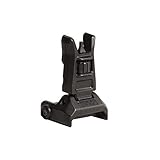
- All steel construction; Steel, rectangular sight post selectable between Match and Standard widths (.040” Match width for increased precision; .060” Standard width for maximum visibility)
- Case hardened and finished with Melonite QPQ for extreme resistance to wear and corrosion
Field Performance Analysis
Construction Quality: The case-hardened steel construction with Melonite coating creates virtually indestructible sights. I’ve subjected these to Montana’s extreme weather, multiple drops, and thousands of rounds without any functional degradation. The spring mechanisms operate smoothly even after extensive abuse.
Deployment Reliability: The positive spring-loaded deployment system has never failed during my testing. Whether deploying under stress or after extended storage, these sights lock up solidly every time. The large release buttons work easily with gloves or numb fingers.
Sight Picture Quality: The aperture sizes are perfectly chosen for their intended roles. The large aperture excels for close-range work and low-light conditions, while the small aperture provides precision for longer shots. The front post is properly sized for quick acquisition without being chunky.
Real-World Application Story
During a competitive carbine match, my red dot sight took a hard impact that cracked the lens. Instead of dropping out, I deployed the MBUS Pro sights and continued the match. The quick deployment and intuitive sight picture allowed me to maintain competitive times through the remaining stages.
Pros:
- Virtually indestructible steel construction
- Tool-less adjustment system works with gloves
- Low profile when stowed doesn’t interfere with optics
- Positive deployment mechanism never fails
- Outstanding warranty support from Magpul
Cons:
- Higher price than polymer alternatives
- Slightly heavier than aluminum options
- Requires familiarity for optimal performance
- Small parts could be lost if removed
Recommended Installation Tips
- Mount front sight as far forward as possible for maximum sight radius
- Ensure rear sight clears optic mount when stowed
- Use proper torque (15-20 inch-pounds) to prevent shifting
- Practice deployment from various shooting positions
Bottom Line: The Magpul MBUS Pro Steel sights represent the gold standard for backup iron sights. When your life depends on backup sights working, these deliver the reliability you need.
2. Best for Low-Light Operations: Troy Industries Micro HK-Style Sights
Specialized Performance for Challenging Conditions
When conducting night training or operating in low-light conditions, sight visibility becomes paramount. The Troy Micro HK-Style sights have proven exceptional for these demanding applications through both military experience and civilian training.
Technical Specifications
- Material: Precision-machined steel construction
- Weight: 2.4 ounces combined
- Height: 1.1 inches deployed
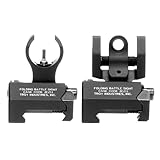
- Front Sight: HK-style diopter post
- Rear Sight: Two-aperture peep sight
- Adjustment: Tool-required precision adjustments
- Finish: Durable black coating
Low-Light Performance Evaluation
HK-Style Front Post: The distinctive HK-style front post creates an excellent sight picture in marginal light conditions. The design naturally draws the eye and provides consistent alignment even when visibility is limited. This feature proved invaluable during dawn and dusk training sessions.
Aperture Design: The dual-aperture rear sight provides options for various lighting conditions and engagement distances. The larger aperture excels in low light, while the smaller aperture offers precision for daylight shooting.
Durability Assessment: The precision steel construction handles harsh conditions without degradation. These sights have survived extensive field use, including exposure to rain, snow, and temperature extremes without losing zero or function.
Night Training Success
During a recent night shooting course, students equipped with Troy HK-style sights consistently outperformed those using standard post-and-notch designs. The front post’s distinctive shape provided faster target acquisition in challenging light conditions.
Pros:
- Exceptional performance in low-light conditions
- Precision construction ensures consistent accuracy
- Distinctive sight picture aids quick acquisition
- Proven design based on military heritage
- Excellent build quality and materials
Cons:
- Higher price point than basic alternatives
- Requires tools for adjustment
- Limited availability compared to mainstream brands
- May require adaptation period for new users
Low-Light Applications
These sights excel in applications where lighting conditions are challenging:
- Dawn and dusk hunting
- Night shooting training
- Tactical operations
- Competition stages with varied lighting
3. Best for Competitive Shooting: Magpul MBUS Pro Offset Sights
Rapid Transition Capability for Dynamic Shooting
In competitive shooting sports like three-gun, the ability to rapidly transition between close and distant targets can make the difference between winning and placing. Offset iron sights allow shooters to maintain high-magnification optics while retaining close-range capability.
Technical Specifications
- Material: Case-hardened steel construction
- Finish: Melonite QPQ coating
- Weight: Front: 1.9 oz, Rear: 2.0 oz
- Height: Front: 1.8″, Rear: 2.0″
- Offset Angle: 45 degrees
- Adjustment: Tool-less front post and rear windage
- Mount Type: Standard Picatinny rail

- All steel construction; Standard height over bore when deployed, 45 degrees offset right-hand side
- Case hardened and finished with Melonite QPQ for extreme resistance to wear and corrosion
- Elevation and Windage adjustable with low-profile knob; no tools required
Competition Performance Analysis
Rapid Transition Capability: The 45-degree offset allows shooters to cant the rifle slightly and use iron sights for close targets without removing their hands from the primary shooting position. This transition can be accomplished in under a second with practice.
Co-existence with Optics: Unlike traditional backup sights that must clear the primary optic, offset sights mount alongside scopes or magnifiers without interference. This allows use of higher-magnification optics that would normally preclude iron sight use.
Precision Under Speed: The same quality construction as standard MBUS Pro sights ensures accuracy even during rapid transitions. The tool-less adjustments allow quick zeroing between stages if needed.
Competition Success Story
During a recent three-gun match featuring targets from 5 to 400 yards, competitors using offset sights consistently posted faster stage times on mixed-distance arrays. The ability to engage close targets with iron sights while maintaining scope zero for distance work provided a significant advantage.
Pros:
- Enables use of high-magnification optics with close-range capability
- Rapid transition times with practice
- Same quality construction as standard MBUS Pro
- Tool-less adjustments for field use
- Proven in competitive environments
Cons:
- Requires dedicated practice to master
- Higher weight than standard backup sights
- Limited to competitive and tactical applications
- May not appeal to traditional shooters
Training Recommendations
Offset sights require specific training to maximize effectiveness:
- Practice canting rifle to consistent angle
- Develop muscle memory for transition movements
- Zero carefully at typical engagement distances
- Train transitions under time pressure
4. Best Budget Choice: Feyachi Flip-Up Iron Sights
Functional Performance at an Affordable Price
When budget constraints matter but backup capability cannot be sacrificed, the Feyachi flip-up sights provide essential functionality at a fraction of premium sight costs. While not matching the quality of expensive alternatives, they deliver adequate performance for many applications.
Technical Specifications
- Material: Aircraft-grade aluminum construction
- Finish: Matte black anodized
- Weight: Front: 1.5 oz, Rear: 1.8 oz
- Compatibility: Picatinny and Weaver rails
- Aperture: Dual-size rear aperture
- Adjustment: Tool-free windage, front post elevation
- Mount Type: Clamp-on design

- BUILT TO LAST-RUGGED & RELIABLE: Made from high-quality aluminum alloy, these flip-up rifle sights are tough enough for any environment. Whether you’re at the range or out in the field, they deliver dependable performance that you can trust
Budget Performance Assessment
Adequate Functionality: While the construction quality doesn’t match premium sights, these provide basic backup capability at a reasonable price. The aluminum construction handles normal use adequately, though I wouldn’t subject them to the same abuse as steel sights.
Sight Picture Quality: The sight alignment and picture are functional, though not as refined as premium alternatives. The dual-aperture rear sight provides options for different shooting scenarios.
Durability Limitations: Extended testing revealed some limitations in long-term durability. While adequate for recreational use, these sights may not withstand the abuse of professional or heavy training use.
Budget Build Success
For students building their first AR-15 on tight budgets, these sights provide essential backup capability without breaking the bank. They’ve proven adequate for range training and basic preparedness applications.
Pros:
- Extremely affordable price point
- Adequate functionality for basic applications
- Easy installation and adjustment
- Lightweight aluminum construction
- Good starting point for new shooters
Cons:
- Limited long-term durability
- Less refined sight picture than premium alternatives
- May not withstand heavy use or abuse
- Basic finish and construction quality
Appropriate Applications
These sights work best for:
- Budget-conscious first builds
- Recreational range shooting
- Basic preparedness rifles
- Training rifles for new shooters
Critical Factors in BUIS Selection
Material Considerations
The material choice significantly impacts sight durability and longevity:
Steel Sights: Offer maximum durability and can withstand extreme abuse. Best for serious applications where failure isn’t acceptable.
Aluminum Sights: Provide good durability at lower weight and cost. Suitable for most civilian applications.
Polymer Sights: Lightest and least expensive but with durability limitations. Best for basic applications only.
Height and Co-Witnessing
Proper height selection ensures compatibility with your primary optic:
Absolute Co-Witness: Iron sights align perfectly with red dot center. Provides consistent point of aim but may clutter sight picture.
Lower 1/3 Co-Witness: Iron sights appear in bottom third of optic window. Cleaner optic view while maintaining backup capability.
No Co-Witness: Backup sights completely independent of primary optic. Requires separate zero but eliminates sight picture interference.
Installation and Setup Procedures
Proper Mounting Techniques
Correct installation ensures reliable function and accuracy:
- Front Sight Placement: Mount as far forward as possible to maximize sight radius
- Rear Sight Position: Ensure clearance of optic mount and comfortable eye relief
- Torque Specifications: Use appropriate torque (15-20 in-lbs) to prevent movement
- Thread Locker: Apply medium-strength thread locker to prevent loosening
Zeroing Procedures
Establish accurate zero for backup capability:
- Initial Setup: Start at 25 yards with large target
- Rough Zero: Get on paper and adjust to approximate center
- Fine Tuning: Move to 50 or 100 yards for precision zero
- Verification: Confirm zero holds through multiple sessions
Practice and Proficiency
Regular training ensures effective use when needed:
- Practice deployment under time pressure
- Train transitions from primary optic to backup sights
- Maintain proficiency with iron sight fundamentals
- Verify zero periodically
Environmental Considerations
Weather Resistance
Montana’s extreme conditions have taught me the importance of weather-resistant sights:
Temperature Extremes: Quality sights must function from -30°F to +120°F without binding or failure.
Moisture Protection: Proper sealing prevents corrosion and maintains smooth operation in rain or snow.
Shock Resistance: Sights must maintain zero through impacts, drops, and vibration.
Maintenance Requirements
Proper maintenance ensures long-term reliability:
- Regular cleaning to remove debris and moisture
- Lubrication of moving parts as needed
- Inspection for wear or damage
- Immediate repair or replacement of damaged components
Advanced Applications and Techniques
Offset Mounting Considerations
For competitive or tactical applications, offset mounting provides unique advantages:
45-Degree Offset: Most common angle providing good balance between accessibility and clearance.
Training Requirements: Requires dedicated practice to develop proficiency with canted shooting positions.
Zero Considerations: Offset sights require separate zero from primary optic due to different sight heights.
Night Vision Compatibility
For tactical applications requiring night vision capability:
Height Considerations: Ensure backup sights don’t interfere with night vision devices.
Passive Aiming: Some designs allow passive aiming through night vision systems.
Illumination Options: Consider tritium or fiber optic enhancements for low-light visibility.
Cost-Benefit Analysis
Investment Perspective
Quality backup sights represent insurance for your rifle’s functionality:
Premium Sights ($150-250): Offer maximum durability and reliability for serious applications.
Mid-Range Sights ($75-150): Provide good performance for most civilian needs.
Budget Sights ($25-75): Adequate for basic backup capability on recreational rifles.
Long-Term Value
Quality sights often outlast multiple rifles and optics, making them worthwhile investments for serious shooters.
Common Mistakes and How to Avoid Them
Installation Errors
Proper installation prevents problems:
- Insufficient torque leading to sight movement
- Improper spacing affecting sight radius
- Interference with primary optic function
- Inadequate thread locker application
Training Deficiencies
Regular practice prevents skill degradation:
- Assuming backup sights will work without practice
- Neglecting to verify zero periodically
- Failing to practice deployment under stress
- Inadequate familiarity with adjustment procedures
Selection Mistakes
Choose sights appropriate for your application:
- Over-specifying for basic recreational use
- Under-specifying for serious applications
- Ignoring co-witness requirements
- Choosing incompatible height or style
Future Considerations and Trends
Technology Integration
Modern backup sights increasingly incorporate technology:
- Fiber optic and tritium illumination
- Quick-detach mounting systems
- Improved adjustment mechanisms
- Enhanced durability coatings
Standardization Trends
Industry movement toward standardized heights and mounting interfaces improves compatibility across brands and applications.
Final Recommendations and Selection Guide
For Serious Applications
Choose the Magpul MBUS Pro Steel sights for maximum reliability and durability. When failure isn’t an option, these deliver the performance you need.
For Low-Light Use
The Troy Industries Micro HK-Style sights provide superior performance in challenging lighting conditions.
For Competition
Magpul MBUS Pro Offset sights enable rapid transitions between close and distant targets in dynamic shooting sports.
For Budget Builds
Feyachi flip-up sights provide basic backup capability at an affordable price point.
Closing Thoughts
Remember what my grandfather taught me about preparedness: “Hope for the best, but prepare for the worst.” Quality backup iron sights embody this philosophy perfectly. They represent the ultimate insurance policy for your rifle’s functionality.
Your best survival tool is the six inches between your ears, but backup iron sights ensure you can effectively engage targets even when technology fails. In Montana’s remote wilderness or urban defensive scenarios, the ability to maintain rifle functionality regardless of electronic failures can make the difference between success and disaster.
Practice makes permanent, so train regularly with your backup sights. Don’t wait for your primary optic to fail to discover you can’t effectively use your backup system. Regular practice with iron sights also improves your fundamental shooting skills, making you a better marksman overall.
The wilderness doesn’t care about your battery life, and neither do threats to your safety. When everything fails, iron sights continue working. Choose quality backup sights, install them properly, and practice with them regularly.
Respect the fundamentals that made accurate shooting possible before electronics existed. Iron sights have been serving shooters effectively for centuries—they’ll be there when you need them most.
Ready to add reliable backup capability to your rifle? Start with proven iron sights that have demonstrated their worth through real-world performance. The sights in this guide represent the best balance of reliability, accuracy, and value available today.
Flint Marshall served eight years as a U.S. Army Ranger, where iron sight proficiency was considered fundamental to marksmanship. Now based in northern Montana near Glacier National Park, he continues to test and evaluate outdoor and tactical equipment through Moosir.com, helping others make informed decisions about gear that performs when it matters most. His expertise spans both military applications and civilian use of backup sight systems.