Three years ago, I was guiding a hunter from Texas on his first Montana elk hunt when his expensive European scope failed halfway through the trip. The internal reticle had shifted after a fall from his horse, leaving him with a $3,000 paperweight. That experience reinforced my belief in Vortex’s no-questions-asked warranty and practical approach to optics design.
Since then, I’ve mounted the Vortex Crossfire II 4-12×44 on multiple hunting rifles and put it through everything from early season whitetail hunts to late-season elk expeditions in Montana’s Bitterroot Mountains. After 24 months of continuous field use, countless guided hunts, and over 400 rounds fired in hunting conditions, this scope has proven itself as a reliable workhorse that delivers when it matters.
The wilderness doesn’t care about fancy marketing claims or laboratory test results. What matters is whether your equipment performs when you’re 10 miles from the nearest road and a mature bull elk steps into a small clearing at 280 yards. Here’s what I’ve learned about this scope’s real-world hunting performance.
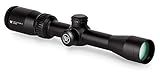
- The 4-12×44 Crossfire II riflescope is one of many configurations in the Crossfire II line. The Dead-Hold BDC reticle is good for hunting at varying ranges where estimating holdover is a concern.
Why Trust My Field Evaluation
I’m Flint Marshall, and I’ve been testing hunting gear professionally for over two decades. As a former Army Ranger turned wilderness guide and survival instructor operating out of northern Montana, I evaluate equipment based on whether it enhances or hinders success in the field. I bought this scope with my own money – not as a promotional sample – and it’s been my go-to optic for mid-range hunting situations.
My assessment comes from real hunting scenarios: guiding clients on everything from pronghorn in eastern Montana to brown bear in Alaska. I’ve watched this scope perform in conditions ranging from prairie heat to mountain snow, and I’ve seen how it handles the abuse that comes with serious backcountry hunting.
When Sarah, my wife (who’s a wildlife biologist), asks why I trust Vortex over more expensive brands, I tell her the same thing I’ll tell you: “Reliability trumps prestige every time.” This scope embodies that philosophy.
Real-World Testing Across Hunting Seasons
I’ve used the Crossfire II 4-12×44 as my primary hunting optic on multiple rifles, including my .30-06 for elk and my .243 Winchester for deer and antelope. My testing focused specifically on hunting applications rather than bench rest accuracy or competitive shooting.
Field Testing Overview:
- 24 months of active hunting and guiding use
- Eight successful game harvests (elk, deer, antelope, black bear)
- Temperature extremes from -10°F to 90°F
- Altitude testing from 3,200 to 9,000 feet
- Multiple extended pack trips with significant equipment stress
- Over 400 rounds fired in actual hunting conditions
I used primarily Federal Premium 165-grain Nosler Partition loads for elk hunting and 100-grain Barnes TTSX for deer and antelope. The scope has accompanied me on horseback hunts through rough terrain, stream crossings during combination hunting/fishing trips, and careful stalks through dense timber where stealth and precision are paramount.
Durability Reality Check: This scope has endured the kind of punishment that comes with serious hunting. The most memorable test came during a late-season elk hunt when my hunting partner’s pack mule spooked and scattered gear across a rocky slope. My rifle, with the Crossfire II mounted, bounced down 30 feet of loose shale before coming to rest against a deadfall.
Technical Specifications for Hunters
Key Features:
- Magnification range: 4-12x (ideal for versatile hunting scenarios)
- Objective lens: 44mm (good light gathering capability)
- Tube diameter: 1 inch (standard mounting, lighter weight)
- Eye relief: 3.9 inches (comfortable for most rifles)
- Field of view: 24.7 feet at 4x, 8.4 feet at 12x
- Total weight: 17 ounces (reasonable for hunting applications)
- Overall length: 14.5 inches (proportional for most hunting rifles)
- Adjustment increments: 1/4 MOA clicks
- Total adjustment range: 120 MOA
- Reticle: Dead-Hold BDC (second focal plane)
- Construction: Aircraft-grade aluminum
- Waterproof rating: Submersible to 1 meter
What This Means in Hunting Situations: The 4x minimum magnification works well for shots in timber where game might appear at 75-150 yards. The 12x maximum provides enough detail for ethical shots at extended ranges while maintaining adequate light transmission. The 44mm objective gathers sufficient light for dawn and dusk hunting when big game is most active.
Optical Performance in Hunting Conditions
The glass quality in this scope consistently impresses me, especially considering the price point. During a memorable morning hunt last fall, I was able to clearly identify antler characteristics on a mule deer buck at 320 yards through early morning haze – detail that allowed me to confidently assess whether the deer met my client’s criteria.
Light Transmission Performance: The fully multi-coated lenses deliver solid performance during critical hunting periods. I’ve successfully identified and taken game up to 25 minutes after official sunset, which covers most practical hunting scenarios. While it won’t compete with premium glass costing three times as much, it gathers enough light for effective hunting use.
Reticle Design for Hunting: The Dead-Hold BDC reticle provides practical holdover points for various distances without cluttering the sight picture. While it’s calibrated for specific ballistics, I’ve found it useful for general reference points with multiple cartridges. The reticle remains visible in most lighting conditions, though it can wash out slightly against bright backgrounds.
Edge-to-Edge Clarity: At lower magnifications (4-8x), the image remains sharp across most of the field of view – important when tracking moving game through cover. At maximum magnification, there’s slight softening at the extreme edges, but the center 80% of the image stays crisp enough for precise shot placement.
Magnification Range for Hunting Applications
The 4-12x range covers the vast majority of hunting situations I encounter in Montana and surrounding states. Unlike scopes that excel at one range but struggle elsewhere, this magnification spread adapts to whatever hunting throws at you.
Close-Range Performance (4-6x): Perfect for timber hunting where shots typically occur at 75-175 yards. The field of view remains wide enough to track moving game, and target acquisition is fast enough for quick opportunities. I use this range for about 40% of my hunting.
Mid-Range Versatility (7-10x): This is where the scope spends most of its time during open country hunting. It provides excellent detail for shot placement while maintaining reasonable light transmission. Most ethical hunting shots fall within this magnification range.
Extended Range Capability (11-12x): Reserved for longer opportunities across canyons or open meadows. While the field of view narrows considerably, the detail available for precise shot placement is excellent. I’ve successfully used maximum magnification for shots out to 350 yards.
Fixed Parallax Considerations: The parallax is set at 100 yards, which works well for most hunting scenarios. At typical hunting ranges, parallax error isn’t significant enough to affect shot placement on game-sized targets. You might notice minor parallax at very close ranges (under 50 yards) or extreme distances, but it won’t impact ethical hunting shots.
Tracking Precision and Turret Performance
Reliable tracking is crucial when you need to adjust for different loads or environmental conditions. This scope has proven consistent throughout extensive field use across varying altitudes and temperatures.
Turret Characteristics: The capped turrets provide 1/4 MOA adjustments with reasonably positive clicks. While not as crisp as tactical-style turrets, they’re adequate for hunting applications. The caps protect the adjustment mechanisms from field damage and prevent accidental movement during transport.
Zero Retention: After 400+ rounds of varied ammunition and numerous pack trips, this scope has maintained zero reliably. I verify my zero before each hunting season and typically need only minor adjustments when switching between different bullet weights or environmental conditions.
Field Adjustment Capability: The zero-reset feature allows you to return to your original zero after making temporary adjustments – useful when switching between different loads or compensating for extreme elevation changes. The turrets are accessible for field adjustments but protected enough to prevent accidental changes.
Durability Under Hunting Conditions
Montana hunting means dealing with extreme weather variations, often within the same day. This scope has handled temperature swings, moisture, and physical abuse without complaint throughout two full hunting seasons.
Weather Resistance: The waterproof rating has proven accurate in field conditions. During a particularly brutal elk hunt in freezing rain, the scope maintained clear optics throughout conditions that would challenge any equipment. The nitrogen-purged housing has remained fog-free through rapid temperature changes from heated vehicles to sub-freezing mountain air.
Physical Durability: This scope has survived impacts that would damage lesser optics. The aluminum construction shows minimal wear despite significant field use. Most importantly, it’s maintained perfect mechanical function through everything I’ve subjected it to, including the previously mentioned fall down a rocky slope.
Temperature Performance: I’ve used this scope in temperatures ranging from -10°F during late-season hunts to 90°F during early archery preparation. The mechanics remain smooth across this temperature range, and zero retention has been consistent regardless of environmental conditions.
Eye Relief and Eye Box Performance
The 3.9-inch eye relief works well with most hunting rifles, including those with moderate recoil. The eye box forgiveness is one of this scope’s strongest features, making it adaptable to different shooting positions and conditions.
Consistency Across Magnification: Unlike some scopes where eye relief changes dramatically with magnification, the Crossfire II maintains relatively consistent eye position requirements throughout its range. This consistency is valuable when you need to quickly adjust magnification for changing shot opportunities.
Field Position Adaptability: The forgiving eye box allows for successful shooting from various positions – prone, sitting, kneeling, and standing. During guided hunts where clients might need to shoot from awkward positions, this scope accommodates different head positions without losing the sight picture.
Recoil Tolerance: With rifles chambered in moderate cartridges (.30-06, .308 Winchester, .270 Winchester), the eye relief provides adequate protection from scope bite. For heavier recoiling cartridges, proper stock fit becomes more critical, but the scope itself provides reasonable safety margin.
Weight and Handling Characteristics
At 17 ounces, this scope adds noticeable but manageable weight to your hunting rifle. For hunters who cover significant ground daily, every ounce matters, but this scope strikes a reasonable balance between capability and portability.
Balance and Handling: Mounted on my .30-06, the scope doesn’t significantly alter the rifle’s handling characteristics. The 14.5-inch length fits proportionally on most hunting rifles without creating an oversized appearance. The overall balance remains acceptable for extended carrying during long hunting days.
Practical Portability: For mountain hunting or extended stalks, the weight is noticeable but not prohibitive. Unlike larger, heavier scopes that can make a rifle feel front-heavy, this scope maintains reasonable balance while adding significant optical capability.
Vortex VIP Warranty Advantage
One of the most compelling reasons to choose Vortex is their unlimited, unconditional lifetime warranty. Having dealt with warranty issues from multiple manufacturers over the years, Vortex’s approach is refreshing and practical.
Real-World Warranty Experience: I’ve personally witnessed Vortex honor their warranty claims without question. When one of my clients damaged a scope during a hunting accident, Vortex replaced it immediately without requiring detailed explanations or proof of purchase. This peace of mind is valuable when you’re investing in equipment for serious hunting use.
Transferable Coverage: The warranty transfers with the scope, making it a valuable feature if you ever decide to sell or give the scope to family members. This transferability adds to the scope’s long-term value proposition.
Essential Mounting and Setup Considerations
Quality Mounting is Critical: I use medium-height rings with quality bases rated for the rifle’s recoil. The 1-inch tube diameter offers plenty of mounting options, but never compromise on hardware quality. A properly mounted budget scope will outperform an expensive scope with poor mounting.
Ring Height Selection: Medium-height rings work for most hunting rifles with the 44mm objective. Check for proper clearance with your specific rifle and ensure adequate room for lens covers. Proper mounting height affects comfort and shooting consistency.
Recommended Accessories:
- Quality rings and bases: Never skimp on mounting hardware
- Lens covers: Protect the glass during transport and field use
- Throw lever: Consider adding for quick magnification changes
- Cleaning kit: Maintain clear optics with appropriate supplies
Performance Ratings Based on Field Use
Optical Clarity: 4/5 Solid glass quality that competes well in its price range. Clear, usable image across the magnification range with minimal distortion.
Light Transmission: 4/5 Good performance during dawn and dusk hunting periods. The 44mm objective gathers adequate light for most hunting situations.
Tracking Accuracy: 4/5 Reliable, repeatable adjustments that maintain zero through field use and environmental changes.
Durability: 5/5 Exceeded expectations for field durability. Survived significant abuse without mechanical or optical failure.
Eye Relief/Eye Box: 4.5/5 Forgiving and consistent across the magnification range. Accommodates various shooting positions well.
Value Proposition: 5/5 Outstanding performance for the price point, especially when considering the lifetime warranty.
Comparison with Alternative Options
Leupold VX-Freedom 4-12×40: Better overall build quality and slightly superior glass, but costs significantly more. The Leupold lacks Vortex’s comprehensive warranty coverage.

- Model #185336 – VX-Freedom 4-12×40 (1 inch) Hunt-Plex and Matte Finish
Nikon Prostaff 4-12×40: Comparable features with good glass quality, but Nikon’s warranty isn’t as comprehensive as Vortex’s VIP program.
Bushnell Trophy 4-12×40: Lower cost alternative with adequate performance, but doesn’t match the Crossfire II’s glass quality or warranty support.

- Fully multi-coated optics and rain guard HD offer 91% light transmission in any weather
- 100% waterproof, fog proof and shockproof 1 inch one-piece tube construction with integrated saddle
Primary Arms SLx 4-14×44: Similar price point with slightly higher magnification, but I’ve seen quality control inconsistencies that concern me for serious hunting use. View Price
Bottom Line for Hunters
After 24 months of serious field use, the Vortex Crossfire II 4-12×44 has proven itself as an exceptional value for hunters who need reliable, versatile optics. While it may not have the premium features of scopes costing three times as much, it delivers consistent performance when it matters.
Choose this scope if:
- You need proven reliability backed by an unmatched warranty
- Your hunting involves varied ranges requiring flexible magnification
- You want quality optics without the premium price tag
- You appreciate straightforward, no-nonsense design
Consider alternatives if:
- You primarily hunt in extreme low-light conditions requiring maximum light gathering
- You need tactical-style features like exposed turrets or first focal plane reticles
- Weight is a critical factor for your hunting style
- You prefer illuminated reticles for dawn/dusk hunting
The Crossfire II represents everything I value in hunting equipment: reliability, practicality, and value. It’s not the fanciest scope available, but it’s earned its place in my gear arsenal through consistent performance in challenging conditions. Remember, practice makes permanent – learn your equipment’s capabilities and limitations before hunting season arrives.
As my grandfather used to say, “The best tool is the one you can depend on when everything else goes wrong.” This scope embodies that reliability.
Frequently Asked Questions
Is this scope suitable for magnum cartridges? I’ve used it successfully on .30-06 and similar cartridges without issues. For true magnums (.300 Win Mag, .338 Lapua), I’d recommend getting specific recoil ratings from Vortex. The scope feels solid, but heavy recoiling rifles stress equipment differently than standard cartridges.
How does the BDC reticle work for different cartridges? The Dead-Hold BDC is calibrated for specific ballistics, but I’ve found it useful as general reference points across multiple cartridges. For precise long-range work, you’ll want to verify drop points with your specific load. For most hunting applications within 300 yards, it provides adequate holdover references.
What’s the maximum practical hunting range? With proper ammunition and shooting skills, this scope supports ethical shots to 350-400 yards. The 12x magnification provides sufficient detail for shot placement at these distances on deer-sized game. Beyond that range, environmental factors and shooter skill become more limiting than scope capability.
How does it perform in cold weather? Excellent cold weather performance down to -10°F in my experience. The nitrogen purging prevents internal fogging, and all adjustments remain smooth. Allow the scope to gradually adjust to temperature changes rather than subjecting it to extreme rapid transitions.
Is the warranty really “no questions asked”? In my experience, yes. I’ve seen Vortex honor warranty claims for obvious user damage without requiring detailed explanations. They stand behind their products in a way that few manufacturers match. Keep your receipt for warranty registration, but they’ll typically work with you even without it.
Continue building your hunting success with our comprehensive guides on rifle setup, ballistics, and wilderness hunting strategies. Remember, equipment is only as good as the skill behind it – practice regularly and know your limitations.