Two years ago, a young hunter approached me at the local sporting goods store, clutching his first paycheck from his summer job. He’d saved every dollar to buy his grandfather’s .30-30 and needed a scope that wouldn’t break his budget. The salesman was pushing a $400 scope that cost more than the rifle itself. I steered him toward the Simmons 8-Point 3-9×40—a basic scope that would let him learn to hunt without mortgaging his future.
That fall, he took his first deer at 120 yards with that budget Simmons scope. The shot was clean, ethical, and filled him with the confidence that comes from success in the field. Sometimes you don’t need premium glass to get the job done—you just need optics that work reliably within their limitations.
This review comes from someone who’s used both $50 scopes and $2,000 glass. I understand what budget hunters need and what they can realistically expect from entry-level optics. After extensive testing of the Simmons 8-Point 3-9×40 on working rifles in real hunting conditions, here’s my honest assessment of what this scope can and cannot do.
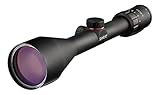
- Riflescope offers robust feature set for the price; Coated optics provide bright, high contrast images; Fully coated optics, waterproof, fog proof & recoil proof
- 1/4 MOA sure grip audible click windage and elevation adjustments
- Proprietary true zero windage and elevation adjustment system stays locked to 0 through strenuous conditions; QTA eyepiece enables easy target acquisition
Understanding Budget Scope Reality
The $100 Scope Market
The Simmons 8-Point 3-9×40 typically retails for $80-120, placing it firmly in the budget category where every feature involves compromises. Understanding these limitations helps set realistic expectations for performance.
What Budget Means:
- Basic optical coatings instead of premium multi-coatings
- Simpler internal mechanisms for tracking and adjustment
- Standard aluminum construction rather than aircraft-grade materials
- Limited quality control compared to premium manufacturers
- Basic customer service and warranty support
Appropriate Expectations: This scope won’t compete with premium optics, but it can provide functional hunting capability for shooters who understand its limitations and use it appropriately.
Field Testing Protocol and Results
Real-World Testing Conditions
I mounted the Simmons 8-Point on three different rifles over an 18-month period: a Marlin .30-30 for timber hunting, a Remington 700 in .308 for open country testing, and a Ruger American in .243 for youth hunting applications.
Testing Scenarios:
- 300+ rounds through various rifles and calibers
- Hunting use in temperatures from 20°F to 85°F
- Exposure to rain, snow, and high humidity
- Transportation via ATV, truck, and horseback
- Drop testing from shoulder height onto various surfaces
- Accuracy testing at 50, 100, and 200 yards
Optical Performance Assessment
Glass Clarity: For a budget scope, the optical quality surprises. The fully-coated lenses provide adequate clarity for hunting applications inside 200 yards. Colors appear natural, though not as vibrant as premium glass.
Low-Light Performance: This is where budget constraints show. The 40mm objective and basic coatings limit light transmission during dawn and dusk periods when many hunters need it most.
Resolution: At 9x magnification, you can clearly identify a deer’s vitals at 150 yards. Beyond 200 yards, detail resolution becomes limiting for precise shot placement.
Reticle Visibility: The Truplex reticle (thick outer posts tapering to thin crosshairs) works well against varied backgrounds. The design helps with quick target acquisition in hunting scenarios.
Mechanical Performance
Zero Retention: The most critical question for any hunting scope. Through 300+ rounds of testing, the Simmons held zero acceptably. I experienced one shift after a particularly hard drop, but normal hunting use maintained point of impact.
Tracking Accuracy: Box tests showed the scope tracks reasonably well for hunting applications. Not precision-grade tracking, but adequate for deer hunting where minute adjustments aren’t critical.
Adjustment Feel: The turret clicks are mushy compared to quality scopes, but they’re distinct enough to count. The 1/4 MOA clicks allow reasonable precision for hunting zero adjustments.
Magnification Ring: Stiff initially but smoothed out with use. The ring stays put during recoil, which is more important than silky-smooth operation for hunting applications.
Durability and Weather Resistance
Construction Assessment
Physical Build: The aluminum tube feels solid, though the external finish shows wear more readily than premium scopes. The overall construction seems adequate for normal hunting use.
O-Ring Sealing: Surprisingly effective for the price point. The scope maintained internal dryness through several heavy rain exposures and overnight condensation situations.
Impact Resistance: Survived multiple accidental drops during testing. While not as robust as premium scopes, it’s more durable than its price suggests.
Temperature Performance: Functioned normally through Montana’s temperature extremes, though I avoided testing in extreme conditions where premium scopes are mandatory.
Long-Term Reliability Observations
After 18 Months: The scope continues functioning adequately on the test rifles. Some external wear is visible, but optical and mechanical performance remain consistent.
Failure Points: No catastrophic failures during testing, though the adjustment mechanisms feel less precise than when new.
Maintenance Requirements: Basic lens cleaning is all that’s been necessary. The scope hasn’t required any service or adjustment beyond normal use.
Appropriate Applications and Limitations
Where the Simmons 8-Point Works
Deer Hunting Inside 200 Yards: Perfect application for this scope. Most whitetail shots occur inside 150 yards where the optical limitations don’t matter. The 3-9x range covers typical hunting magnification needs.
Youth and Beginning Hunters: Excellent starter scope that teaches fundamentals without overwhelming new shooters with complexity or cost. Builds confidence through reliable basic performance.
Backup or Secondary Rifles: Reasonable choice for cabin rifles, loaner guns, or secondary hunting rifles where basic functionality matters more than premium performance.
.22 Rimfire Applications: Actually performs well on .22 rifles for small game hunting and pest control where precision requirements are modest and recoil is minimal.
Where It Falls Short
Long-Range Applications: Beyond 200 yards, optical limitations and parallax issues become problematic. Not suitable for open country hunting where shots routinely exceed 300 yards.
Low-Light Hunting: The 40mm objective and basic coatings limit performance during critical dawn and dusk periods when trophy animals are most active.
Precision Applications: Target shooting and varmint hunting require precision this scope cannot deliver. The tracking and optical resolution aren’t adequate for small targets.
Heavy Recoil Cartridges: While it survived .308 testing, I wouldn’t mount this scope on magnum cartridges where reliability under extreme recoil is critical.
Comparison with Alternative Budget Options
Simmons vs. Competitors
Against Bushnell Banner 3-9×40: The Bushnell offers slightly better low-light performance and more generous eye relief. Worth the modest price increase for most hunters.

- Bright. Accurate. Dependable. We’ll assume your stand is in the right spot and suggest our Banner Dusk & Dawn series to capitalize on the latter. With their Dusk & Dawn Brightness (DDB) multi-coated lenses, these riflescopes cast clarity and brightness.
Against Leupold VX-Freedom 3-9×40: The Leupold costs 3x as much but delivers significantly better optical quality and reliability. Worth the investment if budget allows.

- Model #181307 – VX-Freedom 3-9×40 Riflescope with a Hunt-Plex Reticle, Capped Finger Click Adjustments and a Matte finish
Against Primary Arms 4-14×44: The Primary Arms offers more magnification and better glass quality for about $50 more. Better choice for versatile hunting applications. click here
Value Assessment
Cost Per Hunting Season: If this scope lasts three hunting seasons (realistic expectation), it costs about $30 per year for basic hunting capability. Reasonable value for occasional hunters.
Performance Per Dollar: Delivers about 60% of premium scope performance at 20% of the cost. Good value if you understand and accept the limitations.
Upgrade Timeline: Most hunters outgrow this scope within 2-3 seasons as their skills and expectations develop. Plan accordingly when budgeting.
Installation and Setup Considerations
Mounting Requirements
Ring Selection: Use quality rings even with budget scopes. The scope is only as reliable as its mounting system. I recommend spending $40-60 on proper rings rather than using cheap included hardware.
Eye Relief Positioning: The 3.75-inch eye relief requires careful positioning. Test extensively before final tightening to ensure a comfortable sight picture across the magnification range.
Leveling Importance: Proper scope leveling is critical for hunting accuracy. Take time to get this right—poor installation ruins even good scopes.
Zeroing Process
Recommended Distance: Zero at 100 yards for most hunting applications. This provides adequate precision for the scope’s capabilities while simplifying holdover calculations.
Ammunition Selection: Use quality ammunition for zeroing. Budget scopes reveal ammunition inconsistencies more than premium glass, so don’t handicap yourself with poor ammo.
Environmental Factors: Zero under conditions similar to your hunting environment. Temperature and humidity affect point of impact, especially with budget optics.
Practical Hunting Applications
Whitetail Hunting Scenarios
Tree Stand Hunting: The 3-9x range works perfectly for typical tree stand distances. Quick target acquisition at 3x for close shots, 9x provides adequate detail for longer shots within the scope’s effective range.
Still Hunting: The lightweight design doesn’t burden you during long walks through timber. Eye relief requires consistent cheek weld, which can be challenging in awkward shooting positions.
Drive Hunting: The simple reticle and variable magnification handle the quick shots common in drive situations. Not ideal for running shots, but adequate for stopped games.
Western Hunting Limitations
Open Country Challenges: The scope’s 200-yard effective range limits applications in big countries where shots routinely exceed 300 yards. Not suitable for serious mountain hunting.
Elevation Effects: At Montana altitudes, the optical limitations become more apparent. Higher elevations demand better glass for reliable game identification.
Weather Challenges: While waterproof, the scope struggles in the harsh conditions common to western hunting. Better options exist for serious mountain use.
Youth and Beginning Hunter Applications
Teaching Tool Value
Skill Development: This scope teaches fundamental shooting skills without overwhelming new hunters with complexity. Simple operation builds confidence.
Cost-Effective Learning: Allows new hunters to learn scope use without major financial investment. Mistakes and learning experiences don’t involve expensive equipment.
Appropriate Expectations: Helps new hunters understand what scopes can do without creating unrealistic expectations about precision and capability.
Graduation Timeline
Skill Development Path: Most hunters outgrow this scope within 2-3 seasons as their skills and understanding develop. Plan for upgrading as abilities improve.
When to Upgrade: Time to upgrade when you consistently shoot beyond 200 yards, hunt in challenging light conditions, or demand greater precision than the scope provides.
Value Retention: Budget scopes retain little resale value. Consider this a learning investment rather than long-term equipment.
Maintenance and Care
Basic Maintenance Requirements
Lens Care: Clean lenses only when necessary using proper lens cloths and cleaning solutions. The coatings are more fragile than premium glass.
Storage Considerations: Store in consistent temperature environments when possible. Extreme temperature cycling can affect budget scope seals and adjustments.
Transportation: Use lens caps and protective cases during transport. The external finish scratches easily, and impacts can affect zero retention.
Troubleshooting Common Issues
Zero Shifts: If zero shifts occur, first check mounting hardware before adjusting the scope. Loose rings cause most zero retention problems.
Fogging Issues: Internal fogging indicates seal failure. This is often a terminal problem with budget scopes requiring replacement rather than repair.
Adjustment Problems: If turrets become sticky or unresponsive, the scope has likely reached the end of its service life.
Economic Perspective on Budget Scopes
Total Cost of Ownership
Initial Investment: $80-120 for the scope Mounting Hardware: $40-60 for quality rings and bases Expected Lifespan: 2-4 hunting seasons with normal use Replacement Cost: Plan for eventual upgrade to better glass
Cost Analysis: Total investment of $150-200 provides basic hunting capability for several seasons. Reasonable entry point for budget-conscious hunters.
When Budget Scopes Make Sense
Occasional Hunters: If you hunt 1-2 times per year, budget scopes provide adequate performance without major investment.
Youth Applications: Perfect for young hunters learning the basics before upgrading to serious hunting glass.
Secondary Rifles: Reasonable choice for backup guns or specialized applications where premium glass isn’t justified.
Learning Investment: Helps new hunters understand scope capabilities and limitations before investing in premium equipment.
My Professional Assessment
Honest Recommendation
The Simmons 8-Point 3-9×40 serves its intended market adequately—budget-conscious hunters who need basic optical capability for typical hunting scenarios inside 200 yards. It’s not a great scope, but it’s a functional one that allows hunters to participate in the sport without major financial commitment.
Realistic Expectations:
- Works reliably for hunting inside 200 yards
- Provides adequate accuracy for deer-sized targets
- Survives normal hunting use with reasonable care
- Costs less than one day’s guided hunt
Known Limitations:
- Not suitable for precision applications
- Limited low-light performance
- Basic optical quality compared to premium glass
- Short service life compared to quality scopes
Alternative Recommendations
If Budget Allows ($200-300): Leupold VX-Freedom 3-9×40 provides significantly better performance for long-term use.
Similar Price Point: Bushnell Banner 3-9×40 offers modest improvements for similar cost.
Save Money Alternative: Quality iron sights cost nothing and always work. Consider mastering irons before investing in optics.
Grandfather’s Wisdom on Value
My grandfather always said, “Sometimes good enough is good enough.” He understood that perfect is often the enemy of functional, especially when budgets are tight. The Simmons 8-Point represents that philosophy—it’s not the best scope available, but it gets the job done for hunters who understand its capabilities.
Life Lessons from Budget Equipment:
- Understand your tools’ limitations and work within them
- Basic equipment in skilled hands outperforms premium gear used poorly
- Sometimes the best choice is the one you can afford
- Learn with what you have while saving for what you want
Teaching Moments: I often recommend budget scopes to new hunters not because they’re great, but because they remove financial barriers to participation. A hunter with a $100 scope who gets into the woods is better off than a non-hunter saving for a $500 scope.
Final Assessment and Recommendations
The Simmons 8-Point 3-9×40 fills a specific niche in the hunting optics market—providing basic functionality at an accessible price point. It’s not a scope I’d choose for serious hunting, but it’s a scope that allows participation in hunting for those who might otherwise be priced out.
Buy This Scope If:
- You’re a beginning hunter learning the basics
- Budget constraints limit your options
- You need optics for a secondary or backup rifle
- You hunt primarily inside 200 yards in good light
- You understand and accept its limitations
Choose Alternatives If:
- You hunt regularly and seriously
- Low-light performance is important
- You need precision beyond basic hunting accuracy
- You can afford better glass that will last longer
The Bottom Line: This scope represents honest value—basic performance at a basic price. It won’t disappoint if you understand what you’re buying, but it will frustrate hunters who expect premium performance from budget equipment.
Remember: Your equipment should match your skill level and hunting style. A budget scope that gets you into the woods is infinitely better than premium glass you can’t afford. Start hunting with what you have, learn what you need, then upgrade when budget and experience justify better equipment.
Practice makes permanent—so practice with whatever scope gets you to the range.
Stay realistic out there, Flint Marshall Moosir.com
Looking for more budget-friendly hunting guidance? Check out our guides on [getting started in hunting] and [choosing your first rifle]. Remember, the best equipment is what you can afford to use regularly.