The first time I watched my son drop his rifle in the snow while scrambling over deadfall, my heart skipped. Not because of the rifle – that old Ruger can take abuse – but because of the Sig Romeo 5 red dot sitting on top. Two winters and roughly 3,000 rounds later, that same optic still holds zero like the day we mounted it. Sometimes the best gear reviews write themselves through honest use.
I’ve been running red dots since the Army started issuing Aimpoints back when they cost more than most people’s rifles. These days, technology has trickled down to where a working man can afford quality optics without taking out a second mortgage. The Romeo 5 sits right in that sweet spot where capability meets common sense pricing. After twenty-four months of everything from coyote control to teaching my kids proper sight picture, I’ve learned what this little red dot can and can’t do.
Your best survival tool is the six inches between your ears, but having equipment that works when you need it sure helps. Let me share what two years of Montana weather, rough handling, and constant use has taught me about Sig’s entry into the budget red dot market.

- ROMEO5 GUN SIGHT – The ROMEO5 1X20mm Red Dot Sight mounts on any platform, and even though it’s small, it’s tough; The solid, lightweight aluminum design gives peak performance & years of service, so you can be on the top of a hunt or shooting competition
Table of Contents
- Testing Methods and Real Use
- Technical Specifications Breakdown
- Shooting Performance and Accuracy
- Battery Life and MOTAC System
- Build Quality and Durability
- Glass Quality and Clarity
- Controls and User Interface
- Mounting Options and Setup
- Competitive Comparisons
- Field Applications
- Common Questions Answered
- Final Assessment
Testing Methods and Real Use
I don’t believe in babying gear. If it can’t handle the abuse my teenage son dishes out or survive being bounced around in the truck during hunting season, it’s not worth having. The Romeo 5 went straight onto my general-purpose AR – the one that rides along for everything from checking fence lines to predator control.
Initial zeroing happened at our backyard range at 50 yards using bulk Federal American Eagle 55-grain ammunition. Nothing fancy, just the same rounds I buy by the case for training and varmint work. The windage and elevation adjustments clicked positively, tracking true through the zeroing process. Within ten rounds, I had it dialed in and printing ragged holes.
The real testing came through daily use. This optic has been through two Montana winters where temperatures dropped to minus twenty-five, and summer days that pushed ninety-five degrees. It’s been rained on, snowed on, covered in dust from prairie dog towns, and knocked around more times than I can count. Sarah laughed when she saw me documenting every ding and scratch, but that’s how you learn what holds up and what doesn’t.
Drop testing wasn’t planned – it just happened naturally. The rifle has fallen from truck beds, tipped over on shooting benches, and taken tumbles during hiking. Each time, I’d check zero expecting to find a shift. Each time, it shot exactly where it was supposed to. That kind of consistency builds trust.
Technical Specifications Breakdown
Let’s cut through the marketing speak and talk about what these numbers mean for actual shooting:
Core Specifications:
- Weight: 5.1 ounces (lighter than a loaded 20-round magazine)
- Battery Life: 40,000+ hours with MOTAC enabled
- Brightness Settings: 8 daylight, 2 night vision compatible
- Dot Size: 2 MOA (covers 2 inches at 100 yards)
- Waterproof Rating: IPX-7 (submersible to 1 meter)
- Mounting: Standard Picatinny with included low and high mounts
- Battery Type: CR2032 (available at any grocery store)
- Adjustment Value: 0.5 MOA per click
- Operating Temperature: -20°F to 120°F
The 2 MOA dot hits the sweet spot for versatility. Small enough for precision work on paper, large enough to pick up quickly when things get dynamic. At 100 yards, it covers roughly a silver dollar – perfect for center mass holds without obscuring your target.
The IPX-7 rating translates to real waterproofing. I’ve had this optic completely soaked during spring turkey season when the weather turned ugly. No fogging, no electrical issues, just wipe the lens and keep shooting. That’s the kind of reliability that matters when you’re miles from the truck.
Shooting Performance and Accuracy
Practice makes permanent, so practice it right. The Romeo 5’s 2 MOA dot stays crisp and round through most brightness settings, though you’ll notice some bloom at maximum intensity – especially if you have any astigmatism like half the shooters I know.
During accuracy testing from a bench, the Romeo 5 helped me print consistent 1.5-inch groups at 50 yards with bulk ammunition. Switch to match-grade loads, and those groups tighten to just over an inch. That’s not the optic limiting accuracy – that’s the practical limit of a red dot sight and rack-grade ammunition.
What impressed me most was the minimal parallax error. Even with poor cheek weld or shooting from awkward positions – like when I’m wedged against a fence post calling coyotes – the point of impact stays true. At 50 yards, moving my head to the extreme edges of the window shifts impact less than an inch. That forgiveness matters when you need to make quick shots.
The dot remains visible and usable across Montana’s varied lighting conditions. From the dark timber where we hunt elk to the bright snow fields where we chase coyotes, finding the right brightness setting takes seconds. The two lowest settings work with my son’s night vision setup, though this isn’t really a dedicated NV optic.
Zero retention has been flawless. After initial sight-in two years ago, I’ve only adjusted the turrets once – and that was changing zero for different ammunition. Through thousands of rounds, temperature swings, and more abuse than I care to admit, it returns to the same point of impact every range session.
Battery Life and MOTAC System
The MOTAC (Motion Activated Illumination) system seemed like a gimmick until I lived with it. Now I can’t imagine going back to manually managing battery life. The optic wakes instantly when you pick up the rifle, then shuts off after two minutes of inactivity. Simple, effective, and it just works.
In two years, I’ve changed the battery exactly once – and that was precautionary before a week-long hunting trip. The CR2032 battery costs about three dollars and is available everywhere. Sarah keeps extras in her emergency kit because they’re the same batteries our truck key fobs use. No special orders, no proprietary batteries, just common sense design.
The motion sensor can be overly sensitive. Walking past the gun safe sometimes triggers it, and Scout bumping the rifle in the truck will wake it up. But I’d rather have an eager system than one that’s slow to activate when I need it. When seconds count, that instant activation could make the difference.
Battery installation happens from the side without removing the optic or losing zero. Sig included a battery tray that captures the battery securely – no more batteries launching across the room when you open the compartment. It’s a small detail that shows someone actually used this thing before selling it.
Real-world battery life depends on your brightness settings and how often MOTAC activates. Set on medium brightness with normal use, expect two to three years from a battery. Leave it on setting 8 all day at the range, and you’ll burn through batteries faster. But even then, we’re talking months, not weeks.
Build Quality and Durability
The aluminum housing feels properly solid without unnecessary weight. At 5.1 ounces, it doesn’t throw off rifle balance or make the gun top-heavy. The anodized finish shows honest wear now – scratches from brush, dings from truck beds, and general patina from use. But that’s just character, not compromise.
Every seal and gasket still keeps moisture out after two years. During a particularly nasty November day, I watched water bead up and roll off while the reticle stayed fog-free inside. The adjustment turrets still click positively despite grit and grime exposure. The brightness controls work smoothly without sticking or jumping settings.
The weakest point appears to be the included mount – more on that later. The optic itself has survived drops, impacts, and general abuse that would sideline lesser equipment. My grandfather always said to judge gear by how it fails, not if it fails. So far, the Romeo 5 hasn’t given me that opportunity.
Temperature extremes haven’t affected function. At minus twenty, the dot stays bright and the adjustments work normally. During summer prairie dog shoots when the rifle gets hot enough to burn bare skin, everything keeps running. The electronics seem properly potted and protected from thermal cycling.
One surprise: the lens coatings have held up remarkably well. Despite regular cleaning with everything from shirt sleeves to paper towels (I know, I know), the glass shows minimal scratching. The anti-reflective coating still works effectively, though you’ll notice some internal reflections when shooting toward bright light sources.
Glass Quality and Clarity
Let’s be honest about the glass quality – you’re not getting Leupold clarity at this price point. There’s a noticeable blue tint to the image, like looking through polarized sunglasses. Once your brain adjusts, you stop noticing it, but switching between this and premium optics makes it obvious.
Edge distortion stays minimal until you get to the very periphery of the lens. The sweet spot covers about 85% of the viewing area – more than enough for practical shooting. Light transmission is good enough for legal shooting hours, though it won’t extend your day like premium glass does.
The anti-reflective coatings do their job without fanfare. Shooting toward the setting sun produces some washout, but the dot remains visible with brightness adjustment. In normal conditions, glare and reflections don’t interfere with sight picture. The front lens signature is minimal, important for both hunting and tactical applications.
Clarity is sufficient to spot hits on steel at 200 yards and see bullet holes in paper at 50. You won’t be reading mirage or counting antler points at distance, but that’s not what a red dot is for. For rapid target acquisition and accurate shot placement at reasonable distances, the glass delivers.
One quirk: in certain lighting conditions, you might notice a slight double image of the dot. This appears to be internal reflection between lens elements. It’s rare and doesn’t affect practical accuracy, but perfectionists might find it annoying. For the price point, it’s a minor complaint.
Controls and User Interface
Simplicity wins fights, and the Romeo 5 keeps things straightforward. Two rubber-covered buttons on the left side control everything. The forward button increases brightness, the rear decreases. Hold both for three seconds to power on or off manually. That’s it – no complicated programming or menu systems.
The buttons provide positive feedback through gloves, important during Montana winters. They’re recessed enough to prevent accidental activation but accessible enough for quick adjustments. After two years of use, they still click reliably without mushiness or dead spots.
Brightness adjustment moves through ten settings smoothly. The jump between each level feels appropriate – not so small you can’t notice the change, not so large you lose your ideal setting. Settings 3-5 cover most daylight conditions, while 6-8 handle bright sun on snow or sand.
The night vision settings (1-2) are dim enough to work with Gen 3 tubes without blooming. While not a dedicated NV optic, it’s nice having the capability for the occasional night shoot with friends who have proper equipment. Most users will never touch these settings, but they’re there if needed.
One minor complaint: there’s no automatic brightness adjustment. You’ll need to manually adapt to changing light conditions. Not a deal-breaker, but something like the solar-powered auto-adjust on some Holosun models would be nice. Then again, that would add cost and complexity to a sight that succeeds through simplicity.
Mounting Options and Setup
The Romeo 5 ships with two mounts – a low mount for bolt guns or AK-pattern rifles, and a high mount for AR-15 co-witness with iron sights. Both mounts use the same footprint as Aimpoint Micro, opening up aftermarket options.
The included high mount provides absolute co-witness with standard AR iron sights. This means your irons appear in the lower third of the optic window when deployed. Some prefer lower 1/3 co-witness for a cleaner sight picture, which requires an aftermarket mount.
Installation takes minutes with basic tools. The mounting screws thread smoothly and torque appropriately without stripping. I use blue Loctite on the screws and torque to 15 inch-pounds – enough to stay put without crushing anything. The mount returns to zero reliably when removed and reinstalled, tested multiple times.
For serious use, upgrade the mount. The included mount works but feels like the one place Sig cut corners. After six months, I switched to an American Defense QD mount. The quick-detach feature and bombproof construction justify the extra investment. Remember: buy once, cry once.
Consider these proven mounting upgrades:
- American Defense Recon Mount: Quick-detach with true return-to-zero
- Scalarworks LEAP Mount: Lightweight and incredibly rigid
- Bobro Engineering Mount: Exceptional quality, tool-free adjustment
Proper mount height depends on your rifle setup and shooting style. For a defensive rifle, I prefer the optic slightly higher for better peripheral vision and easier cheek weld with armor or cold weather gear. For a precision setup, lower mounting keeps everything compact and stable.
Competitive Comparisons
After running multiple red dots over the years, here’s how the Romeo 5 stacks up:
Versus Holosun HS403B:
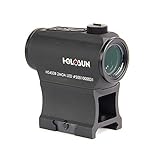
- HOLOSUN RED DOT SIGHT – HS403B is a 20mm micro sight designed for rifle and carbine applications; It features Holosun’s ultra efficient 650nm Red Super LED with up to 50k hour battery life and 12 reticle intensity settings; The housing is made from 6061 aluminum and includes both a lower 1/3 co-witness mount (1.63″) and a low mount (.75″) for low-comb height rifle applications; Lens cloth, rubber lens cover, T10 L key, and CR2032 battery included
Nearly identical performance with slight differences. The Holosun offers 50,000-hour battery life versus Romeo’s 40,000, and better lens clarity. However, the Romeo 5 includes two mounts while Holosun includes one. Street prices run within $20 of each other. Pick based on mount needs and brand preference.
Versus Vortex Crossfire Red Dot:
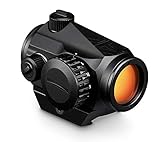
- The Crossfire is a no-nonsense sight for near any application and those who need a simple point of aim and none of the frills.
The Crossfire costs slightly less but lacks motion activation and has shorter battery life. Glass quality is comparable with similar blue tint. The Romeo 5’s MOTAC system and included mounts justify the small price premium. For a budget conscious buyer starting out, either works fine.
Versus Aimpoint Micro T-2:
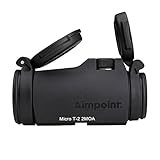
- Features advanced lens system for better light transmission and unmatched optical clarity
This comparison isn’t fair – the T-2 costs seven times more. The Aimpoint offers superior glass, bombproof construction, and proven military service. But for civilian use, the Romeo 5 provides 80% of the capability at 15% of the cost. Unless you’re kicking doors or jumping from aircraft, save your money.
Versus Primary Arms Classic Red Dot:

- 3 MOA red dot reticle
- Large 25mm aperture for wide field of view
Primary Arms offers their dot slightly cheaper with similar features minus motion activation. Glass quality favors the Romeo 5 slightly, and the MOTAC system adds real value. The lifetime warranty from Primary Arms is attractive, but Sig’s warranty service has been solid when needed.
The sweet spot remains the $150-200 range where the Romeo 5 lives. Spending less sacrifices important features or quality. Spending more brings diminishing returns unless you need specific military-grade features. For most shooters, this price point delivers everything needed.
Field Applications
Understanding where gear excels helps match equipment to mission. Through two years of varied use, I’ve identified where the Romeo 5 shines:
Home Defense: The MOTAC system means the rifle is always ready. No fumbling for power buttons in the dark. The 2 MOA dot works perfectly at indoor distances without being too large for precision. Battery life eliminates worry about dead batteries when needed most.
Ranch Work: Checking fence lines, predator control, and general carry benefit from the light weight and durability. The optic handles truck rides, weather, and rough handling without drama. Quick activation helps when surprises appear – whether coyotes or copperheads.
Competition: My daughter uses the Romeo 5 for 3-gun matches. While not the fastest or lightest option, it’s reliable and affordable for someone learning. The clear dot and wide field of view help with target transitions. Holds zero through the abuse of competition shooting.
Training: This optic lives on our primary training rifle. It’s taken thousands of rounds from new shooters, been dropped repeatedly, and generally abused. Still works perfectly. The common footprint means students learn on what they’ll likely own.
Hunting: While not a traditional hunting optic, it works for close-range deer hunting in thick cover. The motion activation helps when that buck appears suddenly. Not ideal for longer shots, but paired with a flip-aside magnifier, capabilities extend considerably.
Common Questions Answered
“Is the blue tint really that noticeable?”
Initially yes, especially if you’re used to premium glass. After a few range sessions, your brain filters it out. During actual shooting, I never notice it. Side-by-side with expensive optics, the difference is obvious. In isolation, it’s a non-issue for practical shooting.
“How does it handle astigmatism?”
If you have astigmatism, red dots might appear as starbursts or commas instead of round dots. The Romeo 5 is neither better nor worse than most red dots in this regard. Lower brightness settings help. Some shooters with astigmatism prefer prismatic sights or traditional scopes instead.
“Will it survive real abuse?”
Mine has survived two years of legitimate use and accidental abuse. It’s been dropped, frozen, soaked, and generally mistreated. Still holds zero, still works perfectly. While not Aimpoint tough, it’s proven durable enough for civilian use. Treat it with reasonable care and it should last.
“Is the MOTAC system reliable?”
Completely reliable in my experience, just sometimes oversensitive. It’s never failed to activate when needed, though it sometimes activates when not needed. The motion threshold seems calibrated for maximum sensitivity. I’d rather have false activations than missed activations when it counts.
“Should I upgrade the mount immediately?”
The included mounts work adequately for range use and casual shooting. For serious defensive use, hunting, or competition, upgrade to a quality QD mount. The mount is the weak link in the system, but it’s functional enough to use while saving for better. Don’t let mount concerns prevent purchase.
“How does it compare to iron sights?”
Faster target acquisition, better low-light performance, and easier for aging eyes. However, batteries die and glass breaks. Iron sights remain the ultimate backup. I run folding irons under the Romeo 5 – best of both worlds. The red dot is primary, but iron sights provide insurance.
Final Assessment
The wilderness doesn’t care about your schedule – or your budget. After two years and thousands of rounds, the Sig Romeo 5 has proven itself as honest, working-class equipment that delivers where it counts. It’s not perfect, but perfection costs significantly more.
The motion activation system alone justifies the purchase. Never wondering if your optic is on, never dealing with dead batteries at critical moments – that peace of mind has value. Combined with solid construction and consistent performance, you’re getting exceptional capability for the money.
Is there better glass available? Absolutely. Are there more feature-rich options? Certainly. But at this price point, finding a better combination of features, reliability, and performance is difficult. The Romeo 5 hits that sweet spot where capability meets common sense.
For new shooters building their first defensive rifle, experienced hands wanting reliable backup optics, or anyone needing proven performance without premium pricing, the Romeo 5 deserves consideration. It won’t impress your range buddies with a fancy name, but it will work every time you need it.
Plan for the worst, hope for the best. The Romeo 5 bridges that gap affordably. My son’s rifle wears one, my truck gun wears one, and I’ve recommended them to dozens of people seeking honest equipment. When someone asks for a red dot recommendation with a realistic budget, this is where I point them.
Two winters, two summers, and roughly 3,000 rounds later, the Romeo 5 continues earning its place on our rifles. In a market full of promises and marketing hype, it delivers simple, functional performance. Sometimes that’s exactly what you need.
Remember: your best survival tool is the six inches between your ears. But having equipment that works when the chips are down sure helps. The Romeo 5 has proven itself as equipment you can trust when it matters. For under $200, that’s a bargain worth taking.
Ready to upgrade your rifle’s capability without breaking the bank? Check out our other practical gear reviews and proven equipment recommendations at Moosir.com. Because the best gear isn’t always the most expensive – it’s the gear that works when you need it.