Last spring, I watched my nephew blow his entire tax return on a thousand-dollar red dot sight that he babies like it’s made of spun glass. Meanwhile, the beat-up Bushnell TRS-25 mounted on my truck gun has bounced around behind the seat for three years, survived River (my Lab) stepping on it twice, and still holds zero better than my nephew’s shooting form. Sometimes the best gear isn’t the most expensive – it’s the stuff that shows up and works every single time.
Now before you high-speed operators start typing angry comments about “just as good” mentality, hear me out. I’ve run Aimpoints and EOTechs during my Ranger days. I know what top-tier glass looks like. But when you need a red dot for your .22 plinker, your kid’s first AR, or that ranch rifle that lives behind the truck seat, dropping serious cash doesn’t always make sense. That’s where the humble TRS-25 earns its keep.
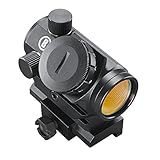
- Beautiful design and durability built to last
- Black with 3 MOA Dot reticle
The Reality Check: What You’re Actually Getting
After running multiple TRS-25s on everything from rimfire trainers to 12-gauge slug guns over the past five years, I can tell you exactly what this little red dot is – and more importantly, what it isn’t.
Technical Specifications Worth Knowing
The Numbers That Matter:
- Construction: Aluminum housing (not polymer junk)
- Reticle: 3 MOA red dot (actual measurement, not marketing speak)
- Brightness Settings: 11 positions
- Weight: 4 ounces (lighter than a loaded .45 magazine)
- Length: 2.4 inches
- Battery: CR2032 (available at every gas station)
- Battery Life: Advertised 3,000 hours (reality: closer to 1,000-1,500)
- Water Resistance: IPX7 rated
- Price: Usually around $60-80
Those specs tell part of the story, but specs don’t survive contact with Montana weather or teenage handling. Let me share what I’ve learned putting these through their paces.
Five Years of Hard Lessons
The Truck Gun Test
My primary TRS-25 lives on a Ruger 10/22 takedown that rides behind my truck seat year-round. This setup has experienced:
- Temperature swings from -25°F to 105°F
- More dust than a cattle drive
- Vibration from thousands of miles of dirt roads
- Getting knocked around by tools, camping gear, and one overly enthusiastic German Shorthaired Pointer
After all that abuse, it still puts rounds where I point it. Last month, I used it to dispatch a porcupine that Scout had cornered behind the woodshed. One shot at 15 yards in fading light – problem solved. That’s real-world performance that matters more than any bench rest group.
The Youth Trainer Application
When teaching my daughter proper rifle fundamentals, I mounted a TRS-25 on her Crickett .22. The lightweight design doesn’t throw off the rifle’s balance, and the simple controls mean she can focus on trigger control and breathing instead of fiddling with complicated adjustments.
Sarah (my wildlife biologist wife) appreciates that the 3 MOA dot is small enough for precision but large enough that new shooters can find it quickly. We’ve introduced dozens of kids to shooting using this setup, and it works every time.
Breaking Down Real Performance
Optical Quality: Managing Expectations
Let’s be straight here – you’re not getting Leupold glass for Bushnell money. The lens has a slight blue tint that’s noticeable indoors but disappears outdoors. In bright Montana sunshine, even at setting 11, the dot can wash out against snow or light-colored backgrounds.
But here’s what matters: In the conditions where you’ll actually use this sight – dawn, dusk, overcast days, indoor ranges – it works fine. I’ve taken plenty of rabbits at last light when iron sights would’ve been useless. The dot might not be competition-crisp, but it’s clear enough to put lead on target.
Battery Life: The Achilles Heel
The advertised 3,000-hour battery life is optimistic at best. Running at usable brightness levels (settings 6-8), expect 1,000-1,500 hours. Without an auto-off feature, forgetting to turn it off means dead batteries when you need them.
My solution? I change batteries every opening day of deer season and keep spares everywhere – truck glove box, range bag, workshop drawer. CR2032s are cheap insurance. Practice makes permanent, so make checking that dial part of your routine.
Durability: Tougher Than Expected
This is where the TRS-25 surprises people. Despite its budget price, it handles recoil remarkably well. I’ve run one on a Mossberg 500 slug gun for two seasons without issue. That’s hundreds of 12-gauge slugs and buckshot loads without losing zero.
During a November whitetail hunt, my backup rifle (wearing a TRS-25) fell off the ATV rack onto frozen ground. After checking for damage and finding none, I verified zero with three shots. Still dead on. Try that with iron sights that can bend or high-end glass that costs more than the rifle.
The IPX7 waterproofing actually works. I’ve hunted in rain that would send most folks back to the truck, and the sight stayed fog-free. Just remember – waterproof doesn’t mean submarine-proof. Don’t test fate unnecessarily.
Zero Retention: Set It and Forget It
Once properly mounted and zeroed, these sights stay put. The adjustment knobs don’t have audible clicks, which bothers some folks, but they hold their settings through regular use. I’ve found that proper mounting matters more than the sight itself – use quality rings and bases, apply blue Loctite correctly, and torque to spec.
On my test rifles, groups typically run:
- 1.5 inches at 25 yards (rimfire)
- 3 inches at 50 yards (centerfire)
- Minute-of-coyote at 100 yards
Not match-grade accuracy, but plenty good for its intended purpose.
Where It Shines (And Where It Doesn’t)
Perfect Applications
Training New Shooters: The simple operation and lightweight design make it ideal for youth rifles or adult training guns. No complicated reticles or adjustment systems to confuse beginners.
Truck and Ranch Guns: When you need quick target acquisition for varmints or predators, this delivers without breaking the bank when it inevitably gets beat up.
Rimfire Rifles: Transforms any .22 into a more capable plinker or small game getter. The low weight doesn’t affect balance on lightweight rifles.
Backup Optics: Keep one in your range bag as a spare. When your buddy’s expensive sight goes down, you’ll look like a hero.
Budget Builds: When every dollar counts, this gets you into the red dot game without sacrificing groceries.
Where to Look Elsewhere
Primary Defensive Weapons: Your home defense gun deserves better battery life and brightness. Spend the extra money on a Sig Romeo5 or Holosun.
Competition Shooting: The dot isn’t crisp enough for precision work, and battery anxiety will mess with your head.
Heavy Recoiling Rifles: While it handles 12-gauge and .308 adequately, I wouldn’t trust it long-term on magnum rifles.
Professional Use: If your life or livelihood depends on it, buy once and cry once with proven duty-grade optics.
Mounting Solutions and Setup Tips
Getting the Height Right
The included mount works fine for rimfire rifles and shotguns with rails. For ARs, you’ll need a riser. The UTG 0.83″ riser gets you to absolute co-witness with standard iron sights. The 1″ riser provides lower 1/3 co-witness, which I prefer – lets you see more target area below the dot.
My Installation Process
- Degrease Everything: Clean all mounting surfaces with rubbing alcohol
- Check Rail Alignment: Ensure your rail is properly secured and level
- Apply Thread Locker: Blue Loctite on base screws only
- Torque Properly: 15-20 inch-pounds for most applications
- Let It Cure: Wait 24 hours before zeroing
Recommended Upgrades
If you want to maximize this sight’s potential:
- American Defense QD Mount: Quick detach capability for switching between rifles
- UTG Riser Mount: Essential for AR platforms
- Flip-up Lens Covers: Better protection than the rubber bikini cover
- Spare Battery Holder: Tape one under your stock or grip
Compared to the Competition
Versus Sig Romeo5 ($120-160)

- ROMEO5 GUN SIGHT – The ROMEO5 1X20mm Red Dot Sight mounts on any platform, and even though it’s small, it’s tough; The solid, lightweight aluminum design gives peak performance & years of service, so you can be on the top of a hunt or shooting competition
The Romeo5 offers motion-activated on/off (MOTAC) and 40,000-hour battery life. For defensive guns, spend the extra money. For plinking and training, save your cash
Versus Vortex SPARC II ($200)
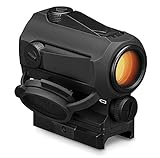
- The updated SPARC features rugged construction that’s still compact, with a lightweight form-factor. The 2 MOA dot is quick to acquire in close ranges, but fine enough for pin-point accuracy at extended ranges.
Better glass clarity but similar battery life issues. Unless you need the Vortex warranty (which is admittedly excellent), the TRS-25 does 80% of the job for 40% of the price.
Versus Holosun HS403B ($150-180)
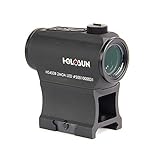
- HOLOSUN RED DOT SIGHT – HS403B is a 20mm micro sight designed for rifle and carbine applications; It features Holosun’s ultra efficient 650nm Red Super LED with up to 50k hour battery life and 12 reticle intensity settings; The housing is made from 6061 aluminum and includes both a lower 1/3 co-witness mount (1.63″) and a low mount (.75″) for low-comb height rifle applications; Lens cloth, rubber lens cover, T10 L key, and CR2032 battery included
Superior in every way – better dot, longer battery life, shake-awake feature. If you can afford it, get the Holosun. But the TRS-25 still works for basic applications.
Versus Iron Sights (Free with rifle)
The TRS-25 wins in low light, with aging eyes, and for new shooters. Iron sights win for bomb-proof reliability and no batteries. Know your mission and choose accordingly.
Hard-Earned Wisdom
Battery Management
Change batteries every hunting season opener whether needed or not. Mark the date on the battery with a Sharpie. Keep spares in:
- Your range bag
- Vehicle glove box
- Gun safe
- Hunting pack
Brightness Settings
Settings 1-3: Indoor range Settings 4-6: Overcast days
Settings 7-9: Partly sunny Settings 10-11: Bright sun (barely adequate)
Start low and work up – saves battery and preserves night vision.
Maintenance Tips
- Clean lenses with proper optic wipes, not your shirt
- Check mount tightness monthly
- Keep adjustment caps on when not zeroing
- Store with sight turned off (check twice)
- Replace rubber cover if it tears – protects adjustment knobs
The Unvarnished Truth
After five years and thousands of rounds through multiple TRS-25s, here’s my honest assessment:
What It Is: A functional, affordable red dot that works reliably for basic applications. It turns inexpensive rifles into more capable tools without breaking the bank. Perfect for beginners, backup guns, and non-critical applications.
What It Isn’t: A duty-grade optic for serious use. The battery life requires constant management, bright sunlight overwhelms it, and the dot lacks the crispness of premium sights.
Who Should Buy It:
- Parents setting up youth training rifles
- Hunters wanting quick acquisition on ranch rifles
- Budget-conscious shooters entering the red dot world
- Anyone needing backup optics
- Plinkers who want more fun at the range
Who Should Pass:
- Home defenders needing absolute reliability
- Competitive shooters requiring precision
- Anyone with the budget for better options
- Operators whose lives depend on their gear
Field Intelligence Report
Common Questions From Real Users
Will it survive on my slug gun?
Yes, but mount it properly. I’ve run one on a Mossberg 500 for two seasons of deer hunting. Hundreds of slugs and buckshot loads without shifting zero. Use quality rings and blue Loctite.
How bad is the brightness issue really?
Against bright snow or sand at noon, it’s barely visible even maxed out. In woods, dawn/dusk, or overcast conditions, it’s perfectly adequate. Know its limitations and work within them.
What about that missing auto-off feature?
It’s annoying but manageable. Make turning it off part of your unloading routine. When you clear your rifle, spin that dial to off. Create habits that prevent dead batteries.
Can beginners figure it out easily?
Absolutely. My 12-year-old daughter mastered it in minutes. Eleven brightness settings, simple adjustments, no complicated reticles. Perfect for new shooters.
Is the slight magnification an issue?
The tiny magnification (some say 1.1x instead of true 1x) isn’t noticeable in practical use. Both-eyes-open shooting still works fine for most people.
Should I get the green dot version?
Stick with red. Green might seem brighter in daylight, but red works better across more lighting conditions and is easier on batteries.
The Final Verdict
The Bushnell TRS-25 occupies a unique position in the red dot market – it’s good enough for most tasks while cheap enough to be disposable. After years of use and abuse, mine keep working despite their limitations.
Is it the best red dot available? Not even close. Is it the best red dot under $80? Absolutely. More importantly, it’s proven reliable enough that I trust it on working guns that see actual field use.
My grandfather always said, “Better to have adequate gear you’ll actually use than perfect gear that sits in the safe.” The TRS-25 embodies that philosophy – it’s the red dot that shows up to work every day without complaint.
For teaching kids to shoot, pest control around the homestead, or having backup optics that won’t break the bank, this little sight punches above its weight class. Just understand its limitations, manage those batteries religiously, and it’ll serve you well.
Remember: The wilderness doesn’t care about your equipment’s price tag, only whether it works when needed. The TRS-25 works.
The Bottom Line
At $60-80, the Bushnell TRS-25 delivers honest value for basic red dot needs. It won’t impress your tactical friends or win any precision competitions, but it’ll put lead on target reliably enough for most real-world applications.
Buy it for what it is – an entry-level red dot that actually works – and you’ll be satisfied. Expect Aimpoint performance at Bushnell prices, and you’ll be disappointed.
Your best survival tool is the six inches between your ears, but having functional gear that doesn’t drain your wallet helps too. The TRS-25 fits that bill perfectly.
Want more honest gear reviews and practical shooting advice? Check out our other guides at Moosir.com where we test equipment in real-world conditions, not just on comfortable shooting benches. Because gear that can’t handle Montana weather won’t help you when it matters.