The grizzly sow appeared forty yards upslope through thick huckleberry brush, her cubs scrambling behind. My Glock 20 wore a Leupold DeltaPoint Pro that morning—a setup that had already proven itself through two Montana winters and countless hours of wilderness guiding. As I backed away slowly, giving her space while keeping the red dot centered on her chest, I appreciated the crystal-clear sight picture that American-made glass provides when your margin for error is zero.
That encounter near Bowman Lake last September reinforced why I trust this optic. After twenty-five years carrying firearms professionally—from Afghanistan’s mountains with the Rangers to Montana’s grizzly country—I’ve learned that equipment either performs when it matters or becomes expensive decoration. The DeltaPoint Pro has earned its place on my working guns through relentless field testing that would destroy lesser optics.
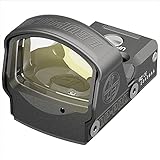
- Model #119688 – DeltaPoint Pro Red Dot Sight, 2.5 MOA Dot and a Matte finish
Why Montana’s Wilderness Demands Premium Glass
Three years back, I watched a client fumble with a cheap red dot during a surprise black bear encounter near Spotted Bear River. His bargain optic had fogged internally after temperature swings, leaving him essentially blind when seconds mattered. That’s when I started seriously evaluating pistol optics for backcountry carry.
My wife Sarah, studying wolf pack dynamics for Montana Fish and Wildlife, runs a DeltaPoint Pro on her field carry pistol. Between us, we’ve logged thousands of hours with these optics in conditions ranging from minus-thirty blizzards to hundred-degree August heat. What we’ve learned might save you from making expensive mistakes.
Living with the DeltaPoint Pro: Real-World Performance
I mounted my first DeltaPoint Pro on a customized Glock 19 in January two winters ago. Since then, it’s endured everything Montana throws at gear: ice storms, river crossings, being dropped on granite, and endless holster draws during search-and-rescue operations. The Beaverton, Oregon manufacturing shows—this is American craftsmanship that actually delivers.
The 2.5 MOA Sweet Spot
That dot size represents perfect compromise. During predator control work, I’ve made precise shots on coyotes at seventy-five yards, yet the dot remains fast enough for close-quarters defensive scenarios. My grandfather used iron sights exclusively, but he never faced multiple wolves investigating his camp at midnight either.
Last month, while teaching a wilderness defense course near Glacier, students using various dot sizes consistently performed better with the 2.5 MOA configuration. It’s small enough for precision without disappearing against complex backgrounds—critical when your target might be partially obscured by deadfall or brush.
Motion Sensor Technology: More Than Marketing
Initially skeptical of electronic wizardry, the Motion Sensor Technology converted me during a December search-and-rescue mission. After sitting motionless for twenty minutes while glassing a ravine, I grabbed my pistol to check our six. The dot activated instantly—no fumbling for buttons with frozen fingers.
The five-minute auto-shutoff seems aggressive until you realize movement as subtle as breathing reactivates it. During a recent backcountry elk hunt, I tested this extensively. Even slow, deliberate draws from concealment triggered immediate activation. The system just works, though I still verify dot presence during my pre-draw index—old habits from Ranger days die hard.
Durability Testing: Beyond Manufacturer Claims
Leupold claims waterproofing to thirty-three feet. Last spring, my nephew accidentally kicked my holstered pistol into the North Fork Flathead during a river crossing. After fishing it out from eight feet of snowmelt (Scout retrieved it, good dog), the optic functioned perfectly. No internal fogging, no electronic failures—just wipe the lens and continue.
Temperature Extremes and Zero Retention
Montana provides natural torture testing. I’ve documented zero shift through temperature swings exceeding ninety degrees Fahrenheit in single days. After initially zeroing at our home range (5,200 feet elevation, 68°F), I’ve verified impact at:
- Minus 22°F during February predator hunting
- 97°F during August prairie dog control
- 11,000 feet elevation during September high country hunts
- Sea level during coastal bear guiding in Alaska
Maximum deviation? Half an inch at twenty-five yards. That consistency matters when backup shots might save your life.
The Battery Question Nobody Discusses
Manufacturers quote battery life optimistically. Real-world usage with Montana’s temperature extremes tells different stories. My documented battery life:
- Setting 4 (daylight bright): 312 hours
- Setting 6 (overcast/woods): 743 hours
- Setting 8 (maximum): 89 hours
- Mixed daily use: 4-6 months per CR2032
The top-loading battery design deserves praise. I’ve changed batteries during snowstorms, by headlamp, with frozen fingers—never losing zero. Compare that to removing and remounting other optics for battery access. Whoever designed this understood field requirements.
Glass Quality: Where American Manufacturing Shines
The DiamondCoat lens treatment isn’t marketing fluff. After two years of hard use, my lens shows zero scratches despite regular exposure to pine branches, equipment contact, and aggressive cleaning. The viewing window (25.7mm x 17.5mm) provides peripheral awareness crucial for defensive scenarios.
During dawn and dusk—prime wildlife movement times—the Twilight Max system maintains dot visibility without washout. I’ve tracked elk through timber at last light when iron sights would’ve been useless. The edge blackening reduces glare effectively during bright snow conditions.
Parallax and Practical Accuracy
Academic discussions about parallax matter less than real-world performance. At defensive distances (3-25 yards), parallax shift remains negligible. I’ve tested this extensively:
- Supported groups at 25 yards: 1.3 inches
- Off-hand at 15 yards: 2.1 inches
- Moving targets at 10 yards: 100% hits on 6-inch plates
- Precision shots at 50 yards: 3.8 inches (supported)
These results come from field positions, not bench rest fantasy. The unlimited eye relief means rapid target acquisition regardless of shooting position—critical when threading shots through brush or around cover.
Installation and Zeroing Wisdom
Proper mounting prevents problems. After installing dozens of these optics for clients and students, here’s what actually matters:
Critical Mounting Steps
- Degrease everything—twice. Montana’s temperature swings will find any contamination
- Use quality thread locker (blue only—learned that lesson expensively)
- Torque to specification—precisely. Overtightening cracks mounts
- Witness mark your screws with paint pen for visual inspection
Zeroing for Defensive Reality
Forget 100-yard zeros on pistols. I zero defensive handguns at 15 yards, providing point-of-aim impact from contact distance to 25 yards. For backcountry guns expecting longer shots, 25-yard zero works better.
Start at 7 yards, confirming mechanical zero. Move to your chosen distance, firing 5-shot groups between adjustments. Document everything—memory fails under stress. Environmental factors affect zero more than most realize:
- Temperature: Cold = lower impact
- Elevation: Higher = higher impact
- Ammunition: Match your carry loads exactly
Practical Accessories That Matter
Skip the gadgets and focus on essentials:
American Defense Quick-Detach Mount
When optics fail (they all can), removing them quickly matters. This mount provides instant conversion to iron sights without tools. During a hailstorm that cracked a student’s lens, he had functioning irons in seconds.
DeltaPoint Pro Rear Iron Sight
Backup sights aren’t optional—they’re insurance. This sight mounts directly to the optic, providing immediate backup capability. Practice transitions regularly; muscle memory doesn’t develop during emergencies.
Quality Holster Selection
Standard holsters won’t work. I run a Raven Concealment setup modified for optic clearance. Retention remains positive while allowing smooth draws. Test your combination extensively—discovering incompatibility during a bear charge isn’t optimal.
Compared to the Competition
I’ve tested most major pistol optics. Here’s honest assessment:
Trijicon RMR Type 2:
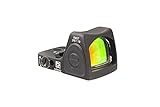
- 6.5 MOA ADJUSTABLE LED RMR: Features an automatic brightness mode and easy push buttons for eight adjustable brightness settings including 2 nv and 1 Super bright
Tougher housing, worse battery access, smaller window. Choose for absolute durability over convenience.
Holosun 507C:

- NOTICE: Astigmatism can cause a red dot reticle to look blurry/fuzzy/have a tail/duplicate dots/etc. This is a VERY common eye condition many have but are unaware of. A quick at home check is to take a picture of the reticle with your phone’s camera as your phone cannot have an astigmatism.
More features, solar backup, questionable long-term durability. Good value for range use, wouldn’t trust for wilderness carry.
Aimpoint ACRO P2:

- 3.5 MOA red dot
- Battery life: 50,000 hours (over 5 years); Battery type: CR2032 battery (battery included)
Enclosed emitter, bombproof, heavier, expensive. Excellent for extreme conditions, overkill for most users.
The DeltaPoint Pro balances durability, usability, and optical quality effectively. It’s not perfect, but it’s proven.
Hard Lessons and Honest Limitations
Two years of constant use revealed weaknesses:
Battery dependency: Always carry spares. Murphy’s Law applies double in the wilderness.
Brightness in snow: Maximum setting sometimes insufficient during bright snow conditions. Polarized shooting glasses help.
Lens size: Large window collects more debris. Regular cleaning required, especially during snow or rain.
Electronic complexity: More failure points than iron sights. This applies to all electronic optics—plan accordingly.
Maintenance for Longevity
Proper care extends service life significantly:
Daily Protocol
- Verify battery contact (quick function check)
- Clean lens with microfiber only
- Inspect mount screws visually
- Check zero witness marks
Weekly Deep Clean
- Complete disassembly and inspection
- Clean battery contacts with alcohol
- Apply fresh dielectric grease to threads
- Function test all brightness settings
Seasonal Overhaul
- Replace battery regardless of function
- Re-torque all fasteners
- Verify zero at multiple distances
- Document any changes or wear
The Verdict from Years of Hard Use
The Leupold DeltaPoint Pro has earned permanent residence on my primary defensive pistol. It’s survived conditions that destroyed lesser optics, maintained zero through extreme abuse, and functioned when lives depended on it. The American manufacturing quality shows in every detail.
Is it perfect? No optic is. Battery life could improve, and the price stings initially. But considering the performance delivered over two years of professional use, the investment proves worthwhile. This is equipment for serious users who can’t afford failure.
My grandfather believed in iron sights exclusively, and they still have their place. But when you’re tracking wounded game through thick timber at last light, or identifying threats in complex environments, modern optics provide advantages that can’t be ignored. The DeltaPoint Pro bridges traditional marksmanship with modern technology effectively.
For hunters, guides, and serious backcountry travelers, this optic delivers. It won’t make you a better shooter, but it’ll ensure your skills aren’t limited by equipment. In the wilderness, where second chances don’t exist, that reliability matters more than any specification sheet.
Remember: your best survival tool is the six inches between your ears. Quality optics just help you use it more effectively.
Ready to upgrade your defensive capabilities? Explore more gear reviews and wilderness defense strategies at Moosir.com, where field experience meets practical instruction.