Last November, I was tracking a wounded bull elk through heavy timber in the Bob Marshall Wilderness when my buddy’s bargain red dot failed completely. Moisture had seeped in during an unexpected snow squall, and just like that, his hunt was over. That’s when I knew it was time to write this comparison between two optics I’ve trusted with my life – the Aimpoint ACO and the Aimpoint PRO.
I’ve run both these Swedish-built red dots through conditions that would make most optics cry uncle – from -30°F Montana winters to dusty Afghanistan deployments. After thousands of rounds downrange and countless hours in the field, I’m here to share what actually matters when choosing between these two battle-proven sights.
Quick Reference Guide
| Specifications | Aimpoint ACO | Aimpoint PRO |
| Dot Size | 2 MOA | 2 MOA |
| Battery Runtime | 10,000 Hours | 30,000 Hours |
| Eye Position | Unlimited | Unlimited |
| Weight (with mount) | 7.8 ounces | 11.6 ounces |
| Illumination Settings | 10 levels | 10 levels |
| Street Price | Around $400 | $500+ |
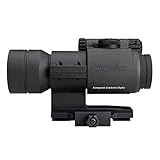
- Aimpoint quality and performance at an entry-level price.
- 2 MOA dot with 9 low light and daylight brightness settings.
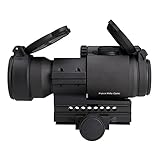
- Absolute co-witness with iron sights (with the supplied spacer installed)
The Real Story Behind These Optics
Before we dive into the nitty-gritty, let me clear something up. The ACO (Aimpoint Carbine Optic) was designed specifically for the civilian market – folks like you and me who demand professional-grade equipment without the military procurement price tag. The PRO (Patrol Rifle Optic), on the other hand, was built to meet law enforcement and military specifications.
Here’s what that actually means when the rubber meets the road, or in my case, when you’re belly-crawling through sagebrush at 5 AM chasing pronghorn.
Glass Quality and That Critical Red Dot
Both optics sport a 38mm objective lens, which gives you plenty of real estate for quick target acquisition. During my time as a Ranger instructor, we’d run drills where speed mattered more than precision – that generous lens window saved more than a few students from washing out.
The 2 MOA dot on both models hits that sweet spot between precision and visibility. At 100 yards, you’re covering about 2 inches of target – small enough for surgical shots on prairie dogs, yet visible enough when your heart’s hammering after climbing 2,000 vertical feet chasing mountain goats.
What really separates these two becomes apparent in marginal conditions. Both feature multi-coated lenses that cut glare effectively. I’ve shot both under the brutal midday sun reflecting off fresh snow – conditions that’ll expose any weakness in optical coatings. The ACO performed admirably, maintaining a clear sight picture out to 200 yards during my coyote control work on the ranch.
But here’s where the PRO earns its keep: that 1x true magnification (and yes, I know 1x means no magnification – it’s about optical clarity at unity) combined with complete parallax correction makes a difference when seconds count. During a recent black bear encounter while guiding clients near Glacier, the PRO’s superior glass clarity let me maintain positive target identification in heavy shadow under the forest canopy.
The PRO is also genuinely night-vision compatible. Not just “it won’t blow out your tubes” compatible, but actually designed for it. Four of its ten brightness settings are specifically calibrated for use with night vision devices. The ACO has one extra-dim setting that works in a pinch, but if you’re running NODs regularly, the choice is clear.
Battery Life: The Unsung Hero
Let me share something my grandfather taught me: “Your equipment should outlast your ambition.” Both these optics deliver on that promise, but to different degrees.
The ACO’s 10,000-hour battery life sounds impressive until you do the math. That’s over a year of continuous use. I’ve had mine on my truck gun for three years now, and I’ve changed the battery exactly once – not because it died, but because I’m paranoid about Murphy’s Law kicking in during hunting season.
The PRO’s 30,000-hour runtime is something else entirely. We’re talking over three years of leaving it on 24/7. During my deployments, we’d leave our optics on for months at a time. That kind of reliability means one less thing to worry about when you’re focused on more important matters – like whether that’s a mule deer or a hunter in blaze orange 400 yards out.
Both run on readily available batteries – the ACO uses a 1/3N lithium, while the PRO takes a 2L76. I keep spares of both in my pack, my truck, and Sarah’s vehicle. Practice makes permanent, but dead batteries make for expensive clubs.
Built to Survive Your Worst Day
The wilderness doesn’t care about your schedule, and neither should your optic. Both models use aircraft-grade aluminum construction with a hard-anodized finish that shrugs off the kind of abuse that comes with real-world use.
I’ve put my ACO through its paces during Montana’s bipolar weather patterns – 70°F to snow in four hours isn’t uncommon here in April. It’s waterproof enough for any hunting situation you’ll encounter, scratch-resistant enough to survive getting dragged through deadfall, and shock-proof enough to handle the occasional “controlled descent” down a scree slope.
However, the ACO has one Achilles’ heel: fog. During those humid September bow seasons when the temperature swings 40 degrees between dawn and noon, internal fogging can become an issue. It’s manageable with proper storage and silica gel packs, but it’s there.
The PRO eliminates this concern entirely. It’s nitrogen-purged and sealed to military specifications – waterproof to 45 meters (that’s 150 feet for those keeping track). I’ve submerged mine completely while crossing streams that turned out to be deeper than expected. Zero issues. The included lens covers are another thoughtful touch that the ACO lacks, keeping your glass protected during transport.
Weight-wise, we’re splitting hairs. The ACO at 7.8 ounces versus the PRO at 11.6 ounces – that’s less than the weight of four rifle cartridges. Unless you’re counting grams for an ultralight sheep hunt, both are negligible on a modern sporting rifle.
Adjustments and Real-World Zeroing
Both optics feature capped turrets requiring a tool for adjustment – typically a spent case rim works perfectly. Each click moves your point of impact 1/2 inch at 100 yards, giving you precise control without the risk of accidental adjustment when pulling your rifle from a scabbard or truck rack.
The brightness controls tell an interesting story. The ACO’s setup is straightforward: nine daylight settings plus one super-dim setting for those pre-dawn setups. Simple, effective, no nonsense.
The PRO divides its ten settings more deliberately: six for daylight, four for night vision compatibility. This might seem like a minor detail until you’re trying to dial in the perfect brightness while watching a game trail at last light, wearing night vision that cost more than your truck.
Mounting: Where Simplicity Shines
Both optics arrive with quality QRP2 mounts that attach to any Picatinny rail. No gunsmith required, no specialty tools needed. I’ve mounted both on everything from a 10/22 squirrel gun to a .338 Win Mag bear rifle. The return-to-zero is good enough that I can swap them between rifles and maintain minute-of-bad-guy accuracy without re-zeroing.
The low-profile mount design maintains your rifle’s natural point of aim and preserves peripheral vision – crucial when tracking moving game or, in my former life, maintaining situational awareness in hostile territory.
The Money Question
At roughly $400, the ACO represents exceptional value for civilian shooters. It’s the optic I recommend to friends getting into predator hunting or setting up their first serious home defense rifle. The 10-year civilian warranty (2 years for professional use) shows Aimpoint’s confidence in their product.
The PRO typically runs $500-600, depending on where you shop. That extra Benjamin gets you fog-proofing, genuine night vision compatibility, triple the battery life, and lens covers. For law enforcement, competitive shooters, or serious hunters who venture into extreme conditions, it’s money well spent.
My Professional Assessment
After running both optics through everything Montana and military service could throw at them, here’s my bottom line:
Choose the ACO if:
- You’re primarily a fair-weather shooter or hunter
- Your rifle lives in a climate-controlled safe most of the time
- You want professional-grade quality without the professional price
- You’re setting up multiple rifles and budget matters
- You don’t own or plan to own night vision
Choose the PRO if:
- You hunt or shoot in extreme weather conditions
- Fog resistance is non-negotiable (think coastal areas or humid climates)
- You run night vision or might in the future
- Your rifle is a working tool that sees daily use
- That extra battery life gives you peace of mind
- You want the absolute best in this price range
Both optics exemplify the Swedish attention to detail that’s made Aimpoint legendary. They’re not cheap Chinese knockoffs that’ll fail when you need them most. These are professional tools built by people who understand that sometimes your life depends on that little red dot.
The Wilderness Doesn’t Care About Excuses
Here’s what it comes down to: both the ACO and PRO will serve you faithfully for years. I’ve trusted both with my life and my clients’ safety. The ACO on my ranch rifle has helped me protect livestock from predators and fill freezers with clean, ethical kills. The PRO has been with me through situations I can’t fully discuss, performing flawlessly when failure wasn’t an option.
If forced to choose just one? The PRO gets the nod. That fog-proof capability alone has saved multiple hunts here in Montana where morning thermals create instant fog banks. The superior battery life means one less variable to manage in the field. And those lens covers? They’re worth their weight in gold when you’re bushwhacking through alder thickets chasing Roosevelt elk.
But remember this: the best optic is the one you can afford to put on your rifle today. A mounted ACO beats a PRO sitting on your wish list every time. Plan for the worst, hope for the best, and always – always – respect the game, respect the land, and respect yourself.
Stay sharp out there, Flint Marshall
Want to dive deeper into optics selection? Check out my complete guide to choosing red dots for different hunting applications, or read about my experience with magnified versus non-magnified optics in real-world scenarios. And if you’re serious about maintaining your equipment, don’t miss my field-tested gear maintenance guide that’ll keep your optics performing for decades.
Field Notes and FAQ
What’s the real difference in dot size between these models? Both run 2 MOA dots. At 100 yards, that covers roughly 2 inches of target. Perfect for both precision work and quick acquisition. During rapid fire drills, that consistency between models means your training transfers seamlessly.
Can the ACO really handle night vision? It has one compatible setting, but it’s like using a framing hammer for finish work – it’ll do the job, but there are better tools. The PRO’s four dedicated night vision settings give you the flexibility to adapt to changing conditions under NODs.
Where does Aimpoint manufacture these optics? Every Aimpoint optic is hand-built in Sweden. Having toured their facility during a NATO exchange program, I can tell you these folks take their craft seriously. It’s not mass production – it’s deliberate, methodical assembly by people who understand their products might be the difference between life and death.
How do these compare to other brands in the same price range? That’s a longer conversation for another article, but briefly: Aimpoint’s battery life is unmatched. Their durability is legendary. You’re paying for Swedish engineering and a company that’s been perfecting red dots since 1974. There are cheaper options, but as my grandfather said, “Buy once, cry once.”
Remember: practice makes permanent, so practice it right. Your best survival tool is the six inches between your ears, but quality optics sure don’t hurt.