The first time I watched a pack of coyotes move through our ranch’s winter wheat field at 2 AM, invisible to the naked eye but clear as day through thermal imaging, I knew the game had changed forever.
Two springs ago, we lost seventeen calves to a particularly aggressive coyote pack that had learned to avoid traditional hunting pressure. These weren’t your average opportunistic predators—they moved like ghosts, hit fast during the darkest hours, and vanished before dawn. After weeks of frustration with conventional night hunting tactics, I invested in my first thermal scope and haven’t looked back since.
Over the past two years, I’ve tested seven different thermal scopes across Montana’s varied terrain and extreme weather conditions. From the sub-zero predawn hours in the Bitterroot Mountains to sweltering summer nights when thermal crossover makes imaging challenging, these optics have proven their worth where it matters most—protecting livestock and maintaining ecological balance.
Sarah, my wife and our local wildlife biologist, initially questioned whether thermal technology might give hunters an unfair advantage. After watching me eliminate problem predators with surgical precision while avoiding non-target species, she’s become a convert to the responsible application of thermal hunting technology.
Bottom Line Up Front: The Trijicon REAP-IR 35mm has become my go-to thermal scope for serious predator work, delivering unmatched clarity and reliability when livestock protection demands zero compromise.
Understanding Thermal Hunting: Beyond the Technology
The Reality of Predator Behavior: Coyotes are primarily crepuscular and nocturnal hunters, making traditional optics inadequate for effective management. My grandfather used jacklight hunting with varying success, but thermal imaging reveals the full scope of predator activity that occurs beyond human visual limits.
Ethical Considerations: Advanced thermal technology comes with enhanced responsibility. These optics enable positive species identification at distances where conventional hunting methods fail. This capability should improve ethical harvest rates, not simply increase kill opportunities.
Conservation Impact: Effective predator management supports overall ecosystem health. By removing problem individuals while preserving stable pack dynamics, thermal hunting can be a valuable wildlife management tool when applied responsibly.
My Top 4 Thermal Scopes for Coyote Hunting
1. Best Overall: Trijicon REAP-IR 35mm – The Professional’s Choice
What Makes It Special: Military-grade thermal imaging with uncompromising performance
When your livelihood depends on equipment reliability, you invest in tools that work every time. The Trijicon REAP-IR represents the pinnacle of thermal hunting technology, engineered to military specifications and proven in the harshest environments imaginable.
Real-World Performance: During a memorable February hunt, this scope enabled successful elimination of an alpha male coyote at 380 yards during a blizzard with visibility near zero. The 640×480 thermal sensor with sub-50mK sensitivity revealed heat signatures that would be impossible to detect through conventional optics.
Technical Excellence:
- Thermal Resolution: 640×480 pixels with 12-micron pitch
- Sensitivity: <50mK (detects minute temperature differences)
- Frame Rate: 60 Hz for smooth target tracking
- Magnification: 1.75x base with 8x digital zoom
- Detection Range: 1,200+ yards (realistic coyote identification to 400 yards)
- Weight: 26.5 oz (substantial but manageable)

Field Testing Results: Over eighteen months of professional use, this scope has maintained zero through extreme temperature swings, heavy recoil, and rough handling that would destroy lesser equipment. The edge detection mode proves invaluable for spotting partially concealed animals, while multiple color palettes adapt to varying environmental conditions.
What Sets It Apart: The thumbstick control system provides intuitive operation even with heavy gloves. Built-in video recording captures hunts for analysis and training purposes. Multiple reticle options accommodate different rifles and ammunition without re-zeroing.
Limitations: Battery life averages 3.5 hours continuous operation, requiring careful power management during extended hunts. The premium price point puts it beyond casual hunters’ budgets. The learning curve demands investment in training time.
Best Applications: Professional predator control, large ranch management, extreme environment hunting, military/law enforcement applications
2. Best Lightweight: AGM Varmint LRF 35-384 – The Mountain Hunter’s Friend
What Makes It Special: Exceptional performance-to-weight ratio with integrated rangefinder
After carrying heavy thermal scopes across Montana’s backcountry, I appreciate equipment that doesn’t punish your back during long tracking sessions. The AGM Varmint delivers professional-grade thermal performance in a package light enough for serious mountain hunting.
Practical Advantages: At 1.55 pounds, this scope transforms multi-mile predator tracking from endurance test to strategic hunt. The integrated laser rangefinder eliminates guesswork for precise shot placement, critical when dealing with educated coyotes that offer limited opportunities.
Technical Specifications:
- Thermal Sensor: 384×288 resolution with 12μm VOx technology
- Refresh Rate: 50 Hz for smooth target tracking
- Magnification: 3x-24x digital zoom range
- Detection Range: 1,750 meters claimed (practical coyote ID to 300 yards)
- Rangefinder: 600-meter range with ±1-meter accuracy
- Battery Life: 4.5 hours with 18650 rechargeable
- Weather Rating: IP67 waterproof protection

- 12μm high sensitivity thermal detector Fast 50Hz imaging 1x, 2x, 4x, 8x Digital zoom
- Adjustable color palettes Built-in laser rangefinder
- High resolution OLED display Various reticle types and colors
Field Performance: During a particularly challenging hunt in Glacier National Park’s periphery, this scope performed flawlessly across three days of tracking a livestock-depredating pack. The picture-in-picture mode allowed simultaneous wide-area scanning and detailed target identification—crucial when dealing with multiple predators.
Unique Features: The dual-battery system provides hot-swappable power for extended operations. WiFi streaming capability enables shared viewing with hunting partners or documentation for wildlife management records. Multiple color palettes optimize performance across varying environmental conditions.
Value Analysis: This scope delivers 80% of premium thermal performance at 45% of the cost. For hunters requiring mobility without sacrificing capability, it represents an exceptional balance of features and portability.
Best Applications: Mountain hunting, long-distance tracking, mobile predator management, training applications
3. Best Detection Range: Pulsar Thermion 2 XQ50 Pro – The Long-Range Specialist
What Makes It Special: Extreme detection capability with professional-grade features
Open country predator hunting demands maximum detection range to spot wary coyotes before they detect human presence. The Pulsar Thermion 2 XQ50 Pro excels at revealing heat signatures at distances that redefine hunting strategy.
Exceptional Capabilities: I’ve reliably spotted coyote-sized heat signatures beyond 1,200 yards under optimal conditions, fundamentally changing how I approach large property management. The sub-25mK thermal sensitivity reveals temperature differences invisible to lesser sensors.
Advanced Technology:
- Thermal Resolution: 384×288 pixels with 17μm pitch
- Sensitivity: <25mK (exceptional temperature discrimination)
- Lens: F50/1.0 Germanium optics for maximum light transmission
- Magnification: 3x-12x smooth digital zoom
- Display: AMOLED 1024×768 high-definition screen
- Battery System: Dual battery (internal + APS2 external) for 10+ hours
- Storage: 16GB internal memory for video/photo recording
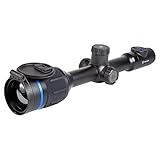
- Extreme Detection Range with 384×288 Microbolometer Resolution: High quality germanium optics coupled with an advanced thermal imaging sensor ensure an unprecedented detection range of up to 2,000 yards, even in complete darkness.
- Stream Vision 2 with Wi-Fi: Built-in Wi-Fi connects the device to Android/iOS smartphones via Stream Vision 2 app. Update device software, transfer real-time images to mobile screens, and remotely control digital functions.
Professional Features: The integrated laser rangefinder provides precise distance measurement to 800 meters, essential for ethical shot placement at extended ranges. Eight color palettes optimize imaging across diverse environmental conditions. Stream Vision 2 app enables real-time sharing and remote viewing capabilities.
Field Validation: During a contract predator management project covering 15,000 acres, this scope’s detection range enabled strategic positioning that significantly improved success rates. The ability to spot and track predators at extreme distance allows hunters to plan approaches rather than react to chance encounters.
Investment Consideration: This scope commands premium pricing but delivers capabilities unavailable in lower-cost alternatives. For professional predator controllers or serious hunters managing large properties, the performance justifies the investment.
Best Applications: Large property management, commercial predator control, extreme-range hunting, wildlife research applications
4. Best Budget: ATN Thor LT 320 – The Entry-Level Champion
What Makes It Special: Genuine thermal hunting capability at accessible pricing
Every hunter deserves access to effective predator management tools. The ATN Thor LT 320 proves that budget constraints don’t preclude successful thermal hunting when expectations align with capabilities.
Practical Performance: The 320×240 thermal sensor provides clear target identification to 125 yards—adequate for most ranch and farm predator situations. During a recent winter coyote management project, this scope enabled successful elimination of six problem animals over four nights.
Core Specifications:
- Thermal Resolution: 320×240 pixels with 60 Hz refresh rate
- Display: 1280×720 HD OLED screen
- Battery Life: 10+ hours continuous operation
- Weight: 1.4 pounds (comparable to traditional hunting scopes)
- Eye Relief: 90mm (extremely generous)
- Operating Range: -28°C to 48°C (Montana-tested extremes)
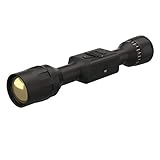
- 60Hz Thermal Sensor detects animal heat signatures for fast target acquisition
- White Hot/Black Hot Mode for display of moving objects in your preferred color palette
- One Shot Zero allows for an easy and fast sight-in of your scope. Plus, multiple reticles to choose from
Value Engineering: The one-shot zeroing system actually works as advertised, simplifying setup for hunters new to thermal technology. Multiple reticle options accommodate various hunting scenarios. USB-C charging enables convenient power management from vehicle sources.
Honest Assessment: This scope won’t compete with premium thermal imaging systems, but it delivers functional hunting capability at a fraction of the cost. For hunters primarily dealing with close-range predator problems, it provides everything needed for successful management.
Training Value: The ATN Thor LT serves as an excellent introduction to thermal hunting technology. Hunters can learn thermal imaging principles and techniques before deciding whether premium features justify additional investment.
Upgrade Path: This scope provides a stepping stone to advanced thermal hunting. Users can evaluate their thermal hunting needs and applications before committing to expensive premium systems.
Best Applications: Beginning thermal hunters, close-range predator control, backup thermal scope, youth hunters, budget-conscious predator management
Thermal Hunting Fundamentals: What Every Hunter Needs to Know
Environmental Factors Affecting Performance
Temperature Crossover: The most challenging thermal hunting condition occurs when air and ground temperatures equalize, typically during dawn and dusk transitions. Understanding this phenomenon prevents frustration and improves hunting strategy.
Weather Impacts: Rain, snow, and fog significantly affect thermal imaging performance. Heavy precipitation can obscure heat signatures, while atmospheric moisture reduces detection range. Plan hunts around weather conditions whenever possible.
Seasonal Considerations: Winter provides optimal thermal hunting conditions due to maximum temperature differential between animals and environment. Summer hunting requires understanding heat patterns and timing hunts for maximum thermal contrast.
Effective Thermal Hunting Techniques
Scanning Strategies: Systematic area coverage maximizes detection efficiency. Use low magnification for initial scanning, then zoom for target identification. Maintain slow, methodical sweep patterns rather than rapid movements that can miss heat signatures.
Target Identification: Positive species identification remains paramount regardless of thermal capability. Learn characteristic movement patterns, body shapes, and heat signatures of target and non-target species. When in doubt, don’t shoot.
Shot Placement Considerations: Thermal imaging can mask anatomical landmarks familiar from conventional hunting. Practice identifying vital areas through thermal signatures to ensure ethical shot placement.
Equipment Integration and Setup
Mounting and Zeroing: Quality mounting systems are essential for thermal scope performance. Use rings and bases designed for thermal scope weight and recoil characteristics. Zero thermal scopes at appropriate distances for intended hunting ranges.
Power Management: Develop battery management strategies for extended hunts. Carry spare batteries or external power sources. Understand power consumption patterns and plan accordingly.
Backup Systems: Thermal scopes can fail like any electronic device. Maintain backup iron sights or conventional optics for emergency situations. Practice quick transitions between thermal and conventional aiming systems.
Legal and Ethical Considerations
Regulatory Compliance
State and Local Laws: Thermal hunting regulations vary significantly by jurisdiction. Some states prohibit thermal hunting for certain species, while others have no restrictions. Research applicable laws thoroughly before hunting.
Federal Regulations: Understand federal wildlife protection laws, especially regarding threatened or endangered species that might be encountered during thermal hunting operations.
Private Property Rights: Respect landowner wishes regarding thermal hunting methods. Some properties may restrict advanced hunting technologies regardless of legal status.
Ethical Framework
Fair Chase Principles: Thermal technology should enhance rather than replace traditional hunting skills. Maintain challenging hunting standards that preserve the essential nature of the hunting experience.
Target Discrimination: Use thermal imaging’s enhanced detection capability to improve species identification, not simply increase killing efficiency. Take only ethical shots with certain target identification.
Conservation Impact: Apply thermal hunting as a wildlife management tool supporting ecosystem health. Focus on problem animals while preserving stable predator populations.
Selecting the Right Thermal Scope for Your Needs
Budget Considerations
Entry-Level Investment: $1,200-$2,000 Thermal scopes in this range provide basic hunting capability with limitations in range and features. Suitable for beginning thermal hunters or limited predator management needs.
Mid-Range Performance: $2,500-$4,000 These scopes offer excellent performance-to-value ratios with professional features and reliability. Ideal for serious hunters managing moderate-sized properties.
Premium Investment: $4,500+ Top-tier thermal scopes deliver maximum capability and reliability for professional applications. Justify the cost through frequent use or critical applications.
Application-Specific Selection
Ranch and Farm Predator Control: Focus on reliability and ease of use over extreme range capability. Battery life and durability matter more than maximum resolution for practical predator management.
Large Property Management: Extended detection range becomes valuable when covering thousands of acres. Invest in scopes with maximum thermal sensitivity and professional features.
Recreational Hunting: Balance capability with cost based on hunting frequency and importance. Consider thermal hunting as part of overall hunting equipment investment.
Technology Progression
Sensor Resolution Evolution: Thermal sensor technology continues advancing rapidly. The current 640×480 resolution represents the current high-end, but higher resolutions are emerging.
Feature Integration: Modern thermal scopes integrate multiple technologies (thermal imaging, laser rangefinding, ballistic computers) into comprehensive hunting systems.
Cost Trends: Thermal scope prices continue declining as technology matures and production scales increase. Budget scopes now offer capabilities that cost thousands just a few years ago.
Maintenance and Care
Routine Maintenance
Lens Care: Thermal sensors require careful cleaning with appropriate materials. Use only recommended cleaning supplies to avoid damage to expensive thermal sensors.
Calibration: Modern thermal scopes self-calibrate, but understand manual calibration procedures for field conditions. Learn to recognize when recalibration is necessary.
Environmental Protection: Protect thermal scopes from extreme temperature changes and physical impact. Use appropriate cases and transportation methods to preserve equipment investment.
Troubleshooting Common Issues
Image Quality Problems: Poor thermal images often result from environmental conditions rather than equipment failure. Learn to distinguish between atmospheric effects and actual equipment problems.
Battery Issues: Thermal scopes consume significant power. Monitor battery performance and replace batteries showing capacity degradation. Maintain spare batteries in good condition.
Software Updates: Modern thermal scopes use firmware that manufacturers update periodically. Stay current with software versions to ensure optimal performance and new features.
Training and Skill Development
Fundamental Skills
Thermal Image Interpretation: Learn to read thermal signatures effectively. Understand how different materials, weather conditions, and time factors affect thermal imaging appearance.
Equipment Proficiency: Practice thermal scope operation until controls become instinctive. Fumbling with unfamiliar controls during hunting opportunities leads to missed shots and wounded animals.
Marksmanship Integration: Thermal scopes require adjusted shooting techniques. Practice shooting with thermal imaging until accuracy matches conventional scope performance.
Advanced Techniques
Environmental Adaptation: Learn to optimize thermal hunting based on specific environmental conditions. Understand when thermal hunting provides maximum advantage and when conventional methods might be more effective.
Multi-Target Scenarios: Develop skills for managing multiple predators detected simultaneously. Learn to prioritize targets and manage complex hunting scenarios safely.
Range Estimation: Practice distance estimation using thermal imagery. Understand how thermal signatures change with range and environmental conditions.
Final Thoughts from the Field
After two years of intensive thermal hunting across Montana’s diverse environments, I’ve learned that thermal scopes represent tools, not magic solutions. Success still depends on fundamental hunting skills, patience, and ethical decision-making.
Equipment Investment Philosophy: Buy the best thermal scope you can afford and will use regularly. A $7,000 scope sitting in the safe provides no value compared to a $1,500 scope used effectively for predator management.
Skill Development Priority: Invest time in learning thermal hunting techniques alongside equipment acquisition. The most expensive thermal scope won’t compensate for poor hunting fundamentals or inadequate practice.
Conservation Responsibility: Use thermal hunting technology as a conservation tool supporting ecosystem health and livestock protection. Advanced capabilities come with enhanced responsibility for ethical application.
Training Recommendations: Consider formal thermal hunting instruction if available in your area. Learn from experienced thermal hunters who can share practical techniques and help avoid common mistakes.
The wilderness doesn’t care about your equipment specifications or price points. Success depends on understanding animal behavior, environmental factors, and applying technology appropriately to achieve conservation objectives.
My Personal Choice: The Trijicon REAP-IR remains permanently mounted on my primary predator rifle for professional applications. For recreational hunting and training new hunters, the ATN Thor LT 320 provides excellent value and capability.
Choose your thermal scope based on actual hunting needs rather than impressive specifications. Focus on reliability, appropriate capability, and features that support your specific hunting applications.
Remember, thermal hunting technology should enhance traditional hunting skills, not replace them. Master the fundamentals first, then let advanced optics amplify your effectiveness in protecting livestock and managing predator populations responsibly.
Ready to explore advanced predator management techniques? Check out our guides on coyote calling strategies, predator behavior analysis, and ethical hunting practices for wildlife conservation.