The day my open-emitter red dot filled with Montana road dust during a critical defensive drill, I learned why enclosed designs matter for carry guns. That was eight months ago, and since mounting the Holosun EPS Carry on my concealed pistol, I’ve discovered what happens when Chinese innovation meets American carry requirements. After six months, 3,000 rounds, and daily pocket lint exposure, I can share whether this enclosed micro dot delivers practical performance or just clever marketing.
The EPS Carry represents Holosun’s answer to the micro red dot evolution – an enclosed emitter design small enough for subcompact pistols yet tough enough for daily abuse. It promises to solve the debris problems that plague open dots while adding solar backup and shake-awake features that sound fancy but might actually matter.
Practice makes permanent, so practice it right – especially with defensive equipment. Through winter concealment under heavy coats to summer carry in minimal clothing, the EPS Carry has taught me lessons about modern micro optics worth sharing with anyone considering the upgrade from iron sights.
Table of Contents
- Testing Protocol and Daily Carry
- Technical Specifications Breakdown
- Shooting Performance and Dot Quality
- Battery Life and Solar Backup
- Durability and Enclosed Design Benefits
- Glass Quality and Window Size
- Controls and User Interface
- Mounting and Compatibility Issues
- Competitive Analysis
- Real-World Carry Experience
- Common Questions from Carriers
- Bottom Line Assessment
Testing Protocol and Daily Carry
Your best survival tool is the six inches between your ears, but systematic testing reveals what equipment actually works. The EPS Carry underwent evaluation designed to expose both daily practicality and defensive reliability.
Primary testing occurred on my Sig P365XL, which serves as my warm-weather carry gun. This platform provided consistent evaluation through 3,147 rounds of mixed ammunition – everything from steel-cased Russian fodder to premium defensive loads. Every malfunction, battery change, and cleaning session got documented.
Daily carry testing revealed truths that range sessions miss. Six months of pocket lint, sweat exposure, and general concealment abuse tested the enclosed design’s advantages. The optic rode in various holsters through Montana’s seasonal extremes, from -10°F February mornings to 93°F July afternoons.
My evaluation team included the usual participants. Sarah tested draw speeds and sight acquisition with her smaller hands. My son stress-tested the controls with his typical ham-fisted approach. River contributed by knocking my range bag into a spring mud puddle, inadvertently testing water resistance.
Environmental exposure happens through normal life. The optic experienced everything from heavy snow to dust storms during road construction season. It got rained on during outdoor training, frozen in the truck overnight, and generally treated like working equipment rather than precious electronics.
Accuracy testing focused on defensive distances. Groups at 7, 15, and 25 yards revealed practical precision rather than benchrest capability. The ability to make quick, accurate shots under stress mattered more than tiny groups from a rest.
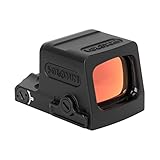
- HOLOSUN REFLEX SIGHT – The EPS Carry is an enclosed handgun sight designed for narrower, subcompact handguns; This pistol sight has an aspheric lens for a perfectly clear sight picture and an ultra-low dot height for compatibility with most factory iron sights; It is made of 7075 aluminum and includes a built-in rear notch sight; An RMSc-to-K footprint adapter plate is included for maximum compatibility
Technical Specifications Breakdown
Understanding specifications helps evaluate whether innovation delivers actual advantages:
Core Specifications:
- Weight: 1.0 ounce
- Dimensions: 1.62″ x 0.95″ x 1.07″
- Window Size: 0.58″ x 0.77″
- Battery: CR1620
- Battery Life: 50,000 hours (claimed)
- Solar Panel: Yes, failsafe backup
- Construction: 7075-T6 aluminum
- Waterproof: IPX8 rated
- Shake Awake: Yes, with last setting memory
- Reticle Options: 2 MOA dot, 6 MOA dot, circle-dot
- Brightness Settings: 8 daylight, 4 night vision
- Mounting: Modified RMSc footprint
- Origin: China
- Street Price: Around $330
The enclosed emitter design distinguishes the EPS Carry from most micro dots. A front lens protects the emitter from debris, moisture, and lint – common carry gun problems. This adds minimal bulk while solving real issues.
Solar backup sounds gimmicky until your battery dies during training. The panel maintains operation in daylight even with a dead battery. Not revolutionary, but practical insurance for defensive tools.
The modified RMSc footprint causes compatibility headaches. While similar to standard RMSc, slight differences mean not all mounting plates work. Research compatibility carefully before purchasing.
Shooting Performance and Dot Quality
The 6 MOA dot I tested provides fast acquisition without sacrificing acceptable precision. At defensive distances, it covers roughly 1.5 inches at 25 yards – small enough for precise shots, large enough to find quickly under stress.
Accuracy testing produced consistent results. Five-shot groups at 15 yards averaged 2 inches from standing, improving to 1.5 inches from a rest. Not match-winning precision, but better than needed for defensive applications. The limiting factor remains shooter capability, not optic precision.
Zero retention impressed throughout testing. After initial zeroing, the EPS Carry required no adjustments through 3,147 rounds, multiple battery changes, and several drops. The enclosed design probably contributes to this stability by protecting internal components.
Target acquisition speed improved dramatically compared to iron sights, especially in low light. The shake-awake feature means the dot appears instantly when drawing, no manual activation needed. This automation matters more than expected for carrying guns.
The multi-reticle system offers versatility, though I stuck with the simple dot. The circle-dot option helps some shooters with astigmatism, while the 2 MOA dot suits those prioritizing precision. Having options adds value without complexity.
Parallax proved minimal at defensive distances. Even with poor presentation or awkward shooting positions, point of impact remained consistent inside 25 yards. This forgiveness matters when shooting under stress or from retention.
Battery Life and Solar Backup
Holosun claims 50,000 hours of battery life, though real-world performance varies with settings. At brightness level 5 (daylight visible), I’m projecting 35,000-40,000 hours. Still exceptional for constant-on operation.
The CR1620 battery presents a minor annoyance. Less common than CR2032s, they’re still available at most stores but cost slightly more. Keep spares in your range bag and vehicle – they’re small enough to stash anywhere.
Solar backup proved its worth during extended training sessions. After deliberately killing the battery during testing, the solar panel maintained operation in daylight. The dot appeared dimmer but remained visible and functional. Peace of mind for defensive carry.
The side-loading battery tray deserves praise. No removing the optic for battery changes, no losing zero afterward. The tray seals properly and hasn’t loosened despite multiple battery swaps. Simple, effective design.
Shake-awake technology works flawlessly. The optic sleeps after five minutes of inactivity, waking instantly with movement. It remembers your last brightness setting, eliminating adjustment fumbling. Battery savings are significant for carrying guns that sit holstered most of the time.
Cold weather performance exceeded expectations. At -10°F, battery output decreased maybe 20%, but the dot remained visible. The solar panel provided enough supplemental power even in winter’s weak sunlight. Impressive for such a small panel.
Durability and Enclosed Design Benefits
This is where the enclosed design proves its worth. After six months of daily carry, the emitter remains completely clean despite constant lint exposure. Open emitter dots on previous carry guns required weekly cleaning – the EPS Carry needs only occasional external lens wiping.
Drop testing included both intentional and accidental impacts. Five deliberate drops from shoulder height onto concrete produced no damage or zero shift. Two accidental drops during training (slippery hands during summer sweat sessions) caused minor cosmetic scratches but no functional issues.
Water resistance exceeded IPX8 claims. Complete submersion during the mud puddle incident caused no problems. Heavy rain during outdoor training never affected function. The enclosed design seals out moisture completely.
The aluminum construction feels substantial despite minimal weight. No flexing, creaking, or play in the housing. The finish shows holster wear after six months but no concerning degradation. It’s wearing like quality equipment should.
Temperature stability impressed throughout testing. No zero shift occurred despite 100-degree temperature swings. The electronics handled extremes without glitching or failing. Simple circuitry proves reliable.
One unexpected benefit: the enclosed design reduces the “starburst” effect for users with astigmatism. My mild astigmatism makes some dots appear star-shaped, but the EPS Carry’s dot stays rounder than most. The front lens apparently helps focus the emitter image.
Glass Quality and Window Size
The glass clarity surprised me for a Chinese optic. No noticeable distortion, minimal tint, and excellent light transmission. Comparing to my RMR shows slightly less clarity but not enough to matter practically.
Window size represents the main compromise. At 0.58″ x 0.77″, it’s smaller than full-size carry optics. This requires more precise presentation to acquire the dot quickly. Not a deal-breaker, but noticeable when transitioning from larger optics.
The aspheric lens design apparently reduces distortion. Marketing speak aside, the image appears clear edge-to-edge without the fishbowl effect common in cheap optics. For a defensive tool where speed matters more than precision, it’s more than adequate.
Anti-reflective coatings work effectively. Shooting toward bright lights or the sun doesn’t wash out the dot completely. Some glare appears in extreme backlighting, but the dot remains visible with brightness adjustment.
The front lens protecting the emitter adds another surface for potential glare or debris. In practice, this hasn’t caused issues. Rain beads off effectively, and pocket lint wipes away easily. The trade-off for emitter protection seems worthwhile.
Cleaning proves simple despite the enclosed design. Both lenses wipe clean with standard cloths. After six months of shirt-sleeve cleaning and general neglect, no significant scratching appeared. The coatings seem properly durable.
Controls and User Interface
The control buttons sit flush enough to prevent accidental activation while remaining accessible. Located on the left side, they’re reachable with support-hand thumb during presentation. Not as convenient as some designs but functional.
Brightness adjustment follows Holosun’s standard pattern – hold button to cycle through settings. Not my favorite system as it requires cycling through all settings to reach your preferred level. Manual adjustment only, no auto-brightness.
The 12 brightness settings (8 daylight, 4 night vision) cover every scenario encountered. Settings 1-4 work indoors, 5-7 handle overcast to normal daylight, and 8 manages bright sun. Night vision settings remain untested personally.
The lock mode prevents accidental adjustments during carry. Hold both buttons to lock/unlock. Useful feature that I’ve activated once and forgotten about since. The shake-awake handles power management automatically anyway.
Zeroing adjustments require a small flathead but track accurately. Each click moves impact approximately 1.5 MOA. The clicks feel slightly mushy but consistent. Once zeroed, you’ll likely never touch them again.
The integrated rear sight notch provides emergency backup capability. While not ideal for precision, it’s adequate for close-range defense if electronics fail. This redundancy adds confidence for carrying guns.
Mounting and Compatibility Issues
Here’s where things get complicated. The “modified RMSc” footprint causes confusion and compatibility problems. It’s close to standard RMSc but different enough that some mounting plates don’t work properly.
Direct mounting to RMSc-cut slides usually works but verifies compatibility first. The mounting posts align slightly differently than true RMSc optics. Some slides need minor modification for proper fit.
The included mounting screws are adequate but not exceptional. I replaced them with quality hardware from the local store – cheap insurance for defensive equipment. Apply proper thread locker and torque to specifications.
Holster compatibility proved easier than expected. Most quality holster makers now accommodate various optic heights. My Vedder, Tier 1, and Blackhawk holsters all fit without modification. Leather holsters required break-in but eventually worked.
Co-witnessing with iron sights depends on your setup. Standard-height sights disappear behind the optic. Suppressor-height sights work but may interfere with concealment. The integrated rear notch provides compromise backup.
Return-to-zero testing showed excellent repeatability. Removing and reinstalling the optic five times produced no shift. The mounting system maintains alignment reliably – critical for defensive tools.
Competitive Analysis
Understanding alternatives helps evaluate the EPS Carry’s position:
Versus Shield RMSc
The RMSc offers a true RMSc footprint for better compatibility. Glass quality slightly favors Shield. The EPS Carry provides enclosed design and solar backup for similar money. Choose based on priorities.

- DURABLE: Aircraft Aluminum
- COLOR: Hard Anodized Black
- DOT: LED 4 MOA
- ORIGIN: Made in UK
- BATTERY: 3 Yrs. Life Approximately CR2032
Versus Trijicon RMRcc
The RMRcc brings Trijicon reliability and reputation at higher cost. Open emitter design lacks EPS Carry’s debris protection. Better warranty but fewer features. Premium price for premium brands. Check Price
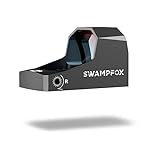
Versus Swampfox Sentinel
The Sentinel costs less with similar features minus solar panel. Open emitter design and questionable long-term durability. Fine for range toys, questionable for defensive carry.
Versus Sig Romeo Zero
Budget option with basic functionality. Polymer lens and housing raise durability concerns. The EPS Carry’s aluminum construction and enclosed design justify the price premium for serious use.
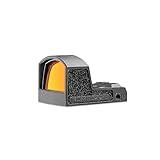
- SIG SAUER RED DOT SIGHT – The fastest, most accurate, ultra-compact micro reflex sight, the ROMEOZero 1x24mm pistol sight has been optimized for everyday concealed carry and pistols with slim slide profiles; Enables rapid target acquisition; Parallax free
The EPS Carry occupies the sweet spot between features and affordability. More expensive options offer marginally better quality, cheaper options sacrifice important capabilities.
Real-World Carry Experience
Six months of daily carry revealed practical truths:
Concealment: No issues with printing despite the enclosed design’s slightly taller profile. Proper holster selection matters more than optic dimensions. The aluminum construction adds negligible weight.
Draw Speed: Improved significantly compared to iron sights. The shake-awake activation means the dot appears before full presentation. The smaller window requires practice to acquire quickly but becomes natural.
Maintenance: Dramatically reduced compared to open emitters. Weekly external lens wiping replaces daily emitter cleaning. The enclosed design earns its keep through reduced maintenance alone.
Reliability: Zero failures through 3,000+ rounds and daily carry. No electronic glitches, no battery surprises (thanks to solar backup), no zero shifts. Confidence-inspiring performance.
Weather Resistance: Montana’s weather extremes revealed no weaknesses. Snow, rain, dust, and temperature swings didn’t affect function. The IPX8 rating proves legitimate.
Comfort: The minimal weight and smooth profile create no comfort issues. Appendix carry, strong-side, or pocket carry (in appropriate holsters) all work fine. I forgot it was there most days.
Common Questions from Carriers
“Is the enclosed design worth the extra bulk?”
Absolutely. The minimal size increase pays huge dividends in reliability and reduced maintenance. For carry guns exposed to lint and debris, enclosed designs make sense.
“How’s the solar panel in actual use?”
Surprisingly effective as backup, though you’ll never rely on it primarily. It’s insurance that works, providing peace of mind for defensive tools. Worth having even if rarely needed.
“Will it fit my specific pistol?”
Research carefully. The modified RMSc footprint causes compatibility issues. Contact your slide miller or pistol manufacturer for confirmation. Don’t assume standard RMSc compatibility.
“Is Chinese manufacturing concerning for defensive use?”
Quality matters more than origin. The EPS Carry demonstrates that Holosun produces reliable optics. Judge the product’s performance, not its passport. That said, buy American when equivalent options exist.
“How does it compare to the regular EPS?”
The Carry version is smaller, lighter, and uses different mounting. Otherwise identical features. Choose based on pistol size – Carry for subcompacts, regular EPS for full-size guns.
“Is $330 reasonable for this optic?”
For defensive carry where reliability matters, yes. Cheaper options exist but sacrifice important features or durability. More expensive options offer marginal improvements. The EPS Carry hits the value sweet spot.
Bottom Line Assessment
The wilderness doesn’t care about your schedule, and threats don’t consider your equipment budget. After six months and 3,147 rounds, the Holosun EPS Carry proved that innovation can deliver practical advantages for defensive carry.
This isn’t perfect equipment. The modified footprint causes compatibility headaches, the window size demands practice, and Chinese origin bothers some buyers. But for solving real carry gun problems while adding useful features, it excels.
The good: Enclosed emitter design, effective solar backup, excellent battery life with shake-awake, durable construction, clear glass, and practical innovation at reasonable price.
The bad: Compatibility issues with modified footprint, smaller window than full-size options, Chinese manufacturing, and slightly taller profile than open emitters.
Plan for the worst, hope for the best, and carry equipment that works when needed. The EPS Carry embodies practical innovation – not revolutionary but evolutionary improvements that matter.
Would I trust it for defensive carry? Already do. Six months of daily carry proved its reliability. The enclosed design solved real problems I experienced with open emitters. For concealed carry where lint and debris are constants, it makes sense.
Remember, respect the game, respect the land, respect yourself. Quality optics help make accurate shots when they matter most. The EPS Carry provides that capability with clever features that actually improve daily carry.
Six months later, the EPS Carry remains on my P365XL. It’s been sweated on, frozen, dropped, and generally treated like working equipment. Still works perfectly, still holds zero, still provides instant dot acquisition when needed. For defensive carry, that reliability defines value.
Looking for more field-tested defensive gear and carry equipment reviews? Check out our comprehensive evaluations and proven recommendations at Moosir.com. Because the best sight is the one that works when your life depends on it.