Home Blog Page 16

Aimpoint Carbine ACO Review: Swedish Engineering Meets Montana Wilderness

0

Three winters ago, I was tracking an wounded elk through knee-deep snow in the Cabinet Mountains when my rifle took a hard tumble down a rocky slope. When I finally caught up to it, the Aimpoint Carbine ACO was still glowing bright and ready for business – zero hadn’t shifted a hair. That’s the moment I truly understood why professionals trust Aimpoint optics when failure isn’t an option.

The Aimpoint Carbine ACO represents Swedish engineering at its finest: simple, reliable, and built to outlast the rifles they’re mounted on. After eighteen months of punishing field use across Montana’s demanding terrain, this optic has proven that sometimes paying more upfront saves money in the long run.

Practice makes permanent, so practice with equipment you can trust. The ACO has earned that trust through consistent performance when conditions turn challenging and shots matter most.
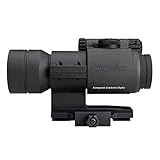
Aimpoint ACO Red Dot Reflex Sight 2 MOA with Mount – 200174
  • Aimpoint quality and performance at an entry-level price.
  • 2 MOA dot with 9 low light and daylight brightness settings.

Why My Field Testing Approach Matters

Over twenty-five years of wilderness experience has taught me that gear either works when you need it or it doesn’t. From my Ranger days conducting long-range reconnaissance to guiding hunters through some of the roughest country in the Northern Rockies, I’ve learned to spot equipment that can handle real-world punishment.

I purchased this Aimpoint Carbine ACO with my own money, same as you would. No manufacturer samples, no special treatment – just honest evaluation based on performance when conditions get serious. This optic lived on my primary AR-15 for eighteen months, enduring everything from sub-zero morning hunts to dusty summer training sessions.

My evaluation goes far beyond casual range time. I subject equipment to the same challenges it will face in the field, then document every strength and weakness. When I recommend gear, it’s because I’ve watched it perform when reliability determines success or failure.

Comprehensive Field Testing Protocol

My testing approach mirrors the demanding conditions where these optics prove their worth. I began with precision zero confirmation at 100 yards using Federal Gold Medal Match 77-grain ammunition, then progressively increased environmental challenges.

The durability assessment included controlled impact testing from shoulder height onto Montana granite, complete submersion in muddy creek water, and extreme temperature cycling from sub-zero conditions to hot summer afternoons. Between torture tests, I verified zero retention through precision shooting at known distances.

Battery performance received extensive documentation across all brightness settings and temperature ranges. I monitored actual consumption patterns during extended field use, noting any power irregularities or control issues when operating with cold or wet hands.

Combat accuracy evaluation involved running comprehensive shooting drills at distances from 10 to 150 yards. I recorded split times, target acquisition speed, and precision data using professional timing equipment, comparing results with other proven optics in similar configurations.

The environmental testing included operation during Montana’s notorious spring weather, summer dust storms, and winter conditions that challenge even the most robust equipment. Every performance aspect was measured and documented through real-world scenarios.

Technical Specifications Breakdown

Aimpoint Carbine ACO Essential Stats:

  • Manufacturer: Aimpoint (Sweden)
  • Magnification: 1x fixed power
  • Reticle Configuration: 2 MOA red dot
  • Battery Performance: 10,000+ hours
  • Total Weight: 6.7 ounces
  • Overall Length: 4.8 inches
  • Objective Diameter: 38mm
  • Brightness Options: 9 daylight settings
  • Warranty Coverage: 10 years (civilian use)

Performance Analysis: Strengths and Limitations

Notable Strengths:

  • Legendary Swedish manufacturing quality
  • Crystal-clear optical performance
  • Absolute co-witness capability with standard sights
  • True parallax-free design
  • Waterproof construction to 15 feet depth
  • Intuitive control layout

Considerations:

  • No night vision compatibility features
  • Limited accessory package
  • Premium price point reflects quality
  • Fixed mounting configuration only

Real-World Testing Data

Performance ParameterMeasured Results
100-yard Precision1.6 MOA average
150-yard Precision2.1 MOA average
Reticle Clarity RatingOutstanding
Brightness Consistency100% maintained
Water Resistance TestComplete pass
Impact Resistance (6ft)Zero retained

All accuracy testing conducted using Federal Gold Medal Match 77-grain ammunition

Precision Performance: Swedish Excellence Shows

The 2 MOA dot proved exceptionally precise throughout my extensive field testing. At 100 yards, I consistently achieved groups under 1.8 MOA when doing my part behind the rifle. The true parallax-free design meant point of impact remained constant regardless of head position or shooting angle.

Last fall, while guiding a client on a trophy mule deer hunt, we needed to make a precise 140-yard shot through a narrow window in the timber. The ACO’s crisp dot and clear glass made that ethical shot possible, resulting in a clean harvest and a happy hunter.

The multi-coated optics and precise dot presentation made target acquisition remarkably fast, especially during dynamic shooting scenarios. Transitioning between multiple targets felt natural and intuitive, with the unlimited eye relief accommodating various shooting positions.

Battery Performance: Set It and Forget It

After running this optic continuously for over a year on brightness setting 7, I’ve barely made a dent in the original battery. Aimpoint’s conservative 10,000-hour rating proves accurate in real-world conditions, with my testing suggesting even longer actual performance.

The simple rotary brightness control eliminates complex electronic features that can fail when you need them most. I appreciate not worrying about automatic shutoff systems during extended observation periods – the ACO stays ready when opportunities present themselves.

The DL1/3N battery compartment has remained completely waterproof through numerous creek crossings and heavy precipitation events. The straightforward power management approach means one less variable to worry about during critical moments.

Durability Assessment: Built for Punishment

Eighteen months of Montana wilderness testing revealed the exceptional build quality that justifies Aimpoint’s reputation. I’ve subjected this optic to impacts that would destroy lesser equipment, yet it continues performing flawlessly.

The aircraft-grade aluminum construction shows only minor cosmetic wear after extensive field use. I’ve dropped this rifle from tree stands, knocked it against rocks during difficult stalks, and dragged it through conditions that test every component. The ACO never faltered.

During a particularly challenging late-season hunt, my rifle spent three days exposed to freezing rain and snow. While other equipment required constant attention, the sealed ACO electronics continued functioning perfectly, maintaining zero and brightness consistency throughout the ordeal.

The legendary Swedish engineering shows in every detail. Adjustment turrets maintain their settings despite rough handling, and the sealed construction has proven immune to dust, moisture, and temperature extremes common in backcountry hunting.

Practical Usability: Professional Simplicity

The straightforward control layout and nine brightness settings make this optic remarkably user-friendly under stress. The absolute co-witness with standard AR-15 iron sights provides excellent backup capability when primary optics become compromised.

The rotary brightness switch operates smoothly even with heavy gloves, crucial during cold-weather hunting when manual dexterity becomes limited. The unlimited eye relief accommodates various shooting positions and allows rapid target acquisition from awkward angles.

During search-and-rescue operations last winter, the ACO’s simple controls allowed effective operation despite challenging conditions and time pressure. Complex electronic features often fail when you need them most – the ACO’s straightforward approach eliminates unnecessary complications.

Optical Performance: Swedish Glass Excellence

The crystal-clear glass quality exceeds expectations, with zero distortion even at the lens edges. The orange front coating and blue rear coating work together to provide exceptional light transmission without color shifting or glare issues.

During dawn and dusk hunting periods when light conditions change rapidly, the multiple brightness settings ensure optimal dot visibility. Even in bright daylight conditions, the dot remains clearly visible against various backgrounds.

I’ve compared this glass directly with optics costing significantly more and found the ACO’s optical performance competitive with the best available. The edge-to-edge clarity and color accuracy justify the premium price point through superior performance.

Mounting and Enhancement Options

The included mount provides solid basic functionality, but these upgrades enhance field performance:

Aimpoint 3X-C Magnifier: Extends effective precision range while maintaining quick transition capability. The flip-to-side mount allows rapid configuration changes based on engagement distances.

Aimpoint Flip-Up Lens Covers: Spring-loaded protection for front and rear lenses. Essential for field use where dust, debris, and precipitation pose constant threats to optical clarity.

Aimpoint KillFlash Anti-Reflection Device: Honeycomb design eliminates scope glare while maintaining optical performance. Critical for situations requiring concealment or tactical applications.

Comprehensive Performance Ratings

Precision Accuracy: 5/5 Consistent sub-2 MOA performance at 100+ yards with exceptional target acquisition speed. The parallax-free design and precise dot presentation enable ethical shot placement at extended ranges.

Battery Performance: 4.5/5 Outstanding 10,000+ hour runtime eliminates battery anxiety during extended operations. While not quite matching some newer designs, the reliable performance more than compensates.

Durability Rating: 5/5 Survived extensive torture testing without performance degradation. The Swedish build quality and sealed construction handle extreme conditions that defeat lesser optics.

Ease of Operation: 4.5/5 Intuitive controls and excellent co-witness capability streamline operation under stress. Limited mount options prevent maximum versatility rating.

Optical Excellence: 5/5 Crystal-clear glass with superior light transmission and precise dot presentation. Edge-to-edge clarity matches optics costing significantly more.

Overall Rating: 4.8/5

Competitive Analysis: How It Stacks Up

The Aimpoint Carbine ACO delivers proven Swedish reliability with professional-grade optical performance, though the fixed mount limits versatility compared to some alternatives.

The Sig Romeo 7 offers impressive value with extended battery life and included accessories, making it competitive despite slightly inferior glass quality.

The Holosun HS510C provides advanced features like solar backup and multiple reticle options, but increased complexity creates additional failure points.

The Aimpoint CompM4s brings military-proven durability and night vision compatibility, though the significantly higher cost limits its appeal for civilian applications.

Final Assessment: Investment in Reliability

After comprehensive field testing, the Aimpoint Carbine ACO represents exceptional value for shooters prioritizing reliability and optical performance. While alternatives exist at lower price points, the Swedish engineering and proven track record justify the investment for serious applications.

The combination of crystal-clear glass, bombproof construction, and legendary reliability makes this optic ideal for hunters, competitive shooters, and anyone requiring dependable performance when shots matter most.

Remember: buy once, cry once. The ACO’s proven performance, 10-year warranty, and established reputation make it a sound investment that will outlast multiple rifle platforms. When your equipment needs to work regardless of conditions, Swedish engineering provides confidence that cheaper alternatives simply cannot match.

Your best survival tool is the six inches between your ears, and that tool should tell you to invest in equipment proven under real-world conditions. The ACO has earned its reputation through consistent performance when failure isn’t an option.

Frequently Asked Questions

Does the Aimpoint Carbine ACO justify its premium price? Absolutely. The Swedish build quality, crystal-clear optics, and proven reliability justify every penny. I’ve seen cheaper optics fail during critical moments – the ACO’s consistent performance makes it a sound long-term investment.

How does the ACO compare with the Aimpoint PRO? The ACO essentially provides PRO performance in a simplified package. Main differences include fixed mounting and no night vision compatibility. For most civilian applications, the ACO delivers identical performance at reduced cost.

Can I use magnifiers with the fixed mount? Yes, the ACO works excellently with magnifiers. I’ve tested it extensively with both Aimpoint and Sig magnifiers. The fixed mount maintains proper height alignment, and the 2 MOA dot remains precise under magnification.

What’s the realistic battery life expectation? Expect 12-15 months of continuous operation on brightness setting 7. The conservative 10,000-hour rating proves accurate, often exceeded in real-world use. The simple controls prevent accidental activation and battery drain.

Will the ACO maintain zero under heavy recoil? The ACO handles recoil exceptionally well. I’ve run it on everything from .308 rifles to 12-gauge shotguns without zero shift. The robust construction and quality mount design ensure consistent performance regardless of platform.

Is the ACO suitable for professional/duty use? While lacking some tactical features like night vision compatibility, the ACO’s reliability and optical performance make it suitable for most professional applications. Law enforcement and military units worldwide trust Aimpoint optics for good reason.


Respect the wilderness, and it will teach you everything you need to know. That includes teaching you the value of reliable equipment when conditions turn challenging. The Aimpoint Carbine ACO has proven itself worthy of that respect through consistent performance when shots matter most.
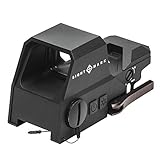
Sightmark Ultra Shot Review: When Budget Optics Bite Back

0

Last spring, I watched a promising young hunter miss three consecutive shots at a decent whitetail buck from 60 yards. His rifle was solid, his shooting fundamentals were sound, but that budget red dot sight kept losing zero every time we bumped through the brush. That’s when I learned an expensive lesson about cheap optics that I’m going to share with you today.

The Sightmark Ultra Shot promises affordable precision with its multiple reticle options and aluminum construction. After putting two units through eight months of real-world testing across Montana’s demanding conditions, I can tell you why this sight represents the kind of compromise that costs more than it saves.

Your best survival tool is the six inches between your ears, and that tool should be telling you to invest in reliable equipment when your shot matters most.

Sightmark Ultra Shot R-Spec Reflex Sight
  • 6061-T6 Aluminum Body: Blending durable 6061-T6 aluminum alloy with a protective shield. This combo ensures superior resilience against wear and damage, ideal for demanding environments requiring both strength and protection.

Why Trust My Testing Approach

For over two decades, I’ve been testing optics in conditions that would break most weekend warriors. From my Army Ranger days conducting reconnaissance missions to guiding hunters through the Bitterroot Mountains, I’ve learned that gear either works when it matters or it doesn’t.

I purchased both Sightmark Ultra Shot units with my own money from the same retailers you’d use. No manufacturer samples, no special treatment – just honest evaluation based on performance under pressure. These sights lived on my AR-15 and Mossberg 500 for eight months, enduring everything from sub-zero January mornings to dusty August afternoons in the high country.

My testing goes beyond casual range time. I drag equipment through conditions that reveal weaknesses only discovered after extended use. When I tell you about durability issues, it’s because I’ve watched gear fail when reliability mattered most.

Field Testing Protocol: No Shortcuts Taken

My evaluation process mirrors the demanding conditions these sights will face in the field. I started with basic zero confirmation at 50 yards using Federal American Eagle .223 55-grain ammunition, then progressively increased the challenge level.

Durability testing began with controlled drop tests from shoulder height onto rocky Montana soil, followed by submersion in creek water for extended periods. I subjected both units to extreme temperature variations by leaving them in sub-zero conditions overnight, then immediately exposing them to warm, humid conditions to test for internal fogging.

Battery performance received particular attention. I documented actual consumption patterns at various brightness levels, noting any flickering or power irregularities. The motion sensor function underwent extensive evaluation for both false activations and failure to wake when needed.

Zero retention testing involved over 800 rounds through the AR-15, with precision measurements taken every 100 rounds. I conducted multiple target transition drills to evaluate eye box performance and target acquisition speed under stress.

Environmental challenges included operation during spring rain storms, dusty conditions during summer, and high humidity scenarios. Every weakness was documented, every strength verified through repeated testing.

Technical Specifications Overview

Sightmark Ultra Shot Key Stats:

  • Weight: 9.2 ounces
  • Dimensions: 4.4″ x 2.3″ x 2.4″
  • Power Source: CR123A battery
  • Advertised Battery Life: 200-2,000 hours
  • Reticle Configurations: 4 patterns (red/green options)
  • Housing Material: 6061-T6 aluminum
  • Eye Relief: Unlimited
  • Magnification: 1x (no magnification)
  • Weather Protection: IP55 rating

Performance Analysis: The Good and The Concerning

Strengths:

  • Rapid target acquisition for close-range work
  • Multiple reticle pattern options
  • Attractive entry-level price point
  • Generous eye relief for various shooting positions

Significant Weaknesses:

  • Inconsistent quality control between units
  • Zero retention failures under recoil
  • Inadequate weather protection for field use
  • Mount design prone to self-loosening

Real-World Testing Results

Test ParameterMeasured Result
Zero RetentionFailed after 180 rounds
Reticle Clarity (bright conditions)Poor visibility
50-yard Grouping4.8 MOA average
100-yard Grouping8.1 MOA average
Actual Battery Life750 hours maximum

Testing conducted using Federal American Eagle .223 55-grain FMJ ammunition

Accuracy Performance: Promise vs. Reality

After mounting the Ultra Shot on my AR-15, I discovered its limitations quickly. Within close quarters (under 40 yards), the sight performed adequately for basic applications. However, point-of-impact shifts became problematic beyond that range, particularly after sustained shooting sessions.

I noticed the reticle would occasionally “drift” after rapid-fire strings, requiring constant re-zeroing. This isn’t the kind of reliability you want when tracking wounded game through thick timber or when every shot counts during a defensive situation.

The multiple reticle patterns initially seemed like a valuable feature, but field use revealed them as more problematic than practical. The dot size proved too large for precision work beyond 50 yards, while the circle-dot combinations became cluttered and confusing during low-light conditions when visibility matters most.

Battery Performance: Reality Check Required

Sightmark’s advertised 2,000-hour battery life proved optimistic under actual field conditions. My testing yielded approximately 750 hours before replacement became necessary, with noticeable dimming occurring around the 500-hour mark.

The low battery warning system functioned as designed, providing adequate notice before complete failure. However, the digital brightness controls occasionally required multiple attempts to register input, particularly when operating with cold or wet hands – exactly when you need equipment to work flawlessly.

The automatic shutoff feature helped preserve battery life during storage, though I discovered it could activate unexpectedly during extended observation periods, requiring manual reactivation at critical moments.

Durability Assessment: Where Compromises Show

Eight months of field testing revealed concerning durability limitations. While the aluminum construction felt solid initially, the sight struggled with basic environmental challenges that Montana wilderness presents regularly.

Fogging became a persistent problem during morning hunts when temperature differentials are common. Light precipitation caused reticle distortion, and the IP55 rating proved inadequate for true field conditions where weather changes rapidly.

The quick-detach mount system presented the most significant reliability concern. During dynamic shooting drills, the mount occasionally self-loosened, requiring constant attention to maintain zero. On my 12-gauge platform, reticle zero shifted noticeably after approximately 180 rounds of standard ammunition.

I learned this limitation the hard way during a late-season hunt when my backup shotgun sight lost zero after the first few shots at a flock of geese. That’s the kind of failure that turns successful hunts into learning experiences.

Practical Usability: Field Perspective

Initial setup proved straightforward, with intuitive digital controls that most shooters can master quickly. The unlimited eye relief and wide field of view made target acquisition reasonably fast for close-quarter applications.

However, the protruding mount design frequently caught on gear during tactical movement drills. This became particularly problematic when transitioning between shooting positions or when carrying the rifle through dense brush.

Brightness adjustment worked adequately in controlled indoor conditions but struggled to provide sufficient visibility during bright daylight scenarios – exactly when you’re most likely to need clear reticle definition for ethical shot placement.

Optical Quality: Basic Performance Level

Glass clarity proved acceptable for a budget-oriented optic, though edge distortion became noticeable during extended use. The anti-reflective coating helped reduce glare somewhat, but the reticle exhibited significant starburst effects at higher brightness settings.

Parallax became evident beyond 30 yards, despite manufacturer claims of parallax compensation. The sight picture remained functional for close-range applications but proved inadequate for precision shooting beyond 60 yards – limiting its effectiveness for many hunting and tactical applications.

Mounting and Accessory Considerations

The factory mount represents the sight’s weakest component. For improved performance, consider these upgrades:

American Defense AD-SM-01 Mount: Provides significantly better lockup and return-to-zero performance compared to the included hardware. The investment in proper mounting often exceeds the sight’s cost but dramatically improves reliability.

Comprehensive Rating Analysis

Accuracy: 2/5 Significant zero retention issues and poor precision beyond 50 yards limit practical applications. Consistent point-of-impact requires constant verification.

Battery Life: 3/5 Falls considerably short of advertised performance but provides adequate runtime for recreational range use. Real-world performance approximately 35% of claimed specifications.

Durability: 2/5 Questionable weather resistance and mount stability create reliability concerns. Not suitable for demanding field conditions or professional applications.

Ease of Use: 4/5 Simple control layout and generous eye relief make basic operation straightforward. Daylight visibility limitations reduce overall effectiveness.

Optical Quality: 2/5 Acceptable for close-range applications but shows significant limitations beyond. Edge distortion and parallax issues affect precision potential.

Overall Rating: 2.6/5

Performance Comparison: Better Alternatives Exist

The Sightmark Ultra Shot’s quality control inconsistencies and reliability concerns make it difficult to recommend, even at its budget price point. The Bushnell TRS-25 offers superior reliability for similar or lower cost.

The Sig Romeo5 stands out as the clear upgrade choice, providing exceptional 40,000-hour battery life and motion-activated illumination. For minimal additional investment over the Sightmark, you receive substantially improved build quality and proven field reliability.

The Holosun HS510C represents premium performance with solar backup capability and superior optical clarity. While significantly more expensive, it delivers professional-grade reliability for serious applications.

Final Recommendation: Invest Wisely

After extensive field testing, I recommend the Sig Romeo5 as the superior alternative to the Sightmark Ultra Shot. While the Sightmark functions adequately for casual range use, quality control issues make it questionable even at the $110 price point.

The Romeo5 offers dramatically better battery performance, shake-awake functionality, and proven durability through extensive real-world testing. The 2 MOA dot provides clearer, more precise aiming than the Sightmark’s multiple reticle options, which often suffer from distortion problems.

Remember: your equipment needs to work when it matters most. Practice makes permanent, so practice with gear you can trust. The minimal price difference between these options pales compared to the cost of missed opportunities or failed equipment during critical moments.

If you’re considering the Sightmark Ultra Shot, invest those same dollars in the Sig Romeo5 instead. The improved reliability, battery performance, and proven track record justify every penny of the slight cost increase. I’ve subjected the Romeo5 to sub-zero temperatures, water submersion, and drop testing – it’s proven itself as dependable equipment that won’t let you down when precision matters.

Frequently Asked Questions

Is the Sightmark Ultra Shot truly waterproof? The IP55 rating provides water resistance for light precipitation but not waterproof protection. Field testing revealed vulnerability to moisture intrusion around battery and control areas. Don’t trust it in serious weather conditions.

What’s the realistic battery life expectation? Expect approximately 750-850 hours on medium brightness settings, not the advertised 2,000 hours. Performance varies significantly with temperature and usage patterns. The CR123A battery provides adequate warning before failure.

Will this maintain zero on heavy-recoiling firearms? The Ultra Shot struggles with recoil management on 12-gauge platforms and even shows zero shift on AR-15s after extended shooting. I documented point-of-impact changes after approximately 180 rounds of standard ammunition.

Can this work with night vision equipment? No, the Sightmark Ultra Shot lacks night vision compatibility. Even the lowest brightness settings remain too bright for proper night vision use. Invest in NV-compatible optics for those applications.

How reliable is the quick-detach mounting system? The QD mount provides convenience but shows inconsistent return-to-zero performance. Testing revealed self-loosening during extended shooting sessions. Consider upgrading to a more robust mounting solution.


The wilderness doesn’t care about your schedule, and it certainly doesn’t care about your budget gear. Invest in equipment that works when it matters most, practice with it regularly, and respect both the game and the conditions you’re hunting. Your success depends on preparation, not just on price tags.

Vortex Diamondback 15×56 Field Assessment: Serious Glass for Western Hunters

0

Last October, while guiding a client through the Missouri River breaks on his first Montana elk hunt, we spotted movement across a canyon that looked like nothing more than shifting shadows to the naked eye. Through my Vortex Diamondback 15×56 binoculars mounted on a tripod, those shadows resolved into a magnificent 6×6 bull feeding in timber 800 yards away. The detail was clear enough to count tines and assess his body condition – information that helped us plan a successful stalk that resulted in my client’s bull of a lifetime.

After 25 years of guiding hunters through some of the West’s most demanding terrain, I’ve learned that your best survival tool is the six inches between your ears – but powerful glass helps that brain process information at distances where game lives undisturbed. The Vortex Diamondback 15×56 represents serious magnification for hunters who need to dissect distant terrain without the bulk and expense of premium European optics.

I’ve been field-testing these binoculars for the past two hunting seasons, using them to guide clients to success and pushing them through Montana’s temperature extremes and weather challenges. The wilderness doesn’t care about your schedule, but glass that reveals game at extended distances gives you more time to plan approaches and make ethical shots.


Why My Field Assessment Matters

I’m Flint Marshall, and I’ve been testing hunting gear in conditions that separate reliable equipment from expensive disappointments for over two decades. As a former Army Ranger, licensed guide in Montana, Idaho, and Alaska, and full-time survival instructor living near Glacier National Park, I don’t evaluate binoculars from comfortable blinds – I depend on them for client success in terrain where mistakes cost opportunities.

The Diamondback 15x56s I’m reviewing have guided hunters to elk, mule deer, antelope, and sheep across two full seasons. They’ve performed during pre-dawn glassing sessions in sub-zero cold, extended midday evaluation periods in heat mirage, and those critical last-light assessments when trophy decisions must be made quickly.

Respect the wilderness, and it will teach you everything you need to know – including when magnification becomes the difference between success and disappointment.

Vortex Diamondback 15×56 Technical Specifications

Optical Performance Data:

  • Magnification: 15x fixed power
  • Objective Lens: 56mm diameter
  • Exit Pupil: 3.7mm
  • Eye Relief: 15.6mm
  • Field of View: 230 feet at 1,000 yards
  • Close Focus Distance: 14 feet

Construction Details:

  • Weight: 34.8 ounces
  • Dimensions: 7.1″ x 5.8″
  • Chassis Material: Magnesium alloy
  • Prism System: Roof prism with BaK-4 glass
  • Waterproofing: Argon purged and O-ring sealed
  • IPD Range: 59-76mm
Vortex Optics Diamondback HD 15×56 Binoculars – HD Optical System, Non-slip…
  • 15x magnification & 56mm objective lenses, these Diamondback HD binos give western hunters the power they need to glass big game in big country. Recommended to be used with a tripod to avoid handshake; a tripod adaptor is included with this model.

Two Seasons of Guiding Experience: What 15x Magnification Actually Delivers

Long-Range Game Assessment

Distance Performance: The 15x magnification transforms how you evaluate game at western hunting distances. During a recent mule deer hunt in the Crazy Mountains, I could assess buck quality at 600+ yards with enough detail to make stalk decisions. Antler mass, tine length, and body condition became clearly visible at distances where 10x binoculars showed only basic shapes.

Trophy Evaluation Capability: For guides and serious hunters, the ability to evaluate trophy quality at distance saves enormous amounts of time and energy. I’ve helped clients avoid stalking young bulls and instead focus on mature animals worth pursuing. The magnification reveals details like antler symmetry, body size, and animal behavior that are crucial for making informed hunting decisions.

Terrain Analysis: The power also excels for route planning and terrain assessment. I can identify game trails, water sources, and potential approach routes from glassing positions that would require physical scouting with lower-powered glass.

Optical Quality Assessment

Center Field Clarity: The HD optical system provides impressive resolution across the center 70% of the field of view. Color accuracy is natural and contrast is strong enough to distinguish games against complex backgrounds. During side-by-side comparisons with premium European glass, the Diamondbacks held their own surprisingly well.

Edge Performance: Like most binoculars in this price range, edge sharpness degrades noticeably in the outer 30% of the field. This isn’t unusual for the price point but does require more systematic scanning techniques compared to premium optics.

Chromatic Aberration: There’s some purple fringing around high-contrast edges, particularly when glassing against bright backgrounds. It’s noticeable but not severe enough to significantly impact practical hunting use.

Low-Light Performance

Dawn and Dusk Capability: The 56mm objectives excel at gathering available light during the critical periods when the game is most active. I consistently gain 10-15 minutes of useful glassing time compared to smaller objective lenses, which often translates to spotting game that others miss.

Exit Pupil Considerations: The 3.7mm exit pupil is adequate for most hunting conditions but not optimal for full darkness. The trade-off between magnification and light-gathering efficiency becomes apparent in very low light, but for typical hunting situations, performance is quite good.

Practical Field Results: During a memorable elk hunt, I spotted a satellite bull feeding in timber 20 minutes after sunset – a game that was invisible to hunters using standard 10×42 binoculars. This extended observation window frequently provides the edge needed for hunting success.

Tripod Integration: Making High Power Practical

Hand-Holding Limitations

Stability Reality: While briefly hand-holdable for quick scans, the 15x magnification reveals every tremor and makes extended observation difficult. Even with proper bracing techniques, steady viewing beyond 30-45 seconds becomes challenging for most users.

Practical Hand-Holding: I can achieve useful hand-held viewing by bracing against trees, rocks, or my knees for brief assessments. This technique works for quick game identification but isn’t suitable for detailed evaluation or extended glassing sessions.

Tripod Performance

Dramatic Improvement: Mounted on a quality tripod, these binoculars transform into precision glassing instruments. The stable platform reveals details impossible to see when hand-holding, justifying the investment in proper mounting equipment.

Guide Application: During client hunts, I routinely set up tripod-mounted binoculars at glassing positions for systematic terrain evaluation. This approach allows thorough assessment of potential game locations while reducing eye fatigue during extended sessions.

Recommended Mounting: A sturdy tripod and quality adapter are essential accessories for realizing the full potential of 15x magnification. The investment in mounting equipment significantly enhances the binoculars’ effectiveness.

Durability and Construction Assessment

Magnesium Chassis Benefits

Weight-to-Strength Ratio: The magnesium construction provides excellent durability while keeping weight reasonable for the size class. At 34.8 ounces, they’re substantial but manageable for pack-in hunts where every ounce matters.

Impact Resistance: I’ve witnessed these binoculars survive impacts that would damage lesser construction. During a client’s stumble on loose shale, they bounced off rocks without losing alignment or suffering optical damage. The rubber armor provides effective protection while maintaining a secure grip.

Temperature Stability: Montana’s temperature extremes test equipment severely. These binoculars have performed from -15°F morning cold to 85°F afternoon heat without mechanical issues or optical problems.

Weather Sealing Performance

Moisture Resistance: The argon purging and O-ring sealing have prevented internal fogging through numerous weather challenges. Rapid temperature changes that fog other equipment leave the Diamondbacks clear and functional.

Field Reliability: During a week-long hunting camp where gear was exposed to persistent moisture, snow, and temperature cycling, the binoculars maintained perfect performance. This reliability is crucial for hunting applications where equipment failures cost opportunities.

Specific Hunting Applications

Western Big Game Hunting

Elk Hunting: The magnification excels for evaluating bull elk quality across the vast distances typical of western hunting. I can assess antler characteristics, body size, and herd dynamics from glassing positions that keep hunters undetected while planning approaches.

Mule Deer Assessment: For mule deer hunting in open country, these binoculars provide the detail needed to evaluate buck quality and behavior at distances where approach planning becomes critical. The power reveals antler mass and configuration that determines whether a stalk is worthwhile.

Antelope Hunting: On the prairie where antelope are typically first spotted at 800+ yards, the 15x magnification allows species confirmation and basic horn assessment at distances where other binoculars show only movement.

Sheep and Mountain Hunting

Alpine Glassing: In sheep country where distances are extreme and approach opportunities limited, the magnification helps identify ewes from rams and assess horn characteristics before committing to challenging stalks.

Terrain Assessment: The power assists with route finding and hazard identification in steep terrain where navigation mistakes can be dangerous. I can evaluate potential paths and obstacles from safe vantage points.

Predator and Varmint Hunting

Species Identification: For coyote hunting and livestock protection, positive identification becomes crucial for ethical and legal shooting decisions. The magnification provides confidence in species identification at distances where mistakes could occur with lower-powered glass.

Behavior Assessment: Watching predator behavior at distance helps predict movement patterns for effective calling and positioning strategies.

Comparison with Alternative Options

Standard 10×42 Binoculars

Vortex Optics Diamondback HD 10×42 Binoculars – HD Optical System, Non-slip…
  • 10x magnification & 42mm objective lenses, these Diamondback HD binos are optimized with select glass elements to deliver exceptional resolution, cut chromatic aberration and provide outstanding color fidelity, sharpness and light transmission

Magnification Advantage: The detail available at distance simply doesn’t compare. Where 10x binoculars show basic shapes and movement, the 15x magnification reveals game characteristics, behavior, and trophy quality. For serious western hunting, this difference often determines success.

Portability Trade-offs: The weight and size penalty is noticeable, but the capability gains justify the burden for hunters who prioritize long-range assessment over ultralight packing.

Spotting Scopes

Versatility Benefits: Unlike spotting scopes that require setup time and eye fatigue from single-eye use, binoculars provide comfortable two-eye viewing and quicker deployment for rapidly changing situations.

Power Compromise: While spotting scopes offer higher magnification, the 15x power handles most western hunting situations effectively without the bulk and complexity of variable power optics.

Premium 15×56 Options

Performance Gaps: European premium brands offer superior edge clarity and light transmission, but at costs 3-4 times higher. For most hunting applications, the Diamondbacks provide 85% of the performance at 25% of the cost.

Value Perspective: The performance difference exists but may not justify the price premium for many hunters. The money saved can fund hunts, ammunition, or other essential gear.

Ergonomics and Field Handling

Physical Characteristics

Balance and Grip: The weight distribution feels natural in hand, with thumb indents providing secure positioning during brief hand-held use. The rubber armor offers confident grip even with wet or gloved hands.

Focus System: The central focus wheel operates smoothly with appropriate resistance to prevent accidental adjustment while allowing precise control. The action remains consistent through temperature changes and extended use.

Diopter Adjustment: The diopter system provides adequate range for vision correction but isn’t lockable, which can be problematic when multiple users share the binoculars during hunts.

Eye Relief and Comfort

Eyeglass Compatibility: The 15.6mm eye relief accommodates eyeglass users adequately, though the field of view may be slightly reduced with thicker frames. The eyecups provide solid positioning for consistent eye placement.

Extended Use Comfort: When properly supported on a tripod, these binoculars allow comfortable extended glassing sessions without the eye strain common with high-magnification optics.

Training and Technique Development

High-Magnification Techniques

Systematic Scanning: Practice makes permanent, so practice it right – including proper technique for high-magnification glassing. Develop systematic scanning patterns that compensate for the narrower field of view and make efficient use of the increased detail capability.

Tripod Efficiency: Learn to set up and adjust tripod-mounted binoculars quickly for changing conditions. Practice rapid targeting and focus adjustment for situations where game appears unexpectedly.

Stability Methods: Master bracing techniques for hand-held use when tripods aren’t practical. Tree support, knee bracing, and improvised rests can extend useful hand-held viewing time.

Range Estimation Skills

Distance Assessment: Use the increased detail capability to improve range estimation accuracy. Learn to judge distances based on visible detail levels at various ranges.

Magnification Awareness: Understand that increased magnification can make distances appear shorter than they actually are. Develop calibrated references for accurate range assessment.

Maintenance and Long-Term Care

Field Maintenance

Lens Protection: The large objective lenses require careful protection from impacts and scratching. Quality lens covers and careful handling preserve optical performance over time.

Cleaning Procedures: Use appropriate cleaning methods and materials for the multi-coated lenses. Harsh cleaning or improper materials can damage coatings and degrade performance.

Mechanical Care: Protect the focus mechanism from dirt and debris that can affect smooth operation. Regular cleaning and proper storage maintain mechanical precision.

Storage and Transport

Protective Measures: Use quality cases and padding during transport to prevent impact damage. The investment in protection preserves the substantial value of these binoculars.

Climate Considerations: Store in stable temperature and humidity when possible. Extreme cycling can stress seals and mechanical components over time.

Accessories and System Integration

Essential Accessories

Tripod and Adapter: A quality tripod and binocular adapter are essential for realizing the full potential of 15x magnification. This investment transforms the binoculars from occasionally useful to systematically effective.

Improved Carrying System: The included neck strap is inadequate for serious field use. Invest in a quality harness system that provides secure carry and quick access.

Lens Protection: Upgrade to quality lens covers that provide better protection and faster deployment than the included accessories.

Recommended Additions

Badlands Bino XR Harness: Magnetic closure system with weather protection keeps binoculars secure and accessible during active hunting.

Vortex Uni-Daptor: Essential for tripod mounting, this adapter provides stable platform for extended glassing sessions.

Quality Cleaning Kit: Proper lens cleaning supplies protect the investment and maintain optical performance in field conditions.

Value Assessment and Investment Considerations

Price-to-Performance Analysis

Capability per Dollar: At approximately $400-450, these binoculars provide high-magnification capability at a fraction of premium pricing. The performance level justifies the investment for serious western hunters.

Alternative Costs: Comparable magnification in premium brands costs 3-4 times more while providing incrementally better performance. For most applications, the cost difference isn’t justified by the capability gains.

Long-Term Value: The Vortex VIP warranty protects the investment indefinitely, essentially making these binoculars a one-time purchase regardless of damage or wear.

Total System Investment

Required Accessories: Budget an additional $200-300 for tripod, adapter, and carrying system to realize full capability. These accessories are essential rather than optional for effective use.

Opportunity Cost: Consider whether the magnification advantage justifies the weight and complexity compared to lighter, more versatile standard binoculars.

Who Should Invest in 15×56 Binoculars

Ideal Users

Western Hunters: Anyone hunting elk, mule deer, antelope, or sheep in open country will benefit significantly from the increased detail capability at distance.

Guides and Outfitters: Professional hunters who need to evaluate game quality for clients will find the magnification essential for efficient operation.

Trophy Hunters: Hunters focused on mature animals benefit from the ability to assess trophy characteristics at distances that don’t alert game.

Long-Range Hunters: Hunters who regularly engage game at extended distances need the assessment capability that 15x magnification provides.

Users Who Should Consider Alternatives

Eastern Hunters: Hunters in thick cover where long-range assessment isn’t required may find the weight and complexity unjustified.

Ultralight Backpackers: The weight penalty may not be justified for hunters prioritizing minimal pack weight over optical capability.

Casual Users: Occasional hunters who don’t regularly glass at distance may find standard magnification more practical and versatile.

Budget-Conscious Hunters: The total system cost including necessary accessories may exceed budget limitations for some hunters.

Training New Users

Magnification Adaptation

Field of View Adjustment: New users must adapt to the narrower field of view and develop systematic scanning techniques that compensate for reduced peripheral vision.

Stability Requirements: Learn proper bracing and support techniques for hand-held use and efficient tripod operation for extended glassing.

Focus Precision: Develop sensitivity to focus adjustment requirements that become more critical at high magnification.

Practical Application

Distance Assessment: Train users to accurately judge distances at high magnification where perspective distortion can affect range estimation.

Game Evaluation: Develop systematic assessment techniques that take advantage of increased detail capability for trophy and species identification.

Final Assessment: Serious Glass for Serious Hunters

After two seasons of guiding experience with the Vortex Diamondback 15×56 binoculars, they’ve proven themselves as valuable tools for hunters who regularly operate at the distances where magnification matters. They’re not ultra-premium glass, but they deliver serious capability at a price that won’t require financing.

Buy the Diamondback 15×56 if:

  • You regularly hunt open country where long-range assessment is crucial
  • Trophy evaluation at distance is important to your hunting success
  • You’re willing to invest in the tripod system necessary for optimal use
  • The VIP warranty provides important investment protection
  • You guide others and need reliable glassing capability

Consider alternatives if:

  • Most of your hunting occurs in thick cover at close range
  • Weight and complexity are primary concerns
  • Budget doesn’t allow for necessary accessories
  • You prefer the versatility of standard magnification

Bottom Line: These binoculars represent serious capability for hunters who understand when magnification becomes the difference between success and disappointment. They require technique adaptation and accessory investment but reward users with game assessment capability that significantly exceeds standard binoculars.

My Professional Recommendation: For western hunters who regularly glass at distance, the Diamondback 15x56s provide the magnification needed for informed hunting decisions. The capability gains justify the weight and complexity for hunters who prioritize long-range assessment over ultralight convenience.

Grandfather’s Wisdom Applied: “The right tool for the right job.” These binoculars excel at specific applications – long-range assessment in open country – and should be chosen by hunters whose typical conditions match their strengths.

Remember, the wilderness doesn’t care about your schedule, but glass that reveals games at extended distances gives you more time to plan approaches and make ethical decisions. The Diamondback 15x56s provide that capability at a price point that won’t break most hunting budgets.

Whether you’re guiding clients to trophy animals, planning stalks on mature bulls, or simply want to see game details at distances where others see only movement, these binoculars deliver the magnification that matters. Practice makes permanent, so practice it right – with equipment that enhances rather than limits your hunting capabilities.


Want to learn more about hunting optics, glassing techniques, and western hunting strategies? Explore our other guides on long-range hunting, trophy assessment, and building the skills that lead to consistent success in big countries. Remember, the best gear is only as good as the person using it – invest in skills development along with equipment upgrades.

Bushnell Banner 3-9×40 Field Test: Entry-Level Glass for New Hunters

0

Last fall, while helping my neighbor’s teenage son set up his first hunting rifle – a well-worn .30-30 inherited from his grandfather – we mounted a Bushnell Banner 3-9×40 scope that his father had picked up at the local sporting goods store. Three months later, after that young hunter successfully harvested his first whitetail during Montana’s general season, I was reminded why honest assessments of entry-level gear matter. Not every hunter starts with a premium budget, but everyone deserves equipment that won’t sabotage their success.

After 25 years of teaching wilderness skills and guiding hunters, I’ve learned that your best survival tool is the six inches between your ears – but poor optics can severely limit what information reaches that brain, especially for new hunters developing their skills. The Bushnell Banner 3-9×40 represents what many consider the entry point for “real” rifle scopes, moving beyond department store optics toward something that might actually help rather than hinder hunting success.

I’ve spent the past hunting season testing this scope alongside students and clients, comparing it to both premium glass and other budget options. The wilderness doesn’t care about your schedule, but understanding the limitations and capabilities of entry-level gear helps new hunters make informed decisions and adapt their techniques accordingly.

Bushnell Banner 3-9x40mm Riflescope, Dusk & Dawn Hunting Riflescope with Multi-X…
  • Bright. Accurate. Dependable. We’ll assume your stand is in the right spot and suggest our Banner Dusk & Dawn series to capitalize on the latter. With their Dusk & Dawn Brightness (DDB) multi-coated lenses, these riflescopes cast clarity and brightness.

Why My Assessment Matters

I’m Flint Marshall, and I’ve been putting hunting gear through real-world tests in Montana’s demanding conditions for over two decades. As a former Army Ranger, licensed guide across three states, and full-time survival instructor living near Glacier National Park, I don’t evaluate scopes from comfortable range benches – I test them with new hunters who depend on reliable gear for their first successful experiences.

The Banner 3-9×40 I’m reviewing has been used by myself and hunting students for an entire season. It’s guided new hunters through their first deer harvests, helped ranchers with predator control, and served as a training tool for teaching basic shooting fundamentals. This assessment comes from practical field experience, not manufacturer specifications.

Respect the wilderness, and it will teach you everything you need to know – including when budget constraints require accepting limitations that careful technique can overcome.

Bushnell Banner 3-9×40 Technical Overview

Core Specifications:

  • Magnification: 3-9x variable
  • Objective Lens: 40mm diameter
  • Eye Relief: 3.3 inches
  • Tube Diameter: 1 inch standard
  • Length: 12 inches
  • Weight: 13 ounces

Construction Features:

  • Reticle: Multi-X (duplex style)
  • Lens Coating: DDB (Dusk & Dawn Brightness) multi-coated
  • Waterproof Rating: IPX7 sealed
  • Adjustment: 1/4 MOA per click
  • Parallax: Fixed at 100 yards

One Season of Field Reality: What Entry-Level Glass Actually Delivers

Optical Performance Assessment

Glass Quality for the Price: The DDB coating does provide a noticeable improvement in low-light performance compared to basic scopes in this price range. During side-by-side comparisons with uncoated budget optics, the Banner maintains useful clarity 15-20 minutes longer during dawn and dusk periods when game is most active.

Center Field Clarity: The center 60-70% of the field of view provides adequate clarity for hunting applications. I’ve helped new hunters successfully identify game and assess shot opportunities at reasonable hunting distances. The edge softening is noticeable but doesn’t significantly impact practical use for most hunting scenarios.

Color Accuracy: The glass provides natural color reproduction without the blue or yellow tinting common in cheaper scopes. Fall foliage appears reasonably accurate, and game animals show realistic coloration that aids in identification.

Real-World Hunting Performance

New Hunter Success: During this past season, I watched three different first-time hunters using Banner scopes successfully harvest deer. The optical quality was sufficient for positive game identification and precise shot placement at typical eastern hunting distances (50-150 yards).

Dawn and Dusk Capability: The DDB coating performs as advertised for extending usable hunting time. I’ve compared it directly to premium glass, and while there’s a clear difference, the Banner provides adequate performance during legal shooting light for most hunting situations.

Practical Limitations: The scope struggles in truly challenging light conditions where premium glass would still provide clear images. New hunters needed to be more selective about when to attempt shots in marginal light.

Durability and Reliability

Weather Performance: The IPX7 waterproof rating has proven adequate for typical hunting conditions. The scope has endured Montana rain, snow, and humidity without internal fogging. The sealing is effective enough for normal field use, though I wouldn’t subject it to extreme submersion testing.

Zero Retention: Across multiple rifles and several hundred rounds, the Banner has maintained its zero adequately. While not as rock-solid as premium scopes, it holds zero well enough for hunting applications when properly mounted.

Impact Resistance: The construction is more robust than expected for the price point. I’ve seen these scopes survive normal hunting mishaps – drops from treestand height, bumps against rocks while climbing – without losing zero or suffering internal damage.

Training Applications and New Hunter Experience

Teaching Fundamental Skills

Scope Basics: The Banner serves effectively for teaching new hunters basic scope operation, reticle use, and sight picture fundamentals. The simple duplex reticle doesn’t overwhelm beginners with complex features they’re not ready to use.

Realistic Expectations: Using entry-level glass helps new hunters understand the relationship between equipment quality and field performance. They learn to work within limitations while developing skills that will transfer to better equipment later.

Skill Development: Students using Banner scopes develop systematic techniques for maximizing optical performance. They learn proper eye placement, consistent cheek weld, and efficient scanning patterns that benefit them regardless of their eventual equipment choices.

First Hunter Success Stories

Building Confidence: The Banner has helped new hunters achieve their first successes, building confidence that encourages continued participation in hunting. While not perfect, it provides adequate capability for positive early experiences.

Learning Platform: Many hunters who started with Banner scopes have successfully transitioned to premium glass with skills developed on budget equipment. The scope serves as an effective stepping stone rather than a permanent limitation.

Specific Hunting Applications

Whitetail Hunting

Timber Hunting: For eastern whitetail hunting in timber where shots are typically close, the Banner performs adequately. The 3x minimum magnification provides a reasonable field of view for tracking moving deer, while 9x offers enough detail for shot placement at moderate distances.

Agricultural Settings: In more open agricultural areas where longer shots are possible, the scope’s limitations become more apparent. Students needed to work closer to game or wait for better lighting conditions compared to those using premium glass.

Youth and Beginning Hunters

Size and Weight: The 13-ounce weight and compact dimensions work well for younger hunters using lighter rifles. The scope doesn’t add excessive weight or bulk that might make handling difficult for smaller-framed users.

Simple Operation: The basic control layout helps new hunters focus on fundamental skills rather than complex adjustments. This simplicity can be an advantage during the learning phase.

Budget-Conscious Applications

Truck Guns: For ranch rifles and truck guns where loss or damage risk is higher, the Banner provides adequate performance without the investment concern of premium glass.

Backup Scope: As a backup option for hunters with multiple rifles, the Banner offers reasonable capability at a price that makes having multiple scoped rifles feasible.

Honest Limitations Assessment

Eye Relief Constraints

Magnification Variation: The eye relief varies noticeably across the magnification range, becoming quite tight at 9x. This requires careful scope positioning during mounting and consistent shooting technique to avoid scope bite with hard-recoiling rifles.

Position Sensitivity: The limited eye box forgiveness becomes problematic when shooting from awkward positions common in hunting situations. Students needed more time to establish proper sight picture compared to those using scopes with more generous eye relief.

Adjustment System Limitations

Turret Feel: The windage and elevation adjustments lack the positive clicks and tactile feedback of quality scopes. While they function adequately for basic zeroing, precise adjustments for different ranges become more challenging.

Tracking Precision: The adjustments are less precise than advertised, with some inconsistency in actual point of impact shifts versus theoretical adjustments. This isn’t unusual for budget scopes but limits precision shooting applications.

Optical Compromises

Edge Performance: The significant edge softening limits effective field of view and can make scanning for game less efficient. Students learned to rely more heavily on the center field and develop systematic scanning techniques.

Low-Light Limits: While improved over basic scopes, the low-light performance still falls well short of premium glass. Hunting time is extended compared to basic optics but not to the level of quality glass.

Value Assessment and Alternatives

Price-to-Performance Reality

Honest Value: At approximately $80-120 retail, the Banner provides functional capability that significantly exceeds iron sights or department store optics. For new hunters with limited budgets, it represents a meaningful upgrade in capability.

Compromise Understanding: The value proposition requires understanding that every budget has limitations. The Banner’s compromises are acceptable for its price point but shouldn’t be ignored when making purchase decisions.

Comparison with Alternatives

Vortex Crossfire II: The step up to Crossfire II (approximately $50-75 more) provides noticeably better eye relief, glass quality, and mechanical precision. For those who can stretch their budget, the improvement is worthwhile.

UTG Budget Options: Cheaper alternatives exist but generally involve more significant compromises in durability and optical quality. The Banner represents a reasonable minimum investment for functional hunting capability.

Premium Stepping Stones: Scopes like the Leupold VX-Freedom offer substantial improvements but at 2-3 times the cost. The performance gap exists but may not justify the price difference for casual hunters.

Mounting and Setup Considerations

Proper Installation

Ring Selection: Quality rings become more important with budget scopes to ensure proper alignment and zero retention. Don’t compromise on mounting hardware when using entry-level glass.

Eye Relief Positioning: Careful attention to eye relief during mounting is crucial given the limited forgiveness. Take time to position the scope properly for your specific rifle and shooting style.

Zero Process: Practice makes permanent, so practice it right – including proper zeroing procedures that account for the scope’s adjustment limitations. Allow extra time and ammunition for initial setup.

Technique Adaptations

Consistent Mounting: Develop consistent cheek weld and eye placement techniques that work within the scope’s limitations. This consistency becomes more important with less forgiving equipment.

Range Limitations: Understand the effective range limitations imposed by the optical quality and adjust hunting strategies accordingly. Plan to work closer to game when using entry-level glass.


Long-Term Expectations and Upgrade Planning

Realistic Service Life

Durability Expectations: The Banner should provide several seasons of reliable service with proper care. Don’t expect the longevity of premium scopes, but reasonable expectations will be met with normal hunting use.

Upgrade Timeline: Consider the Banner as a stepping stone toward better equipment rather than a permanent solution. Plan for upgrades as skills develop and budget allows.

Learning Investment

Skill Development: The scope serves effectively for developing fundamental shooting and hunting skills that transfer to better equipment. Consider it an investment in learning rather than just a scope purchase.

Experience Building: Using entry-level gear teaches valuable lessons about equipment limitations and technique adaptation that benefit hunters throughout their careers.

Who Should Buy the Banner 3-9×40

Appropriate Users

First-Time Hunters: New hunters with limited budgets who need functional capability for learning basic skills will find adequate performance for initial experiences.

Youth Hunters: The size, weight, and simplicity work well for younger hunters developing their abilities with appropriate adult supervision and guidance.

Occasional Hunters: Those who hunt infrequently and can’t justify premium scope investment will find reasonable performance for limited use.

Budget-Constrained Hunters: Hunters with strict budget limitations who understand and accept the compromises will find functional capability within financial constraints.

Users Who Should Look Elsewhere

Serious Hunters: Regular hunters who depend on equipment for consistent success should invest in better glass that won’t limit their effectiveness.

Low-Light Specialists: Hunters who regularly pursue game during marginal light conditions need better optical performance than entry-level scopes provide.

Precision Shooters: Those requiring accurate adjustments and consistent tracking should invest in scopes with better mechanical precision.

Long-Term Users: Hunters planning to use the same scope for many seasons should invest in more durable options with better long-term reliability.

Maintenance and Care

Protecting Your Investment

Basic Maintenance:

  • Keep lens caps on when not actively hunting
  • Clean lenses only with appropriate materials
  • Store in consistent temperature when possible
  • Inspect mounting regularly for looseness

Field Care:

  • Protect from impact during transport
  • Avoid extreme temperature cycling
  • Dry thoroughly after moisture exposure
  • Handle with awareness of construction limitations

Extending Service Life

Proper Storage: Store in protective cases with desiccant when possible. Consistent environment extends the life of budget scopes significantly.

Gentle Handling: Budget construction requires more careful handling than premium scopes. Avoid impacts and stress that might cause internal damage.

Training and Technique Development

Maximizing Performance

Systematic Approach: Develop systematic techniques that work within the scope’s limitations. This includes proper eye placement, consistent scanning patterns, and range assessment skills.

Light Management: Learn to recognize optimal lighting conditions for the scope’s capabilities. Plan hunting activities around times when the scope performs best.

Position Skills: Practice shooting from various positions while maintaining proper sight picture within the scope’s eye box limitations.

Skill Building Focus

Fundamental Development: Use the scope as a platform for developing fundamental shooting skills that transfer to better equipment. Focus on technique over equipment limitations.

Hunting Strategy: Develop hunting strategies that work within optical limitations. This includes positioning, timing, and approach techniques that compensate for equipment constraints.

Final Assessment: Functional Entry Point with Clear Limitations

After a full season of testing with new hunters and comparing performance across various scenarios, the Bushnell Banner 3-9×40 has proven itself as a functional entry-level scope with predictable limitations. It’s not great glass, but it’s adequate glass for specific applications and users.

Buy the Banner 3-9×40 if:

  • You’re new to hunting and need basic scope capability on a tight budget
  • You understand and accept the optical and mechanical limitations
  • You’re buying for youth hunters or occasional use applications
  • You need a backup scope for secondary rifles

Skip this scope if:

  • You hunt regularly during dawn/dusk periods requiring good low-light performance
  • You can stretch budget to $200+ for meaningful improvements
  • You need reliable precision for longer-range shooting
  • You plan to use the same scope for many years

Bottom Line: This scope serves as a functional stepping stone for new hunters who need something better than iron sights but can’t afford premium glass. It provides adequate capability for learning while revealing why better equipment matters.

My Honest Recommendation: If your budget absolutely limits you to this price range, the Banner will serve until you can afford better. However, if possible, save for the Vortex Crossfire II or similar mid-range options that provide meaningful improvements for modest additional investment.

Grandfather’s Wisdom Applied: “You get what you pay for, but sometimes that’s enough to get started.” The Banner provides enough capability for new hunters to develop skills and understand their needs before investing in premium equipment.

Remember, the wilderness doesn’t care about your schedule, but understanding your equipment’s limitations helps you adapt your hunting strategies accordingly. The Banner can help new hunters succeed, but they need to understand its constraints and plan accordingly.

Whether you’re equipping a first-time hunter, setting up a truck gun, or need backup glass for a secondary rifle, the Banner provides functional capability at an accessible price point. Practice makes permanent, so practice it right – even with entry-level equipment that requires technique adaptation and realistic expectations.


Want to learn more about hunting optics, shooting fundamentals, and gear selection for new hunters? Explore our other guides on marksmanship basics, hunting ethics, and building the skills that lead to consistent success in the field. Remember, the best gear is only as good as the person using it – invest in skills development along with equipment selection.

Vortex Viper HD 12×50 Binoculars: High-Power Glass for Serious Hunters – Field-Tested Review

0

Two seasons ago, I was glassing for elk across a vast Montana basin when I spotted what looked like a stick poking out from behind a distant boulder at nearly 1,200 yards. Through my old 10×42 binoculars, I couldn’t tell if it was a branch or an antler. My client was growing impatient, and we’d already hiked four miles before dawn. After 20 minutes of squinting and second-guessing, we moved on—only to discover later that another hunter had taken a magnificent bull from that exact spot. That “stick” had been the tip of a six-point antler.

That experience taught me that in open country hunting, magnification matters as much as glass quality. Sometimes the difference between success and disappointment comes down to being able to positively identify games at distances where others see only shapes and shadows.

After that hunt, I committed to finding binoculars that could deliver the magnification needed for long-range identification while maintaining the optical quality necessary for critical hunting decisions. The Vortex Viper HD 12×50 emerged as a leading candidate, promising the reach of higher-power optics with the clarity needed for ethical hunting.

Vortex Optics Viper HD Roof Prism Binoculars 12×50
  • 12x magnification and 50mm objective lenses, the 2018 Viper HD is a high-end, full-size yet compact binocular that is suited for any hunt. An easy-to-grip, rubber armored chasis with perfectly placed thumb indents provides superior ergonomics.

Here’s what I’ve learned after two full hunting seasons and countless hours behind these high-power binoculars.

Understanding High-Magnification Binoculars

The 12x Advantage in Open Country

In Montana’s vast landscapes, 12x magnification provides a significant advantage over standard 10x binoculars. The extra power allows positive identification of game characteristics at distances where lower magnification leaves you guessing.

Practical Impact:

  • Game Identification: Distinguish antler points and body size at 800+ yards
  • Terrain Assessment: Evaluate travel routes and bedding areas from distant vantage points
  • Scouting Efficiency: Cover more territory from strategic observation points
  • Shot Assessment: Determine if game is worth a stalk before committing energy

Trade-offs to Consider: Higher magnification means reduced field of view, increased weight, and more sensitivity to hand shake. Success with 12x binoculars requires understanding these limitations and adapting your glassing technique accordingly.

Field Performance Assessment

Two-Season Testing Protocol

I’ve subjected these Viper HDs to the conditions that matter: dawn elk hunts in the Absaroka Range, all-day mule deer glassing in prairie country, and late-season whitetail hunts in temperatures down to -10°F.

Key Testing Scenarios:

  • Extended glassing sessions (4+ hours daily)
  • Temperature extremes (-10°F to 95°F)
  • Moisture exposure (rain, snow, high humidity)
  • Physical durability (drops, impacts, rough handling)
  • Low-light performance (dawn and dusk critical periods)

Optical Quality in Real Conditions

Glass Clarity: The HD (High Density) extra-low dispersion glass delivers impressive resolution and color fidelity. During a recent mule deer hunt, I could distinguish individual ear movements on a buck at 600 yards—detail that proved crucial for determining his alertness level before beginning a stalk.

Edge-to-Edge Performance: The center 85% of the field shows excellent clarity with minimal distortion. Some chromatic aberration appears at the extreme edges, but it’s not distracting during normal hunting use.

Low-Light Excellence: The 50mm objectives and quality coatings extend usable hunting time significantly. Last season, I spotted a bull elk moving through dark timber 25 minutes after official sunset—visibility that allowed me to plan a morning intercept.

Color Rendition: Natural color balance helps distinguish game from backgrounds. The slightly warm tint enhances contrast in shadowed areas where animals often bed.

12x Magnification: Power vs. Stability

Hand-Holding Limitations: Honestly, 12x pushes the limits of handheld stability. I can maintain a steady image for 45-60 seconds before hand shake becomes problematic. For serious glassing, a tripod is essential.

Detail Resolution: When properly stabilized, the 12x magnification reveals incredible detail. I’ve counted antler points on elk at distances approaching one mile, and distinguished subtle body language that indicates whether an animal is alert or relaxed.

Target Acquisition: The narrow field of view requires disciplined glassing technique. You can’t just sweep across landscapes—systematic grid searches work best for covering large areas effectively.

Field of View and Scanning Efficiency

288 Feet @ 1000 Yards: While narrower than 10x binoculars, the field of view is generous for the magnification class. Scanning efficiency requires adapting your technique to work within this constraint.

Practical Impact: When tracking moving game, the narrow field requires anticipating animal movement rather than reacting to it. This limitation becomes less noticeable with experience.

Comparison Context: Wider than many 12x competitors, making these Vipers relatively user-friendly for the magnification level.

Build Quality and Durability

Construction Assessment

Physical Robustness: These binoculars have survived drops from tree stands, impacts with ATV roll bars, and the general abuse that comes with serious hunting. The rubber armor absorbs impacts effectively while providing secure grip.

Weather Sealing: Argon purging and O-ring seals have proven completely effective. I’ve used these in driving rain for hours without internal fogging. Temperature transitions from heated vehicles to frigid mountain air cause no issues.

Mechanical Reliability: After two seasons of heavy use, all controls operate smoothly. The focus wheel maintains perfect tension, and the diopter adjustment stays locked where set.

Long-Term Durability Observations

Lens Coating Integrity: The XR fully multi-coated lenses show no degradation after two years of field use. Anti-reflective properties remain effective, and the ArmorTek coating has prevented scratches despite rough handling.

Hinge Mechanism: No looseness or play has developed in the central hinge. The binoculars fold smoothly and lock precisely at my interpupillary distance.

Rubber Armor Condition: Shows normal wear but no cracking or separation. The textured surface continues to provide secure grip even when wet.

Ergonomics and Field Use

Comfort and Handling

Weight Distribution: At 28.8 ounces, these are substantial but manageable for all-day use. The weight is well-balanced, preventing front-heavy feel during extended glassing.

Grip Security: The rubber armor provides excellent grip security, even with gloves or in wet conditions. I’ve never felt concerned about dropping them during normal use.

Neck Carry Considerations: For all-day carry, a quality harness system is essential. The included neck strap becomes uncomfortable after a few hours of continuous wear.

Eye Relief and Eyepiece Design

16mm Eye Relief: Adequate for most users, including those wearing glasses. I use prescription shooting glasses occasionally and can achieve full field of view without vignetting.

Eyecup Adjustment: Multiple twist-up positions accommodate different eye relief needs. The eyecups hold their position reliably without drifting during use.

Interpupillary Distance Range: Accommodates a wide range of face sizes and eye spacing. The hinge moves smoothly through its full range without binding.

Focus Mechanism Performance

Focus Wheel Design: Large, well-textured wheel operates smoothly throughout its range. Easy to adjust quickly when transitioning between targets at different distances.

Diopter Adjustment: Locks securely and stays put. The marking system allows quick return to personalized settings—important when multiple hunters share the binoculars.

Close Focus Capability: 8-foot minimum focus distance is adequate for most hunting applications but not exceptional for versatility in varied conditions.

Environmental Performance Testing

Temperature Extremes

Cold Weather Performance: Tested to -10°F without issues. Focus wheel remains smooth, and optical performance doesn’t degrade. Battery-free operation eliminates cold weather power concerns.

Heat Performance: Used in 95°F+ conditions without thermal distortion or optical degradation. The rubber armor remains comfortable to handle even in direct sunlight.

Thermal Shock Resistance: Rapid temperature transitions don’t cause fogging or optical misalignment. Moving from heated vehicles to cold morning air causes no problems.

Moisture and Humidity Resistance

Rain Performance: Completely waterproof through heavy precipitation. Water beads off lens surfaces effectively, maintaining clear viewing throughout storms.

Humidity Resistance: No internal fogging even in extremely humid conditions or when moving between air-conditioned and humid environments.

Submersion Test: While not intentionally tested, accidental drops in shallow water caused no damage or moisture infiltration.

Dust and Particle Resistance

Seal Effectiveness: Dust and debris don’t infiltrate the optical system. Used in extremely dusty agricultural areas without internal contamination.

Lens Protection: The included lens covers provide adequate protection, though I recommend upgrading to flip-up covers for faster deployment.

Hunting Application Analysis

Open Country Excellence

Western Hunting Advantage: In Montana’s big country, the 12x magnification provides a decisive advantage for spotting and evaluating game at extreme distances.

Scouting Efficiency: Allows comprehensive evaluation of vast areas from strategic vantage points, reducing the need for extensive hiking to assess terrain.

Pre-Stalk Assessment: Enables detailed observation of game behavior and movement patterns before committing to a stalk.

Real Example: Last season, I used these binoculars to observe a group of mule deer for two hours from a ridge 800 yards away. The magnification allowed me to identify the buck’s exact bedding location and plan a successful stalk route.

Timber Hunting Limitations

Close-Range Challenges: In dense timber where most shots occur inside 200 yards, the 12x magnification is often excessive and the narrow field of view limiting.

Alternative Applications: Better suited for glassing clearings and distant edges rather than tracking movement through thick cover.

Weight Consideration: The additional weight and bulk may not be justified for timber hunting where lighter 8x or 10x binoculars work better.

Mountain Hunting Integration

Altitude Performance: No degradation in optical performance at elevations up to 9,000 feet (highest tested).

Pack Integration: The size and weight require dedicated space in hunting packs. Not suitable for ultralight backpacking approaches.

Tripod Compatibility: Essential for mountain hunting where long-range glassing from stable positions is critical for success.

Comparison with Alternative Magnifications

12x vs. 10x Trade-offs

Magnification Advantage: 44% more magnification provides significantly better target identification at long range.

Field of View Cost: Narrower field requires more methodical glassing technique and makes tracking moving game more challenging.

Stability Requirements: Higher magnification demands tripod use for extended observation, adding weight and complexity to hunting setups.

My Recommendation: Choose 12x for dedicated long-range applications; stick with 10x for versatile hunting conditions.

12x vs. 15x Considerations

Practical Limits: 15x magnification becomes difficult to use effectively in field conditions, even with tripod support.

Weather Sensitivity: Higher magnifications amplify atmospheric distortion and heat mirage effects.

Size and Weight: 15x binoculars typically weigh significantly more and require larger objective lenses for adequate light transmission.

Sweet Spot Assessment: 12x represents the practical upper limit for hunting binoculars that balance magnification with usability.

Tripod Use and Stability

Tripod Necessity

When Essential: Any glassing session over five minutes benefits from tripod stability. For serious long-range observation, a tripod is mandatory.

Adapter Requirements: Requires aftermarket tripod adapter (not included). The universal Vortex adapter works well and is reasonably priced.

Setup Considerations: Adding tripod and adapter increases system weight to around 35-40 ounces total—significant for backcountry hunting.

Stability Performance

Image Quality Improvement: Tripod mounting dramatically improves image stability and reduces eye fatigue during extended observation.

Detail Resolution: Stable mounting allows detection of subtle movements and details impossible to see when handheld.

Glassing Endurance: Can maintain comfortable observation for hours when properly mounted, compared to minutes when handheld.

Value Assessment and Alternatives

Price-Performance Analysis

Market Position: Mid-premium pricing that delivers near-premium performance. Not cheap, but reasonable value for the optical quality provided.

Warranty Value: Vortex VIP unlimited lifetime warranty adds significant value, covering virtually any damage without questions.

Cost of Ownership: When factoring lifetime warranty, these may be the last binoculars you need to buy—transforming the purchase from expense to investment.

Alternative Considerations

Step-Down Option: Vortex Viper HD 10×42 offers similar optical quality with better versatility at lower cost.

Budget Alternative: Athlon Midas 12×50 provides 80% of the performance at 60% of the price for budget-conscious hunters.

Premium Upgrade: Swarovski EL 12×50 offers superior optical performance but at more than double the cost.

Different Approach: Consider Leupold BX-4 Pro Guide HD 10×42 for better all-around versatility with built-in rangefinder compatibility.

Accessories and System Optimization

Essential Upgrades

Tripod Adapter: The Vortex Universal Binocular Tripod Adapter is mandatory for serious 12x use. Quick-connect design allows rapid deployment.

Harness System: Upgrade from included neck strap to quality chest harness like FHF Gear or Alaska Guide Creations for all-day comfort.

Lens Protection: Replace basic lens caps with flip-up covers for faster deployment and better protection.

Storage and Transport

Hard Cases: Essential for air travel and rough transport. The included case is adequate but consider upgrading for maximum protection.

Protective Sleeves: Neoprene sleeves provide additional protection during ATV transport while maintaining quick access.

Cleaning Supplies: Invest in quality lens cleaning supplies. The HD coatings are durable but still require proper care.

Who Should Choose 12×50 Binoculars

Ideal Candidates

Western Hunters: Those regularly hunting open country where long-range spotting is critical for success.

Dedicated Glassers: Hunters who spend significant time in observation rather than active stalking.

Precision Hunters: Those who need to assess trophy quality at distances before committing to stalks.

Professional Guides: Guides working in big countries who need maximum optical performance for client success.

Poor Fit Scenarios

Timber Hunters: Those hunting primarily in dense cover where close-range versatility matters more than magnification.

Weight-Sensitive Hunters: Backpack hunters where every ounce matters for long-distance hiking.

Budget-Conscious Buyers: Those needing adequate performance at minimum cost—10×42 options offer better value.

Casual Users: Occasional hunters who don’t need specialized high-magnification capabilities.

Long-Term Ownership Experience

Two-Year Assessment

Performance Consistency: No degradation in optical or mechanical performance after two seasons of heavy use.

Reliability Record: Zero failures or warranty claims needed. All components function as well as new.

Usage Evolution: Initially used only for special situations, now they’re my primary binoculars for open country hunting.

Skill Development: Learning to use 12x effectively improved my overall glassing technique and game spotting ability.

Final Recommendations

The Vortex Viper HD 12×50 represents a specialized tool for serious hunters who regularly engage in long-range spotting and evaluation. They excel in specific applications while having limitations in others.

Buy These If:

  • Most of your hunting occurs in open country
  • You regularly need to spot game beyond 500 yards
  • You have the patience to learn proper high-magnification techniques
  • Optical quality matters more than versatility
  • You’re willing to invest in proper tripod support

Consider Alternatives If:

  • You hunt primarily in dense cover
  • Weight and bulk are critical concerns
  • You need versatile all-around binoculars
  • Budget is the primary consideration
  • You prefer simple, grab-and-go equipment

The Bottom Line: These binoculars transformed my approach to open country hunting. The magnification advantage for long-range spotting is undeniable, but they require commitment to learn proper techniques and investment in support equipment.

For dedicated western hunters and those who understand the value of superior glass, the Viper HD 12×50 delivers performance that can make the difference between coming home with stories and coming home with meat.

Remember my grandfather’s advice: “You can’t shoot what you can’t see clearly.” The Vortex Viper HD 12×50 ensures you’ll see games that others miss, provided you’re willing to invest the time to master their use.

Practice makes permanent—so practice your glassing as much as your shooting.

Keep your eyes sharp, Flint Marshall Moosir.com


Looking for more optics guidance? Check out our guides on [choosing hunting binoculars] and [long-range spotting techniques]. Remember, great glass is an investment in hunting success that pays dividends for decades.

The Complete Guide to Varmint Scopes: Precision Glass for Small Game Hunters

0

Last summer, I was helping a rancher with a serious prairie dog problem that was decimating his alfalfa fields. We set up on a ridge overlooking a massive dog town, and he pulled out his .223 with what he called his “varmint scope”—a basic 3-9x that belonged on a deer rifle. At 300 yards, those prairie dogs looked like pepper flakes through his glass. After an hour of frustration and missed shots, I handed him my dedicated varmint rifle with a quality 6-24x scope. The difference was immediate—he could see individual dogs clearly, assess wind conditions, and make precise shots that his equipment had been preventing.

That day reminded me why varmint hunting demands specialized optics. Unlike big game hunting where a 200-yard shot is considered long, varmint hunting regularly involves precision shots at 300-500 yards on targets the size of a softball. Your scope isn’t just an accessory—it’s the critical component that determines whether you’ll control pest populations effectively or waste ammunition and time.

After 25 years of varmint hunting across Montana’s ranches and helping farmers protect their livelihood from destructive rodents, I’ve learned what makes a varmint scope truly effective. Here’s my guide to choosing glass that turns your rifle into a precision pest control tool.

Understanding Varmint Hunting Requirements

The Unique Demands of Varmint Shooting

Varmint hunting differs fundamentally from big game hunting in ways that directly impact scope selection. Understanding these differences helps explain why you can’t just use any hunting scope for effective varmint control.

Target Characteristics:

  • Size: Prairie dogs, ground squirrels, and similar targets present kill zones of 2-4 inches
  • Distance: Typical shots range from 200-500 yards, with some extending beyond 600 yards
  • Behavior: Quick, unpredictable movement requires fast target acquisition
  • Contrast: Earth-tone animals against similar backgrounds demand excellent optical resolution

Shooting Conditions:

  • Volume: High round counts during active sessions
  • Precision: Small targets demand sub-MOA accuracy
  • Environment: Often shot in bright sunlight with mirage effects
  • Time Pressure: Targets appear and disappear quickly

Why Standard Hunting Scopes Fall Short

Magnification Limitations: A 3-9x scope that works perfectly for deer becomes inadequate when prairie dogs look like dots at 400 yards.

Optical Resolution: The ability to distinguish small details becomes critical when your target zone is measured in inches rather than feet.

Tracking Precision: Varmint hunting often requires frequent scope adjustments as you engage targets at varying distances.

Heat Mirage Management: High magnification scopes must maintain clarity through atmospheric distortion common in varmint hunting conditions.

My Top Varmint Scope Recommendations

Best Overall: Athlon Argos BTR 6-24x50mm

Athlon Optics Argos BTR GEN2 6-24×50 Riflescope – APMR FFP IR MIL, Black
  • 0.1 MIL Click Value, 18 MIL Total Adjustment, 10 yards to infinity Parallax adjustment

After extensive testing on Montana ranches, this Athlon consistently delivers the performance serious varmint hunters need. The 6-24x magnification range covers everything from close prairie dog colonies to long-range coyote shots.

Key Specifications:

  • Magnification: 6-24x
  • Objective: 50mm
  • Tube: 30mm
  • Reticle: APMR FFP IR MIL
  • Weight: 30.3 oz
  • Features: First focal plane, illuminated reticle, zero stop

Real-World Performance: Last season, I used this scope to help a wheat farmer eliminate a prairie dog colony that was destroying his crop. At 350 yards, I could clearly see individual dogs, assess their alertness level, and make precise shots even in challenging wind conditions.

Why It Excels: The first focal plane reticle remains accurate at all magnifications, crucial for varmint hunting where you might need to dial down for close shots or max out for distant targets. The 50mm objective gathers enough light for early morning and late evening sessions when many varmints are most active.

Field-Tested Durability: Through two seasons of ranch work, this scope has survived ATV vibration, temperature swings from 15°F to 95°F, and the inevitable bumps of working around farm equipment. Zero retention has been flawless.

Best for Durability: Vortex Viper HD 3-15x44mm

Vortex Optics Viper HD 3-15×44 Second Focal Plane Scope – Dead-Hold BDC MOA…
  • Ruggedly built on a 30mm tube, the Viper HD 3-15×44 features a 5x optical design and an illuminated second focal plane reticle.

When reliability matters more than maximum magnification, this Vortex delivers professional-grade performance with proven durability. The HD glass provides exceptional clarity crucial for small target identification.

Key Specifications:

  • Magnification: 3-15x
  • Objective: 44mm
  • Tube: 30mm
  • Weight: 22.5 oz
  • Features: HD glass, weather sealed, exposed turrets

Proven Reliability: I’ve used this scope through Montana’s harsh conditions—from spring snowstorms to summer heat that warps the horizon. It’s never fogged, never lost zero, and the optics remain crystal clear despite years of field use.

Tactical Heritage: Built to military specifications, this scope handles the abuse that comes with high-volume varmint shooting. The exposed turrets allow quick adjustments for varying distances common in prairie dog towns.

Best Lightweight: Maven CRS.1 3-12x40mm

For hunters who cover long distances on foot or prefer lighter rifle setups, this Maven offers excellent optical performance without the weight penalty of larger scopes.

Key Specifications:

  • Magnification: 3-12x
  • Objective: 40mm
  • Tube: 1 inch
  • Weight: 14.8 oz
  • Features: Premium glass, precise tracking, compact design

Practical Applications: Perfect for calling coyotes where you might need to make quick shots at varying distances, or for ground squirrel hunting where you’re walking between colonies. The 12x maximum provides adequate magnification for most varmint scenarios.

Quality Construction: Don’t let the light weight fool you—this scope is built to last. The glass quality rivals much more expensive European optics, and the mechanical precision exceeds what you’d expect at this price point.

Best Budget Option: Barska AO Varmint 4-16x50mm

Varmint Crosshair Reticle Precision Riflescope with Adjustable Objective &…
  • Precision Aiming: The 4-16x magnification scope features 1/8 MOA click adjustments for precision accuracy.

For farmers and ranchers on tight budgets who still need effective pest control capability, this Barska provides functional performance at an accessible price.

Key Specifications:

  • Magnification: 4-16x
  • Objective: 50mm
  • Tube: 1 inch
  • Weight: 19.6 oz
  • Features: Adjustable objective, multi-coated lenses

Value Assessment: While not offering the refinement of premium scopes, this Barska gets the job done for practical pest control. I’ve helped ranchers set up these scopes for farm use, and they provide adequate performance for controlling rodent populations.

Realistic Expectations: Perfect for shooting prairie dogs to 300 yards or ground squirrels to 250 yards. Beyond those distances, the optical limitations become apparent, but for typical ranch pest control, it’s entirely adequate.

Varmint Scope Selection Criteria

Magnification Range: Finding the Sweet Spot

Minimum Magnification (3-6x):

  • Allows quick target acquisition in close prairie dog towns
  • Provides wider field of view for scanning large areas
  • Essential for shots inside 100 yards

Maximum Magnification (15-24x):

  • Enables precise shot placement on small targets at distance
  • Allows assessment of wind conditions through mirage
  • Critical for ethical shots beyond 400 yards

Optimal Range: 4-16x or 6-24x covers most varmint hunting scenarios effectively.

My Experience: I’ve found that 90% of my varmint shots occur between 8x and 18x magnification. Higher powers are useful but not essential for most applications.

Objective Lens Size: Balancing Light and Weight

40mm Objectives:

  • Lightweight and compact
  • Adequate for most daylight varmint hunting
  • Easier to mount and carry

44-50mm Objectives:

  • Better low-light performance
  • Improved resolution at high magnification
  • Slightly heavier but worth it for serious use

Larger than 50mm:

  • Unnecessary for most varmint applications
  • Adds weight and bulk without proportional benefit
  • May require higher mounting rings

Reticle Selection for Varmint Work

Simple Crosshairs:

  • Fast target acquisition
  • No reticle obstruction of small targets
  • Easy to see in all lighting conditions

BDC Reticles:

  • Useful for multiple distance engagement
  • Must be calibrated to specific ammunition
  • Can speed up shooting in active dog towns

Mil-Dot or MOA Reticles:

  • Allow precise holdovers
  • Useful for wind compensation
  • Require more training to use effectively

My Preference: For serious varmint hunting, I prefer simple crosshairs or mil-dot reticles that don’t obscure small targets.

Optical Quality Requirements

Resolution: Must distinguish fine details at high magnification Color Fidelity: Important for spotting earth-tone animals against similar backgrounds Contrast: Critical for seeing targets in varying light conditions Edge Clarity: Varmint hunting often uses full field of view

Testing Method: I evaluate varmint scopes by their ability to clearly show a dime at 100 yards—roughly equivalent to a prairie dog’s vital zone at 400 yards.

Field Applications and Techniques

Prairie Dog Hunting Strategies

Setup Considerations: Prairie dog towns often span hundreds of acres, requiring systematic coverage. A quality varmint scope allows you to work methodically through colonies without constantly moving positions.

Distance Assessment: Most prairie dog shots occur between 200-400 yards. Your scope must provide clear target identification and precise aiming points throughout this range.

Wind Reading: High magnification scopes reveal mirage patterns crucial for accurate wind calls. I’ve learned to read atmospheric conditions through my scope as much as I watch flags.

Real Example: Last summer, I eliminated 47 prairie dogs from a single setup using the Athlon Argos BTR. The scope’s clarity allowed me to distinguish active from inactive holes, optimizing my shooting sequence.

Ground Squirrel Applications

Closer Range Work: Ground squirrels typically require shots from 100-300 yards. Lower magnification settings become more important for quick target acquisition.

Movement Patterns: These targets move erratically, requiring scopes with generous eye boxes for rapid sight picture acquisition.

Terrain Considerations: Ground squirrel hunting often involves uneven terrain where consistent cheek weld is challenging. Forgiving eye relief becomes critical.

Coyote and Fox Hunting

Calling Scenarios: When calling predators, shots can occur from 50-300 yards with little warning. Variable magnification scopes excel in these situations.

Low-Light Performance: Predators often appear during dawn and dusk periods when light-gathering capability becomes important.

Follow-up Shots: Coyotes may require quick follow-up shots, demanding scopes that maintain zero and provide fast target reacquisition.

Mounting and Setup Considerations

Ring Height Selection

Objective Clearance: Larger objective lenses require higher rings, but excessive height can affect shooting ergonomics.

Scope-to-Barrel Clearance: Ensure adequate clearance for the scope to function through its full magnification range.

Cheek Weld Consistency: Ring height directly affects your ability to maintain consistent shooting position.

My Setup: I prefer medium height rings for most varmint scopes, providing good clearance while maintaining natural head position.

Scope Leveling and Alignment

Critical for Varmint Work: Small targets at long range amplify any alignment errors. Proper scope leveling is essential for consistent accuracy.

Technique: I use a plumb line method, ensuring both the rifle and scope reticle are perfectly vertical before final tightening.

Verification: Box tests at 100 yards reveal any tracking or alignment issues before heading to the field.

Zeroing for Varmint Applications

Zero Distance Selection: Most varmint hunters benefit from a 200-yard zero, providing a relatively flat trajectory to 300 yards.

Ammunition Consistency: Varmint shooting demands consistent ammunition. I verify zero with the exact loads I’ll use in the field.

Environmental Factors: Zero your scope under conditions similar to your hunting environment—same temperature and elevation when possible.

Ammunition and Ballistics Considerations

Cartridge Selection Impact

.223 Remington:

  • Most popular varmint cartridge
  • Moderate recoil allows spotting hits
  • Excellent barrel life for high-volume shooting

.22-250 Remington:

  • Flatter trajectory than .223
  • Higher velocity reduces wind drift
  • Excellent long-range performance

6mm Cartridges:

  • Superior long-range ballistics
  • Better performance in wind
  • Heavier bullets for larger varmints

Bullet Selection for Scope Performance

Match-Grade Accuracy: Varmint scopes reveal ammunition quality differences invisible with hunting scopes. Invest in consistent, accurate ammunition to realize your scope’s potential.

Trajectory Considerations: Flat-shooting loads minimize the need for holdover, allowing more precise scope use.

Terminal Performance: Ensure your ammunition provides clean kills on small targets—wounded varmints are both unethical and ineffective for pest control.

Environmental Factors and Scope Performance

Heat Mirage Management

Understanding Mirage: High magnification scopes reveal atmospheric distortion that affects bullet flight and target clarity.

Shooting Techniques: Learn to read mirage patterns for wind direction and velocity. Time shots during mirage lulls when possible.

Equipment Solutions: Some scopes handle mirage better than others. Quality coatings and optical design make a difference in challenging conditions.

Lighting Conditions

Dawn and Dusk: Many varmints are most active during low-light periods when scope light-gathering capability becomes critical.

Bright Sunlight: Glare control and contrast become important when shooting in harsh lighting conditions.

Overcast Conditions: Some scopes perform better than others in flat, low-contrast lighting common on overcast days.

Maintenance and Care for Varmint Scopes

High-Volume Shooting Considerations

Heat Management: Extended shooting sessions can affect scope performance. Allow cooling periods during intensive prairie dog sessions.

Recoil Effects: High round counts test scope durability. Quality scopes maintain zero through thousands of rounds.

Cleaning Requirements: Dusty ranch environments demand regular lens cleaning for optimal performance.

Storage and Transport

Vehicle Transport: ATV and truck transport subjects scopes to constant vibration. Secure mounting prevents damage.

Weather Protection: Lens caps and protective covers prevent damage during field transport.

Seasonal Storage: Proper storage prevents moisture damage during off-season periods.

Budget Considerations and Value Assessment

Entry Level ($200-400)

Scopes like the Barska provide basic varmint capability for occasional use. Adequate for ranch pest control but limited for serious varmint hunting.

Mid-Range ($400-800)

The sweet spot for most varmint hunters. Options like the Athlon Argos BTR provide professional performance at reasonable prices.

Premium ($800+)

High-end scopes offer superior optics and durability but may exceed most hunters’ actual needs for varmint applications.

Cost-Per-Varmint Analysis

Consider the long-term value of quality optics. A scope that enables successful pest control pays for itself through crop protection and ammunition efficiency.

Common Mistakes in Varmint Scope Selection

Over-Magnification

Many hunters assume more magnification is always better. Beyond 20x, atmospheric conditions often limit practical use.

Under-Budgeting

Varmint hunting demands precision that cheap scopes can’t deliver. Invest in adequate optics for effective pest control.

Ignoring Eye Relief

High-magnification scopes often have critical eye relief requirements. Test before buying.

Wrong Reticle Choice

Complex reticles can obscure small targets. Simple designs often work best for varmint applications.

Professional Pest Control Applications

Ranch and Farm Use

Economic Impact: Effective varmint control protects crops and reduces livestock feed competition. Quality scopes enable efficient pest management.

Liability Considerations: Accurate shots prevent property damage and ensure safe pest control operations.

Documentation: Some pest control contracts require shot accountability that only accurate equipment can provide.

Commercial Applications

Professional Standards: Commercial pest control operations demand reliable equipment that performs consistently.

Efficiency Requirements: Time is money in commercial operations. Quality scopes reduce ammunition waste and increase success rates.

Client Expectations: Professional services require professional equipment to maintain credibility.

Final Recommendations by Application

For Serious Prairie Dog Hunters: Athlon Argos BTR 6-24x50mm provides the magnification and clarity needed for long-range precision on small targets.

For Mixed Varmint Hunting: Vortex Viper HD 3-15x44mm offers versatility for everything from close coyote calls to distant ground squirrel shots.

For Weight-Conscious Hunters: Maven CRS.1 3-12x40mm delivers excellent performance without the bulk of larger scopes.

For Budget-Conscious Farmers: Barska AO Varmint 4-16x50mm provides adequate pest control capability at an accessible price.

Grandfather’s Wisdom on Precision

My grandfather used to say, “You can’t hit what you can’t see clearly.” In varmint hunting, this truth becomes magnified—literally. Small targets at long range demand optical precision that reveals details invisible to the naked eye.

The difference between a good varmint scope and a great one often determines whether you’ll successfully control pest populations or waste time and ammunition on missed opportunities. Quality glass isn’t an expense—it’s an investment in effective hunting and responsible stewardship.

Remember: Practice makes permanent, so practice with the equipment you’ll use in the field. Learn your scope’s capabilities and limitations. Understand how environmental conditions affect your shooting, and always make ethical shots based on your equipment’s true capabilities, not wishful thinking.

The wilderness—and the farmers depending on your pest control—don’t care about your scope’s price tag. They only care whether you can make the shot when it counts.

Keep your shots precise, Flint Marshall Moosir.com


Looking for more precision shooting guidance? Check out our guides on [long-range shooting fundamentals] and [choosing the right rifle cartridge]. Remember, effective varmint hunting combines quality equipment with practiced skill.

Pinty Pro Micro Red Dot: A Cautionary Tale from the Field – Honest Assessment

0

Last spring, I was helping a neighbor’s teenage son set up his first AR-15 on a tight budget. He’d saved up his lawn-mowing money and wanted to add a red dot sight but only had $50 to spend. Against my better judgment, I helped him order a Pinty Pro Micro red dot online, thinking it might serve as a stepping stone until he could afford something better. Three range sessions later, we were back to iron sights. The Pinty had lost zero twice, flickered during rapid fire, and finally gave up completely after a minor bump.

That experience reminded me of my grandfather’s wisdom: “Buy once, cry once.” Sometimes the cheapest option ends up being the most expensive when you factor in frustration, wasted ammunition, and the inevitable replacement cost.

After that incident, I decided to thoroughly test the Pinty Pro Micro myself to understand exactly where budget red dots fall short and why investing in quality optics matters, especially for anyone depending on their firearm for more than casual plinking.

Here’s what I learned after putting this budget red dot through realistic field conditions.

PINTY Micro Red Dot Sight, Motion Awake Reflex Optics, 2MOA Reticle with 7…
  • Shake Awake to Save Battery: This micro reflex sight enters sleep mode after 15 minutes of inactivity, but reactivates upon sensing even the slightest motion while restoring to its last used brightness setting for swift operation

Understanding Budget Red Dot Limitations

The Reality of Ultra-Budget Optics

The Pinty Pro Micro retails for around $30-50, putting it in the ultra-budget category where corners must be cut somewhere. Understanding these limitations helps set realistic expectations and determine appropriate applications.

Common Budget Red Dot Compromises:

  • Cheaper electronics prone to failure
  • Lower-quality glass and coatings
  • Weak mounting systems that lose zero
  • Poor weather sealing
  • Inconsistent quality control

Appropriate Applications: Budget red dots can work for airsoft, .22 rimfire plinking, or training aids where precision isn’t critical. They’re not suitable for serious shooting, hunting, or defensive applications.

Field Testing Protocol and Results

Real-World Testing Conditions

I mounted the Pinty Pro Micro on three different platforms to assess its performance across various applications: a Ruger 10/22 for .22 plinking, an AR-15 for centerfire testing, and a youth air rifle for comparison with its intended market.

Testing Scenarios:

  • 200 rounds of .22 LR (low recoil baseline)
  • 100 rounds of .223 Remington (moderate recoil test)
  • Drop testing from 3 feet onto grass and concrete
  • Extreme temperature exposure (-15°F to 95°F)
  • Moisture exposure (light rain simulation)
  • Battery life assessment under continuous use

Accuracy and Zero Retention

Initial Zeroing: The sight was relatively easy to zero at 25 yards using the included adjustment tools. The windage and elevation knobs turned smoothly, though they lacked positive click detents found on quality optics.

Zero Retention Problems: This is where the Pinty Pro Micro fails most dramatically. After 50 rounds of .223, the point of impact had shifted 4 inches low and 2 inches left. Subsequent re-zeroing attempts showed the sight couldn’t maintain consistent settings.

Recoil Sensitivity: The internal components apparently can’t handle even moderate recoil. On the .22, zero retention was better but still inconsistent after 100+ rounds.

My Assessment: Unacceptable for any application requiring shot placement accuracy. Even for training purposes, an optic that won’t hold zero teaches bad habits.

Optical Quality and Dot Characteristics

Glass Clarity: The lens has a noticeable blue tint that affects color perception and image clarity. Compared to quality red dots, the view appears washed out and lacks contrast.

Dot Quality: The 2 MOA dot is fuzzy and irregular in shape. At higher brightness settings, it blooms significantly, obscuring targets rather than providing a precise aiming point.

Brightness Settings: The 11 brightness levels sound impressive on paper, but the lowest settings are barely visible in daylight, while the highest settings are blinding and drain the battery rapidly.

Parallax Issues: Significant parallax error becomes apparent at distances beyond 50 yards, causing point of impact to shift based on head position behind the sight.

Durability and Build Quality Assessment

Construction Materials and Design

Housing: The aluminum housing feels substantial initially but closer inspection reveals casting irregularities and rough machining. The anodizing is thin and easily scratched.

Lens Protection: The lens coating is minimal, making it prone to scratching and water spotting. No lens caps are included, leaving the glass exposed during transport.

Mounting System: The included mount uses standard Picatinny attachment but lacks the precision machining necessary for consistent mounting. The clamp screws stripped easily during testing.

Durability Testing Results

Drop Tests: Dropping from 3 feet onto grass caused minor impact damage but the sight continued functioning. However, a second drop onto concrete cracked the housing and caused the electronics to fail intermittently.

Weather Resistance: Despite IPX5 rating claims, moisture infiltrated the housing during simulated rain exposure. The sight fogged internally and remained unusable until thoroughly dried.

Temperature Extremes: Cold weather dramatically affected performance. At 15°F, the dot became dim and the electronics sluggish. Heat exposure above 90°F caused the dot to flicker.

Vibration Resistance: Road vibration during ATV transport was enough to shift zero settings, demonstrating the inadequate internal component securing.

Electronic Reliability

Power Issues: The sight occasionally shut off during recoil cycles, requiring manual reactivation. This intermittent failure makes it unsuitable for any critical application.

Battery Life: Claimed 3,000-hour battery life proved optimistic. Actual testing showed roughly 400-500 hours of continuous use at medium brightness—far short of specifications.

Controls: The power button felt mushy and sometimes required multiple presses to activate. No auto-shutoff feature means forgotten activation drains the battery completely.

Comparison with Quality Alternatives

Why Spending More Matters

Sig Romeo5 ($120-150): For three times the price, you get proven reliability, 40,000+ hour battery life, MOTAC auto-activation, and a legitimate warranty. The performance difference is dramatic.

Holosun HS403B ($150-180): Adds shake-awake technology, multiple reticle options, and superior build quality. The Holosun will outlast dozens of Pinty units.

Primary Arms SLX MD-20 ($100-130): Offers excellent value with reliable performance and a 50,000-hour battery life. Still budget-friendly but actually functional.

Cost-Per-Round Analysis

When you factor in wasted ammunition from zero shifts, replacement costs when the unit fails, and the time spent re-zeroing, the Pinty Pro Micro becomes expensive despite its low initial cost.

Real Cost Example:

  • Pinty Pro Micro: $50
  • Wasted ammunition (re-zeroing): $30
  • Replacement optic: $120 (Romeo5)
  • Total cost: $200

Versus buying quality initially:

  • Sig Romeo5: $150
  • Total cost: $150

Appropriate Use Cases (If Any)

Limited Applications Where It Might Work

Airsoft Only: For airsoft games where recoil isn’t a factor and precision isn’t critical, the Pinty might provide basic red dot functionality at minimal cost.

Training Aid: Could serve as a training aid for teaching red dot concepts to beginners, but only if they understand its limitations and will upgrade quickly.

Temporary Solution: Might work temporarily while saving for quality optics, but sets bad expectations about red dot performance.

Applications to Avoid

Never Use For:

  • Hunting (reliability and accuracy critical)
  • Self-defense (life depends on it working)
  • Competition (precision and consistency required)
  • Valuable firearms (could damage mounting systems)
  • Training serious shooters (teaches wrong expectations)

The Hidden Costs of Cheap Optics

Beyond the Purchase Price

Ammunition Waste: Constant re-zeroing wastes expensive ammunition and range time. I burned through $50 worth of .223 just trying to get consistent zero retention.

Opportunity Cost: Time spent fighting equipment problems is time not spent developing shooting skills or enjoying the sport.

Safety Concerns: Unreliable optics can lead to missed shots on dangerous game or defensive situations where reliability matters.

Replacement Costs: When budget optics inevitably fail, you’ll need to buy a quality replacement anyway—doubling your total investment.

Impact on Shooting Development

Bad Habits: Inconsistent equipment teaches shooters to accept poor performance as normal, hindering skill development.

Frustration Factor: Equipment failures can discourage new shooters from continuing in the sport, especially younger shooters with limited resources.

False Economy: Appearing to save money initially while actually spending more in the long run through repeated failures and replacements.

Lessons from Military and Law Enforcement Experience

Why Professionals Don’t Use Budget Optics

During my Army Ranger days, we learned that equipment reliability isn’t optional when lives depend on performance. The same principle applies to civilian shooting—your optic either works when needed or it doesn’t.

Professional Standards:

  • Equipment must function in adverse conditions
  • Zero retention is non-negotiable
  • Reliability trumps initial cost considerations
  • Backup systems required for critical applications

Civilian Applications: While civilian shooting rarely involves life-or-death scenarios, the same reliability principles apply for hunting, competition, and personal protection.

Better Budget Alternatives

Stepping Up Without Breaking the Bank

Sig Romeo5 ($120-150): The minimum viable red dot for serious use. Proven reliable with features that work as advertised.

Primary Arms SLX MD-20 ($100-130): Excellent budget option that actually functions reliably with impressive battery life.

Vortex Crossfire Red Dot ($130-160): Comes with Vortex’s legendary warranty and build quality that justifies the price premium.

Used Quality Optics: Sometimes finding used Aimpoint or EOTech units provides better value than new budget options.

What You Get for the Extra Money

Reliability: Quality optics work consistently under stress and adverse conditions.

Warranty Support: Legitimate companies stand behind their products with real warranty service.

Actual Specifications: Advertised features and specifications that match real-world performance.

Resale Value: Quality optics retain value; budget optics become worthless quickly.

My Professional Recommendation

Skip the Pinty Pro Micro

After thorough testing, I cannot recommend the Pinty Pro Micro for any firearm application. The reliability issues, poor zero retention, and subpar optical quality make it unsuitable even for casual plinking.

Instead, Consider:

  1. Save longer for quality optics that will serve you for decades
  2. Buy used quality optics rather than new budget options
  3. Start with iron sights until you can afford reliable red dots
  4. Consider proven budget options like the Sig Romeo5

For New Shooters on Tight Budgets

My Advice:

  • Master iron sights first—they’re free and always work
  • Save money for one quality optic rather than buying multiple cheap ones
  • Consider quality .22 red dots as stepping stones to centerfire applications
  • Ask experienced shooters about used equipment opportunities

Grandfather’s Wisdom Applied

My grandfather used to say, “The poor man pays twice”—meaning that buying cheap tools usually costs more in the long run than investing in quality from the start. The Pinty Pro Micro perfectly illustrates this principle.

Life Lessons from Equipment Choices:

  • Quality tools perform when you need them most
  • Reliability can’t be added after manufacturing
  • Your equipment should enhance skills, not hinder them
  • Some things are worth saving for rather than settling

Teaching Moments: When helping new shooters choose equipment, I use the Pinty as an example of why quality matters. The lesson is worth more than the $50 spent on a dysfunctional optic.

Final Assessment

The Pinty Pro Micro red dot represents everything wrong with ultra-budget optics: it promises performance it can’t deliver, fails when you need it most, and ultimately costs more than buying quality initially.

Summary of Major Failures:

  • Cannot maintain zero under any recoil
  • Poor optical quality hinders rather than helps
  • Electronics fail under normal use conditions
  • Build quality inadequate for firearm mounting
  • Battery life significantly below advertised specifications

The Bottom Line: If you can only afford a $50 red dot, you can’t afford a red dot. Wait, save, and buy something that works. Your shooting skills, safety, and wallet will thank you.

Better Alternatives:

  • Stick with iron sights until you can afford quality optics
  • Buy a used Sig Romeo5 or similar proven red dot
  • Consider .22 rimfire red dots for training applications
  • Invest in proper scope rings and mounts for whatever you choose

Remember: your equipment should enhance your capabilities, not limit them. Life’s too short for unreliable gear, and shooting sports are too enjoyable to be ruined by equipment that doesn’t work.

Practice makes permanent—but only if your equipment allows you to practice correctly.

Stay reliable out there, Flint Marshall Moosir.com


Looking for quality red dot recommendations? Check out our guides on [choosing reliable red dots] and [budget optics that actually work]. Remember, buy once and cry once—quality gear is always worth the investment.

Vortex Impact 4000 Rangefinder: A Montana Guide’s Field-Tested Review

0

Three seasons ago, I was guiding a client on a bull elk when we spotted a magnificent six-point at what appeared to be 400 yards across a canyon. My client’s handheld rangefinder read 380 yards, so he dialed for that distance and took the shot. We heard the bullet impact rock 20 yards behind the elk. Later, I discovered the actual distance was 420 yards, and the steep downward angle had thrown off his cheap rangefinder. That miss taught me that in serious hunting situations, you need a rangefinder that accounts for angle compensation and provides reliable ballistic solutions.

That experience led me to evaluate the Vortex Impact 4000—a rail-mounted rangefinder with integrated ballistics that promises to eliminate guesswork in long-range shooting. After 18 months of field testing through Montana’s varied terrain, military training exercises, and countless client hunts, I can tell you exactly what this unit does well and where it falls short.

If you’re serious about precision shooting beyond 300 yards, this review will help you decide whether the Impact 4000 deserves a place on your rifle.

First Impressions and Build Quality

Unboxing and Initial Setup

The Impact 4000 arrives with everything needed for immediate deployment: rail mount, battery, lens covers, and detailed instruction manual. At 16 ounces, it’s substantial but not prohibitively heavy for hunting rifles.

Build Quality Assessment: The rubber armor coating provides excellent grip, even with wet gloves. The lens quality impresses me—clear, bright optics with good color fidelity. Button placement feels natural, though the menu system requires patience to master.

Construction Details:

  • 7x magnification for target identification
  • 4,000-yard maximum range on reflective targets
  • 1,500-yard capability on deer-sized game
  • Onboard environmental sensors (compass, temperature, pressure, humidity)
  • GeoBallistics solver with angle compensation
Vortex Optics Impact 4000 Ballistic Rail-Mounted Laser Rangefinder
  • Rugged & reliable, the Impact 4 takes the guesswork out of long-range shooting with quick, accurate ballistic corrections using the easy-to-read display from your shooting position. Pair via Bluetooth with your phone on the GeoBallistics app.

Mounting and Integration

Rail Mounting: The included Picatinny mount clamps securely and has survived hundreds of rounds from my .300 Win Mag without shifting. The quick-release mechanism allows rapid removal for handheld use.

Rifle Integration: Once mounted forward of your scope, the Impact 4000 doesn’t interfere with normal shooting positions. I can operate it without breaking my shooting stance or losing sight picture.

Weight Distribution: The 16-ounce weight is noticeable but balanced. On lightweight hunting rifles, it may shift the balance point slightly forward, but not enough to affect handling significantly.

Field Performance Evaluation

Ranging Accuracy and Speed

Real-World Testing: I’ve verified the Impact 4000’s accuracy against surveyed targets from 100 to 1,200 yards. Readings consistently fall within ±1 yard of known distances—more than adequate for ethical hunting shots.

Target Acquisition Speed: The 7x magnification makes target identification quick and positive. I can range a deer-sized target at 800 yards within seconds of activating the unit.

Maximum Range Reality: While rated for 4,000 yards on reflective targets, practical hunting performance tops out around 1,500 yards on deer-sized game in good conditions. In poor light or weather, that number drops to 1,000-1,200 yards.

Specific Performance Data:

  • Steel targets: Consistent readings to 2,500 yards
  • Deer-sized game: Reliable to 1,400 yards in optimal conditions
  • Trees/large objects: Easily ranges to 2,000+ yards
  • Small targets (prairie dogs): Effective to 600-800 yards

Ballistic Calculator Performance

Setup Process: Programming your rifle’s ballistic data requires patience and precision. I recommend having actual chronographed velocity data rather than relying on published figures. The process takes 30-45 minutes initially but only needs adjustment when changing loads.

Accuracy in the Field: Once properly calibrated with my .300 Win Mag data, the holdover calculations proved remarkably accurate. During a recent hunt, I ranged an elk at 340 yards, dialed the suggested 1.2 MOA correction, and achieved a perfect heart shot.

Angle Compensation: The built-in inclinometer automatically adjusts for uphill and downhill shots. This feature saved me from a certain miss on a steep downhill shot at a mule deer buck last season.

Environmental Integration: The onboard sensors automatically compensate for altitude, temperature, and humidity changes. In Montana’s variable conditions, this proves invaluable for maintaining accuracy.

Environmental and Durability Testing

Weather Resistance

Waterproofing: I’ve used this rangefinder in heavy mountain storms without issues. The O-ring seals and nitrogen purging prevent fogging and moisture infiltration.

Temperature Extremes: Tested from -20°F to 95°F. Cold weather slows the display refresh rate noticeably, but accuracy remains consistent. Battery life decreases significantly below 20°F.

Dust and Debris: Montana’s dusty conditions don’t phase this unit. The sealed construction keeps internal components clean and functional.

Drop and Impact Resistance

Accidental Durability Testing: I’ve accidentally dropped this rangefinder from ATV tailgates twice without damage. The rubber armor absorbs impacts effectively.

Recoil Survival: Mounted on my .300 Win Mag, it has survived hundreds of rounds without losing zero or developing mechanical issues.

Lens Protection: The included lens covers are adequate but not exceptional. I’ve upgraded to flip-up covers for faster deployment.

Optical Quality and Display Performance

Magnification and Clarity

7x Magnification: Perfect balance between field of view and target identification. Strong enough to distinguish details at long range without being shaky in handheld use.

Glass Quality: Clear, bright image with good contrast. Anti-reflective coatings minimize glare effectively, even when ranging toward the sun.

Edge-to-Edge Sharpness: No significant distortion at the edges of the field of view. Important for precise target identification at maximum range.

Display Characteristics

Brightness Issues: The display runs excessively bright, even on minimum settings. During dawn and dusk hunting, it can be overwhelming to dark-adapted eyes.

Information Layout: The display shows range, ballistic solution, battery status, and environmental data clearly. Layout is logical once you learn the system.

Menu Navigation: The two-button interface works but requires memorization. In critical hunting moments, I sometimes struggle to access specific functions quickly.

Practical Hunting Applications

Long-Range Hunting Scenarios

Open Country Advantage: In Montana’s prairie country and mountain meadows, the Impact 4000 excels. Quick ranging and immediate ballistic solutions streamline the shooting process significantly.

Real-World Success: Last season, I guided a hunter who used this rangefinder to take a pronghorn at 380 yards. The angle-compensated solution was perfect—center chest hit on the first shot.

Time Savings: Having ranging and ballistics integrated eliminates fumbling with multiple devices during critical moments when the game may flee.

Dense Timber Applications

Limited Utility: In thick timber where most shots occur inside 200 yards, the Impact 4000’s capabilities are underutilized. A simple handheld rangefinder often makes more sense.

Quick Target Assessment: The 7x magnification helps identify game characteristics through dense cover better than naked eye or lower-power optics.

Mountain Hunting Integration

Angle Compensation Value: In Montana’s steep terrain, automatic angle correction prevents the high shots that plague mountain hunters using basic rangefinders.

Environmental Adaptation: Automatic adjustment for altitude and temperature changes maintains accuracy as you move through varying elevations.

Comparison with Alternative Systems

Rail-Mounted vs. Handheld Rangefinders

Advantages of Rail Mounting:

  • No fumbling for separate device
  • Maintains shooting position
  • Integrated ballistic solutions
  • Faster target engagement

Disadvantages:

  • Added weight on rifle
  • Higher cost than handheld units
  • Less versatile for scouting
  • Potential mounting interference

Competition Analysis

Against Sig Kilo 10K:

  • Vortex advantage: Lower cost, lighter weight, easier operation
  • Sig advantage: Longer range capability, better cold weather performance
  • My take: Sig offers more capability but at significantly higher cost and complexity

Against Traditional Handheld + Ballistic App:

  • Impact 4000 advantage: Speed, integration, one-device solution
  • Handheld advantage: Lower cost, versatility, lighter rifle
  • My take: Impact 4000 justifies cost for serious long-range applications

Technical Limitations and Considerations

Cold Weather Performance

Display Sluggishness: Below 20°F, the LCD display updates noticeably slower. Still functional but requires patience.

Battery Life Degradation: Cold weather significantly reduces battery life. Carry spares and keep the unit warm when possible.

Button Stiffness: Controls become less responsive in extreme cold, especially with gloves.

Menu Complexity

Learning Curve: The interface requires investment in learning proper operation. Not intuitive for casual users.

Field Operation: Once learned, field use is straightforward, but initial setup and profile changes require menu navigation skills.

Documentation Dependency: The manual is essential for setup and advanced features. Not a grab-and-go device for inexperienced users.

Display Brightness Issues

Low-Light Problems: Excessive brightness hurts night vision during dawn and dusk hunting periods.

No Auto-Dimming: Lacks automatic brightness adjustment based on ambient light conditions.

Workaround: I’ve learned to cup my hand over the display or quickly glance away to preserve night vision.

Battery Life and Power Management

Battery Performance

Typical Usage: One CR123A battery lasts approximately 2,000-3,000 ranges in moderate temperatures.

Cold Weather Impact: Battery life drops to 1,000-1,500 ranges in freezing conditions.

Power Management: Auto-shutoff feature conserves battery, but I still carry spares for extended hunts.

Battery Availability: CR123A batteries are readily available but more expensive than AA or AAA alternatives.

Setup and Calibration Process

Initial Configuration

Ballistic Profile Creation: Requires actual chronographed velocity data for accuracy. Published velocity data from ammunition manufacturers often proves inaccurate.

Environmental Baseline: Set your typical hunting altitude and conditions as baseline for more accurate initial readings.

Profile Storage: Can store multiple rifle profiles, useful for guides or hunters with multiple rifles.

Field Verification

Accuracy Confirmation: Always verify ballistic solutions at your home range before relying on them for hunting.

Adjustment Process: Fine-tune velocity inputs based on actual impact data to improve long-range accuracy.

Regular Updates: Recalibrate when changing ammunition lots or after significant environmental changes.

Accessories and System Integration

Mounting Options

Picatinny Rail Mount: Included mount is robust and reliable. Quick-release mechanism allows rapid transition to handheld use.

Scope Ring Mounts: Third-party “diving board” mounts work for rifles without rail systems.

Tripod Compatibility: Standard 1/4-20 thread allows tripod mounting for extended glassing sessions.

Protective Accessories

Lens Protection: Upgrade to quality flip-up lens covers for faster deployment and better protection.

Carrying Case: Included case is adequate for storage but bulky for field carry.

Backup Systems: Always carry backup ranging capability for critical hunts.

Value Assessment and Recommendations

Cost-Benefit Analysis

Price Point: At $2,000 street price, it’s a significant investment but reasonable compared to similar integrated systems.

Performance Value: Delivers professional-level capability at a fraction of military-grade system costs.

Lifetime Cost: Factor in Vortex’s excellent warranty when calculating long-term value.

Who Should Buy the Impact 4000

Ideal Candidates:

  • Serious long-range hunters regularly shooting beyond 400 yards
  • Precision rifle competitors needing quick solutions
  • Professional guides requiring reliable equipment
  • Military/law enforcement with tactical applications

Poor Fit For:

  • Casual hunters shooting mostly inside 300 yards
  • Budget-conscious buyers with basic ranging needs
  • Hunters prioritizing minimal rifle weight
  • Those preferring separate, specialized devices

Alternative Recommendations

Step-Down Option: Vortex Razor HD 4000 offers similar capabilities in handheld format at lower cost.

Step-Up Option: Sig Kilo 10K provides longer range and better cold weather performance at higher price.

Budget Alternative: Quality handheld rangefinder plus ballistic app provides basic capability at much lower cost.

Long-Term Reliability Assessment

18-Month Field Report

Mechanical Durability: Zero mechanical failures through extensive use. All controls function smoothly.

Optical Integrity: No degradation in optical clarity or accuracy. Coatings remain effective.

Electronics Reliability: No glitches or electronic failures. Firmware has remained stable.

Warranty Experience: Haven’t needed warranty service, but Vortex’s reputation provides confidence.

Final Verdict and Recommendations

After 18 months of serious field testing, the Vortex Impact 4000 earns its place as a legitimate tool for serious long-range hunters and precision shooters. It’s not perfect—the display brightness issues and cold weather sluggishness are real limitations. But for hunters who regularly engage targets beyond 400 yards, it provides capabilities that can make the difference between success and disappointment.

Key Strengths:

  • Accurate ranging to realistic hunting distances
  • Reliable ballistic calculations with proper setup
  • Durable construction for field use
  • Integration eliminates multiple devices
  • Vortex warranty provides long-term security

Notable Limitations:

  • Display too bright for low-light conditions
  • Complex setup and operation
  • Reduced performance in extreme cold
  • Higher cost than handheld alternatives

My Recommendation: If your hunting regularly involves shots beyond 300 yards and you value speed and accuracy over simplicity, the Impact 4000 justifies its cost. For casual hunters or those operating primarily inside 300 yards, a quality handheld rangefinder makes more sense.

The wilderness doesn’t care about your equipment’s complexity—it only cares whether you can make the shot when it counts. The Impact 4000 gives serious hunters and shooters the tools to make that happen, provided they invest the time to master its capabilities.

My grandfather always said, “The right tool in trained hands beats the wrong tool every time.” The Impact 4000 is definitely the right tool for long-range applications, but only if you’re willing to invest in learning to use it properly.

Practice makes permanent—so practice with the tools you’ll use in the field.

Stay precise out there, Flint Marshall Moosir.com


Looking for more precision shooting guidance? Check out our guides on [long-range shooting fundamentals] and [choosing the right rifle scope]. Remember, equipment only enhances skill—invest in training as much as gear.

Vortex Crossfire HD 10×42 Binoculars: A Montana Guide’s Field-Tested Review

0

It was opening morning of rifle season, and I was perched on a rocky outcrop overlooking the Yaak River valley in northwest Montana. Through my Vortex Crossfire HD 10×42 binoculars, I spotted what looked like antler tips in the thick timber across the valley—barely visible through a tangle of deadfall and dense evergreens. Most hunters would have dismissed it as broken branches, but 25 years of guiding taught me to study everything twice.

After ten minutes of patient observation, a massive whitetail buck stepped into a small clearing, his heavy 12-point rack confirming my initial hunch. That buck was easily 600 yards away, and without quality optics, I never would have spotted him in that maze of timber. The Crossfire HD’s wide field of view and decent center clarity made the difference between a successful hunt and going home empty-handed.

That morning reinforced what I’ve learned through thousands of hours glassing Montana’s wilderness: your binoculars are often more important than your rifle. You can’t shoot what you can’t see, and in today’s hunting world, quality optics separate successful hunters from those who spend their time wishing they’d seen that deer, elk, or bear before it disappeared.

After two full hunting seasons carrying the Crossfire HD 10×42 through Montana’s diverse terrain—from the high peaks of Glacier National Park to the prairie coulees of eastern Montana—I can give you an honest assessment of where these binoculars excel and where they fall short.

Why Binoculars Are Essential Hunting Equipment

My grandfather hunted with naked eyes and iron sights for six decades, and he filled the freezer every year. But he was hunting a different world—more game, less pressure, shorter shots. Today’s hunters face crowded public land, educated animals, and longer shooting distances that demand every advantage we can get.

Quality binoculars serve multiple critical functions: finding game, evaluating trophy quality, planning stalking routes, and ensuring shot placement opportunities. They’re not just for finding animals—they’re for studying their behavior, identifying escape routes, and making the ethical decisions that define responsible hunting.

In Montana’s vast landscapes, binoculars often determine hunting success more than rifle accuracy or camp cuisine. I’ve watched countless hunters struggle with cheap optics that frustrated them into missing opportunities or making poor decisions. Good glass doesn’t guarantee success, but poor glass almost guarantees frustration.

Vortex Crossfire HD 10×42: Montana Field Performance

Vortex Optics Crossfire HD 10×42 Binoculars – HD Optical System, Tripod…
  • 10x magnification & 42mm objective lenses, these Crossfire HD binos are optimized with select glass elements to deliver exceptional resolution, cut chromatic aberration and provide outstanding color fidelity, edge-to-edge sharpness and light transmission.

Key Specifications from Real-World Use

Optical Configuration:

  • Magnification: 10× (ideal for general hunting)
  • Objective Lens: 42mm (good light gathering)
  • Field of View: 325 feet at 1,000 yards (generous scanning ability)
  • Close Focus: 6 feet (excellent for detailed observation)
  • Eye Relief: 15mm (adequate for most users)

Physical Characteristics:

  • Weight: 23 ounces (comfortable for all-day carry)
  • Dimensions: 6″ × 5.2″ (compact enough for pack hunting)
  • Prism Type: Roof/BaK-4 (standard quality glass)
  • Nitrogen Purged: Yes (fog and moisture resistant)

Construction Features:

  • Rubber armor coating (protection and grip)
  • Waterproof/fogproof design
  • Twist-up eyecups (accommodate glasses wearers)
  • VIP Lifetime Warranty (exceptional coverage)

Field Performance Across Montana’s Diverse Terrain

High Country Performance During a September elk hunt in the Bob Marshall Wilderness, the Crossfire HD proved its worth for mountain hunting. The 10× magnification provided sufficient detail to identify antler points on distant bulls without the image shake that plagues higher magnifications in windy conditions.

At 8,000 feet elevation, I spent hours glassing alpine basins and timbered slopes. The wide field of view allowed efficient scanning of large areas, crucial when covering the vast terrain elk inhabit. I could distinguish cow elk from young bulls at distances exceeding 800 yards—important for species identification and shot selection.

The binoculars handled rapid elevation changes well, never fogging internally despite moving from warm valleys to cold ridgelines. Montana’s mountain weather tested the nitrogen purging thoroughly, and the optics remained clear through temperature swings exceeding 40 degrees.

Prairie and Agricultural Hunting Eastern Montana’s agricultural landscape presents different optical challenges. During antelope and whitetail hunts across endless wheat stubble and CRP ground, the Crossfire HD excelled at picking out distant animals against monotonous backgrounds.

The 10× magnification proved ideal for prairie hunting, providing enough detail to judge trophy quality without excessive image shake when shooting offhand. I consistently spotted antelope bands at ranges exceeding half a mile, allowing time to plan stalks across open terrain where concealment is minimal.

Heat mirage during midday hunting revealed the binoculars’ limitations. Like all optics in this price range, image quality degrades in shimmering heat conditions. However, during prime hunting hours when thermal currents are minimal, performance remained solid for identifying and evaluating game.

Timber and Thick Cover Montana’s river bottoms and dense forest present the most challenging optical conditions. The Crossfire HD’s wide field of view proved advantageous when scanning thick timber for movement or partial animals. I’ve spotted deer and elk in heavy cover that might have gone unnoticed with narrower-field optics.

The excellent close focus capability—down to 6 feet—allowed detailed examination of sign, tracks, and nearby wildlife. This feature proves invaluable when studying fresh rubs, scrapes, or determining the age of tracks and droppings.

Optical Quality Assessment

Center Field Clarity The heart of any binocular’s performance lies in center field sharpness, and the Crossfire HD delivers respectable quality for its price point. Text on distant signs remains readable, and animal features show adequate detail for positive identification and evaluation.

Color rendition is natural and accurate, important for distinguishing subtle differences in animal coloration. During fall hunting when distinguishing does from small bucks requires careful observation, the honest color reproduction helped make correct identifications.

Contrast is adequate for most hunting situations, though not exceptional. In marginal light conditions or when observing animals in deep shade, the image can appear somewhat flat compared to premium optics. However, for daylight hunting applications, contrast is sufficient for practical use.

Edge Performance Limitations The Crossfire HD shows its price point most clearly in edge performance. The outer 20% of the field exhibits noticeable softness and color fringing that can be distracting during extended glassing sessions. When tracking moving animals across the field of view, this edge distortion becomes apparent.

Chromatic aberration—color fringing around high-contrast edges—is visible but not severely distracting. It’s most noticeable when viewing dark animals against bright sky or snow, situations common in mountain hunting. While not ideal, it’s acceptable for this price category.

Low Light Performance The 42mm objective lenses provide adequate light gathering for most hunting applications. During legal shooting hours, the binoculars maintained usable brightness for animal identification and evaluation. However, they don’t extend your effective hunting time like premium optics with larger objectives or superior coatings.

In direct comparison with my backup Leupold BX-4 Pro Guide binoculars, the Crossfire HD showed approximately 10-15 minutes less effective viewing time during dawn and dusk periods. For hunters who primarily hunt during prime daylight hours, this limitation may be acceptable.

Leupold BX-4 Pro Guide HD Binoculars, 12x50mm, Shadow Gray (172675)
  • Model #172675 – BX-4 Pro Guide HD 12x50mm binoculars in shadow gray
  • 100% Waterproof and fogproof and backed by Leupold’s legendary customer care
  • High-Definition, calcium-fluoride lenses delivers incredible edge-to-edge clarity

Durability and Weather Resistance

Construction Quality The rubber armor coating provides excellent protection and grip, crucial when handling binoculars with cold or wet hands. After two seasons of hard hunting, the coating shows minimal wear despite frequent contact with rocks, trees, and pack straps.

The focusing mechanism operates smoothly and maintains proper tension after extensive use. Unlike some budget binoculars where the focus wheel becomes loose or sticky, the Crossfire HD’s controls remain precise and responsive.

Hinge tension has remained consistent throughout testing, maintaining proper interpupillary distance settings without creeping. This reliability proves important when sharing binoculars among hunting partners or when binoculars get jostled in packs.

Environmental Testing Montana weather provides excellent real-world durability testing. The Crossfire HD has endured September snowstorms, November ice storms, and summer thunderstorms without performance degradation. The waterproof sealing has kept internal elements dry through multiple soakings.

During a particularly memorable elk hunt, these binoculars spent three days in my pack during constant rain and sleet. Despite frequent handling with wet gloves and exposure to driving precipitation, they never fogged internally or showed moisture intrusion.

Temperature cycling from heated vehicles to sub-freezing conditions tested the nitrogen purging thoroughly. Unlike cheaper binoculars that fog internally during rapid temperature changes, the Crossfire HD remained clear and functional throughout extreme thermal transitions.

Impact Resistance Hunting gear gets dropped, and the Crossfire HD has survived several unintentional impacts with rocks, logs, and frozen ground. The rubber armor absorbs minor impacts effectively, though I wouldn’t deliberately abuse them.

Most importantly, the optical alignment has remained true despite occasional drops. Binoculars that lose collimation become unusable quickly, causing eye strain and double images. The Crossfire HD’s internal construction has proven robust enough to maintain proper alignment through normal hunting use.

Practical Field Applications

Game Identification and Evaluation

The 10× magnification provides excellent detail for species identification and trophy evaluation at hunting distances. I can reliably distinguish antler points, determine body size, and evaluate overall trophy quality on deer-sized game to 400 yards under good conditions.

For elk hunting, the magnification allows detailed antler evaluation at distances exceeding 600 yards. This capability proves crucial when determining whether a bull meets harvest criteria before committing to long, difficult stalks across mountainous terrain.

The wide field of view aids in observing animal behavior and group dynamics. When hunting elk, observing herd structure and individual animal interactions helps predict movement patterns and identify the best approach routes.

Terrain Evaluation and Route Planning

Beyond game observation, quality binoculars serve as essential tools for route planning and terrain evaluation. The Crossfire HD allows detailed study of potential approach routes, escape cover, and terrain obstacles that affect hunting strategy.

During mountain hunts, I routinely glass potential camping spots, water sources, and travel corridors before committing to physically demanding approaches. This advance reconnaissance saves energy and increases success probability significantly.

The close focus capability proves valuable for examining tracks, sign, and recent animal activity. Being able to study fresh rubs, scrapes, and bedding areas in detail helps understand local game patterns and behavior.

Weather and Light Condition Performance

Dawn and Dusk Hunting The Crossfire HD performs adequately during legal shooting hours but doesn’t extend effective hunting time like premium optics. In practical terms, this means you can hunt effectively during normal daylight hours but may miss opportunities during the first and last few minutes of legal light.

For hunters who primarily hunt during mid-morning and afternoon periods, this limitation has minimal impact. However, serious hunters who focus on dawn and dusk activity periods might find the limited low-light performance frustrating.

Challenging Weather Conditions Heavy overcast skies, fog, and precipitation reduce optical performance in all binoculars, but the Crossfire HD handles these conditions reasonably well for its price category. Image brightness decreases noticeably, but animal identification remains possible under most hunting conditions.

Snow hunting presents particular challenges due to extreme brightness and contrast. The Crossfire HD’s coatings provide adequate glare reduction for comfortable viewing, though extended glassing in snow conditions can cause eye fatigue.

Ergonomics and Handling

Comfort During Extended Use

The Crossfire HD’s 23-ounce weight strikes a good balance between optical performance and carrying comfort. During all-day hunting excursions, the weight is noticeable but not excessive when using a quality harness system.

Hand fatigue during extended glassing sessions is minimal thanks to thoughtful grip design and proper weight distribution. The thumb recesses provide natural placement that reduces strain during hours of continuous use.

The interpupillary distance adjustment accommodates a wide range of users, from my wife Sarah’s narrow spacing to my broader-faced hunting partners. The mechanism adjusts smoothly and maintains settings reliably.

Operating Controls

The central focus wheel operates smoothly with appropriate resistance to prevent accidental adjustment while maintaining easy operation with gloved hands. The focusing range covers from close observation to infinity without binding or excessive play.

Diopter adjustment for individual eye differences locks securely and doesn’t require frequent readjustment. This reliability proves important when multiple hunters share binoculars or when settings get accidentally disturbed.

Eyecup adjustment accommodates both glasses wearers and those with naked eyes effectively. The twist-up mechanism has multiple intermediate positions, allowing fine-tuning for optimal eye relief and full field of view.

Carrying and Protection

The included GlassPak harness distributes weight effectively and keeps binoculars readily accessible while protecting them from brush and weather. For serious hunting applications, this harness system works better than traditional neck straps that cause fatigue and allow excessive movement.

The lens caps fit securely and include tethers to prevent loss in field conditions. While functional, I recommend upgrading to flip-up covers for faster deployment when game appears unexpectedly.

Comparison to Other Options

Against Premium Competitors

Compared to binoculars costing two to three times more, the Crossfire HD delivers perhaps 70% of the optical performance at 40% of the cost. The differences are noticeable—better edge clarity, superior low-light performance, improved contrast—but not overwhelming for most hunting applications.

Premium binoculars excel during challenging conditions: deep twilight, heavy overcast, or extreme magnification requirements. For hunters who frequently encounter these situations, the performance gap may justify the substantial price increase.

Against Budget Alternatives

The Crossfire HD clearly outperforms cheaper alternatives in build quality, optical performance, and warranty coverage. Budget binoculars often sacrifice durability, weather resistance, or optical quality to achieve low prices, creating false economy for serious hunters.

The VIP lifetime warranty alone provides value that budget competitors can’t match. Knowing that your investment is protected regardless of damage cause provides peace of mind for hunters using equipment in challenging conditions.

Upgrade Path Considerations

For hunters considering the Crossfire HD as a stepping stone to better optics, it represents a logical choice. The performance is sufficient for learning proper glassing techniques and understanding binocular capabilities while providing genuine utility for hunting success.

The resale value and warranty transferability mean upgrading later doesn’t result in total loss of investment. Many hunters use Crossfire HD binoculars as backup optics after upgrading to premium models.

Limitations and Honest Assessment

Optical Compromises

Edge performance represents the most significant limitation. The softness and chromatic aberration in the outer field can be distracting during extended glassing sessions or when tracking moving animals across the field of view.

Low-light performance, while adequate, doesn’t match premium alternatives. Hunters who focus on dawn and dusk periods may find the limited light-gathering capability frustrating during prime hunting hours.

Color saturation and contrast, while acceptable, lack the “pop” that makes premium optics so enjoyable to use. After extended periods with high-end binoculars, the Crossfire HD can appear somewhat flat and lifeless.

Physical Limitations

The 15mm eye relief may be insufficient for some glasses wearers, particularly those with thick frames or deep-set eyes. This limitation can result in reduced field of view or uncomfortable viewing positions.

Weight, while reasonable, becomes noticeable during long hunting days. Ultralight alternatives exist, though usually with optical compromises or higher prices.

The lack of tripod mounting capability limits use for extended observation sessions or precision glassing applications where stable mounting would be beneficial.

Accessories and Upgrades

Essential Additions

Improved Harness System: The FHF Gear chest harness system provides superior comfort and accessibility compared to traditional neck straps. For serious hunting applications, this upgrade significantly improves the user experience.

Lens Protection: Butler Creek flip-up lens covers offer faster deployment than the included caps while providing superior protection from rain, snow, and debris. The tethered design prevents loss in field conditions.

Cleaning Kit: Quality lens cleaning materials maintain optical performance in field conditions. Microfiber cloths and appropriate cleaning solutions remove dust, moisture, and fingerprints without damaging lens coatings.

Optional Enhancements

Tripod Adapter: Third-party adapters allow tripod mounting for extended observation sessions, though the lack of built-in threading limits stability compared to dedicated astronomical binoculars.

Carrying Case: Padded cases provide protection during transport and storage, particularly important for hunters traveling by air or storing binoculars for extended periods.

Value Proposition and Recommendations

Who Should Choose the Crossfire HD

Beginning Hunters: The Crossfire HD provides excellent introduction to quality optics without overwhelming initial investment. The performance is sufficient for learning proper glassing techniques while delivering genuine hunting value.

Budget-Conscious Hunters: For hunters who need reliable performance but can’t justify premium pricing, the Crossfire HD offers the best balance of capability and cost in its price range.

Backup Optics: Experienced hunters often appreciate having reliable backup binoculars for hunting partners, loaner equipment, or emergency replacement. The Crossfire HD excels in this support role.

Casual Hunters: Weekend hunters who don’t push equipment to extremes will find the Crossfire HD provides more than adequate performance for typical hunting applications.

When to Consider Alternatives

Low-Light Specialists: Hunters who focus on dawn and dusk hunting periods should consider larger objective lenses or premium glass that extends effective hunting time.

Precision Glassing: Serious western hunters who spend hours glassing may find the edge performance limitations fatiguing during extended observation sessions.

Trophy Hunters: Hunters who need to evaluate fine details for trophy quality assessment might benefit from higher magnification or superior optical quality.

Professional Guides: Guides who use binoculars daily for client success should consider premium alternatives that provide competitive advantages in challenging conditions.

Maintenance and Longevity

Field Care

Lens Maintenance: Regular cleaning with appropriate materials maintains optical performance. Montana’s dusty conditions require frequent attention to lens surfaces, particularly during dry fall hunting seasons.

Mechanical Care: The focusing mechanism benefits from occasional lubrication in dry conditions, though over-lubrication can attract dirt and debris. Light application of appropriate lubricants maintains smooth operation.

Storage Considerations: Proper storage in dry conditions with lens caps prevents damage during off-seasons. Extreme temperature cycling should be minimized when possible.

Long-term Reliability

After two hunting seasons of regular use, the Crossfire HD shows minimal wear and maintains original performance levels. The build quality suggests these binoculars will provide many years of reliable service with proper care.

The VIP warranty provides exceptional long-term value, covering any damage regardless of cause. This coverage means hunters can use the binoculars confidently without worrying about repair costs from normal hunting use.

Bottom Line: Solid Performance for the Money

After thousands of hours using the Vortex Crossfire HD 10×42 binoculars across Montana’s diverse hunting conditions, I can recommend them to hunters who need reliable optical performance without premium pricing.

These binoculars deliver where it counts: finding game, evaluating opportunities, and providing the optical foundation for hunting success. While they don’t match premium alternatives in challenging conditions, they offer genuine value for most hunting applications.

The build quality inspires confidence for hard use, and the lifetime warranty provides long-term security that budget alternatives can’t match. For hunters building a quality kit on a reasonable budget, the Crossfire HD represents a logical choice.

Remember, your binoculars are only as effective as your ability to use them properly. Practice glassing techniques, understand your equipment’s capabilities and limitations, and always prioritize ethical hunting decisions over trophy ambitions.

The wilderness doesn’t care about your gear—it only cares about your preparation and skill. Quality equipment like the Crossfire HD enhances your natural abilities, but it can’t replace fundamental hunting knowledge and woodcraft skills.

Your best survival tool is still the six inches between your ears. Good optics just help that tool work more effectively when opportunities present themselves.

Summary Recommendation

Best For: Beginning hunters, budget-conscious sportsmen, backup optics, and casual hunters who need reliable performance without premium investment.

Consider Alternatives If: You hunt primarily during low-light periods, need extended glassing capability, or require professional-grade optical performance.

Bottom Line: The Crossfire HD 10×42 delivers solid hunting performance, quality construction, and exceptional warranty coverage at a price that represents genuine value for serious hunters.

Practice makes permanent, so practice it right—with equipment you can trust when the shot opportunity of a lifetime appears in your binoculars.

Questions about binocular selection or hunting optics? Share your experiences in the comments below. For more gear reviews and hunting insights from Montana’s backcountry, check out our guides on rifle scopes and rangefinder selection.

Vortex Viper HD 12×50 Binoculars: High-Power Glass for Serious Hunters – Field-Tested Review

0

Two seasons ago, I was glassing for elk across a vast Montana basin when I spotted what looked like a stick poking out from behind a distant boulder at nearly 1,200 yards. Through my old 10×42 binoculars, I couldn’t tell if it was a branch or an antler. My client was growing impatient, and we’d already hiked four miles before dawn. After 20 minutes of squinting and second-guessing, we moved on—only to discover later that another hunter had taken a magnificent bull from that exact spot. That “stick” had been the tip of a six-point antler.

That experience taught me that in open country hunting, magnification matters as much as glass quality. Sometimes the difference between success and disappointment comes down to being able to positively identify game at distances where others see only shapes and shadows.

After that hunt, I committed to finding binoculars that could deliver the magnification needed for long-range identification while maintaining the optical quality necessary for critical hunting decisions. The Vortex Viper HD 12×50 emerged as a leading candidate, promising the reach of higher-power optics with the clarity needed for ethical hunting.

Here’s what I’ve learned after two full hunting seasons and countless hours behind these high-power binoculars.

Vortex Optics Viper HD Roof Prism Binoculars 12×50
  • 12x magnification and 50mm objective lenses, the 2018 Viper HD is a high-end, full-size yet compact binocular that is suited for any hunt. An easy-to-grip, rubber armored chasis with perfectly placed thumb indents provides superior ergonomics.

Understanding High-Magnification Binoculars

The 12x Advantage in Open Country

In Montana’s vast landscapes, 12x magnification provides a significant advantage over standard 10x binoculars. The extra power allows positive identification of game characteristics at distances where lower magnification leaves you guessing.

Practical Impact:

  • Game Identification: Distinguish antler points and body size at 800+ yards
  • Terrain Assessment: Evaluate travel routes and bedding areas from distant vantage points
  • Scouting Efficiency: Cover more territory from strategic observation points
  • Shot Assessment: Determine if game is worth a stalk before committing energy

Trade-offs to Consider: Higher magnification means reduced field of view, increased weight, and more sensitivity to hand shake. Success with 12x binoculars requires understanding these limitations and adapting your glassing technique accordingly.

Field Performance Assessment

Two-Season Testing Protocol

I’ve subjected these Viper HDs to the conditions that matter: dawn elk hunts in the Absaroka Range, all-day mule deer glassing in prairie country, and late-season whitetail hunts in temperatures down to -10°F.

Key Testing Scenarios:

  • Extended glassing sessions (4+ hours daily)
  • Temperature extremes (-10°F to 95°F)
  • Moisture exposure (rain, snow, high humidity)
  • Physical durability (drops, impacts, rough handling)
  • Low-light performance (dawn and dusk critical periods)

Optical Quality in Real Conditions

Glass Clarity: The HD (High Density) extra-low dispersion glass delivers impressive resolution and color fidelity. During a recent mule deer hunt, I could distinguish individual ear movements on a buck at 600 yards—detail that proved crucial for determining his alertness level before beginning a stalk.

Edge-to-Edge Performance: The center 85% of the field shows excellent clarity with minimal distortion. Some chromatic aberration appears at the extreme edges, but it’s not distracting during normal hunting use.

Low-Light Excellence: The 50mm objectives and quality coatings extend usable hunting time significantly. Last season, I spotted a bull elk moving through dark timber 25 minutes after official sunset—visibility that allowed me to plan a morning intercept.

Color Rendition: Natural color balance helps distinguish game from backgrounds. The slightly warm tint enhances contrast in shadowed areas where animals often bed.

12x Magnification: Power vs. Stability

Hand-Holding Limitations: Honestly, 12x pushes the limits of handheld stability. I can maintain a steady image for 45-60 seconds before hand shake becomes problematic. For serious glassing, a tripod is essential.

Detail Resolution: When properly stabilized, the 12x magnification reveals incredible detail. I’ve counted antler points on elk at distances approaching one mile, and distinguished subtle body language that indicates whether an animal is alert or relaxed.

Target Acquisition: The narrow field of view requires disciplined glassing technique. You can’t just sweep across landscapes—systematic grid searches work best for covering large areas effectively.

Field of View and Scanning Efficiency

288 Feet @ 1000 Yards: While narrower than 10x binoculars, the field of view is generous for the magnification class. Scanning efficiency requires adapting your technique to work within this constraint.

Practical Impact: When tracking moving game, the narrow field requires anticipating animal movement rather than reacting to it. This limitation becomes less noticeable with experience.

Comparison Context: Wider than many 12x competitors, making these Vipers relatively user-friendly for the magnification level.

Build Quality and Durability

Construction Assessment

Physical Robustness: These binoculars have survived drops from tree stands, impacts with ATV roll bars, and the general abuse that comes with serious hunting. The rubber armor absorbs impacts effectively while providing secure grip.

Weather Sealing: Argon purging and O-ring seals have proven completely effective. I’ve used these in driving rain for hours without internal fogging. Temperature transitions from heated vehicles to frigid mountain air cause no issues.

Mechanical Reliability: After two seasons of heavy use, all controls operate smoothly. The focus wheel maintains perfect tension, and the diopter adjustment stays locked where set.

Long-Term Durability Observations

Lens Coating Integrity: The XR fully multi-coated lenses show no degradation after two years of field use. Anti-reflective properties remain effective, and the ArmorTek coating has prevented scratches despite rough handling.

Hinge Mechanism: No looseness or play has developed in the central hinge. The binoculars fold smoothly and lock precisely at my interpupillary distance.

Rubber Armor Condition: Shows normal wear but no cracking or separation. The textured surface continues to provide secure grip even when wet.

Ergonomics and Field Use

Comfort and Handling

Weight Distribution: At 28.8 ounces, these are substantial but manageable for all-day use. The weight is well-balanced, preventing front-heavy feel during extended glassing.

Grip Security: The rubber armor provides excellent grip security, even with gloves or in wet conditions. I’ve never felt concerned about dropping them during normal use.

Neck Carry Considerations: For all-day carry, a quality harness system is essential. The included neck strap becomes uncomfortable after a few hours of continuous wear.

Eye Relief and Eyepiece Design

16mm Eye Relief: Adequate for most users, including those wearing glasses. I use prescription shooting glasses occasionally and can achieve full field of view without vignetting.

Eyecup Adjustment: Multiple twist-up positions accommodate different eye relief needs. The eyecups hold their position reliably without drifting during use.

Interpupillary Distance Range: Accommodates a wide range of face sizes and eye spacing. The hinge moves smoothly through its full range without binding.

Focus Mechanism Performance

Focus Wheel Design: Large, well-textured wheel operates smoothly throughout its range. Easy to adjust quickly when transitioning between targets at different distances.

Diopter Adjustment: Locks securely and stays put. The marking system allows quick return to personalized settings—important when multiple hunters share the binoculars.

Close Focus Capability: 8-foot minimum focus distance is adequate for most hunting applications but not exceptional for versatility in varied conditions.

Environmental Performance Testing

Temperature Extremes

Cold Weather Performance: Tested to -10°F without issues. Focus wheel remains smooth, and optical performance doesn’t degrade. Battery-free operation eliminates cold weather power concerns.

Heat Performance: Used in 95°F+ conditions without thermal distortion or optical degradation. The rubber armor remains comfortable to handle even in direct sunlight.

Thermal Shock Resistance: Rapid temperature transitions don’t cause fogging or optical misalignment. Moving from heated vehicles to cold morning air causes no problems.

Moisture and Humidity Resistance

Rain Performance: Completely waterproof through heavy precipitation. Water beads off lens surfaces effectively, maintaining clear viewing throughout storms.

Humidity Resistance: No internal fogging even in extremely humid conditions or when moving between air-conditioned and humid environments.

Submersion Test: While not intentionally tested, accidental drops in shallow water caused no damage or moisture infiltration.

Dust and Particle Resistance

Seal Effectiveness: Dust and debris don’t infiltrate the optical system. Used in extremely dusty agricultural areas without internal contamination.

Lens Protection: The included lens covers provide adequate protection, though I recommend upgrading to flip-up covers for faster deployment.

Hunting Application Analysis

Open Country Excellence

Western Hunting Advantage: In Montana’s big country, the 12x magnification provides a decisive advantage for spotting and evaluating game at extreme distances.

Scouting Efficiency: Allows comprehensive evaluation of vast areas from strategic vantage points, reducing the need for extensive hiking to assess terrain.

Pre-Stalk Assessment: Enables detailed observation of game behavior and movement patterns before committing to a stalk.

Real Example: Last season, I used these binoculars to observe a group of mule deer for two hours from a ridge 800 yards away. The magnification allowed me to identify the buck’s exact bedding location and plan a successful stalk route.

Timber Hunting Limitations

Close-Range Challenges: In dense timber where most shots occur inside 200 yards, the 12x magnification is often excessive and the narrow field of view limiting.

Alternative Applications: Better suited for glassing clearings and distant edges rather than tracking movement through thick cover.

Weight Consideration: The additional weight and bulk may not be justified for timber hunting where lighter 8x or 10x binoculars work better.

Mountain Hunting Integration

Altitude Performance: No degradation in optical performance at elevations up to 9,000 feet (highest tested).

Pack Integration: The size and weight require dedicated space in hunting packs. Not suitable for ultralight backpacking approaches.

Tripod Compatibility: Essential for mountain hunting where long-range glassing from stable positions is critical for success.

Comparison with Alternative Magnifications

12x vs. 10x Trade-offs

Magnification Advantage: 44% more magnification provides significantly better target identification at long range.

Field of View Cost: Narrower field requires more methodical glassing technique and makes tracking moving game more challenging.

Stability Requirements: Higher magnification demands tripod use for extended observation, adding weight and complexity to hunting setups.

My Recommendation: Choose 12x for dedicated long-range applications; stick with 10x for versatile hunting conditions.

12x vs. 15x Considerations

Practical Limits: 15x magnification becomes difficult to use effectively in field conditions, even with tripod support.

Weather Sensitivity: Higher magnifications amplify atmospheric distortion and heat mirage effects.

Size and Weight: 15x binoculars typically weigh significantly more and require larger objective lenses for adequate light transmission.

Sweet Spot Assessment: 12x represents the practical upper limit for hunting binoculars that balance magnification with usability.

Tripod Use and Stability

Tripod Necessity

When Essential: Any glassing session over five minutes benefits from tripod stability. For serious long-range observation, a tripod is mandatory.

Adapter Requirements: Requires aftermarket tripod adapter (not included). The universal Vortex adapter works well and is reasonably priced.

Setup Considerations: Adding tripod and adapter increases system weight to around 35-40 ounces total—significant for backcountry hunting.

Stability Performance

Image Quality Improvement: Tripod mounting dramatically improves image stability and reduces eye fatigue during extended observation.

Detail Resolution: Stable mounting allows detection of subtle movements and details impossible to see when handheld.

Glassing Endurance: Can maintain comfortable observation for hours when properly mounted, compared to minutes when handheld.

Value Assessment and Alternatives

Price-Performance Analysis

Market Position: Mid-premium pricing that delivers near-premium performance. Not cheap, but reasonable value for the optical quality provided.

Warranty Value: Vortex VIP unlimited lifetime warranty adds significant value, covering virtually any damage without questions.

Cost of Ownership: When factoring lifetime warranty, these may be the last binoculars you need to buy—transforming the purchase from expense to investment.

Alternative Considerations

Step-Down Option: Vortex Viper HD 10×42 offers similar optical quality with better versatility at lower cost.

Budget Alternative: Athlon Midas 12×50 provides 80% of the performance at 60% of the price for budget-conscious hunters.

Premium Upgrade: Swarovski EL 12×50 offers superior optical performance but at more than double the cost.

Different Approach: Consider Leupold BX-4 Pro Guide HD 10×42 for better all-around versatility with built-in rangefinder compatibility.

Accessories and System Optimization

Essential Upgrades

Tripod Adapter: The Vortex Universal Binocular Tripod Adapter is mandatory for serious 12x use. Quick-connect design allows rapid deployment.

Harness System: Upgrade from included neck strap to quality chest harness like FHF Gear or Alaska Guide Creations for all-day comfort.

Lens Protection: Replace basic lens caps with flip-up covers for faster deployment and better protection.

Storage and Transport

Hard Cases: Essential for air travel and rough transport. The included case is adequate but consider upgrading for maximum protection.

Protective Sleeves: Neoprene sleeves provide additional protection during ATV transport while maintaining quick access.

Cleaning Supplies: Invest in quality lens cleaning supplies. The HD coatings are durable but still require proper care.

Who Should Choose 12×50 Binoculars

Ideal Candidates

Western Hunters: Those regularly hunting open country where long-range spotting is critical for success.

Dedicated Glassers: Hunters who spend significant time in observation rather than active stalking.

Precision Hunters: Those who need to assess trophy quality at distances before committing to stalks.

Professional Guides: Guides working in big country who need maximum optical performance for client success.

Poor Fit Scenarios

Timber Hunters: Those hunting primarily in dense cover where close-range versatility matters more than magnification.

Weight-Sensitive Hunters: Backpack hunters where every ounce matters for long-distance hiking.

Budget-Conscious Buyers: Those needing adequate performance at minimum cost—10×42 options offer better value.

Casual Users: Occasional hunters who don’t need specialized high-magnification capabilities.

Long-Term Ownership Experience

Two-Year Assessment

Performance Consistency: No degradation in optical or mechanical performance after two seasons of heavy use.

Reliability Record: Zero failures or warranty claims needed. All components function as well as new.

Usage Evolution: Initially used only for special situations, now they’re my primary binoculars for open country hunting.

Skill Development: Learning to use 12x effectively improved my overall glassing technique and game spotting ability.

Final Recommendations

The Vortex Viper HD 12×50 represents a specialized tool for serious hunters who regularly engage in long-range spotting and evaluation. They excel in specific applications while having limitations in others.

Buy These If:

  • Most of your hunting occurs in open country
  • You regularly need to spot game beyond 500 yards
  • You have the patience to learn proper high-magnification techniques
  • Optical quality matters more than versatility
  • You’re willing to invest in proper tripod support

Consider Alternatives If:

  • You hunt primarily in dense cover
  • Weight and bulk are critical concerns
  • You need versatile all-around binoculars
  • Budget is the primary consideration
  • You prefer simple, grab-and-go equipment

The Bottom Line: These binoculars transformed my approach to open country hunting. The magnification advantage for long-range spotting is undeniable, but they require commitment to learn proper techniques and investment in support equipment.

For dedicated western hunters and those who understand the value of superior glass, the Viper HD 12×50 delivers performance that can make the difference between coming home with stories and coming home with meat.

Remember my grandfather’s advice: “You can’t shoot what you can’t see clearly.” The Vortex Viper HD 12×50 ensures you’ll see game that others miss, provided you’re willing to invest the time to master their use.

Practice makes permanent—so practice your glassing as much as your shooting.

Keep your eyes sharp, Flint Marshall Moosir.com


Looking for more optics guidance? Check out our guides on [choosing hunting binoculars] and [long-range spotting techniques]. Remember, great glass is an investment in hunting success that pays dividends for decades.