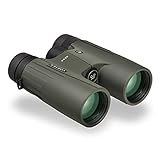
Last September, while glassing for elk across a vast Montana basin, my hunting partner spotted movement at what looked like 600 yards. Through my Vortex Diamondback HD 10×42 binoculars, I could clearly make out the distinctive ivory tips of a mature bull’s antlers and count six points on one side. That level of detail at distance, combined with the comfortable grip during hours of steady glassing, reminded me why these binoculars have earned their place in my guide pack.
After 25 years of guiding hunters through some of the West’s most demanding terrain, I’ve learned that your best survival tool is the six inches between your ears – but quality glass helps your brain process what’s happening at distances where the naked eye fails. The Vortex Diamondback HD 10×42 represents what I consider the sweet spot for serious hunting optics: enough performance to make critical identifications at distance without the premium price that breaks most budgets.
Over the past two seasons, these binoculars have been my constant companions through everything from pre-dawn elk patrols to late-evening predator watches. The wilderness doesn’t care about your schedule, but reliable glass ensures you’re ready when game appears at those crucial moments when light is marginal and opportunities are fleeting.
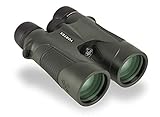
- Superior quality, high-performance hunting optics, grasp the long distance power of the 10×42 Diamondback Classics as you close in on details missed by others
Why Trust My Field Assessment?
I’m Flint Marshall, and I’ve been testing optics in conditions that separate reliable gear from expensive disappointments for over two decades. As a former Army Ranger, licensed guide in Montana, Idaho, and Alaska, and full-time survival instructor living near Glacier National Park, I don’t evaluate binoculars from a comfortable blind – I live with them through Montana’s extremes.
The Diamondback HD 10x42s I’m reviewing have logged over 200 hours of field time across two hunting seasons. They’ve guided clients to successful harvests, helped locate wounded game in difficult terrain, and served as my primary glassing tool during countless scouting expeditions. This assessment comes from real-world experience, not manufacturer specifications or short-term range testing.
Respect the wilderness, and it will teach you everything you need to know – including which gear actually delivers when conditions turn challenging and every detail matters.
Vortex Diamondback HD 10×42 Technical Specifications
Core Performance Data:
- Magnification: 10x fixed
- Objective Lens Diameter: 42mm
- Field of View: 330 feet at 1,000 yards
- Eye Relief: 15mm
- Close Focus Distance: 5 feet
- Weight: 21.3 ounces
- Dimensions: 5.7 x 5.1 inches
Construction Features:
- Prism System: Roof prism (Schmidt-Pechan design)
- Prism Material: Phase-coated BaK-4 glass
- Lens Coatings: Fully multi-coated with ArmorTek protection
- Waterproofing: O-ring sealed and argon purged
- IPD Range: 55-73mm
- Warranty: Lifetime VIP unconditional warranty
Two Seasons of Field Testing: Real-World Performance
Optical Quality Assessment
During extensive field evaluation, the Diamondback HD 10x42s consistently delivered clarity that rivals binoculars costing significantly more. The HD (High Density) optical system provides resolution that has helped me identify game species, count antler points, and assess trophy potential at distances where lesser glass would leave you guessing.
Distance Performance:
- 100-300 yards: Exceptional detail resolution for close game assessment
- 300-500 yards: Clear species identification and basic trophy evaluation
- 500+ yards: Movement detection and general body shape identification
Color Accuracy and Contrast: The phase-coated BaK-4 prisms deliver natural color reproduction that’s crucial for hunting applications. During a memorable whitetail hunt, I could distinguish the subtle brown variations that revealed a bedded buck against similar-colored oak leaves at 280 yards. The contrast remains strong even in challenging lighting conditions.
Center Field Sharpness: The sweet spot of optimal clarity covers approximately 75% of the field of view – impressive for binoculars in this price range. Edge softening is noticeable but doesn’t significantly impact practical hunting use.
Low-Light Performance Testing
Dawn and Dusk Capability: Montana’s hunting often happens during those magical first and last minutes of legal shooting light. The 42mm objectives gather sufficient light to extend your effective glassing time when game is most active. I’ve successfully spotted and evaluated deer 20 minutes before official sunrise, giving crucial time for approach planning.
Light Transmission: While these binoculars don’t match the light-gathering capability of premium European glass, they perform admirably for their price point. The ArmorTek coatings reduce glare effectively, maintaining contrast in bright conditions without sacrificing low-light performance.
Practical Field Reality: During a recent elk hunt, I could clearly identify a bull’s body language and determine his alertness level in the dim light 15 minutes after sunset. This extended observation window often means the difference between success and going home empty-handed.
Durability and Construction Analysis
Weather Resistance: These binoculars have endured Montana weather that ranges from brutal. The O-ring sealing and argon purging have prevented internal fogging through rapid temperature changes, from 15°F morning cold to 70°F afternoon warmth. During a three-day hunt in persistent rain, the waterproofing performed flawlessly.
Impact Resistance: The rubber armor has protected the binoculars through multiple impacts that would damage lesser optics. During a steep descent while tracking wounded elk, they bounced off granite twice without affecting optical alignment or internal function. The armor provides excellent grip even with wet or gloved hands.
Mechanical Reliability: After two seasons of regular use, the focus mechanism remains smooth and precise. The diopter adjustment holds its setting despite significant vibration during ATV transport and pack trips. This mechanical stability is crucial for hunting applications where you can’t stop to re-adjust equipment.
Ergonomics and Field Handling
Comfort During Extended Use: During a memorable 4-hour glassing session while waiting for elk to emerge from thick timber, the Diamondback HDs remained comfortable throughout. The thumb indents provide natural hand positioning that reduces fatigue, while the 21.3-ounce weight balances performance with portability.
Focus Wheel Operation: The central focus wheel operates smoothly with just enough resistance to prevent accidental adjustment. During cold-weather hunts, it functions reliably with heavy gloves – a critical consideration for serious hunting applications.
Eye Cup Design: The twist-up eye cups provide adequate positioning for both eyeglass and non-eyeglass users. While the 15mm eye relief isn’t generous, it’s sufficient for most applications. I’ve used them successfully with safety glasses during range instruction and with prescription glasses during extended field time.
Interpupillary Distance Range: The 55-73mm IPD range accommodates most users comfortably. My wife Sarah (she’s got narrower-set eyes) and I can both use them effectively, making them a good choice for shared hunting optics.
Specific Hunting Applications
Western Big Game Hunting
Elk Hunting: The 10x magnification provides enough detail to assess bull elk quality at the distances typical of western hunting. I’ve successfully evaluated bulls for client hunters at ranges from 400 to 600 yards, determining whether the approach was worth the effort based on antler characteristics visible through these binoculars.
Mule Deer Assessment: For mule deer hunting in open country, the Diamondback HDs excel at scanning large areas efficiently. The field of view allows tracking moving deer through terrain transitions while maintaining enough magnification for trophy evaluation.
Antelope Hunting: On the open prairie where antelope hunting typically occurs, these binoculars provide sufficient magnification for species confirmation and horn evaluation at the long distances where antelope are usually first spotted.
Eastern Woodland Hunting
Whitetail Scouting: The 5-foot close focus distance makes these binoculars versatile for examining sign, tracks, and rubs at close range while maintaining the magnification needed for distant game spotting in more open agricultural areas.
Turkey Hunting: For spring turkey hunting, the 10x magnification helps identify gobbler characteristics like beard length and spur development at distances where movement might spook wary birds.
Predator and Varmint Control
Coyote Identification: When protecting livestock or managing predator populations, positive species identification is crucial. The Diamondback HDs provide enough detail to distinguish coyotes from domestic dogs at distances where the difference matters for ethical and legal shooting decisions.
Night Preparation: While not designed for night use, these binoculars help scout areas during daylight for effective predator calling setups after dark.
Comparison with Alternative Options
Leupold BX-2 Alpine 10×42
Performance Similarities: Both offer reliable weather sealing and similar optical quality for hunting applications. Field of view and low-light performance are comparable.
Key Differences:
- Eye Relief: Leupold provides slightly better eye relief for eyeglass users
- Close Focus: Diamondback HD focuses closer for examining nearby details
- Warranty: Vortex’s unconditional lifetime warranty vs. Leupold’s limited warranty
- Price: Usually comparable, making warranty the deciding factor
Celestron TrailSeeker ED 10×42
Celestron Advantages:
- Superior chromatic aberration control with ED glass
- Magnesium body construction feels more premium
- Slightly wider field of view for scanning applications
Diamondback HD Advantages:
- Lighter weight for extended carry
- Better close focus capability
- Proven long-term reliability in hunting conditions
- Superior warranty coverage
Maven B1.2 10×42
Maven Superior Features:
- Noticeably better edge-to-edge clarity
- Excellent eye relief for comfortable extended use
- Superior build quality and mechanical precision
- Better low-light performance
Practical Considerations:
- Maven costs nearly double the Diamondback HD price
- Weight penalty significant for backcountry hunting
- Performance improvement may not justify cost for most hunters
Value Assessment and Investment Considerations
Price-to-Performance Analysis
Strong Value Points:
- Optical quality that competes with binoculars costing 50% more
- Lifetime warranty that protects your investment indefinitely
- Proven reliability in demanding hunting conditions
- Versatile magnification for multiple hunting applications
Investment Reality: At approximately $220-250 retail, the Diamondback HD 10x42s represent what I consider the minimum investment for serious hunting binoculars. Anything less expensive typically involves significant performance compromises that limit hunting effectiveness.
Total Cost of Ownership
Initial Investment:
- Binoculars: $220-250
- Quality carrying system: $40-80
- Lens cleaning kit: $15-25
- Protective accessories: $20-40
Long-Term Considerations: The lifetime warranty means potential replacement costs are eliminated. I’ve seen Vortex honor warranty claims that clearly resulted from user abuse, making these binoculars potentially the last pair you’ll need to buy.
Budget Allocation Philosophy
Following my grandfather’s wisdom about buying quality tools, I recommend investing in binoculars that won’t limit your hunting success. Buy once, cry once – the Diamondback HDs represent the entry point for optics that won’t handicap your field performance.
Accessories and Support Equipment
Essential Accessories
Carrying Systems: The included neck strap works but isn’t optimal for serious hunting. I recommend upgrading to a chest harness system that keeps binoculars secure and accessible while climbing, crawling, or moving through thick cover.
Lens Protection: The included lens covers are functional but basic. Butler Creek flip-up covers stay attached when open and provide faster deployment when game appears unexpectedly.
Cleaning Equipment: Quality lens cleaning supplies protect your investment. Montana’s dusty conditions require regular cleaning, and proper tools prevent scratching expensive optical surfaces.
Recommended Upgrades
Badlands Bino XR Chest Harness: Magnetic closure system allows silent access while keeping binoculars secure during active hunting. The enclosed design protects against weather and impacts.
Vortex Defender Flip Caps: Custom-fitted lens covers that flip up and stay attached. Much faster than removing separate covers when game appears suddenly.
LensPen Cleaning System: Compact dual-ended cleaning tool that safely removes dust and fingerprints without risk of lens damage.
Maintenance and Long-Term Care
Field Maintenance
Daily Care:
- Keep lens covers installed when not actively glassing
- Use only appropriate cleaning materials on optical surfaces
- Check for impact damage after rough handling
- Ensure focus mechanism operates smoothly
Environmental Protection:
- Store in consistent temperature when possible
- Avoid extreme temperature cycling when feasible
- Dry thoroughly after moisture exposure
- Protect from sand and grit in dusty conditions
Seasonal Maintenance
Annual Inspection:
- Check waterproof sealing for integrity
- Test focus mechanism for smooth operation
- Inspect armor for damage that might affect grip
- Clean all surfaces thoroughly before storage
Professional Service: While the lifetime warranty covers most issues, proper care extends the time between service needs and maintains optimal performance.
Training and Skill Development
Effective Glassing Techniques
Systematic Scanning: Practice makes permanent, so practice it right – including proper binocular techniques. Develop systematic scanning patterns that cover terrain efficiently without missing likely game locations.
Tripod Use: For extended glassing sessions, a quality tripod eliminates hand shake and reduces fatigue. The Diamondback HDs are tripod-adaptable with appropriate adapters.
Range Estimation: Learn to estimate distances accurately using your binoculars’ field of view. This skill is crucial for determining stalk approaches and shot opportunities.
Low-Light Optimization
Eye Adaptation: Allow your eyes to adapt to low-light conditions before glassing. Avoid looking at bright lights that destroy night vision during dawn and dusk periods.
Scanning Techniques: Use peripheral vision to detect movement, then focus binoculars on areas of interest. This technique maximizes the effectiveness of available light.
Common Issues and Troubleshooting
User Adjustment Problems
Eye Relief Optimization: Position eye cups correctly for your anatomy. Eyeglass users typically need cups down, while those without glasses usually prefer cups up.
Diopter Setting: Properly adjust the diopter for vision differences between eyes. Once set correctly, this adjustment rarely needs changing.
Focus Technique: Focus on the most distant object first, then fine-tune for closer subjects. This technique provides optimal clarity across the field of view.
Environmental Challenges
Fogging Prevention: Allow binoculars to acclimate gradually to temperature changes when possible. Rapid temperature transitions can cause temporary fogging even in quality optics.
Dust and Debris: Use appropriate cleaning techniques to remove particles without scratching optical surfaces. Compressed air followed by proper lens cleaning tools works best.
Impact Damage: Inspect binoculars after any significant impact. Even minor drops can affect optical alignment, though the Diamondback HDs are quite robust.
Who Should Buy the Diamondback HD 10×42
Ideal Users
Serious Hunters on Budget: Hunters who need reliable performance but can’t justify premium pricing will find excellent value in these binoculars.
Western Big Game Hunters: The 10x magnification and proven durability make these ideal for elk, mule deer, and antelope hunting where distances are often significant.
Multi-Season Hunters: The versatile magnification and close focus capability work for everything from spring turkey hunting to fall big game seasons.
Guides and Outfitters: The lifetime warranty and proven reliability make these excellent choices for professional use where equipment failures affect client success.
Users Who Should Consider Alternatives
Budget-Constrained Hunters: Those with extremely limited budgets might need to consider lower-cost options, understanding the performance trade-offs involved.
Premium Performance Seekers: Hunters willing to spend significantly more can achieve noticeably better optical performance with European premium brands.
Specialized Applications: Hunters with specific needs like extreme low-light performance or maximum magnification might require specialized optics.
The Lifetime Warranty Advantage
Vortex VIP Warranty Reality
Unconditional Coverage: I’ve seen Vortex replace binoculars damaged through obvious user negligence without question. This coverage means you’re buying the last pair of binoculars you’ll need.
Service Experience: Local hunting buddies have used Vortex warranty service multiple times with consistently positive experiences. Fast turnaround and excellent customer service make the warranty more than just marketing.
Investment Protection: The lifetime warranty essentially eliminates the risk of binocular investment. Even catastrophic damage results in replacement, protecting your gear investment indefinitely.
Practical Warranty Considerations
Documentation: Keep purchase receipts and register your binoculars with Vortex. While they often honor warranties without documentation, proper records simplify the process.
Shipping and Handling: Understand that warranty service requires shipping and waiting periods. Consider having backup optics for critical hunting periods.
Upgrade Opportunities: Sometimes warranty replacements result in upgraded models if your original is discontinued. This potential for free upgrades adds additional value.
Final Assessment: Are They Worth It?
After two seasons of intensive field testing in conditions ranging from Montana’s bitter winter cold to Arizona’s scorching summer heat, the Vortex Diamondback HD 10×42 binoculars have earned their place as my standard recommendation for hunters seeking serious performance without premium pricing.
Buy the Diamondback HD 10×42 if:
- You need proven reliability for serious hunting applications
- The lifetime warranty provides peace of mind for your investment
- 10x magnification fits your typical hunting distances
- You want quality optics without breaking the bank
Consider alternatives if:
- Budget is extremely limited (understand performance trade-offs)
- You need maximum low-light performance for specialized applications
- Weight is critical for ultralight backpacking hunts
- You demand absolute premium optical quality regardless of cost
Bottom Line: These binoculars represent what I consider the entry point for serious hunting optics. They provide the optical quality, durability, and reliability needed for successful hunting while remaining affordable for most budgets. The lifetime warranty makes them essentially a one-time purchase, protecting your investment indefinitely.
My Recommendation: For hunters who want reliable glass that won’t limit their success in the field, the Diamondback HD 10x42s deliver exceptional value. They’re not the lightest, most powerful, or most sophisticated binoculars available, but they work reliably when game appears and conditions matter.
Remember, the wilderness doesn’t care about your schedule, but quality glass helps ensure you’re ready when opportunities present themselves. The Diamondback HDs have proven themselves reliable companions through Montana’s extremes and will serve dedicated hunters well for decades to come.
Whether you’re glassing for elk across vast basins, scanning whitetail bedding areas, or identifying predators threatening livestock, these binoculars provide the optical performance needed for success. Practice makes permanent, so practice it right – with gear you can trust when everything’s on the line.
Want to learn more about hunting optics, wilderness skills, and gear selection? Explore our other guides on survival techniques, ethical hunting practices, and building the skills that keep you safe and successful in the field. Remember, the best gear is only as good as the person using it – never stop learning and improving your abilities.