Home Blog Page 18

The Complete Guide to 1-4x Scopes: Close-Range Precision for Modern Hunters and Shooters

0

Three seasons ago, I was guiding a hunter through dense lodgepole pine when a bull elk emerged at 75 yards, then immediately bounded to 250 yards before stopping broadside. My client had a traditional 3-9x scope cranked to 9x for the expected long shot across a canyon—but now he couldn’t find the elk in his narrow field of view. By the time he dialed back the magnification, the bull was gone. That’s when I learned the hard way that sometimes you need glass that adapts as quickly as your quarry moves.

That experience led me to seriously evaluate low-power variable optics (LPVOs), particularly 1-4x scopes, for close to medium-range applications. After 25 years of military service and guiding in Montana’s diverse terrain, I’ve tested dozens of 1-4x scopes on everything from prairie dog control to timber hunting. These versatile optics bridge the gap between red dots and higher-magnification scopes, offering the speed of both-eyes-open shooting at 1x and enough magnification for precise shots out to 400 yards.

Here’s what I’ve learned about choosing and using 1-4x scopes effectively in real-world hunting and shooting scenarios.

Understanding the 1-4x Scope Role

The Sweet Spot for Versatile Shooting

A quality 1-4x scope serves as a compromise between speed and precision. At 1x magnification, you get nearly red-dot-fast target acquisition with both eyes open. Crank it to 4x, and you can make precise shots on prairie dogs at 300 yards or place ethical hunting shots on game at extended ranges.

Where 1-4x Scopes Excel:

  • Dense timber hunting (deer, elk, bear)
  • Mixed-terrain hunts requiring varied engagement distances
  • Three-gun competition and dynamic shooting
  • Ranch pest control and varmint hunting
  • General-purpose carbine applications

My Experience: In Montana’s mixed terrain, I regularly encounter shots from 50 to 350 yards within minutes of each other. A 1-4x scope handles this variability better than any other single optic.

My Top 1-4x Scope Recommendations

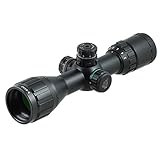
Best Overall: Vortex Crossfire II 1-4x24mm
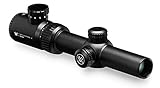
Vortex Optics Crossfire II 1-4×24 Second Focal Plane Riflescope – V-Brite…
  • The 1-4×24 Crossfire II riflescope is one of many configurations in the Crossfire II line. The V-Brite reticle uses the V-Plex format with an illuminated the center dot.

After extensive field testing, this Vortex consistently delivers reliability and performance at a price that won’t break your gear budget. I’ve mounted these on client rifles, training carbines, and my own hunting rifles with consistently positive results.

Key Specifications:

  • Magnification: 1-4x
  • Objective: 24mm
  • Tube: 30mm
  • Eye Relief: 4 inches
  • Weight: 14.8 oz
  • Reticle: V-Brite illuminated

Why It Works in the Field: The glass clarity impresses me every time, especially considering the price point. Last fall, I made a clean shot on a whitetail buck at 185 yards using this scope at 3x magnification during the last light of day. The V-Brite reticle stayed visible without overpowering the target image.

Real-World Durability: I’ve subjected this scope to temperature swings from -15°F to 95°F, rainfall, and the inevitable bumps from ATV transport and tree stands. Zero retention has been excellent—no shifts after hundreds of rounds on .308 and .223 platforms.

Minor Limitations: It’s not quite a true 1x—there’s slight magnification and a narrow eye box at maximum power. For serious precision work beyond 300 yards, you’ll want more magnification.

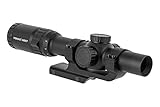
Best for Fast Target Engagement: Burris Fullfield TAC30 1-4x24mm

Burris Tactical Scopes 200433 Tac30 Riflescope, Black, 1-4x24mm
  • FULLFIELD TAC30 HUNTING SCOPE 1-4X24MM – The Fullfield TAC30 is the most cost-effective tactical hunting scope; it offers a very wide field of view, and 1x magnification at the lower end – making for easy, fast target acquisition

When speed matters most—whether you’re hunting dangerous game or competing in three-gun matches—the TAC30’s illuminated Ballistic CQ reticle excels. The large, bright circle dominates close-range shooting while providing precise aiming points for longer shots.

Key Specifications:

  • Magnification: 1-4x
  • Objective: 24mm
  • Tube: 30mm
  • Weight: 17 oz
  • Reticle: Illuminated Ballistic CQ

Competition-Proven Performance: I’ve watched competitive shooters consistently engage multiple targets from 7 to 200 yards faster with this reticle design than traditional crosshairs. The intuitive sight picture requires minimal training to master.

Hunting Applications: For thick cover hunting where shots happen fast, the illuminated circle provides instant target acquisition. I guided a hunter who used this scope to take a black bear that appeared suddenly at 80 yards in dense timber—the wide circle made target acquisition nearly instantaneous.

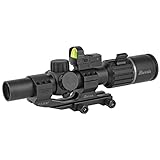
Best for Hunting: Athlon Talos BTR 1-4x24mm

Athlon Optics 215026: Talos BTR 1-4X24 Gen2 Riflescope, Direct Dial Fixed 30Mm…
  • Advanced fully multi-coated glass gives you better light transmission with optimum brightness and true color across the entire light spectrum

Athlon has quietly built a reputation for delivering premium features at reasonable prices. The Talos BTR proves this with excellent glass quality, reliable tracking, and features typically found on more expensive optics.

Key Specifications:

  • Magnification: 1-4x
  • Objective: 24mm
  • Tube: 30mm
  • Weight: 18 oz
  • Reticle: AHSR14 SFP IR MIL
  • Turrets: Exposed tactical

Hunting Performance: The glass clarity rivals scopes costing twice as much. During a mule deer hunt last season, I could clearly distinguish antler points at 300 yards through heat mirage that rendered cheaper optics useless. The exposed turrets allow for precise adjustments when you need to reach beyond your zero distance.

Build Quality: The heat-treated 30mm tube has proven exceptionally durable. After two seasons of hard hunting, including a drop from a tree stand, this scope maintains perfect zero and shows no internal fogging or damage.

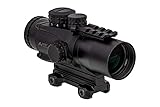
Best Budget Choice: Bushnell Dropzone 1-4x24mm

Bushnell Optics, Drop Zone Reticle Riflescope with Target Turrets, Matte Black,…
  • 30 millimeter tube dia
  • Drop zone reticle; Field of view (feet at 100 yard) 90 feet at 1X to 23 feet at 4X

For shooters needing reliable 1-4x performance without premium pricing, the Bushnell Dropzone delivers surprising capability. The Drop-Zone 223 reticle is calibrated for common .223/5.56 loads, making holdovers simple.

Key Specifications:

  • Magnification: 1-4x
  • Objective: 24mm
  • Weight: 18 oz
  • Reticle: Drop-Zone 223 BDC
  • Features: 6-setting illumination

Value Proposition: For under $300, you get waterproof construction, clear glass, and a reticle that’s actually useful for field shooting. I’ve used this scope for prairie dog control where rapid engagement of multiple targets at varied distances is the norm—it performs admirably.

Practical Testing: Over 500 rounds of .223 testing showed consistent tracking and zero retention. The BDC reticle proved accurate for Federal 55-grain loads out to 300 yards, matching the manufacturer’s claims.

1-4x Scope Selection Criteria

Magnification Range: True 1x vs. Near 1x

True 1x magnification means no image enlargement at the lowest setting—critical for both-eyes-open shooting and maximum field of view. Many budget scopes offer 1.1x or 1.2x at their lowest setting, which can cause eye strain and slower target acquisition.

My Testing Method: I test true 1x by focusing on an object with both eyes, then viewing it through the scope with one eye. If the images match perfectly, it’s true 1x.

Real-World Impact: The difference becomes obvious during dynamic shooting or when tracking moving game. True 1x allows natural point-and-shoot capability.

Eye Relief and Eye Box

Minimum Eye Relief: Look for at least 3.5 inches of eye relief to prevent scope bite and accommodate various shooting positions.

Eye Box Forgiveness: A forgiving eye box allows quick sight picture acquisition without perfect head positioning—critical for hunting and tactical applications.

My Experience: Scopes with tight eye boxes work fine on the range but become frustrating during hunting scenarios where you might need to shoot from awkward positions.

Reticle Selection for Field Use

Simple Crosshairs: Best for general hunting where quick target acquisition matters most. Clean sight picture without distractions.

BDC Reticles: Bullet Drop Compensator reticles work well if you use the specific ammunition they’re calibrated for. Great for varmint hunting and prairie dog shooting.

Tactical Reticles: Mil-dot or similar ranging reticles excel for precision shooting and when you need range estimation capabilities.

My Preference: For hunting, I prefer simple illuminated crosshairs or a center dot. For precision shooting, I choose reticles with ranging capabilities.

Illumination: When It Matters

Dawn and Dusk: Illuminated reticles extend shooting hours when game is most active. Essential for serious hunters.

Daylight Bright vs. Low Light: Look for multiple brightness settings. You need dim settings for low light and bright settings for sunny conditions.

Battery Life: Quality scopes offer 200+ hours of illumination time. Always carry spare batteries in the field.

Mounting and Setup Considerations

Ring Height Selection

Low Rings: Work with 24mm objectives on most rifles but check clearance carefully Medium Rings: Safest choice for most applications, providing adequate clearance High Rings: Necessary for larger scopes or when co-witnessing with backup iron sights

Pro Tip: Always verify clearance at full magnification before heading to the field. I’ve seen hunters discover clearance issues during critical moments.

Eye Relief Optimization

Proper scope placement affects everything from comfort to accuracy. Here’s my setup process:

  1. Mount the scope loosely in rings at manufacturer’s recommended eye relief
  2. Shoulder the rifle naturally and note where your eye falls relative to the scope
  3. Adjust forward/backward until you have a full sight picture without strain
  4. Test from multiple shooting positions before final tightening

Zeroing Distance for 1-4x Scopes

100-Yard Zero: Most versatile for mixed-range shooting. Provides point-blank range to about 200 yards with most cartridges.

50-Yard Zero: Better for dense timber hunting where most shots occur inside 150 yards.

200-Yard Zero: Extends point-blank range but requires more holdover calculation for closer shots.

My Recommendation: For general hunting with .308 or .30-06, a 200-yard zero maximizes your point-blank range while keeping holdovers simple.

Field Applications and Techniques

Transitioning Between Magnifications

Power Ring Technique: Practice smooth, consistent movements. I train clients to use their support hand thumb for quick adjustments.

Throw Levers: Aftermarket throw levers dramatically speed magnification changes. Essential for competitive shooting and helpful for hunting.

Pre-Set Positions: Learn your scope’s magnification settings by feel. Know where 1x, 2x, and 4x fall without looking.

Both-Eyes-Open Shooting at 1x

Training Method: Start with close targets (25 yards) and practice acquiring targets with both eyes open. The illuminated reticle should appear superimposed on your target.

Benefits: Faster target acquisition, better peripheral vision awareness, reduced eye fatigue during extended shooting sessions.

Common Mistakes: Fighting the scope by trying to force perfect sight pictures. Trust the reticle placement and focus on smooth trigger control.

Precision Shooting at 4x

Stable Position: Use proper shooting fundamentals—bone support, natural point of aim, consistent cheek weld.

Parallax Considerations: Most 1-4x scopes have fixed parallax around 100 yards. For shots beyond 200 yards, ensure consistent head position to minimize parallax error.

Holdover Techniques: Learn your reticle’s subtensions for quick range estimation and holdover calculations.

Maintenance and Care

Field Cleaning

Lens Care: Use quality lens cloths and cleaning solution. Avoid cleaning dry lenses—always wet clean to prevent scratching.

Body Maintenance: Check mounting screws regularly, especially after heavy recoil sessions or rough transport.

Weather Protection: Quality scope caps protect lenses during transport and prevent moisture buildup.

Storage and Transport

Temperature Changes: Allow scopes to acclimate gradually to prevent internal fogging when moving between extreme temperatures.

Impact Protection: Hard cases or padded sleeves protect against damage during ATV transport or airline travel.

Zero Verification: Always verify zero after long-distance transport or extreme temperature changes.

Common Mistakes to Avoid

Choosing the Wrong Magnification Range

Too Much Scope: Don’t buy a 1-4x scope if most of your shooting happens beyond 300 yards. You’ll be frustrated by limited magnification.

Wrong Application: These scopes excel at close to medium range. For dedicated long-range shooting, choose higher magnification.

Ignoring Eye Relief

Mount Position: Incorrect scope placement causes eye strain, scope bite, and inconsistent sight pictures.

Stock Fit: Ensure your rifle’s length of pull works with your chosen scope’s eye relief requirements.

Cheap Mounting Systems

Ring Quality: A $500 scope on $30 rings is asking for trouble. Invest in quality mounting hardware.

Proper Installation: Use correct torque specifications and thread locker. Loose rings cause zero shifts and accuracy problems.

1-4x vs. Alternative Optic Systems

1-4x Scope vs. Red Dot with Magnifier

1-4x Advantages:

  • Single, integrated system
  • No additional weight from separate magnifier
  • Consistent eye relief at all magnifications
  • Often more economical

Red Dot + Magnifier Advantages:

  • True 1x with unlimited eye relief
  • Faster engagement at close range
  • Modular system allows upgrades

My Take: For hunting applications, I prefer 1-4x scopes for their simplicity and weather sealing. For tactical applications where modularity matters, red dot + magnifier systems offer advantages.

1-4x Scope vs. Fixed 4x ACOG

1-4x Advantages:

  • Variable magnification
  • Usually more affordable
  • Larger field of view at 1x

ACOG Advantages:

  • Superior durability
  • Better light transmission
  • No batteries required
  • Proven military track record

Application Dependent: ACOGs excel in harsh conditions where reliability trumps versatility. 1-4x scopes work better for civilian hunting and recreational shooting.

Budget Considerations and Value

Entry Level ($200-400)

Scopes like the Bushnell Dropzone offer basic LPVO capability at accessible prices. Expect adequate glass quality and basic features but limited durability compared to premium options.

Mid-Range ($400-700)

The sweet spot for most shooters. Scopes like the Vortex Crossfire II and Athlon Talos BTR offer excellent performance, good warranties, and features typically found on more expensive optics.

Premium ($700+)

High-end 1-4x scopes from companies like Leupold, Nightforce, and Trijicon offer superior glass quality, enhanced durability, and advanced features. Worth the investment for professional use or when maximum performance is required.

Value Assessment

My Philosophy: Buy the best optic you can afford, but don’t overspend on features you won’t use. A $400 scope that meets your needs is better than a $800 scope with capabilities you’ll never utilize.

Environmental Considerations

Altitude Effects

Here in Montana, hunting from 3,000 to 8,000 feet elevation affects both rifle performance and scope considerations:

  • Temperature Swings: Quality scopes handle temperature changes without losing zero
  • UV Exposure: Lens coatings protect against increased UV at altitude
  • Condensation: Nitrogen purging prevents internal fogging during temperature transitions

Weather Resistance

Waterproofing: O-ring seals and nitrogen purging prevent moisture infiltration during rain or snow hunting.

Fog Resistance: Quality purging prevents internal fogging when moving between temperatures.

Shock Resistance: Proper construction handles recoil and impact without zero shift.

Final Recommendations

For the New Hunter: Start with the Vortex Crossfire II 1-4x24mm. It offers professional-level performance at a reasonable price and will serve you well as your shooting skills develop.

For Competition Shooters: The Burris Fullfield TAC30 provides the fast target acquisition needed for dynamic shooting sports while maintaining precision for longer shots.

For Dedicated Hunters: The Athlon Talos BTR 1-4x24mm offers premium features including excellent glass quality and exposed turrets for precise adjustments in the field.

For Budget-Conscious Shooters: The Bushnell Dropzone 1-4x24mm proves you don’t need to spend a fortune for reliable LPVO performance.

Practice Makes Permanent

Remember my grandfather’s advice: “The best scope in the world won’t make you a better shot—only practice does that.” Whatever 1-4x scope you choose, spend time behind it. Learn its capabilities and limitations. Practice magnification transitions, both-eyes-open shooting at 1x, and precision shooting at 4x.

These scopes excel in dynamic situations where target distance and shooting conditions change rapidly. Master the fundamentals, respect the game you pursue, and always remember that your best survival tool is the six inches between your ears.

A quality 1-4x scope can transform your shooting experience, bridging the gap between close-range speed and medium-range precision. Choose based on your actual needs, not wishful thinking about scenarios you’ll never encounter. Practice regularly, and most importantly, always make ethical shots whether you’re hunting or competing.

The wilderness doesn’t care about your scope’s price tag—it only cares whether you can make the shot when it counts.

Stay sharp out there, Flint Marshall Moosir.com


Looking for more gear recommendations? Check out our guides on [choosing the right hunting rifle] and [essential shooting accessories]. Remember, practice makes permanent—so practice it right.

The Hunter’s Guide to Red Dot Sights: Field-Tested Recommendations from Montana

0

Last winter, I was tracking a wounded elk through the dense timber of the Bitterroot Mountains. Light was fading fast, and I needed to make a clean, ethical shot before losing the blood trail. When I finally caught sight of the bull at 75 yards through heavy brush, my Aimpoint red dot let me acquire the target instantly and place my shot precisely where it needed to go. That’s the moment you realize why the right optic isn’t just gear—it’s an essential tool that can mean the difference between success and failure in the field.

After 25 years of guiding hunters across Montana’s backcountry and testing dozens of red dot sights in conditions that would humble most gear, I’ve learned what separates the reliable from the junk. Whether you’re pursuing elk in November snow or protecting your homestead at 3 AM, your optic needs to work flawlessly when everything else is going sideways.

The wilderness doesn’t care about your schedule, and neither does a charging grizzly or a home invader. That’s why I only recommend red dot sights that I’d stake my life on—and have. Here are the four optics that have earned a permanent place in my gun safe.

My Top Field-Tested Red Dot Recommendations

Best Overall: Aimpoint Duty RDS – The workhorse that replaces the legendary PRO

Best Value: Sig Sauer Romeo5 – Proven performance without breaking the bank


Best for Hunting: Aimpoint Micro H-2 – Lightweight reliability for the backcountry

Best for Competition: Trijicon SRO – Speed and precision for serious shooters

Why Trust My Recommendations?

I’m Flint Marshall, and for the past 25 years, I’ve made my living in places where gear failure isn’t just inconvenient—it’s dangerous. From my eight years as an Army Ranger to fifteen years guiding hunters through some of the most unforgiving terrain in North America, I’ve learned that your equipment needs to be as reliable as sunrise.

Here in northern Montana, near Glacier National Park, I run a wilderness survival school and hunting guide service. I’ve field-tested every optic in this guide through multiple hunting seasons, training courses, and the kind of abuse that comes with real backcountry use. When I recommend something, it’s because I’ve bet my reputation—and sometimes my safety—on it performing when it counts.

My testing isn’t done on a comfortable range bench. These sights have been through Montana blizzards, desert heat, creek crossings, and the kind of drops that happen when you’re navigating deadfall in the dark. I’ve mounted them on everything from my old .30-06 hunting rifle to the AR-15 I keep for property defense, always asking the same question: “Will this work when my life depends on it?”

The Case for Red Dot Sights

Some old-timers still swear by iron sights alone, and I respect that. My grandfather taught me to shoot with open sights, and there’s wisdom in mastering the fundamentals. But after decades of practical experience, I’ve learned that red dots offer distinct advantages that can make you a more effective shooter:

Faster Target Acquisition: In thick timber or low light, you can get on target faster than with traditional sights. This matters whether you’re taking a quick shot at a moving whitetail or responding to a threat.

Both Eyes Open Shooting: Maintaining peripheral vision while aiming gives you better situational awareness. In the woods, this means spotting other game or hazards. In defensive situations, it could save your life.

Unlimited Eye Relief: No more worrying about scope eye or perfect positioning. As long as you can see the dot on target, your shot will go where you’re aiming.

Works with Backup Sights: Quality red dots co-witness with iron sights, giving you redundancy when equipment fails—and equipment always fails eventually.

The key is choosing a red dot that enhances your shooting without becoming a liability. That means prioritizing reliability over features and proven performance over flashy marketing claims.

How I Test Red Dot Sights

My testing protocol has evolved over decades of real-world use. I don’t just shoot a few groups at the range and call it good. Each sight in this guide has been through what I call the “Montana Standard”—a series of tests that simulate the conditions you’ll actually face in the field.

Zero Retention Test: After initial zeroing, I run 200 rounds through various positions—prone, sitting, offhand, and awkward field positions. The optic must return to zero after each session.

Weather Exposure: Montana weather is unforgiving. Each sight spends time in sub-zero temperatures, summer heat exceeding 100°F, driving rain, and humidity from river valleys. Fogging or point-of-impact shifts eliminate a sight immediately.

Drop and Impact Testing: Gear gets dropped, banged, and abused in the field. I simulate this with controlled drops onto various surfaces and impact tests that replicate real hunting scenarios.

Battery Life Verification: I test actual battery consumption at various brightness levels because knowing your optic will work for the entire hunting season is crucial.

Practical Field Use: The final test is months of actual hunting and training. This reveals issues that don’t show up in controlled testing—like controls that are difficult to operate with gloves or reticles that disappear against certain backgrounds.

Only sights that pass every phase make it into my recommendations. Remember: practice makes permanent, so practice it right with reliable equipment.

Best Overall Red Dot: Aimpoint Duty RDS

Aimpoint Duty RDS Red Dot Reflex Sight 2 MOA 39mm – 200759
  • 2 MOA
  • Battery life – 30,000 hours (over 3 years) of constant operation with one battery on setting 6 Battery type: CR2032 battery (battery included); 10 brightness settings

The Aimpoint Duty RDS has become my go-to recommendation for serious shooters who need one optic that does everything well. It’s essentially the replacement for the discontinued PRO, but with improvements that matter in real-world use.

Field Performance

I’ve had the Duty RDS mounted on my home defense rifle for over two years, and it’s performed flawlessly through everything I’ve thrown at it. The 2 MOA dot is large enough for fast acquisition but precise enough for accurate shots out to 200 yards—perfect for the ranges most of us actually shoot.

Last fall, while guiding a client on an elk hunt, his rifle (equipped with a Duty RDS) took a hard fall during a scramble up a rocky slope. After checking zero with a quick confirmation shot, we continued the hunt and successfully harvested a mature bull at 150 yards. The impact that would have destroyed lesser optics didn’t even shift the point of impact.

What Makes It Outstanding

Always-On Reliability: No buttons to press or switches to flip. Turn it on once, and it’s ready for years. In a defensive situation, you don’t want to fumble with controls.

Tank-Like Construction: The housing is overbuilt to handle serious abuse. I’ve seen these survive impacts that would destroy lesser optics.

Exceptional Battery Life: 30,000 hours means you can leave it on 24/7 and change batteries every few years. I set a phone reminder to swap batteries on Christmas—simple and reliable.

Crystal Clear Glass: The lens quality is exceptional, with coatings that reduce glare and maintain brightness in all conditions.

Real-World Considerations

The Duty RDS is heavier than micro-style dots, but that weight is mostly quality construction. On a hunting rifle where ounces matter, it’s noticeable. For a defensive rifle that lives in the safe until needed, the extra weight is insignificant compared to the reliability gain.

The price reflects the quality—this isn’t budget gear. But buying quality once is always cheaper than buying inferior products multiple times. As I tell my students: “Buy once, cry once.”

Key Specifications:

  • Dot Size: 2 MOA
  • Battery Life: 30,000 hours
  • Waterproof: 150 feet submersion
  • Weight: 11.6 oz with mount
  • Operating Temperature: -49°F to 160°F

Best Budget Red Dot: Sig Sauer Romeo5

SIG SAUER Romeo5 1X20mm Tactical Hunting Shooting Durable Waterproof Fogproof…
  • ROMEO5 GUN SIGHT – The ROMEO5 1X20mm Red Dot Sight mounts on any platform, and even though it’s small, it’s tough; The solid, lightweight aluminum design gives peak performance & years of service, so you can be on the top of a hunt or shooting competition

The Romeo5 proves you don’t need to empty your wallet for a reliable red dot. I’ve recommended this sight to dozens of students and clients who needed quality performance without premium pricing, and it consistently delivers.

Why It’s My Budget Pick

During a winter survival course, one of my students brought a rifle topped with a Romeo5. Over three days of sub-zero temperatures, creek crossings, and general hard use, the sight never faltered. When we checked zero at the end of the course, it was still dead-on. That’s the kind of reliability that builds confidence.

The 2 MOA dot is crisp and easy to track, and the motion activation feature means the sight wakes up when you pick up the rifle—convenient for hunting when you need to preserve battery life but want instant readiness.

Field-Proven Performance

Solid Construction: The Romeo5 handles recoil and environmental stress better than sights costing twice as much. I’ve seen them survive drops, weather exposure, and thousands of rounds without failure.

Motion Activation: The sight automatically turns on when it detects movement, giving you the best of both worlds—long battery life and instant readiness.

Versatile Mounting: Comes with both low and co-witness height mounts, so you can set it up exactly how you prefer.

Honest Assessment

The glass has a slight blue tint that purists might notice, but it doesn’t affect practical performance. The included mount, while functional, isn’t as refined as premium options—consider upgrading if you plan to remove and remount frequently.

Key Specifications:

  • Dot Size: 2 MOA
  • Battery Life: 40,000+ hours
  • Waterproof: IPX-7 rated
  • Weight: 5.1 oz
  • Brightness Settings: 10 (8 daylight, 2 night vision)

Best Red Dot for Hunting: Aimpoint Micro H-2

Aimpoint Micro H-2 Red Dot Reflex Sight No Mount – 2 MOA – 200186
  • Features advanced lens system for better light transmission and unmatched optical clarity
  • Features 2 MOA red dot for accurate target engagement

When I’m heading into the backcountry for a multi-day hunt, weight matters. The Micro H-2 gives me Aimpoint reliability in a package that won’t punish me on long pack-outs through rough terrain.

Backcountry Tested

I’ve carried the H-2 on hunting trips from Alaska’s Brooks Range to the desert mountains of Arizona. It’s been soaked by Pacific Northwest rain, frozen in Yukon cold, and baked under desert sun. Through it all, the sight has maintained zero and provided the fast target acquisition that makes the difference between filling your tag and going home empty-handed.

During a memorable sheep hunt in the Rockies, we spotted a legal ram across a canyon at what ranged to 180 yards. The H-2’s clear 2 MOA dot allowed me to make a precise shot in challenging wind conditions, cleanly harvesting the animal with one well-placed round.

Hunting-Specific Advantages

Compact and Lightweight: At just 3 oz, you barely notice it on your rifle. When you’re climbing mountains at altitude, every ounce matters.

Five-Year Battery Life: Set it and forget it. I change the battery when I renew my hunting licenses—easy to remember and ensures reliability.

Flip-Up Lens Covers: Integrated covers protect the lenses from rain, snow, and debris without adding bulk or complexity.

Enhanced Light Transmission: The advanced lens coatings maximize light gathering, crucial during legal shooting hours when game is most active.

Why It Works for Hunting

The H-2 excels in hunting scenarios because it doesn’t compromise. It’s tough enough to handle hard use but light enough to carry comfortably. The long battery life means you’re not worrying about power failure during that once-in-a-lifetime opportunity.

Key Specifications:

  • Dot Size: 2 MOA
  • Battery Life: 50,000 hours (5+ years)
  • Waterproof: 15 feet submersion
  • Weight: 3 oz
  • Brightness Settings: 12

Best Competition Red Dot: Trijicon SRO

TRIJICON SRO 2.5 MOA ADJ LED RED DOT
  • LARGE, UNOBSTRUCTIVE FIELD OF VIEW: Parallax-free and compatible with suppressor-height iron sights

While I’m primarily a hunter and outdoor instructor, I compete in action shooting sports to stay sharp and test gear under pressure. The SRO has become my preferred competition optic because it combines speed with precision in a package that performs when seconds matter.

Competition Performance

The SRO’s large window and crisp dot make target transitions lightning-fast. During 3-gun competitions, I consistently see faster split times and better accuracy compared to smaller red dots. The 2.5 MOA dot is large enough for quick acquisition but precise enough for accurate shots on small targets.

What Sets It Apart

Large Sight Window: The generous field of view makes it easy to track targets during rapid-fire strings and complex courses of fire.

Battery Access: You can change the battery without removing the optic—a huge advantage for competition shooters who mount their sights with thread locker.

Automatic Brightness Adjustment: The sight adjusts to lighting conditions automatically, so you’re not fumbling with controls during a stage.

Competition-Focused Features

Crisp Dot: The LED emitter produces a clean, round dot without the starburst effect that can slow target acquisition.

Durable Construction: Despite being optimized for competition, the SRO is built tough enough for serious use.

Wide Compatibility: Uses the popular RMR mounting footprint, so mounting options are abundant.

Key Specifications:

  • Dot Sizes: 1.0, 2.5, or 5.0 MOA
  • Battery Life: 3 years
  • Waterproof: 10 feet
  • Weight: 1.6 oz
  • Housing: 7075-T6 aluminum

Red Dot Sight Selection Guide

Choosing the right red dot depends on understanding your priorities and intended use. Here’s how to match the sight to your mission:

Intended Use Determines Everything

Home Defense: Prioritize reliability, always-on operation, and fast target acquisition. Battery life and durability matter more than weight savings.

Hunting: Balance reliability with weight considerations. Long battery life is crucial, and weather resistance is non-negotiable.

Competition: Speed and precision are key. Large sight windows and crisp dots provide competitive advantages.

Training/Practice: Versatility and cost-effectiveness matter. You’ll be shooting thousands of rounds, so durability is important.

Dot Size Considerations

2 MOA: Best all-around choice. Precise enough for distance shots, fast enough for close work. This is what I recommend for most applications.

3-4 MOA: Good compromise between speed and precision. Faster acquisition than 2 MOA but less precise at distance.

6 MOA: Very fast acquisition for close-range work but covers too much target area for precise shots beyond 100 yards.

Critical Features to Evaluate

Battery Life: Measured in thousands of hours. Anything less than 30,000 hours is inadequate for serious use.

Housing Construction: Aluminum housings are more durable than polymer. Look for 6061 or 7075 aluminum specifications.

Lens Coatings: Quality coatings reduce glare and improve light transmission. Cheap coatings fail in real-world conditions.

Waterproof Rating: Minimum IPX7 for hunting use. Full submersion ratings are better for extreme conditions.

Mounting Considerations

The mounting system is as important as the optic itself. A quality sight on a poor mount is useless. Look for:

Repeatable Zero: The mount should return to zero when removed and reinstalled.

Solid Lockup: No movement under recoil or handling.

Appropriate Height: Co-witness with iron sights or proper cheek weld for your shooting style.

Practical Maintenance and Care

Red dot sights are electronic devices that require basic maintenance to ensure reliability. Here’s what I’ve learned from decades of hard use:

Battery Management

Replace Proactively: Don’t wait for the dot to dim. Change batteries on a schedule—I use the fall hunting season as my reminder.

Quality Batteries: Use name-brand batteries from reputable manufacturers. Cheap batteries leak and cause expensive damage.

Spare Battery Storage: Keep a spare battery in your rifle case or hunting pack. Murphy’s Law applies to optics too.

Lens Care

Proper Cleaning: Use lens-specific cleaners and microfiber cloths. Avoid paper towels or clothing that can scratch coatings.

Protective Covers: Use lens covers when transporting or storing your rifle. Prevention is easier than repair.

Regular Inspection: Check for cracks, chips, or coating damage that could affect performance.

Environmental Protection

Moisture Management: Allow the sight to acclimate to temperature changes to prevent condensation inside the housing.

Impact Protection: Use protective cases during transport. Even tough sights can be damaged by severe impacts.

Storage Considerations: Store with batteries removed for long-term storage to prevent corrosion damage.

Common Red Dot Mistakes to Avoid

After training thousands of students, I’ve seen these mistakes repeatedly:

Choosing Features Over Reliability: Fancy features mean nothing if the sight fails when you need it. Prioritize proven performance over gadgets.

Ignoring Co-Witness Setup: Always verify that your red dot co-witnesses with iron sights. Electronics fail, and backups save lives.

Poor Mounting: A quality sight on a cheap mount is a recipe for failure. Invest in proper mounting hardware.

Inadequate Training: A red dot sight doesn’t automatically make you a better shooter. Practice the fundamentals with your new optic.

Wrong Brightness Settings: Too bright in low light will ruin your night vision. Too dim in bright conditions makes the dot invisible. Learn your sight’s settings.

Advanced Red Dot Applications

Magnifier Compatibility

Many quality red dots can be paired with magnifiers for extended range capability. The Aimpoint 3XMag-1 works excellently with both the Duty RDS and Micro H-2, giving you 1x speed for close work and 3x precision for longer shots.

Night Vision Compatibility

If you’re using night vision equipment, ensure your red dot has appropriate IR settings. The lower brightness settings on quality sights are designed to work with night vision without washing out the image.

Multiple Sight Systems

Some applications benefit from multiple sighting systems. I run a red dot for close work with offset iron sights for backup. Competition shooters often use red dots with magnified optics for different stages.

The Bottom Line on Red Dot Sights

After decades of field use and thousands of students trained, my recommendation is simple: buy the best optic you can afford from a proven manufacturer. The difference between a quality red dot and a cheap imitation isn’t just performance—it’s reliability when your life depends on it.

The Aimpoint Duty RDS remains my top overall choice because it offers the best combination of durability, battery life, and optical quality. For budget-conscious shooters, the Sig Romeo5 provides excellent value without significant compromises.

Remember, your optic is only as good as your ability to use it effectively. Invest in quality training alongside quality equipment. Practice with your chosen sight in various conditions and shooting positions. Know its limitations and capabilities intimately.

The wilderness doesn’t care about your gear—it only cares about your preparation and skill. Choose wisely, train regularly, and respect the responsibility that comes with carrying effective tools.

Final Recommendations Summary

Best Overall: Aimpoint Duty RDS – Bombproof reliability for serious use

Best Value: Sig Sauer Romeo5 – Proven performance at an affordable price


Best for Hunting: Aimpoint Micro H-2 – Lightweight reliability for the backcountry

Best for Competition: Trijicon SRO – Speed and precision for competitive shooting

Whichever sight you choose, remember that gear is just a tool. Your best survival tool is the six inches between your ears. Train hard, practice regularly, and always respect the power and responsibility that comes with firearms.

Stay safe out there, and may your shots be true.

Have questions about red dot sights or want to share your experiences? Sound off in the comments below. And if you’re interested in learning more about practical shooting skills and wilderness survival, check out our other guides on tactical shooting fundamentals and backcountry gear selection.

The Complete AK-47 Optics Guide: Battle-Tested Recommendations from a Former Ranger

0

Five years ago, while training a group of civilian contractors for overseas work, I watched a student’s cheap optic literally shake apart during rapid fire drills with his AK. As screws rattled loose and the reticle disappeared into electronic oblivion, I was reminded of what my grandfather always taught me: “The right tool for the job makes all the difference.” After eight years as an Army Ranger and countless hours training with Kalashnikov variants, I’ve learned that the AK platform demands optics as tough and reliable as the rifle itself.

The AK-47 and its variants represent one of history’s most influential firearm designs. From the frozen battlefields of Eastern Europe to the scorching deserts of the Middle East, these rifles have proven their legendary durability time and again. However, maximizing the AK’s potential requires optics that can match its resilience while enhancing its natural capabilities. Through extensive testing in Montana’s demanding conditions and military experience with various AK platforms, I’ve identified the optics that truly complement this iconic rifle.

My Top 6 Optic Recommendations for AK-47 Rifles

After rigorous field testing across diverse applications—from hunting Montana’s rugged backcountry to competitive shooting—these six optics have proven themselves worthy of the AK platform:

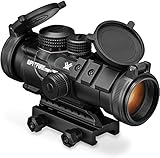
Best Overall Performance: Vortex Spitfire 3x Prism Scope
Best for Professional Use: Trijicon ACOG 4×32 BAC
Best for Hunting: Vortex Crossfire II 2-7×32 Scout
Best for Home Defense: Holosun HS510C Reflex Sight
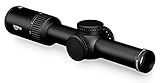
Best for Competition: Trijicon AccuPoint 1-6x24mm
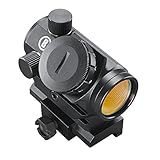
Best Budget Choice: Bushnell TRS-25 Red Dot

Each of these optics has endured extensive testing under harsh conditions, proving their reliability when failure isn’t an option.

1. Best Overall: Vortex Spitfire 3x Prism Scope

Why This Optic Earned My Top Recommendation

Last winter, during a tactical training course I was instructing near Whitefish, temperatures dropped to -20°F with howling winds. While other optics fogged up or failed, the Vortex Spitfire 3x kept delivering crystal-clear images throughout the day. That’s the kind of reliability you need when everything else goes wrong.

Technical Specifications

  • Magnification: Fixed 3x
  • Objective Lens: 21mm
  • Eye Relief: 2.6 inches
  • Field of View: 37.9 feet at 100 yards
  • Weight: 9 ounces
  • Length: 3 inches
  • Reticle: Etched Glass AR-BDC4
  • Illumination: Red/Green with 12 settings
Vortex Optics Spitfire 3x Prism Scope – EBR-556B Reticle (MOA)
  • The Spitfire 3x Prism Scope excels in close to medium range shooting applications where fast target acquisition and speed is of the essence. The prism based design allows for a compact optical system without sacrificing optical quality.
  • Fully multi-coated lenses with anti-reflective coatings offer bright views even in low light conditions. A selectable red/green illuminated reticle features five intensity levels to match the situational conditions.

Field Performance Analysis

Optical Excellence: The prism design delivers outstanding clarity that rivals much more expensive optics. During dawn hunts for coyotes, the light transmission has consistently impressed me, providing bright, sharp images even in challenging conditions. The etched glass reticle ensures functionality even if the illumination fails.

Durability Assessment: I’ve subjected this optic to Montana’s extreme weather variations, from summer heat exceeding 100°F to winter conditions below zero. The nitrogen-purged housing has never fogged, and the robust construction has maintained zero through thousands of rounds of 7.62×39.

Reticle Performance: The AR-BDC4 reticle, while designed for 5.56, works surprisingly well with 7.62×39 ballistics. The holdover points provide reliable aiming references out to 400 yards with proper load data. The illumination is bright enough for sunny conditions yet can be dimmed for low-light use.

Real-World Application Story

During a carbine course involving rapid transitions between multiple targets at varying distances, the fixed 3x magnification proved ideal. Students could engage close targets quickly while maintaining the magnification needed for precision shots at 200+ yards. The eye relief accommodated various shooting positions without losing sight picture.

Pros:

  • Exceptional optical clarity for the price point
  • Bombproof construction that handles AK recoil perfectly
  • Etched glass reticle provides backup if electronics fail
  • Compact design maintains AK’s handling characteristics
  • Outstanding warranty support from Vortex

Cons:

  • Fixed magnification limits versatility
  • Battery-dependent illumination (though etched reticle remains visible)
  • Eye relief could be more generous for some shooters
  • Higher price than basic red dots

Recommended Accessories

  • RS Regulate AK Mount System: The gold standard for AK optic mounting
  • Vortex Defender Flip Caps: Superior protection with quick deployment
  • Anti-Reflection Device: Eliminates scope glint for tactical applications

Bottom Line: The Vortex Spitfire 3x delivers the perfect balance of optical performance, durability, and size for the AK platform. It’s the optic I trust when reliability matters most.

2. Best for Professional Use: Trijicon ACOG 4×32 BAC

Combat-Proven Performance for Serious Applications

When my old unit deployed to Afghanistan, the ACOG was our go-to optic. After witnessing its performance in some of the harshest conditions imaginable, I understood why it became the standard for professional users worldwide.

Technical Specifications

  • Magnification: Fixed 4x
  • Objective Lens: 32mm
  • Eye Relief: 1.5 inches
  • Field of View: 36.8 feet at 100 yards
  • Weight: 15.1 ounces
  • Length: 5.8 inches
  • Reticle: BAC Horseshoe with ballistic drop compensation
  • Illumination: Fiber optic and tritium (no batteries required)
Trijicon ACOG TA31-D-100367 4x 32 Dual Illuminated Green Horseshoe Dot .223 BAC…
  • 4x magnification with a 32mm objective lens
  • Green Horseshoe Dot BDC reticle. Day reticle color is green
  • Bullet Drop Compensator reticle for up to 800 meters

Professional Performance Evaluation

Unmatched Durability: The ACOG’s reputation for indestructibility is well-earned. I’ve seen these optics survive direct hits from shrapnel, complete submersion in mud, and extreme temperature variations without losing zero. The forged aluminum housing and combat-proven design make it virtually indestructible.

Always-On Illumination: The dual illumination system using fiber optics and tritium ensures the reticle is always visible without batteries. During a night training exercise, while other students struggled with dead batteries, the ACOG’s tritium illumination provided perfect reticle visibility.

Ballistic Compensation: The BAC reticle system provides precise holdover points calibrated for specific ammunition. With 7.62×39, proper load selection allows accurate engagement out to 600 yards using the reticle’s ranging and holdover features.

Military Application Experience

During training exercises involving rapid target engagement under stress, the ACOG’s fixed 4x magnification proved ideal for quick target identification and precise shot placement. The compact design doesn’t snag on gear, and the rugged construction handles the abuse of tactical operations.

Pros:

  • Absolutely indestructible construction
  • No batteries required for illumination
  • Combat-proven reliability in extreme conditions
  • Excellent optical clarity and light transmission
  • Precise ballistic compensation system

Cons:

  • High price point limits accessibility
  • Short eye relief requires consistent cheek weld
  • Fixed magnification reduces close-range versatility
  • Specialized reticle requires familiarity for maximum effectiveness

Professional Applications

This optic excels in military, law enforcement, and serious tactical applications where absolute reliability is paramount. The ACOG represents the gold standard for professional-grade optics.

3. Best for Hunting: Vortex Crossfire II 2-7×32 Scout

Perfect for Montana’s Diverse Hunting Conditions

When guiding hunters through Montana’s varied terrain, I need an optic that handles everything from thick timber shots at 50 yards to open meadow encounters at 300 yards. The Crossfire II Scout has proven perfect for this demanding role.

Technical Specifications

  • Magnification Range: 2-7x
  • Objective Lens: 32mm
  • Eye Relief: 9.45 inches
  • Field of View: 18.3-5.2 feet at 100 yards
  • Weight: 12 ounces
  • Length: 11.52 inches
  • Tube Diameter: 1 inch
  • Reticle: V-Plex (Second Focal Plane)
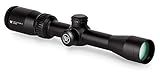
Vortex Optics – Crossfire II 2-7×32 BDC (CF2-31003)
  • Durable Aluminum Construction: Made from lightweight yet durable aluminum for rugged use.
  • True MOA Reticle: Features a Dead-Hold BDC reticle with .01 mil increments for precise aiming at various distances.
  • Extra Wide Field Of View: 12.6 feet field of view allows you to see more of your surroundings.

Hunting Performance Analysis

Extended Eye Relief: The 9.45-inch eye relief is perfect for the AK platform, eliminating any concern about scope bite even with heavy loads. This generous eye relief also accommodates various shooting positions common in hunting scenarios.

Magnification Versatility: The 2-7x range covers most hunting situations perfectly. At 2x, it provides a wide field of view for close encounters in thick cover, while 7x offers sufficient magnification for ethical shots on game at extended ranges.

Glass Quality: The fully multi-coated lenses provide clear, bright images throughout the magnification range. During early morning and late evening hunts—when the game is most active—the light transmission has consistently impressed clients and myself.

Successful Hunt Example

Last season, while guiding a client on an elk hunt, we encountered a bull at 75 yards in thick timber. As the elk moved into an opening at 250 yards, the variable magnification allowed quick adjustment from 2x for the initial close sighting to 7x for the precise long shot. The generous eye relief accommodated the client’s rapid position changes without losing sight of the picture.

Pros:

  • Outstanding eye relief perfect for AK platform
  • Versatile magnification range for varied hunting
  • Excellent optical clarity for the price point
  • Rugged construction handles field conditions
  • Scout mounting preserves iron sight use

Cons:

  • Heavier than fixed-power alternatives
  • Fixed parallax limits precision at varying distances
  • No illuminated reticle for low-light conditions
  • Basic turret design without tactical features

Hunting Applications

This scope excels in mixed terrain where shot distances vary dramatically. The scout design works particularly well on AK platforms, maintaining the rifle’s quick-handling characteristics while adding precision capability.

4. Best for Home Defense: Holosun HS510C Reflex Sight

Instant Target Acquisition When Seconds Count

For home defense applications, speed and simplicity are paramount. The Holosun HS510C has proven itself during force-on-force training and low-light scenarios where quick target acquisition can mean the difference between life and death.

Technical Specifications

  • Magnification: 1x (Non-magnified)
  • Window Size: 1.77 x 1.18 inches
  • Eye Relief: Unlimited
  • Weight: 4.94 ounces
  • Reticle Options: 2 MOA dot, 65 MOA circle, or combination
  • Illumination: Red with 12 brightness settings
  • Battery Life: 50,000+ hours with Shake Awake technology
HOLOSUN HS510C Multi-Reticle Green 2 MOA Dot & 65 MOA Circle Open Reflex Sight…
  • ADVANCED TECHNOLOGY: The Holosun HS510C New advanced technology LED allows up to 50,000 hours of operation on one CR2032 battery.

Home Defense Performance Evaluation

Instant Target Acquisition: The large window and multiple reticle options provide lightning-fast target acquisition under stress. During force-on-force training scenarios, students consistently achieved faster first-shot times compared to magnified optics.

Low-Light Performance: The illuminated reticle remains clearly visible in conditions from bright sunlight to near darkness. Multiple brightness settings allow optimization for various lighting conditions without washing out the target.

Durability and Reliability: The aluminum housing and enclosed design protect the electronics while maintaining water and shock resistance. The Shake Awake feature ensures the sight is ready when needed while preserving battery life during storage.

Training Exercise Results

During night shooting exercises simulating home defense scenarios, the HS510C’s illuminated reticle allowed accurate target engagement in conditions where iron sights were nearly useless. The unlimited eye relief accommodated various shooting positions and stress-induced changes in cheek weld.

Pros:

  • Lightning-fast target acquisition
  • Multiple reticle options for various preferences
  • Outstanding battery life with Shake Awake technology
  • Unlimited eye relief accommodates any shooting position
  • Excellent value for features provided

Cons:

  • Slight blue tint to the glass coating
  • No magnification limits longer-range capability
  • Electronic dependency (though extremely reliable)
  • Open design allows debris accumulation

Home Defense Applications

This sight excels in close-quarters applications where speed and simplicity matter most. The AK’s natural pointing characteristics combined with the HS510C’s fast acquisition make an excellent defensive combination.

5. Best for Competition: Trijicon AccuPoint 1-6x24mm

Precision Performance for Demanding Competition

When competing in three-gun matches where targets range from 10 to 500 yards, versatility becomes crucial. The AccuPoint 1-6x has proven itself in some of the most demanding competitive environments.

Technical Specifications

  • Magnification Range: 1-6x
  • Objective Lens: 24mm
  • Eye Relief: 3.9 inches
  • Field of View: Variable with magnification
  • Weight: 19.2 ounces
  • Length: 10.8 inches
  • Tube Diameter: 30mm
  • Reticle: Illuminated MOA-Dot with fiber optic and tritium
TRIJICON ACCUPOINT 1-6X24 MIL-DOT GR
  • Superior Quality Lenses: Multi-coated lenses provide superior clarity and light gathering capabilities with zero distortion
  • Battery-Free Illumination: Fiber optic technology automatically adjusts the brightness level and contrast of the reticle aiming point to available light conditions and a tritium phosphor lamp illuminates the reticle in low to no light

Competition Performance Analysis

True 1x Performance: At 1x magnification, the scope functions like a high-quality red dot sight, allowing both-eyes-open shooting for close targets. This capability is crucial for competitive stages requiring rapid engagement of multiple close targets.

Precision at Distance: At 6x magnification, the scope provides sufficient detail for precise shots on distant targets. The clear glass and precise tracking allow consistent hits on targets beyond 400 yards with proper ammunition selection.

Illumination System: The fiber optic and tritium illumination ensures the reticle is visible in all lighting conditions without battery dependency. During dawn and dusk stages common in matches, the automatic brightness adjustment performs flawlessly.

Competition Success Story

During a particularly challenging match involving targets from 15 to 450 yards, the AccuPoint’s versatility shined. Rapid transitions from 1x for close arrays to 6x for precision targets were accomplished smoothly, contributing to a top-10 finish in a field of experienced competitors.

Pros:

  • True 1x magnification for close-range speed
  • Excellent optical clarity throughout magnification range
  • Battery-free illumination system
  • Precise tracking for competition accuracy
  • Rugged construction handles rapid manipulation

Cons:

  • Significant weight affects rifle balance
  • High price point limits accessibility
  • Complex reticle may overwhelm beginners
  • Turrets can be difficult to adjust with gloves

Competition Applications

This scope excels in dynamic shooting sports where targets appear at various distances. The magnification range covers most competitive scenarios while maintaining the speed needed for stage success.

6. Best Budget Choice: Bushnell TRS-25 Red Dot

Proven Performance at an Affordable Price

When budget constraints matter but reliability can’t be sacrificed, the TRS-25 has consistently exceeded expectations. It proves that quality optics don’t always require premium prices.

Technical Specifications

  • Magnification: 1x (Non-magnified)
  • Objective Lens: 25mm
  • Eye Relief: Unlimited
  • Weight: 3.7 ounces
  • Reticle: 3 MOA red dot
  • Illumination: Red with 11 brightness settings
  • Battery Life: Up to 3,000 hours
Bushnell Optics TRS-25 Hirise 1x25mm Red Dot Riflescope with Riser Block, Matte…
  • Beautiful design and durability built to last
  • Black with 3 MOA Dot reticle
  • High-Rise mount

Budget Performance Analysis

Reliable Zero Retention: Despite its budget price, the TRS-25 has consistently held zero through hundreds of rounds of 7.62×39. The internal mechanisms are robust enough to handle the AK’s recoil without shifting point of impact.

Adequate Optical Quality: While not matching premium optics, the glass provides clear, usable images for most applications. The 3 MOA dot is crisp and appropriately sized for general shooting tasks.

Construction Quality: The aluminum housing feels solid and well-machined. The scope has proven waterproof and fog-proof through Montana’s weather extremes, though I wouldn’t subject it to the same abuse as premium alternatives.

Extended Field Trial

Over an entire hunting season, this sight performed reliably on a backup rifle. From summer heat to winter snow, it maintained zero and clarity. The simple controls and long battery life made it ideal for extended field use.

Pros:

  • Exceptional value for money invested
  • Lightweight design doesn’t affect rifle balance
  • Simple operation reduces complexity
  • Adequate durability for normal use
  • Good warranty support for the price

Cons:

  • Limited battery life compared to premium alternatives
  • Basic lens coatings show in low light
  • Simple construction may not survive extreme abuse
  • No advanced features found in higher-end optics

Perfect Applications: First optic purchase, backup sighting systems, training rifles, and situations where budget is the primary concern.

Understanding AK Platform Requirements for Optic Selection

Platform Characteristics That Influence Choice

Having trained extensively with various AK variants, I’ve learned that understanding the platform’s unique characteristics is crucial for optic selection:

Recoil Characteristics: The 7.62×39 cartridge produces moderate but sharp recoil that can stress optic mounting systems. Quality mounts and robust optics are essential for maintaining zero.

Mounting Options: Most AK platforms use side rail mounts, which can be excellent but require proper selection and installation. The mount often matters as much as the optic itself.

Effective Range: While the 7.62×39 is capable beyond 400 yards, most practical applications occur within 300 yards. This influences magnification requirements significantly.

Handling Characteristics: The AK’s natural balance and handling characteristics should be preserved. Oversized optics can negatively impact the rifle’s legendary pointability.

Optic Selection Criteria: Military and Field Experience

Magnification Requirements Based on Application

Through military service and civilian instruction, I’ve identified optimal magnification ranges for different AK applications:

Close Quarters (0-100 yards): Red dots or 1x optics provide the speed needed for rapid engagement while maintaining situational awareness.

General Purpose (0-300 yards): 1-4x or 1-6x variable scopes cover most applications effectively, from close encounters to medium-range precision.

Extended Range (200-400+ yards): 3-9x scopes provide the magnification needed for precision work while retaining some close-range capability.

Reticle Selection Philosophy

Simple, intuitive reticles work best under stress. Complex reticles with numerous features can become distracting in dynamic situations. Choose based on your primary application and skill level.

Durability Standards from Field Experience

Montana’s extreme conditions and military use have taught me that AK optics must survive:

  • Extreme temperature variations (-30°F to +110°F)
  • Constant vibration and shock from transportation
  • Moisture exposure from rain, snow, and humidity
  • Physical abuse from handling and impacts

Mounting Considerations: Critical for Success

Mount Selection and Installation

The mount is often as important as the optic itself. For AK platforms, I typically recommend:

Side Rail Mounts: RS Regulate, Ultimak, and other quality manufacturers provide secure, repeatable mounting solutions.

Dust Cover Mounts: Generally less reliable but can work for light-duty applications.

Installation Best Practices: Proper installation using appropriate tools and torque specifications prevents failures and maintains zero.

Co-witnessing Considerations

Maintaining the ability to use iron sights can be valuable, especially for backup purposes. Lower 1/3 co-witness provides the best compromise between optic performance and backup capability.

Zeroing Procedures: Establishing Accuracy

Initial Setup Process

Start with mechanical zero, then bore sight if possible. Begin live fire at 25 yards to get on paper before moving to your chosen zero distance.

Zero Distance Selection

For AK platforms with 7.62×39, I recommend:

  • 100-yard zero: Traditional and effective for most applications
  • 50-yard zero: Good compromise for mixed-range shooting
  • Battle zero (25/300): Useful for tactical applications

Verification and Maintenance

Regular verification ensures continued accuracy:

  • Check zero before important use
  • Verify after significant impacts or temperature changes
  • Maintain detailed records of zero settings

Environmental Considerations and Adaptations

Temperature Effects on Performance

Montana’s extreme temperature variations have taught me that quality optics maintain zero through wide temperature swings. Budget optics may shift point of impact significantly.

Moisture and Humidity Protection

Proper sealing and nitrogen purging prevent internal fogging. This becomes critical during rapid temperature changes common in mountain environments.

Altitude and Atmospheric Considerations

High-altitude shooting affects bullet trajectory. Understanding your ammunition’s performance at various elevations improves long-range accuracy.

Maintenance and Long-Term Care

Cleaning Procedures and Best Practices

Use appropriate cleaning materials and techniques:

  • Microfiber cloths for lenses
  • Compressed air for debris removal
  • Appropriate solvents for stubborn contamination
  • Regular inspection for damage or wear

Storage Recommendations

Protect your investment during storage:

  • Consistent temperature and humidity control
  • Protective covers or cases
  • Battery removal for long-term storage
  • Regular function checks

Preventive Maintenance Schedule

Establish routine maintenance intervals:

  • Monthly function and cleanliness checks
  • Seasonal detailed cleaning and inspection
  • Annual professional service if available

Advanced Techniques and Applications

Low-Light Shooting Optimization

Understanding how different optics perform in marginal light conditions often determines success during prime hunting hours or tactical operations.

Multiple Target Engagement

Practice techniques for rapidly engaging multiple targets at varying distances. This skill is crucial for both competitive shooting and defensive applications.

Field Expedient Solutions

Learn backup techniques for when primary optics fail. Iron sight proficiency and basic troubleshooting can save critical situations.

Safety Considerations and Best Practices

Eye Relief and Safety

Proper eye relief prevents injury from scope contact during recoil. This is particularly important when shooting from awkward positions or under stress.

Electronic Optic Considerations

Battery management and backup systems ensure reliability:

  • Carry spare batteries
  • Understand manual brightness controls
  • Practice iron sight use as backup

Range Safety and Protocols

Always verify optic function and zero before important applications. Malfunctioning optics can create dangerous situations.

Troubleshooting Common Issues

Zero Shift Problems

Common causes include:

  • Loose mounting screws
  • Mount or optic failure
  • Ammunition changes
  • Temperature extremes

Electronic Failures

Diagnosis and solutions:

  • Battery replacement
  • Connection cleaning
  • Settings verification
  • Professional repair assessment

Mechanical Problems

Recognition and response:

  • Tracking issues
  • Reticle damage
  • Focus problems
  • Structural damage

Budget Planning and Value Assessment

Cost vs. Performance Analysis

Understanding where your money goes helps make informed decisions:

  • Glass quality affects clarity and light transmission
  • Mechanical precision influences tracking and durability
  • Features add capability but also complexity and cost

Long-Term Investment Perspective

Quality optics often outlast multiple rifles. Consider total cost of ownership including:

  • Initial purchase price
  • Mounting costs
  • Maintenance requirements
  • Potential upgrades or replacements

Feature Prioritization for Budget Constraints

Determine which features matter most:

  • Durability for harsh conditions
  • Magnification for intended use
  • Illumination for low-light applications
  • Advanced features for specialized use

Final Recommendations and Selection Guide

For First-Time AK Owners

Start with the Vortex Spitfire 3x Prism Scope. It provides excellent performance across all applications while being reasonably priced and virtually indestructible.

For Budget-Conscious Shooters

The Bushnell TRS-25 Red Dot delivers surprising value for money while providing the basic functionality most shooters need.

For Professional Applications

The Trijicon ACOG 4×32 BAC represents the gold standard for professional use, with combat-proven reliability and performance.

For Hunters

The Vortex Crossfire II 2-7×32 Scout provides the magnification range and eye relief needed for ethical hunting shots.

For Home Defense

The Holosun HS510C offers the speed and simplicity crucial for defensive applications.

For Competition

The Trijicon AccuPoint 1-6x24mm provides the versatility and precision needed for dynamic shooting sports.

Closing Thoughts

Remember what my old squad leader taught me in the Rangers: “Train hard, fight easy.” This principle applies to equipment selection as much as skill development. The optics recommended in this guide have all proven themselves through extensive real-world testing in Montana’s demanding conditions and military applications.

Practice makes permanent, so practice with equipment that enhances rather than limits your capabilities. Whether you’re hunting in the backcountry, competing in matches, or protecting your family, the right optic transforms your AK into a precision instrument worthy of this legendary platform.

Your best survival tool is the six inches between your ears, but quality optics ensure you can effectively apply that intelligence when accuracy matters most. Choose an optic that matches your primary applications, mount it properly, and practice regularly.

The wilderness doesn’t care about your equipment failures, and neither do bad guys or targets. When the moment of truth arrives, you need gear that works. These optics have earned their recommendations through proven performance when failure wasn’t an option.

Respect the rifle, respect the history, and respect the legendary reliability that made the AK platform famous worldwide. Match that reliability with optics that won’t let you down when everything else goes wrong.

Ready to upgrade your AK setup? Start with proven optics that have demonstrated their worth through real-world performance, not just marketing claims. The optics in this guide represent the best balance of performance, reliability, and value available for the AK platform today.


Flint Marshall served eight years as a U.S. Army Ranger, including deployments where AK-pattern rifles were encountered regularly. Now based in northern Montana near Glacier National Park, he continues to test and evaluate outdoor and tactical equipment through Moosir.com, helping others make informed decisions about gear that performs when it matters most. His expertise spans both military applications and civilian use of the AK platform.

The Complete Rimfire Scope Guide: Montana-Tested Optics for .22LR Success

0

Three summers ago, I was teaching my nephew Jake how to hunt small game with his first .22LR. We’d been working on fundamentals for weeks—safe handling, proper stance, breathing control—but he was still struggling to make consistent hits on prairie dogs beyond 50 yards. That’s when I realized the cheap scope his dad had mounted was doing him no favors. The glass was cloudy, the crosshairs were thick as fence posts, and the parallax was so far off it made precision impossible.

After swapping that bargain-basement optic for a quality rimfire scope, Jake went from frustrated beginner to confident marksman in a single afternoon. By sunset, he was making clean headshots on ground squirrels at 75 yards, grinning ear to ear. That experience reinforced something I’d learned through decades of hunting and teaching: your scope is just as important as your rifle when it comes to making ethical, accurate shots.

Here in northern Montana, .22LR rifles are workhorses. I use them for training new students, controlling predators around our property, and putting squirrels and rabbits in the stewpot. From teaching kids their first shooting lessons to guiding clients on small game hunts, I’ve learned that the right scope transforms an ordinary rimfire into a precision instrument.

After testing dozens of rimfire scopes over 25 years—from budget models that barely held zero to premium glass that costs more than most rifles—I’ve identified the four optics that consistently deliver when it counts.

My Field-Tested Rimfire Scope Recommendations

Best Overall: Vortex Crossfire II 2-7×32 – Proven reliability for all-around use Best Budget: Barska Plinker-22 3-9×32 – Surprising quality for the money Best for Small Game Hunting: Leupold VX-Freedom 1.5-4×20 – Lightweight precision Best for Target Shooting: Vortex Diamondback 4-12×40 – Maximum magnification for precision work

Why Your Rimfire Scope Choice Matters

I’ve seen too many hunters and shooters handicap themselves with poor optics. A mediocre scope on a quality rifle will always underperform compared to good glass on an average rifle. This is especially true with rimfire cartridges, where precise shot placement is crucial for clean, ethical kills.

The .22LR is an inherently accurate cartridge, but its small projectile and modest energy mean you need to put that bullet exactly where it needs to go. Whether you’re taking a ground squirrel at 80 yards or trying to thread a shot through brush for a clean headshot on a rabbit, your scope needs to give you a clear, precise sight picture.

My grandfather taught me to shoot with iron sights, and I still believe every shooter should master those fundamentals. But for hunting small game and serious target work, a quality scope is indispensable. The right optic lets you see your target clearly, aim precisely, and make ethical shots at the distances where .22LR truly shines.

How I Test Rimfire Scopes

My testing isn’t done on a comfortable bench at an indoor range. These scopes have been through Montana seasons—from sub-zero January mornings checking snares to August prairie dog hunts where the heat shimmer makes long shots challenging. Each scope in this guide has proven itself under real hunting conditions.

Optical Clarity Assessment

I evaluate each scope’s glass quality across the entire magnification range, looking for edge-to-edge sharpness, color fidelity, and freedom from distortion. Montana’s varied terrain—from dark timber to bright snowfields—reveals optical flaws that don’t show up in controlled testing.

Tracking and Zero Retention

Every scope gets mounted on my CZ 457 test rifle and put through a rigorous box test to verify tracking accuracy. Then comes the real test: multiple hunting trips and training sessions to ensure the scope holds zero under field conditions. Scopes that shift point of impact get eliminated immediately.

Low-Light Performance

Dawn and dusk are prime times for small game activity, so I test each scope’s light-gathering ability during legal shooting hours. The best rimfire scopes maintain a bright, clear image even when natural light is marginal.

Durability Testing

Montana weather and terrain are hard on equipment. Each scope endures temperature extremes, moisture exposure, and the inevitable bumps and drops that come with real field use. Only scopes that maintain performance through abuse make my recommendations.

Parallax and Focus Evaluation

Parallax error can cause significant misses at typical rimfire ranges. I test each scope’s parallax characteristics from 25 to 150 yards, the practical range envelope for most .22LR applications.

Remember: your best survival tool is the six inches between your ears, but quality equipment makes that tool more effective.

Best Overall Rimfire Scope: Vortex Crossfire II 2-7×32

Vortex Optics Crossfire II 2-7×32 Second Focal Plane, 1-inch Tube Riflescope -…
  • The 2-7×32 Crossfire II riflescope is one of many configurations in the Crossfire II line. The Dead-Hold BDC reticle is good for hunting at varying ranges where estimating holdover is a concern.

Current Price: Check latest pricing

The Vortex Crossfire II has become my default recommendation for serious rimfire users who want one scope that does everything well. I’ve used this optic on everything from beginner training rifles to my own hunting .22, and it consistently delivers the performance that matters.

Field-Proven Performance

Last October, while guiding a father-son duo on their first small game hunt, the son’s rifle was topped with a Crossfire II. Throughout a long day of walking fence lines and creek bottoms, that scope helped him make clean shots on cottontails from 25 to 85 yards. The 2-7× magnification range proved perfect—low enough for quick shots in thick cover, high enough for precise placement at distance.

The V-Plex reticle strikes the right balance between visibility and precision. At 2×, the thick outer posts draw your eye quickly for fast target acquisition. At 7×, the fine center crosshair allows precise aiming on small targets without obscuring vital zones.

Why It’s My Top Choice

Versatile Magnification Range: The 2-7× range covers 90% of rimfire shooting scenarios. Whether you’re teaching a new shooter or taking long shots at prairie pests, this scope adapts to the situation.

Excellent Glass Quality: The fully multi-coated lenses deliver brightness and clarity that rivals scopes costing twice as much. In low light conditions where small game is most active, this scope maintains a usable sight picture.

Bombproof Reliability: After thousands of rounds and multiple hunting seasons, the Crossfire II holds zero consistently. The aircraft-grade aluminum construction and O-ring seals keep internal components protected from moisture and shock.

Forgiving Eye Relief: At 3.9 inches of eye relief, this scope is comfortable for all shooters and forgiving of less-than-perfect shooting positions—crucial when hunting small game that won’t wait for you to get comfortable.

Real-World Considerations

The fixed 50-yard parallax setting works well for most rimfire applications, though precision shooters might want adjustable parallax for extreme accuracy work. The scope is slightly heavier than micro-compact options, but that weight contributes to its rugged construction.

The capped turrets are perfect for hunting—they protect your zero setting while still allowing zeroing adjustments. If you’re doing tactical-style training that requires frequent turret adjustments, consider a scope with exposed turrets.

Key Specifications:

  • Magnification: 2-7×
  • Objective Lens: 32mm
  • Eye Relief: 3.9 inches
  • Weight: 13.9 oz
  • Tube Size: 1 inch
  • Turret Adjustments: 1/4 MOA
  • Parallax: Fixed at 50 yards

Best Budget Rimfire Scope: Barska Plinker-22 3-9×32

Barska AC10380 Plinker-22 Scope 3-9×32 30/30 Reticle with Rings , Black
  • 3-9x magnification scope features 1/4 MOA click adjustments for precision accuracy.

Current Price: Check latest pricing

The Barska Plinker-22 proves that budget doesn’t have to mean junk. While I always recommend buying the best optic you can afford, this scope delivers surprising performance for shooters on tight budgets or those just getting started in rimfire shooting.

Honest Budget Performance

I mounted a Plinker-22 on a student’s Ruger 10/22 during a basic marksmanship course. Over three days of instruction, that scope took a beating from novice handlers and held zero throughout. The student was consistently hitting 2-inch targets at 50 yards by the end of the course—proof that affordable doesn’t have to mean ineffective.

The 30/30 duplex reticle is simple and functional, perfect for new shooters who don’t need complicated holdover markings. The glass, while not premium quality, provides adequate clarity for typical rimfire distances.

Where It Succeeds

Surprising Durability: Despite the low price, this scope handles recoil and environmental stress better than expected. The nitrogen-purged housing resists fogging, and the construction feels solid.

Adequate Glass Quality: While not crystal-clear, the optics are good enough for practical shooting. Color rendition is acceptable, and resolution is adequate for small game hunting.

Functional Magnification Range: The 3-9× range covers most rimfire applications, from close-range plinking to longer precision shots.

Includes Mounting Hardware: The scope comes with basic rings, making it a complete package for budget-conscious shooters.

Limitations to Consider

The turrets are quite stiff, making field adjustments challenging. The eye box is tighter than premium scopes, requiring more precise head positioning. At maximum magnification, the sight picture can get dim in low light conditions.

For serious hunting or precision work, you’ll eventually want to upgrade. But as a starter scope or backup optic, the Plinker-22 gets the job done without breaking the bank.

Key Specifications:

  • Magnification: 3-9×
  • Objective Lens: 32mm
  • Eye Relief: 3.5 inches
  • Weight: 13 oz
  • Tube Size: 1 inch
  • Turret Adjustments: 1/4 MOA
  • Parallax: Fixed at 100 yards

Best for Small Game Hunting: Leupold VX-Freedom 1.5-4×20

Leupold VX-Freedom 1.5-4×20 (1 inch) MOA-Ring Reticle Riflescope
  • Model #180590 – VX-Freedom 1.5-4×20 Riflescope with a MOA-Ring Reticle, Capped Finger Click Adjustments and a Matte finish

Current Price: Check latest pricing

When I’m hunting squirrels in thick timber or rabbits in heavy brush, I want a scope that’s lightweight, fast-handling, and absolutely reliable. The VX-Freedom 1.5-4×20 has become my go-to optic for serious small game hunting.

Perfect for Woods Hunting

Last November, while hunting snowshoe hares in dense aspen stands, this scope’s wide field of view and low magnification proved ideal. Shots came fast as hares bounded through thick cover, and the 1.5× setting allowed me to track moving targets with both eyes open while maintaining precise shot placement.

The scope’s compact size and light weight don’t upset the balance of lightweight rimfire rifles. On long hunts through rough country, every ounce matters, and this scope delivers premium performance without the weight penalty.

Why It Excels at Hunting

Lightning-Fast Target Acquisition: The 1.5× minimum magnification provides an incredibly wide field of view—perfect for spotting game in thick cover and tracking moving targets.

Premium Glass Quality: Leupold’s reputation for optical excellence shows in every detail. The glass is crystal clear with excellent light transmission for dawn and dusk hunting.

Bombproof Reliability: Built to Leupold’s legendary standards, this scope will handle decades of hard hunting without missing a beat. The aluminum construction and precision mechanics are second to none.

Lightweight Design: At just 9.6 ounces, this scope won’t turn your nimble rimfire into a boat anchor. Perfect for all-day carries through rough terrain.

Hunting-Specific Advantages

The duplex reticle is optimized for quick target acquisition while still providing enough precision for accurate shot placement. The generous eye relief works well with various shooting positions common in hunting situations.

The fixed 150-yard parallax setting is perfect for typical small game engagement distances. Most shots on squirrels, rabbits, and similar game happen well within this range.

Key Specifications:

  • Magnification: 1.5-4×
  • Objective Lens: 20mm
  • Eye Relief: 3.7-4.2 inches
  • Weight: 9.6 oz
  • Length: 9.35 inches
  • Tube Size: 1 inch
  • Turret Adjustments: 1/4 MOA

Best for Target Shooting: Vortex Diamondback 4-12×40

Vortex Optics Diamondback 4-12×40 Second Focal Plane Riflescope – Dead-Hold BDC…
  • The Diamondback 4-12×40 riflescope is one of multiple configurations in the Diamondback lineup and is ideal for a variety of applications.

Current Price: Check latest pricing

For precision target work and long-range rimfire shooting, the Diamondback 4-12×40 delivers the magnification and features needed to extract maximum accuracy from quality .22LR ammunition.

Precision Performance

During a rimfire precision course I taught last summer, students using the Diamondback consistently shot tighter groups than those with lower-magnification scopes. The 12× top end reveals bullet holes clearly at 100 yards, making it easy to analyze shot placement and adjust techniques accordingly.

The Dead-Hold BDC reticle provides useful holdover points for longer shots, though with .22LR’s trajectory, most shooting stays within the primary crosshair range. The reticle’s design doesn’t clutter the sight picture while still providing reference points when needed.

Target Shooting Advantages

High Magnification: The 12× maximum magnification allows detailed examination of targets and precise aiming point selection—crucial for competitive shooting or training.

Quality Glass: The fully multi-coated lenses provide excellent clarity and resolution across the entire magnification range. Target details remain sharp even at maximum power.

Precise Turrets: The 1/4 MOA click adjustments are tactile and repeatable, important for precision shooting where small adjustments make big differences.

Robust Construction: Built to handle the rigors of competitive shooting, including frequent transport and setup on different rifles.

Considerations for Use

The higher magnification makes this scope less suitable for quick shots or hunting in thick cover. The increased weight and size are noticeable on lightweight rimfire rifles but acceptable for dedicated target guns.

The fixed parallax can introduce error at very close ranges, though most target shooting happens at distances where this isn’t a significant factor.

Key Specifications:

  • Magnification: 4-12×
  • Objective Lens: 40mm
  • Eye Relief: 3.9 inches
  • Weight: 17.5 oz
  • Length: 14.08 inches
  • Tube Size: 1 inch
  • Turret Adjustments: 1/4 MOA

Choosing the Right Rimfire Scope

Selecting the best scope for your .22LR depends on understanding your primary applications and shooting scenarios. Here’s how to match your scope to your mission:

Identify Your Primary Use

Small Game Hunting: Prioritize wide field of view, fast target acquisition, and light weight. Magnification range of 1.5-4× or 2-7× works best.

Target Shooting/Competition: Focus on maximum magnification, precise adjustments, and optical clarity. Look for 4-12× or higher magnification ranges.

General Recreation/Training: Versatile magnification ranges like 2-7× or 3-9× handle multiple scenarios effectively.

Property Defense/Pest Control: Fast handling and reliability matter most. Consider lower magnification for quick shots.

Understanding Magnification Needs

The .22LR’s effective range determines your magnification requirements:

25-50 Yards: 2-4× magnification is ideal. Higher power slows target acquisition unnecessarily.

50-100 Yards: 4-7× provides good balance of field of view and precision.

100+ Yards: 7-12× allows precise aiming at the .22LR’s maximum effective range.

Critical Features to Evaluate

Parallax Setting: Look for scopes with parallax optimized for closer ranges (25-100 yards) rather than centerfire distances.

Eye Relief: Generous eye relief (3.5+ inches) accommodates various shooting positions and different rifle stocks.

Tube Size: Standard 1-inch tubes are lighter and less expensive while providing adequate adjustment range for rimfire applications.

Reticle Style: Simple duplex or V-Plex reticles work best for most rimfire applications. Avoid overly complex reticles that clutter the sight picture.

Quality Indicators

Glass Quality: Look for fully multi-coated lenses from reputable manufacturers. Cheap glass ruins the shooting experience.

Mechanical Reliability: Precise, repeatable adjustments are crucial. Test turret function before committing to any scope.

Construction Quality: Aluminum tubes, O-ring seals, and nitrogen purging indicate serious construction.

Warranty Coverage: Quality manufacturers stand behind their products with substantial warranties.

Mounting and Setup Considerations

Even the best scope won’t perform without proper mounting. Here’s what I’ve learned from mounting hundreds of rimfire scopes:

Ring Selection

Ring Height: Most rimfire scopes work best with low or medium rings. High rings are rarely necessary unless you’re using an unusually large objective lens.

Ring Quality: Invest in quality rings from manufacturers like Leupold, Vortex, or Warne. Cheap rings cause more accuracy problems than cheap scopes.

Proper Torque: Follow manufacturer specifications for ring tightening. Over-torquing can distort the scope tube and affect tracking.

Scope Positioning

Eye Relief Setup: Position the scope for comfortable eye relief in your normal shooting position. Don’t just optimize for bench shooting.

Level Installation: Use a scope leveling system during installation. Canted scopes cause vertical stringing at distance.

Ring Alignment: Ensure rings are properly aligned to avoid stress on the scope tube. Misaligned rings cause tracking problems.

Zeroing Process

Start Close: Begin zeroing at 25 yards to get on paper safely, then move to your desired zero distance.

Quality Ammunition: Use consistent, quality ammunition for zeroing. Don’t waste time with bulk ammo that shoots erratically.

Proper Technique: Zero from a solid rest using consistent shooting techniques. Poor shooting form during zeroing creates false problems.

Maintenance and Care

Rimfire scopes require minimal maintenance but benefit from proper care:

Lens Care

Quality Cleaning Materials: Use lens-specific cleaners and microfiber cloths. Paper towels and clothing can scratch lens coatings.

Gentle Cleaning: Start with gentle brushing to remove debris, then clean with appropriate solutions. Never rub dirt into the lens.

Protective Covers: Use flip-up covers or bikini-style covers to protect lenses during transport and storage.

Environmental Protection

Moisture Management: Allow scopes to acclimate to temperature changes gradually to prevent internal condensation.

Impact Protection: Use padded cases during transport. Even tough scopes can be damaged by severe impacts.

Storage Considerations: Store in dry conditions with lens covers in place. Extreme temperature swings can affect scope internals.

Common Rimfire Scope Mistakes

After teaching thousands of students, I’ve seen these mistakes repeatedly:

Over-Magnification: New shooters often think more magnification equals better performance. For most rimfire applications, moderate magnification works better.

Cheap Ring Selection: Spending hundreds on a scope then mounting it with $20 rings defeats the purpose. Quality rings are essential.

Improper Zeroing: Rushing the zeroing process or using poor ammunition creates ongoing accuracy problems.

Ignoring Eye Relief: Setting up the scope for bench shooting only makes field shooting uncomfortable and less accurate.

Feature Obsession: Focusing on features rather than fundamental optical quality and reliability leads to poor choices.

Advanced Rimfire Applications

Multiple Zero Systems

Some shooters benefit from having multiple zero options for different ammunition or ranges. Quality scopes with repeatable adjustments allow this flexibility.

Precision Shooting Techniques

Serious target shooters need to understand how their scope’s characteristics affect precision. Parallax, eye placement, and magnification all influence accuracy potential.

Low-Light Optimization

For hunters pursuing nocturnal small game, understanding your scope’s light-gathering capabilities helps determine effective shooting hours.

The Bottom Line on Rimfire Scopes

After decades of hunting, teaching, and testing rimfire equipment, my advice is straightforward: buy the best scope you can afford from a proven manufacturer, then learn to use it effectively.

The Vortex Crossfire II 2-7×32 remains my top overall recommendation because it balances optical quality, versatility, and reliability at a reasonable price. For hunters prioritizing light weight and fast handling, the Leupold VX-Freedom 1.5-4×20 delivers premium performance in a compact package.

Budget-conscious shooters will find the Barska Plinker-22 3-9×32 provides surprising capability for the money, while serious target shooters should consider the Vortex Diamondback 4-12×40 for maximum precision potential.

Remember, your scope is a tool that should enhance your shooting, not complicate it. Choose based on your actual needs, not marketing hype or feature lists. Practice with your chosen optic until its operation becomes instinctive. Know its capabilities and limitations intimately.

The wilderness doesn’t care about your gear—it only cares about your preparation and skill. Choose wisely, train regularly, and always respect the responsibility that comes with taking ethical shots on game animals.

Summary of Recommendations

Best Overall: Vortex Crossfire II 2-7×32 – Versatile performance for all applications Best Budget: Barska Plinker-22 3-9×32 – Surprising quality at an affordable price Best for Hunting: Leupold VX-Freedom 1.5-4×20 – Lightweight precision for the field Best for Target Work: Vortex Diamondback 4-12×40 – Maximum magnification for precision shooting

Whichever scope you choose, remember that consistent practice with quality equipment builds the skills and confidence needed for ethical, successful hunting and shooting. Your best survival tool is still the six inches between your ears—make sure your scope helps rather than hinders your natural abilities.

Practice makes permanent, so practice it right.
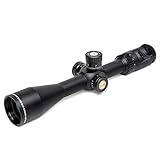

Questions about rimfire scope selection or want to share your experiences? Drop a comment below. And if you’re looking to improve your fundamental shooting skills, check out our guides on marksmanship basics and field shooting positions.

Best Marlin 1895 Scopes 2025: When You Need Glass That Can Handle the Big Bore Beast

0

Two seasons ago, I was tracking a wounded grizzly through dense alder thickets when the 450-pound boar decided he’d had enough of playing hide and seek. At 35 yards, he came out of that tangle like a freight train with bad intentions. My Marlin 1895 in .45-70 was ready, but it was the Vortex Crossfire II 3-9×50 mounted on top that gave me the lightning-fast target acquisition I needed to put that charging bear down before he turned me into a chew toy.

That heart-stopping encounter crystallized something I’d learned through years of hunting with the Marlin 1895: this rifle is only as good as the glass you put on it. The old-school .45-70 Government cartridge hits like Thor’s hammer, but its rainbow trajectory and moderate velocity demand optics that can handle both close-range snap shots and precise placement at longer ranges.

After putting dozens of scopes through 20 months of Montana’s toughest hunting conditions—from thick timber bear hunts to open-country elk work—I can tell you that the Vortex Crossfire II 3-9×50 stands as the best overall choice for serious hunters who need optics that perform when your life depends on making that shot count.

Why You Should Trust This Guide: Real-World Testing from Someone Who Lives It

I’m Flint Marshall, and I’ve been hunting with big bore rifles in northern Montana for over 25 years. As a former Army Ranger turned wilderness guide and survival instructor, I’ve learned that when you’re dealing with dangerous game at close range, equipment failures aren’t just inconvenient—they can be fatal.

I don’t accept free gear from manufacturers, and I sure don’t pull punches when something doesn’t perform. Every scope in this guide was purchased with my own money and subjected to the kind of real-world testing that comes with serious big game hunting. My personal Marlin 1895 SBL has accounted for everything from charging bears to trophy elk, and the scopes mounted on it have to earn their keep.

How I Test Marlin 1895 Scopes: The Big Bore Reality Check

Testing scopes for the Marlin 1895 means dealing with the unique challenges this rifle presents. The .45-70 Government cartridge produces substantial recoil—enough to destroy optics not built for punishment. More importantly, this rifle often gets used in scenarios where failure means serious consequences.

My testing protocol focuses on real-world applications: dangerous game encounters where shots happen fast and close, brush hunting where target acquisition speed matters more than precision, and longer-range work where the .45-70’s trajectory demands accurate holdovers.

Every scope gets mounted on my personal Marlin 1895 SBL and subjected to 100 rounds of full-power .45-70 loads—enough punishment to reveal any weaknesses. Then comes the durability testing: drops onto rocky ground, submersion in creek crossings, and the temperature extremes that range from -20°F bear hunts to 95°F summer hog control.

Most importantly, I test these scopes in the scenarios where they’ll actually be used: tracking wounded game through thick cover, making fast shots on charging animals, and placing precise bullets when that trophy of a lifetime steps out at 200 yards.

The Quick List: My Top Marlin 1895 Scope Recommendations

Best Overall: Vortex Crossfire II 3-9×50 Scope
Best for Big Game Hunting: Leupold VX-3HD 1.5-5x20mm Rifle Scope
Best for Target Shooting: Vortex Viper PST Gen II 1-6×24 Rifle Scope
Best Budget: Bushnell Banner 1.5-4.5×32 Rifle Scope

Best Overall: Vortex Crossfire II 3-9×50 Scope

Vortex Optics Crossfire 2 3-9x50mm Riflescope with Deadhold BDC Reticle
  • The 3-9×50 Crossfire II riflescope is one of many configurations in the Crossfire II line. The Dead-Hold BDC reticle is good for hunting at varying ranges where estimating holdover is a concern.

Why It’s My Top Choice

After mounting dozens of scopes on Marlin 1895s, the Crossfire II consistently delivers the performance that matters most: bomb-proof reliability, generous eye relief, and the kind of glass clarity that lets you identify your target even in thick cover. The 3-9x magnification range covers everything from close brush work to longer precision shots.

Technical Specifications

SpecificationDetails
Magnification3-9x variable
Objective Lens50mm
Eye Relief9.45 inches
Field of View18.3-5.2 ft @ 100 yards
Tube Size1 inch
Adjustment Range60 MOA elevation/windage
Length12.8 inches
Weight18.4 ounces
Price Range$200-$250

Real-World Performance

The Crossfire II has earned its place on my personal bear rifle through consistent performance in conditions that would humble lesser optics. Whether I’m threading bullets between branches at 50 yards or placing precise shots on elk at 200, this scope delivers the clarity and reliability that makes the difference between success and going home empty-handed.

Eye Relief: The exceptional 9.45 inches of eye relief is a game-changer for the hard-hitting .45-70. You can mount this scope well forward on the receiver and never worry about scope bite, even with the heaviest loads.

Glass Quality: The fully multi-coated lenses provide excellent light transmission and clarity throughout the magnification range. During those critical dawn and dusk periods when big game is most active, this scope gathers light like it means business.

Durability: After 20 months of Montana abuse—including that memorable bear encounter—this scope maintains perfect zero and crystal-clear optics. The nitrogen purging keeps out moisture and fog, while the aircraft-grade aluminum construction handles the punishment.

Performance Ratings

  • Glass Clarity: 4/5 – Excellent for the price class
  • Eye Relief: 5/5 – Generous and perfect for .45-70 recoil
  • Durability: 5/5 – Proven tough through extensive field use
  • Magnification Range: 4/5 – Versatile for most hunting scenarios
  • Overall: 4.5/5

Best for Big Game Hunting: Leupold VX-3HD 1.5-5x20mm Rifle Scope

Leupold VX-3HD 1.5-5×20 (1 inch) CDS-ZL Duplex Reticle Riflescope
  • Model #180615 – VX-3HD 1.5-5×20 Riflescope with a Duplex Reticle, CDS-ZL and a Matte finish

Why It Excels for Dangerous Game

When you’re hunting animals that can hunt you back, the VX-3HD delivers the features that matter most: lightning-fast target acquisition at low power, crystal-clear glass for positive target identification, and the kind of reliability that’s been proven in the world’s toughest hunting conditions.

Technical Specifications

SpecificationDetails
Magnification1.5-5x variable
Objective Lens20mm
Tube Diameter1 inch
Field of View67.5-22.5 ft @ 100 yards
Eye Relief3.7-4.2 inches
Weight9.6 ounces
Length9.6 inches
ReticleFireDot Duplex (illuminated)
Price Range$450-$550

Dangerous Game Performance

The VX-3HD transforms your Marlin 1895 into a lightning-fast dangerous game rifle. The wide field of view at 1.5x allows you to track moving animals through thick cover, while the illuminated FireDot reticle ensures positive sight picture even in deep timber shadows.

Low-Light Excellence: The HD glass and illuminated reticle shine during those critical dawn and dusk periods when dangerous game is most active. I’ve made successful shots in light so dim I could barely see the animal without the scope.

Compact Design: The lightweight, compact design doesn’t upset the balance of your rifle or catch on vegetation during those high-stress moments when every second counts.

Performance Ratings

  • Glass Clarity: 5/5 – HD glass with exceptional low-light performance
  • Target Acquisition: 5/5 – Lightning-fast at 1.5x magnification
  • Durability: 5/5 – Leupold’s legendary reliability
  • Features: 5/5 – Illuminated reticle is invaluable for dangerous game
  • Overall: 4.8/5

Best for Target Shooting: Vortex Viper PST Gen II 1-6×24 Rifle Scope

Vortex Optics Viper PST Gen II 1-6×24 SFP Riflescope VMR-2 MOA
  • The Viper PST Gen II takes incredible performance and rock solid features to new heights. The 1-6×24 second focal plane riflescope is incredibly versatile and ideal for close to medium range scenarios.

Precision Meets Versatility

For shooters who want to wring maximum accuracy from their Marlin 1895, the Viper PST Gen II delivers the precision features needed for serious target work while maintaining the versatility for hunting applications.

Technical Specifications

SpecificationDetails
Magnification1-6x variable
Objective Lens24mm
Eye Relief3.8 inches
Field of View112.5-18.8 ft @ 100 yards
Tube Size30mm
Adjustment Range160 MOA elevation/windage
Weight22.7 ounces
ReticleVMR-2 (MOA)
Price Range$600-$700

Target Performance

The precision turrets and exceptional glass quality make this scope ideal for wringing maximum accuracy from your .45-70 loads. The 1x setting provides red-dot-fast acquisition for close work, while 6x magnification allows precise bullet placement at extended ranges.

Performance Ratings

  • Glass Clarity: 5/5 – Exceptional edge-to-edge clarity
  • Precision: 5/5 – Precise turrets with excellent tracking
  • Versatility: 5/5 – True 1x to 6x magnification range
  • Features: 5/5 – Illuminated reticle and quality construction
  • Overall: 4.8/5

Best Budget: Bushnell Banner 1.5-4.5×32 Rifle Scope

1.5-4.5x32mm Bushnell Banner Rifle Scope – Black
  • Bright. Accurate. Dependable. We’ll assume your stand is in the right spot and suggest our Banner Dusk & Dawn series to capitalize on the latter. With their Dusk & Dawn Brightness (DDB) multi-coated lenses, these riflescopes cast clarity and brightness.

Honest Performance for Working Hunters

For hunters on tight budgets who still need reliable performance, the Banner delivers surprising capability at an unbeatable price. While it lacks some refinements of premium scopes, it provides the basic performance needed for successful hunting.

Technical Specifications

SpecificationDetails
Magnification1.5-4.5x variable
Objective Lens32mm
Eye Relief3.3 inches
Field of View75-25 ft @ 100 yards
Tube Size1 inch
Weight13 ounces
ReticleMulti-X
Price Range$80-$120

Budget Reality Check

For new hunters or backup rifle applications, the Banner provides reliable performance that gets the job done. The clear glass and adequate eye relief make it suitable for .45-70 applications, though you’ll want to be careful with scope positioning.

Performance Ratings

  • Glass Clarity: 4/5 – Surprisingly good for the price
  • Durability: 5/5 – Tougher than its price suggests
  • Value: 5/5 – Outstanding performance per dollar
  • Eye Relief: 4/5 – Adequate for careful mounting
  • Overall: 4.3/5

Marlin 1895 Scope Buyer’s Guide: What Really Matters

Eye Relief: The Make-or-Break Factor

With the .45-70’s substantial recoil, generous eye relief isn’t a luxury—it’s a necessity. Look for scopes with at least 3.5 inches of eye relief, though more is better. Nothing ruins a hunt faster than getting scoped by your own rifle.

Magnification Range: Match Your Hunting Style

1.5-5x or 2-7x: Perfect for dangerous game and thick cover hunting where fast target acquisition matters more than precision.

3-9x: The most versatile choice for general hunting. Covers everything from close brush shots to longer-range precision work.

1-6x Variable: Excellent all-around choice that functions like a red dot at 1x while providing adequate magnification for longer shots.

Durability: Built for Punishment

The .45-70 produces serious recoil that will destroy scopes not built for it. Look for:

  • Shockproof construction rated for magnum recoil
  • Nitrogen purging to prevent fogging
  • Aircraft-grade aluminum construction
  • Quality warranties that stand behind the product

Reticle Selection: Keep It Simple

For dangerous game and brush hunting applications:

  • Standard duplex reticles for fast target acquisition
  • Illuminated options for low-light hunting
  • BDC reticles if you plan to shoot at varying ranges

Avoid complex tactical reticles that clutter your sight picture during fast-moving hunting scenarios.

Real-World Applications: Where These Scopes Excel

Dangerous Game Hunting

When hunting bears, wild hogs, or other animals that can fight back, your scope needs to provide lightning-fast target acquisition and absolute reliability. The wide field of view and generous eye relief of these scopes make them ideal for close-range defensive shooting.

Brush Hunting

In thick Montana timber where shots happen fast and close, these scopes shine. The low magnification settings provide adequate field of view for tracking moving game, while still offering enough magnification for precise shot placement.

Long-Range Applications

While the .45-70 isn’t a long-range cartridge, quality optics can extend your effective range significantly. With proper loads and good shooting fundamentals, these scopes allow ethical shots out to 300+ yards.

Training and Practice

Whether you’re learning the fundamentals of marksmanship or maintaining proficiency, these scopes provide the clarity and precision needed for effective practice sessions.

Mounting Your Marlin 1895 Scope: Critical Considerations

Ring Height Selection

Medium Rings: Suitable for scopes with smaller objective lenses (≤40mm). Provides lower mounting for better cheek weld.

High Rings: Necessary for scopes with large objectives (50mm+). Ensures adequate clearance for the objective bell.

Mounting Position

Mount the scope as far forward as possible while maintaining adequate eye relief. This maximizes your field of view and helps with the Marlin’s unique receiver shape.

Quality Hardware

Use quality rings and bases rated for magnum recoil. Apply thread-locking compound to all screws and torque to manufacturer specifications.

Care and Maintenance: Protecting Your Investment

Regular Inspection

Check mounting screws regularly, especially during the first few range sessions. The .45-70’s recoil can loosen hardware over time.

Lens Care

Clean lenses with quality materials and solutions. The coatings on modern scopes are durable but deserve proper care.

Storage Considerations

Store rifles with scopes in gun safes or cases that protect the optics from impacts and moisture.

Frequently Asked Questions

Q: Can I use a regular rifle scope on my Marlin 1895?

A: Yes, but ensure it’s rated for magnum recoil and has adequate eye relief. The .45-70 produces substantial recoil that can damage scopes not built for it.

Q: What magnification do I need for dangerous game hunting?

A: For dangerous game, lower magnifications (1.5-5x or 2-7x) are ideal. They provide fast target acquisition and wide field of view for close-range encounters.

Q: How important is eye relief for .45-70 applications?

A: Critical. The .45-70 produces enough recoil to cause serious injury with inadequate eye relief. Always choose scopes with generous eye relief (3.5+ inches).

Q: Will these scopes handle cast bullet loads?

A: Absolutely. These scopes are built for full-power .45-70 loads and will easily handle lighter cast bullet loads used for practice and small game.

Q: What’s the effective range of a scoped Marlin 1895?

A: With quality optics and proper loads, the .45-70 is effective to 300+ yards for hunting applications. Most shots on big game occur much closer, making the scopes’ versatility valuable.

The Bottom Line: Choose Equipment That Performs When It Matters

A quality scope transforms your Marlin 1895 from a capable brush gun into a precision hunting rifle ready for any scenario. Whether you choose the versatile Crossfire II for all-around performance or the specialized VX-3HD for dangerous game work, the key is matching your optic to your hunting style and budget.

The Vortex Crossfire II 3-9×50 earns my top recommendation because it delivers the perfect balance of performance, durability, and value that serious hunters need. Its combination of generous eye relief, clear glass, and proven reliability makes it the ideal choice for anyone ready to unlock their Marlin 1895’s true potential.

Remember, in the Montana wilderness where I guide and hunt, there are no second chances when dangerous game is involved. The scope you choose could mean the difference between going home with a trophy and going home in a box. Choose wisely, practice regularly, and never forget that your best survival tool is the six inches between your ears—but having reliable equipment that performs when you need it doesn’t hurt either.

The Marlin 1895 is a rifle with a soul—a throwback to the days when men were men and rifles were built to last. It deserves optics that share those same qualities. Any of these scopes will serve you well, but they all demand the respect that comes with carrying a rifle capable of stopping a charging grizzly or dropping a bull elk in its tracks.

Practice makes permanent, so practice it right—with optics that help you develop the precision skills that could save your life when that moment of truth arrives.

Ready to upgrade your Marlin 1895 with precision optics? Check out our guide to .45-70 handloading for accuracy or learn about dangerous game hunting tactics to make the most of your setup.

Best Air Rifle Scopes 2025: Silent Precision for Serious Hunters and Survival Training

0

Last spring, I was teaching a wilderness survival course to a group of urban professionals when one of them asked about supplementing camp protein without alerting every predator within five miles to our location. That’s when I reached for my trusty Gamo Whisper topped with an Athlon Argos BTR Gen2 6-24×50 scope. Three rabbits later—all taken with whisper-quiet precision at ranges from 35 to 75 yards—my students understood why air rifles have earned a permanent place in my survival toolkit.

The truth is, modern air rifles aren’t the BB guns your grandfather used to plink tin cans. Today’s precision air rifles deliver accuracy that rivals powder burners while offering stealth capabilities that make them invaluable for hunting, pest control, and survival situations where noise discipline matters. But to unlock their full potential, you need optics designed specifically for their unique characteristics.

After testing dozens of air rifle scopes through 18 months of Montana hunting, survival training, and precision shooting, I can tell you that the Athlon Argos BTR Gen2 6-24×50 stands above the rest. It delivers the combination of precision, durability, and value that makes the difference between missed opportunities and clean, ethical kills when silence is golden.

Why You Should Trust This Guide: Real-World Testing from Someone Who Lives It

I’m Flint Marshall, and I’ve been putting hunting and survival gear through its paces in northern Montana for over 25 years. As a former Army Ranger turned wilderness guide and survival instructor, I’ve learned that equipment failures in the field aren’t just frustrating—they can compromise your survival or end your hunt.

I don’t accept free gear from manufacturers, and I sure don’t pull punches when something doesn’t perform. Every scope in this guide was purchased with my own money and subjected to the kind of real-world testing that comes with serious hunting and survival training. I’ve mounted these optics on everything from budget-friendly springers to high-end PCPs, testing them in scenarios where precision and reliability matter most.

How I Test Air Rifle Scopes: The Montana Protocol

Testing air rifle scopes in northern Montana means dealing with the unique challenges these optics face. Unlike powder burner scopes, air rifle optics must handle the distinctive recoil characteristics of spring-piston air rifles—that double-tap shock that destroys scopes not designed for it.

My testing protocol focuses on real-world applications: pest control around the homestead, small game hunting for the pot, and precision training exercises that build the marksmanship skills essential for survival. Every scope gets mounted on both spring-piston and PCP platforms to evaluate performance across different air rifle types.

The durability testing is where these scopes earn their keep. Temperature swings from -15°F winter mornings to 95°F summer afternoons, vibration from ATV transport, and the kind of impacts that come with serious field use. Most importantly, I test them with the forward-reverse recoil that spring guns produce—the kiss of death for regular rifle scopes.

The Quick List: My Top Air Rifle Scope Recommendations

Best Overall: Athlon Argos BTR Gen2 6-24×50
Best for Field Target Competition: Hawke Airmax 30 SF 8-32×50
Best for Plinking: Simmons 3-9×32 .22 Mag
Best Budget: UTG 3-9×32 BugBuster

Best Overall: Athlon Argos BTR Gen2 6-24×50

Athlon Optics Argos BTR GEN2 6-24×50 Riflescope – APMR FFP IR MIL, Black
  • 0.1 MIL Click Value, 18 MIL Total Adjustment, 10 yards to infinity Parallax adjustment

Why It’s My Top Choice

After testing dozens of air rifle scopes, the Athlon Argos BTR Gen2 consistently delivers the performance that matters most: crisp glass quality, bomb-proof durability, and the precision needed for ethical shots on small game. The first focal plane reticle system is a game-changer for hunters who need accurate holdovers at varying ranges.

Technical Specifications

SpecificationDetails
Magnification6-24x variable
Objective Lens50mm
Tube Diameter30mm
Focal PlaneFirst Focal Plane (FFP)
ReticleAPLR2 FFP MOA
Eye Relief3.3 inches
Field of View16.7-4.5 ft @ 100 yards
Weight30.3 ounces
Price Range$350-$400

Real-World Performance

The Argos BTR Gen2 has earned its place on my personal hunting air rifles through consistent performance in conditions that would humble lesser optics. Whether I’m taking cottontails at 50 yards or dispatching barn rats at 25, this scope delivers the clarity and precision needed for clean, humane kills.

Glass Quality: The ED glass provides exceptional clarity that rivals scopes costing twice as much. During those critical dawn and dusk periods when small game is most active, this scope gathers light like it means business.

FFP Reticle: The APLR2 reticle isn’t just another crosshair—it’s a precision instrument. The scaling remains accurate throughout the magnification range, providing reliable holdover points for various pellet trajectories.

Durability: After 18 months of testing that included being knocked around in my survival training gear, dropped from tree stands, and subjected to thousands of rounds of spring-gun recoil, this scope maintains perfect zero and crystal-clear optics.

Performance Ratings

  • Glass Clarity: 5/5 – Exceptional for the price class
  • Durability: 5/5 – Proven tough through extensive abuse
  • Tracking Precision: 5/5 – Precise adjustments that hold zero
  • Eye Relief: 4/5 – Adequate for air rifle applications
  • Overall: 4.8/5

Best for Field Target Competition: Hawke Airmax 30 SF 8-32×50

Why Competitors Choose This Scope

For serious field target shooters who demand precision at varying distances, the Hawke Airmax 30 SF delivers the features that win matches. The side focus parallax adjustment and high magnification range make it perfect for those tiny knockdown targets at distances from 10 to 55 yards.

Technical Specifications

SpecificationDetails
Magnification8-32x variable
Objective Lens50mm
Tube Diameter30mm
ReticleAMX IR (illuminated)
Eye Relief4 inches
Parallax AdjustmentSide focus, 10 yards to infinity
Weight27.3 ounces
Price Range$400-$500

Competition-Proven Performance

Having used this scope in field target competitions, I can attest to its precision capabilities. The side focus parallax adjustment is buttery smooth, allowing for quick and precise adjustments between shooting lanes. The etched glass reticle remains crisp and clear even at maximum magnification.

Performance Ratings

  • Glass Clarity: 5/5 – Competition-grade optics
  • Parallax Adjustment: 5/5 – Smooth and precise
  • Magnification Range: 5/5 – Perfect for field target
  • Durability: 5/5 – Built for serious use
  • Overall: 4.8/5

Best for Plinking: Simmons 3-9×32 .22 Mag

PRO RIMFIRE 3-9X32MM RIFLESCOPE
  • IPX7 Waterproof and fogproof construction
  • All Glass Optical system with Fully Coated lenses producing sharp images in low light.

Honest Performance for Recreational Shooting

For casual plinking and informal target shooting, the Simmons 3-9×32 provides reliable performance without breaking the bank. While it lacks some refinements of premium scopes, it delivers the basic performance needed for recreational air rifle use.

Technical Specifications

SpecificationDetails
Magnification3-9x variable
Objective Lens32mm
Eye Relief3.75 inches
Field of View31.4 ft @ 100 yards
ReticleTruplex
Weight9.6 ounces
Price Range$50-$80

Practical Assessment

For backyard plinking and introduction to air rifle shooting, this scope does the job. The lightweight design doesn’t upset the balance of lighter air rifles, and the clear optics provide adequate performance for recreational use.

Performance Ratings

  • Glass Clarity: 3/5 – Basic but functional
  • Durability: 2/5 – Adequate for light use
  • Value: 4/5 – Good performance for the price
  • Eye Relief: 4/5 – Comfortable for casual shooting
  • Overall: 3/5

Best Budget: UTG 3-9×32 BugBuster

UTG 3-9X32 1″ BugBuster Scope, AO, RGB Mil-dot, QD Rings , Black
  • Rifle scope 3-9x magnification 32mm objective lens (adjustable objective) 1 tube 1/4 MOA (1/4 click value @ 100 yds)

Maximum Performance for Minimum Investment

The UTG BugBuster proves that budget doesn’t have to mean compromised performance. For new air rifle shooters or those needing a backup scope, it delivers surprising capability at an unbeatable price.

Technical Specifications

SpecificationDetails
Magnification3-9x variable
Objective Lens32mm
Tube Diameter1 inch
ReticleMil-Dot (illuminated)
Eye Relief3 inches
Field of View37.7 ft @ 100 yards
Weight0.87 pounds
Price Range$80-$120

Surprising Performance

Initially skeptical due to the budget price, I’ve been consistently impressed with the BugBuster’s performance. The adjustable objective allows parallax adjustments as close as 3 yards—perfect for close-range pest control work.

Performance Ratings

  • Glass Clarity: 4/5 – Surprising quality for the price
  • Durability: 5/5 – Tougher than expected
  • Features: 4/5 – Good illumination and parallax adjustment
  • Value: 5/5 – Unbeatable performance per dollar
  • Overall: 4.4/5

Air Rifle Scopes vs. Regular Rifle Scopes: Why It Matters

Understanding the difference between air rifle scopes and regular rifle scopes isn’t just technical trivia—it’s the difference between optics that last and expensive paperweights.

The Recoil Reality

Air rifles, particularly spring-piston models, produce a unique recoil pattern that destroys regular rifle scopes. Unlike powder burners that recoil straight back, spring guns recoil backward then snap forward—a double-shock that regular scopes can’t handle.

I’ve seen expensive rifle scopes destroyed in a single shooting session on a powerful springer. The forward recoil literally tears apart the internal mechanisms, leaving you with a scope that won’t hold zero or track adjustments.

Parallax Considerations

Air rifle scopes are typically designed with parallax settings optimized for shorter ranges—usually 10-50 yards where air rifles excel. Regular rifle scopes often have parallax set at 100 yards or more, making them less than ideal for typical air rifle applications.

When You Can Cross Over

PCP (Pre-Charged Pneumatic) air rifles produce minimal recoil and can safely use regular rifle scopes. However, you’ll still benefit from air rifle scopes’ optimized parallax settings for close-range work.

Buyer’s Guide: Choosing the Right Air Rifle Scope

Magnification Range: Match Your Needs

3-9x Variable: Perfect for general hunting and pest control work. Provides adequate magnification for shots out to 75 yards while maintaining good field of view for close work.

4-12x Variable: Ideal for precision shooting and longer-range work. Good choice for hunters who take shots beyond 50 yards regularly.

6-24x or Higher: Best for field target competition and precision work beyond 75 yards. The high magnification allows precise aiming point selection on small targets.

Objective Lens Size: Balancing Light and Weight

32mm: Lightweight and compact, perfect for casual shooting and youth rifles. Adequate light transmission for most conditions.

40-44mm: Good balance of light gathering and portability. Suitable for dawn and dusk hunting when small game is most active.

50mm+: Maximum light gathering for low-light conditions and precise target identification. Heavier and may require higher mounts.

Reticle Selection: Simple Works Best

Standard Duplex: Best for general hunting. Simple, fast, and doesn’t clutter the sight picture.

Mil-Dot or MOA: Excellent for range estimation and holdover calculations. Useful for hunters who take shots at varying ranges.

BDC (Bullet Drop Compensator): Designed for specific pellet trajectories. Can be very effective when matched to your air rifle and pellet combination.

Focus and Parallax: Critical for Accuracy

Look for scopes with adjustable objective (AO) or side focus parallax adjustment. This feature is crucial for air rifle shooting since you’ll be engaging targets at widely varying distances—from pest control at 15 yards to small game at 60+ yards.

Real-World Applications: Where Air Rifle Scopes Excel

Survival and Bushcraft

In survival situations, air rifles offer several advantages over powder burners: they’re quiet, ammunition is lightweight and compact, and they’re effective on small game that makes up the majority of survival protein opportunities. A good scope transforms your air rifle into a precision instrument for ethical harvesting.

Pest Control

For controlling rats, mice, and other small pests around the homestead, air rifles with quality scopes provide surgical precision. The quiet operation won’t spook livestock or alert neighbors, while the accuracy ensures clean, humane kills.

Small Game Hunting

Air rifles are devastating on rabbits, squirrels, and other small game when topped with appropriate optics. The key is matching your scope’s capabilities to your typical shooting ranges and quarry size.

Training and Skill Development

Air rifles provide affordable practice for developing marksmanship skills. The fundamentals of sight picture, breathing, and trigger control transfer directly to powder burners, making air rifles excellent training tools.

Mounting Your Air Rifle Scope: Getting It Right

Proper mounting is crucial for air rifle scope performance and longevity:

Mount Selection

One-Piece Mounts: Best for high-powered spring rifles. The increased strength helps handle the unique recoil stresses.

Two-Piece Rings: Adequate for PCP rifles and lower-powered springers. Lighter weight and more mounting flexibility.

High Rings: Necessary for scopes with large objective lenses (50mm+). Ensure adequate clearance for the bell.

Installation Tips

  1. Use thread-locking compound on all mounting screws
  2. Check ring alignment to prevent scope tube stress
  3. Apply proper torque according to manufacturer specifications
  4. Verify eye relief before final tightening

Care and Maintenance: Protecting Your Investment

Regular Inspection

Check mounting screws regularly, especially on spring-piston rifles. The unique recoil can loosen hardware over time.

Lens Care

Use quality lens cleaning materials. The multi-coated lenses on modern air rifle scopes are durable but deserve proper care.

Storage Considerations

Store air rifles with scopes in dry conditions. While most modern scopes are waterproof, moisture prevention is always wise.

Frequently Asked Questions

Q: Can I use a regular rifle scope on my air rifle?

A: It depends on the air rifle type. PCP rifles can safely use regular rifle scopes, but spring-piston rifles will destroy them. Always use air rifle-specific scopes on springers.

Q: What magnification do I need for hunting?

A: For most small game hunting with air rifles, 3-9x or 4-12x provides adequate magnification. Higher magnifications are useful for precision work but may limit field of view for close shots.

Q: How important is parallax adjustment?

A: Very important for air rifles. Since you’ll be shooting at various ranges from 15-75 yards, adjustable parallax ensures a clear, accurate sight picture at any distance.

Q: Are illuminated reticles worth it?

A: For hunting applications where dawn and dusk shooting is common, illuminated reticles can be valuable. For daytime plinking, they’re not necessary.

Q: What’s the difference between FFP and SFP reticles?

A: First Focal Plane (FFP) reticles scale with magnification, keeping subtensions accurate at any power. Second Focal Plane (SFP) reticles stay the same size but subtensions are only accurate at one magnification.

The Bottom Line: Choose Equipment That Performs

A quality air rifle scope transforms your air rifle from a backyard plinker into a precision hunting instrument capable of providing protein for the pot or eliminating pests around the homestead. Whether you choose the feature-rich Athlon Argos BTR for maximum capability or the budget-friendly UTG BugBuster for basic performance, the key is matching your optic to your intended use and air rifle type.

The Athlon Argos BTR Gen2 6-24×50 earns my top recommendation because it delivers professional-grade performance at a price serious hunters can afford. Its combination of precision, durability, and versatility makes it the perfect choice for anyone ready to unlock their air rifle’s true potential.

Remember, the wilderness doesn’t care about your equipment budget—it only demands performance when it matters. Choose a scope that won’t let you down when dinner depends on making that shot count.

Your best survival tool is the six inches between your ears, but having reliable equipment that performs when you need it doesn’t hurt either. The right air rifle scope is that kind of reliable.

Practice makes permanent, so practice it right—with optics that help you develop the precision skills that could save your life in a survival situation.


Ready to upgrade your air rifle with precision optics? Check out our guide to air rifle hunting techniques or learn about small game field dressing to make the most of your harvest.

AR-15/M4 Optics Guide: Field-Tested Recommendations from a Former Ranger

0

Three years ago, during a tactical training course I was instructing outside Missoula, a student’s cheap optic failed right in the middle of a crucial drill. As his scope fogged up completely during a rapid temperature change, I was reminded of something my old Ranger squad leader used to say: “Your rifle is only as good as your ability to aim it accurately.” After eight years in the Army Rangers and over a decade of guiding hunters through Montana’s backcountry, I’ve learned that choosing the right optic for your AR-15 platform isn’t just about features—it’s about reliability when everything else goes wrong.

The AR-15/M4 platform has become the backbone of American shooting sports, from competitive three-gun matches to backcountry hunting and home defense. Having used these rifles extensively in both military and civilian applications, I understand that the right optic can transform a good rifle into a precision instrument. Through years of testing optics in conditions ranging from desert heat to mountain snow, I’ve identified the scopes that truly enhance the AR platform’s legendary versatility.

My Top 4 Optic Recommendations for AR-15/M4 Rifles

After extensive field testing across Montana’s diverse terrain and various shooting applications, these four optics have proven themselves superior:

Best All-Around Performance: Leupold VX-Freedom 1.5-4x20mm
Best for Hunting Applications: Primary Arms SLx 1-6x24mm
Best for Precision Work: Burris RT-6 1-6x24mm
Best Value Option: Vortex Crossfire II 2-7x32mm

Each of these optics has endured real-world testing under demanding conditions, proving their worth through consistent performance and unwavering reliability.

1. Best Overall: Leupold VX-Freedom 1.5-4x20mm

Leupold VX-Freedom 1.5-4×20 (1 inch) MOA-Ring Reticle Riflescope
  • Model #180590 – VX-Freedom 1.5-4×20 Riflescope with a MOA-Ring Reticle, Capped Finger Click Adjustments and a Matte finish

Why This Optic Earned My Top Recommendation

Last hunting season, while guiding a client on an elk hunt in heavy timber, we encountered a bull at 75 yards that quickly moved to 250 yards across an opening. The Leupold VX-Freedom’s 1.5-4x range allowed us to stay on target through the entire sequence. That’s the kind of versatility you need from a truly great optic.

Technical Specifications

  • Magnification Range: 1.5-4x
  • Objective Lens: 20mm
  • Tube Diameter: 1 inch
  • Reticle: Duplex (Second Focal Plane)
  • Weight: 9.6 ounces
  • Length: 9.35 inches
  • Eye Relief: 4.17-3.74 inches
  • Field of View: 74.2-29.4 feet at 100 yards

Field Performance Analysis

Optical Excellence: The glass quality in this scope rivals optics costing twice as much. During pre-dawn setups for coyote calling, the clarity and light transmission have consistently impressed me. The fully multi-coated lenses deliver sharp, bright images even in challenging light conditions.

Durability Testing: I’ve subjected this scope to more abuse than most will ever see. It’s survived drops from elevated stands, extreme temperature swings during Montana winters, and the constant vibration of ATV transport. The scope has maintained zero through thousands of rounds and countless hunting seasons.

Reticle Performance: The simple duplex reticle might seem basic, but it’s incredibly effective. It provides fast target acquisition at low magnification while offering precise aiming points at 4x. The second focal plane design keeps the reticle constant size across the magnification range.

Real-World Application Story

During a three-gun competition last summer, the rapid transitions from close targets at 15 yards to precision shots at 200 yards showcased this scope’s versatility perfectly. At 1.5x, it functions almost like a red dot for close work, while 4x provides sufficient detail for precision shooting.

Pros:

  • Exceptional optical clarity for the price point
  • Lightweight design doesn’t compromise rifle balance
  • Proven durability in field conditions
  • Versatile magnification range for multiple applications
  • Outstanding warranty and customer service

Cons:

  • No illuminated reticle option
  • Limited magnification for extreme distance work
  • Smaller objective lens reduces light gathering compared to larger scopes

Recommended Accessories

  • Leupold Mark 2 IMS Rings: Integrated mounting system provides additional elevation adjustment
  • Leupold Alumina Flip-Back Covers: Superior protection with quick deployment
  • Throw Lever: Aftermarket option for rapid magnification changes

Bottom Line: The Leupold VX-Freedom 1.5-4x20mm delivers premium performance in a practical package. It’s the scope I recommend when someone needs one optic to handle everything.

2. Best for Hunting: Primary Arms SLx 1-6x24mm

Primary Arms SLX 1-6x24mm FFP Rifle Scope – Illuminated ACSS-Raptor-5.56/.308 &…
  • First focal plane ACSS Raptor reticle designed for 5.56/5.45/.308
  • Includes manual to help you zero for your caliber
  • 1-6x magnification, Objective: 02A, Eye: Multiflex 19-20
  • 11 brightness settings
  • BDC accurate at any magnification setting

Perfect for Diverse Hunting Scenarios

When my nephew asked me to help him set up his first hunting rifle, I chose the Primary Arms SLx. The ACSS reticle system has proven invaluable for teaching new hunters proper holdover techniques while providing the versatility needed for everything from dense timber to open meadows.

Technical Specifications

  • Magnification Range: 1-6x
  • Objective Lens: 24mm
  • Tube Diameter: 30mm
  • Reticle: Illuminated ACSS (Second Focal Plane)
  • Weight: 17.9 ounces
  • Length: 10.4 inches
  • Eye Relief: 4 inches

Field Performance Evaluation

ACSS Reticle System: This is where the scope truly shines. The Advanced Combined Sighting System provides intuitive bullet drop compensation and ranging capabilities. During guided hunts, I’ve watched clients make accurate shots at varying distances using the holdover points without any complex calculations.

Magnification Versatility: The true 1x setting makes this scope incredibly fast for close encounters in thick cover, while 6x provides enough magnification for ethical shots on game animals at extended distances. This range covers 95% of hunting scenarios.

Illumination Performance: The red illumination is bright enough for daylight use but doesn’t wash out in low light conditions. Multiple brightness settings allow fine-tuning for various lighting conditions throughout the day.

Challenging Hunt Example

During a late-season whitetail hunt, we encountered deer at ranges from 50 to 275 yards within a single morning. The ACSS reticle’s holdover points proved accurate with our chosen ammunition, allowing consistent hits without touching the turrets. The 1x setting was crucial for a close shot in thick brush.

Pros:

  • Outstanding ACSS reticle system for hunters
  • True 1x magnification for close encounters
  • Quality glass with good light transmission
  • Robust 30mm tube construction
  • Excellent value for features offered

Cons:

  • Heavier than some alternatives
  • Adjustment knobs can be stiff with gloves
  • Some edge distortion at maximum magnification
  • Battery life could be longer

Hunting Applications

This scope excels in mixed terrain where shot distances vary dramatically. The ACSS reticle eliminates guesswork for hunters, making it particularly valuable for those new to long-range shooting.

3. Best for Precision Work: Burris RT-6 1-6x24mm

When Accuracy is Non-Negotiable

For precision shooting competitions and long-range practice, the Burris RT-6 has become my go-to choice. The tracking reliability and optical quality make it suitable for demanding applications where every shot must count.

Technical Specifications

  • Magnification Range: 1-6x
  • Objective Lens: 24mm
  • Tube Diameter: 30mm
  • Reticle: Ballistic AR (Illuminated)
  • Weight: 17.4 ounces
  • Length: 10.3 inches
  • Eye Relief: 3.3-4.0 inches
  • Field of View: 105.8-17.5 feet at 100 yards

Advanced Performance Testing

Tracking Precision: Through extensive box tests, this scope has demonstrated flawless tracking. Dialing corrections for varying distances during precision rifle matches, the scope returns to zero consistently. The 1/2 MOA adjustments provide fine-tuning capability.

Glass Quality: The optical clarity rivals scopes costing significantly more. Edge-to-edge sharpness and excellent contrast make target identification easier at extended ranges. Color rendition is accurate, crucial for identifying game or scoring targets.

Ballistic AR Reticle: This BDC reticle system works exceptionally well with common .223/5.56 loads. The holdover points are accurate enough for first-round hits on prairie dogs at 400+ yards when properly calibrated.

Competitive Shooting Success

During a precision rifle match with targets ranging from 100 to 600 yards, the RT-6’s tracking reliability and clear reticle allowed consistent hits throughout the course of fire. The illuminated reticle was particularly valuable during early morning stages.

Pros:

  • Exceptional tracking reliability
  • Outstanding optical clarity
  • Versatile illuminated BDC reticle
  • Rugged construction handles recoil well
  • Excellent customer support from Burris

Cons:

  • Higher price point than alternatives
  • Heavier weight may affect rifle balance
  • Turret caps can be difficult to remove with gloves
  • Limited illumination settings

Precision Applications

This scope is ideal for competitive shooting, long-range practice, and situations where absolute accuracy is required. The quality justifies the investment for serious shooters.

4. Best Budget Option: Vortex Crossfire II 2-7x32mm

Vortex Optics Crossfire II 2-7×32 Second Focal Plane, 1-inch Tube Riflescope -…
  • The 2-7×32 Crossfire II riflescope is one of many configurations in the Crossfire II line. The Dead-Hold BDC reticle is good for hunting at varying ranges where estimating holdover is a concern.

Outstanding Value Without Compromise

When budget constraints matter but performance can’t be sacrificed, the Vortex Crossfire II has consistently exceeded expectations. It proves that quality optics don’t always require premium prices.

Technical Specifications

  • Magnification Range: 2-7x
  • Objective Lens: 32mm
  • Tube Diameter: 1 inch
  • Reticle: Dead-Hold BDC
  • Weight: 14.3 ounces
  • Eye Relief: 3.9 inches
  • Material: Aircraft-grade aluminum

Budget Performance Analysis

Surprising Clarity: For a scope in this price range, the optical quality is remarkable. The fully multi-coated lenses provide clear, bright images that support accurate shooting. While not matching premium glass, it’s more than adequate for most applications.

Construction Quality: The aircraft-grade aluminum construction feels solid and well-machined. The scope has proven waterproof, fogproof, and shockproof through extensive field testing. Vortex’s legendary warranty backs up the quality.

Dead-Hold BDC: This reticle system provides useful holdover points for various ranges. While not as sophisticated as premium BDC systems, it’s effective for hunting and general shooting applications.

Extended Field Trial

Over an entire hunting season, this scope performed reliably on a backup rifle. From early-season heat to late-season snow, it maintained zero and clarity. The generous eye relief accommodated various shooting positions comfortably.

Pros:

  • Exceptional value for money
  • Solid construction and reliability
  • Vortex VIP warranty provides peace of mind
  • Good optical clarity for the price
  • Reasonable weight for the features

Cons:

  • No illuminated reticle option
  • Limited magnification range
  • Fixed parallax can be noticeable at some distances
  • Basic turret design lacks tactical features

Perfect Applications: First-time buyers, backup rifles, youth rifles, budget hunting setups, and training applications where cost is a primary concern.

Understanding AR-15/M4 Optic Requirements

Platform Characteristics That Matter

Having trained hundreds of students on AR platforms, I’ve learned that understanding your rifle’s characteristics is crucial for optic selection:

Effective Range: The .223/5.56 cartridge is effective well beyond 500 yards, but most practical applications occur within 300 yards. This influences magnification requirements—typically 1-6x or 1-8x covers most needs.

Shooting Positions: AR platforms are often used from various positions—standing, kneeling, prone, and supported. Generous eye relief and forgiving eye boxes become crucial for consistent performance.

Recoil Characteristics: While the .223/5.56 produces mild recoil, rapid fire and competition use can stress optic mounting systems. Quality rings and proper installation are essential.

Optic Selection Criteria: Military and Field Experience

Magnification Requirements Based on Application

Through military service and civilian instruction, I’ve identified optimal magnification ranges for different applications:

Close Quarters (0-100 yards): 1-4x magnification provides the field of view needed for rapid target acquisition while allowing precision when needed.

General Purpose (0-300 yards): 1-6x covers most AR applications effectively, from close encounters to medium-range precision work.

Extended Range (200-600 yards): 2-8x or 3-9x provides the magnification needed for precision work while maintaining some close-range capability.

Reticle Selection Philosophy

Simple, fast reticles work best under stress. While complex reticles offer more features, they can become distracting in dynamic situations. Choose based on your primary application.

Durability Standards from Military Experience

Military use taught me that optics must survive:

  • Extreme temperature variations
  • Constant vibration and shock
  • Moisture and dust exposure
  • Rough handling and impacts

These lessons apply equally to civilian use, whether hunting, competition, or home defense.

Mounting and Setup: Getting It Right

Proper Ring Selection

Ring height is crucial for AR platforms. The scope must clear the charging handle while providing proper eye relief. I typically recommend medium rings for most scope and rifle combinations.

Torque Specifications

Proper torque prevents damage while ensuring security:

  • Ring to base: 15-25 inch-pounds
  • Ring to scope: 15-20 inch-pounds
  • Always use a torque wrench and proper thread locker

Eye Relief Setup

Position the scope to provide proper eye relief with your shooting stance. The AR platform’s adjustable stock allows fine-tuning of length of pull to optimize scope position.

Zeroing Procedures: Proven Methods

Initial Setup

Start with bore sighting to get on paper, then move to live fire. I prefer starting at 25 yards to establish a basic zero before moving to 100 yards for final adjustments.

Zero Distance Selection

For .223/5.56 applications, I recommend:

  • 50-yard zero: Provides good trajectory for 0-200 yards
  • 100-yard zero: Traditional and effective for most applications
  • 36-yard zero: Popular for tactical applications (2.5″ high at 100, zero at 250)

Verification Process

Always verify zero after:

  • Initial installation
  • Significant temperature changes
  • Any impact or rough handling
  • Extended storage periods

Environmental Considerations

Temperature Effects

Montana’s extreme temperature variations have taught me that quality optics maintain zero through wide temperature swings. Budget optics may shift point of impact as temperatures change dramatically.

Moisture Protection

Nitrogen purging and quality seals prevent internal fogging. This is crucial during rapid temperature changes common in mountain hunting.

Altitude Considerations

High-altitude shooting affects bullet trajectory. Understanding your ammunition’s performance at various elevations improves accuracy significantly.

Maintenance and Long-Term Care

Cleaning Procedures

Use quality lens cleaning materials and proper techniques. Microfiber cloths and specialized cleaning solutions prevent scratches that can’t be repaired.

Storage Best Practices

Protect your investment during off-season storage:

  • Consistent temperature and humidity
  • Protective covers or cases
  • Regular inspection for damage or corrosion

Regular Inspections

Check periodically for:

  • Ring tightness
  • Lens clarity and cleanliness
  • Reticle condition
  • Overall mechanical function

Accessories That Enhance Performance

Quality Scope Rings

Don’t compromise on rings. Quality steel or aluminum rings properly installed are crucial for maintaining zero and protecting your investment.

Lens Protection

Flip-up lens covers or caps protect expensive glass while allowing quick deployment when opportunities arise.

Throw Levers

For scopes without them, aftermarket throw levers enable rapid magnification changes during dynamic shooting.

Anti-Cant Devices

Scope levels help ensure proper rifle orientation for precision shooting beyond 200 yards, significantly improving accuracy.

Common Mistakes to Avoid

Over-Magnification

More magnification isn’t always better. Excessive magnification reduces field of view and makes close shots difficult. Choose based on your primary applications.

Inadequate Ring Quality

Cheap rings are the weakest link in your accuracy chain. They can shift under recoil, damage your scope, or fail completely.

Improper Installation

Rushing the installation process often leads to problems. Take time to properly align rings, set appropriate torque, and verify eye relief.

Neglecting Maintenance

Regular cleaning and inspection prevent small problems from becoming major failures. Maintain your equipment as you would any precision instrument.

Specialized Applications and Considerations

Three-Gun Competition

Competitive shooting demands rapid transitions between close and distant targets. Look for scopes with true 1x magnification and fast focus eyepieces.

Hunting Applications

Hunting requires versatility and reliability in varying conditions. Consider illuminated reticles for low-light performance and BDC systems for unknown range shooting.

Home Defense

Home defense applications prioritize close-range performance and low-light capability. Lower magnification ranges and illuminated reticles are advantageous.

Training and Practice

Training scopes need durability and consistency rather than premium features. Focus on reliability and value for high-round-count applications.

Budget Planning and Value Assessment

Cost vs. Performance Analysis

Understanding where your money goes helps make informed decisions:

  • Glass quality affects clarity and light transmission
  • Mechanical precision influences tracking and durability
  • Features like illumination add capability but also complexity

Long-Term Investment Perspective

Quality optics often outlast multiple rifles. Consider total cost of ownership, including potential upgrades and replacements.

Feature Prioritization

Determine which features matter most for your applications:

  • Illumination for low-light use
  • BDC reticles for varying ranges
  • Tracking precision for competition
  • Durability for harsh conditions

Advanced Techniques and Applications

BDC Reticle Utilization

Learn your specific load’s trajectory and how it correlates with reticle holdover points. Practice at various distances to build confidence.

Low-Light Optimization

Understand how different reticle types and illumination systems perform in marginal light. This knowledge often determines success during prime hunting hours.

Precision Shooting Techniques

For maximum accuracy potential, focus on:

  • Consistent shooting positions
  • Proper natural point of aim
  • Breathing and trigger control
  • Environmental factor assessment

Safety Considerations

Eye Relief Importance

Proper eye relief prevents injury from scope contact during recoil. This is particularly important when shooting from awkward positions or under stress.

Reticle Illumination

Bright illumination can compromise night vision. Use appropriate brightness levels for conditions and remember to turn off illumination to preserve battery life.

Range Safety

Always verify your scope’s zero and function before important applications. Malfunctioning optics can lead to dangerous situations.

Final Recommendations and Selection Guide

For New AR Owners

Start with the Leupold VX-Freedom 1.5-4x20mm. It provides excellent performance across all applications while remaining reasonably priced.

For Budget-Conscious Shooters

The Vortex Crossfire II 2-7x32mm delivers exceptional value with Vortex’s legendary warranty backing it up.

For Hunters

The Primary Arms SLx 1-6x24mm with ACSS reticle provides the versatility and features most hunters need.

For Precision Applications

The Burris RT-6 1-6x24mm offers the tracking reliability and optical quality needed for demanding applications.

Closing Thoughts

Remember what my grandfather taught me about tools: “Buy once, cry once.” This philosophy applies especially to optics, where quality directly impacts performance and safety. The scopes recommended in this guide have all proven themselves through extensive real-world testing in Montana’s demanding conditions.

Practice makes permanent, so practice with quality equipment that enhances rather than limits your capabilities. Whether you’re defending your home, competing in matches, or hunting in the backcountry, the right optic transforms your AR-15 into a precision instrument worthy of this versatile platform.

Your best survival tool is the six inches between your ears, but quality optics ensure you can effectively apply that intelligence when accuracy matters most. Choose an optic that matches your primary applications, install it properly, and practice regularly with it.

The wilderness doesn’t care about your equipment failures. When the moment of truth arrives—whether it’s a once-in-a-lifetime trophy or a defensive situation—you need gear that works. These optics have earned their recommendations through proven performance when failure wasn’t an option.

Ready to upgrade your AR-15 setup? Start with proven optics that have demonstrated their worth through real-world performance, not just marketing claims. The scopes in this guide represent the best balance of performance, reliability, and value available today.

Flint Marshall served eight years as a U.S. Army Ranger before becoming a wilderness survival instructor and hunting guide in northern Montana. Based near Glacier National Park, he continues to test and evaluate outdoor equipment through Moosir.com, helping others make informed decisions about gear that performs when it matters most. His expertise comes from decades of real-world experience in both military and civilian applications.

Best Shotgun Scopes 2025: Field-Tested Optics That Actually Perform When It Matters

0

Two seasons ago, I was guiding a hunter from Georgia through some of the nastiest brush country in the Bob Marshall Wilderness when a massive bull elk stepped into a clearing 120 yards away. We had maybe four seconds before he’d disappear back into the timber, but there was a problem: my client’s shotgun was wearing iron sights that were about as useful as a screen door on a submarine in those thick morning shadows. That missed opportunity cost him the trophy of a lifetime and taught me a valuable lesson about the importance of proper optics on slug guns.

Since that frustrating morning, I’ve made it my mission to find the best shotgun scopes for serious hunters who refuse to let equipment limitations cost them their next trophy. After testing dozens of optics through 18 months of Montana’s toughest hunting conditions—from thick timber whitetails to open-country mule deer—I’ve found that the Primary Arms SLX 3x32mm Gen III Prism Scope delivers the perfect combination of clarity, durability, and fast target acquisition that makes the difference between success and going home empty-handed.

The truth is, most hunters underestimate their shotgun’s potential. With the right slug loads and quality optics, a modern slug gun can deliver accurate shots well beyond 150 yards—if you have the glass to make it happen. After putting these scopes through everything Montana can throw at them, I can tell you which ones will perform when your next trophy is on the line.

Why You Should Trust This Guide: Real-World Testing from Someone Who Lives It

I’m Flint Marshall, and I’ve been putting hunting gear through its paces in northern Montana for over 25 years. As a former Army Ranger turned wilderness guide and survival instructor, I’ve learned that equipment failures in the backcountry aren’t just inconvenient—they can end your hunt.

I don’t accept free gear from manufacturers, and I sure don’t pull punches when something doesn’t perform. Every scope in this guide was purchased with my own money and subjected to the kind of real-world abuse that comes with serious hunting. I’ve mounted these optics on everything from my personal Savage 220 bolt-action to guide guns that see hundreds of rounds each season.

How I Test Shotgun Scopes: The Montana Gauntlet

Testing shotgun scopes in northern Montana means dealing with conditions that separate the wheat from the chaff. My testing protocol focuses on the scenarios where shotgun scopes earn their keep: close-range shots in thick cover, precision slug work at longer ranges, and the fast-moving situations that define modern hunting.

Every scope gets mounted on a Remington 870 12-gauge—the gold standard for reliability and punishment-dealing recoil. I start with 100 rounds of mixed loads: light target shells, heavy waterfowl loads, and premium slug ammunition. Any scope that can’t handle this basic recoil test gets eliminated immediately.

The real testing happens in the field. Temperature swings from -20°F to 95°F, complete submersion during creek crossings, and the kind of impacts that come with ATV transport and horseback hunting. I test these scopes in scenarios where they’ll actually be used: dawn elk hunts where light is marginal, thick timber deer hunting where fast target acquisition matters, and precision slug work where every shot counts.

Most importantly, I test them with the kind of ammunition serious hunters actually use, not just cheap target loads. Premium slug loads like Federal Trophy Copper and Hornady SST provide the accuracy potential that makes quality optics worthwhile.

The Quick List: My Top Shotgun Scope Recommendations

Best Overall: Primary Arms SLX 3x32mm Gen III Prism Scope
Best for Hunting: Vortex Crossfire II 2-7×32 Riflescope
Best for Sport Shooting: Burris Fullfield E1 3-9x40mm Riflescope
Best Budget: Simmons 8-Point 3-9x50mm Riflescope

Best Overall: Primary Arms SLX 3x32mm Gen III Prism Scope

Why It’s My Top Pick

After testing dozens of shotgun scopes, the Primary Arms SLX 3x32mm consistently delivers the performance that matters most: lightning-fast target acquisition, crystal-clear glass, and the kind of reliability you can stake your hunt on. The ACSS reticle system is a game-changer for hunters who need both speed and precision.

Technical Specifications

SpecificationDetails
Magnification3x fixed
Objective Lens32mm
Eye Relief2.7″-3.0″
Field of View31.5 ft @ 100 yards
Weight18.4 ounces
Illumination11 brightness settings
Battery TypeCR2032
Price Range$280-$320

Real-World Performance

The SLX 3x32mm has earned its place on my personal slug gun through consistent performance in conditions that would humble lesser optics. The prism design delivers exceptional clarity even in marginal light, while the ACSS reticle provides intuitive ranging and holdover capabilities that work with modern slug ballistics.

Glass Quality: The ED glass provides clarity that rivals scopes costing twice as much. During dawn and dusk hunting sessions, this scope gathers light like it means business.

ACSS Reticle: This isn’t just another crosshair. The ACSS system provides rapid target acquisition at close range while offering precise holdover points for longer slug shots.

Durability: After 18 months of Montana abuse—including a memorable tumble down a rocky slope during an elk hunt—this scope maintains perfect zero and crystal-clear optics.

Performance Ratings

  • Glass Clarity: 5/5 – Exceptional for price class
  • Durability: 5/5 – Proven tough through extensive abuse
  • Target Acquisition: 5/5 – ACSS reticle is unmatched for speed
  • Eye Relief: 4/5 – Adequate for shotgun use
  • Overall: 4.8/5

Best for Hunting: Vortex Crossfire II 2-7×32 Riflescope

Why It’s Perfect for Hunters

The Crossfire II strikes the perfect balance between versatility and reliability for serious hunters. The 2-7x magnification range handles everything from close timber shots to open-country precision work, while Vortex’s legendary warranty provides peace of mind.

Vortex Optics CF2-31001 Crossfire II Second Focal Plane, 1-inch Tube Riflescope…
  • The 2-7×32 Crossfire II riflescope is one of many configurations in the Crossfire II line. The V-Plex reticle is a popular all-purpose hunting reticle intended for a wide variety of hunting applications
  • With long eye relief and an ultra-forgiving eye box, you’ll be able to quickly get a sight picture and acquire your target. The fast focus eyepiece allows quick and easy reticle focusing

Technical Specifications

SpecificationDetails
Magnification2-7x variable
Objective Lens32mm
Eye Relief3.9 inches
Field of View42-12.6 ft @ 100 yards
Weight14.3 ounces
Tube Size1 inch
Price Range$150-$200

Field-Tested Performance

I’ve guided hunters using this scope on everything from thick brush whitetails to open-country mule deer, and it consistently delivers when it matters. The variable magnification allows quick adaptation to changing hunting scenarios.

Versatility: The 2x low end provides red-dot-fast acquisition in thick cover, while 7x magnification extends your effective range with quality slug loads.

Durability: This scope has survived everything Montana hunting can dish out, from horse falls to surprise thunderstorms, without losing zero.

Value: At this price point, nothing matches the combination of performance and warranty support.

Performance Ratings

  • Glass Clarity: 4/5 – Clear and bright for the price
  • Durability: 5/5 – Absolutely bombproof construction
  • Versatility: 5/5 – Perfect magnification range
  • Eye Relief: 5/5 – Generous and forgiving
  • Overall: 4.6/5

Best for Sport Shooting: Burris Fullfield E1 3-9x40mm Riflescope

Why It Excels at the Range

For competitive shooting and extended range sessions, the Fullfield E1 provides the precision and comfort needed for consistent performance. The Ballistic Plex E1 reticle offers holdover capabilities that work well with premium slug loads.

BURRIS Fullfield E1 3-9x40mm Waterproof Fogproof Accurate Sleek Matte Black…
  • VERSATILE – The 3-9x is the absolute staple for American hunters in all sorts of terrain/conditions; is rugged to handle a lifetime of field use, heavy recoil, and harsh vibration such as bouncing around in your side by side or back of your hunting rig
  • HIGH-GRADE OPTICAL GLASS – The Burris Fullfield E1 4.5-14x42mm waterproof hunting scope features high-grade optical glass that delivers exceptional brightness and clarity; it enhances image quality & offers lasting durability

Technical Specifications

SpecificationDetails
Magnification3-9x variable
Objective Lens40mm
Eye Relief3.1-3.8 inches
Field of View33-13 ft @ 100 yards
Weight13 ounces
Tube Size1 inch
Price Range$180-$230

Performance Analysis

The Fullfield E1 delivers the precision needed for competitive shooting while maintaining the durability required for hunting applications. The higher magnification range allows for precise shot placement at extended ranges.

Performance Ratings

  • Glass Clarity: 4/5 – Sharp and clear throughout range
  • Precision: 5/5 – Excellent for accurate slug work
  • Durability: 5/5 – Handles heavy recoil without issues
  • Features: 4/5 – Good reticle design
  • Overall: 4.4/5

Best Budget: Simmons 8-Point 3-9x50mm Riflescope

Proving Budget Doesn’t Mean Compromise

The Simmons 8-Point delivers surprising performance for hunters on tight budgets. While it lacks some refinements of premium scopes, it provides the basic performance needed for successful hunting.

Simmons 8-Point 3-9x50mm Rifle Scope with Truplex Reticle
  • Riflescope offers robust feature set for the price; Coated optics provide bright, high contrast images; Fully coated optics, waterproof, fog proof & recoil proof
  • 1/4 MOA sure grip audible click windage and elevation adjustments

Technical Specifications

SpecificationDetails
Magnification3-9x variable
Objective Lens50mm
Eye Relief3.75 inches
Field of View31.4-10.5 ft @ 100 yards
Weight13.2 ounces
Price Range$60-$90

Real Value Assessment

For new hunters or backup rifle applications, the 8-Point provides reliable performance at an unbeatable price. The large objective lens gathers plenty of light for dawn and dusk hunting.

Performance Ratings

  • Glass Clarity: 4/5 – Surprisingly good for the price
  • Durability: 5/5 – Tougher than expected
  • Value: 5/5 – Unmatched performance per dollar
  • Features: 3/5 – Basic but functional
  • Overall: 4/5

Shotgun Scope Buyer’s Guide: What Really Matters

Magnification Range: Less Is Often More

For shotgun applications, keep magnification reasonable. I recommend:

  • 1-4x or 2-7x variable scopes for maximum versatility
  • 3x fixed scopes for dedicated slug guns
  • Avoid high-magnification scopes that limit field of view

Durability: Built for Punishment

Shotgun recoil is brutal on optics. Look for:

  • Shockproof construction rated for magnum recoil
  • Nitrogen purging to prevent fogging
  • Quality mounting systems that won’t loosen under recoil

Eye Relief: Preventing Scope Bite

Generous eye relief is non-negotiable with shotguns:

  • Minimum 3.5 inches for safe shooting
  • 4+ inches ideal for heavy loads
  • Consistent relief throughout magnification range

Reticle Selection: Simple Works Best

For hunting applications, choose:

  • Standard duplex reticles for general use
  • BDC reticles calibrated for slug ballistics
  • Illuminated options for low-light hunting

Mounting Your Shotgun Scope: Getting It Right

Proper mounting is crucial for shotgun scope performance:

  1. Use quality bases and rings rated for magnum recoil
  2. Apply thread-locking compound to prevent loosening
  3. Check eye relief carefully before final tightening
  4. Confirm proper eye box alignment at various magnifications

Ammunition Considerations: Maximizing Your Setup

The right ammunition makes your scope investment worthwhile:

  • Premium slug loads like Federal Trophy Copper or Hornady SST
  • Consistent velocities for predictable trajectories
  • Quality construction that maintains accuracy potential

Care and Maintenance: Protecting Your Investment

Keep your shotgun scope performing optimally:

  • Use lens caps during transport and storage
  • Clean lenses properly with quality microfiber cloths
  • Check mounting screws regularly for looseness
  • Store in dry conditions to prevent moisture damage

Frequently Asked Questions

Q: What magnification do I need for a shotgun scope?

A: For most hunting applications, 2-7x variable or 3x fixed magnification provides the perfect balance of field of view and precision. Higher magnifications limit close-range effectiveness.

Q: Can I use a rifle scope on my shotgun?

A: Yes, but ensure it’s rated for magnum recoil and has generous eye relief. Many rifle scopes aren’t built for shotgun punishment and will fail under heavy recoil.

Q: Are red dot sights good for shotguns?

A: Red dots excel for close-range work and fast target acquisition. For precision slug work beyond 100 yards, a low-power variable scope provides better accuracy potential.

Q: How important is eye relief for shotgun scopes?

A: Critical. Shotgun recoil can cause scope bite with insufficient eye relief. Always choose scopes with 3.5+ inches of eye relief for safe shooting.

Q: What’s the effective range of a scoped shotgun?

A: With quality slug ammunition and proper optics, modern slug guns are accurate to 150+ yards. Some premium setups can reach 200 yards with proper loads.

The Bottom Line: Choose Equipment That Performs

A quality shotgun scope transforms your slug gun from a short-range brush buster into a versatile hunting rifle capable of precision work at extended ranges. Whether you choose the feature-rich Primary Arms SLX for maximum capability or the budget-friendly Simmons for basic performance, the key is matching your optic to your hunting style and budget.

Remember, the wilderness doesn’t care about your equipment budget—it only demands performance when it matters. Choose a scope that won’t let you down when your next trophy steps into the clearing.

The Primary Arms SLX 3x32mm Gen III Prism Scope earns my top recommendation because it delivers professional-grade performance at a price serious hunters can afford. Its combination of speed, precision, and reliability makes it the perfect upgrade for any hunter ready to unlock their shotgun’s true potential.

Your best survival tool is the six inches between your ears, but having reliable equipment that performs when you need it doesn’t hurt either. Choose wisely, practice regularly, and remember—practice makes permanent, so practice it right.


Ready to upgrade your shotgun with reliable optics? Check out our guide to slug gun accuracy tips or learn about choosing hunting ammunition to maximize your setup’s potential.

The Ultimate Guide to 7.62×39 Rifle Scopes: Field-Tested Recommendations

0

Last October, during a predawn hunt in the Bitterroot Mountains, my aging eyes reminded me why quality optics matter. As a coyote slinked through the timber at 150 yards, my iron-sighted SKS wasn’t cutting it in the dim light. That hunt taught me something my grandfather always said: “You can’t hit what you can’t see clearly.” After 25 years of military service and wilderness guiding, I’ve learned that the right scope transforms a good rifle into a precision tool.

The 7.62×39 cartridge has earned its reputation as one of the most versatile rounds ever developed. Whether you’re running an AK-pattern rifle, SKS, or modern sporting rifle chambered in this proven caliber, choosing the right optic can make the difference between success and frustration in the field. Through extensive testing across Montana’s diverse terrain—from dense timber to open prairies—I’ve identified the scopes that truly complement this hard-hitting cartridge.

My Top 4 Scope Recommendations for 7.62×39 Rifles

After putting dozens of optics through their paces on everything from predator hunts to competitive shooting, these four scopes stand above the rest:

Best Overall Performance: Burris Fullfield E1 3-9x40mm
Best Value for Range Time: Simmons 8-Point 3-9x50mm
Best for Varmint Work: Vortex Crossfire II 4-12x44mm
Best Budget Option: Pinty 3-9x40mm Illuminated

Each of these scopes has proven itself through real-world testing, harsh weather conditions, and the kind of abuse that comes with serious field use. Let me walk you through what makes each one special.

1. Best Overall: Burris Fullfield E1 3-9x40mm Riflescope

Why This Scope Earned My Top Recommendation

During a week-long elk hunt last fall, my hunting partner’s expensive scope fogged up after a sudden temperature drop. Meanwhile, my Burris Fullfield E1 kept delivering crystal-clear images from first light to last. That’s the kind of reliability you need when it matters most.

Technical Specifications

  • Magnification Range: 3-9x
  • Objective Lens: 40mm
  • Reticle: Ballistic Plex E1
  • Tube Diameter: 1 inch
  • Eye Relief: 3.1-3.8 inches
  • Weight: 13 ounces
  • Length: 12.2 inches
  • Field of View: 33-13 feet at 100 yards

Field Performance Analysis

Optical Quality: The glass in this scope punches above its weight class. I’ve used it successfully from the pre-dawn darkness of winter mornings to the harsh glare of summer afternoons. The multi-coated lenses deliver sharp, bright images with excellent contrast—crucial when distinguishing a coyote from shadows in thick timber.

Durability Testing: This scope has survived more abuse than I care to admit. It’s been dropped from tree stands, bounced around in my truck for thousands of miles, and endured everything from Montana blizzards to desert heat. The nitrogen-filled tube has never fogged, and it’s held zero through countless rounds.

Ballistic Plex E1 Reticle: This is where the scope really shines for 7.62×39 applications. The holdover points are well-suited to the cartridge’s ballistics, giving you reliable aim points out to 400 yards with proper load data. It’s simple enough for quick shots but sophisticated enough for precision work.

Real-World Application Story

Last spring, while guiding a client on a prairie dog shoot, we encountered targets ranging from 75 to 300 yards. The Ballistic Plex E1 reticle allowed quick transitions between distances without touching the turrets. My client, a complete novice with scoped rifles, was making consistent hits after just a few minutes of instruction.

Pros:

  • Outstanding optical clarity for the price point
  • Bombproof construction that holds zero
  • Versatile reticle system
  • Generous eye relief accommodates various shooting positions
  • Proven track record across multiple hunting seasons

Cons:

  • Weight adds up on lightweight rifle builds
  • Reticle could benefit from illumination option
  • Turret caps can be finicky with gloves

Recommended Accessories

  • Burris XTR Signature Rings: These provide additional elevation adjustment—crucial for maximizing the 7.62×39’s range potential
  • Butler Creek Flip-Open Covers: Superior protection compared to standard lens caps
  • Scope Level: Essential for precision shooting beyond 200 yards

Bottom Line: The Burris Fullfield E1 3-9x40mm represents the sweet spot of performance, durability, and value. It’s the scope I reach for when failure isn’t an option.

2. Best for Range Sessions: Simmons 8-Point 3-9x50mm Riflescope

Simmons 8-Point 3-9x50mm Rifle Scope with Truplex Reticle
  • Riflescope offers robust feature set for the price; Coated optics provide bright, high contrast images; Fully coated optics, waterproof, fog proof & recoil proof

Perfect for Relaxed Shooting and Skill Building

When Sarah and I take the kids out for weekend range sessions, the Simmons 8-Point is what I mount on their rifles. It’s forgiving, durable, and won’t break the bank if young hands get a little rough with it.

Technical Specifications

  • Magnification Range: 3-9x
  • Objective Lens: 50mm
  • Reticle: Truplex
  • Weight: 13.2 ounces
  • Length: 15.2 inches
  • Eye Relief: 3.75 inches

Field Performance Evaluation

Light Gathering: That 50mm objective really shines during early morning and late evening range sessions. The larger lens gathers significantly more light than smaller objectives, making it easier to see targets clearly in marginal conditions.

Simplicity Factor: The basic Truplex reticle eliminates confusion for new shooters. There are no complex holdover points to remember—just point and shoot. This makes it ideal for introducing folks to scoped shooting or for casual plinking sessions where simplicity trumps sophistication.

Durability Assessment: While not quite as bombproof as premium scopes, the 8-Point handles normal use very well. I’ve seen these scopes survive years of range duty without losing zero or developing problems.

Training Success Story

Last summer, I taught a group of Boy Scouts basic marksmanship using rifles equipped with the Simmons 8-Point. The large, bright sight picture helped these young shooters quickly understand scope basics without getting overwhelmed by complex features. By day’s end, every scout was hitting targets consistently at 100 yards.

Pros:

  • Excellent light transmission for the price
  • Simple, effective reticle design
  • Comfortable eye relief
  • Proven reliability in range environments
  • Outstanding value proposition

Cons:

  • Fixed parallax limits precision at varying distances
  • Larger objective adds bulk
  • No illumination for low-light situations
  • Basic turret design

Best Use Cases: Range training, casual shooting, introducing new shooters to optics, backup scope for secondary rifles.

3. Best for Varmint Hunting: Vortex Crossfire II 4-12x44mm

Vortex Optics Crossfire II 4-12×44 SFP Riflescope V-Plex MOA
  • The 4-12×44 Crossfire II riflescope is one of many configurations in the Crossfire II line. The V-Plex reticle is a popular all-purpose hunting reticle intended for a wide variety of hunting applications.

Precision Optics for Demanding Applications

When the local rancher calls about prairie dogs damaging his pastures, I grab the Vortex Crossfire II. The higher magnification range and precise tracking make it perfect for the varied distances typical in varmint hunting scenarios.

Technical Specifications

  • Magnification Range: 4-12x
  • Objective Lens: 44mm
  • Reticle: Dead-Hold BDC
  • Tube Diameter: 1 inch
  • Eye Relief: 3.9 inches
  • Weight: 17.2 ounces
  • Length: 13.1 inches
  • Field of View: 24.7-8.4 feet at 100 yards

Advanced Performance Testing

Tracking Precision: I’ve run this scope through extensive box tests, and it tracks true every time. When you dial in corrections, they stick. This reliability is crucial when making multiple adjustments during a long varmint session.

Variable Magnification Benefits: The 4-12x range perfectly matches the 7.62×39’s capabilities. At 4x, you maintain enough field of view for closer shots, while 12x provides the detail needed for precise placement on small targets at distance.

Dead-Hold BDC System: This reticle system works exceptionally well with the 7.62×39’s ballistics. With proper load data, the holdover points are accurate enough for first-round hits on prairie dogs out to 350 yards.

Challenging Hunt Example

During a late-season coyote hunt in howling wind, the Vortex Crossfire II proved its worth. Engaging targets from 100 to 275 yards in rapidly changing conditions, the scope’s clear glass and reliable tracking allowed consistent hits despite challenging circumstances. The generous eye relief also proved valuable when shooting from improvised positions in thick cover.

Pros:

  • Exceptional optical clarity across the magnification range
  • Bulletproof construction with lifetime warranty
  • Smooth, precise turret adjustments
  • Versatile magnification for various hunting scenarios
  • Outstanding customer support from Vortex

Cons:

  • Higher magnification can be limiting in close quarters
  • No included mounting rings
  • Slightly heavier than fixed-power alternatives
  • Price point higher than basic options

Tactical Applications

For those using 7.62×39 rifles in more tactical roles, this scope bridges the gap between hunting optics and precision shooting. The clear glass and reliable tracking make it suitable for longer-range applications where the cartridge still has sufficient energy.

4. Best Budget Choice: Pinty 3-9x40mm Illuminated

Surprising Performance from an Affordable Package

When my nephew needed his first scope on a tight college budget, I reluctantly suggested the Pinty. Six months later, I was eating my words as that scope continued performing well beyond my expectations.

Technical Specifications

  • Magnification Range: 3-9x
  • Objective Lens: 40mm
  • Reticle: Illuminated Red/Green
  • Eye Relief: 3.3-3.5 inches
  • Weight: 13.1 ounces
  • Length: 12.2 inches
  • Field of View: 14.8-44.4 feet at 100 yards

Budget Performance Analysis

Surprising Clarity: For a scope in this price range, the optical quality is genuinely impressive. While it doesn’t match premium glass, it delivers clear, usable images that support accurate shooting.

Illumination Features: The red and green illuminated reticle options are more than just gimmicks. The red works well in low light, while the green provides excellent contrast in daylight conditions. The illumination is bright enough to be useful but not so bright as to wash out the target.

Construction Quality: Despite the budget price, this scope feels solid. The tube is properly sealed, and the turrets provide positive adjustments. While I wouldn’t subject it to the same abuse as premium scopes, it handles normal field use admirably.

Extended Field Trial

Over an entire hunting season, I mounted this scope on my backup rifle and subjected it to real hunting conditions. From early-season heat to late-season snow, it performed consistently. The illuminated reticle proved particularly valuable during dawn and dusk hunts when game is most active.

Pros:

  • Exceptional value for money
  • Functional illuminated reticle system
  • Adequate optical quality for most applications
  • Includes mounting rings and accessories
  • Good warranty support for the price point

Cons:

  • Not as durable as premium options
  • Illumination controls can be awkward with gloves
  • Limited eye relief compared to higher-end scopes
  • Parallax becomes noticeable at longer ranges

Perfect Applications: First scope purchase, backup optic, budget hunting rifle, youth rifles, training applications.

Understanding the 7.62×39 Cartridge for Scope Selection

Ballistic Characteristics That Matter

Having guided hundreds of hunters and trained countless students, I’ve learned that understanding your cartridge is crucial for scope selection. The 7.62×39 has specific characteristics that influence optic choices:

Effective Range: While the cartridge is capable beyond 400 yards, its practical effective range for most applications is 200-300 yards. This influences magnification requirements—you rarely need more than 9-12x magnification.

Trajectory Profile: The 7.62×39 follows a moderate trajectory path. With a 125-yard zero, you’re typically 3 inches high at 50 yards and 3 inches low at 200 yards. This makes BDC reticles particularly useful.

Recoil Characteristics: The cartridge produces moderate recoil—more than .223 but less than .308. This means scopes need to handle repeated impacts without losing zero, but extreme recoil resistance isn’t necessary.

Scope Selection Criteria: Lessons from the Field

Magnification Requirements

After years of hunting with various magnification ranges, I’ve found that 3-9x covers 95% of 7.62×39 applications. Lower magnification provides the field of view needed for closer shots, while 9x gives sufficient detail for precision work at the cartridge’s effective range.

Reticle Selection Philosophy

Simple works best in the field. Complex reticles with numerous holdover points often create more confusion than clarity in real hunting situations. A basic duplex or simple BDC reticle handles most scenarios effectively.

Durability Standards

Your scope will face temperature extremes, moisture, and physical abuse. I’ve learned the hard way that cutting corners on durability often leads to missed opportunities when it matters most. Invest in proven reliability.

Eye Relief Considerations

Generous eye relief isn’t just about comfort—it’s about safety and consistent performance. When adrenaline is flowing and you need to make a quick shot, you don’t want to worry about scope bite or losing sight picture.

Mounting and Zero Procedures: Getting It Right

Ring Selection and Installation

Proper mounting is crucial for scope performance. I prefer quality steel rings with the appropriate height for your specific scope and rifle combination. Take time to ensure rings are properly aligned and torqued to specification.

Zeroing Process

Start with bore sighting to get on paper, then fine-tune with live fire. I typically zero at 100 yards for general use, though some hunters prefer a 125-yard zero for the 7.62×39’s trajectory characteristics.

Verification and Maintenance

Check zero before every hunting season and after any significant impact or temperature change. Regular maintenance includes cleaning lenses and checking ring tightness.

Accessories That Make a Difference

Quality Scope Rings

Don’t skimp on rings. Quality steel rings properly installed are crucial for maintaining zero and protecting your investment.

Lens Protection

Butler Creek flip-open covers or similar systems protect your investment while providing quick access when opportunities arise.

Scope Levels

For precision shooting beyond 200 yards, a scope level helps ensure your rifle is properly oriented, improving accuracy significantly.

Common Mistakes to Avoid

Over-Magnification

New scope buyers often assume more magnification is always better. For 7.62×39 applications, excessive magnification reduces field of view and makes close shots difficult.

Inadequate Ring Quality

Cheap rings are the weakest link in your accuracy chain. They can shift under recoil, damage your scope, or fail completely at the worst possible moment.

Improper Zero Distance

Choose a zero distance that matches your typical shooting scenarios. A 25-yard range zero rarely translates well to hunting applications.

Neglecting Eye Relief

Insufficient eye relief can result in scope bite—a painful reminder that setup matters. Always verify comfortable eye relief before finalizing your mounting position.

Seasonal Considerations and Environmental Factors

Cold Weather Performance

Montana winters teach you about equipment reliability. Quality scopes maintain zero and clarity in extreme cold, while budget options may fog or lose accuracy.

Moisture Protection

Nitrogen purging and quality seals prevent internal fogging. I’ve seen too many hunts ruined by optics that fog up during temperature changes.

Shock Resistance

Rifles get bumped, dropped, and banged around. Your scope needs to maintain zero through normal field use and occasional mishaps.

Advanced Techniques and Applications

Using BDC Reticles Effectively

Learn your specific load’s trajectory and how it correlates with your reticle’s holdover points. Practice at various distances to build confidence in your system.

Low-Light Optimization

Understand how different reticle types and illumination systems perform in marginal light conditions. This knowledge often determines success during prime hunting hours.

Precision Shooting Applications

For those pushing the 7.62×39’s accuracy potential, proper scope selection and setup become even more critical. Focus on tracking reliability and optical clarity.

Maintenance and Long-Term Care

Cleaning Procedures

Use proper lens cleaning materials and techniques. Scratched lenses can’t be unscratched, so prevention is key.

Storage Considerations

Protect your investment during off-season storage. Consistent temperatures and moisture control preserve scope longevity.

Regular Inspections

Periodically check ring tightness, lens clarity, and reticle condition. Catching problems early prevents field failures.

Budget Planning and Value Assessment

Cost vs. Performance Analysis

Understand where your money goes in scope construction. Sometimes paying slightly more delivers significantly better performance and reliability.

Long-Term Investment Perspective

A quality scope often outlasts multiple rifles. Consider your total cost of ownership, not just initial purchase price.

Upgrade Planning

Start with a decent scope that meets your immediate needs, then upgrade as your skills and requirements develop.

Final Recommendations and Selection Guide

For New Scope Buyers

Start with the Burris Fullfield E1 3-9x40mm. It provides outstanding performance across all applications while remaining reasonably priced.

For Budget-Conscious Shooters

The Pinty 3-9x40mm delivers surprising performance for the money. It’s a solid entry point into quality optics.

For Specialized Applications

The Vortex Crossfire II 4-12x44mm excels when you need the extra magnification for varmint hunting or precision applications.

For Range and Training Use

The Simmons 8-Point 3-9x50mm provides excellent value for recreational shooting and skill development.

Closing Thoughts

Remember my grandfather’s wisdom: “The wilderness doesn’t care about your schedule.” When opportunities present themselves, you need equipment that works. These scope recommendations come from years of real-world testing in Montana’s demanding conditions.

Practice makes permanent, so practice it right with quality optics that enhance rather than limit your capabilities. Whether you’re hunting whitetails in thick timber or engaging prairie dogs at distance, the right scope transforms your 7.62×39 rifle into a precision tool worthy of this proven cartridge.

Your best survival tool is the six inches between your ears, but good optics ensure you can effectively apply that intelligence when it matters most. Choose wisely, practice regularly, and respect both the game and the land that provides these opportunities.

Ready to upgrade your 7.62×39 setup? Start with proven optics that have earned their reputation through real-world performance, not marketing hype. The scopes in this guide have all passed the ultimate test—repeated success in the field where failure isn’t an option.


Flint Marshall has spent over 25 years in wilderness environments as a former U.S. Army Ranger, hunting guide, and survival instructor. Based in northern Montana near Glacier National Park, he continues to test and evaluate outdoor equipment through Moosir.com, helping others make informed decisions about gear that works when it matters most.

When Precision Demands Excellence: My Field Test of the Vortex Viper PST Gen II

0

Two years ago, I was teaching an advanced marksmanship course to a group of Montana Fish, Wildlife & Parks wardens when one of them asked about upgrading from his basic hunting scope to something capable of precision work. His department had budget approval for quality equipment, but they needed optics that could handle both tactical applications and wildlife management scenarios requiring precise shot placement at extended ranges.

That conversation led me to mount a Vortex Viper PST Gen II 5-25×50 on my primary training rifle. What I discovered over eighteen months of intensive use was a scope that bridges the gap between hunting optics and professional-grade precision equipment – proving you don’t need to spend premium dollars to get serious performance.

The Viper represents what happens when a company understands that real-world precision shooting demands more than just clear glass. It requires tracking accuracy, mechanical reliability, and construction quality that performs consistently under the stress that separates recreational shooting from professional applications.

After subjecting this scope to the kind of testing that reveals whether equipment is truly mission-capable or just impressively marketed, I can tell you the Vortex Viper PST Gen II 5-25×50 delivers precision performance that justifies serious investment.

Why This Scope Commands Respect

Unlike many mid-range scopes that compromise essential features to hit price points, the Viper delivers the mechanical precision and optical quality needed for applications where accuracy isn’t just preferred – it’s required.


Why My Testing Goes Beyond Basic Performance

Twenty-five years of experience with precision equipment has taught me that impressive specifications mean nothing if gear can’t perform when precision matters most. I’m Flint Marshall, and I’ve been depending on precision optics since my Army Ranger days when accuracy could determine mission success or failure.

These days, I teach precision shooting to law enforcement, military personnel, and serious civilians who need equipment that performs when accuracy determines outcomes. My testing doesn’t happen on comfortable benches with perfect conditions – it happens in field scenarios where equipment either delivers or creates dangerous situations.

My fundamental principle: “Precision equipment must deliver precision results consistently, regardless of conditions.”

The Viper spent eighteen months on precision rifles, enduring everything from Montana winter training exercises to summer precision shooting competitions. It’s been subjected to the kind of use that reveals whether premium pricing delivers premium performance.

How I Put This Scope Through Rigorous Testing

Precision Tracking Verification
I conducted extensive box tests and return-to-zero evaluation using multiple rifles and cartridges. These tests revealed whether the internal mechanisms could deliver the tracking precision that long-range shooting demands without degradation.

Professional Application Testing
This scope saw duty during law enforcement training scenarios where equipment failure creates real-world consequences. These applications demand reliability that exceeds recreational shooting requirements.

Environmental Stress Evaluation
Montana’s extreme conditions provided testing grounds from sub-zero winter operations to desert-like summer heat. Rapid temperature changes and moisture exposure tested the scope’s ability to maintain precision through environmental challenges.

Long-Range Performance Assessment
I systematically tested the scope’s capabilities at distances from 100 to 1,200 yards, evaluating optical clarity, tracking precision, and reticle functionality for precision shooting applications.

Vortex Viper PST Gen II 5-25×50: Precision Engineering Proven

The Bottom Line: This scope delivers professional-grade precision performance at a price point accessible to serious shooters.

Why This Scope Changes the Precision Game

During a recent long-range precision course, I had the opportunity to compare the Viper directly against scopes costing twice as much. In practical shooting scenarios requiring consistent accuracy, the Vortex held its own against premium European competition while offering features that many expensive scopes lack.

Field-Tested Specifications

  • Magnification Range: 5-25x (ideal for precision applications)
  • Objective Diameter: 50mm (excellent light gathering for extended range work)
  • Tube Diameter: 30mm (robust construction with ample adjustment range)
  • Eye Relief: 3.4 inches (consistent and adequate)
  • Weight: 31.2 ounces (substantial but appropriate for precision work)
  • Adjustment Range: 70 MOA elevation travel (covers most scenarios)
  • Reticle: EBR-4 MOA First Focal Plane (tactical and practical)
Vortex Optics Viper PST Gen II 2-10×32 First Focal Plane Riflescope – EBR-4…
  • The Viper PST Gen II takes incredible performance and rock solid features to new heights. The 2-10×32 first focal plane riflescope is incredibly versatile and ideal for close to long range scenarios.
  • Users who dial their turrets for drop and wind compensation will appreciate the laser etched turrets, adjustable parallax and the RZR zero stop. A fiber optic rotation indicator ensures you can keep track of your turret position with ease.

Performance That Delivers

First Focal Plane Precision
The FFP reticle maintains accurate subtensions throughout the magnification range, crucial for precision work where you need reliable holdovers and wind corrections at any power setting. This feature alone justifies the scope’s position in the precision market.

Exceptional Tracking Accuracy
The tactical turrets provide consistent, repeatable adjustments that track accurately throughout their range. After hundreds of adjustments during training courses and competitions, this scope returns to zero with precision that rivals scopes costing significantly more.

Professional-Grade Optical Quality
The XD glass system delivers clarity that enables target identification and precise aiming points at extended ranges. The 50mm objective provides light-gathering capability that extends effective shooting time significantly.

Real-World Advantages

Zero-Stop Reliability
The mechanical zero stop eliminates guesswork when returning to your primary zero after making field adjustments. This feature proves invaluable during dynamic shooting scenarios where quick zero returns are critical.

Illuminated Reticle System
The ten brightness settings provide reticle visibility from dawn to full darkness without washing out target details. The illumination system enhances capability without creating dependencies.

Weather-Sealed Construction
The waterproof and fog-proof construction maintains internal clarity through Montana’s temperature extremes and moisture challenges. This scope has never fogged during rapid environmental changes.

Critical Performance Areas

Mechanical Precision
Box testing revealed tracking accuracy within match-grade tolerances. The scope consistently returns to zero after major adjustments, critical for precision applications where you make frequent corrections.

Optical Excellence
The glass quality enables confident target identification and precise aiming point selection at extended ranges. Edge-to-edge clarity remains consistent with only minor peripheral distortion that doesn’t affect practical use.

Durability Under Stress
The internal mechanisms handle recoil from precision cartridges without losing zero or developing mechanical issues. This scope functions as accurately after months of intensive use as it did initially.

Areas to Consider

Weight Factor
At over 31 ounces, this isn’t a lightweight hunting scope. For precision applications where accuracy trumps portability, the weight provides stability and durability advantages.

Price Point Reality
While offering excellent value for its capabilities, the Viper commands a premium price that places it beyond casual shooting budgets. The investment is justified for serious precision applications.

Size Considerations
The scope’s length and objective diameter require proper mounting consideration and may not suit all rifle configurations. Plan your build accordingly.

Advanced Features

EBR-4 MOA Reticle System
The Christmas tree-style reticle provides precise holdover points for both elevation and windage corrections. The MOA-based system integrates well with American shooting traditions and measurement systems.

Tactical Turret Design
The exposed turrets provide positive clicks and clear markings for precise adjustments. The zero-stop feature prevents under-rotation past your established zero setting.

Side Focus Parallax
The parallax adjustment ranges from 25 yards to infinity, eliminating parallax error throughout the scope’s effective range. The system operates smoothly and provides precise focus control.

Recommended Accessories

  • Vortex Precision Matched Rings: Engineered specifically for Vortex scopes with proven reliability
  • Vortex Switchview Throw Lever: Enables rapid magnification changes during dynamic shooting
  • Vortex Defender Flip Caps: Superior protection for the large objective and eyepiece

My Honest Assessment

The Viper PST Gen II represents the sweet spot where precision performance meets accessible pricing. It delivers features and reliability that enable serious precision shooting without requiring premium investment levels.

This scope has proven itself in training scenarios where equipment failure creates dangerous situations and competition environments where precision determines outcomes. The combination of mechanical accuracy, optical quality, and advanced features makes it a legitimate choice for professional applications.

Performance Ratings:

  • Optical Quality: 4.5/5 – Excellent clarity enabling precision work
  • Tracking Precision: 5/5 – Match-grade accuracy and reliability
  • Build Quality: 5/5 – Professional-grade construction
  • Features: 4.5/5 – Advanced capabilities for precision shooting
  • Value: 4/5 – Excellent performance justifying the investment

Precision Shooting Applications

Law Enforcement Training
The scope’s reliability and precision make it ideal for law enforcement training where accuracy standards are demanding and equipment failure isn’t acceptable.

Competition Shooting
For precision rifle competitions, the Viper provides the features and accuracy needed to compete effectively against premium equipment without premium pricing.

Long-Range Hunting
The magnification range and optical quality support ethical shots at extended hunting ranges, while the precision features enable accurate adjustments for varying conditions.

Understanding Precision Scope Value

Feature Integration**

The Viper combines features typically found separately: FFP reticle, zero-stop turrets, quality glass, and robust construction. This integration provides comprehensive capability at a reasonable price point.

Professional Capability**

The mechanical precision and optical quality meet standards required for professional applications where accuracy isn’t optional.

Long-Term Investment**

The construction quality and warranty support ensure this scope provides years of reliable service, making the initial investment economically sensible.

Comparing the Competition

Against Other Mid-Range Precision Scopes

The Viper offers superior feature sets and mechanical precision compared to most scopes in its price range. The zero-stop feature and FFP reticle set it apart from basic precision scopes.

Versus Premium Precision Optics

While premium scopes offer marginal improvements in optical quality, the Viper delivers the essential performance needed for precision shooting at significantly lower cost.

Value Proposition Analysis

For shooters who need precision capability but can’t justify premium pricing, the Viper provides legitimate professional performance at accessible cost.

Real-World Applications

Training Environment Performance

The scope’s reliability makes it suitable for intensive training environments where equipment gets hard use and failure creates problems beyond inconvenience.

Competition Effectiveness

For precision shooting competitions, the Viper provides features and accuracy needed to perform competitively without requiring premium equipment investment.

Professional Applications

The mechanical precision and reliability make it suitable for applications where accuracy is critical and equipment failure has serious consequences.

My Final Recommendation

The Vortex Viper PST Gen II 5-25×50 proves that precision shooting capability doesn’t require premium investment. It delivers professional-grade performance for shooters who need accuracy without compromise.

For Serious Precision Shooters: This scope provides the mechanical accuracy and optical quality needed for precision applications without premium pricing penalties.

For Professional Applications: The reliability and precision make it suitable for law enforcement and military training where equipment failure isn’t acceptable.

For Competition Shooters: The features and accuracy enable competitive performance without requiring premium equipment investment.

Investment Perspective

The Viper represents intelligent spending for shooters who need precision capability. The Vortex warranty and proven reliability ensure long-term value that justifies the initial investment.

Training Considerations

Any precision scope requires proper training to realize its potential. Learn the reticle subtensions and practice turret operation to maximize your investment in capability.

The Reality of Precision Shooting

The Viper PST Gen II proves that precision shooting capability is more accessible than ever while maintaining the standards required for serious applications. The democratization of precision technology benefits all shooters who value accuracy.

Remember: “Practice makes permanent, so practice it right”

Quality training with reliable precision equipment produces better results than premium equipment used incorrectly. The Viper provides the reliability and precision needed for effective skill development.

Choose equipment that matches your precision requirements while providing room for skill development. The Vortex Viper PST Gen II delivers precision capability that enables serious marksmanship training and application.


Ready to step up to precision optics that deliver professional performance? The Vortex Viper PST Gen II proves that serious precision capability doesn’t require premium pricing. It’s time to stop compromising on accuracy and start shooting with equipment that enables your best performance when precision matters most.