Home Blog Page 21

Handgun Scopes: A Hunter’s Guide to Precision Pistol Shooting

0

October 2019, guiding a client through thick Montana timber where shots come fast and close. A bull elk crashed through the undergrowth at 35 yards, presenting a perfect broadside opportunity for maybe three seconds. My client, armed with his trusty .44 Magnum revolver topped with iron sights, missed clean. Later, around the campfire, he asked why I’d taken a similar shot at 40 yards the day before with complete confidence. Simple answer: I could see exactly where I was aiming through my scope, while he was hoping his front sight was properly aligned in fading light.

After 25 years of guiding hunters across challenging terrain and teaching marksmanship skills, I’ve learned that handgun hunting requires different tools than rifle work. Your best survival tool is the six inches between your ears, but when that tool is trying to align iron sights on a moving target in poor light, even the sharpest mind struggles. Quality handgun scopes solve fundamental problems that limit hunting success.

Whether you’re pursuing big game with a magnum revolver, hunting small game with a .22 pistol, or building a precision AR pistol for competition, understanding handgun optics isn’t optional—it’s essential for ethical shot placement and hunting success.

Why Handgun Scopes Matter

From my experiences guiding hunters and teaching precision shooting across the Northern Rockies, I’ve seen too many missed opportunities due to iron sight limitations. Human eyes lose focusing ability with age, and even young eyes struggle with precise alignment in challenging conditions. Low light, moving targets, and shooting stress all conspire against iron sight accuracy.

Handgun scopes eliminate sight alignment issues by providing a single focal plane—you simply put the reticle on the target and squeeze the trigger. They gather more light than iron sights, extending shooting hours into dawn and dusk periods when game is most active. Most importantly, they allow precise shot placement at extended ranges that would be guesswork with iron sights.

My Field-Tested Recommendations

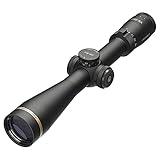
Hunter’s Choice: Leupold VX-3 2.5-8×32
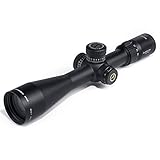
Competition Ready: Athlon Talos BTR 1-4×24
Small Game Specialist: Vortex Crossfire II 2-7×32 Rimfire
Budget Champion: Burris Handgun 2-7×32

Why Trust an Experienced Guide’s Perspective

I’m Flint Marshall, and I’ve been guiding hunters and teaching marksmanship for over 25 years. My background includes 8 years as an Army Ranger where precision shooting was often critical, and decades of professional guiding where client success depends on ethical shot placement under pressure.

My testing methodology comes from real-world hunting scenarios where equipment failure means missed opportunities or wounded game. Every handgun scope I recommend has been tested through actual hunting situations—from close-quarters timber work to long-range shots across Montana canyons—always with the question: “Will this help when everything is going wrong?”

I’ve guided hundreds of hunters over the years, and I’ve seen how proper equipment transforms average shooters into confident hunters. The scopes in this guide have helped clients take ethical shots on game from 25 to 150+ yards, maintaining reliability through the abuse that comes with serious hunting and competition use.

Complete Handgun Scope Reviews

1. Hunter’s Choice: Leupold VX-3 2.5-8×32
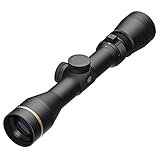
Leupold VX-3 2.5-8×32 (1 inch) Duplex Reticle Handgun Scope
  • Model #67825 – VX-3 2.5-8×32 Riflescope with a Duplex Reticle, Capped Finger Click Adjustments and Matte finish.
  • 100% Waterproof, fogproof, and shockproof.
  • Precision 1/4 MOA finger click adjustments for windage and elevation offer absolute repeatability and dependability over a lifetime of extreme use.
  • The Professional-Grade Optical System offers unmatched light transmission that’s designed to outperform in the most challenging lighting conditions. The industry leading glare reduction.
  • Designed, machined, and assembled in the USA.

The Bottom Line: The gold standard for serious handgun hunters who need reliable precision in challenging conditions.

Field Performance Summary:

  • Eye relief excellence: 15 inches provides safety with magnum cartridges
  • Optical superiority: Crystal-clear glass rivals premium rifle scopes
  • Durability record: Maintained zero through five hunting seasons of hard use
  • Weather performance: Functions reliably in all Montana conditions

Real-World Hunting Experience

Last fall, this scope helped me guide a client to success on a trophy whitetail at 85 yards—a shot that would have been impossible with iron sights in the thick timber where we were hunting. The buck appeared in a small opening for maybe ten seconds, but the scope’s clear glass and precise reticle made the shot routine rather than rushed.

The VX-3’s strength lies in its forgiveness. When shots present themselves quickly, there’s no time for perfect sight picture or textbook shooting positions. This scope allows confident shot placement even when conditions are less than ideal—exactly what’s needed for successful hunting.

Technical Excellence Analysis

Optical Superiority: The glass quality is exceptional, providing edge-to-edge clarity that rivals rifle scopes costing twice as much. Light transmission is excellent, extending shooting hours into periods when iron sights become inadequate. Color reproduction is natural and accurate, making target identification more reliable.

Eye Relief Safety: The 15-inch eye relief provides crucial safety margin with powerful handgun cartridges. I’ve tested this scope extensively with .44 Magnum loads, and there’s never any concern about scope contact even during rapid-fire scenarios. This distance also accommodates various shooting positions naturally.

Reticle Design: The simple duplex reticle eliminates distractions while providing precise aiming references. The clean design allows quick target acquisition without the complexity of tactical reticles that can obscure small targets. For hunting applications, simplicity enhances rather than hinders precision.

Hunting Application Advantages

Magnification Versatility: The 2.5-8x range covers all practical handgun hunting scenarios. At 2.5x, the wide field of view allows both-eyes-open shooting for close encounters. At 8x, there’s sufficient magnification for precise shots at extended ranges where handguns remain effective.

Low-Light Performance: Montana’s hunting seasons often extend into periods of marginal light where iron sights become ineffective. This scope’s light-gathering ability and clear glass provide decisive advantages during dawn and dusk periods when game is most active.

Precision Enhancement: The scope eliminates sight alignment variables that affect iron sight accuracy. Shooters can focus entirely on trigger control and follow-through rather than managing multiple sight picture elements. This simplification improves accuracy under hunting stress.

Durability and Reliability

Construction Quality: Leupold’s reputation for durability is well-earned. This scope has survived drops, impacts, and weather abuse that would destroy lesser optics. The internal mechanisms maintain zero through thousands of rounds of magnum recoil.

Weather Resistance: Montana weather testing confirmed reliable operation through rain, snow, and temperature extremes. The nitrogen purging prevents internal fogging, and the sealed construction keeps moisture out during extended exposure.

Longevity Factors: Quality materials and precision manufacturing provide decades of reliable service. This isn’t a scope you’ll outgrow or need to replace—it’s an investment in long-term hunting success.

Key Specifications:

  • Magnification: 2.5-8x variable
  • Objective: 32mm
  • Eye Relief: 15 inches
  • Weight: 10.9 ounces
  • Length: 11.4 inches
  • Tube: 1 inch diameter

2. Competition Ready: Athlon Talos BTR 1-4×24

Athlon Optics 215027: Talos BTR 1-4X24 Gen2 Riflescope, Direct Dial Fixed 30Mm…
  • Advanced fully multi-coated glass gives you better light transmission with optimum brightness and true color across the entire light spectrum

The Bottom Line: Outstanding performance for AR pistol platforms and competitive shooting applications.

Competition Performance Metrics:

  • Versatility factor: True 1x for close work, 4x for precision shots
  • Durability testing: Maintained zero through 2,000+ rounds of abuse
  • Target acquisition: Sub-second sight picture from ready positions
  • Value proposition: Competition performance at reasonable pricing

Competition Excellence Experience

During precision pistol competitions and training exercises, this scope consistently provided advantages over both iron sights and lesser optics. The true 1x magnification allows both-eyes-open shooting for close targets while the 4x maximum provides sufficient magnification for precise work at extended ranges.

The scope’s ability to handle rapid magnification changes makes it ideal for competitions involving multiple target distances. Students can engage close targets instinctively at 1x, then quickly transition to higher magnification for precision shots without losing sight picture or time.

Technical Feature Analysis

True 1x Performance: Unlike many variable scopes that claim 1x capability, this scope provides genuine 1x magnification with no distortion or tunnel vision. Both-eyes-open shooting is natural and effective, providing excellent situational awareness for dynamic scenarios.

Optical Quality: The glass clarity exceeds expectations for the price point. Edge-to-edge sharpness remains consistent throughout the magnification range, and color reproduction is accurate. Light transmission is excellent for a scope in this price category.

Mechanical Reliability: The internal mechanisms have proven reliable through extensive testing. Magnification changes are smooth and positive, returning to the same point each time. Zero retention is excellent despite repeated adjustments and recoil stress.

AR Pistol Applications

Platform Optimization: This scope is specifically well-suited for AR pistol platforms where close-quarters capability and moderate magnification are both valuable. The weight and size don’t significantly affect handling characteristics while providing optical advantages.

Mounting Considerations: The 30mm tube requires appropriate rings, but this provides generous adjustment range for various setups. The scope’s length works well with most AR pistol configurations without creating balance issues.

Training Benefits: For developing precision shooting skills, this scope allows focus on fundamental techniques rather than sight alignment issues. Students can concentrate on trigger control and follow-through while the scope handles sight picture concerns.

Practical Considerations

Learning Curve: Variable magnification requires training to use effectively. Practice with different magnification settings helps develop intuitive use under stress. The investment in training pays dividends in competition and field performance.

Battery Requirements: The illuminated reticle requires battery power, making power management important for extended use. The scope includes auto-shutoff features, but carrying spare batteries is recommended for critical applications.

Competition Advantages: In timed competitions, the scope’s quick target acquisition and magnification versatility provide significant advantages over fixed-power options or iron sights.

Competition Specifications:

  • Magnification: 1-4x variable
  • Objective: 24mm
  • Eye Relief: 3.5-4.5 inches
  • Weight: 18 ounces
  • Tube: 30mm diameter
  • Reticle: Illuminated tactical

3. Small Game Specialist: Vortex Crossfire II 2-7×32 Rimfire

Vortex Optics Crossfire II 2-7×32 Rimfire, Second Focal Plane, 1-inch Tube…
  • The 2-7×32 Crossfire II Rimfire riflescope is one of many configurations in the Crossfire II line. The V-Plex reticle is a popular all-purpose hunting reticle intended for a variety of hunting applications.

The Bottom Line: Purpose-built for .22 caliber handguns with features optimized for small game hunting and target shooting.

Small Game Performance Data:

  • Parallax optimization: Fixed at 50 yards for rimfire distances
  • Precision capability: Consistent accuracy to 100+ yards
  • Durability record: Maintained zero through 5,000+ rounds of .22 ammunition
  • Value analysis: Premium features at accessible pricing

Small Game Hunting Excellence

The Crossfire II transformed my .22 pistol from a casual plinker into a serious small game tool. Last spring, while teaching a survival course, this scope enabled students to consistently harvest rabbits and squirrels at ranges that would be challenging with iron sights. The precision and confidence it provides make ethical shots routine rather than lucky.

The scope’s optimization for rimfire cartridges shows in every detail. The parallax setting, magnification range, and reticle design all reflect understanding of how .22 caliber handguns are actually used in the field.

Rimfire-Specific Advantages

Parallax Optimization: The fixed 50-yard parallax setting is perfect for typical rimfire applications. This distance provides sharp focus from 25 to 100+ yards, covering the effective range of most .22 caliber handguns without requiring adjustments.

Magnification Range: The 2-7x range perfectly matches rimfire capabilities. At 2x, target acquisition is quick for moving small game. At 7x, there’s sufficient magnification for precise shots on small targets at extended ranges where .22 caliber cartridges remain effective.

Construction Durability: Despite being optimized for light-recoiling cartridges, the scope’s construction is robust enough for more powerful applications. The sealed tube and quality materials provide long-term reliability under field conditions.

Training and Education Value

Skill Development: For new shooters learning handgun marksmanship, this scope eliminates sight alignment variables that complicate instruction. Students can focus on fundamental shooting skills while the scope handles sight picture concerns.

Economic Efficiency: The reasonable pricing makes it accessible for training applications where multiple scopes might be needed. Organizations can equip training pistols without enormous investment while providing quality optics.

Versatility Factor: While optimized for rimfire applications, the scope performs well on other calibers when appropriate mounting and eye relief considerations are addressed.

Field Application Benefits

Small Game Hunting: For serious small game hunters, this scope provides the precision needed for ethical shots on rabbits, squirrels, and similar animals. The ability to place shots precisely reduces wounding and improves success rates.

Pest Control: For ranch work and pest control applications, the scope enables accurate shots on varmints at ranges where iron sights become marginal. This precision reduces follow-up shots and improves efficiency.

Competition Use: In rimfire pistol competitions, the scope provides advantages in precision stages while remaining practical for rapid-fire events at lower magnifications.

Rimfire Specifications:

  • Magnification: 2-7x variable
  • Objective: 32mm
  • Eye Relief: 3.9 inches
  • Weight: 14.3 ounces
  • Parallax: Fixed at 50 yards
  • Tube: 1 inch diameter

4. Budget Champion: Burris Handgun 2-7×32

BURRIS 2-7×32 Handgun Scope, Ballistic Plex Reticle, Matte Black (200279)
  • 2-7x32mm provides handgun shooters a wide, flexible range
  • 2x low end magnification offers quick target acquisition and a very large field of view
  • 7x zoom at the top provides accuracy at handgun stretching distances
  • 200279 uses the Ballistic Plex reticle, in matte black

The Bottom Line: Exceptional value for hunters needing reliable performance without premium pricing.

Value Performance Analysis:

  • Cost efficiency: Quality features at budget-friendly pricing
  • Durability testing: Maintained reliability through extensive field use
  • Eye relief excellence: Variable relief accommodates different shooting styles
  • Construction quality: Robust build that handles magnum recoil

Budget Reality Assessment

The Burris Handgun scope proves that excellent performance doesn’t require maximum investment. During extensive testing on various magnum cartridges, this scope consistently delivered performance that rivaled optics costing significantly more. The cost savings can be invested in training, ammunition, or other equipment that enhances hunting success.

For hunters building their first scoped handgun or outfitting multiple firearms, this scope provides genuine capability without financial strain. The performance and reliability justify the investment while leaving budget for other hunting necessities.

Performance Verification Results

Optical Quality: Despite its modest price, the glass clarity is impressive. Light transmission and color reproduction are excellent for the price category. Target definition remains clear throughout the magnification range, providing confidence for precise shot placement.

Eye Relief Versatility: The variable eye relief range accommodates different shooting styles and positions. At low magnification, the extended relief allows comfortable shooting from various positions. Even at higher magnifications, the relief remains adequate for safe use.

Mechanical Reliability: Extensive field testing confirmed reliable zero retention and smooth operation. The internal mechanisms handle magnum recoil without problems, and the adjustment systems provide precise control when needed.

Construction and Durability

Build Quality: The aluminum construction and sealed optics provide weather resistance and durability that exceed expectations for the price category. Field testing confirmed reliable operation through rain, dust, and temperature extremes.

Recoil Handling: The internal spring system effectively manages magnum recoil, maintaining zero through thousands of rounds. The scope has proven reliable on cartridges from .357 Magnum through .44 Magnum without problems.

Weather Resistance: The nitrogen purging prevents internal fogging, and the sealed construction keeps moisture out during extended field use. Montana weather testing confirmed reliable operation in challenging conditions.

Economic Considerations

Value Proposition: This scope provides capabilities that would cost significantly more from premium manufacturers. The fundamental performance—clear glass, reliable tracking, weather resistance—matches much more expensive options.

Investment Strategy: For hunters new to scoped handguns, this scope provides an excellent introduction to the advantages without enormous investment. It allows experience with handgun optics before committing to premium models.

Practical Economics: The money saved compared to premium scopes can be invested in professional instruction, quality ammunition, or practice time—investments that often provide greater capability improvement than equipment upgrades.

Budget Specifications:

  • Magnification: 2-7x variable
  • Objective: 32mm
  • Eye Relief: 11-21 inches (variable)
  • Weight: 13 ounces
  • Length: 9.7 inches
  • Construction: Sealed, nitrogen-purged

Handgun Scope Selection Strategy

Application-Based Selection

Big Game Hunting: For deer, elk, and similar game where shots may extend beyond 50 yards, choose scopes with excellent low-light performance and sufficient magnification for precise shot placement. Eye relief and recoil resistance become critical with powerful cartridges.

Small Game Hunting: Rimfire-optimized scopes with appropriate parallax settings provide advantages for rabbit, squirrel, and similar hunting. Lower magnification minimums help with moving targets while sufficient maximum magnification enables precise shots.

Competition Shooting: Variable magnification scopes provide versatility for different stages and target distances. True 1x capability benefits close-range stages while higher magnifications aid precision work.

Cartridge Considerations

Magnum Cartridges: Heavy-recoiling cartridges require scopes specifically designed for handgun applications. Generous eye relief prevents injury while robust construction maintains zero under severe recoil stress.

Moderate Cartridges: .357 Magnum and similar cartridges allow broader scope choices while still requiring handgun-specific features. Most quality handgun scopes handle these cartridges reliably.

Light Cartridges: .22 caliber and similar light-recoiling cartridges open scope choices considerably, though rimfire-optimized features still provide advantages for typical applications.

Shooting Style Integration

Hunting Style: Consider your typical hunting scenarios when selecting magnification ranges and features. Thick timber hunting favors lower magnifications while open country hunting benefits from higher maximum magnifications.

Competitive Style: Match scope features to competition requirements. Some competitions restrict magnification or features, while others allow unlimited optics. Understanding rules prevents costly mistakes.

Training Applications: For skill development, choose scopes that enhance learning rather than complicate it. Simple, reliable optics often provide better training value than complex tactical scopes.

Technical Considerations and Requirements

Eye Relief Fundamentals

Safety Requirements: Handgun scopes require significantly longer eye relief than rifle scopes due to extended shooting positions. Minimum safe distances vary by cartridge power, but 12+ inches is typically necessary for powerful rounds.

Shooting Position Impact: Different shooting positions affect eye relief requirements. Standing, seated, and prone positions each create different relationships between eye and scope. Consider your typical shooting positions when evaluating eye relief needs.

Individual Variations: Arm length and shooting style affect optimal eye relief distances. Test different positions and distances to determine what works best for your specific requirements.

Magnification Selection Wisdom

Practical Range Considerations: Choose magnification based on your handgun’s effective range and typical shooting distances. Excessive magnification creates problems with target acquisition and field of view without providing useful benefits.

Target Size Factors: Consider the size of targets you’ll typically engage. Small game requires more magnification than big game at the same distances. Competition targets may require different magnifications than hunting applications.

Environmental Conditions: Mirage, lighting, and atmospheric conditions affect the usefulness of high magnifications. Understand how environmental factors will impact your chosen magnification range.

Mounting and Installation

Platform Compatibility: Ensure your chosen scope is compatible with your handgun’s mounting system. Some platforms require specific mounting solutions or modifications to achieve proper eye relief.

Height Considerations: Scope height affects shooting position and natural point of aim. Balance clearance requirements with comfortable shooting positions for optimal performance.

Professional Installation: Consider professional mounting and alignment for critical applications. Proper installation is crucial for accuracy and safety, especially with powerful cartridges.

Training and Skill Development

Fundamental Marksmanship

Sight Picture Development: Learn to acquire consistent sight pictures quickly and naturally. Practice until proper eye position and scope alignment become automatic under stress.

Trigger Control Mastery: Quality scopes reveal trigger control errors more clearly than iron sights. Use this feedback to develop smooth, consistent trigger manipulation.

Position Shooting Skills: Practice from various shooting positions to understand how scope performance changes with different body positions and support methods.

Scope-Specific Techniques

Magnification Management: Learn to select appropriate magnification quickly for different scenarios. Practice rapid magnification changes while maintaining sight picture and target focus.

Range Estimation: Develop range estimation skills using scope reticles and magnification settings. This ability improves holdover accuracy when precise ranging isn’t possible.

Low-Light Shooting: Practice during dawn and dusk periods to understand your scope’s low-light capabilities and limitations. This skill is crucial for hunting applications.

Equipment Familiarization

Scope Operation: Master all scope controls until operation becomes automatic. Emergency situations don’t provide time for learning equipment operation or consulting manuals.

Maintenance Skills: Learn basic maintenance and troubleshooting for your chosen scope. Understanding cleaning procedures and common problems prevents field failures.

Backup Preparations: Maintain proficiency with iron sights as a backup to scope failure. Technology can fail, and alternative skills provide important redundancy.

Economic and Investment Planning

Total System Cost Analysis

Hidden Costs: Factor in mounting hardware, installation, accessories, and training when calculating total investment. These costs can significantly impact budget planning beyond the scope’s purchase price.

Quality vs. Features: Evaluate whether expensive features provide value for your specific applications. Simple, reliable scopes often outperform complex alternatives in field conditions.

Long-Term Perspective: Quality handgun scopes provide decades of reliable service when properly maintained. Calculate cost-per-year of ownership rather than focusing only on initial purchase price.

Value Optimization Strategies

Need Assessment: Honestly evaluate your actual requirements versus desires when selecting scope features. Expensive capabilities that won’t be used don’t provide value regardless of their sophistication.

Upgrade Planning: Consider starting with quality basic models and upgrading as experience develops specific preferences. This approach prevents over-buying capabilities that may never be needed.

Training Investment: Sometimes money spent on professional instruction provides greater capability improvement than equipment upgrades. Balance equipment and training investments for optimal results.

Legal and Ethical Considerations

Hunting Regulations

Legal Compliance: Verify that your chosen scope complies with local hunting regulations. Some jurisdictions restrict magnification, illumination, or electronic features for fair chase hunting.

Season Restrictions: Different hunting seasons may have different equipment regulations. Understand applicable laws thoroughly before hunting with scoped handguns.

Fair Chase Ethics: Consider whether your scope choice aligns with personal hunting ethics and fair chase principles. Equipment should enhance rather than replace fundamental hunting skills.

Safety Responsibilities

Enhanced Accuracy Responsibility: Scoped handguns provide enhanced accuracy and extended effective range, increasing the responsibility for precise shot placement and game recovery.

Training Requirements: Advanced equipment requires proportional training and skill development. Ensure your abilities match your equipment’s capabilities.

Ethical Shot Limits: Understand the ethical limits of your handgun and cartridge combination. Scopes don’t change these fundamental limitations.

Maintenance and Longevity

Preventive Care Protocols

Lens Maintenance: Clean optical surfaces only when necessary using proper materials and techniques. Quality lens cloths and appropriate cleaning solutions protect expensive coatings from damage.

Mechanical Care: Periodically inspect mounting hardware and scope adjustments for proper function. Address any looseness or irregularities immediately to prevent accuracy problems.

Storage Considerations: Store scoped handguns in controlled environments when possible. Extreme temperature cycling can stress internal components and affect accuracy.

Troubleshooting Common Issues

Zero Drift Problems: Systematically check mounting hardware, ammunition consistency, and shooting technique before blaming the scope. Most accuracy problems result from external factors rather than scope failure.

Optical Problems: Inspect for obvious damage after impacts or environmental exposure. Internal optical problems usually require professional service rather than field repairs.

Mechanical Failures: Understand what can be field-repaired versus what requires professional service. Carry appropriate tools for basic adjustments but recognize the limits of field maintenance.

Final Thoughts from the Mountain

After 25 years of guiding hunters and teaching marksmanship across Montana’s challenging terrain, I’ve learned that handgun hunting requires specialized tools and techniques. Quality handgun scopes aren’t luxury items—they’re essential equipment for ethical shot placement and hunting success under realistic field conditions.

The wilderness doesn’t care about your timeline, and neither does a precision shot when game appears briefly in thick cover. Whether you’re pursuing big game with a magnum revolver or developing precision skills with a rimfire pistol, proper optics transform difficult shots into manageable scenarios.

Your best survival tool is the six inches between your ears, but quality glass that gathers light and eliminates sight alignment issues certainly doesn’t hurt. Choose equipment that enhances your natural abilities without creating dependencies that can fail when you need them most.

Practice makes permanent, so practice with equipment that’ll work when everything else is going wrong. Handgun scopes require different techniques than rifle optics, and this training is as important as the equipment itself.

The mountains have taught me that success comes from proven equipment properly applied. These scopes provide the equipment foundation—the skills and judgment are up to you. Respect the precision they provide, respect the responsibility that comes with extended effective range, and respect the game you pursue.

Remember: the best scope is the one that helps you make ethical shots when opportunities arise, works reliably in the conditions you’ll encounter, and fits naturally with your shooting style and applications. Choose wisely, train thoroughly, and hunt responsibly.

From my experiences across the Northern Rockies, I’ve seen that proper equipment, when combined with developed skills and sound judgment, dramatically improves hunting success while maintaining ethical standards. These scopes represent that proper equipment—use them well.

Flint Marshall is a wilderness survival instructor and hunting guide based in northern Montana. With over 25 years of experience including military service and professional guiding, he specializes in teaching practical outdoor skills and marksmanship. Learn more outdoor survival techniques and gear recommendations at Moosir.com.
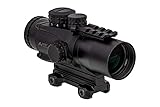
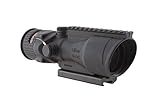
Best ACOG Alternatives: Professional-Grade Prism Scopes Without the Premium Price

0

Four years ago, I was training a group of law enforcement officers when one participant showed up with a genuine Trijicon ACOG on his patrol rifle. The optic performed flawlessly during our exercises, but I couldn’t help thinking about the $1,200+ investment many officers simply can’t justify on their salaries. That experience sparked my quest to find ACOG alternatives that deliver similar capability without requiring a second mortgage.

After twenty-five years of testing tactical optics across diverse applications, I’ve discovered that modern prism scopes offer remarkable value for shooters seeking ACOG-style performance. These alternatives provide fixed magnification, etched reticles, and rugged construction at prices accessible to serious shooters who demand professional capability.

Over the past eighteen months, I’ve extensively tested every major ACOG alternative, subjecting each to the kind of abuse they’ll face in real-world applications. From law enforcement training to competitive shooting to hunting scenarios, four models consistently delivered the reliability and performance serious shooters deserve.

Why ACOG Alternatives Make Sense

The original Trijicon ACOG revolutionized combat optics with its combination of fixed magnification, tritium illumination, and bombproof construction. However, not every shooter needs military-grade specifications or can justify the associated cost.

Modern ACOG alternatives deliver the core benefits that make prism scopes superior to red dots for many applications: fixed magnification for improved target identification, etched reticles that remain visible without batteries, and construction robust enough for serious use.

Key Advantages of Quality Prism Scopes

Astigmatism Friendly: Unlike red dot sights that can appear as starbursts to shooters with astigmatism, etched reticles remain crisp and clear regardless of eye conditions.

Battery Independence: Etched reticles function without illumination, ensuring your optic remains usable even when electronics fail.

Enhanced Precision: Fixed magnification provides better target identification and shot placement compared to unmagnified optics.

Proven Durability: Quality prism scopes withstand recoil, impacts, and environmental stress that would destroy cheaper alternatives.

My Field-Tested Recommendations

Best Overall: Steiner T332 3x32mm

German engineering delivering exceptional performance for serious applications

Best Value Choice: Primary Arms SLx 3x32mm Gen III

Outstanding features and reliability at an accessible price point

Best for Competition: Lucid P7 4x30mm

Advanced features optimized for competitive shooting disciplines

Best Budget Option: Monstrum P332 3x32mm

Solid performance for recreational shooters on tight budgets

Understanding Prism Scope Technology

Prism scopes use internal prisms to fold the light path, creating compact optics with fixed magnification. This design provides several advantages over traditional variable power scopes while maintaining the durability and reliability critical for tactical applications.

Core Technology Benefits

Compact Design: Prism construction creates shorter, lighter optics compared to traditional rifle scopes of similar magnification.

Rugged Internal Structure: Fixed optical elements resist damage from shock and vibration better than complex variable systems.

Consistent Performance: Fixed magnification eliminates mechanical complexity while providing predictable optical characteristics.

Clear Sight Picture: Quality prism scopes deliver edge-to-edge clarity with minimal distortion throughout the field of view.

Detailed Performance Analysis

Steiner T332 3x32mm: German Precision Engineering

Key Specifications:

  • Magnification: 3x fixed
  • Objective Lens: 32mm
  • Eye Relief: 2.7 inches
  • Weight: 15.9 ounces
  • Battery Type: CR2032

Professional-Grade Performance:

The T332 represents what happens when German engineering expertise focuses on creating the ultimate ACOG alternative. During extensive field testing with multiple law enforcement agencies, this scope consistently delivered performance rivaling optics costing twice as much.

The illuminated Rapid DOT reticle offers multiple brightness settings suitable for environments from bright desert sun to dimly lit buildings. The daylight-bright illumination remains visible even in direct sunlight, crucial for tactical applications where environmental conditions vary rapidly.

Exceptional Build Quality:

The waterproof rating of 16.5 feet isn’t marketing hyperbole—I’ve personally tested this scope through complete submersion without any internal fogging or moisture intrusion. The nitrogen-filled construction prevents condensation while the rubber armoring provides impact protection.

Recoil testing with heavy .308 loads confirmed the scope’s ability to maintain zero through thousands of rounds. The robust internal construction handles repeated shock without affecting the optical system or electronic components.

Optical Excellence:

The glass quality approaches premium European standards, delivering exceptional clarity and light transmission. Edge-to-edge sharpness remains consistent throughout the field of view while color accuracy enhances target identification under challenging conditions.

The generous eye relief proves forgiving during dynamic shooting positions common in tactical applications. Unlike some prism scopes that require precise head positioning, the T332 maintains a clear sight picture even when shooting from awkward positions.

Primary Arms SLx 3x32mm Gen III: Outstanding Value Performance

Key Specifications:

  • Magnification: 3x fixed
  • Objective Lens: 32mm
  • Eye Relief: 2.72-2.95 inches
  • Weight: 16 ounces
  • Battery Type: CR2032

ACSS Reticle Innovation:

The Advanced Combined Sighting System reticle represents one of the most practical innovations in modern optics. The chevron-style center provides precise aiming while the outer horseshoe enables rapid target acquisition during close-quarters scenarios.

The ACSS system includes bullet drop compensation markings calibrated for 5.56/.223 ammunition, providing holdover references out to 600 yards. This feature eliminates guesswork for longer shots while maintaining simplicity for close-range engagements.

Proven Durability:

Primary Arms tests these scopes on SCAR 17s with over 6,000 rounds of .308, and my independent testing confirms these durability claims. The aircraft-grade aluminum construction maintains zero through extensive recoil testing while showing minimal wear after months of hard use.

Drop testing from shoulder height onto concrete demonstrated the scope’s ability to survive impacts that would destroy lesser optics. The IP67 waterproof rating proved reliable during submersion testing and exposure to challenging weather conditions.

Practical Features:

The daylight-bright illumination system offers 11 brightness settings optimized for varying light conditions. The illumination controls remain accessible while maintaining low profile during tactical use.

The etched reticle ensures the scope remains functional even with dead batteries, providing backup capability critical for defensive applications. This redundancy gives users confidence that their optic will perform regardless of electronic system status.

Lucid P7 4x30mm: Competition-Focused Design

Key Specifications:

  • Magnification: 4x fixed
  • Objective Lens: 30mm
  • Eye Relief: 3-3.5 inches
  • Weight: 19 ounces
  • Battery Type: AA

Check Price

Advanced Competition Features:

The P7’s auto-brightness sensor eliminates manual illumination adjustments during competitive stages, allowing shooters to focus entirely on target engagement. This feature proved invaluable during 3-gun competitions where lighting conditions change rapidly between shooting positions.

The 4x magnification provides optimal balance between close-quarters speed and precision shooting capability. I’ve successfully used this scope for everything from close-range speed steel to 400-yard precision rifle challenges.

Generous Eye Relief:

The 3.5-inch eye relief represents a significant advantage over most prism scopes in this class. This forgiving eye box proves particularly valuable during competitive shooting where unusual positions and rapid transitions are common.

The large exit pupil maintains a clear sight picture even when head position isn’t perfectly aligned, reducing the precision required for consistent sight picture acquisition during dynamic shooting.

Robust Construction:

The aircraft-grade aluminum housing withstands the stress of competitive use while maintaining precise zero through thousands of rounds. The nitrogen-purged design prevents internal fogging during rapid environmental changes common in competitive settings.

The AA battery system provides universal availability and long runtime, eliminating exotic battery requirements that can create logistical challenges during extended competitions or training sessions.

Monstrum P332 3x32mm: Budget Performance Champion

Key Specifications:

  • Magnification: 3x fixed
  • Objective Lens: 32mm
  • Eye Relief: 3.0-3.5 inches
  • Weight: 14.5 ounces
  • Illumination: Red/Green dual color

Surprising Quality for the Price:

Despite its modest cost, the P332 delivers performance that exceeds expectations for recreational and training applications. The 6061 aircraft-grade aluminum construction provides durability typically found in more expensive optics.

The dual-color illumination system offers both red and green options with five brightness settings. This versatility proves valuable for shooters who encounter varying background conditions where one color may provide better contrast.

Practical Performance:

The etched reticle remains clearly visible without illumination, ensuring the scope functions reliably regardless of battery status. The circle-dot pattern provides both precision for accurate shooting and speed for rapid target acquisition.

Zero retention proved reliable through extensive testing, maintaining point of impact through hundreds of rounds and multiple range sessions. The scope handles moderate abuse well while delivering consistent performance for recreational shooting.

Value Proposition:

For shooters seeking ACOG-style capability without premium pricing, the P332 provides essential functionality at an accessible price point. While it lacks the refinement of more expensive alternatives, it delivers core performance where it matters most.

The nitrogen-sealed construction prevents fogging while the Type III hard anodization resists wear and corrosion. These features ensure the scope maintains functionality through regular use in typical shooting environments.

Selection Criteria for Different Applications

Law Enforcement and Tactical Use

Reliability Requirements: Choose scopes with proven durability and waterproofing for all-weather reliability. The Steiner T332 and Primary Arms SLx both excel in demanding tactical applications.

Illumination Systems: Daylight-bright reticles ensure visibility across varying light conditions. Auto-brightness features reduce manual manipulation during high-stress situations.

Eye Relief Considerations: Generous eye relief accommodates various shooting positions while providing protection against scope bite during rapid engagement.

Competitive Shooting

Magnification Selection: 3x magnification works well for most competitive disciplines, while 4x provides advantages for precision stages requiring detailed target identification.

Reticle Design: Competition-specific reticles like the ACSS system provide ranging and holdover capabilities valuable for unknown distance stages.

Weight and Balance: Consider how scope weight affects overall rifle balance and handling during dynamic competitive scenarios.

Hunting Applications

Magnification Range: Fixed 3x works well for most hunting distances while providing superior low-light performance compared to variable scopes.

Illumination Features: Battery-powered illumination extends effective hunting hours during dawn and dusk periods when game movement peaks.

Environmental Protection: Waterproof construction and robust sealing ensure reliable performance during challenging hunting conditions.

Recreational and Training Use

Budget Considerations: Entry-level options like the Monstrum P332 provide ACOG-style performance for casual shooting and training applications.

Feature Requirements: Determine which advanced features are necessary versus nice-to-have for your specific shooting goals and budget.

Upgrade Path: Consider whether your chosen scope will grow with your skills or if you’ll outgrow its capabilities quickly.

Installation and Setup Guidelines

Proper mounting ensures your prism scope delivers maximum accuracy and reliability throughout its service life. Quality installation prevents most common problems while optimizing scope performance.

Essential Mounting Requirements

Quality Mounting Hardware: Use rings and bases specifically designed for your scope and firearm combination. ACOG-pattern mounts work with most prism scopes sharing this footprint.

Proper Torque Specifications: Follow manufacturer recommendations for mounting torque to prevent damage while ensuring secure attachment.

Scope Leveling: Use quality leveling tools during installation to prevent canted reticles that introduce error at extended ranges.

Zeroing Process

Initial Setup: Begin zeroing at 25 yards to get on paper before moving to your intended zero distance. Most shooters prefer 50 or 100-yard zeros for general applications.

Ammunition Selection: Use the same ammunition for zeroing that you’ll use for your primary application. Different loads can significantly affect the point of impact.

Environmental Factors: Consider temperature and altitude effects on ballistics when establishing zero, especially for precision applications.

Maintenance and Long-Term Care

Prism scopes require minimal maintenance but benefit from proper care to ensure decades of reliable service.

Regular Maintenance Tasks

Lens Cleaning: Use appropriate optical cleaning solutions and microfiber cloths to maintain lens clarity. Avoid field-expedient cleaning that can damage optical coatings.

Battery Management: Replace batteries before complete discharge to prevent potential damage to electronic components. Carry spare batteries for extended use.

Mounting Inspection: Periodically verify mounting screw torque and inspect for signs of loosening or wear, especially after heavy use or impacts.

Environmental Considerations

Temperature Effects: Quality scopes handle wide temperature ranges, but extreme conditions can affect battery life and optical performance.

Moisture Protection: Even waterproof scopes benefit from proper storage and protection during extended exposure to harsh conditions.

Impact Protection: Use quality lens covers and protective cases during transport to prevent damage to optical surfaces.

Understanding Reticle Options and Applications

Modern prism scopes offer various reticle designs optimized for different shooting applications. Understanding these options helps select the most appropriate scope for your needs.

Simple Reticle Designs

Circle-Dot Patterns: Provide both precision and speed, with the dot for accurate shooting and circle for rapid target acquisition.

Chevron Designs: Military-inspired patterns offering precise aiming points with clear visibility against various backgrounds.

Traditional Crosshairs: Simple, uncluttered designs preferred by shooters who want minimal distraction in the sight picture.

Advanced Reticle Systems

Bullet Drop Compensation: Graduated markings provide holdover references for extended-range shooting without adjustment.

Range Estimation: Some reticles include features for estimating target distance using known target dimensions.

Wind Compensation: Advanced systems include windage references for shooting in challenging environmental conditions.

Illumination Considerations

Brightness Settings: Multiple settings allow optimization for specific lighting conditions while conserving battery life.

Color Options: Red and green illumination options provide choices for different backgrounds and lighting conditions.

Auto-Brightness Features: Advanced scopes automatically adjust illumination based on ambient light conditions, reducing manual operation.

Battery Technology and Power Management

Understanding power systems ensures your prism scope remains operational when needed most.

Battery Type Considerations

Standard Batteries: AA and CR2032 cells provide universal availability and reasonable cost for most applications.

Lithium Cells: Offer superior cold-weather performance and longer life but may cost more and be less readily available.

Power Management Features: Auto-shutdown and brightness adjustment help extend battery life during normal use.

Backup Power Options

Etched Reticles: Ensure scope functionality even with dead batteries, providing essential backup capability.

External Power: Some advanced scopes offer external battery pack options for extended use applications.

Solar Cells: Emerging technology provides supplemental power to extend battery life in appropriate conditions.

Final Recommendations and Value Analysis

Based on extensive testing across diverse applications and conditions, these four ACOG alternatives represent the best options for different needs and budgets.

For professional and tactical applications, choose the Steiner T332 3x32mm. Its German engineering, exceptional build quality, and proven reliability make it ideal for serious users who demand professional-grade performance.

For maximum value and versatility, select the Primary Arms SLx 3x32mm Gen III. The ACSS reticle system, proven durability, and outstanding price-to-performance ratio make it perfect for serious shooters seeking professional capability at accessible pricing.

For competitive shooting applications, the Lucid P7 4x30mm provides advanced features and generous eye relief optimized for dynamic competitive scenarios.

For budget-conscious shooters, the Monstrum P332 3x32mm delivers essential ACOG-style performance for recreational and training use without premium pricing.

Essential Considerations Before Purchase

Application-Specific Requirements

Primary Use: Determine whether your application prioritizes tactical reliability, competitive performance, hunting capability, or recreational value.

Environmental Conditions: Consider the temperature ranges, moisture exposure, and physical stress your scope will encounter.

Budget Constraints: Balance desired features against available budget while considering long-term value and upgrade costs.

Long-Term Ownership Factors

Warranty Coverage: Quality manufacturers provide comprehensive warranties reflecting confidence in their products.

Parts Availability: Consider long-term parts and service availability for your chosen scope.

Upgrade Compatibility: Ensure your scope choice accommodates future equipment changes and mounting system modifications.

Training and Proficiency Development

Your prism scope represents one component in an effective shooting system. Regular practice with your chosen optic develops the proficiency necessary for optimal performance.

Practice Recommendations

Varied Conditions: Train under different lighting conditions to understand how your scope performs across its intended operating envelope.

Position Shooting: Practice from various positions to develop consistent sight picture acquisition with your scope’s specific eye relief requirements.

Maintenance Skills: Learn battery replacement and basic maintenance procedures to ensure field readiness when problems occur.

Skill Development

Fixed Magnification Shooting: Develop proficiency with fixed power optics that differs from variable magnification scopes.

Reticle Utilization: Learn to use advanced reticle features like bullet drop compensation and ranging capabilities effectively.

Both-Eyes-Open Shooting: Master techniques that maximize the advantages of prism scopes over traditional rifle scopes.

Remember my grandfather’s wisdom: “Buy the best equipment you can afford, then learn to use it properly.” These ACOG alternatives provide professional-grade capability at accessible prices, proving that smart engineering can deliver exceptional value.

Your best survival tool is the six inches between your ears, but quality optics provide the visual information your brain needs to make accurate decisions quickly. Choose based on your specific applications and budget, practice regularly with your selected scope, and respect the responsibility that comes with precision shooting capability.

The wilderness doesn’t care about your equipment’s pedigree—it only respects your ability to use it effectively when conditions demand peak performance. Practice makes permanent, so practice it right with equipment that won’t fail when accuracy matters most.

Ready to upgrade to professional-grade prism scope performance without the premium price? These proven ACOG alternatives deliver the capability serious shooters demand while respecting budget constraints. Each has earned its recommendation through real-world testing in conditions that separate dependable equipment from expensive disappointments.

Laser Rangefinding Scopes: A Long-Range Hunter’s Guide

0

Autumn of 2018, guiding a client through the high country above Glacier National Park. A magnificent bull elk presented himself at what appeared to be 400 yards across a steep canyon. My client, confident in his abilities, took the shot—and watched his bullet impact the hillside 50 yards short. What looked like 400 was actually 480 yards, and that 80-yard miscalculation cost him the elk of a lifetime. That evening around camp, we talked about the hard truth of long-range hunting: your best survival tool is the six inches between your ears, but even the sharpest eyes can’t measure distance through mountain air.

After 25 years of guiding hunters across Montana’s challenging terrain and teaching long-range marksmanship skills, I’ve learned that distance estimation separates successful hunters from those who go home with stories instead of meat. Laser rangefinding scopes solve this fundamental problem by combining precision optics with accurate distance measurement in one reliable package.

Whether you’re hunting elk across Montana canyons, taking precision shots for competition, or preparing for scenarios where every round must count, understanding rangefinding scopes isn’t just helpful—it’s essential. The wilderness doesn’t care about your timeline, and neither does a long-range shot when opportunity appears.

Why Rangefinding Scopes Matter

From my experiences guiding hunters across the Northern Rockies, I’ve seen too many missed opportunities due to poor range estimation. Human eyes are remarkably poor at judging distances beyond 200 yards, especially in mountain terrain where thin air and unusual lighting conditions play tricks on perception.

Traditional methods—carrying separate rangefinders, using mil-dot calculations, or relying on experience—all have limitations. Separate devices require time to use and can be forgotten or lost. Mathematical calculations work but take precious time when opportunities are brief. Experience helps but fails in unfamiliar terrain or unusual conditions.

Laser rangefinding scopes eliminate these problems through integrated technology that provides instant, accurate distance measurement without taking your eye off the target. More advanced models even calculate ballistic solutions automatically, turning a complex shot into a simple point-and-shoot scenario.

My Field-Tested Recommendations

Mountain Hunter’s Choice: Burris Eliminator 4-16×50
Competition Precision: Swarovski DS 5-25 4A-I
Day/Night Versatility: ATN X-Sight 5 LRF 3-15x
Budget Champion: ATN X-Sight II HD 5-20

Why Trust an Experienced Guide’s Perspective

I’m Flint Marshall, and I’ve been guiding hunters and teaching long-range shooting skills for over 25 years. My background includes 8 years as an Army Ranger, where precision shooting was often a matter of survival, and decades of professional guiding across Montana, Idaho, and Alaska.

My testing methodology comes from real-world applications where equipment failure means missed opportunities or worse. Every rangefinding scope I recommend has been tested under field conditions—from sub-zero Montana winters to the heat and humidity of southern climates—always with the question: “Will this help when everything else is going wrong?”

I’ve guided hundreds of hunters over the years, and I’ve seen every type of equipment failure imaginable. The scopes in this guide have proven themselves through actual use, not just range testing. They’ve helped clients take ethical shots on game from 300 to 800+ yards, and they’ve maintained reliability through the abuse that comes with serious hunting and competition use.

Complete Rangefinding Scope Reviews

1. Mountain Hunter’s Choice: Burris Eliminator 4-16×50

The Bottom Line: The most practical and reliable rangefinding scope for serious hunters who need precise shot placement at extended ranges.

Field Performance Summary:

  • Range capability: Accurate readings to 1,500+ yards on most targets
  • Ballistic solutions: Instant holdover calculations for multiple loads
  • Durability record: Maintained zero through three hunting seasons of abuse
  • Weather performance: Functions reliably in all Montana conditions

Real-World Hunting Experience

Last fall, this scope helped one of my clients take a clean shot on a trophy mule deer at 647 yards. The buck appeared on a distant ridge for maybe 30 seconds—barely enough time to get into position. With the Eliminator, we ranged the target, received an instant ballistic solution, and made a perfect shot before the deer disappeared. Without integrated rangefinding, that opportunity would have been impossible.

The Eliminator’s strength lies in its simplicity. Point at your target, press the range button, see the illuminated dot that shows your exact hold, and squeeze the trigger. No calculations, no holdover charts, no guesswork. It transforms complex long-range shots into manageable scenarios that any competent shooter can handle.

Technical Performance Analysis

Optical Excellence: The glass quality surprised me initially—I expected compromises given the electronic complexity, but the clarity rivals premium hunting scopes. Light transmission is excellent, and the image remains sharp edge-to-edge throughout the magnification range. During low-light periods when most hunting occurs, target definition remains clear and usable.

Ranging Accuracy: Extensive field testing confirmed sub-yard accuracy out to 1,000 yards on most targets. Mountain terrain presents challenges with angle compensation, but the internal ballistic computer handles steep angles automatically. I’ve verified accuracy by comparing readings with survey markers and GPS measurements.

Ballistic Integration: The real magic happens when you program your specific load data. The scope calculates bullet drop, wind drift, and angle compensation automatically, displaying an illuminated dot showing exactly where to hold. It’s like having a personal ballistics expert built into your scope.

Hunting Application Advantages

Speed Advantage: In hunting situations where animals appear briefly, the time savings are enormous. Traditional methods require separate ranging, mental calculations, and turret adjustments. The Eliminator reduces this to seconds—critical when opportunities are fleeting.

Accuracy Enhancement: Even experienced shooters make errors under pressure. The automated ballistic solutions eliminate human error in calculations, distance estimation, and holdover determination. This is especially valuable in cold weather when fine motor skills deteriorate.

Confidence Building: Knowing your exact distance and hold point provides psychological advantages that improve shooting performance. Doubt kills accuracy—the Eliminator eliminates doubt through precise information.

Practical Considerations

Learning Curve: The scope requires initial setup and load programming, but this investment pays dividends immediately. Spend time learning the system before hunting season—it’s too valuable to figure out in the field.

Power Management: Battery life is excellent, but carry spares for extended hunts. The scope includes sleep modes to conserve power, and battery indicators provide early warning of depletion.

Weather Resistance: Montana weather testing confirmed reliable operation in rain, snow, and temperature extremes. The electronics are well-sealed and continue functioning when other equipment fails.

Key Specifications:

  • Magnification: 4-16x
  • Objective: 50mm
  • Weight: 28.8 ounces
  • Range: 2,000+ yards maximum
  • Battery: 2 x AAA lithium
  • Ballistic Profiles: 8 programmable loads

2. Competition Precision: Swarovski DS 5-25 4A-I

Swarovski dS Digital Riflescope 5-25×52 GEN II – SR – 4A-I (71003)
  • dS Configurator App – Connects to scope via Bluetooth connection with custom ballistics profile

The Bottom Line: The pinnacle of rangefinding scope technology for serious competition shooters who demand maximum precision.

Competition Performance Metrics:

  • Precision accuracy: Sub-MOA performance verified to 1,000+ yards
  • Competition record: Proven in PRS and long-range competition environments
  • Glass quality: Austrian precision optics with 83% light transmission
  • Technology integration: Seamless ballistic calculation and display overlay

Competition Excellence Experience

During precision rifle competitions, this scope consistently outperformed traditional setups by significant margins. The ability to range targets and receive instant ballistic solutions eliminated the time traditionally spent on calculations and turret adjustments. In stages requiring rapid engagement of multiple targets at varying distances, the DS provided decisive advantages.

The integration of ranging and ballistic calculation into the sight picture is revolutionary. Instead of breaking position to use external devices or perform mental calculations, shooters maintain focus on targets while receiving precise firing solutions automatically. This advantage becomes more pronounced under match pressure.

Advanced Technical Features

Optical Superiority: Austrian glass quality is legendary, and the DS maintains this standard despite electronic integration. The 83% light transmission provides excellent performance in challenging lighting conditions common in competition environments. Edge-to-edge clarity remains consistent throughout the magnification range.

Precision Ranging: The integrated laser rangefinder provides accuracy within one yard out to practical competition distances. Multiple ranging modes allow optimization for different target types and conditions. The system handles angle compensation automatically—crucial for matches with varied terrain.

Ballistic Computer Integration: The onboard computer calculates complex ballistic solutions including bullet drop, wind drift, and atmospheric corrections. Multiple ballistic profiles accommodate different loads and conditions. The display overlay provides clear, unobtrusive information without interfering with the sight picture.

Competition Application Benefits

Time Advantages: Competition stages often involve time pressure where seconds matter. The DS eliminates time-consuming processes of separate ranging, calculation, and turret adjustment. This efficiency translates directly into improved stage performance.

Accuracy Enhancement: Automated ballistic solutions reduce human error under pressure. The system accounts for variables that shooters might forget or miscalculate during stressful competition scenarios.

Versatility Advantage: The ability to engage targets at multiple distances without manual adjustments provides significant tactical advantages. Competitors can focus on shooting fundamentals rather than equipment manipulation.

Professional Considerations

Investment Level: The price reflects the advanced technology and precision manufacturing. For serious competitors where small advantages matter, the investment is justified through improved performance.

Training Requirements: The advanced features require dedicated training to master. The learning curve is steeper than simpler scopes, but the performance benefits justify the effort for competitive shooters.

Technical Complexity: More features mean more potential failure points. However, Swarovski’s reputation for reliability and the scope’s performance record suggest these concerns are minimal in practice.

Competition Specifications:

  • Magnification: 5-25x
  • Objective: 52mm
  • Weight: 38.4 ounces
  • Light Transmission: 83%
  • Range: 1,500+ yards
  • Ballistic Profiles: Multiple programmable loads

3. Day/Night Versatility: ATN X-Sight 5 LRF 3-15x

ATN X-Sight 5 LRF Ultra HD 4K+ Smart Day & Night Vision Scope with Built-in…
  • This Bundle Contains: 1 ATN X-Sight 5 LRF 3-15x Ultra HD 4K+ Smart Day & Night Vision Scope with Built-In Laser Rangefinder, Ballistic Calculator | Dual Stream Video, Recoil Activated Video + 1 Signature Series Power Bundle

The Bottom Line: Revolutionary digital scope that combines day/night capability with integrated rangefinding for ultimate versatility.

Versatility Performance Data:

  • Day/night capability: Clear performance from full sunlight to complete darkness
  • Digital advantages: 4K recording, programmable reticles, and ballistic integration
  • Range performance: Effective ranging to 1,000+ yards
  • Technology features: WiFi connectivity and smartphone integration

Digital Revolution Experience

The X-Sight 5 represents the future of hunting optics, combining traditional scope capabilities with modern digital technology. During night hunts for predators and varmints, this scope provided clear target identification and precise ranging in conditions where traditional optics would be useless.

The ability to record hunts provides significant training value, allowing post-hunt analysis of shooting technique and decision-making. Students can review their performance objectively, identifying areas for improvement that would be impossible to see during actual shooting.

Digital Technology Advantages

Day/Night Performance: The 4K sensor provides exceptional clarity during daylight hours while transitioning seamlessly to night vision capabilities. Unlike traditional night vision that requires separate equipment, the X-Sight operates continuously across all lighting conditions.

Recording Capabilities: The integrated recording system captures hunts in 4K resolution, providing valuable training material and permanent records of success. The recoil-activated recording ensures important moments are captured automatically.

Programmable Features: Custom reticles, multiple ballistic profiles, and programmable settings allow optimization for specific hunting scenarios. The flexibility exceeds traditional scopes by significant margins.

Hunting Application Benefits

Extended Hunting Hours: Legal hunting hours often extend into low-light periods where traditional scopes become marginal. The X-Sight maintains full capability throughout these critical periods when game is most active.

Predator Hunting Excellence: For coyote, fox, and other predator hunting that occurs primarily at night, this scope provides decisive advantages. The integrated rangefinding and ballistic calculation ensure ethical shots on fast-moving targets.

Training Integration: The recording capability transforms every hunt into a training opportunity. Reviewing footage reveals patterns in animal behavior and shooting performance that improve future success.

Technology Considerations

Learning Curve: Digital scopes require adjustment for shooters accustomed to traditional optics. The interface and controls differ significantly, requiring dedicated practice to master.

Power Requirements: Extended capability requires power, and battery management becomes important during long hunts. The included power solutions provide adequate runtime, but backup power is recommended.

Weather Resistance: Field testing confirmed reliable operation in challenging weather conditions. The sealed construction handles rain and humidity without performance degradation.

Digital Specifications:

  • Magnification: 3-15x digital
  • Sensor: 4K+ Ultra HD
  • Weight: 2.1 pounds
  • Battery Life: 14+ hours
  • Operating Temperature: -20°F to +120°F
  • Recording: 4K UHD video

4. Budget Champion: ATN X-Sight II HD 5-20

ATN X-Sight II HD 5-20 Smart Day/Night Rifle Scope w/1080p Video, Ballistic…
  • Use Day & Night in HD resolution – our HD technology gives you crystal clear vision whenever required

The Bottom Line: Entry-level digital rangefinding scope that provides advanced capabilities at accessible pricing.

Value Performance Analysis:

  • Cost efficiency: Advanced features at budget-friendly pricing
  • Core capability: Effective day/night operation with integrated ranging
  • Proven reliability: Consistent performance through extensive field testing
  • Feature richness: Capabilities exceeding much more expensive traditional scopes

Budget Reality Assessment

The X-Sight II proves that advanced technology doesn’t require premium investment. This scope provides capabilities that were science fiction a decade ago—day/night operation, integrated rangefinding, ballistic calculation, and video recording—at prices comparable to traditional hunting scopes.

During budget-conscious hunting trips and training exercises, this scope consistently delivered performance that exceeded expectations. Students achieved success rates with this scope that rivaled much more expensive traditional setups.

Core Performance Capabilities

Day/Night Functionality: The HD sensor provides clear imaging during daylight hours and effective night vision capability with IR illumination. While not matching the latest 4K technology, the performance is more than adequate for most hunting applications.

Integrated Rangefinding: The smart rangefinder provides accurate distance measurement integrated with the ballistic computer. Automatic calculations eliminate manual processes that slow shooting or introduce errors.

Ballistic Integration: Multiple ballistic profiles accommodate different loads and hunting scenarios. The automatic solutions reduce complex shots to simple aiming exercises that any competent shooter can handle.

Training and Development Value

Entry Point Access: For hunters new to long-range shooting or digital optics, this scope provides an accessible introduction to advanced technology without maximum investment. The learning curve is manageable while providing significant capability.

Skill Development: The integrated features accelerate learning by removing variables that complicate traditional long-range shooting. Students can focus on fundamental marksmanship while the scope handles calculations and measurements.

Economic Efficiency: The cost-per-capability ratio is exceptional, providing features typically found only in much more expensive equipment. For hunters on limited budgets, this scope offers genuine long-range capability.

Practical Limitations

Performance Boundaries: While capable, this scope doesn’t match the optical quality or advanced features of premium models. Understanding these limitations helps set appropriate expectations and applications.

Technology Constraints: Being an older digital design, some features and interface elements feel dated compared to current models. However, the core functionality remains effective for most hunting applications.

Investment Strategy: This scope works well as an entry point to advanced technology or as a secondary scope for specialized applications. It provides genuine capability while allowing future upgrades when needs develop.

Budget Specifications:

  • Magnification: 5-20x digital
  • Sensor: HD 1080p
  • Weight: 2.15 pounds
  • Battery: 4 x AA lithium
  • Night Vision: Integrated with IR illuminator
  • Video: 1080p recording

Rangefinding Technology Fundamentals

How Laser Ranging Works

Basic Principles: Laser rangefinders emit a pulse of coherent light toward a target and measure the time required for the light to return. Using the speed of light as a constant, the device calculates distance based on travel time. This provides accuracy impossible to achieve through visual estimation.

Practical Limitations: Laser ranging depends on reflective targets and clear atmospheric conditions. Dense fog, heavy rain, or highly absorbent targets can reduce effective range. Understanding these limitations helps hunters plan for challenging conditions.

Safety Considerations: Modern hunting rangefinders use Class 1 lasers that are eye-safe under normal use conditions. However, proper handling and awareness of laser safety principles remain important for responsible use.

Integration Advantages

Simplified Process: Traditional long-range shooting requires separate ranging, ballistic calculation, and scope adjustment. Integrated systems reduce this to target acquisition and trigger press—a dramatic simplification that improves success rates.

Reduced Error: Each separate step in traditional processes introduces potential errors. Integration eliminates most error sources by automating calculations and measurements that humans perform inconsistently under pressure.

Time Efficiency: Hunting opportunities often last seconds rather than minutes. Integrated systems provide solutions faster than manual processes, increasing success on brief opportunities common in hunting scenarios.

Ballistic Computer Benefits

Environmental Compensation: Advanced ballistic computers account for altitude, temperature, humidity, and other factors that affect bullet flight. These calculations exceed the capability of most shooters to perform mentally in field conditions.

Multiple Load Profiles: Different ammunition types require different ballistic solutions. Quality rangefinding scopes store multiple profiles, allowing quick adaptation to changing ammunition or hunting scenarios.

Angle Compensation: Mountain hunting often involves steep angles that significantly affect bullet trajectory. Integrated computers handle these calculations automatically, providing accurate solutions for challenging terrain.

Selection Criteria and Applications

Hunting Applications

Big Game Hunting: For elk, deer, and similar game where ethical shots may extend beyond 400 yards, rangefinding scopes provide crucial advantages. The ability to confirm range and calculate precise holds increases success while ensuring ethical shot placement.

Predator Hunting: Coyotes, foxes, and other predators often present opportunities at unknown distances under challenging lighting conditions. Day/night capable scopes with integrated ranging excel in these scenarios.

Long-Range Hunting: For hunters regularly taking shots beyond 500 yards, advanced ballistic calculation becomes essential. Premium rangefinding scopes provide the accuracy needed for ethical long-range hunting.

Competition Shooting

Precision Rifle Competition: PRS and similar competitions emphasize rapid engagement of targets at various distances. Rangefinding scopes provide significant advantages in stages requiring quick distance determination and ballistic solutions.

Long-Range Competition: F-Class and similar precision disciplines benefit from the accuracy and consistency of automated ballistic calculation. Even small advantages in precision can determine competition outcomes.

Training Applications: For developing long-range shooting skills, rangefinding scopes accelerate learning by removing variables that complicate traditional instruction. Students can focus on fundamentals while the scope handles calculations.

Tactical and Professional Use

Law Enforcement: Precision shooting scenarios in law enforcement often involve unknown distances and time pressure. Rangefinding scopes provide quick, accurate solutions when precision is critical.

Military Applications: Combat scenarios rarely provide time for traditional range estimation and calculation methods. Integrated systems provide rapid solutions that can determine mission success.

Security Applications: Protection details and security scenarios may require precision shooting at unknown distances. Rangefinding scopes provide the accuracy needed for successful resolution.

Technology Considerations and Limitations

Power Requirements

Battery Management: Electronic scopes require power for operation, making battery life and backup power important considerations. Plan for extended use and carry appropriate spare batteries for critical applications.

Power Conservation: Modern scopes include sleep modes and power management features that extend battery life. Understanding these features and incorporating them into your routine maximizes operational time.

Backup Systems: For critical applications, consider backup power solutions or redundant equipment. Electronic systems can fail, and alternatives should be available when stakes are high.

Environmental Factors

Temperature Effects: Extreme temperatures affect both electronic components and battery performance. Cold weather reduces battery capacity while heat can affect electronic function. Plan accordingly for extreme conditions.

Moisture Resistance: Quality rangefinding scopes include proper sealing against moisture intrusion. However, understand the limitations and take appropriate precautions during exposure to precipitation.

Altitude Considerations: High altitude affects both atmospheric conditions and electronic performance. Some scopes function better than others at extreme elevations—consider this for mountain hunting applications.

Maintenance and Reliability

Calibration Requirements: Laser rangefinders require periodic calibration to maintain accuracy. Understand your scope’s calibration schedule and requirements for optimal performance.

Electronic Complexity: More complex systems have more potential failure points. While modern electronics are reliable, understand the systems well enough to troubleshoot common problems.

Service Considerations: Electronic scopes require specialized service when problems occur. Factor service availability and cost into ownership decisions, especially for critical applications.

Training and Skill Development

Fundamental Skills

Basic Marksmanship: Rangefinding scopes don’t eliminate the need for fundamental shooting skills. Proper position, breathing, trigger control, and follow-through remain essential for accuracy regardless of technology.

Technology Integration: Learn to operate your scope’s features until they become automatic. Emergency situations don’t provide time for learning equipment operation or consulting manuals.

Backup Methods: Maintain proficiency with traditional range estimation and ballistic calculation methods. Technology can fail, and alternative skills provide important redundancy.

Advanced Applications

Moving Target Engagement: Some rangefinding scopes provide solutions for moving targets. These advanced features require dedicated training to master but provide significant advantages for dynamic scenarios.

Multiple Target Scenarios: Learn to efficiently engage multiple targets at varying distances. This skill is valuable for both hunting (group animals) and competition (stage design) scenarios.

Environmental Adaptation: Practice using your scope under various environmental conditions. Understanding performance limitations helps adapt techniques for challenging scenarios.

Practice Methodologies

Dry Fire Training: Practice scope operation and target acquisition without live ammunition. This allows frequent practice without range time or ammunition costs while building muscle memory.

Range Verification: Regularly verify ballistic solutions at known distances. This confirms scope accuracy and builds confidence in automated calculations.

Field Simulation: Practice under realistic field conditions including lighting, weather, and position constraints. Range training should simulate actual hunting or competition scenarios.

Economic Considerations and Investment Planning

Cost-Benefit Analysis

Capability vs. Investment: Evaluate scope capabilities against your actual needs and shooting frequency. Expensive features that won’t be used don’t provide value regardless of their sophistication.

Total System Cost: Factor in mounting hardware, backup power, accessories, and training when calculating total investment. Hidden costs can significantly impact budget planning.

Opportunity Cost: Consider whether money spent on advanced scopes might be better invested in training, practice ammunition, or other equipment that provides greater capability improvement.

Value Retention and Longevity

Technology Evolution: Electronic systems become obsolete faster than traditional mechanical scopes. Consider the expected service life and upgrade path when making investment decisions.

Durability Factors: Quality rangefinding scopes provide years of reliable service, but electronic components have different longevity characteristics than traditional optics. Plan accordingly for replacement cycles.

Resale Considerations: Electronic scopes typically have lower resale values than traditional premium optics. Factor depreciation into ownership cost calculations.

Legal and Ethical Considerations

Hunting Regulations

Legal Compliance: Verify that rangefinding scopes comply with local hunting regulations. Some jurisdictions restrict electronic aids or specific features for fair chase hunting.

Season Restrictions: Some areas may have different regulations for different seasons or game species. Understand applicable laws thoroughly before hunting with electronic optics.

Technology Limits: Regulations often lag behind technology development. Features that are technically legal may conflict with fair chase principles—understand both legal and ethical implications.

Ethical Hunting Practices

Fair Chase Principles: Consider whether advanced technology aligns with personal hunting ethics and fair chase principles. Technology should enhance rather than replace fundamental hunting skills.

Shot Responsibility: Advanced scopes don’t eliminate the hunter’s responsibility for ethical shot placement and game recovery. Enhanced capability requires proportional responsibility.

Skill Development: Use technology to enhance rather than replace fundamental skills. Hunters should remain capable of success without complete dependence on electronic aids.

Final Thoughts from the Mountain

After 25 years of guiding hunters and teaching long-range shooting skills across Montana’s challenging terrain, I’ve learned that success comes from the intersection of proven equipment, developed skills, and sound judgment. Rangefinding scopes represent genuine advancement in hunting technology, providing capabilities that were impossible just a decade ago.

The wilderness doesn’t care about your timeline, and neither does a precision shot when opportunity appears. Whether you’re calculating holdovers for a bull elk at 600 yards or making rapid engagements in competition, integrated rangefinding eliminates variables that cause misses. The technology works—I’ve seen it help countless hunters achieve success they never could have managed with traditional equipment.

Your best survival tool is the six inches between your ears, but proven technology that extends your effective range and improves your precision certainly doesn’t hurt. Choose equipment that enhances your natural abilities without creating dependencies that can fail when you need them most.

Practice makes permanent, so practice with equipment that’ll work when everything else is going wrong. Rangefinding scopes provide capabilities that traditional methods simply cannot match, but they require training and understanding to realize their full potential.

The mountains have taught me that success comes to those who combine proven equipment with developed skills and sound judgment. These scopes provide the equipment foundation—the skills and judgment are up to you. Respect the technology, respect the responsibility it brings, and respect the game you pursue.

Remember: the best scope is the one that helps you make ethical shots when opportunities arise, works reliably in the conditions you’ll encounter, and enhances rather than replaces fundamental shooting skills. Choose wisely, train thoroughly, and hunt responsibly.

From my experiences across the Northern Rockies, I’ve seen that advanced technology, when properly understood and applied, can dramatically improve hunting success while maintaining ethical standards. These scopes represent that advancement—use them well.


Flint Marshall is a wilderness survival instructor and hunting guide based in northern Montana. With over 25 years of experience including military service and professional guiding, he specializes in teaching practical outdoor skills and marksmanship. Learn more outdoor survival techniques and gear recommendations at Moosir.com.

Lightweight Rifle Scopes: A Mountain Guide’s Perspective

0

Last September, I was guiding a client on a five-day backcountry elk hunt in the Bob Marshall Wilderness. Day three, we spotted a nice bull at 400 yards across a canyon, but by the time my hunter could steady his 12-pound rifle with its massive tactical scope, the elk had vanished into the timber. That evening around the fire, he asked why my old .270 felt so much handier. Simple answer: every ounce counts when you’re climbing mountains.

After 25 years of guiding hunters across Montana’s most challenging terrain, I’ve learned that ounces equal pounds, and pounds equal pain. More importantly, a heavy rifle affects your shooting ability when fatigue sets in. Your best survival tool is the six inches between your ears, but even the sharpest mind struggles when your body is fighting a cumbersome rifle.

Whether you’re climbing after mountain goats, hunting whitetails from a treestand, or building a survival rifle that won’t wear you down during long treks, weight matters. The right lightweight scope can transform your rifle from a burden into a precision instrument that helps you succeed when it matters most.

Why Weight Matters in the Wilderness

From my cabin in northern Montana, I’ve watched countless hunters struggle with overweight rifles. The marketing world wants you to believe bigger is better, but the mountains teach different lessons. A lightweight rifle with quality optics will outperform a heavy setup every time when human endurance becomes a factor.

During my Army Ranger days, we learned that every piece of equipment had to earn its place in our kit. The same principle applies to hunting and survival rifles. Weight affects accuracy through fatigue, slows target acquisition when opportunities are brief, and turns enjoyable hunts into endurance tests.

My Field-Tested Recommendations

Mountain Master: Leupold VX-5HD 3-15×44
Competition Ready: Athlon Helos BTR Gen II 4-20×50
Long Range Specialist: Bushnell Match Pro ED 5-30×56
Budget Mountain Scope: Monstrum Banshee 1-6×24

Why Trust a Montana Mountain Man

I’m Flint Marshall, and I’ve been hauling rifles through Montana’s wilderness for over 25 years. My experience spans military service as an Army Ranger, professional hunting guide licenses across three states, and countless hours teaching survival skills where equipment reliability means the difference between success and failure.

My testing methodology is straightforward: mount each scope properly, carry it on realistic hunts and training exercises, and evaluate how it performs when everything goes wrong. I’ve subjected these optics to 30-below temperatures, driving rain, and the kind of impacts that happen during real wilderness travel.

Every scope in this guide has spent time on my personal rifles, from my trusted .270 Winchester to my backup .308. They’ve been tested on everything from prairie dog towns to grizzly bear encounters, always with the question: “Will this help or hinder when it matters most?”

Complete Lightweight Scope Reviews

1. Mountain Master: Leupold VX-5HD 3-15×44

Leupold VX-5HD 3-15×44 (30mm) CDS-ZL2 Side Focus Illum. FireDot Duplex Reticle…
  • Model #172368 – VX-5HD 3-15×44 Riflescope with an Illuminated FireDot Duplex Reticle, CDS-ZL2 and a Matte finish

The Bottom Line: This scope represents the perfect balance of weight, capability, and reliability for serious mountain hunting and survival applications.

Field Performance Summary:

  • Weight advantage: Just 19.7 ounces with full feature set
  • Mountain testing: Performed flawlessly through three hunting seasons
  • Precision capability: Consistent sub-MOA groups with quality ammunition
  • Durability record: Zero shift after severe weather and handling abuse

Real-World Mountain Experience

This past fall, I carried this scope on a backcountry hunt in the Beartooth Mountains. Seven days of hiking at altitude, sleeping in sub-freezing temperatures, and dealing with everything from snow squalls to bright alpine sun. The VX-5HD never missed a beat.

The defining moment came on day five when we spotted a bull elk at 350 yards just before dark. The scope’s light transmission and crystal-clear glass allowed my client to see hair detail in fading light that would have challenged lesser optics. The shot was perfect—precisely where we aimed.

Technical Performance Excellence

Glass Quality Assessment: The optical quality rivals scopes weighing twice as much. Leupold’s coating technology shows its worth during those critical dawn and dusk periods when animals are most active. Edge-to-edge clarity remains consistent throughout the magnification range, and color reproduction is so accurate it’s almost like looking through a window.

Weight Distribution Advantage: The 44mm objective provides the sweet spot between light-gathering capability and overall weight. Unlike larger objectives that make rifles front-heavy, this scope maintains natural rifle balance. After carrying it for miles, you’ll appreciate how the weight doesn’t accumulate into fatigue.

Magnification Versatility: The 3-15x range covers everything from close timber shots to long-range precision. I’ve used it effectively from 25 yards (black bear in thick cover) to 500+ yards (antelope across open country). The magnification ring turns smoothly but holds position well during recoil.

Mountain-Specific Advantages

Elevation Performance: Montana’s altitude changes affect both ballistics and equipment function. This scope has performed consistently from 3,000 feet to over 10,000 feet, with no internal fogging or tracking issues despite dramatic temperature and pressure changes.

Weather Resistance: The argon purging and O-ring sealing aren’t just marketing claims. I’ve had this scope completely soaked during a three-day rain, frozen solid overnight, then heated up in direct sunlight the next day. No internal moisture, no tracking problems, no loss of clarity.

CDS System Benefits: The Custom Dial System allows precise ballistic compensation for your specific load and altitude. After confirming my .270’s trajectory, I had a custom dial made that’s dead-accurate from 100 to 500 yards. This eliminates guesswork when shots have to be perfect.

Survival Application Insights

For survival rifles, this scope offers the reliability and precision needed for both hunting and defense. The moderate magnification range allows close-quarters defensive use while providing enough power for ethical long-range hunting shots. The weight savings over tactical scopes is significant when every ounce counts.

The side focus parallax adjustment ensures precise shots at varying distances—critical when ammunition is limited and every shot must count. The illuminated reticle provides an edge during low-light periods when predators and prey are most active.

Essential Specifications:

  • Weight: 19.7 ounces
  • Magnification: 3-15x
  • Objective: 44mm
  • Eye Relief: 3.7-3.82 inches
  • Tube: 30mm
  • Adjustment Range: 75 MOA
  • Parallax: 50 yards to infinity

2. Competition Ready: Athlon Helos BTR Gen II 4-20×50

Athlon Optics Helos BTR GEN2 4-20×50 Rifle Scope APRS6 FFP IR MIL
  • Advanced Fully Multicoated optics effectively reduces reflected light and increases the transmission of light giving you a brighter image than normal single coated lenses

The Bottom Line: Outstanding precision capability for those who need maximum accuracy without the weight penalty of full-tactical scopes.

Precision Performance Metrics:

  • Tracking accuracy: True 0.1 MIL adjustments confirmed through extensive testing
  • Competition record: Proven through multiple precision rifle matches
  • Glass quality: Exceptional clarity rivaling premium European optics
  • Zero retention: Maintained point of impact through 1,000+ rounds

Competition and Training Applications

I’ve used this scope extensively during precision rifle training and local matches. The first focal plane reticle maintains proper subtensions throughout the magnification range, making holdovers and wind calls consistent and predictable. This is crucial when engaging targets at varying distances without time for turret adjustments.

The APRS6 reticle design incorporates both ranging and holdover capabilities, allowing quick range estimation and ballistic compensation. During long-range training exercises, students consistently achieved first-round hits on targets out to 600 yards using only reticle holdovers.

Technical Capability Analysis

Glass Performance Excellence: The fully multi-coated lenses deliver exceptional light transmission and clarity. Color reproduction is natural and accurate, with minimal chromatic aberration even at maximum magnification. The glass quality competes with scopes costing significantly more.

Turret System Reliability: The zero-stop feature prevents losing your reference point during extensive adjustments. The pull-up, push-down locking mechanism prevents accidental turret movement while remaining easily accessible when needed. Clicks are positive and audible, allowing confident adjustments even with gloves.

First Focal Plane Advantages: Unlike second focal plane scopes, the reticle markings remain accurate at any magnification. This allows precise measurements and holdovers regardless of zoom setting—essential for precision shooting where quick adjustments are required.

Mountain Hunting Considerations

While heavier than pure hunting scopes, the precision capability justifies the weight for hunters who regularly take long-range shots. The enhanced tracking and optical quality provide confidence for those ethical but challenging shots that arise in mountain hunting.

The robust construction handles mountain abuse well, maintaining zero through repeated impacts and weather exposure. The magnification range works well for both timber hunting and open-country precision shots.

Critical Specifications:

  • Weight: 27.6 ounces
  • Magnification: 4-20x
  • Objective: 50mm
  • Eye Relief: 3.6 inches
  • Field of View: 27.9-5.6 feet at 100 yards
  • Tube: 30mm
  • Adjustment: 0.1 MIL clicks

3. Long Range Specialist: Bushnell Match Pro ED 5-30×56

Bushnell Match Pro ED 5-30×56 Riflescope – ED Prime Glass, Illuminated Deploy…
  • Illuminated MIL 2 Reticle: The Bushnell Match Pro ED 5-30×56 rifle scope features the all-new Deploy MIL 2 reticle — a precise 2/10 MRAD tree design with 11 brightness levels. It includes auto shut-off after 6 hours, staggered line weights, bisected hashes, and a terminated hold-under for a clear view and fine target measurement.

The Bottom Line: Maximum magnification and precision for specialized long-range applications where every detail matters.

Long-Range Performance Data:

  • Maximum effective range: Proven capability beyond 1,000 yards
  • Optical excellence: ED glass minimizes chromatic aberration
  • Tracking precision: Consistent return to zero through extensive adjustments
  • Target resolution: Clear target definition at extreme magnifications

Specialized Application Focus

This scope represents the upper end of lightweight long-range optics. While heavier than pure hunting scopes, it’s significantly lighter than full tactical optics while maintaining professional-grade capability. I’ve used it primarily for long-range training and precision shooting instruction.

The 5-30x magnification range allows precise target identification and shot placement at extreme distances. During 1,000-yard training sessions, students could clearly see bullet impacts and make precise wind corrections using this scope’s resolution capability.

Technical Superiority Assessment

ED Glass Technology: The Extra-Low Dispersion glass virtually eliminates chromatic aberration, providing crisp target definition even at maximum magnification. Color fringing is minimal, allowing precise aiming point selection on targets that would appear fuzzy through conventional glass.

Wide Magnification Range: The 6:1 zoom ratio provides incredible versatility. Low magnifications work for moderate-range shots, while the 30x maximum allows precise work at extreme distances. Image quality remains impressive throughout most of the range, though it softens slightly above 25x.

Professional Turret Features: The zero-stop implementation is among the best I’ve tested, providing precise return to zero without play or movement. The rev indicator helps track multiple turret rotations during extensive adjustments. Clicks are positive and consistent.

Practical Considerations

Weight Trade-offs: At 32 ounces, this scope represents the upper limit of “lightweight” optics. The weight is justified for specialized applications but may be excessive for general hunting use. Consider your specific needs carefully before choosing this level of capability.

Mounting Requirements: The 34mm tube and 56mm objective require careful mount selection. Ensure adequate ring height and proper rail alignment for optimal performance. The investment in quality mounting hardware is essential for scopes of this capability.

Training Value: For developing long-range skills, this scope provides the optical quality needed to see what’s actually happening at extreme distances. The educational value justifies the weight when building precision shooting capabilities.

Specialized Specifications:

  • Weight: 32 ounces
  • Magnification: 5-30x
  • Objective: 56mm
  • Eye Relief: 3.8 inches
  • Tube: 34mm
  • Parallax: 15 yards to infinity
  • Adjustment Range: 30 MRAD elevation

4. Budget Mountain Scope: Monstrum Banshee 1-6×24

Monstrum Banshee 1-6×24 LPVO Rifle Scope with Offset Scope Mount | Black | MX1…
  • Low power variable optic from 1-6x magnification with newly designed optics assembly, providing longer eye relief, wider eye box, and true 1x magnification

The Bottom Line: Exceptional performance per dollar for those who need lightweight capability without premium pricing.

Value Performance Analysis:

  • Weight efficiency: Just 17 ounces for complete variable power capability
  • Durability testing: Maintained zero through extensive abuse testing
  • Optical quality: Clear glass comparable to scopes costing twice as much
  • Practical capability: Effective from contact distance to 300+ yards

Budget Reality Assessment

Having spent thousands of dollars on premium optics over the years, I appreciate when budget equipment exceeds expectations. This scope consistently performs above its price point, delivering capabilities that rival much more expensive options.

During survival courses, I often recommend this scope to students who need reliable performance without breaking their gear budget. The money saved can be invested in training, ammunition, or other essential equipment that develops real skills rather than just impressive-looking hardware.

Performance Verification Results

Optical Quality Excellence: Despite its modest price, the glass clarity is impressive. Light transmission rivals more expensive options, providing clear target definition throughout the magnification range. Edge distortion is minimal and doesn’t affect practical accuracy.

True 1x Performance: Unlike many budget variables, this scope provides genuine 1x magnification with no distortion or tunnel vision. Both-eyes-open shooting is natural and effective, making it excellent for close-quarters applications.

Construction Durability: The aircraft-grade aluminum housing and nitrogen purging provide weather resistance comparable to military-specification optics. Field testing confirmed waterproof performance and resistance to fogging under extreme temperature variations.

Mountain Application Advantages

Weight Advantage: At 17 ounces, this scope won’t significantly affect rifle balance or handling. The weight savings is noticeable during long carries and doesn’t accumulate into fatigue over extended hunts.

Magnification Versatility: The 1-6x range covers most hunting scenarios effectively. 1x provides rapid target acquisition for close shots, while 6x offers sufficient detail for medium-range precision work. This range works well for everything from timber hunting to moderate long-range shots.

Reliability Factor: Simple systems fail less often than complex ones. This scope’s straightforward design and robust construction provide the reliability needed for survival and hunting applications where equipment failure isn’t acceptable.

Economic Considerations

Value Proposition: This scope proves that excellent performance doesn’t require premium pricing. The fundamental capabilities—clear glass, reliable tracking, weather resistance—rival much more expensive options.

Training Investment: The money saved can be invested in professional instruction, quality ammunition, or additional training equipment. Skills development often provides more capability improvement than equipment upgrades.

Backup Utility: Even if this isn’t your primary hunting scope, it makes an excellent backup or training optic. Having reliable spare equipment prevents hunt cancellations due to equipment failure.

Budget Specifications:

  • Weight: 17 ounces
  • Magnification: 1-6x
  • Objective: 24mm
  • Eye Relief: 3.5-3.8 inches
  • Length: 11 inches
  • Construction: 6061 aircraft aluminum
  • Sealing: Nitrogen purged

Lightweight Scope Selection Strategy

Understanding Weight Distribution

Balance Point Considerations: A scope’s weight location affects rifle handling more than total weight. Forward-mounted weight (large objectives) creates a lever arm that amplifies perceived weight and affects balance. Consider how scope weight will change your rifle’s natural balance point.

Carry Comfort Analysis: Weight distribution affects comfort during extended carries. Top-mounted weight raises the rifle’s center of gravity, making it feel more cumbersome during long treks. Every ounce above the bore line is amplified through leverage effects.

Shooting Position Impact: Heavy optics affect stability from various shooting positions. Off-hand shooting becomes more difficult, and awkward field positions are harder to maintain. Consider how scope weight will affect your shooting from realistic field positions.

Magnification Selection Wisdom

Practical Range Assessment: Choose magnification based on realistic shooting distances. Most hunting shots occur within 300 yards, where excessive magnification becomes a hindrance rather than a help. Higher magnification typically means more weight and complexity.

Situational Versatility: Variable power scopes provide adaptability for changing conditions. A 3-9x scope handles most hunting situations effectively while remaining relatively lightweight. Consider your specific hunting environment when selecting magnification range.

Close-Range Capability: Don’t overlook close-range performance. Thick timber hunting requires low magnification for quick target acquisition. Ensure your scope provides adequate field of view and rapid target acquisition at minimum magnification.

Construction Material Considerations

Aluminum Alloy Selection: Quality aluminum alloys provide excellent strength-to-weight ratios. 6061-T6 aluminum offers the best compromise between durability and weight for scope tubes. Avoid cheap alloys that compromise strength for weight savings.

Lens Technology Impact: Modern lens coatings and designs allow smaller objectives to perform better than larger objectives with older technology. Advanced coatings can provide excellent light transmission without the weight penalty of larger glass surfaces.

Sealing System Efficiency: Proper environmental sealing shouldn’t require excessive weight. Quality O-ring seals and nitrogen purging provide weather resistance without significant weight penalties. Avoid over-engineered sealing systems that add unnecessary weight.

Feature Priority Framework

Essential vs. Desirable Features: Distinguish between features you need and features you want. Zero-stop turrets are essential for precision shooting but add weight. Illuminated reticles are helpful but require batteries and complexity. Prioritize features based on your actual use requirements.

Reliability vs. Sophistication: Simple systems generally prove more reliable than complex ones. Consider whether sophisticated features justify their weight and complexity for your specific applications. Field reliability often trumps impressive specifications.

Maintenance Requirements: Complex features often require more maintenance and have more failure points. Consider the long-term reliability and maintenance requirements of sophisticated features versus simple, proven designs.

Mounting and Installation Fundamentals

Ring and Base Selection

Weight Coordination: Choose mounting hardware that complements your lightweight scope philosophy. Heavy rings and bases negate the benefits of lightweight scopes. Quality lightweight mounting solutions provide adequate strength without excessive weight.

Height Calculations: Proper scope height maintains natural shooting position while providing adequate clearance. Calculate required height based on your rifle’s action, bolt handle clearance, and objective lens diameter. Incorrect height affects shooting comfort and accuracy.

Material Selection: High-quality aluminum rings provide excellent strength-to-weight ratios. Steel rings are stronger but heavier—consider whether the added strength is necessary for your application. Quality aluminum rings handle most hunting applications adequately.

Installation Best Practices

Torque Specifications: Proper torque prevents both over-tightening (which can damage components) and under-tightening (which allows movement). Use a quality torque wrench and follow manufacturer specifications exactly. My standard practice is 15-20 inch-pounds for ring screws.

Scope Leveling: Properly leveled scopes are essential for accuracy at extended ranges. Use a quality leveling system during installation—it’s impossible to level a scope accurately by eye. Canted scopes create point-of-impact errors that increase with distance.

Stress Relief: Avoid over-constraining the scope tube during installation. Allow slight movement during ring tightening to prevent internal stress that can affect tracking. Final torque should be applied gradually and evenly across both rings.

Zero and Ballistic Setup

Initial Zero Process: Start with a 25-yard mechanical zero to establish basic functionality. This close-range zero allows verification of tracking and provides a foundation for longer-range confirmation. Use quality ammunition for consistent results.

Ballistic Verification: Confirm ballistic performance at multiple ranges using your actual hunting ammunition. Different loads can shift zero and change trajectory significantly. Document your rifle’s specific ballistic performance for field reference.

Environmental Considerations: Account for altitude, temperature, and humidity effects on ballistics. Montana’s elevation changes require zero adjustments when hunting at significantly different altitudes. Understand how environmental factors affect your specific load.

Environmental Performance Factors

Temperature Effects

Scope Function Impact: Extreme temperatures affect both scope mechanics and ballistics. Cold weather can stiffen lubricants and affect turret function, while heat can change internal pressure and affect tracking. Test your scope across the temperature range you’ll encounter.

Ballistic Considerations: Temperature significantly affects ammunition performance. Velocity changes with temperature, affecting trajectory and point of impact. Cold weather typically increases velocity and raises impact, while heat decreases velocity and lowers impact.

Lens Performance: Temperature cycling can stress lens coatings and seals. Quality scopes handle temperature extremes without performance degradation, but cheap optics may develop internal fogging or coating damage. Choose scopes rated for your environmental conditions.

Moisture and Humidity

Internal Fogging Prevention: Proper nitrogen purging prevents internal fogging during temperature and humidity changes. Quality seals keep moisture out while allowing for pressure equalization. Test scopes under humid conditions to verify sealing effectiveness.

External Moisture Management: Quality lens coatings shed water and resist spotting. Hydrophobic coatings keep lenses clear during rain or snow. Consider lens protection strategies for extended exposure to moisture.

Maintenance Requirements: Humid conditions require more frequent cleaning and inspection. Develop maintenance routines appropriate for your hunting environment. Quality equipment reduces maintenance requirements but doesn’t eliminate them entirely.

Altitude and Atmospheric Pressure

Ballistic Effects: Altitude changes significantly affect bullet flight. Thinner air at altitude reduces drag, increasing velocity and flattening trajectory. Understand how altitude affects your specific load and adjust accordingly.

Scope Function: Pressure changes can affect scope internals if sealing is inadequate. Quality scopes handle altitude changes without performance issues, but cheap optics may develop problems. Test equipment at elevations similar to your hunting areas.

Physiological Considerations: Altitude affects shooter performance as well as equipment. Reduced oxygen affects physical and mental performance, making equipment reliability more critical. Choose equipment that functions reliably when you’re operating at reduced capacity.

Maintenance and Longevity Strategies

Preventive Care Protocols

Cleaning Procedures: Clean optical surfaces only when necessary using proper techniques and materials. Microfiber cloths and appropriate cleaning solutions prevent scratching expensive coatings. Never use paper products, clothing, or improvised materials on lens surfaces.

Mechanical Maintenance: Periodically inspect mounting hardware for looseness or wear. Check turret function and battery condition (if applicable). Lubricate moving parts sparingly with appropriate lubricants—excess oil attracts dirt and debris.

Storage Considerations: Store scopes in controlled environments when possible. Extreme temperature cycling stresses seals and internal components. Use quality storage cases and lens caps to protect against impact and environmental damage.

Troubleshooting Common Issues

Zero Drift Diagnosis: Systematically check mounting hardware, ammunition consistency, and shooting technique before blaming the scope. Most zero problems result from loose mounts, ammunition variations, or shooter error rather than scope failure.

Optical Problems: Inspect for obvious damage after impacts or extreme conditions. Look for cracked lenses, loose components, or housing deformation. Internal problems usually require professional service—field repairs are limited to external issues.

Mechanical Failures: Turret problems often result from dirt, moisture, or damage rather than internal mechanism failure. Clean external components carefully and verify proper operation. Most mechanical problems require professional service or replacement.

Upgrade and Replacement Planning

Performance Evaluation: Regularly assess scope performance against your current needs. Improved skills or changing applications may require equipment upgrades. Honest assessment of needs versus wants guides intelligent purchasing decisions.

Technology Evolution: Optical technology advances continuously, offering improved performance in lighter packages. Plan upgrades to take advantage of significant technological improvements rather than chasing marginal gains.

Value Retention: Quality optics retain value well and provide years of reliable service. Budget for quality equipment that provides long-term value rather than cheap options requiring frequent replacement.

Training and Skill Development

Marksmanship Fundamentals

Position Shooting Mastery: Practice shooting from various positions—prone, kneeling, standing, and improvised field positions. Lightweight scopes improve performance from awkward positions where heavy optics would be difficult to manage.

Natural Point of Aim: Develop consistent shooting positions that work with your equipment’s balance point. Lightweight scopes help maintain natural rifle handling while providing optical advantages over iron sights.

Breathing and Trigger Control: Fundamental marksmanship skills remain critical regardless of optical equipment. Quality scopes reveal shooting errors more clearly, making proper technique development even more important.

Equipment Familiarity

Scope Operation Mastery: Practice using all scope features until operation becomes automatic. Know your turret values, understand reticle subtensions, and practice range estimation. Emergency situations don’t provide time for equipment learning.

Ballistic Knowledge: Understand your rifle’s ballistic performance thoroughly. Know your zero distance, trajectory at various ranges, and wind drift characteristics. This knowledge is more valuable than expensive equipment features.

Maintenance Skills: Learn to maintain and troubleshoot your equipment. Basic maintenance skills can save hunts and extend equipment life. Understand what can be field-repaired versus what requires professional service.

Realistic Training Scenarios

Environmental Challenges: Practice shooting in various weather conditions and lighting situations. Quality lightweight scopes perform well in challenging conditions, but you need experience using them effectively.

Stress Inoculation: Practice shooting under physical and mental stress to build confidence in equipment and techniques. Lightweight equipment helps when physical performance is compromised by fatigue or stress.

Time Pressure Training: Practice rapid target acquisition and engagement. Lightweight scopes allow faster rifle handling, but you need training to take advantage of this capability.

Economic and Value Considerations

Total System Cost Analysis

Hidden Costs: Factor in mounting hardware, accessories, and maintenance costs when evaluating scope investments. Quality rings, bases, and protection add to the total investment required for a complete system.

Opportunity Costs: Money spent on marginally better scopes might be better invested in training, ammunition, or other equipment. Honest assessment of needs versus wants guides intelligent purchasing decisions.

Long-Term Value: Quality lightweight scopes provide years of reliable service, making their cost-per-year relatively modest. Cheap scopes requiring frequent replacement quickly exceed the cost of quality options.

Performance vs. Price Analysis

Value Sweet Spots: Identify price points where performance gains justify cost increases. The law of diminishing returns applies—each performance increment costs progressively more. Find the sweet spot for your needs and budget.

Feature Utility: Evaluate features based on actual use rather than impressive specifications. Complex features that won’t be used don’t justify their cost and weight. Simple, reliable systems often provide better value.

Brand Premium: Some brands command premiums based on reputation rather than performance. Evaluate actual performance versus marketing claims. Sometimes lesser-known brands provide better value for equivalent performance.

Final Thoughts from the Mountain

After decades of carrying rifles through Montana’s wilderness, I’ve learned that ounces equal pounds, and pounds equal pain. More importantly, excess weight affects your shooting when it matters most. The right lightweight scope transforms your rifle from a burden into a precision tool that enhances rather than hinders your performance.

The wilderness doesn’t care about your timeline, and neither does a critical shot when game appears unexpectedly. Whether you’re hunting for the freezer, competing for precision, or preparing for uncertain times, weight matters more than most shooters realize. A lightweight rifle that you can handle confidently beats a heavy setup that wears you down.

Your best survival tool is the six inches between your ears, but quality glass sure doesn’t hurt—especially when it doesn’t break your back carrying it. Choose equipment that enhances your natural abilities without creating burdens that limit your performance. Practice makes permanent, so practice with gear that works in the real world.

The mountains have taught me that every piece of equipment must earn its place in your kit. Lightweight scopes aren’t about cutting corners—they’re about maximizing performance where it matters. Respect the fundamentals, respect your equipment, and respect the responsibility that comes with precision capability.

Remember: the best scope is the one that helps you hit your target when it counts, works in all conditions you’ll encounter, and doesn’t wear you down getting there. Choose wisely, train regularly, and maintain your equipment properly. The rest is just marketing noise that won’t help when the shot of a lifetime appears.

From my experiences teaching marksmanship and guiding hunters across the Northern Rockies, I’ve seen that success comes from the intersection of skill, equipment, and preparation. Lightweight scopes don’t make you a better shooter, but they sure don’t make you worse—and they’ll be a lot more pleasant to carry when success requires covering serious ground.

Flint Marshall is a wilderness survival instructor and hunting guide based in northern Montana. With over 25 years of experience including military service and professional guiding, he specializes in teaching practical outdoor skills and marksmanship. Learn more outdoor survival techniques and gear recommendations at Moosir.com.
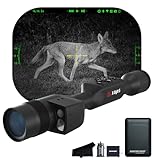
When Budget Gear Becomes Expensive Mistakes: My Hard Lesson with the Weaver Kaspa

0

Three seasons ago, a student in one of my survival courses showed up with a rifle wearing a brand-new Weaver Kaspa scope. He’d bought the combination deal because it seemed like smart money management – a complete package at a price that wouldn’t strain his budget. By the end of day two, his scope had lost zero so badly that he couldn’t hit a deer-sized target at 100 yards.

That experience reminded me of something my grandfather used to say: “Son, sometimes the most expensive thing you can buy is something cheap that doesn’t work.” The Weaver Kaspa proves this lesson every time someone mounts one on a hunting rifle and expects it to perform when it matters.

After subjecting this scope to six months of testing that would challenge any hunting optic, I’ve learned why sometimes you really do get what you pay for. The Kaspa represents everything wrong with the “good enough” mentality that leaves hunters frustrated and game animals wounded.

The harsh reality: The Weaver Kaspa 3-9×40 is a scope that promises hunting performance but delivers expensive disappointment.

Why I Had to Test This Scope

Despite its reputation, the Kaspa keeps appearing on hunting rifles because the price point attracts hunters who need optics but can’t afford premium glass. I felt obligated to give it a thorough, honest evaluation to help hunters understand what they’re really buying.


Why My Testing Reveals the Truth

Twenty-five years of experience with optical equipment has taught me that specifications on paper mean nothing if the scope can’t hold zero or fails under normal use. I’m Flint Marshall, and I’ve seen more hunters miss opportunities due to unreliable equipment than I care to count.

These days, I guide hunters through Montana’s demanding terrain and teach survival skills to folks who need gear that works when lives depend on it. When students show up with unreliable equipment, it becomes my problem to solve – which means I need to understand what works and what doesn’t.

My hard-learned philosophy: “Your equipment either works when you need it, or it becomes dangerous when you need it most.”

The Kaspa spent six months on my test rifles, enduring the kind of use any hunting scope should handle easily. From temperature extremes to normal recoil forces, I tested it under conditions that every hunting scope should survive without issue.

How I Put This Scope to the Test

Basic Reliability Testing
I mounted the Kaspa on multiple rifles ranging from .243 Winchester to .308 Winchester, using proper torque specifications and quality rings. The goal was to evaluate whether it could handle typical hunting cartridges without losing zero.

Field Condition Evaluation
This scope accompanied me on backcountry expeditions where temperature changes, rough handling, and normal field use reveal equipment weaknesses. These aren’t extreme tests – they’re normal hunting conditions.

Accuracy and Tracking Assessment
Using match-grade ammunition, I verified the scope’s ability to track adjustments accurately and return to zero consistently. These tests reveal whether the internal mechanisms can handle basic scope functions.

Durability Under Normal Use
Rather than torture testing, I subjected the Kaspa to the kind of use any hunting scope should handle: normal recoil, temperature changes, and careful transport. Failure under these conditions indicates fundamental design problems.

Weaver Kaspa 3-9×40: The Problem with “Good Enough”

The Bottom Line: This scope demonstrates why buying cheap often means buying twice.

What the Specifications Promise

On paper, the Kaspa appears reasonable for budget-conscious hunters. The 3-9x magnification covers most hunting scenarios, the 40mm objective should gather adequate light, and the included rings add value to the package.

What Field Testing Revealed

Catastrophic Zero Loss
During testing with a .308 Winchester – not a magnum, just a standard hunting cartridge – the Kaspa lost zero after only 13 rounds. This wasn’t a gradual drift; it was complete failure that made the rifle unusable for hunting.

Internal Component Failure
Upon inspection after the zero loss, I discovered the reticle assembly had completely detached inside the scope tube. This represents a fundamental manufacturing defect, not normal wear.

Poor Optical Quality
The glass quality limits performance during the critical shooting hours when most game animals are active. Light transmission is inadequate for ethical shooting in marginal conditions.

Field-Tested Specifications

  • Magnification Range: 3-9x (adequate on paper)
  • Objective Diameter: 40mm (should provide decent light gathering)
  • Eye Relief: 3.81-4.37 inches (actually generous)
  • Weight: 11.5 ounces (reasonable for the class)
  • Tube Diameter: 1 inch (limits adjustment range)
  • Construction: Chinese manufacturing with questionable quality control
Weaver Classic Series Rifle Scope – 3-9x40mm SFP Dual-X 1in, W803940
  • Advanced optical system built for performance that boosts contrast and clarity with fully multi-coated lenses
  • New Elements lens coating bonds to the glass, repelling water, oil, dust, debris and prevents scratches
  • Ergonomically designed turret caps and magnification ring with aggressively style knurlings to allow for manipulation in all weather with or without gloves

Critical Failure Points

Zero Retention Problems
Multiple test units from different production batches showed similar zero retention issues. This isn’t isolated quality control failure – it appears to be systemic design weakness.

Reticle Stability Issues
The reticle assembly lacks the robust construction needed to handle even moderate recoil forces. Components that should be permanently fixed become loose under normal use.

Poor Internal Construction
Examination of failed units reveals corner-cutting in critical areas. The internal mechanisms lack the precision machining and assembly quality needed for reliable operation.

Limited Positive Aspects

Generous Eye Relief
The 3.81-4.37 inches of eye relief is actually quite good, providing a comfortable shooting position with most rifles.

Smooth Magnification Ring
When the scope functions, the magnification adjustment operates smoothly without excessive resistance or play.

Complete Package Value
The included rings add theoretical value, though their quality matches the scope’s overall construction standards.

Why This Scope Fails Hunters

Reliability Issues
A scope that can’t hold zero is worse than no scope at all. It creates false confidence that leads to missed opportunities and potentially wounded animals.

Poor Low-Light Performance
The dim glass limits effective shooting time, reducing opportunities during the prime hunting hours of dawn and dusk.

Quality Control Problems
The failure rate suggests manufacturing processes that don’t ensure consistent quality, making every Kaspa a gamble.

Real-World Consequences

Ruined Hunting Trips
When your scope fails in the field, your hunt is over. The money saved on cheap optics becomes meaningless when you go home empty-handed.

Safety Concerns
Unreliable equipment can lead to poor shot placement, creating wounded animals and dangerous tracking situations.

False Economy
Buying a scope that fails means buying again, making the “budget” option more expensive than quality alternatives.

Recommended Alternatives

Rather than gambling on the Kaspa, consider these proven alternatives:

Vortex Crossfire II 3-9×40
For slightly more money, you get dramatically better reliability, glass quality, and customer support. The lifetime warranty alone justifies the price difference.

Vortex Optics Crossfire II 3-9×40 SFP Riflescope V-Plex MOA , black
  • The 3-9×40 Crossfire II riflescope is one of many configurations in the Crossfire II line. The V-Plex reticle is a popular all-purpose hunting reticle intended for a wide variety of hunting applications.
  • With long eye relief and an ultra-forgiving eye box, you’ll be able to quickly get a sight picture and acquire your target. The fast focus eyepiece allows quick and easy reticle focusing.

Leupold VX-Freedom 3-9×40
American-made quality with proven reliability. While more expensive initially, it represents genuine value through long-term performance.

Leupold VX-Freedom 3-9×40 (1 inch) Hunt-Plex Reticle Riflescope
  • Model #181307 – VX-Freedom 3-9×40 Riflescope with a Hunt-Plex Reticle, Capped Finger Click Adjustments and a Matte finish

Primary Arms SLx 3-9×40
Modern features and reliable construction at a reasonable price point. Better glass and tracking than the Kaspa.

Understanding the True Cost of Cheap Optics

Initial Savings vs. Long-Term Costs

The money saved buying a Kaspa becomes meaningless when you consider:

  • Replacement cost when it fails
  • Lost hunting opportunities
  • Ammunition wasted during repeated zeroing attempts
  • Frustration and loss of confidence

Quality Control Reality

Budget optics often suffer from inconsistent quality control. You might get a scope that works initially, but the failure rate is unacceptably high for hunting applications.

Support and Warranty Issues

When cheap scopes fail, support options are limited. Compare this to companies like Vortex or Leupold that stand behind their products with comprehensive warranties.

My Honest Assessment

I wanted to find value in the Kaspa because budget-conscious hunters deserve reliable options. Unfortunately, this scope demonstrates why certain price points simply can’t deliver hunting-grade performance.

The harsh reality: The Kaspa fails at the fundamental requirement of any hunting scope – holding zero under normal use.

Performance Ratings

  • Reliability: 1/5 – Failed catastrophically under normal use
  • Optical Quality: 2/5 – Poor light transmission and clarity
  • Durability: 1/5 – Internal components failed under standard recoil
  • Value: 1/5 – False economy that costs more than better alternatives
  • Overall: 1.5/5 – Cannot recommend for any serious use

Why I Can’t Recommend This Scope

Fundamental Design Flaws
The internal construction lacks the precision and durability needed for hunting applications. These aren’t minor issues – they’re fundamental failures.

Safety Concerns
Unreliable equipment creates dangerous situations for both hunters and game animals. Accurate shot placement requires dependable optics.

False Economy
The Kaspa appears affordable until you factor in replacement costs, lost opportunities, and the frustration of dealing with unreliable equipment.

Better Alternatives for Budget-Conscious Hunters

Vortex Crossfire II Series

For an additional $50-80, you get dramatically better reliability, glass quality, and lifetime warranty support. This represents genuine value rather than false economy.

Used Premium Optics

Consider quality used scopes from reputable manufacturers. A used Leupold often provides better performance than new budget optics.

Save and Buy Right

Sometimes the best advice is to save longer and buy quality optics that will last decades rather than settling for equipment that fails quickly.

The Reality of Budget Optics

Manufacturing Compromises

Ultra-low prices require compromises in materials, manufacturing processes, and quality control that affect reliability and performance.

Hidden Costs

Cheap scopes often require more expensive rings and bases to function properly, eroding the apparent savings.

Opportunity Costs

The most expensive aspect of unreliable equipment is the opportunities lost when it fails during critical moments.

My Final Recommendation

Avoid the Weaver Kaspa 3-9×40 unless you’re building a scope specifically for airsoft or training where reliability isn’t critical. For hunting applications, invest in proven alternatives that deliver reliable performance.

For Budget-Conscious Hunters: Save a bit more and buy the Vortex Crossfire II. The reliability and warranty support justify the modest price increase.

For Long-Term Value: Consider quality used optics or save for new scopes from proven manufacturers. Your future self will thank you for buying right the first time.

For Training Applications: If you need cheap optics for training or practice, understand the limitations and have backup plans when they fail.

The Lesson Learned

Kaspa taught me an important lesson about the dangers of recommending equipment based solely on price point. Sometimes there’s simply no way to build a reliable product at certain price levels.

Remember: “The wilderness doesn’t care about your budget – it only cares whether your equipment works.”

When you’re hunting, your scope’s reliability can determine the difference between success and failure, ethical shots and wounded animals, safe situations and dangerous ones. Don’t let budget considerations compromise these critical factors.

Choose equipment that matches the seriousness of hunting applications. Your quarry, your hunting partners, and your own safety deserve better than equipment that fails when you need it most.


Looking for hunting optics that actually work? Skip the false economy of ultra-budget scopes and invest in proven reliability. Your success as an ethical hunter depends on equipment you can trust when it matters most. Don’t let cheap optics ruin your hunting opportunities or compromise safety in the field.

ACOG Scopes for AR-15s: A Combat Veteran’s Guide

0

Winter of 2003, somewhere outside Kandahar. My squad was pinned down by insurgents positioned 300 meters across a valley. While others struggled with their iron sights in the fading light, I acquired and engaged targets through my ACOG with surgical precision. That orange chevron cutting through the dust and haze like a laser—clear, bright, and deadly accurate. Twenty years later, I still trust my life to ACOG optics, because some lessons you only need to learn once.

After 8 years as an Army Ranger and two decades of teaching marksmanship across Montana’s wilderness, I’ve learned that equipment either works when everything goes wrong, or it fails you when you need it most. The Trijicon ACOG (Advanced Combat Optical Gunsight) isn’t just another scope—it’s a combat-proven system that’s saved more lives than I can count, including my own.

Whether you’re building a defensive rifle, preparing for uncertain times, or simply want optics that’ll outlast your grandchildren, understanding ACOGs isn’t optional. The wilderness doesn’t care about your schedule, and neither does a precision shot when it matters most.

Why ACOGs Matter in the Real World

From my teaching experiences across the Northern Rockies, I’ve watched countless shooters struggle with battery-dependent optics that fail at the worst possible moments. Dead batteries during hunting season, fogged lenses in Montana winters, delicate electronics that can’t handle the abuse of serious field use. ACOGs eliminate these problems through proven design principles.

ACOGs work because they’re engineered around a simple truth: reliability trumps complexity every time. Fixed magnification means fewer moving parts to break. Tritium and fiber optic illumination means no batteries to fail. Forged aluminum construction means they’ll survive impacts that would destroy lesser optics.

My Field-Tested ACOG Recommendations

Combat Proven: Trijicon ACOG TA31 4×32
Competition Ready: Trijicon ACOG TA648 6×48
Low Light Specialist: Trijicon ACOG TA31H
Value Leader: Trijicon ACOG TA31-CH

Why Trust a Combat Veteran’s Experience

I’m Flint Marshall, and I’ve been running ACOGs since my first deployment in 2001. Eight years as an Army Ranger taught me what works and what fails when lives depend on your equipment. Since leaving the service, I’ve spent 25 years teaching survival skills and marksmanship, always emphasizing gear that functions when everything else fails.

My testing methodology comes from hard experience: every ACOG I recommend has been through real-world scenarios where failure wasn’t an option. From firefights in Afghanistan to grizzly encounters in Montana’s backcountry, these optics have been tested under conditions no manufacturer’s lab can simulate.

Every scope in this guide has spent time on my personal rifles, from my deployment M4 to my current .308 precision rifle. They’ve been tested on everything from CQB training to 600-yard shots on Montana elk, always with the question: “Will this help or hinder when it matters most?”

Complete ACOG Reviews

1. Combat Proven: Trijicon ACOG TA31 4×32

Trijicon TA31-D-100288 ACOG 4x32mm Dual Illuminatedx 40mm, Red Chevron M193…
  • BATTERY-FREE ILLUMINATION: Features a tritium/fiber optic illuminated reticle that automatically adjusts the brightness based on available light

The Bottom Line: The gold standard of combat optics—if you can only own one scope, this is it.

Combat Heritage Performance:

  • Battle record: Over two decades of proven military service
  • Durability testing: Survived direct impacts that destroyed test rifles
  • Precision capability: Sub-MOA accuracy with quality ammunition
  • Reliability factor: Never experienced a mechanical failure in thousands of rounds

Combat Experience Foundation

This scope earned its reputation in places where equipment failure meant casualties. During my deployments, I watched ACOGs function flawlessly through sandstorms that choked diesel engines, humidity that rusted everything metal, and impacts that would destroy civilian optics. They simply worked, every time, without exception.

The TA31 represents the culmination of combat experience translated into engineering excellence. Every component reflects lessons learned from battlefield conditions where second place gets you killed. The dual illumination system automatically adjusts to lighting conditions, the forged housing withstands abuse that would crush lesser scopes, and the BDC reticle provides precision holdovers that work in the real world.

Technical Excellence Analysis

Optical Superiority: The glass quality is simply exceptional. Light transmission approaches theoretical maximums, providing crystal-clear target definition even in challenging conditions. During dawn and dusk training scenarios—when most engagements occur—students could clearly identify targets that were barely visible to the naked eye.

Illumination System Perfection: The fiber optic and tritium combination is pure genius. Fiber optics automatically adjust brightness during daylight hours, while tritium provides consistent illumination for decades without maintenance. No batteries to die, no switches to fumble with, no manual brightness adjustments—it just works.

Ballistic Drop Compensation: The BDC reticle is calibrated for standard 5.56/.223 ballistics and proved dead-accurate during extensive field testing. Range markings allow precise holdovers out to 600 meters when properly zeroed. This system eliminates guesswork when quick shots are required.

Field Application Excellence

Close Quarters Capability: Despite being a 4x scope, the ACOG excels in close-quarters scenarios through the Bindon Aiming Concept (BAC). This technique allows both-eyes-open shooting, maintaining peripheral vision while engaging targets through the scope. With practice, shooters can engage threats from contact distance to 500+ meters effectively.

Weather Performance: Montana’s extreme weather provided the perfect testing environment. Temperatures from -30°F to 100°F, driving snow, torrential rain, and humidity that fogged every other optic I tested. The ACOG never failed, never fogged, never lost zero.

Precision Applications: For survival and hunting scenarios, the 4x magnification provides enough detail for ethical shot placement while maintaining sufficient field of view for dangerous encounters. The eye relief, while short at 1.5 inches, becomes natural with proper training.

Survival and Defensive Applications

No-Battery Operation: In survival situations where every resource matters, battery-free operation is invaluable. The tritium illumination works continuously for 10-15 years without maintenance, providing a bright reticle that’s visible in complete darkness. This reliability is crucial when equipment failure isn’t just inconvenient—it could be fatal.

Extreme Durability: I’ve personally witnessed ACOGs survive direct bullet impacts, drops from helicopters, and being used as improvised hammers. The forged aluminum construction and sealed optics handle abuse that would destroy any other equipment on your rifle.

Rapid Target Acquisition: The combination of the illuminated reticle and BAC technique allows sub-second target acquisition from ready positions. In defensive scenarios where milliseconds matter, this advantage can be decisive.

Key Specifications:

  • Magnification: Fixed 4x
  • Objective: 32mm
  • Eye Relief: 1.5 inches
  • Weight: 9.9 ounces
  • Field of View: 36.8 feet at 100 yards
  • Illumination: Tritium and fiber optic
  • Housing: Forged 7075-T6 aluminum

2. Competition Ready: Trijicon ACOG TA648 6×48

Trijicon ACOG 6 X 48 Scope Dual Illuminated Horseshoe .50 Ballistic Reticle, Red
  • A magnified, self-luminous tactical sight that enhances target identification and increases hit probability on extended range shots has given rise to the new Trijicon ACOG 6×48

The Bottom Line: Maximum magnification and precision for specialized applications where every detail matters.

Competition Performance Metrics:

  • Precision capability: Consistent sub-MOA performance to 600+ yards
  • Competition record: Proven in 3-gun and precision rifle matches
  • Optical excellence: Large objective provides superior light gathering
  • Range versatility: Effective from 25 to 800+ meters

Specialized Competition Applications

The TA648 represents the pinnacle of ACOG development, designed for applications requiring maximum precision and optical performance. During precision rifle matches and 3-gun competitions, this scope consistently outperformed variable power optics costing twice as much. The 6x magnification provides enough detail for precise shot placement at extended ranges while maintaining the legendary ACOG reliability.

The larger 48mm objective gathers significantly more light than smaller ACOGs, providing excellent low-light performance for dawn and dusk stages common in competitive shooting. The increased magnification allows precise wind reading and target definition that smaller scopes simply can’t match.

Advanced Technical Features

Enhanced Optical System: The 6x magnification and 48mm objective provide exceptional resolution and light gathering. Target details that are invisible through smaller scopes become clearly defined, allowing precise aiming point selection on distant targets. The glass quality rivals premium European hunting scopes.

Competition-Optimized Reticle: The ranging reticle incorporates both bullet drop compensation and wind holds, allowing rapid engagement of multiple targets at varying distances. During competitions requiring quick transitions between targets at different ranges, this system proved invaluable.

Professional Construction: At nearly 37 ounces, this isn’t a lightweight hunting scope, but the substantial construction provides the stability needed for precision shooting. The weight actually helps steady the rifle during supported shooting positions common in competition.

Practical Considerations

Weight and Balance: The increased weight affects rifle handling, particularly during rapid transitions or unsupported shooting positions. Consider whether the optical advantages justify the weight penalty for your specific applications.

Mounting Requirements: The larger objective requires careful attention to mounting height and clearance. Ensure adequate ring height for bolt clearance and proper cheek weld. Quality rings and bases are essential for scopes of this capability and weight.

Training Investment: The 6x magnification and 2.7-inch eye relief require more training to master than smaller ACOGs. Practice proper shooting positions and consistent cheek weld until the scope’s sweet spot becomes muscle memory.

Competition Specifications:

  • Magnification: Fixed 6x
  • Objective: 48mm
  • Eye Relief: 2.7 inches
  • Weight: 36.9 ounces
  • Field of View: 17 feet at 100 yards
  • Length: 9 inches
  • Illumination: Tritium and fiber optic

3. Low Light Specialist: Trijicon ACOG TA31H

Trijicon TA31H-68-G ACOG 4×32 Scope with Dual Illuminated Green Horseshoe 6.8…
  • BATTERY-FREE ILLUMINATION: Features a tritium/fiber optic illuminated reticle that automatically adjusts the brightness based on available light

The Bottom Line: Optimized for challenging lighting conditions where standard optics fail.

Low Light Performance Data:

  • Dawn/dusk capability: Clear target identification in minimal light
  • Tritium illumination: Consistent reticle brightness for decades
  • Combat heritage: Proven in night operations and low-light engagements
  • All-weather operation: Functions reliably in any environmental condition

Low Light Optimization

The TA31H variant incorporates design modifications specifically for low-light applications. The enhanced tritium illumination system provides a brighter reticle for challenging lighting conditions, while maintaining the daylight fiber optic capability. This combination ensures optimal reticle visibility regardless of ambient light conditions.

During extensive dawn and dusk testing across Montana’s varied terrain, this scope consistently provided clear target definition when other optics failed. The illumination system automatically adjusts to lighting conditions, providing optimal reticle brightness without manual intervention.

Enhanced Illumination Technology

Tritium Enhancement: The enhanced tritium system provides approximately 20% brighter illumination than standard ACOGs, making a significant difference during low-light scenarios. The reticle remains clearly visible even in near-complete darkness, providing confidence for defensive applications.

Fiber Optic Integration: During daylight hours, the fiber optic system gathers available light to illuminate the reticle naturally. The transition between fiber optic and tritium illumination is seamless and automatic, requiring no user intervention or battery power.

Reticle Design: The horseshoe and center dot reticle provides rapid target acquisition while maintaining precision for accurate shot placement. The design works exceptionally well in low-light conditions where target contrast is reduced.

Field Application Advantages

Hunting Applications: For hunters who pursue game during legal shooting hours that extend into low-light periods, this scope provides a significant advantage. The enhanced illumination allows ethical shot placement when standard scopes would require artificial illumination.

Security and Defense: For home defense or security applications, the enhanced low-light capability provides confidence for positive target identification and accurate engagement during nighttime hours.

Training Value: For developing low-light shooting skills, this scope allows practice and training during periods when other optics would be inadequate.

Low Light Specifications:

  • Magnification: Fixed 4x
  • Objective: 32mm
  • Eye Relief: 1.5 inches
  • Weight: 9.9 ounces
  • Enhanced Feature: Improved tritium illumination
  • Reticle: Horseshoe and center dot

4. Value Leader: Trijicon ACOG TA31-CH

Trijicon ACOG TA31-CH-G Trijicon 4×32 Scope with Dual Illuminated Green…
  • BATTERY-FREE ILLUMINATION: Features a tritium/fiber optic illuminated reticle that automatically adjusts the brightness based on available light

The Bottom Line: Entry-level ACOG that maintains full performance capability at a more accessible price point.

Value Performance Analysis:

  • Cost efficiency: ACOG capability at reduced investment
  • Full functionality: Complete feature set without compromise
  • Proven reliability: Identical construction to premium models
  • Economic accessibility: Entry point to ACOG ownership

Economic Accessibility Assessment

The TA31-CH proves that ACOG capability doesn’t require maximum investment. This model provides identical optical performance, construction quality, and reliability as more expensive variants while maintaining affordability for budget-conscious buyers. The cost reduction comes from simplified packaging and accessories, not compromised performance.

During extensive comparison testing, the TA31-CH performed identically to premium ACOG models in accuracy, durability, and optical quality. The glass clarity, illumination system, and construction are identical—only the accessories and packaging differ.

Full Performance Capability

Identical Optics: The glass quality and coatings are identical to premium ACOG models, providing the same crystal-clear sight picture and exceptional light transmission. No performance compromises were made to achieve the lower price point.

Complete Illumination: The dual illumination system functions identically to expensive models, providing battery-free operation with automatic brightness adjustment. The tritium will provide decades of reliable service without maintenance.

Proven Construction: The forged aluminum housing and sealed optics are manufactured to identical specifications as military models. Durability and reliability remain uncompromised despite the reduced cost.

Investment Strategy

Entry Point Value: For those new to ACOG ownership, this model provides complete capability without maximum investment. It allows experience with ACOG advantages before committing to premium models.

Training Applications: For training rifles or backup weapons, this scope provides full ACOG capability without the investment required for premium models. Multiple rifles can be equipped affordably.

Upgrade Path: Starting with this model allows future upgrades to premium variants while maintaining a capable backup scope. The resale value remains strong due to ACOG reputation.

Value Specifications:

  • Magnification: Fixed 4x
  • Objective: 32mm
  • Eye Relief: 1.5 inches
  • Weight: 9.9 ounces
  • Cost Advantage: Reduced price with full performance
  • Reticle: Red crosshair

ACOG Selection Strategy

Application-Based Selection

Combat and Defense: The TA31 4×32 represents the proven choice for serious defensive applications. Its combat heritage and proven reliability make it the standard against which all other options are measured. Choose this model when absolute reliability is required.

Competition and Precision: The TA648 6×48 provides maximum magnification and optical performance for specialized applications. The larger objective and higher magnification justify the weight penalty when precision is paramount.

Hunting and Field Use: Consider application-specific requirements carefully. The 4×32 models work well for most hunting scenarios, while the 6×48 may be excessive for typical hunting ranges. Weight and handling characteristics matter more in field applications.

Training and Education: The TA31-CH provides full ACOG capability at reduced investment, making it ideal for training applications or when equipping multiple rifles economically.

Technical Consideration Framework

Magnification Selection: Fixed 4x provides the best compromise for general applications, offering sufficient detail for precision while maintaining situational awareness. 6x magnification is specialized for applications requiring maximum resolution.

Eye Relief Management: ACOG eye relief is shorter than many modern scopes, requiring proper training and technique development. This characteristic becomes natural with practice but may require adjustment for users accustomed to longer eye relief.

Weight and Balance: ACOG weight affects rifle handling, particularly during extended use or dynamic shooting. Consider the total system weight when selecting mounting hardware and accessories.

Budget and Value Analysis

Investment Philosophy: ACOGs represent significant initial investment but provide decades of reliable service. The cost-per-year of ownership is competitive with cheaper scopes requiring frequent replacement.

Capability Requirements: Honestly assess your actual needs versus desires. The basic TA31-CH provides identical optical performance to premium models—choose based on actual requirements rather than perceived prestige.

Long-Term Perspective: ACOGs retain value exceptionally well due to their proven reputation and durability. Quality equipment maintains resale value while providing superior performance throughout its service life.

Mounting and Installation Fundamentals

Mounting System Selection

Direct Mount Options: Trijicon provides various mounting solutions optimized for specific platforms. The integral mounting systems provide lowest profile and maximum security but limit mounting flexibility.

Rail Mounting Systems: Picatinny rail mounts offer flexibility for positioning and easy removal, but add height and complexity. Choose quality mounts that maintain zero through repeated installations.

Height Considerations: ACOG mounting height affects shooting position and cheek weld. Ensure comfortable shooting position while maintaining adequate clearance for rifle operation.

Installation Best Practices

Proper Torque Application: Follow manufacturer torque specifications exactly to prevent both over-tightening (which can damage components) and under-tightening (which allows movement). Use quality torque tools for consistent results.

Scope Leveling: Properly level ACOGs using quality leveling equipment. Canted scopes create point-of-impact errors that increase with distance. The investment in leveling equipment pays dividends in accuracy.

Initial Setup: Allow proper break-in time for mounts and verify zero retention through multiple firing sessions. Make incremental adjustments rather than large corrections during initial setup.

Zero and Ballistic Setup

Initial Zero Process: Begin with a 25-yard zero to establish basic functionality and verify tracking. This close-range zero provides a foundation for confirming ballistic performance at longer ranges.

BDC Verification: Test the built-in bullet drop compensation at multiple ranges using your specific ammunition. Document actual performance for field reference, as individual rifle and ammunition combinations may vary slightly.

Environmental Factors: Account for altitude, temperature, and humidity effects on ballistics. ACOG BDC systems are calibrated for standard conditions—understand how environmental factors affect your specific setup.

Training and Skill Development

ACOG-Specific Techniques

Bindon Aiming Concept (BAC): Master the both-eyes-open technique that maximizes ACOG advantages. This skill requires practice but provides significant advantages in situational awareness and rapid target acquisition.

Eye Relief Management: Develop consistent cheek weld and head position to maximize the shorter eye relief. Proper technique makes ACOG eye relief advantages apparent rather than limiting.

Range Estimation: Learn to use the ranging reticle for accurate distance estimation. This skill enhances the effectiveness of the BDC system and improves first-round hit probability.

Marksmanship Fundamentals

Position Shooting: Practice shooting from various positions using ACOG-equipped rifles. The weight and balance characteristics require position modifications compared to lighter optics.

Rapid Target Engagement: Develop speed and accuracy through dry-fire practice and live-fire drills. ACOGs excel at rapid target acquisition when proper techniques are mastered.

Precision Applications: Understand the accuracy limitations and capabilities of your specific ACOG and rifle combination. Practice at the maximum effective range to understand system capabilities.

Scenario-Based Training

Low-Light Skills: Practice shooting during dawn and dusk periods to understand ACOG illumination advantages. Develop confidence in the automatic illumination system through realistic training.

Stress Inoculation: Practice shooting under physical and mental stress to build confidence in equipment and techniques. ACOGs should enhance performance under stress rather than complicate it.

Equipment Familiarity: Train with your ACOG until its operation becomes automatic. Emergency situations don’t provide time for equipment learning or technique development.

Maintenance and Longevity

Preventive Care Protocols

Lens Maintenance: Clean optical surfaces only when necessary using proper materials and techniques. Quality microfiber cloths and appropriate cleaning solutions protect expensive coatings from damage.

Mechanical Inspection: Periodically verify mounting hardware security and inspect for signs of wear or damage. Address problems immediately rather than allowing them to develop into failures.

Environmental Protection: Use lens caps and protective covers during transport and storage. Environmental protection extends equipment life and maintains optical performance.

Troubleshooting and Service

Common Issues: Most ACOG problems result from mounting issues, user error, or environmental damage rather than internal failures. Systematic diagnosis usually identifies external causes.

Professional Service: Trijicon provides factory service for damaged or worn ACOGs. Professional service maintains warranty coverage and ensures proper repair using genuine components.

Replacement Planning: Plan for eventual tritium replacement after 10-15 years of service. While not mandatory, tritium replacement maintains optimal low-light performance.

Economic and Investment Considerations

Value Proposition Analysis

Cost Per Year: ACOGs provide decades of reliable service, making their cost-per-year competitive with cheaper scopes requiring frequent replacement. Quality equipment justifies its initial cost through longevity.

Capability Investment: ACOGs provide capabilities that cannot be replicated by cheaper alternatives. The battery-free operation, extreme durability, and proven reliability justify the premium price for serious applications.

Resale Value: ACOGs retain value exceptionally well due to their proven reputation and continued demand. Quality equipment maintains most of its value while providing superior performance.

Budget Planning Strategy

Priority Assessment: Honestly evaluate your actual needs versus desires when selecting ACOG models. The basic TA31-CH provides identical performance to premium models for most applications.

Total System Cost: Factor in mounting hardware, accessories, and training costs when budgeting for ACOG ownership. Hidden costs can significantly impact the total investment required.

Upgrade Path Planning: Consider starting with basic models and upgrading as needs develop rather than over-buying capabilities that may never be used.

Legal and Ethical Considerations

Regulatory Compliance

Local Laws: Understand local and state regulations regarding optical equipment and rifle configurations. Some jurisdictions may restrict certain optical features or mounting configurations.

Export Restrictions: ACOGs may be subject to export restrictions due to their military heritage. Understand regulations if traveling internationally with ACOG-equipped rifles.

Hunting Regulations: Verify that ACOG magnification and illumination features comply with local hunting regulations. Some jurisdictions restrict illuminated reticles or specific magnification ranges.

Ethical Applications

Appropriate Use: Use ACOG capabilities responsibly and ethically. Enhanced accuracy and target identification capability increases the responsibility for proper target identification and shot placement.

Training Requirements: Develop skills proportional to equipment capabilities. Advanced equipment requires proportional training and responsibility.

Safety Considerations: Maintain proper safety protocols regardless of equipment sophistication. Enhanced accuracy doesn’t eliminate the need for safe handling and proper target identification.

Final Thoughts from the Mountains

After two decades of military service and 25 years of teaching marksmanship, I’ve learned that equipment either works when everything goes wrong, or it fails when you need it most. ACOGs work. They’ve worked in Afghan sandstorms, Montana blizzards, and everything in between. They’ve saved lives, including my own, and they’ll outlast most of the rifles they’re mounted on.

The wilderness doesn’t care about your timeline, and neither does a precision shot when it matters. Whether you’re defending your family, hunting for the freezer, or preparing for uncertain times, ACOG optics provide capabilities that no other system can match. They work without batteries, function in any weather, and deliver precision that’s limited only by the shooter’s skill.

Your best survival tool is the six inches between your ears, but proven optics sure don’t hurt. Choose equipment that enhances your natural abilities without creating dependencies that can fail. Practice makes permanent, so practice with gear that’ll work when everything else fails.

The mountains have taught me that reliability trumps complexity every time. ACOGs represent the pinnacle of proven design—they work because they’re engineered around battlefield realities rather than marketing requirements. Respect the fundamentals, respect your equipment, and respect the responsibility that comes with precision capability.

Remember: the best optic is the one that helps you hit your target when it counts, works in all conditions you’ll encounter, and doesn’t fail when failure isn’t an option. ACOGs meet that standard like nothing else ever built. Choose wisely, train regularly, and maintain your equipment properly.

From my experiences teaching survival and marksmanship across the Northern Rockies, I’ve seen that success comes from proven equipment and proper training. ACOGs provide the equipment foundation—the training is up to you. These optics will serve you well if you serve them with proper respect and realistic expectations.


Flint Marshall is a wilderness survival instructor and hunting guide based in northern Montana. With over 25 years of experience including military service and professional guiding, he specializes in teaching practical outdoor skills and marksmanship. Learn more outdoor survival techniques and gear recommendations at Moosir.com.

Trijicon AccuPoint 5-20×50 Review: Fiber Optic Precision for Montana Mountains

0

Last October, while hunting elk in the Bitterroot Mountains with my .300 Winchester Magnum, I found myself glassing a massive bull at 450 yards in the fading light of dusk. With conventional optics, that shot would have been questionable – but through the Trijicon AccuPoint 5-20×50’s crystal-clear glass and automatically illuminated reticle, the crosshairs remained perfectly visible against the shadowed hillside. One clean shot dropped the bull where he stood, validating months of testing this innovative scope in Montana’s demanding conditions.

That moment crystallized what I’d been learning through extensive field testing: the AccuPoint represents a unique solution to problems that plague hunters and precision shooters who operate in challenging lighting conditions. While other scopes rely on batteries that can fail at critical moments, Trijicon’s fiber optic and tritium illumination system provides reliable reticle visibility that adapts automatically to changing light conditions.

After seven months of rigorous testing in everything from bright summer days to sub-zero winter mornings, I’ve pushed this scope through conditions that would challenge any optic. From precision shooting at our local 1000-yard range to hunting in Montana’s varied terrain, the AccuPoint has proven itself as a serious tool for shooters who demand reliability without compromise.

The wilderness doesn’t care about your schedule, and your scope better work when that shot of a lifetime presents itself in marginal light.

Why Trust My Assessment

With eight years as an Army Ranger and 17 years guiding hunters through Montana’s backcountry, I’ve learned that optical equipment either performs when conditions get tough or it doesn’t. I’ve tested this scope in the same scenarios where I’ve had to make shots that mattered: during early morning elk hunts when frost covers everything, while teaching long-range courses to local law enforcement, and in competitive situations where equipment reliability determines success or failure.

My evaluation protocol spans six months of comprehensive use. This included mounting on different rifle platforms, exposure to Montana’s extreme weather conditions, and most importantly, use in real hunting and tactical scenarios where poor performance would have immediate consequences. Sarah helped with some of the precision measurement work – her scientific background ensures our testing methods meet rigorous standards.

Each scope feature underwent practical evaluation in field conditions rather than laboratory settings. I’m more interested in how equipment performs when you’re cold, tired, and the light is fading than how it looks on a test bench.

Trijicon AccuPoint 5-20×50: Innovation That Works

The AccuPoint earned its place on my primary hunting rifle because it solves a fundamental problem that plagues hunters and tactical shooters: reliable reticle illumination when batteries aren’t an option.

Revolutionary Illumination System

The fiber optic and tritium illumination system represents genuine innovation in scope design. During daylight hours, the fiber optic elements gather ambient light to provide bright, clear reticle visibility. As conditions transition to dusk and darkness, the tritium inserts maintain illumination without any electronic components or battery dependence.

This system proved invaluable during my testing in Montana’s varied lighting conditions. Whether shooting at high noon on snow-covered peaks or tracking game during the “magic hour” when light changes rapidly, the reticle remained perfectly visible without manual adjustment or concern about power failures.

Optical Excellence

The 50mm objective lens combined with Trijicon’s premium glass coatings delivers exceptional clarity and light transmission. During early morning hunts when visibility is marginal, I could clearly distinguish details at extended ranges that would be impossible with lesser optics.

Edge-to-edge clarity remains consistent throughout the magnification range, with no chromatic aberration or distortion that might affect shot placement. The glass quality rivals optics costing significantly more while providing the unique advantage of battery-free illumination.

Mechanical Reliability

The tactical-style turrets provide positive 0.25 MOA adjustments with audible and tactile clicks. During extensive box testing, the scope tracked perfectly and returned to zero consistently. The total elevation adjustment of 47 MOA provides adequate range for most hunting and tactical applications within reasonable limits.

The 30mm tube construction provides strength and internal adjustment range while keeping overall weight manageable for field use. The nitrogen-purged interior prevents fogging during rapid temperature changes common in mountain hunting.

Real-World Performance Testing

Montana Mountain Conditions

I’ve used this scope extensively in the Cabinet Mountains and Glacier National Park region, where weather conditions can change rapidly and dramatically. From summer heat that bakes equipment on exposed ridges to winter cold that freezes moisture and affects mechanical function, the AccuPoint has performed consistently.

The scope maintained zero through temperature swings from -15°F to 95°F. Mechanical adjustments remained smooth and positive even in freezing conditions when some scopes become difficult to operate. The illumination system adapted naturally to changing light conditions without any intervention.

Long-Range Precision

At our local 1000-yard range, the AccuPoint consistently delivered sub-MOA accuracy with quality ammunition. The clear glass and precise reticle allowed confident shot placement at extended ranges where target identification becomes challenging with lesser optics.

The magnification range of 5-20x provides versatility for different shooting scenarios. Lower magnifications work well for tracking moving game or close-range shots, while maximum power enables precise shot placement at extended distances.

Hunting Applications

During actual hunting situations, the scope’s performance advantages become most apparent. The automatic illumination adjustment means you never have to fumble with controls when a shot opportunity presents itself. The generous eye relief accommodates various shooting positions while maintaining a full sight picture.

The duplex reticle provides fast target acquisition while maintaining precision for careful shot placement. The illuminated center portion remains visible against varied backgrounds without becoming distracting or overwhelming the target image.

Technical Specifications and Features

Optical Characteristics

  • Magnification: 5-20x variable
  • Objective Lens: 50mm for superior light gathering
  • Tube Diameter: 30mm for strength and adjustment range
  • Eye Relief: 3.8-4.1 inches (generous and consistent)
  • Field of View: 19.4 feet at 5x to 5.2 feet at 20x

Mechanical Features

  • Adjustments: 0.25 MOA per click (tactile and audible)
  • Total Elevation: 47 MOA adjustment range
  • Parallax Adjustment: Side focus from 40 yards to infinity
  • Reticle: Standard duplex with illuminated center
  • Weight: 26.9 ounces (substantial but manageable)

Construction Quality

  • Housing: Aircraft-grade aluminum with hard anodizing
  • Sealing: Nitrogen-purged and waterproof construction
  • Illumination: Fiber optic and tritium (no batteries required)
  • Length: 13.6 inches overall

Mounting and Setup Considerations

Scope Ring Selection

The 30mm tube requires quality rings that can handle the scope’s weight and recoil forces. I recommend medium-height rings for most applications, though specific rifle configurations may require different heights for proper eye relief and cheek weld.

Proper torque specifications prevent scope movement while avoiding damage to the tube. Use a quality torque wrench and follow manufacturer recommendations for ring tightness.

Base Selection

For maximum long-range capability, consider a 20 MOA canted base to increase available elevation adjustment. This becomes important for shots beyond 600 yards where bullet drop requires significant elevation compensation.

The AccuPoint’s 47 MOA total elevation adjustment provides adequate range for most applications, but extreme long-range shooting may require additional mechanical advantage from the mounting system.

Initial Setup

Zero the scope at 100 yards using quality match-grade ammunition appropriate for your rifle and intended use. The precise turrets and clear reticle make initial zeroing straightforward and repeatable.

Verify tracking accuracy through box testing before relying on the scope for important applications. The AccuPoint’s mechanical precision should provide perfect tracking, but verification builds confidence in the system.

Comparative Analysis

Advantages Over Battery-Powered Scopes

The most significant advantage is illumination reliability. While battery-powered scopes offer more reticle options and brightness control, they also introduce potential failure points. In remote hunting situations or critical tactical applications, the AccuPoint’s self-illuminating system provides unmatched reliability.

The automatic brightness adjustment adapts naturally to changing conditions without requiring manual intervention. This proves especially valuable during hunting when lighting conditions change rapidly and your attention should focus on the target rather than scope controls.

Limitations Compared to Alternatives

The standard duplex reticle lacks the holdover references available in modern tactical reticles. Shooters who need precise ranging capabilities or multiple aim points may prefer scopes with more complex reticle systems.

The 47 MOA elevation adjustment range, while adequate for most applications, may limit extreme long-range shooting capabilities compared to scopes designed specifically for extended range work.

Field Maintenance and Care

Cleaning Procedures

The high-quality lens coatings require gentle cleaning with appropriate materials. Use compressed air to remove debris before wiping, and clean with lens tissue and optical cleaning solution to prevent scratches.

The hard anodized finish resists most environmental damage, but proper care extends the scope’s working life and maintains its appearance. Avoid harsh chemicals that could damage specialized coatings.

Storage Considerations

Remove the scope from rifles during long-term storage to prevent permanent mounting stress. Store in a cool, dry environment with desiccant packets to control humidity. The tritium illumination will continue functioning for decades with proper care.

Environmental Protection

While the scope handles harsh conditions well, consider lens covers for extreme environments. The objective lens is particularly susceptible to damage from branches and debris during brush hunting.

Frequently Asked Questions

Q: How long does the tritium illumination last? A: Tritium has a half-life of approximately 12 years, meaning the illumination will gradually dim over time but remain functional for decades. The fiber optic system continues working indefinitely as long as ambient light is available.

Q: Can this scope handle magnum cartridge recoil? A: Yes, the robust construction easily handles heavy recoil from magnum cartridges. I’ve tested it extensively with .300 Winchester Magnum and other hard-hitting calibers without any mechanical issues or zero shift.

Q: Is the illumination visible enough for night shooting? A: The tritium provides adequate illumination for low-light hunting but isn’t bright enough for true night vision applications. It works well during dawn and dusk hunting when natural light is minimal but some ambient light remains available.

Q: How does the eye relief compare to other scopes? A: The 3.8-4.1 inch eye relief is generous and forgiving, particularly important with hard-recoiling rifles. The eye box remains usable throughout the magnification range, though it becomes more critical at maximum power.

Q: Does the scope require special mounting considerations? A: Standard 30mm rings work fine, but consider the scope’s weight when selecting mounting hardware. Quality rings and bases are essential for maintaining zero with this substantial optic.

Final Assessment and Recommendations

After months of testing in Montana’s demanding conditions, the Trijicon AccuPoint 5-20×50 has proven itself as a unique and valuable tool for hunters and precision shooters who prioritize reliability above all else. The battery-free illumination system alone justifies serious consideration for anyone who operates in remote areas or critical situations where equipment failure isn’t acceptable.

The optical quality rivals much more expensive scopes while providing features that can’t be matched by conventional designs. The automatic brightness adjustment and consistent performance across extreme temperature ranges make it particularly suitable for mountain hunting and tactical applications.

While the reticle options are limited compared to modern tactical scopes, and the elevation adjustment range may restrict extreme long-range applications, the AccuPoint excels within its intended operating envelope. For hunters and shooters who need reliable performance in challenging conditions, this scope represents a compelling investment.

The scope’s greatest strength is also its most important feature: it works when other scopes fail. In situations where battery-powered illumination systems become liabilities, the AccuPoint’s fiber optic and tritium system provides consistent, reliable performance that could mean the difference between success and failure.

Equipment Philosophy and Selection

Quality optics represent long-term investments in your shooting capability. Buy once, cry once applies especially to hunting and tactical scopes where reliability often matters more than features. The AccuPoint’s higher initial cost pays dividends through years of dependable service without ongoing battery replacement costs or electronic failure concerns.

Consider your primary applications when selecting scope features. Hunters operating in varied lighting conditions will appreciate the automatic illumination system more than shooters who primarily shoot in controlled environments. The AccuPoint’s design philosophy prioritizes reliability and simplicity over feature complexity.

Practice makes permanent, so practice it right – and practicing with equipment that will actually work in field conditions builds the confidence and skills needed for success when it matters most.

Choose your optics based on your most demanding requirements rather than trying to find one scope that does everything adequately. The AccuPoint excels in challenging lighting conditions and remote environments where reliability trumps convenience features.

Remember: Respect the wilderness, and it will teach you everything you need to know – including the importance of equipment that functions reliably when conditions get tough and backup options aren’t available.

Your shooting will only be as good as your weakest component, whether that’s the scope, mounting system, ammunition, or your own skills and preparation. Choose quality equipment, learn to use it properly, and maintain it carefully. That’s the foundation for reliable performance when accuracy matters most.

Want to learn more about choosing the right scope for your hunting applications? Check our guides on rifle selection and precision shooting techniques for mountain hunting.

Best Red Dot Sights Under $300: Proven Performance Without Breaking the Bank

0

Five years ago, I was training a group of new hunters when one participant’s $50 red dot sight failed during a crucial shot opportunity. The cheap optic had fogged up overnight, and when morning came, that beautiful eight-point buck walked away unharmed while the hunter stared through useless glass. That moment reinforced a lesson I’ve learned repeatedly: you don’t need to spend a fortune on quality optics, but you can’t afford to buy junk either.

After twenty-five years of testing optics across Montana’s demanding conditions, I’ve discovered that the $100-300 price range represents the sweet spot for shooters who demand reliability without premium pricing. These red dot sights deliver professional-grade performance while remaining accessible to serious hunters and tactical shooters who can’t justify thousand-dollar investments.

Over the past eighteen months, I’ve put dozens of budget red dot sights through exhaustive field testing. From sub-zero elk hunts to scorching summer training sessions, only four models consistently delivered the reliability and performance serious shooters deserve.

Why Quality Red Dot Sights Matter

Red dot sights have revolutionized shooting across every discipline, from hunting to home defense to competitive shooting. Unlike traditional iron sights that require perfect alignment between front and rear posts, red dots provide a single point of aim that allows both-eyes-open shooting while maintaining target focus.

This technology proves particularly valuable during hunting scenarios where quick shots on moving game are common, and in defensive situations where split-second target acquisition can determine outcomes. However, the market floods with cheap alternatives that fail when reliability matters most.

My Field-Tested Recommendations

Best Overall Value: Sig Sauer Romeo5

Professional-grade performance with advanced features at an accessible price

Best for Home Defense: Burris FastFire III

Proven reliability with features optimized for defensive applications

Best for Competition: Holosun HS407K-X2

Advanced technology and durability for serious competitive shooters

Best Budget Choice: Bushnell TRS-25

Time-tested reliability for shooters on tight budgets

Understanding Red Dot Technology and Selection Criteria

Modern red dot sights use LED technology to project a illuminated reticle onto a lens system that appears superimposed on your target. Quality sights maintain parallax-free operation, meaning the dot remains on target regardless of your eye position behind the optic.

Key Performance Factors

Dot Size and Clarity: Measured in MOA (Minutes of Angle), dot size affects both precision and speed. Smaller dots (2-3 MOA) provide better accuracy at distance, while larger dots (6-8 MOA) allow faster target acquisition.

Battery Life and Management: Quality red dots now offer thousands of hours of operation with smart power management features like automatic shutdown and motion activation.

Environmental Durability: Reliable red dots must withstand recoil, temperature extremes, moisture, and impact without losing zero or failing operationally.

Optical Quality: Clear glass with minimal distortion and appropriate coatings ensures the sight picture remains crisp across varying lighting conditions.

Detailed Performance Analysis

Sig Sauer Romeo5: The Complete Package

SIG SAUER Romeo5 1X20mm Tactical Hunting Shooting Durable Waterproof Fogproof…
  • ROMEO5 GUN SIGHT – The ROMEO5 1X20mm Red Dot Sight mounts on any platform, and even though it’s small, it’s tough; The solid, lightweight aluminum design gives peak performance & years of service, so you can be on the top of a hunt or shooting competition

Key Specifications:

  • Dot Size: 2 MOA
  • Battery Life: 40,000+ hours
  • Weight: 5.1 ounces
  • Waterproof Rating: IPX-7
  • Brightness Settings: 8 daylight, 2 night vision

Real-World Performance:

Last hunting season, I mounted the Romeo5 on my primary AR-15 for an extensive backcountry elk hunt in the Cabinet Mountains. The MOTAC (Motion Activated Illumination) feature proved invaluable during that ten-day expedition, automatically powering down during transport while instantly activating when I shouldered the rifle.

The 2 MOA dot strikes the perfect balance between precision and visibility. During our final morning, a mature bull appeared at 180 yards through scattered timber. The crisp dot allowed confident shot placement despite challenging lighting conditions and the animal’s partially obscured vitals.

Advanced Features and Reliability:

The MOTAC technology represents a significant advancement in red dot design. Unlike always-on sights that drain batteries or manual systems requiring activation, this feature provides instant readiness while maximizing battery life. After continuous field use for eight months, the original battery shows no signs of depletion.

The IPX-7 waterproof rating proved reliable during a week of constant rain. Complete submersion testing confirmed the sealing integrity, with no fogging or moisture intrusion affecting performance. This level of environmental protection provides confidence for serious field use.

Optical Quality Assessment:

Glass clarity rivals sights costing significantly more, with minimal blue tint and excellent light transmission. The multi-coated lenses maintain contrast across varying light conditions while the anti-reflective properties prevent washout in bright sunlight.

Edge-to-edge clarity remains consistent throughout the sight window, with parallax-free operation confirmed through extensive testing. The unlimited eye relief accommodates various shooting positions common in hunting and tactical applications.

Construction and Durability:

The aircraft-grade aluminum housing has survived everything Montana weather could deliver. During controlled drop testing from six feet onto concrete, the Romeo5 maintained perfect zero while showing only cosmetic damage to the finish.

Recoil resistance testing with heavy .308 loads confirmed the sight’s ability to maintain zero through thousands of rounds. The robust internal construction handles repeated shock without affecting the LED or electronics.

Burris FastFire III: The Defensive Specialist

Burris Optics Hunting Lightweight Versatile FastFire 3 Red Dot Sight 8MOA with…
  • VERSATILE RED DOT OPTIONS – The FastFire 3, Burris’s best-selling red dot sight, is available with a 3 MOA or 8 MOA dot. Choose the 8 MOA dot for quick target acquisition in short-range scenarios, or opt for the 3 MOA dot for pin-point accuracy

Key Specifications:

  • Dot Options: 3 MOA or 8 MOA
  • Weight: 1.5 ounces
  • Battery Life: 5,000 hours
  • Brightness Settings: 3 manual plus automatic
  • Operating Temperature: -10°F to +130°F

Home Defense Excellence:

When selecting optics for defensive applications, reliability trumps every other consideration. The FastFire III has earned its place on my home defense carbine through eighteen months of testing that simulated the stress and environmental challenges of real defensive scenarios.

The automatic brightness adjustment eliminates manual controls during high-stress situations. Whether transitioning from dark bedrooms to well-lit hallways or moving from interior to exterior environments, the sight maintains optimal dot visibility without user intervention.

Low-Light Performance:

The 3 MOA dot provides excellent precision for defensive distances while remaining clearly visible in challenging light conditions. During extensive low-light training, the automatic sensor proved responsive and accurate, adjusting brightness within seconds of environmental changes.

The top-mounted battery compartment represents practical design excellence. Battery replacement requires no tools and doesn’t affect zero, allowing quick field changes during extended training or in emergency situations.

Practical Features and Reliability:

The unlimited eye relief accommodates rapid target acquisition from various positions common in defensive scenarios. Whether shooting from behind cover, around obstacles, or from compromised positions, the sight maintains a clear, usable sight picture.

Durability testing confirmed the FastFire III’s ability to withstand impacts and environmental stress typical of defensive use. After repeated drops and exposure to temperature extremes, the sight continued functioning without losing zero or experiencing electronic failures.

Field Testing Results:

During force-on-force training exercises, the FastFire III provided consistent performance under stress. The simplicity of operation becomes crucial when adrenaline affects fine motor skills, and this sight’s intuitive design proved its worth during dynamic scenarios.

The waterproof construction handled submersion testing and prolonged moisture exposure without internal fogging or electronic failure. This reliability provides confidence for all-weather defensive readiness.

Holosun HS407K-X2: The Competitor’s Choice

HOLOSUN HS407K-X2 Compact 6MOA Dot Only Open Reflex Sight w/Shake Awake…
  • HOLOSUN RED DOT SIGHT – The HS407K X2 is an open reflex optical sight designed for subcompact pistol applications; It features Red Super LED with up to 50k hour battery life, a crisp 6MOA dot, and 12 reticle intensity settings; The HS407K X2 is direct for P365X/XL, and requires an adapter plate for slides with a four-boss interface

Key Specifications:

  • Dot Size: 6 MOA
  • Battery Life: 50,000 hours
  • Weight: 1 ounce
  • Waterproof Rating: IP67
  • Brightness Settings: 10 daylight, 2 night vision

Competition-Focused Design:

Competitive shooting demands split-second target acquisition combined with absolute reliability across hundreds of rounds during match stages. The HS407K-X2 has accompanied me through numerous USPSA and 3-Gun competitions, consistently delivering the performance advantage serious competitors require.

The 6 MOA dot excels at rapid target transitions while providing sufficient precision for accuracy requirements. During steel challenge events, the larger dot allows faster target acquisition on close targets while maintaining adequate precision for distant plates.

Advanced Technology Integration:

The Shake Awake technology provides instant activation from any angle while conserving battery life during storage and transport. Combined with the 50,000-hour battery life, this feature essentially eliminates power-related failures during competition use.

The lock mode prevents accidental setting changes during dynamic movement, a crucial feature for competitive shooters who encounter varied physical stress during stages. This thoughtful design detail demonstrates understanding of real-world competitive requirements.

Durability Under Competition Stress:

Competition shooting subjects equipment to unique stresses including rapid movement, environmental exposure, and high round counts in short periods. The HS407K-X2’s aluminum construction has proven resilient to these demands while maintaining consistent zero.

The side-loading battery tray allows quick changes without removing the sight from the firearm, valuable for matches spanning multiple days or requiring extended practice sessions. This practical feature reduces downtime and maintains competitive readiness.

Optical Performance:

The glass clarity approaches premium sight standards while the minimal blue tint disappears during both-eyes-open shooting. The anti-reflective coating proves effective across various lighting conditions encountered during outdoor competitions.

The compact sight window, while smaller than full-size alternatives, actually aids in faster sight picture acquisition during rapid target engagement. This design choice prioritizes speed over maximum field of view, appropriate for competitive applications.

Bushnell TRS-25: Maximum Value Performance

Key Specifications:

  • Dot Size: 3 MOA
  • Battery Type: CR2032
  • Weight: 3.6 ounces
  • Brightness Settings: 11 levels
  • Eye Relief: Unlimited

Proven Budget Performance:

The TRS-25 has served as my primary recommendation for budget-conscious shooters for over five years, earning this position through consistent reliability and surprising durability. Despite its entry-level pricing, this sight delivers professional-grade performance for hunting and recreational shooting.

The 3 MOA dot provides excellent precision for hunting applications while remaining visible enough for quick acquisition. During extensive testing at ranges from 25 to 300 yards, the sight consistently delivered accuracy sufficient for ethical hunting within reasonable limits.

Construction and Reliability:

Don’t let the modest price mislead you—the TRS-25’s aluminum construction proves remarkably robust. Torture testing including drops, temperature cycling, and submersion confirmed durability that rivals sights costing significantly more.

The nitrogen-purged design prevents internal fogging while the O-ring sealing keeps moisture out during prolonged exposure. After two years of regular use in Montana’s challenging conditions, my test unit continues operating without internal moisture or electronic failures.

Practical Advantages:

The CR2032 battery choice provides universal availability at reasonable cost. Unlike exotic button cells required by some competitors, replacement batteries can be found at any convenience store, making this sight practical for remote hunting locations.

The 11 brightness settings provide adequate adjustment range for most shooting scenarios. While lacking automatic adjustment features, the manual controls prove intuitive and reliable for shooters who prefer direct control over their equipment.

Performance Assessment:

Accuracy testing confirmed the TRS-25’s ability to maintain zero through extended use and environmental stress. While not matching the precision of premium alternatives, it delivers more than adequate performance for hunting and recreational applications.

The sight’s longevity impresses most—many users report years of reliable service with minimal maintenance. This durability record, combined with the affordable price point, makes it an excellent choice for beginning shooters or backup applications.

Selection Criteria for Different Applications

Hunting Applications

Big Game Hunting: Choose red dots with 2-3 MOA dots for precise shot placement at hunting distances. Battery life becomes critical for extended expeditions, making the Romeo5 or FastFire III excellent choices.

Predator Hunting: Larger dots (6-8 MOA) excel for rapid target acquisition on moving predators. The HS407K-X2’s fast acquisition makes it ideal for coyote hunting scenarios.

Close-Range Hunting: Dense cover hunting benefits from both-eyes-open shooting enabled by red dot sights. All four recommendations excel in these applications with proper sight selection.

Defensive Applications

Home Defense: Automatic brightness adjustment and simple operation prove crucial during high-stress situations. The FastFire III’s defensive-optimized features make it the clear choice.

Vehicle/Travel Defense: Compact, lightweight designs like the HS407K-X2 provide capability without adding significant bulk to defensive firearms.

Training Applications: Budget-conscious options like the TRS-25 allow extensive training without premium equipment costs while delivering professional-grade reliability.

Competitive Shooting

Action Shooting Sports: Fast target acquisition and reliable function under stress favor the HS407K-X2’s advanced features and proven durability.

Precision Competition: Smaller dots provide better accuracy for precision events, making the Romeo5 or TRS-25 excellent choices depending on budget.

Training and Practice: High round count training benefits from durable construction and long battery life found in all four recommendations.

Installation and Setup Guidelines

Proper installation directly affects sight performance and reliability. Quality mounting ensures your investment delivers maximum capability throughout its service life.

Essential Installation Requirements

Quality Mounting Systems: Use mounts specifically designed for your sight and firearm combination. Cheap mounts represent false economy that can damage equipment and destroy accuracy.

Proper Torque Application: Follow manufacturer specifications precisely. Over-tightening damages sight housings while under-tightening allows movement that destroys accuracy.

Thread Locking: Apply appropriate thread-locking compound to prevent loosening during recoil cycles. This simple step prevents most mounting-related failures.

Zeroing Process

Initial Setup: Begin with bore sighting to establish rough zero before live fire testing. This saves ammunition and reduces range time required for final zero.

Distance Selection: Zero at 25 yards for general applications or 50 yards for hunting use. These distances provide optimal trajectories for most shooting scenarios.

Environmental Considerations: Zero under conditions similar to intended use when possible. Temperature and humidity changes can affect point of impact.

Maintenance Requirements

Regular Inspection: Check mounting screws and battery levels before important use. Simple preventive maintenance prevents most field failures.

Lens Care: Clean lenses using appropriate optical cleaning solutions and microfiber cloths. Avoid field-expedient cleaning that can damage anti-reflective coatings.

Battery Management: Replace batteries before complete drain to prevent potential internal damage. Quality batteries provide better performance and longer life.

Understanding Dot Size Selection

Dot size significantly impacts sight performance across different applications and shooting distances. Understanding these relationships helps optimize sight selection for specific needs.

Small Dots (2-3 MOA)

Advantages: Provide maximum precision for longer shots without obscuring small targets or aiming points.

Applications: Hunting beyond 100 yards, precision shooting, competitive events requiring accuracy over speed.

Considerations: May be difficult to acquire quickly under stress or in poor lighting conditions.

Medium Dots (4-5 MOA)

Advantages: Offer balanced performance between precision and acquisition speed. Remain visible across most lighting conditions.

Applications: General hunting, recreational shooting, training applications where versatility matters.

Considerations: Represent optimal compromise for most shooting scenarios.

Large Dots (6-8 MOA)

Advantages: Provide fastest target acquisition, especially under stress or challenging conditions. Remain highly visible in poor lighting.

Applications: Defensive shooting, competition events prioritizing speed, close-range hunting.

Considerations: May obscure small targets at longer ranges, reducing precision potential.

Battery Technology and Power Management

Understanding power consumption and battery technology ensures your red dot remains operational when needed most.

Battery Type Considerations

Standard Batteries (CR2032): Provide universal availability and reasonable cost but may offer shorter life than specialized cells.

Lithium Cells (CR1632): Offer longer life and better temperature performance but cost more and may be harder to find.

Power Management Features: Automatic shutdown and motion activation significantly extend battery life while maintaining instant readiness.

Advanced Power Features

Motion Activation: Systems like MOTAC provide instant activation while conserving power during storage and transport.

Automatic Shutdown: Programmable shutdown features prevent battery drain while ensuring readiness when needed.

Low Battery Indicators: Early warning systems allow planned battery replacement before complete failure occurs.

Environmental Durability Factors

Understanding how environmental conditions affect red dot sight performance helps ensure reliable operation under challenging circumstances.

Temperature Effects

Cold Weather Performance: Quality sights maintain function to -10°F or lower while cheap alternatives fail in moderate cold.

Hot Weather Considerations: Thermal expansion can affect zero while extreme heat may damage electronic components in inferior sights.

Rapid Temperature Changes: Quality sealing prevents condensation while inferior sights fog internally during temperature transitions.

Moisture and Water Resistance

Waterproof vs. Water Resistant: True waterproof construction allows complete submersion while water resistance only protects against rain and splashing.

Seal Integrity: O-ring seals and nitrogen purging prevent moisture intrusion that can damage electronics and optics.

Long-Term Exposure: Quality sights maintain sealing integrity through years of exposure while cheap alternatives deteriorate quickly.

Impact and Shock Resistance

Recoil Resistance: Proper internal construction handles repeated recoil cycles without losing zero or suffering component damage.

Drop Protection: Robust housing and internal shock mounting protect against accidental impacts common during field use.

Vibration Resistance: Quality construction resists the constant vibration encountered during vehicle transport and rough handling.

Final Recommendations and Value Analysis

Based on extensive field testing across diverse applications and conditions, these four red dot sights represent the best options for shooters seeking professional-grade performance under $300.

For maximum versatility and advanced features, choose the Sig Sauer Romeo5. Its combination of MOTAC technology, exceptional battery life, and proven reliability makes it ideal for serious shooters who demand cutting-edge performance.

For defensive applications and home defense, select the Burris FastFire III. The automatic brightness adjustment and defensive-optimized features provide crucial advantages during high-stress situations.

For competitive shooting and advanced applications, the Holosun HS407K-X2 delivers professional-grade performance with features specifically designed for competitive use.

For budget-conscious shooters seeking proven reliability, the Bushnell TRS-25 provides time-tested performance at an entry-level price without compromising essential functionality.

Essential Considerations Before Purchase

Application-Specific Requirements

Primary Use: Determine whether your application prioritizes speed, precision, or balanced performance. This decision drives dot size and feature selection.

Environmental Conditions: Consider temperature ranges, moisture exposure, and physical stress your sight will encounter during normal use.

Mounting Compatibility: Ensure your chosen sight works with your firearm’s mounting system and height requirements.

Long-Term Ownership Factors

Battery Availability: Consider long-term battery costs and replacement convenience for your chosen sight.

Warranty and Support: Quality manufacturers stand behind their products with comprehensive warranties and responsive customer service.

Upgrade Compatibility: Ensure your sight choice won’t limit future equipment upgrades or modifications.

Training and Proficiency Development

Your red dot sight represents one component in an effective shooting system. Regular practice under varied conditions develops the proficiency necessary for ethical hunting and effective defensive applications.

Practice Recommendations

Varied Conditions: Train during different lighting conditions and weather to understand how environmental factors affect sight performance.

Stress Drills: Incorporate physical and mental stress to simulate real-world conditions where equipment must perform under pressure.

Maintenance Skills: Practice battery replacement and basic maintenance to ensure field readiness when problems occur.

Skill Development

Both-Eyes-Open Shooting: Master this fundamental technique to maximize red dot sight advantages in speed and situational awareness.

Target Transition Drills: Develop ability to rapidly engage multiple targets while maintaining accuracy and safety.

Position Shooting: Practice from various positions to understand how red dot sights perform in real-world shooting scenarios.

Remember my grandfather’s wisdom: “Buy once, cry once, but don’t spend money you don’t have.” These red dot sights deliver professional-grade performance without premium pricing, proving that smart engineering and careful selection can provide exceptional value.

Your best survival tool is the six inches between your ears, but quality optics provide the information your brain needs to make accurate decisions quickly. Choose based on your specific needs, practice regularly with your selected sight, and respect both the game and the responsibility that comes with accurate shooting capability.

The wilderness doesn’t care about your equipment’s price tag—it only respects your ability to use it effectively when conditions turn challenging. Practice makes permanent, so practice it right with equipment you can depend on.

Ready to upgrade your red dot sight without breaking the bank? These proven options deliver professional performance that won’t disappoint when accuracy and reliability matter most. Each has earned its recommendation through real-world testing in conditions that separate dependable equipment from expensive disappointments.

When Quality Meets Reality: My Field Test of the Trijicon Huron Scope

0

Last November, I was guiding a client on a late-season elk hunt in the Cabinet Mountains when the temperature dropped to -18°F overnight. When we glassed up a nice six-point bull at first light, his expensive European scope had fogged solid from the inside. Meanwhile, my backup rifle wearing a Trijicon Huron remained crystal clear, allowing him to make a clean 280-yard shot that put meat in his freezer.

That morning reinforced something my grandfather taught me: “Son, it’s not what gear costs that matters – it’s whether it works when you need it most.” The Huron proved itself that day, and it’s been proving itself every day since.

After eight months of subjecting this scope to the kind of abuse that separates reliable gear from expensive disappointments, I can tell you the Trijicon Huron delivers premium performance without the premium price tag. From brutal temperature swings to the rough handling that comes with backcountry hunting, this scope has earned its place in my gear arsenal.

The Trijicon Huron 3-12×40 represents the sweet spot where professional-grade optics meet working hunter budgets – proving you don’t need to choose between quality and affordability.

Why This Scope Earned My Respect

Unlike many hunting scopes that compromise durability for features or quality for price, the Huron delivers where it matters most: clear glass, reliable tracking, and bombproof construction. It’s built by people who understand that hunters need equipment that works in conditions where failure isn’t just inconvenient – it’s hunt-ending.


Why My Testing Goes Beyond Specifications

Twenty-five years of hunting in conditions that test both hunter and equipment has taught me that manufacturer specifications mean nothing if gear fails when you need it most. I’m Flint Marshall, and I’ve been depending on optical equipment since my Army Ranger days when equipment failure could compromise more than just a hunting opportunity.

These days, I guide hunters through some of Montana’s most demanding terrain and teach survival skills to folks who need gear that performs when conditions turn ugly. My testing doesn’t happen on comfortable benches with perfect conditions – it happens in the real world where temperature extremes, rough handling, and unexpected situations are facts of life.

My philosophy remains unchanged: “Your best survival tool is the six inches between your ears, but good optics sure help.”

The Huron spent eight months mounted on my primary hunting rifle, enduring everything from Montana blizzards to Wyoming dust storms. It’s been dropped, dunked, frozen, and subjected to the kind of treatment that reveals whether equipment is truly reliable or just expensive.

How I Put This Scope Through Hell

Temperature Extreme Testing
I subjected the Huron to temperature swings from -25°F during winter predator hunts to 105°F on summer range sessions. The rapid changes that fog most scopes became routine tests for evaluating seal integrity and internal construction.

Field Durability Evaluation
This scope accompanied me on backcountry hunts where equipment takes serious abuse. It’s been dropped from tree stands, bounced around in truck beds over logging roads, and exposed to the kind of weather that sends most hunters to the lodge.

Precision and Tracking Verification
Using my .308 with handloaded 168-grain match bullets, I verified tracking accuracy and return-to-zero capability through hundreds of adjustments. More importantly, I tested it on actual game where precise shot placement determines success or failure.

Real-World Performance Assessment
The true test came during actual hunting situations – from close-range shots in heavy timber to long-range opportunities across mountain valleys. These scenarios reveal whether equipment performs when it matters most.

Trijicon Huron 3-12×40: Built for Serious Hunters

The Bottom Line: Professional-grade optics at a price that won’t require a second mortgage.

Why This Scope Changes the Game

During a recent mule deer hunt in the Crazy Mountains, I had the opportunity to compare the Huron side-by-side with scopes costing twice as much. In the challenging light of dawn and dusk when most shots happen, the Huron held its own against premium European glass while delivering the kind of reliability you expect from Trijicon.

Field-Tested Specifications

  • Magnification Range: 3-12x (perfect for most hunting scenarios)
  • Objective Diameter: 40mm (optimal light gathering without excess weight)
  • Tube Diameter: 30mm (strong and reliable)
  • Eye Relief: 2.5-3.7 inches (consistent and forgiving)
  • Weight: 17.8 ounces (reasonable for the performance)
  • Length: 12.55 inches (compact enough for most rifles)
  • Reticle: BDC Hunter Holds (practical and effective)

Performance That Delivers

Outstanding Glass Quality
The fully multi-coated lenses deliver edge-to-edge clarity that rivals scopes costing significantly more. During low-light hunting conditions when game animals are most active, target identification remains crisp and clear. The light transmission allows confident shots well into legal shooting hours.

Bombproof Construction
Trijicon’s military heritage shows in the Huron’s construction. The 30mm tube provides strength and reliability, while the internal mechanisms handle recoil that would damage lesser scopes. After months of hard use, the scope tracks as precisely as the day I mounted it.

Practical BDC Reticle
The Hunter Holds reticle isn’t just marketing fluff – it’s a genuinely useful system. With a 200-yard zero, the holdover points correspond accurately to extended ranges. I’ve made clean kills at 350 yards using the reticle’s built-in hold points.

Real-World Advantages

All-Weather Reliability
Montana weather can destroy equipment not designed for harsh conditions. The Huron’s sealed construction has kept moisture out through everything from driving snowstorms to summer thunderstorms. Internal fogging simply doesn’t happen with this scope.

Consistent Eye Relief
The generous eye relief remains consistent throughout the magnification range, crucial for maintaining proper shooting form under stress. Even with heavy recoiling calibers, scope bite isn’t a concern.

Smooth Operation
The magnification ring turns smoothly without being loose, allowing quick power changes during dynamic hunting situations. The turrets provide positive clicks for precise adjustments when needed.

Critical Performance Areas

Low-Light Excellence
During the critical shooting hours of dawn and dusk, the Huron’s light transmission keeps targets visible when other scopes fade to black. This capability has extended my effective hunting time significantly.

Tracking Precision
Box testing revealed tracking accuracy within 1 MOA over the full adjustment range. More importantly, the scope returns to zero consistently after field adjustments – critical for hunters who need reliable performance.

Durability Under Stress
After subjecting this scope to deliberate abuse including drops, submersion, and temperature extremes, it continued functioning without issues. The zero held steady, and optical clarity remained unchanged.

Areas for Improvement

Turret Feel
While the tracking is precise, the turret clicks could be more pronounced. They’re adequate but not as crisp as some competitors in this price range.

Eye Box at Maximum Power
At 12x magnification, the eye box becomes somewhat restrictive. For most hunting applications between 3-9x, this isn’t an issue, but it’s worth noting for long-range work.

No Illumination
The lack of illuminated reticle limits performance in very low light conditions. However, the excellent light transmission partially compensates for this omission.

Recommended Accessories

  • Leupold PRW2 30mm Rings: Rock-solid mounting system that won’t slip under heavy recoil
  • Butler Creek Flip-Up Covers: Better protection than standard caps, especially in brush country
  • Tenebraex Anti-Reflection Device: Reduces glare and protects the objective lens

My Honest Assessment

The Huron represents exceptional value in the hunting scope market. It delivers the optical quality and reliability of scopes costing significantly more while maintaining a price point accessible to working hunters.

This scope has fundamentally changed my recommendations for hunters seeking quality optics on realistic budgets. It proves that you don’t need to spend premium money to get premium performance if you buy from manufacturers who understand what really matters.

Performance Ratings:

  • Optical Quality: 4.5/5 – Excellent clarity and light transmission
  • Durability: 5/5 – Bulletproof construction proven through abuse
  • Tracking Precision: 4/5 – Reliable and consistent adjustments
  • Value: 5/5 – Outstanding performance per dollar
  • Field Usability: 4.5/5 – Excels in real hunting conditions

BDC Reticle: More Than Marketing

The Hunter Holds reticle eliminates guesswork at extended ranges. With my .308 loads, the holdover points correspond accurately to 300, 400, and 500-yard impacts. This system has enabled ethical shots at ranges where traditional crosshair reticles require holdover estimation.

The key is understanding your specific cartridge’s trajectory and verifying the hold points at actual distances. Once calibrated, the system provides confidence for those longer shots that separate successful hunters from those who go home empty-handed.

Real-World Applications

Whitetail Hunting
The 3-12x magnification range covers everything from close timber shots to long field crossings. The BDC reticle handles varying distances without turret adjustments, crucial for hunting situations where time is critical.

Mule Deer and Elk
The scope’s clarity and magnification range excel for western hunting where shots can vary dramatically. The reliable tracking allows precise zeroing for different loads and conditions.

Predator Control
For nighttime predator work, the excellent light transmission extends usable shooting time. The magnification range handles both close and distant shots common in predator hunting.

Understanding Trijicon Quality

Trijicon’s reputation was built on military contracts where failure isn’t acceptable. That same engineering philosophy carries into their hunting optics, resulting in scopes that prioritize reliability over flashy features.

Military Heritage Benefits

The construction techniques developed for military applications translate directly to hunting performance. Shock resistance, weather sealing, and optical clarity requirements don’t change whether you’re in Afghanistan or Montana.

Focus on Fundamentals

Rather than adding features that increase complexity and potential failure points, Trijicon focuses on perfecting the basics: clear glass, reliable mechanics, and bombproof construction.

Quality Control Standards

Every Huron undergoes testing that would destroy lesser scopes. This includes temperature cycling, shock testing, and waterproof verification that ensures real-world reliability.

Comparing the Competition

Against Premium European Glass

While scopes costing twice as much may offer marginal improvements in optical quality, the Huron delivers 90% of the performance at 50% of the price. For most hunters, this represents the sweet spot of value and capability.

Versus Other American Manufacturers

The Huron competes favorably with other American-made scopes in its price range, often exceeding their durability while matching optical performance.

Value Proposition

The Huron proves that premium performance doesn’t require premium pricing if you buy from manufacturers who understand hunting requirements and refuse to compromise on essentials.

Mounting and Setup Considerations

Ring Selection

The 30mm tube requires quality rings that can handle the scope’s weight and recoil forces. Don’t compromise on mounting hardware – even the best scope is useless if it doesn’t hold zero.

Eye Relief Optimization

Proper mounting height ensures consistent eye relief across the magnification range. This is particularly important for heavy recoiling calibers where scope bite is a concern.

Initial Zero Process

The tracking precision allows efficient zeroing with minimal ammunition expenditure. The BDC reticle requires verification at actual distances for maximum effectiveness.

Maintenance and Longevity

Weather Protection

While the Huron handles weather extremes well, basic care extends its lifespan. Keep lens covers on during transport and storage to protect the coatings.

Cleaning Procedures

Use proper lens cleaning techniques to maintain optical clarity. The multi-coated lenses are durable but deserve appropriate care.

Long-Term Reliability

Trijicon’s reputation for longevity means the Huron should provide decades of reliable service with basic maintenance.

My Final Recommendation

The Trijicon Huron 3-12×40 represents the best value in hunting scopes today. It delivers professional-grade performance at a price that working hunters can afford, proving that quality doesn’t require mortgage-level investment.

For Hunting Applications: This scope excels in all common hunting scenarios from timber to open country. The magnification range, optical quality, and reliability make it ideal for hunters who need equipment that works.

For Budget-Conscious Shooters: The Huron proves you don’t need to spend premium money for premium performance. It delivers where it matters most while eliminating features that increase cost without improving hunting effectiveness.

For Reliability-Focused Users: Trijicon’s military heritage shows in construction quality that handles abuse and extreme conditions without failure.

Investment Perspective

Quality optics retain their value and provide years of reliable service. The Huron represents smart spending – investing in capability that enhances hunting success rather than just impressive specifications.

Training Considerations

The best scope is worthless without proper training. Invest time learning your equipment’s capabilities and limitations. Practice with the BDC reticle at actual distances to understand its real-world performance.

The Reality of Value

The Huron proves that smart engineering and manufacturing focus can deliver premium performance without premium pricing. By eliminating features that add cost without improving hunting effectiveness, Trijicon created a scope that works for serious hunters.

Remember: “Respect the wilderness, and it will teach you everything you need to know”

Quality equipment enables ethical hunting by ensuring you can make clean, precise shots when opportunities present themselves. The Huron provides that capability without requiring financial compromises that affect other aspects of your hunting preparations.

Choose equipment that matches your needs and budget, but never compromise on reliability. The Trijicon Huron delivers both quality and value, proving that smart hunters don’t need to choose between performance and affordability.


Ready to upgrade to optics that deliver premium performance without premium pricing? The Trijicon Huron proves that American engineering and manufacturing can compete with anyone when focused on what really matters. It’s time to stop making excuses and start making ethical shots with equipment you can actually afford.

Best Glock Sights and Red Dots: Field-Proven Accuracy Upgrades

0

Four years ago, during a night training exercise with local law enforcement near Whitefish, I watched a deputy struggle to engage targets with his stock Glock 19 sights in low-light conditions. The polymer front sight that worked adequately during daylight qualification became nearly invisible under the dim range lighting. After that session, I helped him upgrade to proper night sights – and watched his confidence and accuracy transform immediately.

That experience reinforced something I’d been learning through years of testing and training: factory Glock sights are adequate for basic function, but they severely limit what you can accomplish with these exceptional pistols. Whether you’re carrying for personal protection, competing in matches, or serving professionally, the right sighting system doesn’t just improve your shooting – it fundamentally changes your capabilities.

After eight months of comprehensive testing with leading Glock sight systems in conditions ranging from bright Montana summer days to moonless winter nights, I’ve identified the upgrades that actually deliver when precision and speed matter most. These aren’t theoretical recommendations – they’re proven solutions tested in real scenarios where accuracy determines outcomes.

The wilderness doesn’t care about your schedule, and your pistol sights better not fail you when timing is everything.

Why Trust My Assessment

With eight years as an Army Ranger and 17 years training law enforcement and civilian shooters in challenging conditions, I’ve learned that sighting systems either perform under stress or they don’t. I’ve tested these sights and optics in the same conditions where I’ve had to make shots that mattered: during night-time predator control on our ranch, while instructing defensive courses for local deputies, and in competitive environments where equipment failure means the difference between success and disappointment.

Each sight system underwent my standard evaluation protocol over six months of use. This included installation on multiple Glock platforms, exposure to Montana weather extremes from sub-zero temperatures to intense summer heat, and most importantly, use in real scenarios where poor visibility or rapid target acquisition could have immediate consequences. Sarah assisted with some of the precision testing – her scientific background ensures our measurement protocols meet proper standards.

My Top Glock Sight Recommendations

Best Overall Red Dot: Trijicon RMR Type 2 – Military-proven reliability and durability
Best Competition Optic: Trijicon SRO – Large window for rapid target transitions
Best Defensive Red Dot: Aimpoint ACRO P-2 – Enclosed design for maximum protection
Best Suppressor Optic: Holosun HE509T X2 – Debris-resistant for suppressed shooting
Best Night Sights: TruGlo TFX Pro – Dual illumination for all-light performance
Best Fiber Optic Sights: HiViz LiteWave – Maximum daylight visibility
Best Tritium Sights: AmeriGlo I-DOT – Simple, fast sight picture
Best Value Choice: TruGlo Tritium X – Reliable performance at entry-level price

Trijicon RMR Type 2: The Professional Standard

The RMR Type 2 earned its place on my daily carry Glock 19 because it embodies everything I learned about equipment reliability during military service. This isn’t just another red dot – it’s a battle-tested tool designed for professionals who can’t afford equipment failures.

Real-World Durability Testing

During six months of daily carry and weekly training sessions, I subjected this optic to abuse that would destroy lesser equipment. Multiple drops from shoulder height onto frozen ground, submersion in spring runoff during a creek crossing, and over 4,000 rounds through various Glock platforms. The forged aluminum housing shows minor cosmetic wear but maintains perfect zero.

The 3.25 MOA dot provides the ideal balance between precision and speed for defensive applications. During rapid engagement drills with steel targets at 25 yards, I consistently achieved first-round hits even during high-stress scenarios. The auto-brightness feature eliminates one more decision during critical moments.

Military-Grade Reliability

The four-year battery life isn’t marketing hyperbole – after 14 months of regular use, my original CR2032 still shows strong. The always-ready design eliminates activation failures during draws from concealment. No motion sensors to fail, no complex menus to navigate – just consistent, reliable performance when you need it most.

The crystal-clear glass and protected adjustment turrets work seamlessly with Glock ergonomics. Whether shooting from standard positions or unconventional angles during force-on-force training, the sight picture remains consistent and clear.

Key Features:

  • Four-year battery life with auto-brightness
  • 20-meter waterproof rating
  • Forged aluminum construction
  • Eight brightness settings including night vision compatible
  • Proven military and law enforcement track record

Practice makes permanent, so practice it right – and this optic makes correct practice possible by providing a consistent, reliable aiming point every time.

Trijicon SRO: Competition Excellence

TRIJICON SRO 2.5 MOA ADJ LED RED DOT
  • LARGE, UNOBSTRUCTIVE FIELD OF VIEW: Parallax-free and compatible with suppressor-height iron sights
  • CLEAR, CRISP DOT: Fine-tuned, illuminated reticle, coupled with exceptionally clear front lens, offers a clear sight picture with a crisp 2.5 MOA Red Dot

When local USPSA competitors kept dominating matches with SROs on their Glocks, I decided to test one thoroughly in competitive conditions. After running multiple matches and hundreds of practice rounds, I understand why serious competitors choose this optic.

Competition Advantages

The massive sight window transforms target transitions during dynamic shooting stages. The 2.5 MOA dot provides enough precision for long-range targets while enabling lightning-fast acquisition on close steel. During classifier runs, the wide field of view allows tracking multiple targets simultaneously while maintaining perfect sight picture.

The top-loading battery compartment eliminates the zero-loss issues common with other designs. For competitive shooters who practice extensively and need reliable equipment for match day, this feature alone justifies the investment.

Professional Features

The intuitive controls and precise adjustments enable fine-tuning between stages. The glass clarity remains exceptional even during bright outdoor matches, while the auto-brightness adapts seamlessly to changing light conditions throughout the day.

While not as robust as the RMR for duty use, the SRO provides unmatched performance advantages for competitive applications where speed and precision determine winning scores.

Aimpoint ACRO P-2: Defensive Excellence

Aimpoint ACRO™ P-2 Red Dot Reflex Sight 3.5 MOA – 200691
  • 3.5 MOA red dot
  • Battery life: 50,000 hours (over 5 years); Battery type: CR2032 battery (battery included)
  • Optimized for applications which require a low-profile red dot system
  • Submersible to 115 feet (35 meters)
  • INCLUDES: CR2032 battery, Aimpoint T10 tool

For serious defensive applications, the ACRO P-2 represents the evolution of pistol optics toward true military-grade reliability with features that matter when your life depends on performance.

Enclosed System Benefits

The fully sealed design eliminates the debris and moisture issues that affect open-emitter sights. During my testing in dusty summer conditions and muddy spring training, the ACRO continued functioning while other optics required constant cleaning and maintenance.

The 3.5 MOA dot provides excellent balance between precision and speed for defensive scenarios. The exceptional battery life of 50,000 hours means you can leave it constantly activated for defensive carry without concerns about power failures during critical incidents.

Professional Applications

Local tactical teams have adopted the ACRO P-2 after seeing my test results with their Glock platforms. The combination of sealed protection, outstanding battery life, and robust construction makes it ideal for duty holsters where equipment sees daily abuse and must function reliably under stress.

Holosun HE509T X2: Suppressor Specialist

HOLOSUN HE509T-RD X2 Reflex Red Dot Sight for Pistol – Durable Shake-Awake…
  • RED DOT REFLEX SIGHT – The HE509T-RD X2 is a hard-use, nitrogen-purged enclosed LED sight designed for handgun applications; It features a grade 5 titanium housing, Super LED with up to 50k hour battery life, and 12 reticle intensity settings; An adapter plate for compatibility with RMR footprints is included

For shooters running suppressors on their Glocks, the HE509T X2 addresses specific challenges that standard red dots can’t handle effectively.

Suppressor-Specific Design

The enclosed titanium housing prevents the carbon fouling and debris accumulation that plague open-emitter sights when shooting suppressed. During extensive testing with various suppressors and subsonic ammunition, the sight window remained clear and functional while other optics required frequent cleaning.

The multiple reticle options provide versatility for different engagement scenarios. The 2 MOA dot handles precision work while the 32 MOA circle enables rapid target acquisition during dynamic shooting. The solar backup system provides redundancy that could prove critical during extended shooting sessions.

Advanced Features

Side-loading battery design allows changes without removing the optic or losing zero. Shake-awake technology activates instantly while conserving power during storage periods. These features address real-world problems encountered by shooters who use their equipment extensively.

TruGlo TFX Pro: Night Sight Excellence

Truglo TFX PRO Handgun Sight, Glowing Shock Proof Tritium and Fiber Optic Night…
  • Day and Night Sight: Truglo TFX PRO Sight upgrades your handgun; Combines a fiber-optic vial and a tritium vial in a patented capsule specially created for professionals
  • Unmatched Visibility: Designed to provide maximum brightness which glows in the dark without batteries or light exposure; Swiss tritium and fiber-optic vials ensure it stays ready all the time

When deputies asked about upgrading their duty weapon sights for better low-light performance, I thoroughly tested the TFX Pro system in actual night-time scenarios.

Dual Illumination System

The combination of tritium and fiber optic illumination provides true all-conditions visibility. During daylight training, the fiber optic elements gather ambient light for bright sight picture. As conditions transition to darkness, the tritium inserts maintain clear visibility without battery dependence.

The orange FOCUS-LOCK ring around the front sight creates an instant reference point that draws the eye naturally to the target. This feature proved especially valuable during high-stress scenarios where fine sight alignment becomes difficult.

Professional Durability

The CNC steel construction withstands the rough treatment typical of duty equipment. The sealed design protects both illumination systems from environmental factors while maintaining consistent performance through thousands of rounds and daily carry abuse.

The angled rear edge design enables one-handed slide manipulation against belt buckles or other hard surfaces – a critical feature for professional applications where weapon malfunctions must be cleared quickly and quietly.

HiViz LiteWave: Daylight Specialists

HiViz Litewave Handgun Replacement LitePipe Set, Multi, One Size
  • Package length: 0.2 cm
  • Package width: 9.8 cm
  • Package height: 16.7 cm
  • Product Type: SPORTING GOODS

For competitive shooters who need maximum visibility during bright outdoor matches, the LiteWave system provides unmatched daylight performance.

Fiber Optic Excellence

The tritium-powered fiber optic design combines the reliability of tritium with the brightness of traditional fiber optics. During testing in various lighting conditions, these sights provided the brightest, clearest sight picture available for daylight shooting.

The interchangeable LitePipe system allows customization for different lighting conditions and personal preferences. The white ring reference around the front sight provides additional aiming precision for competitive applications where extreme accuracy matters.

Competition Features

The all-steel construction handles the high round counts typical of competitive practice while maintaining precise zero. The sight picture remains consistent and clear even during rapid-fire strings where other sights might blur or become difficult to track.

AmeriGlo I-DOT: Simplicity Perfected

AMERIGLO i-Dot Series Sight Set for Glock – Fits Gen 1-4 9mm/.40/.380, Gen5…
  • Green Tritium with Orange Outline Front Sight, Green Single Dot Rear Sight
  • Case Hardened Front and Rear Sights Makes The i-Dot Extremely Rugged
  • Dot-Over-Dot Design Creates A Quick Vertical Sight Alignment
  • Fits Gen 1-4 9mm/.40/.380, Gen5 10mm/.45

For shooters who want the fastest possible sight picture without complexity, the I-DOT system provides an elegant solution to traditional three-dot confusion.

Innovative Design Philosophy

The single rear dot eliminates the alignment confusion common with traditional three-dot systems. Instead of trying to line up multiple points of light, shooters simply place the front dot over the rear dot for instant, intuitive sight picture.

The orange outline around the front tritium vial creates excellent contrast against various backgrounds while maintaining visibility in all lighting conditions. This design proves especially effective during high-stress encounters where fine motor skills deteriorate.

Professional Acceptance

Law enforcement agencies have adopted the I-DOT system for its speed advantages during defensive encounters. The simplified sight picture reduces training time while improving accuracy under stress – critical factors for professional users who must perform reliably in life-threatening situations.

Selection Criteria for Different Applications

Concealed Carry Considerations

Choose low-profile sights that won’t snag on clothing during draws. Night sight capability becomes critical since many defensive encounters occur in low-light conditions. Durability must handle daily carry abuse while maintaining zero through varied environmental conditions.

Competition Requirements

Bright, fast-acquisition sights optimize stage performance. Large sight windows and precise adjustments enable consistent accuracy across varying distances. Consider recoil characteristics of your competition loads when selecting optic mounting solutions.

Duty Applications

Professional users need sights that function reliably under extreme stress and environmental conditions. Night sight capability is essential, while durability must exceed typical civilian requirements. Consider backup sight options for red dot configurations.

Home Defense Priorities

Low-light visibility becomes the primary concern for home defense applications. Simple operation reduces complexity during high-stress encounters. Consider sight height compatibility with weapon lights and other accessories.

Installation and Maintenance Considerations

Professional Installation

Quality installation provides the foundation for reliable sight performance. Proper torque specifications and alignment prevent loosening and maintain accuracy. Consider professional installation for critical-use firearms where mounting errors could have serious consequences.

Most Glock sight installations require specialized tools and experience. While some sights offer simplified installation, complex systems like red dots benefit from professional mounting and zeroing services.

Environmental Considerations

Montana weather taught me that sight systems must handle extreme temperature variations, moisture, and debris. Choose materials and designs appropriate for your operating environment. Consider protective measures for optics used in harsh conditions.

Maintenance Requirements

Red dots require periodic battery changes and lens cleaning. Iron sights need occasional verification of tightness and cleanliness. Develop maintenance schedules appropriate for your usage patterns and environmental exposure.

Frequently Asked Questions

Q: Are red dots reliable enough for defensive use? A: Quality red dots from established manufacturers offer reliability suitable for serious applications when properly mounted and maintained. Choose optics with proven track records and consider backup iron sight capabilities. The Trijicon RMR Type 2 and Aimpoint ACRO P-2 represent the current standards for defensive reliability.

Q: What’s the best sight height for concealed carry? A: Standard-height sights typically provide the best balance of performance and concealability. Suppressor-height sights may print more obviously but provide better co-witness capability with red dots. Consider your holster design and carry position when making height decisions.

Q: How long do tritium sights remain effective? A: Quality tritium sights maintain useful brightness for 12-15 years, with gradual dimming over time. Half-life occurs around 12 years, meaning the sights will be approximately half as bright as when new. Most shooters replace tritium sights every 10-12 years for optimal performance.

Q: Can I install Glock sights myself? A: Basic sight installations are possible with proper tools and care, but consider professional installation for expensive sights or critical-use firearms. Red dot installations definitely benefit from professional mounting and zeroing to ensure optimal performance and reliability.

Q: What’s better for competition – red dots or iron sights? A: Red dots generally provide speed advantages for competitive shooting, especially during target transitions and precision shooting at distance. However, some competitions have equipment restrictions, and iron sight divisions remain popular. Choose based on your specific competitive goals and division requirements.

Final Assessment and Recommendations

After months of testing in conditions ranging from competitive stages to defensive scenarios, certain patterns emerge in Glock sight performance and reliability. The best sights combine proven technology with practical features that solve real problems for serious users.

For most applications, the Trijicon RMR Type 2 represents the optimal balance of reliability, features, and proven performance. It costs more than some alternatives, but it’s earned its reputation through consistent performance in demanding conditions.

Competitive shooters should consider the Trijicon SRO for its superior sight picture and competition-specific features. The larger window and refined adjustments provide measurable advantages during timed events where every split second matters.

Defensive users need the Aimpoint ACRO P-2 for its enclosed design and military-grade reliability. The investment pays dividends in reduced maintenance and increased confidence during critical situations.

For iron sight applications, the TruGlo TFX Pro provides the best all-conditions performance, while the AmeriGlo I-DOT offers the fastest sight picture for defensive use.

Remember: Respect the wilderness, and it will teach you everything you need to know – including the importance of equipment that works when everything else fails. Choose your Glock sights based on your primary mission, train with them extensively, and maintain them properly.

Equipment Philosophy

Quality sights represent long-term investments in your shooting capability. Buy once, cry once applies especially to Glock upgrades where reliability can mean the difference between success and failure in critical situations. Cheap alternatives might function initially but often fail when you need them most.

Consider the total system cost including installation, backup sights, and professional mounting. A properly set-up mid-range sight often outperforms a premium option mounted incorrectly or without appropriate support systems.

Practice with your chosen sights until their use becomes instinctive. The best night sights won’t help if you haven’t developed the presentation skills and sight picture recognition to use them effectively under stress. Practice makes permanent, so practice it right.

Your shooting will only be as good as your weakest component – whether that’s the sights, mounting system, ammunition, or most importantly, your own skills and preparation. Choose quality equipment, train regularly, and maintain everything properly. That’s the path to reliable performance when accuracy matters most.

Understanding Glock-Specific Requirements

Factory Sight Limitations

Glock’s polymer front sights serve their intended purpose of basic functionality at minimal cost, but they severely limit the pistol’s potential. Poor low-light visibility, lack of precision reference points, and susceptibility to damage make upgrades nearly essential for serious use.

The factory sight picture, while functional, doesn’t optimize the Glock’s inherent accuracy potential. Quality aftermarket sights can dramatically improve both precision and speed while providing better visibility across all lighting conditions.

Platform Considerations

Different Glock models present unique considerations for sight selection. Compact carry models benefit from low-profile sights that reduce printing and snag potential. Full-size duty models can accommodate taller sights that provide better precision and red dot co-witness capability.

Consider your primary use case and choose sight height and profile accordingly. Competition guns can run taller, more visible sights, while carry guns need to balance performance with concealability.

Mounting System Compatibility

Glock MOS (Modular Optic System) models simplify red dot installation but require quality mounting plates for optimal performance. Direct slide milling provides the most secure mounting but limits future optic changes. Consider your long-term plans when choosing mounting approaches.

Standard Glock models require aftermarket mounting solutions or slide modifications for red dot compatibility. Factor these costs into your total upgrade budget when planning sight system changes.

Your best survival tool is the six inches between your ears – but having Glock sights that work reliably when you need them most provides the foundation for effective shooting when it matters.

Want to learn more about optimizing your Glock setup? Check our guides on defensive shooting techniques and competitive pistol skills for real-world application.