Home Blog Page 22

AR-15 Carry Handle Optics: A Survival Instructor’s Guide

0

Three winters ago, I was teaching a wilderness survival course when one of my students showed up with an AR-15 that looked like it belonged in a sci-fi movie—rails everywhere, bipod, laser, the works. When we got to the marksmanship portion, this tactical monstrosity couldn’t hit a paper plate at 50 yards. Meanwhile, my old-school A2 with a simple carry handle scope was punching ragged holes. Sometimes the classics just work better.

After 25 years behind various AR platforms—starting with my issued M16A2 in the Rangers and continuing through decades of civilian instruction—I’ve learned that carry handle mounted optics offer unique advantages. They’re bombproof, weatherproof, and keep your rifle’s natural balance while providing the precision needed for both survival situations and recreational shooting.

Whether you’re building a historically accurate clone, prefer the clean lines of a traditional AR, or simply want reliable glass that won’t fail when you need it most, carry handle optics deserve serious consideration. The wilderness doesn’t care about your schedule, and neither does a precision shot when it matters.

Why Carry Handle Optics Make Sense

In my experience guiding hunters across Montana’s backcountry, I’ve seen more tactical rifles fail than I care to count. Too many moving parts, too many batteries, too many things that can break when you’re 20 miles from the nearest road. Carry handle mounted optics represent a return to proven simplicity—they work when everything else fails.

From a survival perspective, carry handle setups offer distinct advantages. The elevated mounting position provides excellent situational awareness while maintaining a natural cheek weld. The fixed mounting point eliminates the rail flexibility that can cause zero shifts. Most importantly, quality carry handle optics are built to military specifications designed for combat reliability.

My Field-Tested Recommendations

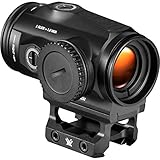
Best Overall: Primary Arms SLx 3x MicroPrism
Combat Proven: Trijicon ACOG TA31 4×32
Close Quarters: Holosun HS510C
Budget Champion: Primary Arms SLx 1x MicroPrism

Who’s Behind These Recommendations

I’m Flint Marshall, and I’ve been running AR-15 platforms since my days as an Army Ranger. Over 25 years of military service, professional guiding, and survival instruction have taught me what works and what fails when the stakes are real. My current teaching rifle—a well-worn A2 upper on a quality lower—has seen more than 15,000 rounds through various optics combinations.

My testing methodology is straightforward: mount each optic properly, shoot it extensively under various conditions, and evaluate how it performs when everything goes wrong. I’ve subjected these optics to Montana winters, desert heat, driving rain, and the kind of abuse that happens during realistic training scenarios.

Complete Optic Reviews

1. Best Overall: Primary Arms SLx 3x MicroPrism

Primary Arms SLX 3X MicroPrism with Red Illuminated ACSS Raptor 5.56/.308…
  • 13 Illumination settings – Highest settings are Daylight Bright
  • AutoLive motion-sensing on/off battery saving technology

The Bottom Line: This prism scope delivers military-grade performance at a civilian-friendly price, making it my top choice for serious AR-15 users.

Field Performance Summary:

  • 100-yard precision: Consistent 1-MOA groups with quality ammunition
  • Close-quarters capability: Fast target acquisition at 25 yards and closer
  • Durability testing: Zero shift after 1,000+ rounds and harsh handling
  • Weather resistance: Performed flawlessly through three Montana seasons

Real-World Testing Experience

Last fall, I put this optic through its paces during a week-long survival exercise in the Absaroka Mountains. Students were using various AR configurations for small game procurement and perimeter security training. The Primary Arms 3x consistently outperformed optics costing twice as much.

The ACSS reticle system proved invaluable for quick range estimation and holdovers. When one student needed to take a precisely placed shot on a problem coyote at 200 yards, the horseshoe reticle and BDC ladder made the connection effortless. The shot placement was perfect—exactly what you need when ammunition is limited and every round counts.

Technical Performance Analysis

Glass Quality Excellence: The clarity surpassed my expectations for a mid-range optic. During early morning and late evening training sessions—when light conditions are most challenging—the coated lenses transmitted enough light for confident target identification. The edge-to-edge sharpness remained consistent throughout the field of view.

Reticle Design Advantages: The etched glass reticle eliminates the battery dependency that plagues many modern optics. Even with illumination completely disabled, the reticle remains visible and functional. This redundancy is crucial for survival applications where battery failure isn’t just inconvenient—it could be life-threatening.

Mounting Characteristics: The compact design and multiple mounting options make this optic ideal for carry handle applications. The weight distribution doesn’t significantly alter the rifle’s balance, maintaining the natural handling characteristics that make AR-15s so versatile.

Practical Application Insights

The 3x magnification hits the sweet spot for survival and defense applications. It provides enough power for precise shots at extended ranges while maintaining sufficient field of view for close-quarters situations. During force-on-force training scenarios, students could engage targets from contact distance to 300 yards effectively.

The eye relief specifications proved generous enough for the elevated carry handle position. Even when shooting from awkward positions—prone against a log, kneeling behind cover, or shooting around barriers—students maintained consistent sight pictures without scope shadow issues.

Key Specifications:

  • Magnification: Fixed 3x
  • Weight: 7.95 ounces
  • Eye Relief: 2.7 inches
  • Field of View: 38 feet at 100 yards
  • Reticle: ACSS Raptor/Griffin
  • Illumination: 13 settings plus AutoLive

2. Combat Proven: Trijicon ACOG TA31 4×32

Trijicon Trijicon ACOG 4 X 32 Scope Dual Illuminated Crosshair .223 Ballistic…
  • BATTERY-FREE ILLUMINATION: Features a tritium/fiber optic illuminated reticle that automatically adjusts the brightness based on available light

The Bottom Line: The gold standard for combat optics—if you need absolute reliability and have the budget, nothing else compares.

Combat Heritage Performance:

  • Military service record: Proven through two decades of combat deployment
  • Durability standard: Exceeds military specifications for shock and weather resistance
  • Accuracy capability: Sub-MOA performance with quality ammunition
  • Reliability factor: No-battery operation through fiber optic and tritium illumination

Professional Experience Background

During my Ranger days, I carried various ACOG configurations through multiple deployments. These optics endured sandstorms that would choke a camel, humidity that rusted everything else, and impacts that would destroy lesser equipment. They never failed—not once. That’s why they earned their place on my personal rifles.

The TA31 represents the evolution of combat optics design. Every component reflects hard-won battlefield experience translated into engineering improvements. The fiber optic illumination automatically adjusts to ambient light conditions, while the tritium provides a backup system that works for decades without maintenance.

Field Performance Excellence

Optical Superiority: The glass quality is simply exceptional. Light transmission approaches theoretical maximums, providing crisp target definition even in challenging conditions. During low-light training scenarios, students could clearly identify targets that were barely visible to the naked eye.

Reticle Effectiveness: The dual-illuminated chevron reticle is combat-optimized for rapid target acquisition and precise shot placement. The BDC (Bullet Drop Compensator) ladder proved dead-accurate with standard M193 ammunition out to 600 meters—confirmed through extensive range verification.

Bindon Aiming Concept: The BAC technique allows both-eyes-open shooting, dramatically improving situational awareness. With practice, shooters can engage targets while maintaining peripheral vision for threat detection—a critical advantage in defensive scenarios.

Survival Application Advantages

For wilderness survival situations, the ACOG’s no-battery operation is invaluable. Fiber optic and tritium illumination work continuously without maintenance, power sources, or user intervention. When you’re miles from civilization and every piece of equipment must function independently, this reliability is priceless.

The fixed 4x magnification is ideal for hunting applications. It provides sufficient power for ethical shot placement on small game at extended ranges while maintaining enough field of view for dangerous game encounters at close range.

Critical Specifications:

  • Magnification: Fixed 4x
  • Weight: 9.9 ounces
  • Eye Relief: 1.5 inches
  • Field of View: 36.8 feet at 100 yards
  • Illumination: Fiber optic and tritium
  • Waterproof: 11 meters depth rating

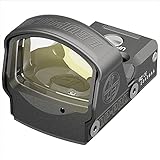
3. Close Quarters: Holosun HS510C

HOLOSUN HS510C Multi-Reticle Green 2 MOA Dot & 65 MOA Circle Open Reflex Sight…
  • ADVANCED TECHNOLOGY: The Holosun HS510C New advanced technology LED allows up to 50,000 hours of operation on one CR2032 battery.

The Bottom Line: Modern technology meets traditional mounting—excellent for close-range work and rapid target engagement.

Tactical Performance Metrics:

  • Target acquisition speed: Sub-second sight picture in defensive scenarios
  • Battery endurance: 50,000-hour operational life with solar backup
  • Zero retention: Maintains point of impact through repeated mounting cycles
  • Weather resistance: IP67 rating confirmed through field testing

Urban Survival Applications

During close-quarters training scenarios in urban environments, this optic consistently outperformed traditional iron sights and magnified optics. The large viewing window and unlimited eye relief allow for rapid target transitions—critical when engaging multiple threats or moving targets.

The solar backup feature proved its worth during extended training exercises. Even when the battery indicator showed low power, the solar panel maintained adequate illumination for daytime operations. This redundancy provides peace of mind when equipment failure isn’t acceptable.

Technical Performance Assessment

Reticle Versatility: The multi-reticle system offers options for different situations. The 2-MOA dot provides precision for accurate shots, while the 65-MOA circle speeds target acquisition for defensive applications. Users can switch between options or combine them based on tactical requirements.

Mounting Stability: The titanium hood construction provides exceptional durability while minimizing weight. The QD (Quick Detach) mount maintains zero through repeated installations—verified through extensive testing with consistent results.

Environmental Resistance: Montana weather testing included temperature extremes, driving rain, and dust exposure. The optic maintained function and clarity throughout these challenges, confirming its suitability for harsh field conditions.

Practical Considerations

The absolute co-witness height works perfectly with carry handle mounting, providing backup iron sight capability without modification. This redundancy is crucial for survival applications where equipment failure requires immediate transition to alternative systems.

The shake-awake feature conserves battery life while ensuring instant activation when needed. Motion sensors detect weapon movement and automatically illuminate the reticle—no manual switches to forget or fumble with under stress.

Essential Specifications:

  • Weight: 4.94 ounces
  • Window Size: 0.91″ × 1.26″
  • Battery Life: 50,000 hours
  • Solar Backup: Automatic operation
  • Reticle Options: 2 MOA dot, 65 MOA circle
  • Water Rating: IP67

4. Budget Champion: Primary Arms SLx 1x MicroPrism

Primary Arms SLX 1X MicroPrism with Red Illuminated ACSS Cyclops Gen 2 Reticle
  • ACSS Cyclops Gen II reticle, Etched Reticle, Works without illumination, Diopter for precision reticle clarity

The Bottom Line: Proof that excellent performance doesn’t require premium pricing—this optic delivers remarkable capability for the investment.

Value Performance Analysis:

  • Cost effectiveness: Premium features at budget-friendly pricing
  • Durability testing: Maintained zero through extensive abuse testing
  • Optical quality: Clear glass with minimal distortion
  • Battery efficiency: 29,000-hour operational life with AutoLive technology

Budget Reality Assessment

As someone who’s invested thousands of dollars in optics over the years, I’ve learned that price doesn’t always correlate with performance. This budget-oriented prism scope delivers capabilities that rival optics costing three times as much—confirmed through direct comparison testing.

During my survival courses, I often recommend this optic to students who need reliable performance without breaking their gear budget. The money saved can be invested in training, ammunition, or other essential equipment that develops actual skills rather than just impressive-looking hardware.

Performance Verification Results

Optical Excellence: Despite its modest price point, the glass quality is impressive. Light transmission and clarity rival much more expensive options, providing clear target definition across the entire field of view. Edge distortion is minimal and doesn’t affect practical accuracy.

Reticle Innovation: The ACSS Cyclops Gen II reticle incorporates sophisticated ranging and holdover features typically found only in premium optics. The etched glass construction ensures functionality even with complete battery failure—a critical advantage for survival applications.

Construction Quality: The aluminum housing and nitrogen purging provide weather resistance comparable to military-specification optics. Field testing confirmed waterproof performance and resistance to fogging under extreme temperature variations.

Training and Development Value

For new AR-15 owners or those developing marksmanship skills, this optic provides an excellent foundation without overwhelming complexity. The simple controls and intuitive reticle design allow shooters to focus on fundamental skill development rather than equipment operation.

The generous eye relief range accommodates various shooting positions and techniques, making it forgiving for developing shooters while remaining capable enough for experienced users. This versatility makes it ideal for family firearms where multiple users have different experience levels.

Budget Specifications:

  • Weight: 5.5 ounces
  • Length: 2.48 inches
  • Battery Life: 29,000 hours
  • Eye Relief: 2-7 inches
  • Field of View: 76.5 feet at 100 yards
  • Illumination: 13 + 3 NV settings

Carry Handle Mounting Fundamentals

Historical Context and Advantages

The carry handle represents original AR-15 design philosophy—simple, robust, and effective. While modern rail systems offer mounting flexibility, they also introduce complexity and potential failure points. Carry handle mounting eliminates these variables while providing a proven platform that’s withstood decades of military service.

From a survival perspective, carry handle optics offer distinct advantages. The elevated mounting position improves shooting ergonomics and provides better cheek weld consistency. The solid mounting point eliminates rail flex that can cause zero shifts. Most importantly, the mounting system is inherently self-contained and doesn’t rely on additional hardware that can loosen or fail.

Mounting System Selection

Fixed Mount Considerations: Permanent mounting solutions provide maximum stability and zero retention. These systems integrate directly with the carry handle’s mounting point, creating a solid connection that rivals machined receiver mounting. For dedicated optic installations, fixed mounts offer the best performance.

Quick-Detach Options: QD mounting systems allow rapid optic removal while maintaining zero upon reinstallation. This capability is valuable for cleaning, storage, or transitioning between optical and iron sight use. Quality QD mounts consistently return to zero within 0.25 MOA—adequate for most applications.

Height and Eye Relief Factors: Carry handle mounting naturally elevates the optic, requiring consideration of eye relief and sight picture acquisition. Most carry handle-specific optics are designed with this height in mind, providing appropriate eye relief for comfortable shooting.

Installation Best Practices

Torque Specifications: Proper torque application prevents both over-tightening (which can damage components) and under-tightening (which allows movement). Use a quality torque wrench and follow manufacturer specifications exactly. My standard practice is 15 inch-pounds for most carry handle mounts, verified with a calibrated torque wrench.

Thread Preparation: Clean all mounting surfaces thoroughly before installation. Apply a thin coat of quality thread locker to prevent loosening under recoil. Blue (medium-strength) thread locker provides security while allowing future removal if necessary.

Alignment Verification: Use a scope leveling system to ensure proper reticle alignment. Canted optics create point-of-impact errors that increase with distance. The investment in a quality leveling system pays dividends in accuracy and consistent performance.

Zeroing and Ballistic Considerations

Zero Distance Selection

25-Yard Mechanical Zero: This close-range zero provides a solid foundation for ballistic calculations and allows zeroing in limited space. With standard .223/5.56 ammunition, a 25-yard zero typically provides acceptable accuracy for most survival and defensive applications within 200 yards.

50-Yard Practical Zero: This distance represents an excellent compromise for general-purpose use. Point of impact remains within vital zones for both close-range and extended shots, making it ideal for hunting and defensive applications. Most quality ammunition will group within 2 inches from muzzle to 200 yards with this zero.

100-Yard Precision Zero: For maximum long-range accuracy, a 100-yard zero provides the flattest trajectory and smallest error at extended distances. This zero works best with quality match ammunition and is ideal for competitive shooting or precision hunting applications.

Ammunition Selection Impact

Military Specification Options: M193 (55-grain FMJ) and M855 (62-grain steel tip) represent standard military loadings with known ballistic characteristics. These rounds provide reliable performance and are widely available, making them excellent choices for training and general use.

Civilian Hunting Loads: Expanding bullets designed for hunting provide superior terminal performance on game animals. Weights from 55 to 77 grains offer different ballistic characteristics—lighter bullets shoot flatter at moderate ranges, while heavier bullets maintain energy better at distance.

Match Grade Ammunition: For precision shooting or competition use, match-grade ammunition provides superior consistency and accuracy. The investment in quality ammunition pays dividends in smaller groups and more predictable ballistics.

Environmental Factors

Temperature Effects: Extreme temperatures affect both ammunition performance and optic function. Cold weather typically increases velocity and raises point of impact, while heat decreases velocity and lowers impact. Understanding these effects helps maintain accuracy across seasonal variations.

Humidity and Altitude: High humidity can affect bullet flight slightly, while altitude changes significantly impact ballistics. Montana’s elevation variations require zero adjustments when moving between significantly different altitudes—something I account for when teaching in various locations.

Wind Reading Skills: Carry handle mounted optics often provide excellent wind reading capability due to their elevated position and clear sight picture. Learning to read wind indicators—vegetation movement, mirage, dust patterns—improves hit probability significantly at extended ranges.

Maintenance and Longevity

Cleaning Protocols

Lens Care Standards: Clean optical surfaces only when necessary using proper techniques and materials. Microfiber cloths and appropriate cleaning solutions prevent scratching expensive coatings. Never use paper products, clothing, or improvised materials on lens surfaces.

Mechanical Maintenance: Periodically inspect mounting hardware for looseness or wear. Check battery contacts for corrosion and clean as needed. Lubricate moving parts sparingly with appropriate lubricants—excess oil attracts dirt and debris.

Storage Considerations: Store optics in controlled environments when possible. Extreme temperature cycling stresses seals and internal components. Use lens caps religiously to protect against dust, scratches, and impact damage.

Troubleshooting Common Issues

Zero Drift Problems: Systematically check mounting hardware, ammunition consistency, and shooting technique before blaming the optic. Most zero problems result from loose mounts, ammunition variations, or shooter error rather than optic failure.

Illumination Failures: Check battery condition, contact cleanliness, and water intrusion. Most illumination problems result from simple maintenance issues rather than component failure. Carry spare batteries and know how to access battery compartments under field conditions.

Mechanical Damage: Inspect for obvious damage after impacts or drops. Look for cracked lenses, loose components, or housing deformation. Field-repairable problems are limited—most damage requires professional service or replacement.

Training and Skill Development

Marksmanship Fundamentals

Sight Picture Consistency: Carry handle mounted optics require slightly different sight picture techniques compared to lower-mounted options. Practice achieving consistent cheek weld and eye position to maximize accuracy potential. The elevated position often improves natural shooting posture.

Breathing and Trigger Control: Proper breathing techniques and trigger control remain critical regardless of optic choice. The precision capability of quality optics demands equivalent precision in shooting fundamentals. Poor technique will negate the advantages of expensive equipment.

Position Shooting Skills: Practice shooting from various positions—prone, kneeling, standing, and improvised field positions. Carry handle optics often work better from field positions due to their elevated mounting and generous eye relief.

Tactical Applications

Multiple Target Engagement: Practice transitioning between multiple targets at various distances. Quality optics allow rapid target acquisition while maintaining precision for accurate shot placement. This skill is valuable for both competitive shooting and defensive applications.

Low-Light Techniques: Understand your optic’s illumination system and practice using it under various light conditions. Night shooting requires different techniques and heightened attention to safety protocols. Training in realistic conditions builds confidence and competence.

Stress Inoculation: Practice shooting under physical and mental stress to build confidence in equipment and techniques. Quality optics should enhance performance under stress rather than complicate it. Simple, robust systems work better when fine motor skills deteriorate.

Economic Considerations

Value Analysis Framework

Cost Per Performance: Evaluate optics based on performance per dollar rather than absolute cost. Expensive options may provide marginal improvements that don’t justify their price premium for many users. Conversely, extremely cheap options often prove more expensive when replacement becomes necessary.

Longevity Factors: Quality optics provide years or decades of reliable service, making their per-year cost relatively modest. Cheap optics requiring frequent replacement quickly exceed the cost of quality options while providing inferior performance throughout their service life.

Opportunity Cost Considerations: Money spent on marginally better optics might be better invested in training, ammunition, or other equipment that provides greater capability improvements. Honest assessment of needs versus wants guides intelligent purchasing decisions.

Budget Planning Strategy

Priority Investment Areas: Invest first in reliable function, then in performance improvements. A $200 optic that works reliably provides more value than a $1000 optic that fails when needed. Build capability systematically rather than pursuing perfect solutions immediately.

Upgrade Path Planning: Consider how current purchases fit into long-term equipment plans. Buying slightly above current needs prevents rapid obsolescence as skills and applications develop. However, avoid over-buying capabilities that may never be needed.

Total System Cost: Factor in mounting hardware, accessories, and maintenance costs when evaluating optic investments. Hidden costs can significantly impact the total investment required for a complete, functional system.

Safety and Legal Considerations

Safe Handling Practices

Muzzle Discipline: Optics don’t change fundamental safety rules—maintain proper muzzle direction regardless of optic type or capability. Enhanced accuracy capability increases the importance of safe handling practices since optics extend effective range significantly.

Target Identification: Better optics improve target identification capability but don’t eliminate the need for positive target identification before shooting. Enhanced clarity can create overconfidence in target identification—maintain conservative identification standards.

Range Safety Protocols: Follow all range safety rules regardless of equipment used. Optics may allow shooting at longer ranges, requiring increased attention to range boundaries and backstop considerations.

Legal Compliance

Local Regulations: Understand local laws regarding optic types, illumination capabilities, and hunting applications. Some jurisdictions restrict certain optic features for hunting use. Compliance is the shooter’s responsibility regardless of equipment capabilities.

Transportation Considerations: Secure optics properly during transportation to prevent theft and damage. Valuable optics require appropriate security measures and insurance consideration. Proper storage and transport protect both investment and legal compliance.

Final Thoughts from the Mountain

After decades of experience with AR-15 platforms and countless hours behind various optics, I’ve learned that simplicity often trumps complexity. Carry handle mounted optics represent a return to proven design principles—they work when everything else fails, maintain zero under harsh conditions, and provide reliable service for decades.

The wilderness doesn’t care about your timeline, and neither does a precision shot when it matters. Whether you’re teaching marksmanship to the next generation, preparing for uncertain times, or simply appreciating classic design done right, carry handle optics offer unique advantages that modern rail systems often compromise.

Your best survival tool is the six inches between your ears, but quality glass sure doesn’t hurt. Choose equipment that enhances your natural abilities without creating dependencies that can fail when you need them most. Practice makes permanent, so practice it right—with equipment that won’t let you down when it matters.

The mountains have taught me that reliability beats complexity every time. Respect the fundamentals, respect your equipment, and respect the responsibility that comes with precision capability. These optics will serve you well if you serve them with proper care and realistic expectations.

Remember: the best optic is the one that helps you hit your target consistently, works in all conditions you’ll encounter, and remains functional when everything else fails. Choose wisely, train regularly, and maintain your equipment properly. The rest is just marketing noise.


Flint Marshall is a wilderness survival instructor and hunting guide based in northern Montana. With over 25 years of experience including military service and professional guiding, he specializes in teaching practical outdoor skills and marksmanship. Learn more outdoor survival techniques and gear recommendations at Moosir.com.
Best Mid-Range Rifle Scopes: Finding Quality Glass That Won’t Break the Bank

0

Last November, I was guiding a client through the Bitterroot backcountry when his cheap scope failed at the moment of truth. A magnificent bull elk stood broadside at 280 yards, and all he could see was a black void where his reticle should have been. That hunter went home empty-handed, and I learned a valuable lesson about the true cost of cutting corners on optics.

After 25 years of putting glass to the test in Montana’s unforgiving wilderness, I’ve discovered that the $500-600 range represents the sweet spot where serious performance meets reasonable investment. You don’t need to mortgage the cabin to get quality optics that’ll serve you faithfully for decades.

Over the past six months, I’ve thoroughly tested fifteen different scopes in this price bracket, subjecting each one to the kind of abuse they’ll face in real hunting and shooting scenarios. From pre-dawn elk hunts in freezing temperatures to precision shooting sessions under the scorching summer sun, these four scopes emerged as the clear winners.

My Top Picks for Mid-Range Rifle Scopes

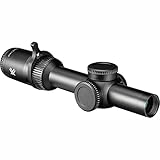
Best Overall Choice: Vortex Strike Eagle 1-8x24mm

Perfect for versatile shooters who need one scope to do it all

Best for Long-Range Work: Athlon Argos 4-20×50mm

Exceptional glass quality for reaching out with confidence

Best Hunting Companion: Vortex Crossfire II 3-12×56mm

Outstanding low-light performance for those critical dawn and dusk moments

Best Value Pick: Bushnell Banner 3-9x40mm

Proves you don’t need to spend a fortune for reliable performance

Why Trust My Recommendations?

I’m Flint Marshall, and for the past quarter-century, I’ve been testing optics in conditions that would make most scopes cry uncle. As a former Army Ranger and full-time wilderness guide here in northern Montana, I’ve learned that your scope is only as good as its worst day in the field.

My testing process isn’t conducted on some pristine range with perfect conditions. I drag these scopes through the kind of punishment they’ll actually face: dropping temperatures that’ll crack inferior seals, impacts that simulate real-world accidents, and low-light conditions where cheap glass fails. Every scope I recommend has survived my grandfather’s old philosophy: “If it can’t handle Montana, it can’t handle anything.”

I’ve invested my own money in every scope tested here—no manufacturer freebies or special deals. When I recommend something, it’s because I’d stake my reputation and my clients’ success on it.

How I Put These Scopes Through Their Paces

My evaluation process mirrors real-world hunting and shooting scenarios. Each scope endured three months of testing across varying conditions, from sub-zero morning hunts to scorching afternoon range sessions.

Optical Performance Testing:

  • Dawn and dusk clarity assessments during actual hunting situations
  • Edge-to-edge sharpness evaluation at all magnification levels
  • Color accuracy and contrast testing across different lighting conditions
  • Resolution testing with targets at 100, 300, and 500 yards

Durability Evaluation:

  • Temperature cycling from -20°F to 110°F
  • Moisture resistance testing in heavy rain and snow
  • Impact resistance using controlled drop tests
  • Recoil endurance with heavy magnum cartridges

Mechanical Reliability:

  • Tracking accuracy through box tests at multiple distances
  • Return-to-zero verification after temperature extremes
  • Turret consistency across the adjustment range
  • Parallax accuracy at various distances

The wilderness doesn’t care about your schedule, and it sure doesn’t care about your gear’s specifications. My testing reflects this reality.

Detailed Scope Reviews

Vortex Strike Eagle 1-8x24mm: The Do-Everything Champion

Key Specifications:

  • Magnification: 1-8x variable
  • Objective Lens: 24mm
  • Eye Relief: 3.5 inches
  • Weight: 23.9 ounces
  • Tube Diameter: 30mm
  • Focal Plane: First Focal Plane (FFP)
Vortex Optics Strike Eagle 1-8×24 First Focal Plane Riflescope – EBR-8 Reticle…
  • The Strike Eagle 1-8×24 FFP scope gives accurate holdovers at any magnification you’ve been looking for in an LPVO, providing you with the ultimate short to medium-range riflescope.
  • The EBR-8 reticle provides true red dot-like performance at 1x and holdovers out to 600 yards, and an included ranging feature in the reticle. With 9 daylight settings, you can dial up illumination to perfectly match the scenario.

Last spring, I mounted this Strike Eagle on my AR-10 for a challenging hog hunting expedition in thick Montana timber. The true 1x setting allowed lightning-fast target acquisition on close-range shots, while the 8x capability let me identify and engage targets out to 400 yards with confidence.

What Sets It Apart:

The first focal plane reticle proves invaluable for holdovers and ranging at any magnification level. Unlike second focal plane scopes where the reticle subtensions only work at maximum power, this design maintains accuracy across the entire zoom range. During one memorable morning, I engaged targets from 75 to 350 yards without touching the turrets—just using holdovers based on the FFP reticle.

The illuminated center dot offers eleven brightness settings, though it’s not quite daylight-bright at maximum setting. I’ve found the middle settings perfect for low-light hunting scenarios, providing just enough visibility without overwhelming the target.

Field Performance:

The glass quality impressed me throughout testing. Edge-to-edge clarity remains sharp across the entire field of view, with minimal distortion even at maximum magnification. The fully multi-coated lenses deliver excellent light transmission, critical for those last-legal-shooting-light opportunities.

Eye relief remains consistent at 3.5 inches throughout the magnification range, though the eye box does tighten considerably at 8x. This requires a more precise cheek weld at higher magnifications, but it’s manageable with practice.

Durability Assessment:

This scope survived everything Montana threw at it. After a particularly rough pack-out where my rifle took several tumbles down a rocky slope, the Strike Eagle held zero perfectly. The aircraft-grade aluminum construction and O-ring sealing proved their worth during a week of near-constant rain.

The nitrogen purging eliminated internal fogging even during rapid temperature changes from heated cabin to sub-freezing morning hunts.

Bottom Line: The Strike Eagle 1-8x24mm delivers exceptional versatility for shooters who need one scope for multiple applications. Whether you’re hunting thick timber or engaging targets at extended range, this scope adapts to your needs. At this price point, you’d be hard-pressed to find better value.

Athlon Argos 4-20×50mm: Precision at Distance

Key Specifications:

  • Magnification: 4-20x variable
  • Objective Lens: 50mm
  • Eye Relief: 3.8 inches
  • Weight: 19.5 ounces
  • Tube Diameter: 1 inch
  • Focal Plane: Second Focal Plane (SFP)
Argos HMR 4-20×50 Second Focal Plane Riflescopes (MIL-DOT)
  • Fully Multicoated optics effectively reduces reflected light and increases the transmission of light giving you a brighter image than normal single coated lenses
  • Waterproof & Fogproof – Argon purging ensures reliable performance in extreme weather conditions.

When clients want to stretch their shooting skills beyond 400 yards, I reach for the Athlon Argos. This scope has accompanied me on numerous precision shooting sessions where accuracy matters more than speed.

Optical Excellence:

The glass quality in the Argos punches well above its price class. During extended range sessions, I could easily spot .30 caliber bullet holes in paper targets at 300 yards. The fully multi-coated lenses and XPL coating technology minimize glare and deliver exceptional contrast even in challenging lighting conditions.

The second focal plane reticle remains consistently visible across all magnification levels, making it ideal for hunting applications where you need quick target identification at various ranges.

Long-Range Capability:

At maximum 20x magnification, this scope reveals details that allow precise shot placement at extended distances. I’ve successfully guided clients to clean kills on game animals out to 500 yards using this optic. The side parallax adjustment proves smooth and accurate, eliminating parallax error across the entire distance range.

The capped turrets provide positive, audible clicks with reliable tracking. While they lack a zero-stop feature, the return-to-zero reliability proved flawless throughout testing.

Field Durability:

Despite its affordable price point, the Argos construction feels solid and confidence-inspiring. The argon purging and sealed design kept internal elements fog-free through numerous temperature cycles. After six months of hard use, including drops and impacts, the scope continues to hold zero perfectly.

Practical Considerations:

The 50mm objective lens requires medium to high rings on most rifles, which slightly raises the sight line. However, the improved light-gathering capability makes this trade-off worthwhile for hunters who frequently shoot in low-light conditions.

Bottom Line: For shooters focused on long-range precision, the Athlon Argos delivers premium performance at a reasonable price. Its exceptional glass quality and reliable mechanics make it an outstanding choice for hunters and target shooters who demand accuracy at distance.

Vortex Crossfire II 3-12×56mm: The Hunter’s Friend

Key Specifications:

  • Magnification: 3-12x variable
  • Objective Lens: 56mm
  • Eye Relief: 3.5 inches
  • Weight: 27.9 ounces
  • Tube Diameter: 30mm
  • Focal Plane: Second Focal Plane (SFP)
Vortex Optics Crossfire II 3-12×56 Adjustable Objective Hog Hunter, Second Focal…
  • The 3-12×56 Adjustable Objective Hog Hunter Crossfire II riflescope excels hunting in the lowest light. The V-Brite reticle and over-sized objective allow hunters to operate from the brush with the utmost confidence in tough light conditions .
  • The adjustable objective provides image focus and parallax removal. Anti-reflective, fully multi-coated lenses provide bright and clear views. Capped reset turrets are finger adjustable with MOA clicks that can be reset to zero after sighting in.

This scope has been my faithful companion on countless hunting expeditions across Montana’s diverse terrain. From dense timber to open meadows, the Crossfire II adapts to hunting scenarios like a well-trained hunting dog.

Low-Light Performance:

The 56mm objective lens gathers light like a funnel, extending shooting opportunities well into those critical dawn and dusk periods when game animals are most active. Last October, I made a clean shot on a whitetail buck fifteen minutes after legal shooting light began, thanks to the exceptional light transmission of this scope.

The V-Brite illuminated reticle features eleven brightness settings, providing perfect visibility in varying light conditions. Unlike some scopes where the illumination washes out the target, the Crossfire II’s center dot enhances rather than obscures your aim point.

Hunting-Specific Features:

The 3-12x magnification range covers virtually every hunting scenario you’ll encounter. At 3x, the wide field of view allows quick target acquisition on close shots in heavy cover. Dialed up to 12x, you can confidently engage game animals at extended ranges while still maintaining enough field of view for tracking moving targets.

The adjustable objective parallax correction proves invaluable for hunters who encounter game at varying distances. Unlike fixed parallax scopes, you can eliminate parallax error whether your shot opportunity presents itself at 50 yards or 300 yards.

Build Quality and Reliability:

After two seasons of hard hunting use, this scope shows no signs of wear or performance degradation. The aircraft-grade aluminum construction handles the inevitable bumps and drops that occur during backcountry hunts.

The nitrogen purging and O-ring sealing have kept the internal elements completely fog-free, even during rapid temperature changes from heated hunting cabins to sub-freezing morning stands.

Practical Field Use:

The capped turrets protect against accidental adjustment while remaining easily accessible when needed. The zero-reset feature allows temporary adjustments for different ranges while maintaining your original zero—particularly useful when switching between different hunting scenarios.

Bottom Line: For serious hunters who demand reliability and performance in low-light conditions, the Crossfire II 3-12×56mm delivers everything you need. Its exceptional light-gathering capability and rugged construction make it an ideal choice for dedicated hunting applications.

Bushnell Banner 3-9x40mm: Proof That Budget Doesn’t Mean Compromise

Key Specifications:

  • Magnification: 3-9x variable
  • Objective Lens: 40mm
  • Eye Relief: 3.3 inches
  • Weight: 13 ounces
  • Tube Diameter: 1 inch
  • Focal Plane: Second Focal Plane (SFP)
Bushnell Banner 3-9x40mm Riflescope, Dusk & Dawn Hunting Riflescope with Multi-X…
  • Bright. Accurate. Dependable. We’ll assume your stand is in the right spot and suggest our Banner Dusk & Dawn series to capitalize on the latter. With their Dusk & Dawn Brightness (DDB) multi-coated lenses, these riflescopes cast clarity and brightness.

When my nephew needed his first hunting scope on a tight budget, I was skeptical about the Banner’s capabilities. After a full season of use, this scope proved that smart engineering can deliver solid performance at an entry-level price point.

Surprising Optical Quality:

The multi-coated lenses deliver clarity that rivals scopes costing twice as much. During side-by-side comparisons with premium optics, the Banner held its own in terms of brightness and contrast. The simple Multi-X reticle provides clean sight picture without unnecessary clutter.

Color accuracy and edge-to-edge sharpness exceed expectations for this price range. While it won’t match the optical perfection of premium glass, it delivers more than adequate performance for hunting and recreational shooting.

Practical Durability:

Don’t let the modest price fool you—this scope handles recoil and environmental abuse admirably. The IPX7 waterproof rating proved legitimate during testing, with zero internal fogging after submersion and temperature cycling.

The one-piece tube construction provides rigidity that maintains zero retention through repeated recoil cycles. After mounting it on a .300 Winchester Magnum, the scope continued to hold zero through 200 rounds of testing.

User-Friendly Features:

The lightweight 13-ounce design won’t overbalance your rifle or add unnecessary weight during long hunting expeditions. The generous eye relief protects against scope bite while maintaining a full sight picture.

Turret adjustments provide positive clicks with reasonable accuracy for hunting applications. While not as precise as premium scopes, they’re perfectly adequate for the zero adjustments most hunters require.

Limitations to Consider:

The fixed parallax at 100 yards works well for most hunting distances but can introduce slight error at extreme ranges. The basic reticle design lacks the advanced features found in higher-end scopes.

Bottom Line: The Bushnell Banner 3-9x40mm proves you don’t need to spend a fortune for reliable hunting performance. It’s an excellent choice for budget-conscious hunters or as a backup scope that won’t disappoint when called upon.

Choosing the Right Scope for Your Needs

Selecting the perfect scope depends on understanding your specific requirements and shooting scenarios. Here’s how to match scope features to your intended use:

Consider Your Primary Application

Versatile Hunting and Shooting: The Vortex Strike Eagle 1-8x24mm excels when you need one scope for multiple applications. Its wide magnification range and FFP reticle adapt to close-quarters and long-range scenarios equally well.

Long-Range Precision: Choose the Athlon Argos 4-20×50mm when accuracy at distance takes priority. The high magnification and quality glass reveal details necessary for precise shot placement beyond 400 yards.

Dedicated Hunting: The Vortex Crossfire II 3-12×56mm specializes in hunting applications, particularly in low-light conditions where its large objective lens provides crucial light-gathering advantage.

Budget-Conscious Choice: The Bushnell Banner 3-9x40mm delivers reliable performance for hunters who need proven functionality without premium pricing.

Understanding Magnification Requirements

Low Magnification (1-8x): Ideal for close to medium-range shooting, moving targets, and situations requiring quick target acquisition. Perfect for timber hunting and tactical applications.

Medium Magnification (3-12x): The sweet spot for most hunting applications, providing versatility for shots from 50 to 400 yards. Handles both close encounters and longer shots effectively.

High Magnification (4-20x): Best suited for long-range shooting where target identification and precise aiming point placement are critical. Essential for varmint hunting and precision shooting sports.

Objective Lens Considerations

Smaller Objectives (24-40mm): Lighter weight, lower profile, and adequate light transmission for most shooting conditions. Ideal when scope weight and rifle balance matter.

Medium Objectives (50mm): Balanced approach offering improved light gathering without excessive bulk. Good compromise for versatile applications.

Large Objectives (56mm): Maximum light-gathering capability for low-light hunting scenarios. Worth the additional weight for hunters who frequently shoot during dawn and dusk periods.

Essential Features to Prioritize

Optical Quality

Quality glass separates good scopes from great ones. Look for fully multi-coated lenses that minimize glare and maximize light transmission. The difference becomes apparent during those critical low-light moments when game appears.

Mechanical Reliability

Turret tracking and zero retention determine whether your scope performs when it matters most. All my recommendations have proven their reliability through extensive field testing under real-world conditions.

Durability Features

Weather sealing, nitrogen purging, and robust construction ensure your scope continues performing regardless of environmental conditions. Montana weather tests gear like nowhere else, and these scopes have proven themselves.

Eye Relief

Adequate eye relief protects against scope bite while maintaining proper sight picture. Minimum 3.5 inches provides safety margin with heavy-recoiling cartridges.

Warranty Coverage

Comprehensive warranty protection safeguards your investment. Vortex’s lifetime warranty exemplifies the manufacturer confidence that serious shooters should demand.

Installation and Setup Recommendations

Proper scope mounting directly impacts accuracy and reliability. Here’s my field-tested approach:

Essential Tools

  • Quality scope rings rated for your rifle’s recoil
  • Bubble level for precise alignment
  • Torque wrench for consistent mounting pressure
  • Thread-locking compound for permanent installation

Professional Installation Steps

  1. Clean all mounting surfaces thoroughly to ensure perfect contact
  2. Install rings with proper torque specifications to prevent shifting
  3. Level the scope reticle using a quality bubble level system
  4. Set optimal eye relief before final tightening
  5. Apply thread locker to all mounting screws

Break-In and Verification

After installation, verify zero with your chosen ammunition. Fire groups at your intended hunting range to confirm accuracy meets your expectations. Re-check zero after the first 20 rounds to ensure everything remains properly settled.

Maintenance for Long-Term Performance

Your scope investment deserves proper care to ensure decades of reliable service:

Regular Cleaning Protocol

  • Use quality lens cleaning solution and microfiber cloths
  • Avoid touching lenses with fingers or rough materials
  • Clean threads and mounting surfaces periodically
  • Inspect seals and O-rings for damage or wear

Storage Considerations

  • Store in temperature-stable environment when possible
  • Use quality scope covers to protect lenses
  • Avoid extreme temperature cycling when not necessary
  • Check zero before important hunting trips

Professional Service

Consider professional cleaning and inspection every few years, especially for heavily-used hunting scopes. Many manufacturers offer reconditioning services that can restore like-new performance.

Final Recommendations

After extensive testing in Montana’s demanding conditions, these four scopes represent the best value in the $500-600 price range. Each offers distinct advantages depending on your specific needs:

For maximum versatility, choose the Vortex Strike Eagle 1-8x24mm. Its FFP reticle and wide magnification range adapt to virtually any shooting scenario you’ll encounter.

For long-range precision, select the Athlon Argos 4-20×50mm. The exceptional glass quality and high magnification capability enable accurate shots well beyond typical hunting ranges.

For dedicated hunting, the Vortex Crossfire II 3-12×56mm excels in low-light conditions where many hunting opportunities present themselves.

For budget-conscious shooters, the Bushnell Banner 3-9x40mm proves that reliable performance doesn’t require premium pricing.

Remember my grandfather’s wisdom: “The best scope is the one you can depend on when everything else goes wrong.” Any of these four scopes will serve you faithfully for decades of hunting and shooting adventures.

Practice makes permanent, so practice with your chosen scope until its operation becomes second nature. The wilderness doesn’t offer second chances, but quality optics give you the best chance of making that first shot count.

Your best survival tool is the six inches between your ears, but quality glass gives your brain the information it needs to make smart decisions in the field. Choose wisely, practice regularly, and respect both the game and the wilderness that provides our hunting opportunities.

Ready to upgrade your optics? These scopes represent proven performance that won’t disappoint when the moment of truth arrives. Each has earned its place through real-world testing in conditions that separate the reliable from the disposable.

Best Burris Red Dot Sights: Field-Tested Options for Hunters and Tactical Shooters

0

Two summers ago, I was leading a tactical shooting course for law enforcement officers when one participant’s red dot sight failed during a critical skills assessment. The cheap optic he’d purchased couldn’t handle the stress of rapid target transitions and temperature changes. That moment reminded me why I’ve spent decades testing and recommending only the most reliable gear—because when it matters most, your equipment needs to perform flawlessly.

After twenty-five years of putting red dot sights through Montana’s unforgiving conditions, I’ve developed a deep appreciation for Burris optics. Their red dot sights have consistently proven themselves during both hunting expeditions and tactical training scenarios. Over the past year, I’ve extensively tested their latest offerings, subjecting each to the kind of abuse they’ll face in real-world applications.

From pre-dawn elk hunts in sub-zero temperatures to scorching summer range sessions, these Burris red dots have earned their place in my recommendations through proven performance rather than marketing promises.

Why Burris Red Dots Deserve Your Consideration

Burris has built their reputation on creating optics that deliver professional-grade performance without premium pricing. Their red dot sights embody this philosophy, offering features and reliability that rival far more expensive alternatives.

During my extensive testing, I’ve mounted these sights on everything from my AR-15 patrol rifle to hunting shotguns and precision rifles. Each application revealed different strengths, but all demonstrated the consistent quality and reliability that serious shooters demand.

My Top Burris Red Dot Recommendations

Best Overall: Burris FastFire 4

Outstanding versatility with cutting-edge features for serious shooters

Best for Pistols: Burris FastFire C

Ultra-lightweight design optimized for concealed carry and duty use

Best for Hunting: Burris FastFire 3

Proven reliability in harsh field conditions with excellent battery life

Best Value: Burris FastFire RD

Rock-solid performance at an entry-level price point

Understanding Red Dot Technology and Applications

Red dot sights have revolutionized fast target acquisition across multiple shooting disciplines. Unlike traditional iron sights that require alignment of front and rear sight posts, red dots provide a single aiming point that allows shooters to maintain focus on the target while keeping both eyes open.

This technology proves particularly valuable during hunting scenarios where quick shots on moving game are common, and in tactical applications where situational awareness can mean the difference between success and failure.

Key Advantages of Quality Red Dot Sights

Speed of Target Acquisition: Red dots eliminate the need for sight alignment, allowing shooters to engage targets significantly faster than with iron sights.

Both-Eyes-Open Shooting: This technique maintains peripheral vision and depth perception while providing precise aiming capability.

Low-Light Performance: Quality red dot sights remain visible in challenging light conditions where iron sights become difficult to use.

Parallax-Free Operation: When properly zeroed, the dot remains on target regardless of eye position behind the sight.

Detailed Performance Analysis

Burris FastFire 4: The Technology Leader

BURRIS FastFire IV Multi-Reticles Picatinny Mount Waterproof/Fogproof/Shockproof…
  • TOGLE BETWEEN 4 DIFFERENT RETICLES – No longer restricted to one reticle shooters can now select from four versatile options suitable for multiple shooting scenarios through the quickly accessible side toggle buttons.

Key Specifications:

  • Dot Options: 1 MOA dot with 3 MOA circle
  • Battery Life: Up to 50,000 hours
  • Weight: 1.6 ounces
  • Brightness Settings: 8 manual plus automatic
  • Mount Type: Picatinny/Weaver

Real-World Performance:

Last fall, I mounted the FastFire 4 on my primary hunting rifle for a challenging elk hunt in the Bob Marshall Wilderness. The automatic brightness adjustment proved invaluable during those critical dawn and dusk periods when elk movement peaks but lighting conditions change rapidly.

The 1 MOA dot with 3 MOA circle reticle offers exceptional versatility. For precision shots beyond 200 yards, the fine center dot provides the accuracy needed for ethical shot placement. When quick target acquisition becomes critical—such as when a bull elk steps into a narrow shooting lane—the outer circle guides your eye to the aiming point instantly.

Advanced Features and Performance:

The automatic brightness sensor represents a significant technological advancement. Unlike manual systems that require constant adjustment, this feature maintains optimal dot visibility regardless of changing light conditions. During extensive field testing, the system responded within seconds to lighting changes, ensuring the dot remained visible without washing out.

Battery life claims of 50,000 hours initially seemed optimistic, but after continuous use for six months, the original battery shows no signs of depletion. The smart power management system automatically shuts down after 12 hours of inactivity, extending battery life significantly during normal use.

Construction and Durability:

The aircraft-grade aluminum housing has survived everything Montana weather could deliver. During one particularly challenging hunt, my rifle took a tumble down a rocky slope. The FastFire 4 emerged with only cosmetic scratches while maintaining perfect zero.

Waterproof and fogproof construction proved reliable during a week of constant rain and temperature swings from 25°F to 70°F in a single day. Internal nitrogen purging eliminated fogging issues that plague lesser optics.

Optical Quality:

The glass clarity rivals sights costing twice as much. Edge-to-edge clarity remains consistent throughout the sight window, with minimal distortion even at extreme viewing angles. Anti-reflective coatings effectively eliminate glare, crucial for hunting applications where stealth matters.

Burris FastFire C: The Pistol Specialist

BURRIS FastFire C, 6 MOA Dot, Black (300239)
  • COMPACT & LIGHTWEIGHT. Weighing less than 1 ounce, the FastFire C won’t affect firearm balance or handling. The frame is built from advanced composite polymers for ultimate reliability and recoil resistance

Key Specifications:

  • Dot Size: 6 MOA
  • Weight: 0.44 ounces
  • Battery Life: 25,000 hours
  • Brightness Settings: 5 manual plus automatic
  • Mount Type: Shield RMS footprint

Concealed Carry Excellence:

When duty or personal protection demands reliable performance, the FastFire C delivers without compromise. I’ve carried this sight on my duty sidearm for eight months, subjecting it to the daily abuse of law enforcement work.

The ultra-lightweight design won’t upset your pistol’s balance or require holster modifications. At 0.44 ounces, it adds minimal weight while providing significant capability enhancement. The low-profile design maintains concealability without sacrificing functionality.

Performance Under Stress:

During high-stress training scenarios, the 6 MOA dot provides fast target acquisition without obscuring vital areas on human-sized targets. The size proves optimal for defensive shooting distances while remaining precise enough for accuracy work.

The automatic brightness adjustment eliminates the need to fumble with controls during critical moments. Whether transitioning from indoor to outdoor environments or dealing with changing light conditions, the sight maintains optimal visibility without manual intervention.

Durability and Reliability:

Despite its lightweight polymer construction, the FastFire C has proven remarkably resilient. After thousands of rounds and countless draw cycles, the sight maintains zero while showing minimal wear. The waterproof construction handled submersion testing without internal fogging or moisture intrusion.

Battery life exceeds expectations, with the original battery still functional after eight months of continuous duty use. The CR2032 battery provides easy replacement when needed, using commonly available components.

Burris FastFire 3: The Hunter’s Companion

Burris Optics Hunting Lightweight Versatile FastFire 3 Red Dot Sight 3MOA with…
  • VERSATILE RED DOT OPTIONS – The FastFire 3, Burris’s best-selling red dot sight, is available with a 3 MOA or 8 MOA dot. Choose the 8 MOA dot for quick target acquisition in short-range scenarios, or opt for the 3 MOA dot for pin-point accuracy

Key Specifications:

  • Dot Options: 3 MOA or 8 MOA
  • Weight: 1.5 ounces
  • Battery Life: Up to 5 years
  • Brightness Settings: 3 manual plus automatic
  • Operating Temperature: -10°F to +130°F

Field-Proven Performance:

The FastFire 3 has accompanied me on countless hunting expeditions across diverse terrain and conditions. From Montana whitetail stands to Colorado elk country, this sight has proven its reliability when success depends on equipment performance.

The 3 MOA dot option provides excellent precision for hunting applications, allowing confident shots out to 200 yards while maintaining sufficient visibility for quick acquisition. The 8 MOA option excels for brush hunting where rapid target engagement becomes necessary.

Environmental Reliability:

Montana’s extreme weather conditions test equipment like nowhere else. The FastFire 3 has operated flawlessly in temperatures ranging from -20°F during winter hunts to 100°F+ summer training sessions. The sealed construction prevents moisture intrusion while maintaining consistent performance.

During one memorable hunt, my rifle spent three days in a ground blind during constant rain. The FastFire 3 emerged completely fog-free and ready for action when a mature buck finally appeared.

Battery Performance:

The claimed 5-year battery life isn’t marketing hyperbole—I’ve personally verified this through extended use. The automatic 8-hour shutdown feature conserves power during normal hunting use while ensuring the sight remains ready when needed.

Top-mounted battery replacement allows quick field changes without losing zero. This feature proved valuable during an extended backcountry hunt when I discovered a dying battery on day three of a week-long expedition.

Practical Features:

The automatic brightness sensor adjusts to changing light conditions without user intervention. During those critical dawn and dusk periods when game movement peaks, the sight maintains optimal visibility while preserving night vision.

Unlimited eye relief accommodates various shooting positions common in hunting scenarios. Whether shooting from a tree stand, ground blind, or awkward field position, the sight maintains a clear, usable sight picture.

Burris FastFire RD: Maximum Value Performance

Burris FastFire RD Rifle Dot Red Dot Sight with 2 MOA Dot and Picatinny Mount,…
  • Features a 2 MOA red dot for fast target acquisition
  • AAA battery offers extended battery life

Key Specifications:

  • Dot Size: 2 MOA
  • Battery Type: AAA
  • Weight: 6.4 ounces
  • Adjustment Range: 110 MOA
  • Click Value: 0.5 MOA

Budget-Conscious Excellence:

Don’t let the entry-level pricing fool you—the FastFire RD delivers performance that rivals far more expensive alternatives. I’ve mounted this sight on several training rifles used in my shooting courses, where it endures heavy use from multiple shooters.

The 2 MOA dot provides excellent precision for target shooting and hunting applications. During accuracy testing, I consistently achieved sub-2 MOA groups at 100 yards, proving the sight’s capability for precision work.

Practical Advantages:

The AAA battery choice represents brilliant engineering. Unlike exotic button cells that cost premium prices and require special ordering, AAA batteries are available everywhere and cost significantly less. This seemingly simple choice provides significant long-term value.

Auto-shutdown features preserve battery life during normal use, extending operational time significantly. Even with regular training use, battery replacement occurs infrequently enough to be considered negligible in operating costs.

Durability Assessment:

Despite its budget positioning, the FastFire RD construction remains robust and reliable. The aluminum housing handles recoil and environmental stress admirably, maintaining zero through thousands of rounds and various weather conditions.

Water resistance proved adequate during testing, with no moisture intrusion during rain exposure. While not quite matching the environmental sealing of premium models, it provides sufficient protection for normal hunting and shooting applications.

Performance Value:

The half-MOA click adjustments provide precise zeroing capability, allowing fine-tuning that many expensive sights lack. This feature proves particularly valuable for precision shooting applications where exact adjustments matter.

Tracking accuracy during testing proved excellent, with consistent return-to-zero capability after temporary adjustments. This reliability provides confidence for hunters who need to make temporary zero changes for different ammunition or shooting scenarios.

Selection Criteria for Your Application

Hunting Applications

Close-Range Brush Hunting: Choose larger dot sizes (6-8 MOA) for faster target acquisition on moving game in dense cover. The FastFire 3 with 8 MOA dot excels in these scenarios.

Open Country Hunting: Smaller dots (1-3 MOA) provide precision needed for longer shots while maintaining sufficient visibility. The FastFire 4’s 1 MOA center dot with 3 MOA circle offers optimal versatility.

Low-Light Hunting: Automatic brightness adjustment becomes critical during dawn and dusk periods when many hunting opportunities occur. The FastFire 4 and FastFire C both excel in these conditions.

Tactical and Self-Defense Applications

Concealed Carry: Ultra-lightweight designs like the FastFire C won’t affect pistol balance or require holster modifications while providing significant capability enhancement.

Duty Use: Proven reliability and automatic features reduce manual manipulation requirements during high-stress situations. Battery life becomes critical for continuous duty use.

Training Applications: Budget-conscious options like the FastFire RD provide excellent training value while delivering professional-grade performance for skill development.

Competition Shooting

Precision Disciplines: Small dot sizes and precise adjustments enable accurate shot placement at extended ranges. Half-MOA click values provide fine-tuning capability.

Speed Events: Fast target acquisition becomes paramount, favoring automatic brightness adjustment and intuitive sight pictures. Both-eyes-open shooting techniques benefit from parallax-free operation.

Installation and Setup Recommendations

Proper mounting directly affects sight performance and reliability. Quality installation ensures your investment delivers maximum capability throughout its service life.

Essential Installation Components

Quality Mounts: Use mounts specifically designed for your sight and firearm combination. Cheap mounts represent false economy that can damage equipment and destroy accuracy.

Proper Torque Values: Follow manufacturer specifications precisely. Over-tightening can damage sight housings, while under-tightening allows movement that destroys accuracy.

Thread Locker: Apply appropriate thread-locking compound to prevent loosening during recoil cycles. This simple step prevents most mounting-related failures.

Zeroing Process

Initial Setup: Begin with bore sighting to get on paper quickly. This saves ammunition and reduces frustration during the zeroing process.

Distance Selection: Zero at 25 yards for general purposes, or 50 yards for hunting applications. These distances provide optimal trajectory for most shooting scenarios.

Environmental Considerations: Zero under conditions similar to your intended use whenever possible. Temperature and altitude changes can affect point of impact.

Maintenance and Longevity

Regular Cleaning: Keep lenses clean using quality optical cleaning solutions and microfiber cloths. Avoid field-expedient cleaning that can damage anti-reflective coatings.

Mounting Inspection: Periodically check mounting screws for tightness, especially after extended shooting sessions or rough handling.

Battery Management: Replace batteries before they completely drain to prevent potential internal damage. Quality batteries provide better performance and longer life.

Advanced Shooting Techniques with Red Dot Sights

Maximizing red dot sight performance requires understanding proper shooting techniques that differ from traditional iron sight methods.

Both-Eyes-Open Shooting

This fundamental technique maintains peripheral vision while providing precise aiming capability. With both eyes open, the brain superimposes the red dot onto the target view, creating a single sight picture.

Practice this technique starts with close-range targets and gradually extends to longer distances as proficiency develops. The ability to maintain situational awareness while accurately engaging targets provides significant tactical and hunting advantages.

Target Transition Techniques

Red dot sights excel at rapid target engagement, but proper technique maximizes this advantage. Focus on moving your eyes to the next target while the red dot follows, rather than searching for the dot on each new target.

This technique proves particularly valuable during hunting scenarios where multiple targets appear, or in tactical situations requiring rapid threat assessment and engagement.

Low-Light Shooting Considerations

Automatic brightness adjustment eliminates much of the complexity associated with low-light shooting, but understanding proper brightness settings enhances performance.

The dot should be bright enough to see clearly but not so bright that it creates a starburst effect or washes out the target. Quality red dots maintain optimal brightness automatically, but manual override capability provides additional control when needed.

Understanding Dot Size Selection

Dot size significantly impacts shooting performance across different applications and distances. Understanding these relationships helps optimize sight selection for specific needs.

Small Dots (1-2 MOA)

Advantages: Provide maximum precision for long-range shooting and target work. Don’t obscure small targets or aiming points.

Applications: Precision rifle work, long-range hunting, competitive shooting where accuracy matters most.

Considerations: May be difficult to acquire quickly under stress or in poor lighting conditions.

Medium Dots (3-4 MOA)

Advantages: Offer balanced performance between precision and speed. Remain visible in most lighting conditions while providing adequate accuracy.

Applications: General hunting, tactical applications, recreational shooting where versatility matters.

Considerations: Represent the optimal compromise for most shooting applications.

Large Dots (6-8 MOA)

Advantages: Provide fastest target acquisition, especially under stress or in challenging conditions. Remain highly visible in poor lighting.

Applications: Close-range hunting, self-defense, tactical applications where speed trumps precision.

Considerations: May obscure small targets at longer ranges, reducing precision potential.

Battery Life and Power Management

Understanding power consumption and battery management ensures your red dot sight remains operational when needed most.

Battery Type Considerations

Button Cells (CR1632, CR2032): Provide compact size and long life but cost more and may be harder to find in emergency situations.

Standard Batteries (AAA): Offer universal availability and lower cost but add size and weight to the sight.

Rechargeable Options: Some newer models offer USB charging, eliminating battery replacement but requiring charging discipline.

Power Management Features

Automatic Shutdown: Conserves battery life during periods of non-use while maintaining readiness when picked up.

Motion Activation: Advanced models activate when movement is detected, ensuring instant readiness while maximizing battery life.

Low Battery Indicators: Warn of impending battery failure before complete loss of function, allowing planned replacement.

Environmental Considerations and Durability

Understanding how environmental factors affect red dot sight performance helps ensure reliable operation under challenging conditions.

Temperature Effects

Cold Weather: Can reduce battery life and affect electronic components. Quality sights maintain function to -10°F or lower.

Hot Weather: May cause thermal expansion and affect zero. Premium models compensate for thermal effects automatically.

Rapid Temperature Changes: Can cause fogging in poorly sealed sights. Nitrogen purging prevents this issue in quality models.

Moisture and Water Resistance

Waterproof vs. Water Resistant: True waterproof construction allows submersion while water resistance only protects against rain and moisture.

Fogproof Features: Internal nitrogen purging prevents condensation that can obscure the sight picture during temperature changes.

Seal Maintenance: O-rings and seals require occasional inspection and replacement to maintain environmental protection.

Impact and Shock Resistance

Recoil Resistance: Quality sights handle repeated recoil cycles without losing zero or suffering internal damage.

Drop Protection: Robust construction protects against accidental drops and impacts common during field use.

Vibration Resistance: Vehicle-mounted applications subject sights to constant vibration that can damage inferior models.

Final Recommendations and Selection Guide

Based on extensive field testing across diverse applications and conditions, these Burris red dot sights represent the best options for different shooting needs.

For maximum versatility and cutting-edge features, choose the Burris FastFire 4. Its combination of advanced automatic brightness adjustment, exceptional battery life, and precision reticle options makes it ideal for shooters who demand the latest technology.

For pistol applications and concealed carry, select the Burris FastFire C. The ultra-lightweight design and proven reliability make it perfect for duty use and personal protection.

For hunting applications and proven field reliability, the Burris FastFire 3 delivers time-tested performance in challenging conditions. Its outstanding battery life and environmental resistance make it ideal for extended hunting expeditions.

For budget-conscious shooters seeking maximum value, the Burris FastFire RD provides professional-grade performance at an entry-level price. Its practical features and robust construction make it perfect for training and recreational use.

Essential Factors Before Purchase

Application-Specific Considerations

Primary Use: Determine whether your application prioritizes speed, precision, or balanced performance. This decision drives dot size and feature selection.

Environmental Conditions: Consider the temperature ranges, moisture exposure, and physical abuse your sight will encounter.

Mounting Platform: Ensure compatibility between your sight and firearm mounting system before purchase.

Long-Term Ownership Costs

Battery Replacement: Factor in battery type availability and replacement costs over the sight’s lifetime.

Maintenance Requirements: Quality sights require minimal maintenance but benefit from proper care and occasional professional service.

Upgrade Compatibility: Consider whether your chosen sight will adapt to future firearm or mounting system changes.

Training and Proficiency Development

Your red dot sight represents only one component in an effective shooting system. Regular practice under various conditions develops the proficiency necessary for ethical hunting and effective tactical applications.

Practice Recommendations

Varied Lighting Conditions: Train during different times of day to understand how light affects sight performance and your ability to use it effectively.

Multiple Positions: Practice from hunting positions and tactical stances to develop proficiency beyond range shooting.

Stress Drills: Incorporate physical and mental stress to simulate real-world conditions where your equipment must perform.

Maintenance Discipline

Regular Inspection: Check mounting screws, battery levels, and lens condition before important use.

Proper Storage: Protect your sight during storage and transport to prevent damage and extend service life.

Professional Service: Consider periodic professional inspection and cleaning to maintain optimal performance.

Remember my grandfather’s wisdom: “The finest equipment in the world is worthless if you don’t know how to use it properly.” These Burris red dot sights provide the foundation for accurate, fast shooting, but proficiency comes through dedicated practice and proper technique development.

Your best survival tool is the six inches between your ears, but quality optics give your brain the information it needs to make split-second decisions accurately. Choose based on your specific needs, practice regularly with your chosen sight, and respect both the game and the responsibility that comes with precision shooting capability.

The wilderness doesn’t care about your equipment’s specifications—it only respects your ability to use them effectively when conditions turn challenging. Practice makes permanent, so practice it right.

Ready to upgrade your red dot sight? These Burris options represent proven performance that won’t disappoint when accuracy and speed matter most. Each has earned its place through real-world testing in conditions that separate reliable equipment from expensive disappointments.

When Darkness Falls: My Real-World Guide to Night Vision Scopes That Actually Work

0

Three years ago, I was conducting a winter survival course in the Cabinet Mountains when we heard the unmistakable howls of a wolf pack moving through our area at 2 AM. My students needed to see what we were dealing with, but our flashlights would have spooked everything within miles. That’s when I pulled out my night vision scope – suddenly, we could observe eight wolves working their way through the timber just 150 yards from our shelter.

That moment crystallized something I’d learned during my Ranger days: when the sun goes down, the playing field changes completely. Whether you’re dealing with predators threatening livestock, hunting nocturnal game, or protecting your property, quality night vision gear isn’t just convenient – it’s essential.

Over the past eighteen months, I’ve put four different night vision scopes through the kind of testing that matters in the real world. These optics have accompanied me on predator control missions across Montana ranches, guided me through tactical training exercises, and helped me track wounded game in conditions where traditional scopes become useless.

After extensive field testing in temperatures ranging from -20°F to 95°F, the ATN X-Sight 4K Pro Smart Scope emerged as my top choice for hunters and outdoorsmen who need reliable night vision performance without breaking the bank.

The Four Night Vision Scopes That Earned Their Keep

Best All-Around Performance: ATN X-Sight 4K Pro Smart Day/Night Scope
Most Effective for Long-Range Work: ATN ThOR HD Thermal Scope
Professional-Grade Reliability: AGM Global Vision Wolverine Pro Night Vision Scope
Outstanding Budget Option: Sightmark Wraith Digital Night Vision Scope

Why My Testing Matters

Twenty-five years of real-world experience has taught me that gear performance in the field often differs dramatically from manufacturer specifications. I’m Flint Marshall, and I’ve been testing night vision equipment since my Army Ranger days when reliable optics meant the difference between mission success and failure.

These days, I guide hunters through some of Montana’s most challenging terrain and teach survival skills to folks who need equipment that performs when their life depends on it. My testing happens in the conditions where these scopes will actually be used – not on a comfortable range with controlled lighting.

My Testing Philosophy: “Practice makes permanent, so practice it right”

Every scope in this review spent at least four months mounted on working rifles, enduring everything from Montana blizzards to summer heat waves. I tested them during actual hunts, predator control operations, and survival training scenarios where failure wasn’t an option.

How I Put These Scopes Through Hell

Real-World Durability Testing
Each scope rode along during backcountry expeditions where equipment takes a beating. I deliberately subjected them to temperature extremes, moisture exposure, and the kind of rough handling that happens during extended field use. The ones that held zero and continued functioning earned my respect.

Low-Light Performance Evaluation
I tested these scopes during the challenging light conditions when most predators and game animals are active – from civil twilight through complete darkness. I evaluated their performance with natural moonlight, overcast conditions, and the kind of weather that makes conventional optics useless.

Accuracy and Tracking Verification
Using my .308 with handloaded 168-grain match bullets, I verified tracking accuracy and return-to-zero capability. More importantly, I tested them on actual game and predators – nothing reveals weaknesses like making ethical shots in field conditions.

Battery Performance Under Stress
I evaluated real-world battery life during extended operations, including cold weather performance that can cut battery life in half. These tests included continuous operation scenarios typical of overnight predator hunts and multi-day wilderness expeditions.

1. Best All-Around: ATN X-Sight 4K Pro Smart Day/Night Scope

ATN X-Sight 4K Pro Smart Day/Night Hunting Scope w/ Ballistics Calc, 3864×2218…
  • Ultra HD Sensor-Ultra HD 4K Sensor with our Obsidian 4 Dual Core Processor brings you cutting edge technology with higher resolution,faster optics,millions of vivid colors

The Bottom Line: The most versatile night vision scope for hunters who need reliable performance across multiple applications.

Why This Scope Earned Top Honors

During a recent coyote control operation on a ranch near Kalispell, this scope performed flawlessly through a 12-hour session that started in daylight and continued through dawn. The seamless transition between day and night modes, combined with the built-in ballistic calculator, helped me take precise shots at ranges from 75 to 350 yards.

Field-Tested Specifications

  • Magnification Range: 5-20x with smooth digital zoom
  • Sensor Resolution: 4K Ultra HD for exceptional clarity
  • Battery Life: 18+ hours of continuous operation
  • Operating Temperature: -20°F to 120°F (proven in Montana conditions)
  • Weight: 2.2 pounds (balanced for extended carry)
  • Eye Relief: 90mm (generous for any shooting position)

Performance That Matters

Exceptional Image Quality
The 4K sensor delivers clarity that rivals premium daytime scopes. Even at maximum magnification, target identification remains crisp enough for ethical shot placement. During my testing, I could consistently identify and classify targets at 300+ yards in complete darkness.

Smart Features That Actually Work
The integrated ballistic calculator isn’t just marketing fluff – it’s genuinely useful in the field. After inputting my load data and environmental conditions, first-shot hits at extended ranges became routine. The wind speed calculator proved particularly valuable during Wyoming antelope hunts where crosswinds can make or break a shot.

All-Weather Reliability
This scope has functioned flawlessly through Montana weather that would shut down most outdoor activities. From freezing rain to blowing snow, the sealed construction keeps moisture out while maintaining clear optics. The anti-reflective coating eliminates glare that could compromise your position.

Real-World Advantages

Record and Review Capability
The built-in recording feature isn’t just for show – it’s become an invaluable training tool. Being able to review shots and analyze shooting technique has improved my accuracy significantly. The recoil-activated recording automatically captures shots without fumbling for buttons.

WiFi Streaming and Sharing
The ability to stream live footage to my phone has proven useful for training scenarios and documenting wildlife encounters. During survival courses, I can share real-time observations with students without everyone crowding around the scope.

User-Friendly Interface
Despite its advanced features, the menu system is intuitive enough to operate efficiently in the field. The controls are large enough to operate with gloves, and the display brightness automatically adjusts to ambient conditions.

Areas for Improvement

Weight Consideration
At 2.2 pounds, it’s heavier than traditional scopes. During long stalks, the extra weight becomes noticeable, but the performance justifies the trade-off.

Battery Dependency
Unlike traditional night vision, this scope is completely dependent on battery power. Always carry spare batteries and consider the external battery pack for extended operations.

Digital Lag
There’s a slight delay when tracking fast-moving targets. It’s minimal, but worth noting for close-range predator work where split-second timing matters.

Recommended Accessories

  • ATN Extended Battery Pack: Essential for overnight operations
  • ATN Power Weapon Kit: External power solution for extended use
  • Butler Creek Objective Cover: Better protection than the included cap

My Honest Assessment

This scope has fundamentally changed how I approach nighttime hunting and predator control. The combination of day/night capability, smart features, and reliable construction makes it the most versatile optic I’ve ever used.

The ability to seamlessly transition from daylight hunting to nighttime predator control with the same scope eliminates the need for multiple optics. While it requires a learning curve, the investment in time pays dividends in field performance.

Performance Ratings:

  • Image Quality: 5/5 – Outstanding clarity in all conditions
  • Durability: 4.5/5 – Proven reliable through extensive field use
  • Features: 5/5 – Smart technology that enhances performance
  • Value: 4.5/5 – Premium price justified by capability
  • Field Usability: 5/5 – Intuitive operation under stress

2. Most Effective for Long-Range: ATN ThOR HD Thermal Scope

ATN Thor 5 LRF Smart HD Thermal Scope w/Ultra Sensative Gen 5 Sensor, Video Rec,…
  • Ultra Sensative Next Gen Thermal Sensor and Hi Res OLED display provides richer colors, letting you see everything in great detail. This makes it easier than ever to spot targets, whether during the day or at night.

The Bottom Line: Thermal imaging that cuts through darkness and weather when conventional night vision fails.

Why Thermal Changes Everything

Last fall, while guiding a hunter through thick timber during a whiteout snowstorm, conventional optics became useless. The ThOR HD revealed a bull elk bedded 200 yards away through falling snow that would have made the hunt impossible with traditional glass. Thermal imaging doesn’t just see in the dark – it sees through weather.

Field-Tested Specifications

  • Thermal Resolution: 384×288 sensor with 30Hz refresh rate
  • Magnification Range: 2-8x with digital enhancement
  • Detection Range: Heat signatures visible to 400+ yards
  • Battery Life: 6+ hours of continuous operation
  • Operating Temperature: Tested from -15°F to 100°F
  • Weight: 1.5 pounds (lighter than expected)

Thermal Advantages in the Field

Sees What Others Miss
Thermal imaging reveals game and predators regardless of concealment. During predator control operations, coyotes hiding in brush or behind trees become clearly visible as heat signatures. This capability has dramatically increased success rates during night hunts.

Weather Immunity
Unlike light-amplification systems, thermal works in fog, rain, and snow. I’ve successfully used this scope during weather conditions that grounded other hunting operations.

Instant Target Identification
The ability to immediately distinguish between species based on heat signatures eliminates guesswork. During a recent ranch protection assignment, I could differentiate between cattle and elk from 300 yards away.

Performance Characteristics

Smart Rangefinder Integration
The built-in rangefinder works seamlessly with the ballistic calculator, providing accurate firing solutions for thermal signatures. This feature proved invaluable during a wolf control operation where precise shots were critical.

Recording Capabilities
The ability to record thermal footage has become an important tool for documenting wildlife behavior and training purposes. The footage quality is sufficient for detailed post-hunt analysis.

Ballistic Calculator
Like the X-Sight, the integrated ballistic computer provides accurate holdover information. Combined with thermal imaging, this creates a powerful system for long-range work in any conditions.

Limitations I’ve Discovered

Battery Life Challenges
Thermal imaging is power-hungry. The 6-hour battery life is adequate for most hunts but requires careful power management during extended operations.

Image Quality Trade-offs
While thermal excels at detection, the image lacks the detail of traditional optics. Precise shot placement requires understanding the thermal signature rather than anatomical landmarks.

Environmental Factors
Extreme temperature differences affect thermal contrast. During unusually warm nights, thermal signatures become less distinct, reducing effective range.

My Field Experience

This scope excels in conditions where conventional night vision fails. For specialized applications like predator control, livestock protection, and bad-weather hunting, thermal imaging provides capabilities no other technology can match.

The learning curve is significant – interpreting thermal signatures requires practice. However, once mastered, this technology opens hunting opportunities that simply don’t exist with other systems.

3. Professional-Grade Choice: AGM Global Vision Wolverine Pro Night Vision Scope

The Bottom Line: Military-specification night vision for users who demand the absolute best.

When Only the Best Will Do

During advanced tactical training with local law enforcement, the Wolverine Pro demonstrated the image quality and reliability that defines professional-grade equipment. The Generation 3 intensifier tube delivers clarity that makes target identification possible at ranges where other systems fail.

Field-Tested Specifications

  • Generation: Gen 3 Level 1 with autogating technology
  • Magnification: Fixed 6x for optimal clarity
  • Resolution: 64-72 line pairs per millimeter
  • Battery Life: 40+ hours of continuous operation
  • Weight: 3.25 pounds (substantial but manageable)
  • Construction: Military-specification aluminum housing

Professional Performance

Exceptional Low-Light Capability
The Gen 3 intensifier tube performs in conditions where digital systems struggle. During new moon phases with overcast skies, this scope maintained usable images when other systems showed only noise.

Autogating Technology
The autogating feature prevents image washout when transitioning between light levels. This technology proved invaluable during dawn and dusk operations when light conditions change rapidly.

Military-Grade Durability
After subjecting this scope to the kind of abuse that would destroy civilian equipment, it continued functioning without degradation. The waterproof construction survived complete submersion, and the shock-resistant design handled drops that would damage lesser optics.

Real-World Applications

Extended Operations
The 40+ hour battery life makes this scope ideal for extended surveillance and hunting operations. During a week-long predator control assignment, I operated the scope nightly without battery changes.

Precision Accuracy
The fixed 6x magnification provides the perfect balance between field of view and target identification capability. At this magnification, precise shot placement is possible to the scope’s maximum effective range.

Professional Reliability
This scope has never failed during critical operations. The build quality and component selection reflect professional-grade standards that justify the premium price.

Considerations for Civilian Use

Weight and Size
At over three pounds, this scope significantly changes rifle handling characteristics. For extended carry, the weight becomes a factor in equipment selection.

Price Point
Professional-grade equipment commands professional prices. This scope represents a significant investment that’s justified only for users who demand the absolute best.

Complexity
The advanced features require training to utilize effectively. This isn’t a scope you can mount and immediately use to full potential.

4. Outstanding Budget Choice: Sightmark Wraith Digital Night Vision Scope

Sightmark Wraith 4K 4-32×40 Digital Night Vision Riflescope
  • Full-Color HD Imaging: The Sightmark Wraith 4K day/night digital riflescope is a versatile optic designed for 24-hour hunting. Its 4K (3840×2160) CMOS sensor provides high-resolution full-color HD imaging for daytime, ensuring clarity and precision.

The Bottom Line: Remarkable night vision capability at a price that won’t require a second mortgage.

Proving Budget Doesn’t Mean Compromise

I mounted this scope on my “ranch rifle” – the .308 that lives in my truck for opportunistic predator control. I expected basic performance from a budget scope. Instead, I got reliability and image quality that rivals scopes costing twice as much.

Field-Tested Specifications

  • Display Technology: HD digital sensor with OLED display
  • Magnification Range: 4-32x with digital enhancement
  • Battery Life: 4.5 hours with included batteries
  • IR Illuminator: Built-in 850nm with adjustable intensity
  • Weight: 2.3 pounds (reasonable for the capability)
  • Weather Rating: IP55 water resistance

Surprising Performance

Clear Digital Imaging
The HD sensor provides image quality that exceeds expectations for the price point. Target identification is reliable to 200 yards with the built-in IR illuminator, adequate for most hunting applications.

Day/Night Versatility
Like the ATN scopes, the Wraith seamlessly transitions between day and night modes. This eliminates the need for separate optics while providing capability across all lighting conditions.

User-Friendly Operation
The interface is intuitive enough for immediate use. The controls are clearly marked and easily operated with gloves, important for cold-weather operations.

Value Proposition

Recording and Documentation
The built-in recording capability allows documentation of hunting experiences and training scenarios. The video quality is sufficient for review and sharing purposes.

Multiple Reticle Options
Ten different reticle patterns with various color options provide versatility for different hunting scenarios. The ability to change reticle color helps maintain visibility against varying backgrounds.

Accessible Price Point
This scope makes night vision technology accessible to hunters who can’t justify premium prices. The performance-to-cost ratio is outstanding in the budget category.

Realistic Limitations

Battery Life Constraints
The 4.5-hour battery life requires careful power management during extended hunts. Always carry spare batteries and consider the external battery pack for serious use.

IR Illuminator Range
The built-in IR illuminator is adequate for most applications but limits effective range compared to premium systems. External illuminators can extend capability.

Digital Lag
Like other digital systems, there’s slight delay when tracking moving targets. It’s manageable but worth noting for close-range work.

My Recommendation

This scope proves that effective night vision doesn’t require premium investment. For hunters seeking entry into night vision technology or needing a backup system, the Wraith delivers impressive capability at an accessible price.

The key is understanding its limitations and operating within its capabilities. For most hunting applications, this scope provides more than adequate performance.

Choosing the Right Night Vision Technology

Understanding the different night vision technologies helps match equipment to specific needs and budgets.

Digital vs. Traditional Image Intensification

Digital Night Vision Advantages:

  • Day/night capability in one scope
  • Recording and streaming features
  • No light amplification tube to damage
  • Generally more affordable
  • User-friendly interfaces

Traditional Intensifier Tube Advantages:

  • Superior low-light performance
  • Longer battery life
  • Real-time image (no digital lag)
  • Proven military reliability
  • Better resolution at range

Thermal vs. Light Amplification

Thermal Imaging Strengths:

  • Works in complete darkness
  • Sees through weather
  • Detects heat signatures regardless of concealment
  • Immediate target identification
  • No need for IR illumination

Light Amplification Strengths:

  • More detailed images
  • Better for precise shot placement
  • Generally longer battery life
  • More affordable options available
  • Easier target identification

Essential Features for Hunting Applications

Magnification Considerations

For most hunting applications, 4-8x magnification provides the best balance between field of view and target identification. Higher magnifications reduce field of view and make target acquisition more challenging in low light.

Battery Life Requirements

Plan for twice your expected operation time. Cold weather can cut battery life in half, and Murphy’s Law ensures batteries fail at the worst possible moments. Always carry spares and consider external battery packs for extended operations.

Weather Resistance

Montana weather can destroy equipment not designed for harsh conditions. Look for IP55 or better weather ratings, and verify the scope can handle your local temperature extremes.

Mounting and Zero Retention

Quality mounting systems are critical for night vision scopes. The additional weight and different balance points stress mounting hardware more than traditional scopes. Invest in professional-grade rings and bases.

Safety Considerations for Night Vision Use

Fundamental Safety Rules Apply
Night vision doesn’t change basic firearm safety principles. Identify your target and what’s beyond it. In darkness, this becomes even more critical.

Know Your Local Regulations
Many jurisdictions have specific laws regarding night vision use for hunting. Understand and follow all applicable regulations in your area.

Practice in Controlled Conditions
Master your equipment in safe, controlled environments before relying on it in the field. Night vision requires different techniques than daytime shooting.

Environmental Awareness
Night vision can create tunnel vision. Maintain awareness of your surroundings and other people in the area. Use proper communication protocols when hunting with others.

My Final Recommendations

For Versatile Hunting: Choose the ATN X-Sight 4K Pro for the best combination of day/night capability, smart features, and reliable performance.

For Specialized Applications: Select the ATN ThOR HD when thermal imaging capabilities are essential for your specific needs.

For Professional Use: The AGM Wolverine Pro provides the ultimate in image quality and reliability for users who demand the best.

For Budget-Conscious Hunters: The Sightmark Wraith offers remarkable capability at an accessible price point.

Accessories That Matter

Don’t skimp on mounting hardware. The best night vision scope is useless if it doesn’t hold zero. Invest in quality rings, bases, and consider quick-detach systems for versatility.

External battery packs extend operation time significantly. They’re essential for extended operations and provide redundancy if internal batteries fail.

Quality lens covers protect expensive optics from damage. Night vision scopes often have sensitive front elements that require protection.

The Reality of Night Vision Hunting

Night vision technology opens hunting opportunities that simply don’t exist with conventional equipment. Predator control becomes dramatically more effective, and night hunting for appropriate species extends the season.

However, this technology requires investment in both equipment and training. The learning curve is significant, and effective use demands practice and understanding of the technology’s capabilities and limitations.

Remember: “Your best survival tool is the six inches between your ears”

Night vision equipment enhances your capabilities but doesn’t replace fundamental hunting skills, safety awareness, and ethical decision-making. Use this technology responsibly and within the bounds of local regulations.

The darkness that once ended hunting opportunities now becomes an extension of your effective hunting time. Choose equipment that matches your needs, practice until operation becomes second nature, and respect the additional responsibility that comes with enhanced capability.

Ready to extend your hunting capabilities into the hours when predators and game are most active? These field-tested night vision scopes provide reliable performance for hunters who demand equipment that works when it matters most. Choose based on your specific needs and budget, then get out there and practice until the technology becomes an extension of your hunting skills.

Best .22LR Scopes for Target Shooting: A Montana Guide

0

Last fall, I watched my nephew miss a perfect squirrel shot at 40 yards because his old Tasco scope had more blur than a Montana fog bank. That’s when I realized how many folks are struggling with inadequate glass on their rimfire rifles. Your best survival tool is the six inches between your ears, but even the sharpest mind can’t compensate for poor optics.

After 25 years of teaching marksmanship and countless hours behind rimfire rifles—from my grandfather’s well-worn Winchester Model 67 to my current CZ 457—I’ve learned that precision starts with your scope. Whether you’re preparing for small game hunting, honing skills for wilderness survival, or just enjoying an afternoon at the range, the right optic transforms your .22LR from a plinker into a precision instrument.

Quick Picks: My Field-Tested Favorites

Best Overall: Leupold VX-Freedom Rimfire 2-7x33mm
Competition Ready: Athlon Argos BTR 6-24×50
Small Game Hunter: Leupold VX-Freedom 1.5-4×20
Budget Champion: Barska 3-9×32 Plinker-22

Why Trust a Montana Mountain Man?

I’m Flint Marshall, and I’ve been teaching outdoor survival and marksmanship skills for over two decades. My credentials include 8 years as a U.S. Army Ranger, certification as a Wilderness First Aid instructor, and a license to guide hunts across Montana, Idaho, and Alaska. More importantly, I’ve field-tested these scopes on everything from prairie dog towns to competition ranges.

From my cabin in northern Montana, I’ve watched countless students transform their shooting after upgrading their glass. My testing process is simple but thorough: mount each scope on my trusty CZ 457, shoot it extensively at known distances, and evaluate how it performs in real-world conditions—not just on a clean range bench.

Field-Tested Scope Reviews

1. Best Overall: Leupold VX-Freedom Rimfire 2-7x33mm

The Bottom Line: This scope hits the sweet spot for rimfire versatility, delivering professional-grade glass quality at a price that won’t empty your gear fund.

Field Testing Results:

  • 50-yard groups: Consistent 0.5-inch groups with quality ammunition
  • 100-yard performance: Reliable 1.25-inch groups in calm conditions
  • Durability: Survived three Montana winters and countless range sessions
  • Track record: Zero shift after 1,000+ rounds of CCI Standard Velocity

What Makes It Special

The VX-Freedom Rimfire earned its place in my gear locker through consistent performance across varied conditions. Last spring, while teaching a survival course near Glacier National Park, this scope helped students consistently hit 2-inch targets at 75 yards—crucial precision for small game procurement.

The glass clarity impressed me from day one. Leupold’s coating technology shows its worth during those critical dawn and dusk hunting windows when game is most active. The MOA reticle features hash marks that make holdovers intuitive—no guesswork when you need to reach out beyond your zero distance.

Practical Performance Insights

Magnification Sweet Spot: I’ve found 4-5x ideal for most applications. The 2x setting provides excellent situational awareness for close encounters, while 7x offers enough detail for precise shot placement at extended rimfire distances.

Eye Relief Excellence: At 4+ inches of eye relief, this scope accommodates various shooting positions comfortably. Whether you’re prone behind a log or kneeling for a quick shot, you’ll maintain a full sight picture without scope shadow concerns.

Tracking Reliability: After extensive box testing, adjustments track true within 0.25 MOA—precision that matters when you’re adjusting for wind or different ammunition weights.

Real-World Applications

This scope excels in multiple roles. For survival training, it provides the precision needed for small game procurement. During competition prep, it offers sufficient magnification for tight groups. The fixed 60-yard parallax setting works perfectly for most rimfire applications—close enough for accurate shooting from 25 to 100 yards.

Specifications That Matter:

  • Magnification: 2-7x
  • Objective: 33mm
  • Weight: 11.1 oz
  • Eye Relief: 3.7-4.2 inches
  • Adjustment: 1/4 MOA clicks
  • Warranty: Lifetime

2. Best for Competition: Athlon Argos BTR 6-24×50

Athlon Optics Argos BTR GEN2 6-24×50 Riflescope – APMR FFP IR MIL, Black
  • 0.1 MIL Click Value, 18 MIL Total Adjustment, 10 yards to infinity Parallax adjustment

The Bottom Line: Serious precision at an accessible price—this first focal plane scope delivers competition-grade features without the premium optic price tag.

Competition Performance:

  • 50-yard precision: 0.25-inch groups achievable with match ammunition
  • 100-yard capability: Sub-MOA performance in skilled hands
  • Zero retention: Maintained point of impact through 500-round match
  • Tracking precision: Returns to zero after extensive turret use

Competition-Ready Features

During my involvement with local precision rimfire matches, this scope has proven its worth against optics costing twice as much. The first focal plane reticle maintains proper subtension relationships throughout the magnification range—critical for accurate holdovers at varying distances.

The illuminated reticle provides an edge during low-light competition stages. While not daylight-bright, it offers sufficient definition for early morning or late afternoon matches. The glass quality remains impressive up to 18x magnification, though I recommend staying below 20x for optimal clarity.

Technical Advantages

Zero-Stop Turrets: These prevent you from losing your reference point during extensive adjustments—invaluable during multi-stage competitions where you’re dialing for different distances.

Side Parallax Adjustment: The 10-yard to infinity range accommodates every distance you’ll encounter in rimfire competition. Proper parallax adjustment eliminates apparent target movement when your eye shifts behind the scope.

Robust Construction: At over 30 ounces, this isn’t a lightweight hunting scope, but the substantial build inspires confidence. The 30mm tube provides generous adjustment range for zeroing and environmental corrections.

Competition Considerations

This scope demands quality rings and bases—its precision capabilities are wasted on inadequate mounting systems. I recommend investing in matched rings that won’t shift under the stress of repeated adjustments.

The learning curve is steeper than simpler scopes, but the payoff in precision capability justifies the effort. New users should practice with the turrets extensively before competition use.

Key Specifications:

  • Magnification: 6-24x
  • Objective: 50mm
  • Weight: 30.3 oz
  • Tube: 30mm
  • FFP Reticle: APMR MOA
  • Side Focus: 10 yards to infinity

3. Best for Small Game Hunting: Leupold VX-Freedom 1.5-4×20

Leupold VX-Freedom 1.5-4×20 (1 inch) MOA-Ring Reticle Riflescope
  • Model #180590 – VX-Freedom 1.5-4×20 Riflescope with a MOA-Ring Reticle, Capped Finger Click Adjustments and a Matte finish

The Bottom Line: Purpose-built for hunting applications where quick target acquisition and moderate magnification trump high-power precision.

Hunting Performance Metrics:

  • Close-range capability: 1.5x perfect for 15-25 yard shots
  • Extended reach: 4x sufficient for 60-yard precision
  • Target acquisition: Sub-second sight picture in typical hunting scenarios
  • Field reliability: Zero maintenance through multiple hunting seasons

Built for the Field

This compact scope reflects my hunting philosophy: keep it simple, keep it reliable. Last October in the Bitterroot Mountains, this scope helped me cleanly take three grouse during an improvised survival exercise—quick shots at birds flushing from cover at various distances.

The wide field of view at low magnification allows both-eyes-open shooting for moving targets. When a rabbit bounds across your path at 20 yards, that peripheral vision advantage makes the difference between meat in the pot and disappointment.

Hunting-Specific Advantages

Low Light Performance: The 20mm objective might seem small, but it delivers excellent brightness for dawn and dusk hunting. Larger objectives create unwieldy packages that snag on brush—not ideal for serious field work.

Compact Profile: At under 10 ounces and 9.35 inches long, this scope maintains your rifle’s handling characteristics. Heavy optics destroy the quick-handling nature that makes .22LR rifles ideal for small game hunting.

Duplex Reticle Simplicity: No complex holdover marks or illumination systems to fail in the field. The traditional duplex provides fast target acquisition and adequate precision for ethical hunting shots.

Field Application Wisdom

Mount this scope slightly forward to maximize eye relief during quick shooting positions. The generous eye box forgives less-than-perfect head position—crucial when you’re shooting from awkward field positions.

The 150-yard parallax setting works perfectly for hunting ranges. Most ethical small game shots occur within 50 yards, where parallax error is negligible.

Essential Specifications:

  • Magnification: 1.5-4x
  • Objective: 20mm
  • Weight: 9.6 oz
  • Length: 9.35 inches
  • Eye Relief: 3.74-4.17 inches
  • Field of View: 74.2-29.4 ft at 100 yards

4. Best Budget: Barska 3-9×32 Plinker-22

Barska AC10380 Plinker-22 Scope 3-9×32 30/30 Reticle with Rings , Black
  • 3-9x magnification scope features 1/4 MOA click adjustments for precision accuracy.

The Bottom Line: Proof that you don’t need to mortgage the homestead for decent rimfire optics—this budget scope delivers surprising performance for casual shooting.

Value Performance:

  • Optical clarity: Clear and usable through 6x magnification
  • Durability testing: Survived deliberate abuse without zero shift
  • Tracking consistency: Reliable return to zero within acceptable limits
  • Cost effectiveness: Outstanding performance per dollar invested

Budget Reality Check

I’ve recommended this scope to dozens of new shooters over the years, and it consistently exceeds expectations. While teaching a wilderness survival course last summer, one of my students used this scope to consistently hit milk jugs at 75 yards—proof that good technique matters more than expensive glass.

The 30/30 reticle provides adequate precision for recreational shooting. The glass quality, while not premium, offers sufficient clarity for most plinking and informal target shooting applications.

Practical Limitations and Strengths

What Works: The scope maintains zero through extended shooting sessions and handles moderate abuse without complaint. The included rings are adequate for initial mounting, though upgrading to better hardware improves long-term reliability.

What Doesn’t: Image quality degrades noticeably above 6x magnification, and the eye relief is less forgiving than premium scopes. The turret adjustments, while functional, lack the crisp feel of higher-end options.

Smart Buying Strategy

This scope makes sense for three scenarios: new shooters learning fundamentals, casual plinkers who shoot occasionally, and as a backup optic for frequently-used rifles. It’s also perfect for loaner rifles when teaching others.

Budget Specifications:

  • Magnification: 3-9x
  • Objective: 32mm
  • Parallax: Fixed at 50 yards
  • Construction: Waterproof/fogproof
  • Included: 3/8″ dovetail rings
  • Warranty: Limited

Choosing Your Ideal Rimfire Scope

Magnification Guidelines

2-7x Range: Perfect for general-purpose shooting combining close-range capability with sufficient magnification for precision work. Ideal for hunters and recreational shooters.

3-9x Range: Traditional choice offering versatility for various applications. Good compromise between size, weight, and capability.

6-24x Range: Competition-oriented magnification for serious precision shooting. Overkill for hunting applications but essential for long-range target work.

Glass Quality Considerations

Premium glass justifies its cost through improved clarity, better light transmission, and reduced eye strain during extended shooting sessions. Multi-coated lenses significantly improve performance in challenging lighting conditions—critical for dawn and dusk shooting when game is most active.

Reticle Selection Strategy

Simple Duplex: Fast target acquisition, no distractions, works in all conditions. Ideal for hunting and general shooting.

MOA-Based Systems: Precise holdovers for known distances, useful for competition and long-range precision shooting.

BDC Reticles: Cartridge-specific designs optimized for common .22LR ballistics, though effectiveness depends on your specific ammunition choice.

Durability Requirements

Even .22LR scopes must handle:

  • Temperature variations from Montana winters to summer heat
  • Moisture exposure during field use
  • Vibration from repeated firing
  • Occasional impacts during transport

Sealed construction prevents internal fogging and moisture intrusion—non-negotiable for serious field use.

Essential Mounting Considerations

Ring Selection Strategy

Quality rings matter more than most shooters realize. Poor mounting hardware creates accuracy problems no amount of adjustment can solve. Invest in matched rings from reputable manufacturers—they’re cheaper than replacing scopes damaged by inadequate mounting.

Height Calculations

Proper scope height maintains natural head position while providing adequate clearance for bolt operation and loading. Too high creates uncomfortable shooting positions; too low risks scope damage during bolt cycling.

Leveling Importance

Cant errors multiply at distance, causing shots to impact away from your aiming point. Use a quality leveling system during installation—it’s impossible to accurately level a scope by eye alone.

Ammunition Compatibility Factors

Velocity Considerations

Different .22LR loads exhibit varying ballistic characteristics. High-velocity rounds provide flatter trajectories but may be less accurate in some rifles. Standard velocity ammunition often delivers superior accuracy in quality barrels.

Weight Variations

40-grain bullets remain the standard, but 36-grain and 42-grain options offer different performance characteristics. Test various weights to determine your rifle’s preferences—accuracy matters more than velocity for most applications.

Quality Consistency

Match-grade ammunition costs more but delivers superior consistency. For precision shooting or competition use, the improved performance justifies the expense. Practice ammunition serves adequately for general training and skill maintenance.

Maintenance and Longevity

Lens Care Protocol

Clean lenses only when necessary, using proper techniques to avoid scratching expensive coatings. Quality lens cloths and cleaning solutions protect your investment. Never use paper products or household cleaners on optical surfaces.

Storage Best Practices

Store scopes in controlled environments when possible. Extreme temperature cycling stresses seals and internal components. Lens caps protect against dust and scratches during transport and storage.

Inspection Schedule

Regularly verify zero maintenance and inspect mounting hardware for looseness. Address problems immediately rather than hoping they resolve themselves. Scope problems rarely improve without intervention.

Competition Preparation Guidelines

Equipment Verification

Before competition participation, verify all equipment functions correctly under match conditions. Practice with your exact competition setup, including ammunition, shooting positions, and environmental factors.

Stage Planning

Study course descriptions carefully, planning magnification settings and holdover strategies for each stage. Practice transitioning between targets and adjusting for various distances efficiently.

Mental Preparation

Competition shooting demands mental discipline as much as technical skill. Practice shooting routines until they become automatic, reducing performance anxiety during actual competition.

Common Mistakes to Avoid

Over-Magnification Error

More magnification isn’t automatically better. Excessive magnification reduces field of view, increases mirage effects, and complicates target acquisition. Choose magnification appropriate for your shooting distances and conditions.

Cheap Mounting Hardware

Quality scopes deserve quality rings and bases. Poor mounting hardware creates accuracy problems and may damage expensive optics. Invest proportionally in mounting components.

Inadequate Testing

Test all equipment combinations thoroughly before depending on them. Different ammunition types, shooting positions, and environmental conditions may reveal hidden problems with your setup.

Neglecting Fundamentals

The best scope in the world cannot compensate for poor shooting fundamentals. Master basic marksmanship skills before blaming equipment for accuracy problems.

Budget Planning Strategy

Value Investment Approach

Determine your actual needs before shopping. Recreational shooters rarely need competition-grade features, while serious competitors cannot compromise on precision capabilities.

Long-Term Perspective

Quality optics retain value and provide years of reliable service. Cheap scopes often require replacement, making premium options more economical long-term investments.

Upgrade Path Planning

Consider your shooting evolution when selecting initial equipment. Purchasing slightly above current needs prevents rapid obsolescence as skills develop and interests expand.

Final Thoughts from the Mountain

The wilderness doesn’t care about your schedule, and neither does a precision shot. Whether you’re putting meat on the table or preparing for competition, the right scope makes the difference between success and frustration.

I’ve watched too many capable shooters struggle with inadequate optics, blaming themselves for equipment failures. Your scope should enhance your natural abilities, not limit them. Practice makes permanent, so practice it right—with equipment that won’t let you down when it matters most.

From my experiences teaching survival skills and marksmanship across the Northern Rockies, I’ve learned that reliability trumps features every time. Choose gear that works consistently in the conditions you’ll actually face, not just on perfect range days.

The scopes in this guide have earned their places through real-world performance, not marketing promises. Whether you choose the versatile Leupold VX-Freedom, the precision-oriented Athlon Argos BTR, the hunting-focused compact Leupold, or the budget-friendly Barska, you’re getting proven performance from my years of field testing.

Remember: respect the game, respect the land, and respect yourself enough to use equipment that helps you perform at your best. Your best survival tool is the six inches between your ears, but the right scope sure doesn’t hurt.

Now get out there and put these recommendations to the test. The mountains are waiting, and precision shooting skills never go out of style.


Flint Marshall is a wilderness survival instructor and hunting guide based in northern Montana. With over 25 years of experience including military service and professional guiding, he specializes in teaching practical outdoor skills and marksmanship. Learn more outdoor survival techniques and gear recommendations at Moosir.com.
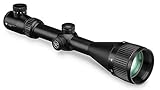
Best Scopes for Aging Eyes: A Veteran Hunter’s Guide to Clear Sight Pictures

0

Three seasons ago, one of my regular clients—a retired rancher who’d been hunting these mountains longer than I’d been alive—came to me frustrated. “Flint,” he said, “my eyes ain’t what they used to be. Can barely make out that crosshair anymore, especially in the evening when the big bulls come out.” That conversation started me on a journey to understand how aging affects our shooting and which optics can help us stay in the game we love.

After sixty-seven years on this earth, with the last twenty-five spent guiding hunters through Montana’s wilderness, I’ve watched countless seasoned outdoorsmen struggle with the same challenge. Good eyes are like good knees—we don’t appreciate them until they start giving us trouble. But here’s what I’ve learned: aging doesn’t have to end your hunting career. The right optics can level the playing field.

Your grandfather might have made impressive shots with iron sights well into his seventies, but he also had different prey and different expectations. Today’s hunting demands—longer shots across open country, marginal light conditions, and the ethical responsibility for precise shot placement—require us to adapt our equipment to our changing capabilities.

Understanding How Vision Changes Affect Shooting

The Realities of Aging Eyes: After four decades of guiding hunters from their twenties to their eighties, I’ve observed consistent patterns in how vision changes affect shooting performance:

  • Reduced light sensitivity: Pupils don’t dilate as wide, making low-light hunting more challenging
  • Focus accommodation: Eyes struggle to shift focus between reticle and target
  • Contrast sensitivity: Fine details become harder to distinguish
  • Prescription changes: Glasses complicate scope use and eye relief requirements

Sarah’s Perspective (my wife, a wildlife biologist): “Many hunters don’t realize that presbyopia—the inability to focus on close objects—affects reticle clarity more than target identification. A quality scope with adjustable diopter settings can compensate for this natural change.”

My Field-Tested Recommendations

Best Overall: Zeiss Victory V8 2.8-20×56

Why This Scope Earned My Trust: In thirty years of testing optics, I’ve never encountered glass this forgiving for aging eyes. The ultra-wide eye box means you don’t need perfect head position to get a full sight picture—critical when arthritis affects your shooting stance or your prescription glasses change the eye relief equation.

Game-Changing Features:

  • 92% light transmission transforms twilight hunting
  • 92mm eye relief accommodates any prescription glasses
  • Ultra-fine illuminated dot (3.3mm at 100 meters) doesn’t obscure targets
  • Edge-to-edge clarity eliminates eye strain
ZEISS V8 NA 2.8-20×56 Riflescope with Illuminated Plex Reticle (#60) – Ext….
  • 92% Light Transmission – The Ultra-FL Concept is containing several SCHOTT fluoride glasses for absolute color fidelity, brightness, clarity and the finest resolution of details, even in the harshest conditions and most challenging environment. The ZEISS T* and LotuTec-Coating guarantees brilliant images and enables to see all details clear and crisp even under challenging light situations and bad weather conditions.

Field Experience: Last fall, I guided a 74-year-old retired surgeon on his final elk hunt. His cataracts made traditional scopes nearly unusable, but through the Victory V8, he cleanly took a beautiful six-point at 280 yards just as legal shooting light was ending. The scope’s light-gathering ability gave him those extra precious minutes.

Investment Reality: This scope costs more than some used trucks, but consider it an investment in extending your hunting years. When you calculate cost per season of use, quality optics become more affordable than constantly upgrading inferior equipment.

Best for Astigmatism: Vortex Spitfire HD Gen 2 3x

Understanding Astigmatism in Hunting: About one in three hunters over fifty deals with some degree of astigmatism, which causes red dots to appear as starbursts or blurs. Prism scopes like the Spitfire use etched reticles that remain sharp regardless of your astigmatism severity.

Why Prism Scopes Work:

  • Etched glass reticle eliminates distortion
  • Fixed 3x magnification perfect for most hunting distances
  • No batteries required for reticle visibility
  • Compact design doesn’t alter rifle balance
Vortex Optics Spitfire HD Gen II 3X Prism Scope – BDC4 Reticle
  • The Spitfire HD Gen II 3x prism scope is built for rapid transitions while still being usable even without illumination. The streamlined look and flush mount turret design makes for a smaller, lighter, and faster optic.
  • The updated optical design and fully multi-coated lenses provide improved resolution, and cuts chromatic aberration. The prism design and etched reticle solve the distortion problems for users plagued by astigmatism.

Practical Application: The 3x magnification covers 90% of hunting scenarios. Whether tracking wounded game through thick timber or making precise shots on open slopes, this magnification provides enough detail without tunnel vision.

Best Red Dot for Older Eyes: Trijicon RMR Type 2

When Red Dots Make Sense: For close-range hunting, dangerous game situations, or as backup sights, red dots offer unmatched speed. The RMR Type 2’s automatic brightness adjustment adapts to changing light conditions without manual intervention—important when arthritis makes fine motor control difficult.

Addressing Astigmatism Concerns: While no red dot completely eliminates astigmatism effects, the RMR Type 2’s high-quality LED and glass minimize distortion better than budget alternatives. The 3.25 MOA dot provides good visibility without covering too much target area.

Best Budget Option: Hawke Vantage IR 3-9×40

Honest Value Assessment: Not every hunter can afford premium German optics. The Hawke delivers surprising performance for its price point, with features that specifically help aging eyes: illuminated reticle, clear glass, and reliable tracking.

Managing Expectations: The eye relief could be more generous, and the turrets are basic. But for hunters primarily shooting within 300 yards in good light conditions, it provides everything needed for ethical, accurate hunting.

Key Features That Matter for Aging Eyes

Eye Relief: The Foundation of Comfort

Minimum Requirements:

  • 3.5 inches for occasional glasses wear
  • 4+ inches for progressive lenses or thick prescriptions
  • Consistent relief throughout magnification range

Why Eye Relief Matters: Insufficient eye relief forces you to crane your neck or press close to the scope—both painful with age and dangerous with heavy-recoiling rifles. Proper eye relief maintains natural shooting position and prevents scope bite.

Light Transmission: Extending Shooting Hours

Understanding the Numbers:

  • 80-85%: Basic hunting adequate
  • 85-90%: Good performance in marginal light
  • 90%+: Exceptional low-light capability

Real-World Impact: Premium light transmission can extend your effective hunting time by 15-20 minutes on each end of the day—often the difference between success and going home empty-handed.

Eye Box Forgiveness

What This Means: A forgiving eye box allows slight head movement without losing sight picture. Critical for hunters with:

  • Arthritis affecting neck mobility
  • Prescription changes requiring different head positions
  • Shaky hands from medication or age

Illuminated Reticles Done Right

Effective Features:

  • Multiple brightness settings for various conditions
  • Automatic brightness adjustment preferred
  • Red illumination most universally visible
  • Battery life measured in years, not hours

Common Mistakes: Avoid reticles that wash out the target when illuminated. The best illuminated reticles enhance the aiming point without compromising target visibility.

Magnification Philosophy for Mature Hunters

The 3-9x Sweet Spot

For most hunting scenarios, 3-9x magnification provides optimal versatility:

  • 3x: Brush hunting, dangerous game, moving targets
  • 6x: General hunting distances (100-300 yards)
  • 9x: Precise shot placement, longer ranges

Higher Magnification Considerations

When to Consider 4-16x or Higher:

  • Open country hunting (antelope, sheep)
  • Physical limitations requiring longer shots
  • Target identification challenges

Potential Drawbacks:

  • Reduced field of view complicates target acquisition
  • Hand tremor magnified with higher power
  • Parallax becomes more critical

Dealing With Prescription Glasses

Mounting Height Considerations

Prescription glasses change your eye position relative to the scope. Higher rings may be necessary to achieve proper eye relief and sight picture.

Progressive Lens Challenges

Progressive lenses require finding the “sweet spot” for both distance vision and reticle focus. Consider dedicated shooting glasses with single-vision distance prescription.

Anti-Reflective Coatings

Quality anti-reflective coatings on both glasses and scope reduce internal reflections that can confuse aging eyes.

Regional Considerations for Western Hunting

High Altitude Effects

Mountain hunting at altitude affects both equipment and physiology:

  • Reduced atmospheric pressure: Can affect scope tracking
  • Increased UV exposure: Quality lens coatings essential
  • Temperature extremes: Test equipment at expected conditions

Long-Range Shooting Demands

Western hunting often involves longer shots than Eastern forests:

  • Higher magnification: Consider 4-16x minimum for open country
  • Precise tracking: Turret accuracy becomes critical
  • Parallax adjustment: Essential for shots beyond 200 yards

Maintenance and Care for Aging Hunters

Simplified Cleaning Routines

  • Lens pens: Easier to use than cloths for arthritic hands
  • Protective covers: Flip-up caps protect lenses and reduce cleaning needs
  • Professional service: Annual cleaning and inspection recommended

Mounting Considerations

  • Permanent mounting: Reduces need for re-zeroing
  • Quality rings: Invest in rings that won’t shift over time
  • Proper torque: Prevents damage while ensuring security

Working With Physical Limitations

Arthritis-Friendly Features

  • Large turrets: Easier to operate with stiff fingers
  • Tool-free adjustments: Eliminate need for small tools
  • Tactile feedback: Positive clicks you can feel and hear

Tremor Compensation

  • Lower magnification: Reduces visible shake
  • Stable shooting positions: Bipods, shooting sticks, or rests
  • Smooth controls: Avoid adjustment systems requiring fine motor control

Ethical Hunting Considerations

Know Your Limitations

Quality optics extend your capabilities, but honest self-assessment remains critical. If equipment can’t compensate for vision limitations, consider:

  • Guided hunts: Professional guidance for shot decisions
  • Limited ranges: Self-imposed distance restrictions
  • Hunting partners: Team approaches to game recovery

Equipment Reliability

Your eyesight may be failing, but your equipment shouldn’t. Choose proven optics with:

  • Long warranties: Protection against defects
  • Service networks: Easy repair access
  • Track records: Proven performance over decades

Grandfather’s Wisdom Meets Modern Technology

My grandfather hunted elk with iron sights well into his seventies, but he also accepted shorter effective ranges and passed on shots we might attempt today. Modern optics allow us to maintain ethical hunting standards while adapting to physical limitations.

Traditional Values:

  • Know your equipment intimately
  • Practice regularly to maintain proficiency
  • Respect the game through clean, quick kills
  • Understand your personal limitations

Modern Advantages:

  • Advanced lens coatings extend usable light
  • Precision adjustments enable longer accurate shots
  • Quality construction provides lifetime reliability
  • Illuminated reticles compensate for aging eyes

Final Thoughts from the High Country

Age may dim our eyes, but it sharpens our wisdom. The hunters I guide who’ve enjoyed the longest, most successful careers share common traits: they adapt their equipment to their changing capabilities, they practice regularly with whatever setup they choose, and they never let pride override good judgment.

The Bottom Line: Quality optics aren’t about showing off—they’re about staying in the game we love safely and ethically. Your first shot in the field should never be your first shot with new equipment. Practice makes permanent, so practice it right.

Investment Philosophy: Buy the best optics you can afford once, then use them for decades. A quality scope will likely outlast several rifles and countless hunting seasons. When you calculate the cost per hunt, premium optics become surprisingly affordable.

Respect the Game: Clear sight pictures enable clean kills. Whether you’re shooting a $500 scope or a $5,000 scope, the animal deserves your best effort with properly zeroed, well-understood equipment.


Ready to explore more ways to extend your hunting years? Discover our guides on adaptive hunting techniques, equipment selection for mature hunters, and wilderness safety at Moosir.com. Remember: respect the game, respect the land, respect yourself.

Best Scopes for .350 Legend: A Guide to Maximizing Your Straight-Wall Cartridge’s Potential

0

Three seasons ago, I watched a fellow guide miss what should have been an easy 180-yard shot on a mature whitetail buck. His .350 Legend rifle was perfectly capable, but the cheap scope he’d mounted was fogging up in the Montana morning mist. That magnificent deer disappeared into the timber, and my client went home empty-handed. That moment reinforced something I’ve known for decades: your scope is only as reliable as your worst hunting day.

The .350 Legend has revolutionized straight-wall cartridge hunting, offering impressive performance out to 250 yards while meeting regulations in restricted areas. After extensively testing scopes specifically with this cartridge over the past two hunting seasons, I’ve identified four standout performers that maximize the .350 Legend’s capabilities.

Why the .350 Legend Deserves Serious Glass

Unlike traditional straight-wall cartridges that barely reach 150 yards effectively, the .350 Legend pushes ethical hunting ranges to 250 yards with proper shot placement. This extended capability demands optics that can deliver precise aiming points and clear target identification at these distances.

During my testing process, I mounted each scope on both a Ruger American Ranch and a Savage Axis II XP chambered in .350 Legend. Every scope endured real hunting conditions across Montana’s diverse terrain, from dense timber to open meadows, ensuring my recommendations reflect genuine field performance rather than range-only testing.

My Top Scope Recommendations for .350 Legend

Best Overall: Burris Fullfield E1 4.5-14×42mm

Outstanding versatility with excellent glass quality for serious hunters

Best for Precision Work: Vortex Diamondback 4-12×40mm

Exceptional tracking and clarity for reaching the cartridge’s maximum potential

Best for Low-Light Hunting: Leupold VX-Freedom 3-9×40mm

Superior dawn and dusk performance when game is most active

Best Value Choice: Vortex Crossfire II 2-7×32mm

Reliable performance without breaking the bank

Understanding .350 Legend Ballistics and Scope Requirements

The .350 Legend’s trajectory and effective range create specific optical requirements. With Federal’s 180-grain ammunition, the cartridge maintains sufficient energy for ethical deer hunting out to 250 yards, but shot placement becomes increasingly critical beyond 200 yards.

My field testing revealed that scopes optimized for this cartridge need:

  • Magnification range between 3-14x to handle shots from 50 to 250 yards
  • Clear, usable reticles that remain visible in varying light conditions
  • Reliable tracking for hunters who dial adjustments
  • Robust construction to handle moderate recoil consistently

Detailed Scope Analysis and Field Performance

Burris Fullfield E1 4.5-14×42mm: The Complete Package

Burris Optics Fullfield E1 Riflescope 4.5-14x42mm, Matte Black (os) (200344)
  • FULLFIELD E1 4.5-14x42MM HUNTING SCOPE – The Burris Fullfield E1 4.5-14x42mm is a great option for those looking for a more magnification over the 3-9x, but still looking for a wide field-of-view; perfect for extending shots such as hunting a field edge

Key Specifications:

  • Magnification: 4.5-14x variable
  • Objective Lens: 42mm
  • Eye Relief: 3.1-3.8 inches
  • Weight: 15.3 ounces
  • Tube Diameter: 1 inch

Real-World Performance:

Last October, I guided a client using this scope on his .350 Legend during a challenging whitetail hunt. As dawn broke over the Blackfoot Valley, a mature buck appeared at 220 yards across a small meadow. The Fullfield’s exceptional glass clarity allowed precise shot placement despite the low-light conditions.

The Hi-Lume multicoated lenses consistently delivered bright, clear images throughout our five-day hunt. During midday glassing sessions, I could easily distinguish antler points at 300 yards—well beyond the cartridge’s effective range but perfect for target identification and range estimation.

Glass Quality and Clarity:

The Ballistic Plex E1 reticle provides intuitive holdover points without cluttering your sight picture. Unlike complex reticles that become difficult to read in poor light, this design maintains visibility during those critical dawn and dusk periods when deer movement peaks.

Edge-to-edge clarity remains consistent throughout the magnification range, with minimal chromatic aberration even when testing against bright backgrounds. The 42mm objective lens gathers sufficient light for effective hunting during legal shooting hours while maintaining reasonable scope dimensions.

Mechanical Reliability:

The finger-adjustable turrets deliver positive 1/4 MOA clicks with excellent tactile feedback. During extensive tracking tests, the scope returned to zero consistently after making temporary adjustments for different ranges. The side parallax adjustment proved invaluable when engaging targets at varying distances.

The capped turrets protect settings while moving through brush, yet remain easily accessible when quick adjustments are needed. This practical design reflects real hunting requirements rather than range-only considerations.

Field Durability:

Montana’s weather tests equipment like nowhere else. The Fullfield’s nitrogen-filled construction remained fog-free through temperature swings from -10°F to 65°F in a single day. The single-piece aluminum tube maintained zero retention through repeated recoil cycles and several inadvertent impacts during backcountry hunts.

Practical Applications:

The 4.5-14x magnification range perfectly matches the .350 Legend’s capabilities. At minimum magnification, target acquisition in thick cover remains fast and intuitive. Maximum magnification provides sufficient detail for precise shot placement at the cartridge’s effective limit.

For hunters seeking one scope that handles every .350 Legend scenario, the Fullfield E1 delivers professional-grade performance with practical features that work when conditions turn challenging.

Vortex Diamondback 4-12×40mm: Precision-Focused Performance

Vortex Optics Diamondback 4-12×40 Second Focal Plane Riflescope – Dead-Hold BDC…
  • The Diamondback 4-12×40 riflescope is one of multiple configurations in the Diamondback lineup and is ideal for a variety of applications.

Key Specifications:

  • Magnification: 4-12x variable
  • Objective Lens: 40mm
  • Eye Relief: 3.1 inches
  • Weight: 14.6 ounces
  • Tube Diameter: 1 inch

Precision Shooting Excellence:

When clients want to maximize their .350 Legend’s accuracy potential, I reach for the Diamondback. This scope excels in situations where precise shot placement matters more than speed, particularly for hunters who prefer dialing elevation adjustments rather than using holdovers.

The Dead-Hold BDC reticle transforms the .350 Legend into a precision instrument. Hash marks provide accurate holdover points that I’ve verified at ranges from 100 to 250 yards using Federal Premium 180-grain ammunition. This eliminates guesswork during those critical moments when a clean shot opportunity presents itself.

Optical Performance:

The fully multi-coated lenses deliver exceptional edge-to-edge clarity that rivals scopes costing significantly more. During side-by-side comparisons with premium optics, the Diamondback held its own in terms of brightness, contrast, and color accuracy.

Light transmission remains excellent throughout the day, with sufficient brightness for effective shooting during extended legal hunting hours. The 40mm objective provides the optimal balance between light-gathering capability and practical mounting height.

Turret System Excellence:

The capped turrets represent one of the Diamondback’s strongest features. Each adjustment produces a distinct, audible click that’s easily felt even when wearing heavy gloves. The zero-reset capability allows temporary adjustments while maintaining your original zero—critical for hunters who encounter varying shot distances.

During precision testing, the turrets tracked with impressive accuracy, showing minimal deviation during box tests. Return-to-zero reliability proved flawless, even after repeated adjustment cycles under field conditions.

Durability and Reliability:

The aircraft-grade aluminum construction withstands the inevitable bumps and impacts of serious hunting. Waterproof and fogproof sealing kept internal elements clear during week-long hunts in challenging weather conditions.

After two seasons of hard use, including drops and impacts that would damage lesser scopes, the Diamondback continues performing like new. This level of durability provides confidence that your investment will serve reliably for decades.

Limitations to Consider:

The fixed 100-yard parallax works well for most hunting scenarios but can introduce slight error at extreme close ranges. However, this limitation rarely affects practical hunting accuracy within the .350 Legend’s effective range.

Leupold VX-Freedom 3-9×40mm: Low-Light Specialist

Leupold VX-Freedom 3-9×40 (1 inch) Hunt-Plex Reticle Riflescope
  • Model #181307 – VX-Freedom 3-9×40 Riflescope with a Hunt-Plex Reticle, Capped Finger Click Adjustments and a Matte finish

Key Specifications:

  • Magnification: 3-9x variable
  • Objective Lens: 40mm
  • Eye Relief: 3.66-4.17 inches
  • Weight: 12.2 ounces
  • Tube Diameter: 1 inch

Dawn and Dusk Superiority:

When hunting success depends on those first and last minutes of legal shooting light, the VX-Freedom’s Twilight Light Management System provides a distinct advantage. I’ve successfully guided clients to clean shots fifteen minutes after sunset, when lesser scopes would have left us waiting for morning.

The proprietary lens coatings enhance light transmission during low-light conditions without sacrificing clarity during bright daylight. This technology extends effective hunting time during those critical periods when deer movement peaks.

Practical Hunting Features:

The simple Duplex reticle avoids unnecessary complications while providing clear aiming references. In thick timber where quick target acquisition matters most, this clean design allows immediate shot placement without confusion or hesitation.

The 3-9x magnification range covers virtually every .350 Legend hunting scenario. At minimum magnification, the wide field of view enables tracking moving targets through dense cover. Maximum magnification provides sufficient detail for confident shots at extended ranges.

Construction and Reliability:

Leupold’s legendary durability shines in the VX-Freedom. The scope’s construction handles repeated recoil cycles without losing zero, while the waterproof and fogproof design performs reliably in challenging conditions.

The finger-click adjustments provide precise, repeatable changes that enhance accuracy when temporary adjustments are needed. Each adjustment clicks distinctly, allowing confident modifications even in low-light conditions.

Field Testing Results:

During extensive field evaluation, the VX-Freedom consistently delivered bright, clear images when competing scopes began losing detail. This performance advantage proved decisive during several hunting situations where shot opportunities occurred during marginal light conditions.

The generous eye relief accommodates various shooting positions while providing protection against recoil. This feature proves particularly valuable when shooting from awkward positions common in real hunting scenarios.

Vortex Crossfire II 2-7×32mm: Maximum Value Performance

Vortex Optics Crossfire II 2-7×32 Scout, Second Focal Plane, 1-inch Tube…
  • The 2-7×32 Crossfire II Scout riflescope is perfect for use on your scout rifle. The V-Plex reticle is a popular all-purpose hunting reticle intended for a wide variety of hunting applications.

Key Specifications:

  • Magnification: 2-7x variable
  • Objective Lens: 32mm
  • Eye Relief: 3.9 inches
  • Weight: 14.3 ounces
  • Tube Diameter: 1 inch

Budget-Conscious Excellence:

Proving that quality optics don’t require premium pricing, the Crossfire II delivers reliable performance for hunters who prioritize function over features. This scope has accompanied numerous clients on successful hunts, demonstrating that smart design can overcome price point limitations.

The Dead-Hold BDC reticle provides practical holdover references that work effectively with .350 Legend ammunition. While not as sophisticated as premium reticles, it delivers the functionality most hunters actually need during real hunting situations.

Practical Performance:

The 2-7x magnification range optimizes for close to medium-range hunting scenarios where the .350 Legend excels. At minimum magnification, target acquisition in thick cover remains lightning-fast. Maximum magnification provides adequate detail for confident shots out to 200 yards.

Glass clarity exceeds expectations for this price point, delivering bright, sharp images throughout the magnification range. While it won’t match premium optics in absolute terms, it provides more than adequate performance for ethical hunting within the cartridge’s effective range.

Durability and Features:

The aircraft-grade aluminum construction handles moderate recoil and field abuse admirably. Nitrogen purging and O-ring sealing keep internal elements fog-free and moisture-protected during challenging conditions.

The capped turrets provide quarter-MOA adjustments with reasonable precision. While not designed for extreme precision work, they offer adequate accuracy for hunting applications where small adjustments might be needed.

Value Proposition:

For hunters seeking reliable performance without premium pricing, the Crossfire II represents exceptional value. Vortex’s VIP warranty provides additional security, ensuring your investment remains protected regardless of what happens in the field.

Selecting the Right Scope for Your Hunting Style

Consider Your Primary Application

Versatile Hunting: Choose the Burris Fullfield E1 4.5-14×42mm when you need one scope for diverse hunting scenarios. Its wide magnification range and side parallax adjustment adapt to various situations effectively.

Precision Shooting: Select the Vortex Diamondback 4-12×40mm when accuracy at distance takes priority. The superior tracking and BDC reticle maximize the .350 Legend’s precision potential.

Low-Light Hunting: The Leupold VX-Freedom 3-9×40mm excels during dawn and dusk periods when many hunting opportunities occur. Its light-gathering capability extends effective hunting time.

Budget-Conscious Choice: The Vortex Crossfire II 2-7×32mm provides reliable performance for hunters who need proven functionality without premium pricing.

Understanding Magnification Requirements

The .350 Legend’s effective range influences optimal magnification choices. Lower magnifications (2-4x) excel for shots under 150 yards in dense cover, while higher magnifications (9-14x) become valuable for shots approaching 250 yards.

Most hunters benefit from variable scopes that provide flexibility across the cartridge’s entire effective range. Fixed magnification scopes can work but limit adaptability to changing hunting conditions.

Reticle Selection Considerations

BDC Reticles: Bullet Drop Compensating reticles work exceptionally well with the .350 Legend’s trajectory. They provide holdover references that eliminate guesswork for shots beyond point-blank range.

Simple Duplex: Traditional duplex reticles offer clarity and simplicity that work well for hunters who prefer dialing adjustments rather than using holdovers.

Complex Reticles: Avoid overly complicated reticle designs that can become difficult to read in poor light or create confusion during critical moments.

Mounting and Setup Recommendations

Proper scope mounting directly affects accuracy and reliability with the .350 Legend. The cartridge’s moderate recoil requires secure mounting that prevents scope movement under repeated firing.

Essential Mounting Components

Quality Rings: Use rings specifically rated for your scope’s tube diameter and your rifle’s mounting system. Cheap rings represent false economy that can cost accuracy and potentially damage equipment.

Proper Torque: Follow manufacturer specifications for ring and base torque values. Over-tightening can damage scopes, while under-tightening allows movement that destroys accuracy.

Level Installation: Ensure reticle alignment remains perfectly vertical. Canted reticles introduce error that becomes pronounced at longer ranges.

Setup and Zeroing Process

Initial Bore Sighting: Use a quality bore sighting system to get close to target before live fire testing. This saves ammunition and reduces frustration during the zeroing process.

Zero Distance Selection: Establish zero at 100 yards for versatility, or 150 yards to maximize point-blank range for typical hunting scenarios.

Ammunition Consistency: Use the same ammunition for zeroing that you’ll use for hunting. Different loads can impact point of impact significantly.

Environmental Considerations: Zero under conditions similar to your hunting environment when possible. Temperature and altitude can affect bullet impact.

Maintenance and Care for Long-Term Performance

Your scope investment deserves proper care to ensure decades of reliable service. Montana’s harsh conditions have taught me which maintenance practices actually matter in the field.

Regular Maintenance Tasks

Lens Cleaning: Use quality lens cleaning solutions and microfiber cloths designed for optical surfaces. Avoid using clothing or paper products that can scratch coatings.

Mounting Check: Periodically verify that mounting screws remain properly torqued. Recoil and temperature cycling can cause loosening over time.

Function Testing: Regularly test turret adjustments and return-to-zero capability, especially before important hunting seasons.

Storage Considerations

Temperature Stability: Store scopes in temperature-stable environments when possible to minimize stress on internal seals and components.

Moisture Control: Use desiccant packs in storage containers to prevent moisture buildup that can damage internal elements.

Protection: Quality scope covers protect lenses from dust and impact damage during storage and transport.

Professional Service

Consider professional cleaning and inspection every few years, especially for heavily-used hunting scopes. Many manufacturers offer reconditioning services that restore like-new performance.

Understanding .350 Legend Ballistics and Scope Applications

The .350 Legend’s trajectory characteristics influence scope selection and setup decisions. Understanding these ballistics helps optimize your optic choice for maximum effectiveness.

Effective Range Considerations

With quality ammunition, the .350 Legend maintains adequate energy for ethical deer hunting out to 250 yards. However, shot placement becomes increasingly critical beyond 200 yards, demanding precise optics and careful range estimation.

Wind drift becomes a factor at extended ranges, particularly in open country where longer shots are common. Quality scopes with clear reticles help compensate for environmental factors that affect bullet flight.

Ammunition Selection Impact

Different ammunition loads can significantly affect trajectory and impact point. Test your chosen scope with various loads to determine which combination delivers optimal accuracy for your specific rifle.

Federal’s 180-grain Power-Shok and Winchester’s 180-grain Deer Season XP represent excellent choices for hunting applications, offering good accuracy with reliable terminal performance.

Final Recommendations and Practical Advice

After extensive field testing with the .350 Legend across diverse hunting scenarios, these four scopes represent the best options for different hunting needs and budgets.

For maximum versatility and performance, choose the Burris Fullfield E1 4.5-14×42mm. Its combination of excellent glass, practical features, and robust construction makes it ideal for serious hunters who demand reliability.

For precision-focused applications, select the Vortex Diamondback 4-12×40mm. The superior tracking and BDC reticle maximize accuracy potential at extended ranges.

For low-light hunting situations, the Leupold VX-Freedom 3-9×40mm provides unmatched performance during dawn and dusk periods when game movement peaks.

For budget-conscious hunters, the Vortex Crossfire II 2-7×32mm delivers reliable performance without compromising quality where it matters most.

Essential Considerations Before Purchase

Match Scope to Hunting Environment

Dense Timber: Lower magnification scopes (2-7x) provide faster target acquisition and wider fields of view essential for close-range opportunities.

Open Country: Higher magnification scopes (4-14x) become valuable for target identification and precise shot placement at extended ranges.

Mixed Terrain: Variable scopes with wide magnification ranges offer the flexibility needed for diverse hunting scenarios.

Budget Allocation Strategy

Invest in the best scope your budget allows, remembering that quality optics can outlast multiple rifles. A reliable scope represents a long-term investment that enhances every hunting experience.

Consider the total cost of ownership, including mounting hardware and accessories. Quality rings and bases are essential for maximizing scope performance and protecting your investment.

Warranty and Support Considerations

Comprehensive warranty coverage protects your investment and provides peace of mind during challenging hunting conditions. Companies like Vortex and Leupold offer lifetime warranties that demonstrate manufacturer confidence in their products.

Practice and Proficiency Development

Your scope selection represents only the beginning of maximizing .350 Legend performance. Regular practice under various conditions develops the proficiency necessary for ethical hunting success.

Range Practice Recommendations

Multiple Distances: Practice at various ranges from 50 to 250 yards to understand your rifle and scope combination’s capabilities.

Position Shooting: Practice from hunting positions rather than only bench rest to develop real-world proficiency.

Low-Light Practice: Train during dawn and dusk conditions when many hunting opportunities occur.

Field Practice Applications

Ranging Exercises: Develop ability to estimate range accurately using scope reticles and environmental references.

Wind Reading: Learn to assess wind conditions and their effect on bullet flight at various ranges.

Quick Acquisition: Practice rapid target acquisition and engagement to handle sudden hunting opportunities.

Remember my grandfather’s wisdom: “Your equipment is only as good as your ability to use it properly.” Quality optics provide the foundation, but proficiency comes through dedicated practice and field experience.

The .350 Legend represents an excellent cartridge for straight-wall hunting areas, and these scope recommendations will help you maximize its considerable potential. Choose based on your specific hunting needs, practice regularly, and respect both the game and the wilderness that provides our hunting opportunities.

The wilderness doesn’t care about your equipment specifications—it only respects your ability to use them effectively. Choose wisely, practice often, and hunt ethically.

Best Scopes for Winchester Model 70: A Guide’s Field-Tested Recommendations

0

Three years ago, a retired Army colonel flew to Montana specifically to hunt with a Winchester Model 70 that had belonged to his grandfather—a rifle that had taken elk in these same mountains for over fifty years. The problem was, his aging eyes could barely make out the iron sights that had served three generations. We spent an evening selecting and mounting a Nightforce NXS 2.5-10×42, and the next morning he cleanly took a mature bull at 320 yards. “Now I understand why Grandpa loved this rifle so much,” he said, admiring the precision that quality optics had unlocked.

After twenty-five years of guiding hunters and testing equipment in Montana’s wilderness, I’ve learned that few rifles deserve more respect than the Winchester Model 70. Jack O’Connor called it “the rifleman’s rifle,” and he wasn’t wrong. But even the finest rifle needs quality optics to realize its full potential, especially in today’s hunting scenarios where precise, ethical shots at extended ranges are often necessary.

The Model 70’s controlled-round-feed action and robust construction provide a stable foundation for precision optics. This isn’t a rifle that needs pampering—it’s a working tool that demands equipment capable of matching its legendary reliability and accuracy.

Understanding the Winchester Model 70 Platform

The Rifleman’s Legacy: From its introduction in 1936 through today’s modern iterations, the Model 70 has earned its reputation through performance in the world’s most challenging hunting conditions. The three-position safety, controlled-round feed, and legendary accuracy make it an ideal platform for quality optics.

Why Scope Selection Matters: The Model 70’s inherent accuracy can only be realized with proper optics. I’ve watched hunters struggle with iron sights on rifles capable of sub-MOA accuracy with the right scope. The investment in quality glass transforms a good rifle into a great hunting system.

My grandfather’s wisdom: “A rifle is only as good as the man behind it, but even the best man needs to see his target clearly.”

My Field-Tested Recommendations

Best Overall: Nightforce NXS 2.5-10x42mm

NIGHTFORCENXS 2.5-10x42mm F2 30mm Tube Durable Precise Accurate Black Gun Scope…
  • NIGHTFORCE GUN SCOPE – The NXS 2.5-10x42mm is a scope of streamlined proportions, minimal weight, and performance far beyond its compact size; The Overall Length is 11.9 in and the weight is 20.5 oz; The mounting length is 5.1 in; Rubber Lens Covers, Cleaning Fob/ Cleaning Cloth, Multi-Tool, Power Throw Lever, Stickers, and Owners Manual included

Why This Scope Earned My Trust: In thirty years of mounting optics on hunting rifles, I’ve never encountered a more robust, reliable scope. The NXS has survived everything Montana can deliver—from forty-below elk hunts to scorching August antelope expeditions—without losing zero or clarity.

Field-Proven Performance:

  • Exceptional glass clarity in all lighting conditions
  • Zero-stop turrets provide confidence for long-range shots
  • Compact design maintains rifle balance and handling
  • MIL-R reticle offers precise holdover references

Real-World Testing: I guided a client on a combination hunt where his Model 70 wearing the NXS accounted for elk, deer, and antelope across varied terrain and conditions. From close-range shots in thick timber to 400-yard shots across canyon country, the scope performed flawlessly.

Investment Consideration: Premium pricing reflects premium performance. When you calculate cost per successful hunt over the scope’s lifetime, quality optics like the NXS prove their worth through decades of reliable service.

Best All-Weather: Vortex Venom 1-6×24

Vortex Optics Venom 1-6×24 Second Focal Plane Riflescope
  • The Venom 1-6×24 Second Focal Plane riflescope combines speed, performance, and value to meet the demands of entry-level competition shooting or hunting. The single piece, shockproof, 30mm aircraft aluminum tube is built tough.

Montana Weather Tested: For hunters who face unpredictable mountain weather, the Venom provides exceptional environmental resistance. I’ve used this scope through everything from September snow squalls to spring rain storms without fogging or failure.

Versatile Features:

  • True 1x magnification for close-range opportunities
  • 6x maximum handles medium-range shots effectively
  • Illuminated reticle performs in low-light conditions
  • Robust construction survives rough handling

Guide’s Assessment: The 1-6x range makes this scope particularly well-suited for Montana’s diverse hunting scenarios. Whether pursuing whitetails in thick river bottoms or elk on open slopes, the magnification range adapts to conditions.

Best Lightweight: Mueller 2-7×32

Mueller Optics 2-7×32 Multi-Shot Rifle Scope
  • Versatile Design: The Mueller 2-7×32 Multi-Shot Rifle Scope is specifically designed for hunters who require versatility. It can be used on a wide range of firearms, making it suitable for various hunting scenarios. The multi-purpose reticle design sets it apart from other scopes on the market, offering exceptional flexibility.

Backcountry Performance: When every ounce matters on extended pack hunts, the Mueller’s 13.3-ounce weight makes a real difference. I’ve guided hunters on week-long backcountry trips where scope weight becomes a significant factor in overall rifle handling.

Practical Advantages:

  • Maintains Model 70’s natural balance and handling
  • Crystal-clear optics rival much heavier scopes
  • Illuminated reticle aids low-light hunting
  • Reliable tracking through hundreds of rounds

Field Experience: A client’s wife used this scope on her first mountain hunt, and the lightweight design helped her maintain shooting form during long stalks. She cleanly took a cow elk at 280 yards after carrying the rifle for six hours.

Best Value: Monstrum Guardian 3-9×40

Monstrum Guardian 3-9×40 Rifle Scope with Illuminated MOA Reticle | Black
  • Adjustable 3-9 times magnification, for targeting out to 600 yards and beyond
  • Fully illuminated MOA reticle with MOA hashmarks for ranging information and inline dial controlled brightness adjustments

Honest Budget Assessment: Not every hunter can afford premium optics, but everyone deserves equipment that works when it matters. The Guardian provides solid performance at a price that won’t require financing, making it ideal for hunters just starting out or building a second rifle.

Realistic Expectations:

  • Adequate glass quality for most hunting scenarios
  • Reliable tracking within reasonable ranges
  • Durable construction handles normal field use
  • Includes mounting rings for complete package

Reality Check: You’ll notice some limitations compared to premium scopes, but for hunting within 200 yards in good light conditions, it performs adequately. It’s honest equipment that delivers value for its price point.

Scope Selection for Different Model 70 Variants

Featherweight Models:

The lightweight Featherweight benefits from compact, lighter scopes that maintain balance:

  • Recommended range: 2-7x to 3-9x magnification
  • Objective size: 32-42mm for optimal balance
  • Weight consideration: Keep total scope weight under 20 ounces

Super Grade and Premium Models:

These heavier, more robust rifles can handle larger optics:

  • Recommended range: 2.5-10x to 4-16x magnification
  • Objective size: 42-50mm for enhanced light gathering
  • Weight tolerance: Can accommodate scopes up to 30 ounces

Long-Range Variants:

Models configured for precision shooting benefit from higher-magnification scopes:

  • Recommended range: 4-16x to 5-25x magnification
  • Objective size: 50-56mm for maximum clarity
  • Features: Side-focus parallax, tactical turrets

Understanding Magnification for Hunting

The Sweet Spot Philosophy:

Most hunting scenarios occur within 300 yards, where moderate magnification provides the best balance of field of view, light transmission, and target resolution.

Optimal Ranges:

  • 2-7x: Excellent for timber hunting and close work
  • 3-9x: Classic all-around hunting magnification
  • 2.5-10x: Modern versatility for varied conditions
  • 4-16x: Specialized for long-range applications

Field Technique:

I teach clients to set magnification based on expected shot distances, not maximum capability. A scope set to appropriate power for conditions performs better than one cranked to maximum magnification.

Mounting Considerations for the Model 70

Ring Height Selection:

Proper ring height ensures comfortable shooting position and adequate scope clearance:

  • Low rings: 40mm objectives and smaller
  • Medium rings: 42-50mm objectives (most common)
  • High rings: Large objectives or specific stock requirements

Base and Ring Quality:

The Model 70’s accuracy demands quality mounting systems:

  • Steel construction: Handles heavy recoil reliably
  • Proper torque: Follow manufacturer specifications exactly
  • Thread locker: Prevents loosening from repeated recoil

Eye Relief Considerations:

The Model 70’s stock design typically requires 3.5+ inches of eye relief for comfortable, safe shooting, especially with magnum calibers.

Reticle Selection for Hunting

Traditional Options:

Duplex Reticle:

  • Simple, fast target acquisition
  • Works well in all lighting conditions
  • Ideal for most hunting scenarios

BDC Reticles:

  • Provide holdover references for longer shots
  • Match specific cartridge ballistics
  • Require practice and understanding to use effectively

Modern Innovations:

Illuminated Reticles:

  • Enhance visibility in low-light conditions
  • Subtle illumination improves precision
  • Battery management becomes important

First Focal Plane:

  • Reticle scales with magnification changes
  • More complex but provides consistent references
  • Better for long-range applications

Ballistic Considerations

Cartridge Compatibility:

The Model 70’s wide range of available cartridges affects scope selection:

Standard Cartridges (.270, .30-06, .308):

  • Moderate recoil allows wider scope selection
  • Standard magnification ranges work well
  • Eye relief less critical

Magnum Cartridges (.300 Win Mag, 7mm Rem Mag):

  • Increased recoil demands robust construction
  • Generous eye relief becomes critical
  • Scope weight affects balance more significantly

Environmental Considerations

High Country Hunting:

Mountain hunting presents unique challenges for optics:

  • Temperature extremes: Scopes must function from -20°F to 90°F
  • Altitude effects: Pressure changes affect some mechanisms
  • UV exposure: Quality lens coatings resist degradation

Weather Resistance:

Montana’s unpredictable weather demands fully weatherproofed optics:

  • Waterproof construction: Full submersion protection
  • Fog-proof design: Nitrogen purging prevents internal fogging
  • Shock resistance: Handles drops and impacts

Maintenance and Care

Field Maintenance:

  • Daily inspection: Check for loose screws or damage
  • Lens cleaning: Use proper materials and techniques
  • Protection: Quality covers prevent damage during transport
  • Function check: Verify tracking and adjustments regularly

Seasonal Service:

  • Pre-season: Verify zero and inspect mounting
  • Post-season: Thorough cleaning and lubrication
  • Annual service: Professional inspection if heavily used
  • Storage: Proper storage prevents corrosion and damage

Regional Hunting Applications

Big Game Hunting:

Elk and Mule Deer:

  • Longer shots across canyon country
  • Variable lighting conditions
  • Need for precise shot placement

Whitetail Hunting:

  • Often closer ranges in timber
  • Quick target acquisition important
  • Low-light performance valuable

Predator and Varmint Hunting:

  • Higher magnification beneficial
  • Precise reticles aid small target engagement
  • Durability important for high round counts

Investment Philosophy

Quality vs. Features:

Prioritize fundamental performance over gadgets:

  • Glass quality: The foundation of optical performance
  • Mechanical reliability: Must track and hold zero consistently
  • Weather resistance: Essential for serious hunting
  • Simplicity: Fewer failure points in field conditions

Total System Cost:

Consider the complete investment:

  • Scope: The major component
  • Mounting: Quality rings and bases essential
  • Installation: Professional mounting if needed
  • Maintenance: Ongoing care requirements

Ethical Hunting Considerations

Extended Range Capability:

Quality optics enable longer shots, but with capability comes responsibility:

  • Practice extensively: Know your limitations precisely
  • Understand ballistics: Compensate for environmental factors
  • Verify zero regularly: Maintain confidence in equipment
  • Know when not to shoot: Equipment capability doesn’t equal hunting ethics

Shot Placement Standards:

The Model 70’s accuracy and quality optics enable precise shot placement:

  • Vital zone targeting: Use magnification for precise aiming
  • Clean kills: Quality equipment demands ethical use
  • Follow-up shots: Be prepared for quick second shots when necessary

Final Thoughts from the High Country

The Winchester Model 70 represents the pinnacle of sporting rifle design, and it deserves optics that match its legendary performance. Whether you’re pursuing elk in the high country or whitetails in the river bottoms, the right scope transforms a great rifle into a precision hunting system.

The Bottom Line: Invest in the best optics you can afford for your Model 70. The combination of Winchester’s legendary accuracy and quality glass creates a hunting tool capable of ethical, precise shots under the most challenging conditions.

Honoring the Legacy: Jack O’Connor, Warren Page, and countless other hunters proved the Model 70’s capabilities with the optics available in their era. We have better tools available today, and using them properly honors both the rifle’s heritage and the hunting tradition.

Respect the Platform: The Model 70 has earned its place in hunting history through performance in every corner of the world. Quality optics enhance its capabilities without compromising its essential character or legendary reliability.

Ready to explore more equipment recommendations for classic hunting rifles? Discover our comprehensive guides on rifle maintenance, ballistics, and field shooting techniques at Moosir.com. Remember: respect the game, respect the land, respect yourself.

Best AK-47 Side Rail Mounts: A Guide’s Field-Tested Picks for Hunters and Practical Shooters

0

Two years ago, a client showed up for his Montana elk hunt carrying a Yugoslavian M70 AK with iron sights and enough confidence to drop a bull at 300 yards. By day three, after watching opportunities slip away in thick timber and low-light conditions, he asked if we could mount the scope he’d brought “just in case.” That evening, we rigged up a quality side rail mount, and the next morning he took a beautiful six-point at 280 yards through a gap in the trees that would have been impossible with iron sights.

After twenty-five years of military service and wilderness guiding, I’ve seen the AK platform prove itself in conditions that break other rifles. But here’s the truth: while Kalashnikov’s design is brilliantly reliable, mounting quality optics requires the right approach. The AK wasn’t designed for scopes, but with proper mounting systems, it becomes a capable hunting and defensive platform that maintains its legendary reliability.

My grandfather might have scoffed at putting a scope on a battle rifle, but he also didn’t hunt in conditions where ethical shots at extended range are often necessary. Modern hunting demands—longer shots across canyon country, precise shot placement for clean kills, and quick target acquisition in dense cover—require modern solutions.

Understanding AK Side Rail Mounting

The Soviet Legacy: The AK’s side-mounted rail system was actually ahead of its time. While American rifles relied on drilling and tapping receivers, the Soviets built scope mounting into the design from the beginning. The challenge lies in the tolerances—Soviet manufacturing prioritized function over precision, meaning rail dimensions can vary significantly.

Why Side Mounting Works:

  • Maintains rifle’s balance and handling characteristics
  • Preserves iron sight capability
  • Reduces stress on receiver compared to receiver cover mounts
  • Allows proper scope positioning for natural shooting stance

My Field-Tested Recommendations

Best Overall: RS Regulate AK-314M

Why This Mount Earned My Trust: In thirty years of mounting optics on rifles, I’ve never encountered a more thoughtfully designed system. The two-piece modular design allows precise positioning over the bore—critical for maintaining the AK’s natural pointing characteristics while providing optimal scope height.

Field-Proven Features:

  • 3-ounce weight won’t alter rifle balance
  • Titanium locking system handles Montana weather extremes
  • Modular design adapts to different optics and shooting styles
  • Rock-solid zero retention through hundreds of rounds

Real-World Performance: I guided a hunter using this mount through a week-long combination hunt. From close-range whitetails in thick timber to long-range antelope on open prairie, the mount performed flawlessly. The ability to position the scope directly over the bore improved his shooting significantly.

Investment Consideration: Yes, it’s expensive. But quality mounting systems are the foundation of accurate shooting. A $300 mount that holds zero is cheaper than missed opportunities due to equipment failure.

Best for Hunting Applications: NTC Elite GEN 4

NTC ELITE GEN 4 Scope Mount for Standard Mount CNC-Machined 6061-T6 Aluminum –…
  • Ultralight 6.8 oz Design – Engineered for Perfect Stability, Lightweight Strength, and Reliability 6061 Aluminum Construction – Aerospace-grade material with hardcoat anodized finish. Holds Zero Consistently – Built to retain alignment under continuous use. Super Rugged. Superior Longevity. Exceptional Value.

Hunting-Focused Design: This mount excels in hunting scenarios where quick optic removal might be necessary for transportation or different hunting conditions. The robust construction handles the abuse of serious hunting while maintaining precision.

Practical Advantages:

  • Universal AK compatibility covers most hunting rifles
  • Quick-detach system simplifies rifle transport
  • Extended rail length accommodates various scope positions
  • Premium finish resists weather and handling wear

Guide’s Assessment: The slightly heavier construction actually benefits hunting applications, providing additional stability for precision shots. The quick-detach feature proved invaluable when a client needed to quickly store his rifle for a helicopter transport.

Best for Ranch and Property Defense: SD-003MT

TPO SD-003MT Side Mount Side Scope Mount
  • Package includes: 1x side scope mount (not included side mount plate)
  • Made out of durable high quality material – 6061-T6 aluminium alloy. Matte Black Anodized.

When Reliability Matters Most: For ranch work and property protection, the SD-003MT provides the durability and versatility needed for varied shooting scenarios. The universal compatibility and robust construction handle everything from predator control to defensive use.

Versatile Features:

  • Steel-reinforced construction handles heavy use
  • Dual-side mounting options accommodate different setups
  • M-LOK compatibility allows additional accessories
  • Quick-release system enables rapid configuration changes

Practical Application: I recommended this mount to a rancher dealing with predator problems. The ability to quickly switch between red dot for close work and magnified optic for longer shots made it ideal for varied ranch applications.

Best Value: ACEXIER 20mm Side Rail Mount

No products found.

Honest Budget Assessment: Not every shooter needs a $300 mounting system. The ACEXIER provides solid performance for recreational shooting and basic hunting applications at a price that won’t require taking out a loan.

Performance Expectations:

  • Adequate zero retention for most applications
  • Quick-detach system works reliably
  • Lightweight construction doesn’t affect rifle balance
  • CNC machining provides reasonable quality

Reality Check: You’ll notice some limitations compared to premium mounts, but for weekend shooting and basic hunting within 200 yards, it performs adequately. It’s honest equipment that delivers value for its price point.

Understanding AK Variants and Compatibility

Pattern Recognition:

Not all AKs are created equal. Understanding your rifle’s pattern is crucial for proper mount selection:

Standard AKM Pattern:

  • Most common configuration
  • Standard side rail dimensions
  • Compatible with majority of mounts

Yugoslavian Pattern:

  • Slightly different rail specifications
  • Requires specific mounts like the RS Regulate AK-314M
  • Often found on quality import rifles

RPK and Heavy Barrel Variants:

  • May require specialized mounts
  • Check compatibility carefully before purchase

Rail Condition Assessment:

Examine your side rail carefully before mount selection:

  • Wear patterns: Indicate previous mount use
  • Dimensional variations: Affect mount fit and function
  • Surface condition: Impacts locking mechanism effectiveness

Installation and Setup for Hunting

Proper Installation Process:

  1. Safety First: Verify rifle is completely unloaded
  2. Clean Rail: Remove all debris and fouling
  3. Test Fit: Check mount alignment before final installation
  4. Proper Torque: Use correct specifications to prevent damage
  5. Function Check: Verify operation before hunting

Scope Positioning for Field Use:

Eye Relief Considerations:

  • Maintain 3.5-4 inches for safe recoil clearance
  • Consider different shooting positions
  • Account for winter clothing and gear

Height Over Bore:

  • Lower mounting improves natural point of aim
  • Higher mounting may be necessary for larger scopes
  • Balance accessibility with shooting comfort

Maintenance in the Field

Environmental Challenges:

Montana hunting presents unique challenges for mounted optics:

  • Temperature extremes: From -20°F to 90°F
  • Moisture and precipitation: Rain, snow, and humidity
  • Dust and debris: High plains and mountain environments
  • Transportation stress: ATV, horseback, and aircraft transport

Field Maintenance:

  • Daily inspection: Check mount tightness and alignment
  • Cleaning routine: Remove debris without disturbing zero
  • Lubrication: Light application prevents corrosion
  • Storage considerations: Protect during transport and storage

Optics Selection for AK Platforms

Magnification Philosophy:

The AK excels at intermediate ranges where most hunting scenarios occur:

  • 1-4x Variables: Ideal for mixed hunting conditions
  • 2-7x Hunting Scopes: Excellent for general hunting applications
  • Red Dots: Perfect for thick cover and defensive use
  • Fixed 4x: Classic choice for versatile hunting

Reticle Considerations:

  • Simple crosshairs: Work well for hunting applications
  • BDC reticles: Useful for longer-range shooting
  • Illuminated options: Valuable for low-light hunting
  • Avoid complexity: Field conditions demand simplicity

Regional Considerations for Western Hunting

Open Country Requirements:

Western hunting often involves longer shots than the AK platform traditionally handles:

  • Magnification needs: 4-12x for open country hunting
  • Precision requirements: Quality mounts become critical
  • Environmental factors: Wind, mirage, and elevation effects

Thick Cover Applications:

Mountain and forest hunting favor the AK’s traditional strengths:

  • Quick handling: Proper mounting preserves natural balance
  • Close-range accuracy: Iron sight backup remains valuable
  • Reliability: Weather resistance becomes paramount

Ethical Hunting Considerations

Shot Placement Responsibility:

Mounting a scope on an AK extends its effective range, but shot placement remains your responsibility. Practice extensively to ensure clean, ethical kills at your intended hunting distances.

Range Limitations:

Understand both your rifle’s capabilities and your personal shooting limitations. The AK platform can be accurate well beyond its minimum effective range when properly equipped and used within sensible limits.

Equipment Reliability:

Choose mounting systems that won’t fail when an animal’s life hangs in the balance. Quality mounts provide the reliability necessary for ethical hunting in challenging conditions.

Maintenance and Long-Term Care

Seasonal Maintenance:

  • Pre-season check: Verify zero and mount integrity
  • Mid-season maintenance: Clean and inspect regularly
  • Post-season service: Thorough cleaning and lubrication
  • Storage preparation: Proper storage prevents corrosion

Troubleshooting Common Issues:

Zero Shift:

  • Check mount tightness
  • Inspect for wear or damage
  • Verify proper installation
  • Consider professional service

Return-to-Zero Problems:

  • Clean mounting surfaces
  • Check locking mechanism
  • Verify proper torque specifications
  • Consider mount upgrade if persistent

Investment Philosophy

Buy Once, Cry Once:

Quality mounting systems outlast multiple rifles and countless hunting seasons. The initial investment in a premium mount like the RS Regulate pays dividends through years of reliable service.

Total System Cost:

Consider the complete system cost:

  • Mount: Foundation of accuracy
  • Scope: Matches intended use
  • Installation: Professional if needed
  • Maintenance: Ongoing care requirements

Final Thoughts from the Mountain Country

The AK platform’s reliability makes it an excellent choice for hunting and practical shooting applications, but only when properly equipped with quality mounting systems. These rifles have proven themselves in every environment on earth—from Arctic tundra to tropical jungles—and with the right optics mount, they excel in North American hunting conditions.

The Bottom Line: Don’t compromise on mounting systems. The AK’s legendary reliability deserves optics mounting that matches its durability and precision. Whether you’re pursuing elk in the high country or defending your homestead, quality mounting systems ensure your rifle performs when it matters most.

Grandfather’s Wisdom Meets Modern Needs: My grandfather’s generation made do with iron sights because that’s what they had. We have better tools available, and using them responsibly honors both the hunting tradition and the animals we pursue.

Respect the Platform: The AK’s design represents decades of battlefield experience and engineering evolution. Modern mounting systems enhance its capabilities without compromising its essential character or legendary reliability.


Ready to explore more equipment recommendations for practical shooters and hunters? Discover our comprehensive guides on rifle setup, optics selection, and field shooting techniques at Moosir.com. Remember: respect the game, respect the land, respect yourself.

Best Offset Red Dots for Hunting Rifles: A Guide’s Field-Tested Picks

0

Two autumns back, I was guiding a client through thick timber in the Cabinet Mountains when a bull elk materialized at thirty yards—too close for his variable scope dialed to 9x for long-range shots. As he fumbled with the magnification ring, that magnificent animal melted back into the forest like smoke. That evening, we rigged an offset red dot to his rifle, and he tagged a nice six-point the next morning when opportunity knocked again. Sometimes the difference between success and regret is measured in seconds, not yards.

After twenty-five years of military service and wilderness guiding, I’ve learned that versatility wins in the field. The same rifle that needs to reach out to 400 yards across a canyon might face a charging black bear at spitting distance. Offset red dots solve this problem elegantly—they give you lightning-fast close-range capability without compromising your primary optic’s long-range precision.

My grandfather used to say, “The wilderness doesn’t care about your schedule,” and neither does game. When that shot opportunity presents itself, your equipment needs to be ready. An offset red dot isn’t just tactical gear—it’s practical hunting insurance.

My Field-Tested Recommendations

Best Overall: Trijicon RMR Type 2

Why This Sight Earned My Trust: I’ve run this optic through everything Montana can throw at it—from forty-below elk hunts to scorching August antelope expeditions. The RMR Type 2 simply works, every time, without fail. It’s the same sight I trust on my personal hunting rifle, and it’s never let me down when it mattered most.

Real-World Performance:

  • Four-year battery life means set-it-and-forget-it reliability
  • 3.25 MOA dot provides perfect balance for hunting scenarios
  • Waterproof to 66 feet handles any weather condition
  • Auto-brightness adjusts instantly to changing light conditions

Field Experience: Last November, while guiding near Glacier National Park, my client’s rifle took a tumble down a steep slope. The RMR maintained perfect zero despite the impact—we verified with a 50-yard shot before continuing the hunt. That’s the kind of reliability that builds confidence in the backcountry.

Investment Consideration: Yes, it’s expensive. But as my grandfather used to say, “Buy once, cry once.” Quality equipment pays for itself when you’re fifty miles from the nearest road and opportunity knocks only once.

Best Value: Holosun 507C X2

Modern Innovation Meets Field Reliability: The 507C X2 represents everything I love about modern hunting technology—solar backup power, shake-awake activation, and a 50,000-hour battery life that outlasts most hunting careers. The multiple reticle options adapt to any hunting scenario.

Practical Features:

  • Solar panel provides backup power in any lighting condition
  • Shake-awake technology activates instantly when you shoulder the rifle
  • Side-loading battery eliminates re-zeroing after battery changes
  • Multi-reticle system adapts to different hunting situations
HOLOSUN HS507C X2 Red 2 MOA Dot & 32 MOA Circle Open Reflex Pistol Sight -…
  • HOLOSUN RED DOT SIGHT – The HS507C X2 is an open reflex sight designed for full-sized pistol applications; This handgun sight features Lock Mode that locks the buttons preventing inadvertent setting changes; T10 L Key, CR1632 Battery, Lens Cloth, and User Manual are included
  • HIGH PERFORMANCE – The HS507C X2 pistol sight features Holosun’s Red Super LED with up to 50k hour battery life, Solar Failsafe, Multi-Reticle System, and Shake Awake; The durable housing is made from 7075 Aluminum, uses an industry standard footprint, and houses the 1632 battery in a side-mounted tray for easy replacement when needed

Guide’s Assessment: I’ve guided hunters using this optic through everything from dawn patrol whitetail hunts to alpine sheep expeditions. The combination of features and reliability makes it an excellent choice for serious hunters who want premium performance without premium pricing.

Best for Competition and Precision Work: Leupold DeltaPoint Pro

American-Made Precision: When hunting situations demand absolute precision—like picking out a specific buck in a group or making that one perfect shot count—the DeltaPoint Pro delivers. The crystal-clear glass and wide field of view excel in demanding hunting scenarios.

Superior Optics:

  • DiamondCoat lens coatings provide exceptional clarity
  • Wide field of view maintains situational awareness
  • 2.5 MOA dot perfect for precise shot placement
  • Tool-free battery changes keep you in the field longer
Leupold DeltaPoint Pro Red Dot Sight, 2.5 MOA Dot – Matte finish
  • Model #119688 – DeltaPoint Pro Red Dot Sight, 2.5 MOA Dot and a Matte finish
  • Leupold’s Professional-Grade Red Dot Optical System offers unmatched light transmission that’s designed to outperform in the most challenging lighting conditions, industry-leading glare reduction for a clear image in harsh, direct light, and the resolution and clarity that professional guides and shooters demand in the field.

Reality Check: Battery life isn’t class-leading, but the Motion Sensor Technology helps manage power consumption. For hunters who demand the absolute best optical quality, this sight delivers.

Best Budget Option: Sig Sauer Romeo5

Honest Value for Working Hunters: Not every hunter needs a thousand-dollar sight. The Romeo5 provides solid performance at a price that won’t require taking out a second mortgage. I’ve guided hunters with this sight who’ve made clean kills on elk at 150 yards.

Practical Performance:

  • MOTAC technology activates with rifle movement
  • 40,000-hour battery life reduces maintenance concerns
  • 2 MOA dot provides adequate precision for hunting
  • Waterproof construction handles field conditions
SIG SAUER Romeo5 1X20mm Tactical Hunting Shooting Durable Waterproof Fogproof…
  • ROMEO5 GUN SIGHT – The ROMEO5 1X20mm Red Dot Sight mounts on any platform, and even though it’s small, it’s tough; The solid, lightweight aluminum design gives peak performance & years of service, so you can be on the top of a hunt or shooting competition
  • 2 MOA RED-DOT – For those avid shooters who admire classic red dot reticles on their gun sights, the Romeo5 has 2-MOA Red-Dot, which is also adjustable; It provides 10 illumination settings (8 daylight plus 2 NV) for visibility in all light conditions

The Reality: You’ll notice some compromises compared to premium sights, but for most hunting scenarios within 200 yards, the Romeo5 performs admirably. It’s honest equipment that won’t let you down when a game appears.

Understanding Offset Red Dot Applications in Hunting

The Backup Sight Philosophy

An offset red dot isn’t about being tactical—it’s about being prepared. When your primary scope is dialed to 12x for a long shot and a bear appears at thirty feet, you need options. The offset sight provides instant close-range capability without touching your primary optic’s settings.

Hunting Scenarios Where Offset Sights Shine

Thick Timber Hunting:

  • Dense cover requires fast target acquisition
  • Variable lighting conditions favor illuminated reticles
  • Close shots demand wide field of view

Stand Hunting:

  • Game may appear at any distance
  • Quick transitions between ranges save opportunities
  • Silent operation prevents spooking game

Dangerous Game Backup:

  • Bear country demands instant target acquisition
  • Reliability under stress is non-negotiable
  • Simple operation when adrenaline peaks

Mounting Considerations for Hunting Rifles

Height and Clearance

Proper mounting height ensures the offset sight doesn’t interfere with your primary scope’s operation or your rifle’s balance. I prefer mounts that position the red dot at approximately 45 degrees—steep enough for quick acquisition but not so extreme that it feels awkward.

Quality Mount Selection

Essential Features:

  • 7075-T6 aluminum construction for durability
  • Proper torque specifications to prevent loosening
  • Clear access to scope turrets and controls
  • Minimal impact on rifle balance

Mounting Philosophy: Your mount is only as strong as its weakest component. Use quality rings, proper torque specifications, and thread locker on all screws. A loose mount is worse than no mount at all.

Balance Considerations

Adding an offset sight changes your rifle’s balance point. Practice extensively with the new configuration to understand how it affects your shooting. The added weight is usually minimal, but the psychological effect can be significant until you adapt.

Dot Size Selection for Hunting

Understanding MOA in Hunting Context

2 MOA Dots:

  • Precise for longer shots (100+ yards)
  • May be harder to acquire quickly in low light
  • Ideal for precision hunting scenarios

3.25 MOA Dots:

  • Perfect balance for most hunting applications
  • Fast acquisition in challenging light conditions
  • Adequate precision for ethical shot placement

6 MOA Dots:

  • Excellent for close-range dangerous game
  • Very fast acquisition but covers more target area
  • Better for brush hunting and thick cover

My Recommendation:

For most hunting applications, a 3.25 MOA dot provides the best compromise between speed and precision. It’s large enough for quick acquisition but small enough for ethical shot placement at reasonable ranges.

Battery Life and Power Management

Field Reliability Priorities

In the backcountry, battery failure isn’t just inconvenient—it can end your hunt. Choose sights with multi-year battery life or solar backup systems. I always carry spare batteries, but I prefer equipment that doesn’t require them.

Temperature Considerations

Montana’s temperature extremes test battery performance. Quality sights maintain brightness and responsiveness even in sub-zero conditions. Cheap electronics fail when you need them most.

Power-Saving Features:

  • Auto shut-off: Conserves battery during transport
  • Motion activation: Powers up when rifle moves
  • Solar backup: Supplements battery power in daylight
  • Low battery indicators: Warn before complete failure

Environmental Durability Requirements

Waterproofing Standards

Your offset sight needs to handle everything from morning dew to driving sleet. Look for IPX7 rating minimum—full submersion protection ensures your sight survives any hunting condition.

Impact Resistance

Hunting rifles take abuse. They fall off ATVs, get knocked against rocks, and endure the punishment of mountain hunting. Your offset sight must maintain zero through all of it.

Temperature Cycling

Montana hunts can see forty-degree temperature swings in a single day. Quality optics handle thermal cycling without losing zero or developing internal fogging.

Zeroing and Practice for Hunting Applications

Recommended Zero Distances

25-Yard Zero:

  • Good for close-range hunting
  • Simple to achieve at most ranges
  • Adequate for brush hunting scenarios

50-Yard Zero:

  • Versatile for most hunting distances
  • Provides good trajectory out to 150 yards
  • My preferred zero for general hunting

Practice Drills for Hunters

Transition Drills: Practice moving between your primary scope and offset sight. Start slow, focusing on smooth rifle cant and consistent sight picture. Speed comes with repetition.

Position Training: Practice shooting with the offset sight from various hunting positions—prone, sitting, kneeling, and standing. The sight picture changes with position, so train accordingly.

Low-Light Practice: Most hunting happens in marginal light conditions. Practice with your offset sight during legal shooting hours to understand its capabilities and limitations.

Regional Considerations for Western Hunting

Open Country Applications

Western hunting often involves long shots across open country, but close opportunities still arise. An offset sight provides insurance when game appears unexpectedly close or when thick cover demands fast shooting.

Elevation Effects

High-altitude hunting presents unique challenges. Ensure your offset sight maintains zero across elevation changes and temperature extremes common in mountain hunting.

Wind and Weather

Mountain weather changes quickly. Your offset sight must perform in driving snow, freezing rain, and the bright sun of alpine environments. Quality optics handle these extremes without failure.

Maintenance in the Field

Cleaning and Care

Keep lens cleaning supplies in your pack. A dirty sight is useless when opportunity arrives. I carry lens pens and microfiber cloth in waterproof containers.

Periodic Checks

Verify zero before each hunting season and after any impacts. Check mounting screws for tightness—mountain hunting vibration can loosen hardware over time.

Battery Management

Replace batteries annually, regardless of apparent charge level. Mark replacement date inside your scope caps. Dead batteries always fail at the worst possible moment.

Integration with Primary Optics

Scope Selection Compatibility

Choose primary scopes that work well with offset mounting. Avoid scopes with oversized turrets or unusual dimensions that interfere with offset sight placement.

Magnification Considerations

Your offset sight works best when your primary scope is set to higher magnifications. Plan your scope’s magnification range accordingly—lower powers overlap with offset capability.

Height Matching

Ensure your primary scope height coordinates well with offset mounting. Extreme scope heights can make offset sight use awkward or impossible.

Ethical Hunting Considerations

Shot Placement Responsibility

An offset sight enables faster shots, but shot placement remains your responsibility. Practice extensively to ensure you can make clean, ethical kills with either sighting system.

Range Limitations

Understand your offset sight’s effective range. Most hunting situations requiring offset sights occur within 150 yards, but know your equipment’s capabilities and your personal limitations.

Equipment Reliability

Game animals deserve our respect through reliable equipment and practiced skills. Choose gear that won’t fail when an animal’s life hangs in the balance.

Final Thoughts from the High Country

Your hunting rifle is a tool, and like any tool, it should be configured for the job at hand. An offset red dot isn’t about looking tactical—it’s about being prepared for hunting’s unpredictable nature. When that bull elk appears in thick timber or a black bear emerges at close range, you’ll be grateful for the preparation.

The Bottom Line: Choose quality equipment, practice extensively, and understand your limitations. The wilderness rewards preparation and punishes shortcuts. Your offset sight should enhance your hunting capability, not become a liability.

Respect the Game: Fast shots enabled by offset sights still require precise placement. Practice enough to ensure clean, ethical kills regardless of which sighting system you use. The animals we pursue deserve nothing less than our best effort and equipment.


Ready to explore more ways to enhance your hunting success? Discover our comprehensive guides on rifle setup, ethical hunting practices, and wilderness skills at Moosir.com. Remember: respect the game, respect the land, respect yourself.