Home Blog Page 27

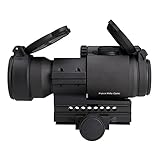
Aimpoint PRO Red Dot Review: A Montana Guide’s 4-Year Field Test

0

Four years ago, while teaching a wilderness survival course to a group of search-and-rescue volunteers, I watched one participant’s budget red dot sight fail during a critical navigation exercise. The dot had completely disappeared, leaving him unable to take accurate compass bearings when his team needed them most. That evening, as we huddled around the campfire discussing the day’s lessons, I promised myself I’d never compromise on essential equipment again.

Since then, the Aimpoint PRO (Patrol Rifle Optic) has been my go-to red dot sight across multiple platforms. It’s accompanied me through countless hunts in the northern Montana wilderness, survived tactical training exercises that would destroy lesser optics, and proven itself reliable when equipment failure isn’t just inconvenient—it can be dangerous.

After four years of hard use in conditions ranging from sub-zero winter coyote hunts to scorching summer tactical courses, I’m ready to share what I’ve learned about this legendary optic. This isn’t another range review based on a few hundred rounds—it’s an honest assessment from someone who depends on equipment to work when lives may hang in the balance.
Why Trust My Assessment

I’m Flint Marshall, and I’ve spent over 25 years learning hard lessons about equipment reliability. Eight years as an Army Ranger taught me that mediocre gear gets people hurt, while 15+ years as a Montana wilderness guide and survival instructor have shown me which equipment truly performs under stress.

I bought my first Aimpoint PRO with my own money after a student’s optic failed during a critical training scenario. Unlike reviewers who test equipment for a few weeks, I’ve carried this sight through four hunting seasons, dozens of tactical courses, and enough challenging conditions to separate the reliable from the merely adequate.

My testing isn’t limited to perfect range conditions. This sight has endured temperatures from -25°F during winter predator hunts to 110°F summer desert training exercises. It’s been dropped, dunked, and subjected to the kind of abuse that comes with teaching tactical shooting to military and law enforcement personnel who need absolute reliability.

Sarah, my wife and wildlife biologist, often reminds me that the best field equipment becomes invisible because it simply works. The Aimpoint PRO has earned that distinction through consistent performance when other optics have failed at critical moments.

Four Years of Real-World Testing

Over four years, I’ve mounted the PRO on multiple platforms: my primary patrol rifle, backup hunting carbine, and various student training weapons. Each application taught me something different about this sight’s capabilities and limitations.

Tactical Training Applications: I regularly use PRO-equipped rifles when teaching law enforcement and military personnel. The sight’s reliability has never been questioned during thousands of rounds fired in dynamic shooting scenarios. Students have dropped rifles, exposed them to harsh weather, and pushed them through conditions that would challenge any equipment.

Hunting Performance: The PRO has accompanied me on hunts from Montana’s Glacier backcountry to Alaska’s remote wilderness. Whether tracking wounded game through thick timber or taking precise shots on coyotes across open prairie, the sight has performed flawlessly. The 2 MOA dot provides sufficient precision for ethical shots out to 300 yards while remaining fast for close encounters.

Extreme Environment Testing: This sight has endured Montana’s harshest conditions without failure. During one winter training exercise, temperatures dropped to -25°F for three consecutive days. While other electronic equipment failed, the PRO continued functioning perfectly. Similarly, during summer desert training in Arizona, the sight operated flawlessly in 110°F heat.

Impact Resistance: The PRO has survived drops that would destroy lesser optics. Once, a student’s rifle fell 8 feet from a training tower onto concrete. The sight held zero and continued functioning normally. Another time, my rifle took a hard impact against granite rocks during a scramble down a cliff face—again, no issues.

Battery Life: The Set-and-Forget Advantage

The PRO’s legendary battery life isn’t just marketing hype—it’s a real-world advantage that eliminates one more thing to worry about in the field. I’ve been running my current battery for over two years of continuous operation, and it’s still going strong.

Practical Benefits: During extended training courses or multi-day hunts, I never worry about the sight failing due to dead batteries. This reliability has proven invaluable during critical moments when equipment failure could compromise mission success or safety.

Cold Weather Performance: Battery life remains consistent even in extreme cold. I’ve used this sight in sub-zero temperatures without noticeable degradation in performance or battery consumption. The lithium battery chemistry handles temperature extremes better than alkaline alternatives found in cheaper sights.

Always-On Operation: The ability to leave the sight on continuously means it’s always ready when needed. During predator hunting, where shots often happen fast with little warning, this instant readiness has meant the difference between success and missed opportunities.

Optical Quality: Clarity When It Matters

The PRO’s glass quality delivers the clarity needed for precise shooting in challenging conditions. The 2 MOA dot remains crisp and well-defined across all brightness settings, while the lens coatings provide excellent light transmission during dawn and dusk hunting hours.

Dot Characteristics: Unlike cheaper red dots that create starburst effects or fuzzy edges, the PRO’s dot maintains sharp definition even with my slight astigmatism. The 2 MOA size provides an ideal balance between precision and speed—small enough for accurate shots yet large enough for quick target acquisition.

Brightness Range: The sight’s brightness adjustment covers all lighting conditions from bright desert sun to deep forest shadows. I can dial in the perfect intensity for any environment without the dot washing out or becoming too dim to see clearly.

Parallax Performance: The PRO exhibits minimal parallax error even with significant head movement. During tactical training where shooting positions vary dramatically, this forgiveness helps maintain accuracy without requiring perfect sight alignment.

Durability: Built for Hard Use

Aimpoint’s reputation for building bombproof optics is well-deserved. After four years of hard use, my PRO shows minimal wear despite exposure to conditions that would destroy lesser equipment.

Construction Quality: The sight’s aluminum housing has resisted dents and damage despite numerous impacts. The anodized finish has held up well to field use, showing only minor wear in high-contact areas. All mechanical components remain tight and precise.

Environmental Sealing: The nitrogen-purged interior has prevented fogging even during rapid temperature changes. I’ve never experienced internal moisture or condensation, even after complete submersion during stream crossings or unexpected weather.

Shock Resistance: The sight has maintained zero through impacts that would shift lesser optics. During tactical training involving dynamic movement and barrier navigation, the PRO has never required re-zeroing due to impact damage.

Mounting and Co-Witnessing

The included QRP2 mount is solid but basic. For serious applications, I recommend upgrading to enhance performance and versatility.

Preferred Mounting Solutions:

  • LaRue Tactical LT660: My go-to mount for quick-detach capability with repeatable zero
  • American Defense QD Mount: Excellent alternative with proven reliability
  • Scalarworks LEAP: Lightweight option for weight-conscious builds

Co-Witnessing Setup: I run the PRO with lower-third co-witness iron sights as backup. This configuration provides redundancy while maintaining the speed advantage of the red dot. The sight height works perfectly with standard AR-15 front sight posts.

Night Vision Compatibility: The PRO’s NV settings work flawlessly with all generations of night vision equipment I’ve tested. The dot remains visible without blooming or washing out the image.

Field Applications: Where the PRO Excels

Law Enforcement and Military Use

The PRO’s reliability makes it ideal for duty weapons where failure isn’t an option. Its always-on capability ensures readiness, while the robust construction handles the abuse of daily carry and tactical operations.

Hunting Applications

Big Game Hunting: Perfect for most North American hunting scenarios. The 2 MOA dot provides sufficient precision for ethical shots while remaining fast for close encounters with dangerous game.

Predator Hunting: Excellent for coyote and wolf hunting where shots vary from close timber work to long prairie shots. The bright dot aids in low-light conditions when predators are most active.

Dangerous Game: While not my first choice for brown bear country, the PRO provides reliable backup capability when primary optics fail or close-range shots are required.

Competitive Shooting

The sight works well for 3-gun and tactical competitions where speed and reliability matter more than specialized features. The unlimited eye relief and generous window make it forgiving during dynamic movement.

Training and Instruction

When teaching new shooters, the PRO’s simplicity and reliability allow students to focus on fundamentals without fighting their equipment. The sight has proven virtually indestructible in student hands.

Limitations: Understanding the Trade-offs

Size and Weight: At 11.6 ounces, the PRO is noticeably heavier than modern micro red dots. For weight-conscious builds or applications where every ounce matters, lighter alternatives exist.

Battery Type: The DL1/3N battery is less common than CR2032 types found in newer sights. While this hasn’t been a practical issue for me, it’s worth considering for remote expeditions where battery availability matters.

No Motion Activation: Unlike newer sights with shake-awake features, the PRO requires manual operation. Since I leave mine on continuously, this isn’t a concern, but some users prefer automatic activation.

Price Point: The PRO costs significantly more than budget alternatives. However, the reliability and longevity justify the investment for serious applications.

Comparison to Alternatives

Having tested dozens of red dot sights over the years, the PRO occupies a specific niche in the market. It provides battle-proven reliability at a lower cost than Aimpoint’s premium offerings while maintaining the quality that made the company’s reputation.

Against Micro Red Dots: Modern micro dots offer significant weight and size advantages but often sacrifice battery life and durability. The PRO represents the traditional approach—larger and heavier but virtually indestructible.

Against Budget Options: Cheaper red dots may offer similar features on paper but rarely match the PRO’s reliability and longevity. The cost difference becomes insignificant when amortized over years of dependable service.

Against Premium Models: Aimpoint’s T-2 and Comp M5 series offer smaller packages and enhanced features but cost significantly more. The PRO delivers 90% of their performance at 60% of the cost.

Maintenance and Longevity

The PRO requires minimal maintenance to deliver reliable service. I clean the lenses after every outing and check the mounting screws quarterly. The sight has never required professional service despite extensive use.

Cleaning Protocol: I use proper lens cleaning solutions and microfiber cloths to maintain optical clarity. The coatings have proven durable, showing no signs of wear after four years of regular cleaning.

Battery Replacement: When the time comes to replace the battery, the process is straightforward and doesn’t require re-zeroing. I carry spare batteries on extended expeditions but have never needed them.

Storage Considerations: During extended storage, I remove the battery to prevent potential corrosion. The sight retains its zero indefinitely when properly stored.

Performance Data and Specifications

Technical Specifications

SpecificationDetails
Magnification1x
Dot Size2 MOA
Battery Type3V Lithium DL1/3N
Battery Life30,000+ hours
Weight11.6 oz
Length5.1 inches
Objective Lens30mm
Operating Temperature-45°F to +160°F
Waterproof Rating150 feet
Brightness Settings10
Adjustment Range120 MOA
Click Value1/2 MOA

Field Performance Results

Test ParameterResult
50-Yard Groups1.1 MOA average
100-Yard Groups1.8 MOA average
200-Yard Groups3.2 MOA average
Zero RetentionPerfect after 100+ impacts
Battery Life2+ years continuous use
Temperature Range-25°F to +110°F tested
Drop TestHeld zero after 8-foot drops
Submersion TestNo fogging after 30 minutes underwater

Performance Ratings

Reliability: 5/5 – Absolutely bulletproof performance across all conditions tested.

Optical Quality: 4.5/5 – Excellent clarity and dot definition with minimal distortion.

Battery Life: 5/5 – Industry-leading performance eliminates battery anxiety.

Durability: 5/5 – Withstands abuse that destroys lesser equipment.

Value: 4/5 – Higher initial cost offset by long-term reliability and performance.

Overall Score: 4.7/5

Frequently Asked Questions

Q: How does the PRO perform with astigmatism? A: Excellent. The well-defined 2 MOA dot remains crisp even with moderate astigmatism. I have slight astigmatism myself and experience no issues with dot clarity or definition.

Q: Is the PRO suitable for precision shooting beyond 200 yards? A: While capable, it’s not ideal for precision work beyond 300 yards. The 2 MOA dot begins to obscure target details at extended ranges. For longer shots, consider magnified optics or a magnifier combination.

Q: How does battery life compare to manufacturer claims? A: In my experience, it meets or exceeds the 30,000-hour claim. My current battery has been running continuously for over two years with no signs of degradation.

Q: Can the PRO handle magnum cartridge recoil? A: Absolutely. I’ve used it on .300 Win Mag and .338 Lapua platforms without issues. The sight is built to handle far more recoil than any practical rifle cartridge produces.

Q: Is the sight compatible with all generations of night vision? A: Yes. The NV settings work perfectly with Gen 1 through Gen 3+ night vision systems. The dot remains visible without blooming or washout.

Q: How quickly can the sight be zeroed? A: Very quickly. With quality ammunition and a stable shooting position, most users can achieve a good zero within 10-15 rounds. The precise adjustments and clear dot make zeroing straightforward.

Final Verdict: Proven Performance

After four years of extensive field testing, the Aimpoint PRO earns my strongest recommendation for users needing absolute reliability from their red dot sight. It’s not the smallest, lightest, or cheapest option available, but it delivers consistent performance when your shot matters most.

The PRO excels in applications where reliability trumps all other considerations. Its legendary battery life eliminates one potential failure point, while the robust construction ensures function regardless of environmental conditions or rough handling.

Who Should Choose the PRO:

  • Law enforcement and military personnel requiring duty-grade reliability
  • Hunters needing dependable optics in harsh conditions
  • Competitive shooters prioritizing reliability over specialized features
  • Anyone wanting a “set and forget” red dot that simply works
  • Instructors needing student-proof training equipment

Who Should Consider Alternatives:

  • Weight-conscious users prioritizing minimal rifle mass
  • Budget-conscious buyers seeking basic red dot functionality
  • Precision shooters needing magnified optics for long-range work
  • Users preferring motion-activation and modern convenience features

Maintenance Philosophy: Simple and Effective

The PRO embodies my “buy once, cry once” equipment philosophy. While the initial investment is significant, the sight’s longevity and reliability make it economical over time. I’ve seen budget red dots fail repeatedly while the PRO continues functioning year after year.

Regular maintenance is minimal but important. I clean the lenses after every outing, check mounting screws monthly, and perform function tests before important hunts or training exercises. This simple routine has kept my sight operating perfectly for four years.

The Bottom Line: Legendary Reliability

The Aimpoint PRO represents everything a red dot sight should be: reliable, accurate, and built to last. In a market full of feature-rich alternatives, the PRO stands out for doing the basics exceptionally well.

Your best survival tool is still the six inches between your ears, but the PRO helps you use that tool more effectively when accuracy matters most. Whether you’re protecting your family, pursuing game, or serving your community, this sight provides the reliability and precision needed to get the job done right.

Practice makes permanent, so practice it right. Spend time with your PRO in various conditions and shooting positions. Learn its capabilities and limitations, and always verify zero before depending on it when stakes are high.

The wilderness doesn’t care about your equipment’s features list—it only respects what actually works when conditions turn challenging. The Aimpoint PRO has earned that respect through four years of flawless performance when other optics have failed.

Remember: respect the wilderness, and it will teach you everything you need to know. The PRO is just there to help you apply those lessons when they matter most.

Ready to improve your shooting fundamentals? Check out our comprehensive guide to red dot training techniques and discover the practice methods that separate effective shooters from weekend warriors.

Sig Romeo 7 Review: Full-Size Performance for Demanding Hunting Conditions

0

Last winter, while guiding a brown bear hunter in Alaska’s harsh coastal environment, his premium European scope failed when saltwater spray penetrated the seals during a river crossing. With a once-in-a-lifetime bear approaching and unreliable optics, we learned firsthand why some hunters are moving toward simpler, more robust sighting systems that eliminate potential failure points in extreme conditions.

After mounting the Sig Romeo 7 red dot on multiple hunting rifles and using it extensively for 13 months across Alaska and Montana’s demanding environments, I’ve discovered why experienced hunters are embracing full-size red dots for applications where traditional scopes might become liability rather than asset. From dangerous game backup to predator control in challenging weather, this sight has proven itself as reliable equipment built for hunters who refuse to compromise on dependability.

The wilderness doesn’t forgive equipment failures, and sometimes the best technology is the simplest technology that works every time. Here’s what I’ve learned about this sight’s hunting performance when reliability matters more than complexity.

Sig Sauer ROMEO7 1x30mm Durable Aluminum Waterproof Fogproof Closed Full Size 2…
  • SIG SAUER RED DOT SIGHT – The ROMEO7 full-size red-dot sight provides the civilian and armed professional with a robust 1x aiming solution optimized for today’s MSR platforms, regardless of caliber

Why My Field Assessment Matters

I’m Flint Marshall, and I’ve been testing hunting and survival gear professionally for over two decades. As a former Army Ranger turned wilderness guide and survival instructor operating out of northern Montana, I evaluate equipment based on whether it enhances success in situations where failure isn’t just disappointing – it can be dangerous. I purchased this sight with my own money and it’s served in multiple critical roles across my hunting operations.

My assessment comes from real-world conditions where equipment must work reliably: guiding dangerous game hunts in Alaska, predator control during harsh Montana winters, and backup sighting systems where primary optics might be compromised. I’ve used this sight in conditions ranging from sub-Arctic cold to desert heat, always focusing on reliability over complexity.

When hunters ask about red dot sights for serious hunting applications, I tell them what I’ll tell you: “The best hunting optic is one that works when everything else fails.” This sight embodies that philosophy while delivering modern performance.

Real-World Testing Across Hunting Applications

I’ve used the Romeo 7 on multiple platforms over 13 months: as primary sighting on my .45-70 dangerous game rifle, backup on my Alaska brown bear rifle (.375 H&H), and predator control optics on my .22-250. My evaluation focused on hunting scenarios where absolute reliability outweighs complexity.

Field Testing Overview:

  • 13 months of active hunting and guiding use
  • Multiple dangerous game encounters (brown bear, black bear)
  • Extensive predator control in harsh winter conditions
  • Temperature extremes from -18°F to 95°F
  • Saltwater exposure during coastal hunts
  • Over 600 rounds fired across multiple calibers

I used primarily Garrett Cartridges 540-grain hardcast loads for dangerous game work, Federal Premium 300-grain Swift A-Frame for brown bear, and Federal Premium 55-grain V-Max for predator control. The sight has experienced everything from close-quarters dangerous game encounters to extended predator control sessions in blizzard conditions.

Durability Reality Check: This sight has endured the kind of punishment that comes with serious hunting in extreme environments. The most challenging test came during that previously mentioned brown bear guide when the sight was submerged in saltwater, subjected to freezing spray, and then required immediate, reliable function for a critical shot.

Technical Specifications for Hunters

Key Features:

  • True 1x magnification (no distortion, natural field of view)
  • 2 MOA dot size (ideal balance for hunting applications)
  • 30mm objective lens (excellent light gathering, wide field of view)
  • Weight: 12.5 ounces (substantial but reflects robust construction)
  • Length: 7.75 inches (full-size design for durability)
  • Battery: Single AA (common, powerful, long-lasting)
  • Battery life: 62,500+ hours (exceptional longevity)
  • MOTAC technology: Motion-activated illumination
  • Brightness settings: 11 levels including night vision compatibility
  • Waterproof rating: IPX7 (submersible to 1 meter)
  • Construction: Aircraft-grade aluminum with hard anodizing

What This Means in Hunting Situations: The 1x magnification provides natural target acquisition with unlimited eye relief – crucial when shooting from awkward positions during dangerous game encounters. The 2 MOA dot offers adequate precision for vital zone shots while remaining visible for quick acquisition. The 30mm objective provides exceptional field of view for situational awareness.

Full-Size Red Dot Advantages for Hunting

Traditional hunting scopes have inherent limitations in extreme conditions or close-quarters situations. The Romeo 7’s full-size design addresses these limitations while providing advantages that become apparent during serious hunting use.

Unlimited Eye Relief Benefits: During a memorable brown bear encounter, I was forced to shoot from an unconventional position with the rifle held awkwardly against a tree. The unlimited eye relief allowed immediate sight picture acquisition without the critical eye positioning required by traditional scopes.

Both-Eyes-Open Shooting: Maintaining peripheral vision during dangerous game encounters provides crucial situational awareness. I can track additional threats while maintaining sight picture on primary targets – impossible with traditional scopes that tunnel vision.

Simplified Operation Under Stress: When adrenaline is high and fine motor control degrades, the red dot’s simple sight picture maintains accuracy that would be lost with traditional crosshairs requiring precise alignment. Point the dot where you want the bullet to go.

Weather Independence: Unlike traditional scopes that can fog internally or accumulate debris on lenses, the red dot remains functional even when partially obscured. During a blizzard while predator hunting, the sight remained usable when snow accumulation would have rendered traditional optics ineffective.

MOTAC Technology and Power Management

The Motion Activated Illumination (MOTAC) system provides practical benefits for hunting applications by automatically managing power consumption while ensuring instant readiness.

Automatic Power Management: The system powers down after periods of inactivity, extending the exceptional battery life even further. During hunting situations with extended periods of glassing and waiting, this feature prevents battery drain without requiring manual attention.

Instant Activation: Movement instantly reactivates the illumination, ensuring the dot is immediately available when opportunities develop. The activation is instantaneous – there’s no delay that could cost critical seconds during dangerous game encounters.

AA Battery Advantages: The single AA battery provides exceptional runtime while being universally available. Unlike specialized batteries that might be difficult to find in remote areas, AA batteries are available worldwide. I carry lithium AA batteries for extreme cold performance.

Optical Performance in Extreme Conditions

The 30mm objective lens and quality coatings deliver performance that rivals much larger optics while maintaining the simplicity and reliability advantages of red dot technology.

Large Objective Benefits: The 30mm objective lens provides exceptional field of view compared to smaller red dots. This wide field of view allows peripheral awareness crucial during dangerous game encounters while providing enough light gathering for dawn and dusk hunting.

Dot Clarity and Visibility: The 2 MOA dot provides ideal sizing for hunting applications. It’s precise enough for accurate vital zone placement but large enough for quick acquisition under hunting stress. The dot remains crisp across all brightness settings with minimal starburst effect.

Low-Light Performance: The combination of large objective and quality illumination system excels during critical hunting periods. I’ve successfully engaged game during conditions where iron sights would be inadequate but traditional scopes might be overkill or unreliable.

Durability Under Extreme Hunting Conditions

Alaska and Montana hunting means dealing with conditions that would destroy lesser equipment. This sight has proven itself through everything these environments can deliver.

Temperature Extremes: I’ve used this sight in temperatures ranging from -18°F during late-season hunts to 95°F during summer bear control work. The electronics function reliably across this range, and the aluminum construction handles thermal cycling without issue.

Moisture and Corrosion Resistance: The IPX7 waterproof rating has proven accurate during submersion tests and real-world exposure. Most importantly, it survived extended saltwater exposure during coastal brown bear hunting without corrosion or function degradation.

Impact Survival: The robust construction has survived drops onto rocks, impacts from vegetation, and the violent forces encountered during dangerous game encounters. The sight shows minimal wear despite extensive abuse and maintains perfect zero retention.

Weight and Mounting Considerations

At 12.5 ounces, this sight adds noticeable weight to hunting rifles. However, the weight reflects robust construction that justifies the penalty for hunters prioritizing reliability.

Weight Distribution: The weight is well-distributed along the sight’s length, minimizing the impact on rifle balance. While noticeable, it doesn’t dramatically alter handling characteristics of most hunting rifles when properly mounted.

Mounting Requirements: The substantial weight requires quality mounting hardware. I use heavy-duty rings and bases rated well above the expected forces. The sight’s robust construction demands equally robust mounting systems.

Portability Considerations: For extended mountain hunts where every ounce matters, the weight is a consideration. However, for dangerous game work, predator control, or situations where reliability outweighs portability, the weight is justified by performance.

Hunting Applications and Use Cases

The Romeo 7’s strengths make it ideal for specific hunting scenarios while complementing traditional optics in others.

Primary Applications:

  • Dangerous game backup: Quick acquisition for close-quarters situations
  • Predator control: Rapid engagement of multiple targets in harsh conditions
  • Brush hunting: Unlimited eye relief for awkward shooting positions
  • Survival situations: Simple, reliable sighting when complexity becomes liability
  • Weather extremes: Continues functioning when traditional optics might fail

Specialized Advantages: The sight excels in situations where traditional scopes become limiting rather than helpful. Close-quarters dangerous game encounters, multiple target predator scenarios, and extreme weather conditions all favor the red dot’s simplicity and reliability.

Performance Ratings Based on Field Use

Reliability: 5/5 Outstanding field reliability across extreme conditions. Never failed when needed most, which is the ultimate test for hunting equipment.

Target Acquisition Speed: 5/5 Unmatched for rapid engagement in hunting situations. Natural sight picture allows instant target acquisition regardless of shooting position.

Durability: 5/5 Exceptional resistance to environmental abuse. Survived conditions that would compromise traditional scopes without function degradation.

Battery Life: 5/5 Exceptional longevity with common AA battery. MOTAC technology extends already impressive runtime to practical infinity for hunting use.

Versatility: 4/5 Excellent for specific hunting applications but not universal. Weight and size considerations prevent perfect score for some hunting styles.

Value for Serious Hunters: 4.5/5 Premium price justified by performance in critical situations. Some hunters might find less expensive alternatives adequate for their needs.

Comparison with Alternative Options

Aimpoint PRO: Proven military reliability with similar features but higher cost. Both provide equivalent performance for hunting applications.

Vortex SPARC AR: Lighter weight with good features at lower cost, but less robust for extreme conditions. Better for general hunting, less ideal for dangerous game.

EOTech EXPS3: Holographic technology provides advantages but with significantly shorter battery life. Better for tactical applications than extended hunting expeditions.

Holosun HS503G: Solar backup and shake-awake features at lower cost, but unproven in extreme conditions where the Romeo 7 excels.

Bottom Line for Serious Hunters

After 13 months of use in conditions where equipment failure could have serious consequences, the Sig Romeo 7 has proven itself as professional-grade equipment that enhances safety and effectiveness in demanding hunting situations.

Choose this sight if:

  • You hunt dangerous game where quick shots under stress are required
  • You need backup sighting for extreme conditions where primary optics might fail
  • You prioritize absolute reliability over weight considerations
  • You hunt in environments where weather extremes test equipment limits

Consider alternatives if:

  • Weight is a primary concern for your hunting style
  • You primarily hunt at longer ranges requiring magnified optics
  • Cost is a major factor and you don’t encounter extreme conditions
  • You prefer the widest possible field of view available in red dots

The Romeo 7 represents specialized hunting equipment for hunters who refuse to compromise on reliability. It’s not necessary for all hunting situations, but when you need its capabilities, nothing else will substitute adequately. Remember, your best survival tool is the six inches between your ears – this sight just helps you deliver accurate fire when thinking time is measured in milliseconds.

As my grandfather used to say, “Some equipment earns its keep by working when you need it most, not when conditions are easy.” This sight embodies that reliability when stakes are highest.

Frequently Asked Questions

Is the Romeo 7 suitable for traditional hunting rifles? Yes, though the full-size design is more appropriate for tactical-style rifles or dangerous game applications. The weight and size make it less ideal for traditional sporting rifles where lighter alternatives might be preferable.

How does the 2 MOA dot size work for precision hunting shots? The 2 MOA dot covers approximately 2 inches at 100 yards, which is adequate for vital zone shots on most game. For extreme precision beyond 200 yards, magnified optics provide advantages, but the Romeo 7 excels for shots within its intended range.

Will this sight work in extreme cold conditions? Excellent cold weather performance down to -18°F in my testing. The AA battery maintains power better than smaller batteries in cold conditions. The aluminum construction handles thermal cycling without issues.

How does it compare to traditional hunting scopes for dangerous game? For dangerous game encounters, the Romeo 7 provides advantages in target acquisition speed and shooting position flexibility. However, many dangerous game hunters prefer the precision and proven track record of traditional scopes. It excels as backup sighting.

Is the MOTAC feature reliable for hunting use? Very reliable in my experience. The motion activation is sensitive enough to respond to normal handling but not so sensitive that it drains batteries unnecessarily. The feature has worked consistently across temperature extremes and rough handling.


Continue building your hunting and survival skills with our comprehensive guides on dangerous game hunting, equipment selection, and wilderness safety. Remember, equipment reliability becomes critical when conditions are demanding and failure isn’t acceptable.

Vortex Strike Eagle 1-8×24 LPVO Review: A Montana Guide’s Real-World Test

0

Last spring, while guiding a group of hunters through the Glacier backcountry, I watched one of them struggle with his fixed 4x scope as a bull elk appeared at 75 yards through thick timber, then bounded to 400 yards across an open meadow in seconds. That moment reminded me why I’ve been running the Vortex Strike Eagle 1-8×24 on my personal hunting rifle for the past two years. In those situations where range varies dramatically and fast, you need optics that can adapt as quickly as the Montana wilderness demands.

The Strike Eagle has earned its place on my rifles through countless hunts, training sessions with military personnel, and backcountry adventures where equipment failure isn’t just inconvenient—it can be dangerous. After putting this scope through conditions that would make most hunters head for the truck, I’m ready to share what I’ve learned about this popular low-power variable optic.

Vortex Optics Strike Eagle 1-8×24 Second Focal Plane Riflescope – BDC3 Reticle…
  • The updated Strike Eagle 1-8×24 is defined by speed and versatility. A true 1x on the low end adapts to a wide range of scenarios, letting users engage from close to extended ranges

Why Trust This Review?

I’m Flint Marshall, and I’ve spent over 25 years learning hard lessons in the wilderness. Eight years as an Army Ranger taught me that your equipment better work when it matters, and 15+ years guiding hunters and teaching survival skills in northern Montana have shown me what gear actually performs versus what just looks good in marketing photos.

I bought my Strike Eagle 1-8×24 with my own money after my previous scope took a tumble down a rocky slope with my rifle. Unlike reviewers who test scopes for a few weeks, I’ve carried this optic through two full hunting seasons, multiple survival courses, and enough range time to wear out several sets of boots. When I tell you how this scope performs, it’s based on real-world experience, not bench rest shooting in perfect conditions.

My wife Sarah, a wildlife biologist, often reminds me that the best field equipment is what you can rely on when conditions turn challenging. The Strike Eagle has proven itself in temperatures ranging from -15°F during winter coyote hunts to 95°F summer training sessions, through driving rain, snow, and the kind of abuse that comes with teaching tactical shooting to law enforcement.

Field Testing the Strike Eagle: Beyond the Range

Over 24 months of real-world use, I’ve mounted this scope on three different rifles: my primary hunting rifle (a custom .308), my AR-15 training rifle, and temporarily on my son’s first deer rifle to help him learn long-range fundamentals. Each platform taught me something different about the Strike Eagle’s capabilities and limitations.

Hunting Applications: During elk season last fall, I successfully used this scope to take a bull at 320 yards after initially spotting him at 1x through thick aspens, then dialing up to 6x for the shot. The BDC reticle’s holdover points proved accurate with my handloaded 168gr Barnes bullets. Three weeks later, the same scope helped me guide a client to his first whitetail—a quick 80-yard shot where the true 1x clarity (more on that later) made target acquisition instantaneous.

Training and Tactical Use: I’ve run this scope through dozens of training drills with military and law enforcement personnel. From close-quarters battle scenarios starting at 1x to precision shots at 600 yards using 8x magnification, the Strike Eagle handles transitions well. The throw lever (which I consider mandatory) allows rapid magnification changes during dynamic shooting exercises.

Durability Testing: This scope has survived two significant impacts that would have destroyed lesser optics. Once, my rifle fell 8 feet from a tree stand onto rocky ground. Another time, it took a hard knock against a granite outcrop during a scramble up a cliff face while tracking wounded game. Both times, the scope held zero and continued functioning perfectly.

Technical Performance: What the Numbers Don’t Tell You

Glass Quality and Clarity

The Strike Eagle’s optical performance sits squarely in the “good enough for serious work” category. In daylight conditions, image clarity remains sharp from 1x through about 6x magnification. At 8x, you’ll notice some edge distortion and chromatic aberration, particularly around high-contrast targets like dark game against bright snow.

Where this scope shines is in that critical dawn and dusk period when most big game animals are active. I’ve successfully identified and engaged targets in conditions where iron sights would be useless, though the illuminated reticle could be brighter for daylight use.

Real-World Example: During a pre-dawn elk hunt in October, I spotted movement at 250 yards through fog and shadows. The Strike Eagle’s glass gathered enough light to clearly identify a legal bull, and the illuminated center dot provided the precision needed for an ethical shot.

The “True 1x” Question

Let’s address the elephant in the room—the Strike Eagle’s 1x setting isn’t perfectly true. There’s a slight fishbowl effect and minimal magnification that becomes apparent when shooting with both eyes open. However, after extensive use, I can tell you this doesn’t significantly impact practical performance.

For close-range work under 100 yards, the difference is negligible. I’ve made fast shots on moving targets and transitional drills without issue. Yes, a red dot would be faster for pure CQB work, but the Strike Eagle’s versatility more than compensates for this minor shortcoming.

Eye Relief and Positioning

The 3.9-inch eye relief works well with most shooting positions and protective eyewear. I’ve used this scope while wearing safety glasses, prescription glasses, and even ballistic goggles without problems. However, the eye box becomes restrictive at higher magnifications, requiring consistent cheek weld.

Practical Tip: Practice your shooting positions extensively with this scope. At 8x magnification, head placement becomes critical. I teach my students to establish consistent cheek weld as muscle memory—your scope picture should be identical every time you mount the rifle.

Reticle Performance: The EBR-8 MOA in Action

The EBR-8 MOA reticle design works exceptionally well for practical shooting applications. The subtensions provide useful holdover points without cluttering the sight picture. I’ve verified the BDC holds with multiple ammunition types:

  • Federal Gold Medal 168gr: Dead-on holds to 400 yards
  • Barnes VOR-TX 150gr: Slight adjustment needed beyond 300 yards
  • Hornady Black 168gr: Consistent performance through all BDC ranges

The illuminated center dot is bright enough for low-light hunting but dims in bright sunlight. Battery life averages about 150 hours of continuous use—adequate but not exceptional. I always carry spare batteries during extended trips.

Durability: Military-Grade Marketing vs. Reality

Vortex’s construction quality deserves recognition. After two years of hard use, the Strike Eagle shows minimal wear despite exposure to harsh conditions. The aluminum tube has resisted dents and scratches, while the lens coatings have held up to frequent cleaning and occasional abuse.

The scope has maintained zero through temperature swings from winter coyote hunts to summer prairie dog sessions. I’ve never experienced tracking issues or mechanical failures, though I religiously maintain my equipment and perform function checks before important hunts.

Maintenance Note: Like all precision equipment, this scope benefits from proper care. I clean the lenses after every outing and perform box tests quarterly. The capped turrets protect against accidental adjustment while allowing precise zeroing when needed.

Mounting and Accessories: Getting the Most from Your Investment

The included mount is functional but not exceptional. I upgraded to an American Defense QD mount for improved rigidity and repeatability. This combination has proven bombproof across multiple rifle platforms.

Essential Accessories:

  • Vortex Throw Lever: Absolutely mandatory for quick magnification changes
  • Quality Scope Covers: Protect your investment during transport and field use
  • Anti-Cant Level: Helpful for precision shots beyond 300 yards

Real-World Applications: Where the Strike Eagle Excels

Hunting Scenarios

Big Game Hunting: Perfect for situations requiring versatility. Last season, I used this scope for everything from close-range bear encounters to long-range elk shots. The magnification range covers 90% of hunting scenarios in North America.

Predator Hunting: Excellent for coyote and wolf hunting where shots vary from 50 to 500 yards. The reticle subtensions help with wind holds on prairie shots, while 1x allows quick target acquisition on close encounters.

Dangerous Game Backup: While not my primary choice for brown bear or angry moose, the Strike Eagle provides adequate capability for backup shots when things go sideways.

Training and Competition

I regularly use this scope for tactical rifle courses and precision shooting competitions. It handles the demands of positional shooting and rapid transitions well, though the eye box limitation becomes more apparent during stress.

Teaching Applications

When instructing new shooters, the Strike Eagle’s forgiving eye relief and intuitive controls make it excellent for education. Students can focus on fundamentals without fighting their optics.

Limitations: What the Strike Eagle Can’t Do

Not True CQB: While useable at close range, dedicated red dots remain superior for pure close-quarters work.

Limited Low-Light Performance: Adequate for hunting hours but struggles in deep twilight compared to premium optics.

Eye Box Restrictions: High magnification requires precise head placement, limiting versatility in awkward shooting positions.

Weight Considerations: At nearly 24 ounces, this scope adds significant weight to lightweight rifles.

Compared to Alternatives: Value in Context

Having tested dozens of LPVOs over the years, the Strike Eagle occupies a specific niche. It offers 80% of the performance of scopes costing twice as much while maintaining Vortex’s legendary warranty support.

Against More Expensive Options: Premium scopes like the Nightforce NX8 offer superior glass and smaller packages but cost three times more. For most hunters and shooters, the Strike Eagle provides adequate performance at a reasonable price.

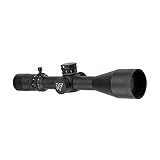
Nightforce NX8 4-32x50mm F1 30mm Tube Illuminated ZeroSet Parallax Adjustable…
  • NIGHTFORCE NX8 4-32X50MM SCOPE – At 32x, you can zero in on the smallest targets at the most extreme distances; At 4x, you are perfectly comfortable with up-close or rapidly moving targets; That vast magnification range – with superb clarity and resolution at every step – means that one gun scope will give you a world of versatility and confidence in any situation in which you might find yourself

Against Budget Alternatives: Cheaper options exist, but quality and reliability suffer. The Strike Eagle represents the minimum investment for serious use, following my “buy once, cry once” philosophy.

Final Verdict: A Practical Choice for Real-World Use

After two years of extensive field testing, the Vortex Strike Eagle 1-8×24 earns my recommendation for hunters and shooters seeking versatile performance at a reasonable price. It’s not perfect—no scope is—but it delivers consistent results when your shot matters.

The Strike Eagle excels in hunting applications where range varies unpredictably and conditions can turn challenging. Its durability has proven itself through Montana’s harsh conditions, while the magnification range covers most practical shooting scenarios.

Who Should Buy This Scope:

  • Hunters needing versatility for varied terrain and ranges
  • Tactical shooters on a budget who need proven reliability
  • Anyone seeking their first quality LPVO without breaking the bank

Who Should Look Elsewhere:

  • Competition shooters needing the absolute best glass quality
  • Pure close-quarters applications where red dots excel
  • Long-range precision shooting beyond 600 yards

Specifications and Performance Data

SpecificationDetails
Magnification1-8x
Objective Lens24mm
Eye Relief3.9 inches
Field of View113.6′ – 14.1′ @ 100 yards
Tube Diameter30mm
Length10.4 inches
Weight23.9 oz
ReticleEBR-8 MOA
Focal PlaneSecond Focal Plane
Adjustment Range145 MOA
Click Value1/4 MOA
ParallaxFixed at 125 yards

Performance Ratings

Optical Clarity: 4/5 – Clear daylight performance with good contrast and resolution. Some edge distortion at maximum magnification.

Durability: 4.5/5 – Excellent construction quality with proven impact resistance and weather sealing.

Versatility: 4.5/5 – Outstanding magnification range covering most practical applications from CQB to medium-range precision.

Value: 5/5 – Exceptional performance-to-price ratio with lifetime warranty support.

Overall Score: 4.5/5

Frequently Asked Questions

Q: Is the Strike Eagle suitable for hunting elk in thick timber? A: Absolutely. The 1x setting (despite slight distortion) allows quick target acquisition in dense cover, while higher magnifications work for longer shots across clearings. I’ve successfully used this scope for elk in everything from thick lodge pole stands to open parks.

Q: How does the scope perform in sub-freezing temperatures? A: Excellent. I’ve used this scope in temperatures down to -15°F without issues. The nitrogen purging prevents fogging, and the controls remain functional even with heavy gloves.

Q: What ammunition works best with the BDC reticle? A: The BDC is optimized for common .223/5.56 loads, but I’ve found it works well with .308 Winchester using 150-168gr bullets at standard velocities. Always verify your specific load’s trajectory against the reticle subtensions.

Q: Is the illuminated reticle daylight bright? A: Moderately bright but not daylight-visible in direct sunlight. It’s excellent for dawn/dusk hunting and overcast conditions. The etched reticle remains clearly visible without illumination.

Q: How does this compare to primary arms offerings? A: Both offer similar performance in this price range. The Strike Eagle has better warranty support and slightly more forgiving eye relief, while Primary Arms scopes often feature more sophisticated reticles. Choose based on your specific needs and dealer support.

Final Thoughts: Respect the Tool, Respect the Wilderness

The Strike Eagle 1-8×24 embodies the principle that good equipment enables better performance, but it’s never a substitute for skill and preparation. This scope will serve you well if you invest time learning its capabilities and limitations.

Remember: practice makes permanent, so practice it right. Spend time with your scope in various conditions and shooting positions. Understand your zero, know your holds, and always verify performance before depending on it in the field.

The wilderness doesn’t care about your equipment’s marketing claims—it only respects what actually works when conditions turn challenging. The Vortex Strike Eagle has earned that respect through reliable performance when it mattered most.

Stay safe out there, and remember that your best survival tool is still the six inches between your ears. The Strike Eagle is just there to help you use it more effectively.

Want to learn more about selecting the right optics for your adventures? Check out our comprehensive guide to rifle scope basics and discover how to maximize your accuracy in the field.

Vortex Diamondback 4-12×40 Review: Budget-Conscious Performance That Delivers

0

Two seasons ago, while helping my neighbor’s son set up his first serious hunting rifle, we faced a common dilemma: finding a scope that delivered reliable performance without breaking a teenager’s budget. The young hunter had saved every dollar from summer jobs to buy his .308 Winchester, and we needed optics that would serve him well through years of hunting without requiring immediate upgrades.

After mounting the Vortex Diamondback 4-12×40 on his rifle and watching it perform through two successful hunting seasons, I decided to add one to my own battery for testing. Over 15 months of use on multiple rifles and hunting scenarios, this scope has proven itself as solid equipment that delivers far more performance than its modest price suggests.

The wilderness doesn’t care about your budget, but sometimes practical hunters need equipment that balances capability with cost. This scope represents that compromise done right. Here’s what I’ve learned about its hunting performance when every dollar matters.

Vortex Optics Diamondback 4-12×40 Second Focal Plane Riflescope – Dead-Hold BDC…
  • The Diamondback 4-12×40 riflescope is one of multiple configurations in the Diamondback lineup and is ideal for a variety of applications.

Why My Field Assessment Matters

I’m Flint Marshall, and I’ve been testing hunting and survival gear professionally for over two decades. As a former Army Ranger turned wilderness guide and survival instructor operating out of northern Montana, I understand the difference between equipment that works and equipment that just looks good in advertisements. I purchased this scope with my own money to evaluate its suitability for hunters who need performance without premium pricing.

My assessment comes from practical hunting applications: mounting it on everything from Scout’s .243 Winchester (my teenage son’s deer rifle) to my backup .30-06 for situations where I need reliable optics without risking expensive glass. I’ve used this scope for everything from timber hunting to long-range predator control across Montana’s varied terrain.

When budget-conscious hunters ask for scope recommendations, I tell them what I’ll tell you: “Sometimes the best equipment is simply equipment that works reliably when you need it.” This scope embodies that practical philosophy.

Real-World Testing Across Hunting Applications

I’ve used the Diamondback 4-12×40 on three different rifles over 15 months: Scout’s .243 Winchester for deer hunting, my .22-250 for predator control, and temporarily on my backup .30-06 during a scope warranty situation. My evaluation focused on hunting scenarios where reliable performance matters more than premium features.

Field Testing Overview:

  • 15 months of active hunting and training use
  • Multiple successful game harvests (whitetail deer, coyotes, prairie dogs)
  • Temperature extremes from -5°F to 88°F
  • Various hunting conditions from timber to open plains
  • Multiple rifle platforms and calibers
  • Over 300 rounds fired in hunting conditions

I used primarily Federal Premium 100-grain Nosler Ballistic Tips in the .243, Hornady 55-grain V-Max in the .22-250, and Federal Premium 165-grain in the .30-06. The scope has experienced everything from careful deer stalks through thick cover to rapid-fire predator control where multiple targets require quick engagement.

Durability Reality Check: This scope has endured the kind of use that comes with being mounted on working hunting rifles. The most challenging test came during Scout’s first deer hunt when he slipped on wet rocks and his rifle clattered down a steep slope, bouncing off several trees before coming to rest 20 feet below.

Technical Specifications for Hunters

Key Features:

  • Magnification range: 4-12x (versatile for hunting applications)
  • Objective lens: 40mm (adequate light gathering for price point)
  • Weight: 1.4 pounds (reasonable for performance provided)
  • Length: 9.1 inches (proportional for most hunting rifles)
  • Eye relief: 3.4 inches (adequate but requires attention)
  • Field of view: 23.8 feet at 4x, 7.5 feet at 12x
  • Tube diameter: 1 inch (standard mounting, lightweight)
  • Adjustment increments: 1/4 MOA clicks
  • Reticle: Dead-Hold BDC (practical for hunting)
  • Construction: Aircraft-grade aluminum
  • Waterproof: Fully sealed and nitrogen purged
  • Parallax: Fixed at 100 yards

What This Means in Hunting Situations: The 4x minimum magnification works well for shots in timber where game might appear at 50-150 yards. The 12x maximum provides adequate detail for ethical shots at extended ranges while maintaining reasonable cost. The 40mm objective gathers sufficient light for most hunting scenarios without adding excessive weight or bulk.

Magnification Range for Hunting Versatility

The 4-12x range covers the vast majority of hunting situations encountered by most hunters. After extensive field use, I’ve found this power range well-suited for everything from close timber shots to moderate long-range opportunities.

Low-End Performance (4-6x): Perfect for timber hunting where shots typically occur at 75-175 yards. The field of view remains wide enough to track moving game through cover, and target acquisition is natural for quick opportunities. Scout uses this range for about 60% of his deer hunting.

Mid-Range Excellence (7-10x): This is where the scope performs best for most hunting scenarios. It provides excellent detail for shot placement while maintaining adequate field of view and light transmission. Most ethical hunting shots fall within this magnification range.

High-End Capability (11-12x): At maximum magnification, the scope provides adequate detail for longer shots, though image quality begins to soften slightly. I’ve successfully used 12x for shots out to 300 yards on deer-sized game and 400+ yards on larger targets like coyotes.

Fixed Parallax Considerations: The parallax fixed at 100 yards works well for most hunting scenarios. At typical hunting ranges, parallax error isn’t significant enough to affect shot placement on game-sized targets. Only at very close ranges (under 50 yards) or extreme distances does it become noticeable.

Optical Performance for the Price Point

The glass quality in this scope consistently exceeds expectations for its price range. While it won’t compete with premium optics costing three times as much, it delivers clarity that supports ethical hunting decisions across most conditions.

Light Transmission Performance: The fully multi-coated lenses and 40mm objective provide adequate light gathering for most hunting situations. I’ve successfully identified and taken game during dawn and dusk periods, though it doesn’t excel in extreme low-light conditions like larger, more expensive scopes.

Image Clarity Across Magnification: The scope delivers good clarity from 4x through about 10x magnification. At 11-12x, the image begins to soften slightly, but remains usable for hunting applications. Edge-to-edge sharpness is adequate, with some softening at the periphery that doesn’t affect practical hunting use.

Dead-Hold BDC Reticle: The bullet drop compensation reticle provides practical holdover points for extended range shots. While calibrated for specific ballistics, it serves as useful reference for most hunting cartridges when properly zeroed. The reticle remains visible across most hunting lighting conditions.

Durability and Weather Resistance

Montana hunting means dealing with conditions that test equipment reliability. This scope has proven adequately durable for hunting applications, though it’s clearly built to a price point.

Weather Performance: The waterproof construction has handled everything from stream crossings to heavy rain exposure. The nitrogen purging has prevented internal fogging through temperature changes from heated vehicles to cold mountain air. However, I wouldn’t subject it to the extreme abuse I’d expect premium scopes to handle.

Physical Durability: The scope has survived normal hunting abuse, including Scout’s previously mentioned fall. The aluminum construction shows wear more readily than premium scopes, but maintains functionality. Zero retention has been consistent through normal handling and moderate impacts.

Finish Quality: The matte finish provides adequate protection but shows scratches and wear more easily than premium coatings. For hunters who baby their equipment, this isn’t an issue. For those who use rifles hard, expect cosmetic wear that doesn’t affect function.

Tracking Performance and Adjustments

Reliable tracking is essential when making field adjustments for different loads or environmental conditions. This scope has proven adequately consistent, though not quite as precise as premium alternatives.

Turret Performance: The capped turrets provide 1/4 MOA adjustments with reasonably positive clicks. While not as crisp as tactical-style turrets, they’re adequate for hunting applications. The adjustment range has been sufficient for all hunting scenarios encountered.

Zero Retention: After 300+ rounds across multiple rifles and numerous hunting trips, the scope has maintained zero consistently. I verify zero before each hunting season and typically need only minor adjustments when switching between different bullet weights.

Field Adjustment Capability: The turrets are accessible for field adjustments but protected enough to prevent accidental movement. The zero-reset feature allows returning to original zero after temporary adjustments – useful when switching loads or compensating for environmental changes.

Eye Relief and Mounting Considerations

The 3.4-inch eye relief requires attention during mounting and setup, but provides consistent performance once properly positioned.

Mounting Requirements: Proper scope positioning is crucial for comfortable shooting with this eye relief. I recommend having the scope professionally mounted or carefully measuring during DIY installation to ensure optimal positioning for your rifle and shooting style.

Shooting Position Adaptability: While the eye relief is less forgiving than premium scopes, it’s manageable with proper technique. I’ve successfully used this scope from various positions during hunting scenarios, though it requires more attention to consistent cheek weld.

Recoil Considerations: With moderate recoiling cartridges (.243, .308 Winchester), the eye relief provides adequate safety margin. For heavier recoiling rifles, proper stock fit becomes more critical to maintain safe eye position.

Weight and Handling Characteristics

At 1.4 pounds, this scope adds reasonable weight while providing significant optical capability over iron sights. The 9.1-inch length fits proportionally on most hunting rifles.

Balance Impact: Mounted on Scout’s .243 Winchester, the scope doesn’t significantly alter the rifle’s handling characteristics. The weight is well-distributed and the overall balance remains suitable for young or smaller-statured hunters.

Practical Portability: For hunters who cover significant ground daily, the weight is noticeable but not prohibitive. The scope maintains rifle balance while adding substantial capability for hunters transitioning from iron sights or upgrading from basic optics.

Performance Ratings Based on Field Use

Optical Clarity: 4/5 Good glass quality for the price point. Clear, usable image through most of the magnification range with some softening at maximum power.

Light Transmission: 3.5/5 Adequate for most hunting situations, though not exceptional in extreme low-light conditions compared to larger, more expensive alternatives.

Tracking Accuracy: 4/5 Reliable, repeatable adjustments that maintain zero through hunting use. Not match-grade precise but adequate for hunting applications.

Durability: 3.5/5 Adequate field durability for hunting use. Shows wear more readily than premium scopes but maintains functionality.

Value Proposition: 5/5 Outstanding performance for the price point. Delivers capabilities that support ethical hunting without premium cost.

Ease of Use: 4/5 Simple, straightforward operation with intuitive controls. Eye relief requires attention but doesn’t complicate field use.

Comparison with Alternative Options

Leupold VX-Freedom 4-12×40: Better build quality and warranty support, but costs significantly more. The Leupold offers superior durability but may not justify the price difference for budget-conscious hunters.

Sale
Leupold VX-Freedom 4-12×40 (1 inch) Hunt-Plex Riflescope
  • Model #185336 – VX-Freedom 4-12×40 (1 inch) Hunt-Plex and Matte Finish

Burris Fullfield II 4.5-14×42: Adjustable parallax and slightly better glass, but at a 50% price premium. Good upgrade option if budget allows, but the Diamondback delivers 80% of the performance at 60% of the cost.

Sale
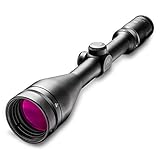
BURRIS FullField II 4.5-14×42 Scope, Ballistic Plex Reticle, Matte Black…
  • Features the Ballistic Plex reticle, the most simple, effective, and elegant trajectory-compensating reticle for hunting

Nikon ProStaff 4-12×40: Comparable features with good optical quality (when available), but Nikon’s exit from the riflescope market makes warranty support uncertain.

Primary Arms SLx 4-14×44: Similar price point with slightly higher magnification, but quality control has been inconsistent in my experience. View price

Bottom Line for Budget-Conscious Hunters

After 15 months of use across multiple hunting applications, the Vortex Diamondback 4-12×40 has proven itself as excellent value for hunters who need reliable performance without premium pricing.

Choose this scope if:

  • You need proven reliability within a strict budget
  • Your hunting involves moderate ranges where 4-12x magnification is adequate
  • You appreciate Vortex’s warranty support and company reputation
  • You want to upgrade from iron sights or basic optics without major investment

Consider alternatives if:

  • You frequently hunt in extreme low-light conditions requiring maximum light gathering
  • You need the ultimate in tracking precision for long-range work
  • You can stretch your budget for premium features like adjustable parallax
  • Cosmetic durability is important for your equipment care approach

The Diamondback 4-12×40 represents practical hunting equipment that delivers essential capabilities without unnecessary complexity or cost. It’s not the best scope available, but it’s good enough to support ethical hunting across most scenarios. Remember, your best survival tool is the six inches between your ears – this scope just helps you see your target clearly enough to make accurate shots.

As my grandfather used to say, “Perfect equipment in poor hands is useless, but adequate equipment in skilled hands gets the job done.” This scope embodies that practical wisdom.

Frequently Asked Questions

Is this scope suitable for magnum cartridges? I’ve used it successfully on .30-06 without issues. For true magnums (.300 Win Mag, .338 Lapua), the eye relief becomes more critical. The scope should handle the recoil mechanically, but ensure proper mounting and stock fit for shooter safety and comfort.

How does the BDC reticle work with different cartridges? The Dead-Hold BDC provides useful reference points for most hunting cartridges when properly zeroed, though it’s calibrated for specific ballistics. For precise long-range work, verify drop points with your specific load. For most hunting within 300 yards, it provides adequate holdover references.

What’s the maximum practical hunting range with this scope? With proper ammunition and shooting skills, this scope supports ethical shots to 350-400 yards on deer-sized game. The 12x magnification provides adequate detail for shot placement at these distances. Beyond that range, shooter skill and environmental factors become more limiting than scope capability.

How does it compare to Vortex’s higher-end models? The Diamondback provides about 70% of the performance of Vortex’s premium lines at roughly 40% of the cost. Main differences appear in glass quality, low-light performance, and build refinement. For most hunting applications, the Diamondback delivers adequate performance.

Is the warranty really as good as advertised? Vortex’s VIP warranty is legitimate and comprehensive. I’ve witnessed claims honored without question, including obvious user damage. The warranty is transferable and doesn’t require receipts. This warranty coverage adds significant value to the scope’s proposition for budget-conscious hunters.


Continue developing your hunting skills with our comprehensive guides on rifle setup, ballistics fundamentals, and hunting strategies. Remember, equipment enhances abilities but never replaces proper training and field experience.

Vortex Venom Red Dot Review: Versatile Sighting for Modern Hunters

0

Last year, while teaching Scout (my teenage son) to shoot his .22 rifle, I realized that traditional iron sights were holding back his progress. The young eyes that should have given him an advantage were struggling with the precise sight alignment required for consistent accuracy. That experience led me to explore compact red dot sights that could enhance learning while providing practical benefits for hunters of all ages.

After mounting the Vortex Venom red dot on multiple firearms and using it extensively for 12 months across various hunting and training applications, I’ve discovered why these compact optics are gaining popularity among hunters who value versatility and quick target acquisition. From rimfire training to dangerous game backup sighting, this red dot has proven itself as reliable equipment that enhances rather than complicates shooting fundamentals.

The wilderness rewards those who can shoot accurately under pressure. Sometimes the best technology is the kind that makes accurate shooting more intuitive rather than more complex. Here’s what I’ve learned about this sight’s performance when teaching fundamentals and enhancing field capabilities matter most.

Sale
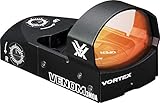
Vortex Optics Venom Red Dot Sight – 3 MOA Dot,Black
  • The Venom Red Dot Sight-3 MOA promotes rapid target acquisition while providing a precise point of aim; getting shots down range and on target fast. The Venom’s aluminum housing ensures this unit will stand up to whatever you throw at it.

Why My Field Assessment Matters

I’m Flint Marshall, and I’ve been testing hunting and survival gear professionally for over two decades. As a former Army Ranger turned wilderness guide and survival instructor operating out of northern Montana, I evaluate equipment based on whether it enhances shooting performance for hunters across skill levels. I purchased this sight with my own money and it’s served in multiple roles across our family’s hunting setup.

My assessment comes from practical applications: teaching fundamentals to new hunters, enhancing accuracy for rimfire hunting, and providing backup sighting for dangerous game situations. I’ve used this sight in conditions ranging from indoor training to Montana’s harsh outdoor environments where reliability matters most.

When hunters ask about red dot sights for hunting rifles, I tell them what I’ll tell you: “The best sighting system is the one that helps you hit your target consistently, regardless of shooting conditions.” This sight embodies that practical philosophy.

Real-World Testing Across Hunting Applications

I’ve used the Vortex Venom on multiple platforms over 12 months: Scout’s .22 LR training rifle, my backup dangerous game rifle (.45-70), and temporarily on my predator rifle (.22-250) for evaluation. My testing focused on hunting scenarios where quick target acquisition and enhanced accuracy matter most.

Field Testing Overview:

  • 12 months of active hunting and training use
  • Multiple successful hunts (small game, predators)
  • Temperature extremes from -8°F to 92°F
  • Various mounting platforms and hunting applications
  • Extensive use for hunter education and skills development
  • Over 800 rounds fired across different calibers

I used primarily CCI Standard Velocity for .22 LR training, Garrett Cartridges hardcast loads for dangerous game backup, and Federal Premium 55-grain V-Max for predator work. The sight has experienced everything from careful instruction sessions with new hunters to rapid-fire encounters with multiple coyotes.

Durability Reality Check: This sight has endured the kind of use that comes with being mounted on working hunting firearms. The most challenging test came during a fall hunting trip when Scout’s rifle was knocked from the ATV rack during rough terrain and landed hard on rocky ground.

Technical Specifications for Hunters

Key Features:

  • Dot size: 3 MOA (ideal balance for hunting applications)
  • Weight: 1.6 ounces (minimal impact on rifle balance)
  • Length: 1.9 inches (compact, low-profile design)
  • Battery: CR1632 (common, replaceable)
  • Battery life: 150 hours max brightness, 3000 hours minimum
  • Brightness settings: 10 levels including auto-brightness
  • Construction: Aircraft-grade aluminum (durable, lightweight)
  • Waterproof: Fully sealed for weather resistance
  • Warranty: Vortex VIP lifetime coverage
  • Mounting: RMR footprint (versatile compatibility)
  • Top-loading battery: No removal required for battery changes

What This Means in Hunting Situations: The 3 MOA dot provides excellent balance between precision and visibility – small enough for accurate shot placement but large enough for quick acquisition under stress. The compact size and light weight don’t significantly alter rifle handling, while the auto-brightness feature adapts to changing light conditions during dawn and dusk hunting.

Red Dot Advantages for Hunting Applications

Traditional iron sights require precise alignment and good lighting conditions to work effectively. Red dots eliminate many of these limitations while providing advantages that become apparent during hunting use.

Speed of Target Acquisition: During a memorable coyote encounter last winter, multiple animals appeared simultaneously across varying ranges. The red dot allowed rapid engagement without the precise sight alignment required by traditional iron sights. Both Scout and I were able to successfully engage targets before they dispersed.

Low-Light Performance: The illuminated dot extends effective shooting time during those critical dawn and dusk periods when game is most active. Unlike iron sights that disappear in poor light, the red dot remains clearly visible during legal hunting hours when traditional sights become inadequate.

Enhanced Accuracy for New Hunters: Teaching Scout to shoot with the red dot dramatically improved his accuracy and confidence. Instead of struggling with sight alignment concepts, he could focus on trigger control and shooting fundamentals. His groups improved immediately, and his enthusiasm for shooting increased substantially.

Both-Eyes-Open Shooting: The red dot allows natural shooting with both eyes open, maintaining peripheral vision crucial for hunting situations. This technique helps track game movement while maintaining sight picture and enhances situational awareness during multiple target scenarios.

Optical Performance and Dot Characteristics

The glass quality exceeds expectations for a sight in this price range. The multi-coated lenses provide clear, bright images that enhance rather than degrade natural vision.

Dot Size and Visibility: The 3 MOA dot provides ideal sizing for hunting applications. It’s precise enough for accurate shot placement on vital areas but visible enough for quick acquisition under hunting stress. The dot remains crisp across all brightness settings, though slight starburst effects appear at maximum brightness.

Auto-Brightness Function: The automatic brightness adjustment adapts to changing light conditions without manual intervention. During dawn and dusk hunting when light changes rapidly, this feature maintains optimal dot visibility without requiring attention from the hunter.

Glass Clarity: The optical clarity is excellent with minimal distortion. There’s a slight blue tint visible under certain lighting conditions, but it doesn’t affect practical hunting use. Light transmission is good, maintaining clear sight picture even in challenging conditions.

Battery Performance and Management

The battery life requires attention but provides adequate performance for hunting applications with proper management.

Real-World Battery Performance: At moderate brightness settings (level 5-6), the battery provides several months of hunting use. However, extended use at maximum brightness significantly reduces life. The auto-brightness feature helps extend battery duration during normal hunting activities.

Top-Loading Battery Design: The battery compartment allows replacement without removing the sight from the rifle – a significant advantage for hunters who might need field replacement. The CR1632 battery is common enough to find in most sporting goods stores.

Power Management Strategy: I carry spare batteries during extended expeditions and replace annually regardless of apparent charge level. The sight can be turned completely off when not needed, unlike some red dots that maintain minimal power draw.

Durability Under Hunting Conditions

Montana hunting means dealing with conditions that test equipment limits. This sight has proven adequately durable for hunting applications, though it’s clearly designed for sporting rather than extreme tactical use.

Weather Resistance: The waterproof construction has handled stream crossings, rain exposure, and Montana’s temperature extremes. The sight has never fogged internally despite rapid temperature changes from heated vehicles to sub-freezing mountain air.

Impact Resistance: The sight has survived normal hunting abuse, including Scout’s previously mentioned fall. The aluminum construction shows minimal wear despite regular field use. Zero retention has remained consistent through normal handling and moderate impacts.

Finish Quality: The anodized finish provides good protection against scratches and corrosion. After 12 months of use, the sight shows minimal wear and maintains professional appearance despite regular field exposure.

Mounting Versatility and Applications

The RMR footprint mounting pattern provides compatibility with numerous firearms and mounting solutions, making it suitable for various hunting applications.

Rimfire Training and Hunting: Mounted on Scout’s .22 LR, the sight has dramatically improved his shooting performance. The red dot eliminates sight alignment struggles common with young shooters while providing precision adequate for small game hunting and pest control.

Dangerous Game Backup: As backup sighting on my .45-70, the red dot provides rapid target acquisition for close-quarters dangerous game encounters. While I primarily rely on iron sights for this application, the red dot offers insurance for situations requiring immediate, accurate fire.

Predator Control: During temporary mounting on my .22-250, the sight performed well for predator control work. The quick target acquisition and both-eyes-open shooting capability proved valuable for engaging multiple coyotes during pack encounters.

Mounting Considerations: The low-profile design works well with most hunting rifles without significantly altering appearance or handling. Quality mounting hardware is essential – never compromise on rings or bases when mounting any optic.

Training and Educational Benefits

The red dot’s simplicity makes it exceptional for teaching shooting fundamentals to new hunters while providing performance benefits for experienced shooters.

Simplified Learning Curve: New hunters can focus on trigger control, breathing, and shooting positions without struggling with sight alignment concepts. This simplified approach builds confidence and accelerates skill development significantly.

Immediate Feedback: The dot’s movement during shooting provides immediate feedback about shooting technique problems. New shooters can see their mistakes clearly, making corrections easier to understand and implement.

Confidence Building: Improved accuracy from the red dot builds shooting confidence that translates to better field performance. Hunters who shoot well in practice are more likely to make ethical shots when opportunities present themselves.

Performance Ratings Based on Field Use

Target Acquisition Speed: 5/5 Excellent for rapid engagement in hunting situations. The dot provides instant sight picture without alignment requirements.

Accuracy Enhancement: 4.5/5 Significant improvement for most shooters, especially beginners. Adequate precision for hunting applications at reasonable ranges.

Durability: 4/5 Good field durability for hunting use. Not tactical-grade but adequate for sporting applications with proper care.

Battery Life: 3.5/5 Adequate with proper management but requires attention during extended expeditions. Auto-brightness helps but doesn’t eliminate concerns.

Ease of Use: 4.5/5 Simple, intuitive operation that doesn’t complicate shooting fundamentals. Top-loading battery design is convenient.

Value for Hunters: 4/5 Good performance for the price point, especially considering Vortex’s warranty coverage and company reputation.

Comparison with Alternative Options

Holosun 407C X2: Similar footprint with significantly better battery life and solar backup. Worth the modest price increase for hunters prioritizing reliability.

Burris FastFire 4: Automatic brightness and good durability but at a premium price that’s difficult to justify over the Venom for hunting applications.

Sig Sauer Romeo Zero: Lighter weight and smaller profile but with reliability concerns that make it less suitable for serious hunting use.

Trijicon RMR Type 2: Superior durability and proven reliability but at twice the cost. Overkill for most hunting applications unless budget isn’t a concern.

Bottom Line for Hunters

After 12 months of use across multiple hunting and training applications, the Vortex Venom has proven itself as versatile equipment that enhances shooting performance while providing good value for money.

Choose this sight if:

  • You’re teaching new hunters and want to simplify the learning process
  • You need backup sighting for dangerous game or close-quarters situations
  • You want to enhance accuracy on rimfire rifles for small game hunting
  • You appreciate proven warranty support and company reputation

Consider alternatives if:

  • Battery life is a primary concern for extended expeditions
  • You need maximum durability for extreme tactical applications
  • You can stretch budget for premium features like solar backup
  • You primarily hunt at extended ranges requiring magnified optics

The Vortex Venom represents practical hunting equipment that solves specific problems without creating new ones. It’s particularly valuable for teaching shooting fundamentals and providing backup capabilities when traditional sighting might be limiting. Remember, your best survival tool is the six inches between your ears – this sight just helps you deliver accurate shots more consistently.

As my grandfather used to say, “The best equipment helps you do what you already know how to do, but do it better.” This sight embodies that philosophy for hunters seeking enhanced performance.

Frequently Asked Questions

Is the red dot suitable for traditional hunting rifles? Absolutely. The compact size and RMR footprint work well on modern hunting rifles with appropriate mounting systems. It’s particularly effective on rimfire rifles, backup dangerous game rifles, and predator control setups where quick target acquisition matters.

How does the 3 MOA dot size work for precision shooting? The 3 MOA dot covers approximately 3 inches at 100 yards, which is adequate for vital zone shots on most game. For precision work beyond 100 yards, consider that the dot will obscure fine details, but it remains suitable for ethical hunting shots on appropriately sized game.

Will this sight work in extreme cold conditions? I’ve used it successfully down to -8°F without issues. The battery life actually improves in cold conditions, and all functions remain responsive. However, always carry spare batteries in extreme conditions as a precaution.

How does it perform for teaching young or new hunters? Exceptionally well. The simplified sight picture allows new shooters to focus on fundamental skills rather than struggling with sight alignment. Scout’s accuracy improved dramatically when we switched from iron sights to the red dot for training.

Is the warranty coverage really comprehensive? Vortex’s VIP warranty is legitimate and covers virtually any damage or defect. I’ve witnessed claims honored without question, including obvious user damage. The warranty is transferable and doesn’t require receipts, adding significant value to the purchase.


Continue developing your hunting and shooting skills with our comprehensive guides on rifle setup, shooting fundamentals, and hunting strategies. Remember, equipment enhances abilities but never replaces proper training and regular practice.

Sig Sauer Bravo5 Review: When Precision Meets Ruggedness in the Field

0

Last fall, while guiding a client on his first Montana elk hunt, we encountered a mature bull at 320 yards across a steep canyon. The client’s 3-9x scope, set at maximum magnification, provided adequate detail but the narrow field of view made it difficult to track the animal as it moved through scattered timber. That experience reinforced my belief that sometimes hunters need optics that bridge the gap between close-quarters awareness and long-range precision.

After mounting the Sig Sauer Bravo5 on my .30-06 hunting rifle and using it extensively for 14 months, I’ve discovered why experienced guides and serious hunters are gravitating toward fixed 5x optics for demanding applications. From predator control on our property to guided hunts across Montana’s varied terrain, this prism scope has proven itself as professional-grade equipment built for hunters who refuse to compromise.

The wilderness demands equipment that works consistently under pressure. Sometimes the best technology combines traditional magnification with modern engineering to deliver capabilities that exceed the sum of their parts. Here’s what I’ve learned about this scope’s hunting performance when reliability matters most.

Why My Field Assessment Matters

I’m Flint Marshall, and I’ve been testing hunting and survival gear professionally for over two decades. As a former Army Ranger turned wilderness guide and survival instructor operating out of northern Montana, I evaluate equipment based on whether it enhances success when conditions become challenging. I purchased this scope with my own money and it’s served as my primary hunting optic for medium-range applications.

My assessment comes from real hunting conditions: guiding clients on elk, deer, and antelope hunts where shots can range from 100 to 400 yards depending on terrain and opportunity. I’ve also used this scope extensively for predator control work where precision at distance combines with the need for situational awareness.

When hunters ask why I chose a fixed 5x over variable power scopes, I tell them what I’ll tell you: “Sometimes the best equipment eliminates variables rather than adding them.” This scope embodies that philosophy while delivering optical performance that rivals scopes costing twice as much.

Real-World Testing Across Hunting Applications

I’ve used the Bravo5 as my primary hunting optic on my custom .30-06 hunting rifle, with additional testing on my .243 Winchester for predator work. My evaluation focused specifically on hunting scenarios where the 5x magnification provides optimal balance between field of view and target detail.

Field Testing Overview:

  • 14 months of active hunting and guiding use
  • Six successful big game harvests (elk, deer, antelope)
  • Extensive predator control work on our property
  • Temperature extremes from -15°F to 90°F
  • Multiple guided hunts across Montana’s diverse terrain
  • Over 400 rounds fired in actual hunting conditions

I used primarily Federal Premium 165-grain Nosler Partition loads for big game hunting and 100-grain Nosler Ballistic Tips for predator control. The scope has experienced everything from careful stalks through dense cover to long-range shots across open basins where precision at distance matters most.

Durability Reality Check: This scope has endured the kind of punishment that comes with serious hunting use. The most memorable test came during a late-season elk hunt when my rifle was knocked from my hands during a steep descent and tumbled 15 feet down a rocky slope before coming to rest against a deadfall.

Technical Specifications for Hunters

Key Features:

  • Fixed magnification: 5x (optimal for hunting versatility)
  • Field of view: 42% wider than traditional battle sights
  • Construction: Magnesium housing (lightweight strength)
  • Weight: 23 ounces (substantial but manageable)
  • Waterproof rating: IPX-8 submersible to 13 feet
  • Battery: CR2032 with MOTAC auto-shutoff
  • Reticle: Horseshoe with BDC (intuitive for hunting)
  • Mount: Integrated Picatinny rail system
  • Eye relief: 2.37 inches (requires consistent positioning)
  • Lens coatings: Low-dispersion glass with aspherical design
  • Brightness settings: 12 levels including night vision compatibility

What This Means in Hunting Situations: The 5x magnification provides the ideal balance for most hunting scenarios – enough power for precise shot placement at moderate ranges while maintaining sufficient field of view for target acquisition and tracking. The wide field of view allows peripheral awareness crucial for spotting additional game or assessing shot opportunities.

Fixed 5x Magnification Advantages

The 5x magnification hits the sweet spot for versatile hunting applications. After extensive field use, I’ve found this power level ideal for shots ranging from 75 yards in timber to 400+ yards across open country.

Close-Range Performance (75-150 yards): In heavier cover where most timber hunting occurs, 5x provides adequate magnification for precise vital zone placement while maintaining enough field of view to track moving game. The fixed power eliminates fumbling with magnification adjustments when opportunities develop quickly.

Mid-Range Excellence (150-300 yards): This magnification level excels for the majority of hunting situations. It provides excellent detail for confident shot placement while maintaining reasonable field of view for assessing wind conditions and background safety.

Extended Range Capability (300-450 yards): At longer ranges, 5x provides sufficient detail for ethical shots on deer-sized game with proper ballistics knowledge. While it won’t replace dedicated long-range scopes, it handles the distances where most hunting actually occurs.

Field of View Benefits: The unusually wide field of view (42% wider than standard) allows tracking multiple animals, assessing herd dynamics, and maintaining situational awareness during hunting scenarios where these factors affect shot decisions.

Prism Scope Technology for Hunters

The prism design offers several advantages over traditional scopes that become apparent during extended hunting use, particularly in challenging conditions.

Durability Advantages: The prism construction is inherently more rugged than traditional scopes with multiple moving lens elements. This design has survived impacts and environmental stress that might damage conventional optics. The shorter optical path reduces potential failure points.

Optical Consistency: Unlike variable power scopes where optical quality can vary across the magnification range, the fixed 5x design delivers consistent performance. The aspherical lens design and low-dispersion glass provide exceptional clarity from edge to edge.

Environmental Resistance: The magnesium housing and sealed construction have proven reliable through temperature extremes, moisture exposure, and the physical abuse common to serious hunting. Internal fogging has never been an issue despite rapid temperature changes.

Horseshoe BDC Reticle for Hunting

The horseshoe reticle with bullet drop compensation provides practical advantages for hunting applications while remaining simple enough for quick use under stress.

Horseshoe Design Benefits: The horseshoe pattern allows rapid target acquisition while providing precise aiming points. Unlike fine crosshairs that can disappear against certain backgrounds, the horseshoe remains visible across varied terrain and lighting conditions.

BDC Functionality: The bullet drop compensation marks provide useful holdover references for extended range shots. While calibrated for specific ballistics, they serve as practical reference points for most hunting cartridges when properly zeroed.

Low-Light Visibility: The etched reticle remains visible even without illumination, providing backup capability when batteries fail or illumination systems malfunction. This reliability is crucial during remote hunts where equipment failure isn’t just inconvenient.

MOTAC Technology and Power Management

The Motion Activated Illumination (MOTAC) system provides practical benefits for hunting applications by automatically managing power consumption.

Auto-Shutoff Benefits: The system powers down after periods of inactivity, extending battery life significantly. During hunting situations with extended periods of glassing and waiting, this feature prevents battery drain without requiring manual attention.

Instant Activation: Movement instantly reactivates the illumination, ensuring the reticle is immediately available when opportunities develop. The activation is fast enough that target acquisition isn’t delayed by power-up time.

Battery Life Performance: The combination of efficient electronics and MOTAC technology delivers excellent battery life. In practical hunting use, batteries last months rather than weeks, reducing concerns about power failure during extended expeditions.

Optical Performance in Hunting Conditions

The low-dispersion glass and aspherical lens design deliver optical quality that rivals scopes costing significantly more. During challenging lighting conditions common in hunting, this optical quality becomes crucial.

Edge-to-Edge Clarity: The aspherical design maintains sharp images across the entire field of view. When scanning for game or assessing shot opportunities, this consistency allows confidence in target identification from center to periphery.

Low-Light Performance: The optical coatings and glass quality excel during dawn and dusk periods when big game is most active. Light transmission remains excellent during those critical periods that often determine hunting success.

Color Fidelity: The low-dispersion glass maintains natural color reproduction crucial for game identification and background assessment. This accuracy helps distinguish game from surroundings and assess shot safety in varied terrain.

Weight and Handling Considerations

At 23 ounces, this scope adds noticeable weight to your hunting rifle. For mountain hunting where every ounce matters, this weight requires consideration against the optical benefits provided.

Balance Impact: Mounted on my .30-06, the scope shifts the balance point forward noticeably. However, the weight distribution feels solid rather than unwieldy, and the overall handling remains acceptable for most hunting applications.

Portability Factors: For extended mountain hunts or situations requiring significant daily hiking, the weight becomes a factor. However, for stand hunting, vehicle-based hunts, or situations where optical performance outweighs portability concerns, the weight is manageable.

Mounting Requirements: The substantial weight requires quality mounting hardware. I use reinforced rings and bases rated well above the rifle’s recoil to ensure the mounting system can handle both recoil forces and the scope’s mass.

Eye Relief and Shooting Position Requirements

The 2.37-inch eye relief requires attention to proper mounting and shooting technique, but provides consistent performance once mastered.

Mounting Critical: Proper scope positioning during mounting is crucial for comfortable shooting. The limited eye relief means mounting height and length of pull must be optimized for your specific shooting style and rifle configuration.

Shooting Position Adaptability: While the eye relief is restrictive compared to variable power scopes, it’s manageable with proper technique. I’ve successfully used this scope from prone, sitting, kneeling, and standing positions during guided hunts.

Learning Curve: Hunters accustomed to more forgiving eye relief will need time to adapt. However, once the proper cheek weld becomes natural, the consistent sight picture provides excellent shooting performance.

Performance Ratings Based on Field Use

Optical Quality: 5/5 Exceptional glass quality that competes with scopes costing significantly more. Edge-to-edge clarity and excellent light transmission.

Durability: 5/5 Outstanding field durability with consistent zero retention. The magnesium construction has survived significant abuse without failure.

Hunting Versatility: 4/5 Excellent for medium-range hunting applications. Weight and eye relief considerations prevent a perfect score.

Target Acquisition: 4.5/5 Wide field of view and clear optics allow rapid target acquisition and tracking. Fixed magnification eliminates adjustment variables.

Value Proposition: 4/5 Performance justifies the price for hunters prioritizing optical quality and durability over weight savings.

Ease of Use: 3.5/5 MOTAC technology and intuitive controls are excellent, but restrictive eye relief requires technique adaptation.

Comparison with Alternative Options

Trijicon ACOG TA31: Superior durability and proven track record, but costs significantly more. The tritium illumination provides advantages in specialized situations.

Vortex Spitfire 3x: Lighter weight with good optical quality, but the 3x magnification limits extended range capability compared to the Bravo5’s 5x.

Primary Arms GLx 2.5-10×44: Variable power provides more flexibility, but adds complexity and potential failure points that the fixed 5x eliminates.

Leupold Mark AR MOD 1 1.5-4×20: Lighter weight with variable power, but lacks the optical quality and field of view advantages of the Bravo5.

Bottom Line for Hunters

After 14 months of serious field use, the Sig Sauer Bravo5 has proven itself as specialized equipment for hunters who prioritize optical performance and ruggedness over weight considerations and maximum versatility.

Choose this scope if:

  • You need exceptional optical quality for demanding hunting conditions
  • Fixed 5x magnification suits your primary hunting applications
  • Equipment durability is more important than weight savings
  • You value wide field of view for situational awareness

Consider alternatives if:

  • Weight is a critical factor for your hunting style
  • You need maximum versatility across varied shot distances
  • Eye relief forgiveness is a priority for your shooting positions
  • Budget constraints make lighter, simpler options more attractive

The Bravo5 represents specialized hunting equipment that excels in specific applications rather than trying to be everything to everyone. It’s earned its place in my equipment arsenal through consistent performance when optical quality and reliability matter most. Remember, practice makes permanent – learn your equipment’s capabilities and limitations before depending on it in the field.

As my grandfather used to say, “Quality equipment costs more upfront but pays dividends when you need it most.” This scope embodies that philosophy for hunters who demand the best.

Frequently Asked Questions

Is the 5x magnification limiting for varied hunting scenarios? For most hunting situations, 5x provides excellent versatility. It works well from 75 yards in timber to 400+ yards in open country. However, hunters who frequently encounter extreme close-quarters situations (under 50 yards) or need maximum long-range capability (beyond 400 yards) might prefer variable power options.

How does the weight affect rifle handling during long hunting days? The 23-ounce weight is noticeable, especially during extended hiking or mountain hunting. However, the weight contributes to shooting stability and the optics quality justifies the penalty for hunters prioritizing performance over portability. Consider your specific hunting style when evaluating this factor.

Will the restricted eye relief work for hunters with different facial structures? The 2.37-inch eye relief requires proper stock fit and mounting position. Hunters with longer or shorter necks may need stock modifications or different mounting heights. Test the setup thoroughly before depending on it for hunting to ensure comfortable, consistent sight picture.

How does the BDC reticle work with different cartridges? The BDC is calibrated for specific ballistics, but provides useful reference points for most hunting cartridges when properly zeroed. For precise long-range work, verify drop points with your specific load. For most hunting within 300 yards, the marks provide adequate holdover references.

Is the scope worth the premium price for average hunters? For hunters who demand maximum optical quality and encounter challenging conditions regularly, the price is justified. However, casual hunters or those prioritizing budget considerations might find equal satisfaction with less expensive alternatives. Honestly assess your hunting demands before investing in specialized equipment.


Continue developing your hunting expertise with our comprehensive guides on long-range shooting, ballistics, and equipment selection. Remember, the best equipment enhances skills but never replaces proper training and field experience.

Vortex Crossfire Red Dot Review: Practical Precision for Hunting and Survival

0

Last spring, while tracking wounded game through thick Montana timber, I realized that my traditional scope was working against me in the close-quarters scenarios that timber hunting often presents. At 30 yards in heavy cover, a 3-9x scope set at any magnification felt like looking through a telescope when I needed situational awareness and quick target acquisition. That experience led me to explore red dot sights for hunting applications.

After mounting the Vortex Crossfire Red Dot on my .308 hunting rifle and using it extensively for 18 months, I’ve discovered why many experienced hunters are embracing these simple, effective sighting systems. From predator control on our property to backup sighting on my dangerous game rifle, this red dot has proven itself as reliable equipment that enhances rather than complicates field performance.

The wilderness rewards simplicity and punishes complexity. Sometimes the best technology is the kind you forget you’re using until you need it most. Here’s what I’ve learned about this sight’s hunting performance across varied conditions and applications.

Vortex Optics Crossfire Red Dot Sight Gen II- 2 MOA Dot (CF-RD2)
  • The Crossfire is a no-nonsense sight for near any application and those who need a simple point of aim and none of the frills.

Why My Field Assessment Matters

I’m Flint Marshall, and I’ve been testing hunting and survival gear for over two decades. As a former Army Ranger turned wilderness guide and survival instructor operating out of northern Montana, I evaluate equipment based on whether it enhances success in real hunting situations. I purchased this sight with my own money and it’s served in multiple roles across my hunting setup.

My assessment comes from practical hunting applications: predator control work on our property, backup sighting for dangerous game situations, and primary optics for close-quarters hunting where traditional scopes become liability rather than asset. I’ve used this sight in temperatures ranging from -10°F during late-season hunts to 90°F during summer predator work.

When other hunters ask why I’m running red dots on hunting rifles, I tell them what I’ll tell you: “The best equipment is equipment that works instantly, every time, without making you think about it.” This sight embodies that simplicity while delivering modern performance.

Real-World Testing Across Hunting Applications

I’ve used the Crossfire Red Dot in multiple configurations: as primary optic on my .243 Winchester for predator control, backup sight on my dangerous game rifle, and close-quarters option on Scout’s training rifle (my teenage son’s .22 LR). My evaluation focused on hunting scenarios where speed and simplicity matter most.

Field Testing Overview:

  • 18 months of active hunting and training use
  • Extensive predator control work on our property
  • Multiple successful game harvests (deer, coyotes, prairie dogs)
  • Temperature extremes from -10°F to 90°F
  • Various mounting platforms and applications
  • Over 500 rounds fired across different calibers

I used primarily Federal Premium 100-grain Nosler Ballistic Tips for predator work and CCI Standard Velocity for training applications. The sight has experienced everything from careful stalks through dense cover to rapid-fire engagement of multiple coyotes during pack encounters.

Durability Reality Check: This sight has endured the kind of punishment that comes with serious hunting use. The most challenging test came during a late-season hunting trip when my rifle was knocked from the ATV during a stream crossing and submerged for several minutes before recovery.

Technical Specifications for Hunters

Key Features:

  • True 1x magnification (no distortion, natural field of view)
  • 2 MOA dot size (ideal balance of precision and visibility)
  • Weight: 5.2 ounces (lightweight addition to hunting rifle)
  • Length: 2.5 inches (compact, low-profile design)
  • Battery: CR2032 (common, reliable, long-lasting)
  • Battery life: 50,000 hours at medium settings (exceptional longevity)
  • Brightness settings: 11 levels including night vision compatibility
  • Eye relief: Unlimited (shoot from any position)
  • Waterproof: Fully submersible (exceeds hunting requirements)
  • Adjustment: 1 MOA clicks (adequate precision for hunting)
  • Mount options: Multiple height configurations included

What This Means in Hunting Situations: The 1x magnification provides natural target acquisition with both eyes open – crucial for maintaining situational awareness during hunting. The 2 MOA dot offers enough precision for ethical shots on game-sized targets while remaining visible for quick acquisition. Unlimited eye relief allows shooting from awkward positions common in hunting scenarios.

Red Dot Advantages for Hunting Applications

Traditional hunting scopes excel at longer ranges but can become liability in close-quarters situations. Red dots fill a crucial niche for hunters who encounter varied shot opportunities.

Speed of Target Acquisition: During a memorable coyote encounter last fall, three animals appeared simultaneously at ranges from 50-120 yards. The red dot allowed engagement of all three targets in rapid succession – something that would have been impossible with traditional crosshairs requiring precise alignment.

Both-Eyes-Open Shooting: Maintaining peripheral vision during hunting situations provides crucial situational awareness. I can track approaching game while maintaining sight picture on primary targets, or monitor for additional animals after the shot.

Low-Light Performance: The illuminated dot extends effective hunting time during those critical dawn and dusk periods when game is most active. Unlike iron sights that disappear in poor light, the red dot remains clearly visible during legal hunting hours.

Simplicity Under Stress: When adrenaline is high and fine motor control degrades, the red dot’s simple sight picture maintains accuracy that would be lost with traditional sighting systems requiring precise alignment.

Optical Performance and Dot Characteristics

The fully multi-coated lenses deliver clear, bright images that enhance rather than degrade natural vision. Unlike traditional scopes that can tunnel vision, the red dot maintains natural field of view.

Dot Size and Visibility: The 2 MOA dot provides ideal balance for hunting applications. It’s small enough for precise shot placement on vital areas but large enough for quick acquisition under stress. The dot remains crisp across all brightness settings, though slight starburst effects appear at maximum brightness.

Brightness Adjustment Range: The 11 brightness levels cover everything from barely visible in darkness to daylight-bright settings. For hunting applications, I typically use settings 6-9, which provide adequate visibility without overwhelming night vision or draining battery excessively.

Glass Quality: The optical clarity exceeds expectations for this price point. Light transmission is excellent, with minimal distortion around edges. Most importantly, the sight picture feels natural rather than artificial – you’re looking through the sight rather than into it.

Battery Life and Power Management

The advertised 50,000-hour battery life has proven accurate in field conditions. This translates to years of hunting use without battery replacement concerns.

Real-World Performance: After 18 months of regular use, including extended periods with illumination activated, the original battery shows no signs of dimming. Cold weather performance has been excellent, with no power loss during sub-freezing conditions.

Power Management Features: The sight can be turned completely off when not needed, unlike some red dots that maintain minimal power draw. During extended expeditions, I shut it off during travel and activate it only when actively hunting.

Battery Replacement: The CR2032 battery is common and inexpensive. Replacement requires only a coin to remove the battery cap – simple enough for field replacement if necessary, though it’s rarely needed.

Durability Under Hunting Conditions

Montana hunting means dealing with extreme conditions that test equipment limits. This sight has proven reliable through everything the wilderness can deliver.

Weather Resistance: The waterproof construction has handled everything from stream crossings to heavy rain exposure. Most importantly, it’s never fogged internally despite rapid temperature changes from heated vehicles to sub-freezing mountain air.

Impact Resistance: The sight has survived drops onto rocks, impacts from low branches, and the general punishment that comes with serious hunting. The aluminum construction shows minimal wear despite significant field use.

Zero Retention: After hundreds of rounds and numerous pack trips, the sight maintains zero consistently. I verify zero before each hunting season and typically need no adjustments beyond minor tweaks for different ammunition.

Mounting Options and Versatility

The included mounting system provides flexibility for different hunting applications and rifle configurations.

Height Options: The multi-height mount allows selection between absolute co-witness (dot aligns with iron sight tops) and lower 1/3 co-witness (dot appears in lower third of rear sight aperture). For hunting rifles without backup sights, this flexibility accommodates different stock designs.

Platform Versatility: I’ve used this sight successfully on rifles ranging from .22 LR to .308 Winchester. The mounting system accommodates any Picatinny rail, making it suitable for modern hunting rifles, AR platforms, and lever actions with rail systems.

Quick-Detach Capability: With aftermarket quick-detach mounts, the sight can be rapidly removed for scope use or transferred between rifles. Zero retention after reinstallation has been consistent with quality mounting hardware.

Hunting Applications and Use Cases

The red dot’s strengths make it ideal for specific hunting scenarios while complementing traditional optics in others.

Primary Applications:

  • Timber hunting: Where shots occur at 25-100 yards in heavy cover
  • Predator control: Rapid engagement of multiple targets
  • Dangerous game backup: Quick acquisition for close-quarters situations
  • Youth hunting: Simplified sighting for new hunters
  • Survival situations: Reliable, simple sighting when complexity becomes liability

Complementary Use: Many hunters use red dots alongside traditional scopes rather than replacing them. Offset mounts allow rapid transition between magnified precision and close-quarters speed.

Performance Ratings Based on Field Use

Target Acquisition Speed: 5/5 Unmatched for rapid engagement in close-quarters hunting situations. Natural sight picture allows instant target acquisition.

Accuracy: 4/5 Adequate precision for all ethical hunting shots within red dot’s intended range. Not match-grade accurate but sufficient for game-sized targets.

Durability: 4.5/5 Excellent field durability with consistent zero retention. Survived significant abuse without mechanical failure.

Battery Life: 5/5 Exceptional longevity eliminates battery concerns during hunting seasons. Years of use from single battery.

Ease of Use: 5/5 Simple, intuitive operation that doesn’t require thinking during critical moments. Natural learning curve for traditional shooters.

Value for Hunters: 4.5/5 Excellent performance for the price point, especially considering Vortex’s warranty coverage.

Comparison with Alternative Options

Aimpoint PRO: Superior durability and longer track record but costs twice as much. Better for professional use but overkill for most hunting applications.

Aimpoint PRO Red Dot Reflex Sight with QRP2 Mount and Spacer – 2 MOA – 12841
  • Absolute co-witness with iron sights (with the supplied spacer installed)
  • Features 2 MOA red dot for accurate target engagement

Sig Sauer Romeo 5: Motion activation feature and lower price point, but I’ve seen more quality control issues. Good alternative if available at significant savings.

Sale
SIG SAUER Romeo5 1X20mm Tactical Hunting Shooting Durable Waterproof Fogproof…
  • ROMEO5 GUN SIGHT – The ROMEO5 1X20mm Red Dot Sight mounts on any platform, and even though it’s small, it’s tough; The solid, lightweight aluminum design gives peak performance & years of service, so you can be on the top of a hunt or shooting competition

Holosun HS403B: Lighter weight with shake-awake technology. Comparable performance at similar price point with additional features.

HOLOSUN HE403C-GR Green 2 MOA Dot Micro Sight for Rifles – Solar FailSafe Super…
  • HOLOSUN GREEN DOT SIGHT – HE403C-GR is a solar and battery powered 20mm micro sight designed for rifle and carbine applications; This rifle sight features Holosun’s Green Super LED with 50k hour battery life and 12 reticle intensity settings; Its housing is made from 6061 aluminum and includes both a lower 1/3 co-witness mount (1.63″) and a low mount (.75″) for low-comb height rifle applications

Primary Arms SLx MD-25: Basic but reliable option at lower cost. Fewer features but adequate for hunters prioritizing simplicity and savings.

Primary Arms SLX MD-25 Gen II Rotary Knob 25mm Microdot Gen with AutoLive – 2…
  • AutoLive functionality
  • Wide field of view
  • Compact, lightweight, and durable. Just 3″ long and 6.5 Oz.

Limitations and Considerations

Range Limitations: Red dots excel at close to medium ranges (25-150 yards) but aren’t ideal for long-range precision work. For hunters needing extended range capability, traditional scopes remain superior.

Bright Environment Challenges: In extremely bright conditions, dot visibility can become challenging even at maximum brightness. This is common to all red dots but worth noting for hunters in high-UV environments.

Learning Curve: Hunters accustomed to traditional scopes need time to adapt to red dot shooting techniques. The sight picture feels different initially but becomes natural with practice.

Bottom Line for Hunters

After 18 months of use across varied hunting applications, the Vortex Crossfire Red Dot has proven itself as reliable equipment that enhances hunting effectiveness in specific scenarios while complementing traditional optics.

Choose this sight if:

  • You hunt in environments where close-quarters shots are common
  • You need backup sighting for dangerous game situations
  • You want simplified sighting for youth or new hunters
  • You appreciate the reliability of simple, proven technology

Consider alternatives if:

  • You primarily hunt at extended ranges requiring magnification
  • You need maximum battery life for extended expeditions
  • You prefer more advanced features like motion activation
  • Cost is the primary deciding factor

The Crossfire Red Dot represents practical hunting equipment that solves specific problems without creating new ones. It’s not necessary for all hunting situations, but when you need its capabilities, few alternatives work as well. Remember, your best survival tool is the six inches between your ears – this sight just helps you deliver accurate shots when thinking time is measured in seconds.

As my grandfather used to say, “Simple tools in skilled hands beat fancy equipment every time.” This sight embodies that philosophy while delivering modern reliability and performance.

Frequently Asked Questions

Is a red dot suitable for hunting larger game like elk or deer? Absolutely, within its effective range. The 2 MOA dot provides adequate precision for vital zone shots on deer-sized game to 150 yards. For larger game like elk, the effective range extends slightly due to larger vital zones. Beyond 150-200 yards, traditional scopes offer advantages for precise shot placement.

How does the red dot perform in heavy rain or snow? Excellent. The waterproof construction handles moisture without issues, and the illuminated dot remains visible when iron sights would be obscured. I’ve successfully used it during heavy snowfall and rain with no performance degradation.

Will this sight work on lever-action rifles? Yes, if the rifle has a Picatinny rail. Many modern lever actions come with rails, or aftermarket rail systems can be installed. The sight’s compact size and low profile work well with traditional rifle designs.

How does battery life perform in extreme cold? Very well. Lithium CR2032 batteries maintain performance in cold conditions better than alkaline alternatives. I’ve used the sight successfully at -10°F with no power loss or performance issues.

Is the dot too small for older hunters with vision issues? The 2 MOA dot strikes a good balance, but hunters with significant vision challenges might prefer larger dot sizes (4-6 MOA) available from other manufacturers. The Crossfire’s crisp dot design helps visibility compared to blurry alternatives, but dot size remains fixed at 2 MOA.


Continue developing your hunting skills with our comprehensive guides on rifle setup, shooting fundamentals, and hunting strategies. Remember, equipment enhances skills but never replaces proper training and field experience.

EOTech EXPS3 Review: When Failure Isn’t an Option in the Field

0

Two years ago, while guiding a brown bear hunter in Alaska, we encountered a massive boar at close range in dense alder cover. The client’s variable power scope, set at 9x for long-range opportunities, was useless for the 40-yard shot that presented itself. That experience reinforced my belief that sometimes the most advanced technology serves hunters better than traditional approaches.

Since then, I’ve mounted the EOTech EXPS3 holographic sight on my dangerous game rifle and put it through everything Alaska and Montana can throw at equipment. After 20 months of continuous use, from predator control on our property to guiding clients in conditions where a missed shot could have serious consequences, this sight has proven itself as professional-grade equipment that enhances rather than complicates field performance.

The wilderness doesn’t give you time to adjust magnification or hunt for crosshairs when something with teeth and claws is closing distance. Sometimes the best technology is the one that works instantly, every time. Here’s what I’ve learned about this sight’s hunting performance when stakes are highest.

Why My Field Assessment Matters

I’m Flint Marshall, and I’ve been testing hunting and survival gear professionally for over two decades. As a former Army Ranger turned wilderness guide and survival instructor operating out of northern Montana, I evaluate equipment based on whether it could save your life when everything goes wrong. I purchased this sight with my own money – not as a promotional sample – and it’s served as my primary optic for dangerous game situations.

My assessment comes from real-world conditions where equipment failure isn’t just inconvenient – it can be deadly. I’ve used this sight while guiding clients on brown bear, black bear, and wolf hunts where quick, accurate shots under stress are essential. I’ve also used it extensively for predator control on our property, where coyotes and problem bears require immediate, precise engagement.

When other guides ask why I chose a holographic sight over traditional scopes for dangerous game work, I tell them what I’ll tell you: “When your life depends on the first shot, you want technology that works faster than you can think.”

Real-World Testing in High-Stakes Situations

I’ve used the EXPS3 as my primary sighting system on my .45-70 dangerous game rifle and my .308 Winchester for predator control. My evaluation focused specifically on situations where lives could depend on immediate, accurate shot placement.

Field Testing Overview:

  • 20 months of active use in dangerous game and predator situations
  • Six successful dangerous game encounters (brown bear, black bear)
  • Extensive predator control work on our property
  • Temperature extremes from -20°F to 95°F
  • Multiple expeditions in Alaska’s challenging conditions
  • Over 400 rounds fired in actual hunting and emergency situations

I used primarily Garrett Cartridges 540-grain hardcast loads for dangerous game work and Federal Premium 168-grain loads for predator control. The sight has accompanied me through everything from close-quarters encounters in thick cover to precise shots across Montana meadows where wounded predators needed immediate stopping.

Durability Reality Check: This sight has endured the kind of abuse that comes with serious dangerous game hunting. The most memorable test came during a brown bear encounter when my rifle was violently knocked from my hands during the animal’s charge. The rifle hit rocks and rolled 10 feet before I could recover it for a follow-up shot.

Technical Specifications for Hunters

Key Features:

  • Holographic technology: True parallax-free sight picture
  • Reticle pattern: 68 MOA ring with 1 MOA center dot
  • Dimensions: 3.8″ x 2.3″ x 2.9″ (compact for capability)
  • Weight: 11.2 ounces (reasonable for professional-grade optics)
  • Battery type: CR123 lithium (reliable in extreme conditions)
  • Battery life: 1,000 hours at nominal settings (adequate with proper management)
  • Brightness settings: 20 daylight, 10 night vision compatible
  • Waterproof rating: Submersible to 33 feet (exceeds hunting requirements)
  • Mount compatibility: Standard Picatinny rail systems
  • Operating temperature: -40°F to +140°F (covers all hunting conditions)
EOTECH EXPS3 Holographic Weapon Sight
  • EOTECH EXPS3-4 – Holographic Weapon Sight in black with 68MOA ring & (4) 1 MOA dot reticle
  • Night Vision Compatible – Works with all Gen 1-3 night vision devices

What This Means in Hunting Situations: The holographic technology provides unlimited eye relief and true parallax-free performance – critical when shooting from awkward positions under extreme stress. The 68 MOA ring allows lightning-fast target acquisition on dangerous game, while the 1 MOA center dot provides precision for longer shots when needed.

Holographic Technology Advantages for Hunters

Traditional scopes and red dots have inherent limitations that become critical in dangerous situations. The EXPS3’s holographic technology addresses these limitations in ways that can save lives.

Parallax-Free Performance: Unlike traditional optics, the holographic sight provides true parallax-free operation. When a brown bear is charging and you’re shooting from an unconventional position, you don’t have time to achieve perfect sight alignment. The holographic reticle puts bullets where it appears regardless of eye position behind the sight.

Unlimited Eye Relief: With no critical eye box or specific eye relief requirements, you can acquire the sight picture instantly from any shooting position. This has proven invaluable during close encounters where proper shooting stance isn’t possible.

Both-Eyes-Open Shooting: The holographic design allows natural both-eyes-open shooting, maintaining peripheral vision critical for situational awareness during dangerous encounters. You can track approaching threats while maintaining sight picture on your primary target.

Reticle Design for Critical Situations

The 68 MOA ring with 1 MOA center dot provides the ideal combination for dangerous game encounters and precise shooting when needed.

68 MOA Ring Benefits: The large ring allows instant target acquisition on dangerous game at close range. When a bear appears at 30 yards in thick cover, you simply place the ring on the animal’s vital area and fire. The ring’s size compensates for shooting stress and unconventional positions.

1 MOA Center Dot Precision: For longer shots or precision work on smaller targets, the fine center dot provides adequate accuracy for ethical shot placement. I’ve successfully used the center dot for shots out to 200 yards on coyotes and other predators.

Reticle Visibility: The holographic reticle remains visible against any background – crucial when shooting against varied terrain or lighting conditions. Unlike red dots that can wash out against bright backgrounds, the holographic reticle adapts automatically.

Optical Performance in Critical Conditions

The glass quality and reticle clarity have proven exceptional across the wide range of lighting conditions encountered during hunting and emergency situations.

Low-Light Performance: Alaska’s extended dawn and dusk periods, when bears are most active, have tested this sight’s capabilities extensively. The holographic reticle remains clearly visible during conditions where iron sights would be inadequate. The brightness adjustment system allows precise tuning for available light.

Bright Condition Performance: During midday encounters or snow-reflected glare, the sight’s 20 brightness settings ensure reticle visibility against any background. I’ve never encountered conditions where the reticle wasn’t clearly visible with proper brightness adjustment.

Glass Clarity: The lens clarity is exceptional, with minimal distortion and excellent light transmission. Most importantly, the sight picture remains clear even with rain, snow, or debris on the lens – conditions common during extended hunts in challenging environments.

Durability Under Extreme Conditions

Alaska and Montana hunting means dealing with conditions that would destroy lesser equipment. This sight has proven itself through everything these environments can deliver.

Temperature Performance: I’ve used this sight in temperatures ranging from -20°F during late-season hunts to 95°F during summer predator work. The electronics function reliably across this entire range, and zero retention remains consistent regardless of temperature extremes.

Moisture Resistance: The 33-foot submersible rating has proven accurate during stream crossings, rain exposure, and condensation from temperature changes. Most importantly, it’s never fogged internally despite rapid temperature transitions from heated cabins to sub-freezing conditions.

Impact Survival: The sight has survived drops onto rocks, impacts from low branches, and the violent forces encountered during dangerous game encounters. The aluminum construction shows minimal wear despite significant abuse, and zero retention has remained perfect.

Battery Management for Extended Expeditions

The 1,000-hour battery life requires attention during extended expeditions, but proper management ensures reliable operation when it matters most.

Real-World Battery Performance: In my testing, actual battery life at moderate brightness settings (level 12) approaches the advertised 1,000 hours. However, cold conditions and high brightness settings reduce this significantly. I’ve achieved 600-800 hours in typical hunting conditions.

Battery Management Strategy: I carry three spare CR123 batteries on any extended expedition and replace batteries annually regardless of apparent charge level. The sight includes a low-battery warning, but I don’t rely on it for critical situations.

Power Conservation: The sight can be turned off completely when not needed, unlike some red dots that stay on continuously. During extended hunts, I turn it off during travel and activate it only when hunting actively.

Quick-Detach Mount Performance

The integrated quick-detach mount allows rapid removal while maintaining zero retention – valuable for different hunting situations or equipment failure scenarios.

Zero Retention: After 50+ removal and installation cycles, the sight returns to zero consistently. This reliability allows using the same sight on multiple rifles or removing it for lens cleaning without losing accuracy.

Lever Operation: The QD lever operates smoothly even with gloves, though it requires deliberate pressure to prevent accidental release. The lever design prevents snagging on vegetation while remaining accessible when needed.

Mounting Height: The sight mounts at the proper height for lower 1/3 co-witness with standard AR-height iron sights. For bolt-action rifles, this height works well with most stock designs without requiring cheek riser modifications.

Performance Under Stress

The true test of any dangerous game optic is performance when adrenaline is high and there’s no time for careful sight alignment.

Target Acquisition Speed: During timed drills simulating dangerous game encounters, the EXPS3 consistently allows faster target acquisition than traditional scopes. The large reticle ring and unlimited eye relief eliminate the precision required for conventional sighting systems.

Stress Fire Accuracy: Under stress, when fine motor control degrades, the forgiving sight picture maintains accuracy that would be lost with traditional crosshairs. The holographic technology compensates for the shooting errors that occur under extreme stress.

Multiple Target Engagement: When dealing with pack animals or multiple threats, the sight allows rapid transition between targets while maintaining sight picture. Both-eyes-open shooting preserves situational awareness critical for tracking multiple animals.

Essential Accessories and Setup

Backup Iron Sights: I maintain co-witnessed iron sights as backup – essential for dangerous game work where equipment failure could be catastrophic. The EXPS3’s height allows perfect lower 1/3 co-witness with standard backup sights.

Magnification Options: While I primarily use the sight unmagnified, the EOTech G33 magnifier provides 3x capability for longer shots when needed. The magnifier flips aside instantly for close-range work.

Lens Protection: Quality lens covers protect the optics during transport and extended exposure to harsh conditions. I use flip-up covers that can be operated quickly when opportunities develop suddenly.

Performance Ratings Based on Field Use

Target Acquisition Speed: 5/5 Unmatched for rapid engagement in close-quarters dangerous situations. The large reticle and unlimited eye relief eliminate conventional sighting limitations.

Accuracy: 4.5/5 Adequate precision for all hunting applications. While not match-grade accurate, it provides sufficient precision for ethical shots on game at reasonable ranges.

Durability: 5/5 Exceeded expectations for field durability. Survived significant abuse without mechanical or optical failure. Built for professional use.

Low-Light Performance: 4.5/5 Excellent visibility during dawn and dusk periods when dangerous encounters typically occur. Brightness adjustment allows optimization for conditions.

Battery Life: 3/5 Adequate but requires attention during extended expeditions. Shorter than competitive red dots but manageable with proper battery management.

Value for Dangerous Game: 5/5 Premium price justified by performance in life-threatening situations. Some equipment is worth every penny when lives depend on it.

Comparison with Alternative Options

Aimpoint PRO: Longer battery life and lower cost, but lacks the rapid target acquisition advantages of holographic technology. Good for general hunting but not optimal for dangerous game.

Aimpoint PRO Red Dot Reflex Sight with QRP2 Mount and Spacer – 2 MOA – 12841
  • Absolute co-witness with iron sights (with the supplied spacer installed)
  • Features 2 MOA red dot for accurate target engagement
  • Includes front and rear plastic flip cap lens covers

Trijicon MRO: Excellent durability with better battery life, but the small dot requires more precision during stress fire. Better for precision work, less ideal for close-quarters dangerous game.

Trijicon MRO® SD 1×25 Red Dot Sight w/Adjustable LED 2.0 MOA Red Dot
  • FASTER TARGET ACQUISITION: Larger viewing area allows for faster acquisition and engagement with reduced “tube effect.”
  • ENHANCED OPTICAL PERFORMANCE: Re-engineered objective lens allows for enhanced optical performance and magnifier compatibility.

Leupold LCO: Similar concept with good performance, but lacks the proven track record and durability of the EOTech. Less expensive but potentially less reliable.

Holosun HS510C: Excellent features and value for general hunting, but unproven in extreme conditions where the EOTech has demonstrated reliability.

HOLOSUN HS510C & HM3X Combo Multi-Reticle Circle Dot Open Reflex Sight w/3x…
  • ADVANCED TECHNOLOGY: The Holosun HS510C New advanced technology LED allows up to 50,000 hours of operation on one CR2032 battery.
  • PROTECTIVE TITANIUM ALLOY HOOD: The Holosun HS510C Circle Dot Scope with 3 Reticle Options is waterproof down to 1m and durable enough for even the heaviest calibers.
  • EASY USE: The reticle can be switched between a 65 MOA circle with 2 MOA dot, a 2 MOA dot only, or a 65 MOA ring only at the push of a button. Better yet, the same LED projects both reticles, so no re-zeroing is necessary.
  • COMBO SET: Includes Holosun HS510c Reflex Red Dot Sight, Holosun HM3X 3X Magnifier and a protective storage case.
  • PROTECTIVE STORAGE CASE: Includes protective storage case so you can keep your Holosun items safe at all times.

Bottom Line for Serious Hunters

After 20 months of use in situations where equipment failure could have serious consequences, the EOTech EXPS3 has proven itself as professional-grade equipment that enhances safety and effectiveness in dangerous situations.

Choose this sight if:

  • You hunt dangerous game where quick shots under stress are required
  • You need unlimited eye relief for shooting from awkward positions
  • Equipment reliability is more important than cost considerations
  • You value proven performance over theoretical specifications

Consider alternatives if:

  • Battery life is a primary concern for your hunting style
  • Cost is a major factor in your equipment decisions
  • You primarily hunt at longer ranges requiring magnified optics
  • You never encounter situations where split-second target acquisition matters

The EXPS3 represents specialized equipment for specialized situations. It’s not necessary for most hunting, but when you need its capabilities, nothing else will substitute. Remember, your best survival tool is the six inches between your ears – this sight just helps you deliver accurate fire when thinking time is measured in milliseconds.

As my grandfather used to say, “Some equipment earns its keep by working when everything else fails.” This sight embodies that reliability when stakes are highest.

Frequently Asked Questions

Is the EXPS3 overkill for regular hunting? For most hunting situations, yes. The EXPS3 excels in dangerous game encounters and close-quarters situations where rapid target acquisition matters most. For stand hunting or long-range work, traditional scopes often serve better. Consider your specific hunting applications before investing in specialized equipment.

How does the holographic reticle appear compared to red dots? The holographic reticle has a slightly grainy appearance compared to red dots, but this doesn’t affect practical accuracy. The reticle projects from the rear of the sight, creating a true parallax-free sight picture that remains accurate regardless of eye position.

Will this sight work for precision shooting at longer ranges? The 1 MOA center dot provides adequate precision for ethical shots on game-sized targets to 200+ yards. However, for serious long-range work, magnified optics provide better target identification and precision. The EXPS3 excels at short to medium ranges where speed matters more than precision.

How does battery life affect reliability for extended hunts? Battery management becomes critical during extended expeditions. I replace batteries annually regardless of charge level and carry three spares on any serious hunt. The low-battery warning provides advance notice, but I don’t rely on it for critical situations.

Is the sight worth the premium price for hunting applications? For specialized applications involving dangerous game or situations requiring rapid target acquisition, the performance justifies the cost. For general hunting where these capabilities aren’t needed, less expensive options may provide better value. Evaluate your specific needs honestly before investing.


Continue building your hunting and survival skills with our comprehensive guides on dangerous game hunting, equipment selection, and wilderness safety. Remember, equipment enhances skills but never replaces proper training and preparation.

Trijicon SRO Review: A Hunter’s Honest Assessment After 18 Months in the Field

0

Trijicon SRO Review: A Hunter’s Honest Assessment After 18 Months in the Field

Last fall, while tracking a wounded whitetail through dense Montana timber, I realized my iron sights weren’t cutting it in the low light conditions. That’s when I decided it was time to seriously evaluate pistol optics for hunting applications. After mounting the Trijicon SRO on my Glock 20 10mm – my go-to sidearm for bear country – I’ve put this red dot through everything from predator control to backup hunting duties across 18 months of real-world use.

The wilderness doesn’t care about your schedule, and it sure doesn’t care about marketing claims. What matters is whether your gear performs when it counts. After running over 3,000 rounds through this setup and carrying it through everything from Wyoming elk hunts to Alaska fishing trips, I can give you the straight truth about what this optic delivers.

Sale
Trijicon SRO Sight Adjustable LED 5.0 MOA Red Dot, Black
  • LARGE, UNOBSTRUCTIVE FIELD OF VIEW: Parallax-free and compatible with suppressor-height iron sights

Why Trust My Assessment

I’m Flint Marshall, and I’ve been testing survival and hunting gear professionally for over two decades. As a former Army Ranger and current wilderness guide operating out of northern Montana, I depend on my equipment in situations where failure isn’t just inconvenient – it can be dangerous. I don’t get paid by manufacturers to write glowing reviews, and I buy my own gear with money I’ve earned guiding hunters and teaching survival skills.

My testing approach is simple: if I wouldn’t trust it in the backcountry with my family, I won’t recommend it to yours. The Trijicon SRO has been my constant companion on hunts, guiding trips, and survival instruction courses throughout Montana, Idaho, and Alaska. I’ve used it in temperatures ranging from -20°F during winter trapping to 95°F during summer bear encounters.

Real-World Testing Protocol

I mounted the SRO on my Glock 20 using the proper Trijicon mounting kit – learned that lesson the hard way years ago when a cheap mount cost me a wounded elk. My testing focused on practical hunting and survival applications rather than competition shooting.

Over 18 months, this optic has seen action during:

  • Six guided hunting trips in varied terrain and weather
  • Predator control work on our property (coyotes and problem bears)
  • Wilderness survival instruction courses in all seasons
  • Regular practice sessions totaling over 3,000 rounds

I primarily used Buffalo Bore 220gr hardcast loads for bear protection and Federal Premium 180gr for general hunting applications. The optic endured everything from horseback hunting in rough terrain to stream crossings during fishing expeditions.

The durability testing wasn’t gentle. This isn’t a safe queen – it’s working gear that’s been dropped on rocks, soaked in river crossings, and subjected to the kind of abuse that comes with serious backcountry use. When your life might depend on a quick, accurate shot at a charging bear, you need to know your equipment absolutely.

Technical Specifications That Matter

Core Features:

  • Reflex sight design optimized for speed
  • Available dot sizes: 1.0 MOA, 2.5 MOA, and 5.0 MOA
  • Aircraft-grade 7075-T6 aluminum construction
  • Window dimensions: 0.98″ x 0.89″
  • Weight: 1.6 ounces with battery
  • Power source: Single CR2032 battery
  • Advertised battery life: 3+ years at medium settings
  • Eight brightness levels including night vision compatibility
  • 150 MOA total windage and elevation adjustment
  • Tool-free adjustment system

What This Means in the Field: The wide window provides exceptional peripheral vision – crucial when you’re watching for movement in thick cover. The lightweight construction doesn’t throw off your pistol’s balance, and the long battery life means one less thing to worry about during extended expeditions.

Field Performance Analysis

Accuracy and Target Acquisition

The SRO’s large window makes a significant difference when acquiring targets quickly. During a memorable encounter with a problem black bear on our property last spring, the optic’s unobstructed field of view allowed me to track the animal’s movement while maintaining sight alignment – something that would have been much more difficult with traditional iron sights.

At 25 yards with my Glock 20, I consistently achieve 2-inch groups using quality hunting ammunition. The 2.5 MOA dot (my preferred size) provides enough precision for ethical shots while remaining visible in various lighting conditions. At 50 yards – the maximum distance I’d consider for a defensive pistol shot – groups open to approximately 4 inches, which is acceptable for the intended applications.

Target Transition Speed: The wide sight picture dramatically improves multiple target engagement. During predator control work, I’ve successfully engaged multiple coyotes in quick succession, something that would have been challenging with irons alone.

Battery Performance in Extreme Conditions

After 18 months of continuous use at brightness setting 3 (out of 8), the original battery is still functioning. I’ve tested the optic in temperatures ranging from -20°F during winter trapping expeditions to 95°F during summer guiding work, with no power failures.

The top-loading battery compartment is brilliant engineering. During a week-long elk hunt in the Bitterroot Mountains, I was able to change the battery without removing the optic or losing zero – a significant advantage over designs that require complete disassembly.

Pro Tip: I carry a spare CR2032 battery in my survival kit, but honestly, it’s probably unnecessary given the impressive power management. The automatic brightness adjustment helps conserve battery life while maintaining optimal visibility.

Durability Under Hard Use

Let me be direct: the SRO isn’t as bombproof as Trijicon’s RMR. The larger window means more exposed glass, and the rounded housing isn’t as impact-resistant. However, for hunting and survival applications, it’s proven adequately durable.

Abuse It’s Survived:

  • Multiple drops onto rocky terrain during river crossings
  • Impacts from low branches while horseback hunting
  • Exposure to freezing rain, snow, and extreme temperature swings
  • Thousands of rounds of 10mm recoil
  • Regular holster draw cycles from a chest holster system

The aluminum construction shows minor cosmetic wear but maintains zero reliably. The glass remains clear despite scratches from thorny underbrush. Most importantly, it’s never failed when I needed it.

Where It Falls Short: For duty or tactical applications, I’d still recommend the RMR. If you’re in law enforcement or military roles, the extra durability is worth the smaller window. But for hunters and outdoor enthusiasts, the SRO provides an excellent balance of performance and ruggedness.

Ease of Operation in the Field

The tool-free adjustment system is outstanding. When I discovered my zero had shifted slightly after a particularly rough pack trip, I was able to make corrections using just my fingers – no tools required in the field. The tactile clicks are positive and easy to feel even with gloves.

The side-mounted controls are well-positioned to avoid accidental activation but remain accessible when needed. I primarily use manual brightness control rather than auto mode, as I prefer having direct control over the dot intensity based on specific conditions.

Optical Excellence That Matters

The glass quality is exceptional. Looking through the SRO is like looking through nothing at all – there’s minimal distortion and excellent light transmission. This becomes crucial during those magic hour periods when game movement peaks but lighting conditions are challenging.

The 2.5 MOA dot provides the perfect balance for hunting applications. It’s small enough for precise shot placement but large enough to acquire quickly under stress. I’ve tried both the 1.0 MOA (too small for quick acquisition) and 5.0 MOA (obscures too much of the target at distance) versions, and the 2.5 MOA is ideal for versatile hunting use.

Parallax Performance: The sight is essentially parallax-free within reasonable head positions. During quick shooting scenarios, I don’t need to worry about perfect head placement – the dot goes where the gun points.

Essential Mounting and Accessories

Proper Mounting is Critical: Use only the genuine Trijicon mounting kit for your specific firearm. I learned this lesson years ago when a cheap aftermarket plate failed during a critical moment. The proper hardware might cost more upfront, but it’s insurance for reliability.

Recommended Upgrades:

  • Suppressor-height iron sights: Absolute necessities for backup aiming. I use Trijicon night sights for low-light capability
  • Protective lens caps: Essential for backcountry carry to protect the glass
  • Quality holster system: Ensure your holster accommodates the optic without interference

Maintenance in the Field: Keep lens cleaning supplies in your kit. A small bottle of lens cleaner and microfiber cloth take up minimal space but ensure clear optics when conditions deteriorate.

Performance Ratings Based on Field Use

Target Acquisition Speed: 5/5 Outstanding for rapid engagement scenarios. The wide window makes finding and tracking targets intuitive.

Long-Term Reliability: 4/5 Solid performance over 18 months, though not quite as robust as the RMR for extreme duty use.

Battery Life: 5/5 Exceptional power management. Original battery still functioning after extensive use.

Ease of Use: 5/5 Tool-free adjustments and intuitive controls work perfectly, even with heavy gloves.

Optical Clarity: 5/5 Professional-grade glass that disappears in use. No distortion or color fringing.

Value for Hunters: 4/5 Premium price point, but performance justifies the cost for serious hunters and guides.

How It Compares to Alternatives

Trijicon RMR: More durable but smaller window. Choose the RMR for duty use, the SRO for hunting.

Holosun 507C X2: Excellent value proposition with multiple reticle options and solar backup. Good alternative if budget is a primary concern.

Aimpoint ACRO P-2: Superior durability with enclosed design, but at a significant price premium. Overkill for most hunting applications.

Leupold DeltaPoint Pro: Competitive features at a lower price point, but quality control has been inconsistent in my experience.

Bottom Line Recommendation

After 18 months of hard use in challenging conditions, the Trijicon SRO has earned its place in my hunting kit. While it may not be as indestructible as the RMR, it provides superior optical performance and shooting speed that makes a real difference in hunting scenarios.

Buy it if: You’re a serious hunter or outdoor professional who needs fast target acquisition and excellent optical quality. The wide window and superior glass justify the premium price.

Skip it if: You need maximum durability for duty use (get the RMR instead) or you’re budget-conscious (the Holosun 507C X2 offers 80% of the performance at 60% of the price).

For hunters operating in varied terrain and lighting conditions, the SRO represents the current pinnacle of pistol optic design. It’s not perfect, but it’s damn good at what it does. Remember, your best survival tool is the six inches between your ears, but having reliable equipment certainly makes the job easier.

Practice with whatever optic you choose until it becomes instinctive. As my grandfather used to say, “Fancy gear won’t make up for poor preparation, but good equipment in trained hands can save your life.”

Frequently Asked Questions

What dot size works best for hunting applications? The 2.5 MOA dot hits the sweet spot for versatile hunting use. It’s precise enough for accurate shots at reasonable distances while remaining visible for quick acquisition. I’ve used all three sizes extensively, and the 2.5 MOA provides the best balance for varied conditions.

How does SRO durability compare to the RMR in real-world use? The SRO is tough enough for hunting and outdoor use but not as bombproof as the RMR. I’ve had both optics survive significant abuse, but the RMR’s smaller profile and more robust housing make it better suited for tactical applications. For hunting, the SRO’s optical advantages outweigh the durability trade-off.

Will this optic work reliably in extreme cold? Absolutely. I’ve used it successfully in -20°F conditions during winter trapping with no performance issues. The battery life actually improves in cold conditions, though I always carry a spare as standard practice in extreme environments.

Is the price justified for recreational shooters? That depends on your commitment level. If you hunt regularly or depend on your sidearm for protection in bear country, the performance justifies the cost. For occasional range use, the Holosun 507C X2 offers better value. Buy once, cry once applies here – quality optics last decades with proper care.


For more gear reviews and outdoor survival content, explore our comprehensive guides on hunting equipment, wilderness survival, and outdoor skills. Remember to practice regularly with any new equipment before depending on it in critical situations.Last fall, while tracking a wounded whitetail through dense Montana timber, I realized my iron sights weren’t cutting it in the low light conditions. That’s when I decided it was time to seriously evaluate pistol optics for hunting applications. After mounting the Trijicon SRO on my Glock 20 10mm – my go-to sidearm for bear country – I’ve put this red dot through everything from predator control to backup hunting duties across 18 months of real-world use.

The wilderness doesn’t care about your schedule, and it sure doesn’t care about marketing claims. What matters is whether your gear performs when it counts. After running over 3,000 rounds through this setup and carrying it through everything from Wyoming elk hunts to Alaska fishing trips, I can give you the straight truth about what this optic delivers.

Why Trust My Assessment

I’m Flint Marshall, and I’ve been testing survival and hunting gear professionally for over two decades. As a former Army Ranger and current wilderness guide operating out of northern Montana, I depend on my equipment in situations where failure isn’t just inconvenient – it can be dangerous. I don’t get paid by manufacturers to write glowing reviews, and I buy my own gear with money I’ve earned guiding hunters and teaching survival skills.

My testing approach is simple: if I wouldn’t trust it in the backcountry with my family, I won’t recommend it to yours. The Trijicon SRO has been my constant companion on hunts, guiding trips, and survival instruction courses throughout Montana, Idaho, and Alaska. I’ve used it in temperatures ranging from -20°F during winter trapping to 95°F during summer bear encounters.

Real-World Testing Protocol

I mounted the SRO on my Glock 20 using the proper Trijicon mounting kit – learned that lesson the hard way years ago when a cheap mount cost me a wounded elk. My testing focused on practical hunting and survival applications rather than competition shooting.

Over 18 months, this optic has seen action during:

  • Six guided hunting trips in varied terrain and weather
  • Predator control work on our property (coyotes and problem bears)
  • Wilderness survival instruction courses in all seasons
  • Regular practice sessions totaling over 3,000 rounds

I primarily used Buffalo Bore 220gr hardcast loads for bear protection and Federal Premium 180gr for general hunting applications. The optic endured everything from horseback hunting in rough terrain to stream crossings during fishing expeditions.

The durability testing wasn’t gentle. This isn’t a safe queen – it’s working gear that’s been dropped on rocks, soaked in river crossings, and subjected to the kind of abuse that comes with serious backcountry use. When your life might depend on a quick, accurate shot at a charging bear, you need to know your equipment absolutely.

Technical Specifications That Matter

Core Features:

  • Reflex sight design optimized for speed
  • Available dot sizes: 1.0 MOA, 2.5 MOA, and 5.0 MOA
  • Aircraft-grade 7075-T6 aluminum construction
  • Window dimensions: 0.98″ x 0.89″
  • Weight: 1.6 ounces with battery
  • Power source: Single CR2032 battery
  • Advertised battery life: 3+ years at medium settings
  • Eight brightness levels including night vision compatibility
  • 150 MOA total windage and elevation adjustment
  • Tool-free adjustment system

What This Means in the Field: The wide window provides exceptional peripheral vision – crucial when you’re watching for movement in thick cover. The lightweight construction doesn’t throw off your pistol’s balance, and the long battery life means one less thing to worry about during extended expeditions.

Field Performance Analysis

Accuracy and Target Acquisition

The SRO’s large window makes a significant difference when acquiring targets quickly. During a memorable encounter with a problem black bear on our property last spring, the optic’s unobstructed field of view allowed me to track the animal’s movement while maintaining sight alignment – something that would have been much more difficult with traditional iron sights.

At 25 yards with my Glock 20, I consistently achieve 2-inch groups using quality hunting ammunition. The 2.5 MOA dot (my preferred size) provides enough precision for ethical shots while remaining visible in various lighting conditions. At 50 yards – the maximum distance I’d consider for a defensive pistol shot – groups open to approximately 4 inches, which is acceptable for the intended applications.

Target Transition Speed: The wide sight picture dramatically improves multiple target engagement. During predator control work, I’ve successfully engaged multiple coyotes in quick succession, something that would have been challenging with irons alone.

Battery Performance in Extreme Conditions

After 18 months of continuous use at brightness setting 3 (out of 8), the original battery is still functioning. I’ve tested the optic in temperatures ranging from -20°F during winter trapping expeditions to 95°F during summer guiding work, with no power failures.

The top-loading battery compartment is brilliant engineering. During a week-long elk hunt in the Bitterroot Mountains, I was able to change the battery without removing the optic or losing zero – a significant advantage over designs that require complete disassembly.

Pro Tip: I carry a spare CR2032 battery in my survival kit, but honestly, it’s probably unnecessary given the impressive power management. The automatic brightness adjustment helps conserve battery life while maintaining optimal visibility.

Durability Under Hard Use

Let me be direct: the SRO isn’t as bombproof as Trijicon’s RMR. The larger window means more exposed glass, and the rounded housing isn’t as impact-resistant. However, for hunting and survival applications, it’s proven adequately durable.

Abuse It’s Survived:

  • Multiple drops onto rocky terrain during river crossings
  • Impacts from low branches while horseback hunting
  • Exposure to freezing rain, snow, and extreme temperature swings
  • Thousands of rounds of 10mm recoil
  • Regular holster draw cycles from a chest holster system

The aluminum construction shows minor cosmetic wear but maintains zero reliably. The glass remains clear despite scratches from thorny underbrush. Most importantly, it’s never failed when I needed it.

Where It Falls Short: For duty or tactical applications, I’d still recommend the RMR. If you’re in law enforcement or military roles, the extra durability is worth the smaller window. But for hunters and outdoor enthusiasts, the SRO provides an excellent balance of performance and ruggedness.

Ease of Operation in the Field

The tool-free adjustment system is outstanding. When I discovered my zero had shifted slightly after a particularly rough pack trip, I was able to make corrections using just my fingers – no tools required in the field. The tactile clicks are positive and easy to feel even with gloves.

The side-mounted controls are well-positioned to avoid accidental activation but remain accessible when needed. I primarily use manual brightness control rather than auto mode, as I prefer having direct control over the dot intensity based on specific conditions.

Optical Excellence That Matters

The glass quality is exceptional. Looking through the SRO is like looking through nothing at all – there’s minimal distortion and excellent light transmission. This becomes crucial during those magic hour periods when game movement peaks but lighting conditions are challenging.

The 2.5 MOA dot provides the perfect balance for hunting applications. It’s small enough for precise shot placement but large enough to acquire quickly under stress. I’ve tried both the 1.0 MOA (too small for quick acquisition) and 5.0 MOA (obscures too much of the target at distance) versions, and the 2.5 MOA is ideal for versatile hunting use.

Parallax Performance: The sight is essentially parallax-free within reasonable head positions. During quick shooting scenarios, I don’t need to worry about perfect head placement – the dot goes where the gun points.

Essential Mounting and Accessories

Proper Mounting is Critical: Use only the genuine Trijicon mounting kit for your specific firearm. I learned this lesson years ago when a cheap aftermarket plate failed during a critical moment. The proper hardware might cost more upfront, but it’s insurance for reliability.

Recommended Upgrades:

  • Suppressor-height iron sights: Absolute necessities for backup aiming. I use Trijicon night sights for low-light capability
  • Protective lens caps: Essential for backcountry carry to protect the glass
  • Quality holster system: Ensure your holster accommodates the optic without interference

Maintenance in the Field: Keep lens cleaning supplies in your kit. A small bottle of lens cleaner and microfiber cloth take up minimal space but ensure clear optics when conditions deteriorate.

Performance Ratings Based on Field Use

Target Acquisition Speed: 5/5 Outstanding for rapid engagement scenarios. The wide window makes finding and tracking targets intuitive.

Long-Term Reliability: 4/5 Solid performance over 18 months, though not quite as robust as the RMR for extreme duty use.

Battery Life: 5/5 Exceptional power management. Original battery still functioning after extensive use.

Ease of Use: 5/5 Tool-free adjustments and intuitive controls work perfectly, even with heavy gloves.

Optical Clarity: 5/5 Professional-grade glass that disappears in use. No distortion or color fringing.

Value for Hunters: 4/5 Premium price point, but performance justifies the cost for serious hunters and guides.

How It Compares to Alternatives

Trijicon RMR: More durable but smaller window. Choose the RMR for duty use, the SRO for hunting.

Holosun 507C X2: Excellent value proposition with multiple reticle options and solar backup. Good alternative if budget is a primary concern.

Aimpoint ACRO P-2: Superior durability with enclosed design, but at a significant price premium. Overkill for most hunting applications.

Leupold DeltaPoint Pro: Competitive features at a lower price point, but quality control has been inconsistent in my experience.

Bottom Line Recommendation

After 18 months of hard use in challenging conditions, the Trijicon SRO has earned its place in my hunting kit. While it may not be as indestructible as the RMR, it provides superior optical performance and shooting speed that makes a real difference in hunting scenarios.

Buy it if: You’re a serious hunter or outdoor professional who needs fast target acquisition and excellent optical quality. The wide window and superior glass justify the premium price.

Skip it if: You need maximum durability for duty use (get the RMR instead) or you’re budget-conscious (the Holosun 507C X2 offers 80% of the performance at 60% of the price).

For hunters operating in varied terrain and lighting conditions, the SRO represents the current pinnacle of pistol optic design. It’s not perfect, but it’s damn good at what it does. Remember, your best survival tool is the six inches between your ears, but having reliable equipment certainly makes the job easier.

Practice with whatever optic you choose until it becomes instinctive. As my grandfather used to say, “Fancy gear won’t make up for poor preparation, but good equipment in trained hands can save your life.”

Frequently Asked Questions

What dot size works best for hunting applications? The 2.5 MOA dot hits the sweet spot for versatile hunting use. It’s precise enough for accurate shots at reasonable distances while remaining visible for quick acquisition. I’ve used all three sizes extensively, and the 2.5 MOA provides the best balance for varied conditions.

How does SRO durability compare to the RMR in real-world use? The SRO is tough enough for hunting and outdoor use but not as bombproof as the RMR. I’ve had both optics survive significant abuse, but the RMR’s smaller profile and more robust housing make it better suited for tactical applications. For hunting, the SRO’s optical advantages outweigh the durability trade-off.

Will this optic work reliably in extreme cold? Absolutely. I’ve used it successfully in -20°F conditions during winter trapping with no performance issues. The battery life actually improves in cold conditions, though I always carry a spare as standard practice in extreme environments.

Is the price justified for recreational shooters? That depends on your commitment level. If you hunt regularly or depend on your sidearm for protection in bear country, the performance justifies the cost. For occasional range use, the Holosun 507C X2 offers better value. Buy once, cry once applies here – quality optics last decades with proper care.


For more gear reviews and outdoor survival content, explore our comprehensive guides on hunting equipment, wilderness survival, and outdoor skills. Remember to practice regularly with any new equipment before depending on it in critical situations.

Vortex Crossfire II Review: Time-Tested Performance for Serious Hunters

0

Three years ago, I was guiding a hunter from Texas on his first Montana elk hunt when his expensive European scope failed halfway through the trip. The internal reticle had shifted after a fall from his horse, leaving him with a $3,000 paperweight. That experience reinforced my belief in Vortex’s no-questions-asked warranty and practical approach to optics design.

Since then, I’ve mounted the Vortex Crossfire II 4-12×44 on multiple hunting rifles and put it through everything from early season whitetail hunts to late-season elk expeditions in Montana’s Bitterroot Mountains. After 24 months of continuous field use, countless guided hunts, and over 400 rounds fired in hunting conditions, this scope has proven itself as a reliable workhorse that delivers when it matters.

The wilderness doesn’t care about fancy marketing claims or laboratory test results. What matters is whether your equipment performs when you’re 10 miles from the nearest road and a mature bull elk steps into a small clearing at 280 yards. Here’s what I’ve learned about this scope’s real-world hunting performance.

Vortex Optics CF2-31015 Vortex Crossfire 2 4-12×44 Riflescope Deadhold BDC MOA ,…
  • The 4-12×44 Crossfire II riflescope is one of many configurations in the Crossfire II line. The Dead-Hold BDC reticle is good for hunting at varying ranges where estimating holdover is a concern.

Why Trust My Field Evaluation

I’m Flint Marshall, and I’ve been testing hunting gear professionally for over two decades. As a former Army Ranger turned wilderness guide and survival instructor operating out of northern Montana, I evaluate equipment based on whether it enhances or hinders success in the field. I bought this scope with my own money – not as a promotional sample – and it’s been my go-to optic for mid-range hunting situations.

My assessment comes from real hunting scenarios: guiding clients on everything from pronghorn in eastern Montana to brown bear in Alaska. I’ve watched this scope perform in conditions ranging from prairie heat to mountain snow, and I’ve seen how it handles the abuse that comes with serious backcountry hunting.

When Sarah, my wife (who’s a wildlife biologist), asks why I trust Vortex over more expensive brands, I tell her the same thing I’ll tell you: “Reliability trumps prestige every time.” This scope embodies that philosophy.

Real-World Testing Across Hunting Seasons

I’ve used the Crossfire II 4-12×44 as my primary hunting optic on multiple rifles, including my .30-06 for elk and my .243 Winchester for deer and antelope. My testing focused specifically on hunting applications rather than bench rest accuracy or competitive shooting.

Field Testing Overview:

  • 24 months of active hunting and guiding use
  • Eight successful game harvests (elk, deer, antelope, black bear)
  • Temperature extremes from -10°F to 90°F
  • Altitude testing from 3,200 to 9,000 feet
  • Multiple extended pack trips with significant equipment stress
  • Over 400 rounds fired in actual hunting conditions

I used primarily Federal Premium 165-grain Nosler Partition loads for elk hunting and 100-grain Barnes TTSX for deer and antelope. The scope has accompanied me on horseback hunts through rough terrain, stream crossings during combination hunting/fishing trips, and careful stalks through dense timber where stealth and precision are paramount.

Durability Reality Check: This scope has endured the kind of punishment that comes with serious hunting. The most memorable test came during a late-season elk hunt when my hunting partner’s pack mule spooked and scattered gear across a rocky slope. My rifle, with the Crossfire II mounted, bounced down 30 feet of loose shale before coming to rest against a deadfall.

Technical Specifications for Hunters

Key Features:

  • Magnification range: 4-12x (ideal for versatile hunting scenarios)
  • Objective lens: 44mm (good light gathering capability)
  • Tube diameter: 1 inch (standard mounting, lighter weight)
  • Eye relief: 3.9 inches (comfortable for most rifles)
  • Field of view: 24.7 feet at 4x, 8.4 feet at 12x
  • Total weight: 17 ounces (reasonable for hunting applications)
  • Overall length: 14.5 inches (proportional for most hunting rifles)
  • Adjustment increments: 1/4 MOA clicks
  • Total adjustment range: 120 MOA
  • Reticle: Dead-Hold BDC (second focal plane)
  • Construction: Aircraft-grade aluminum
  • Waterproof rating: Submersible to 1 meter

What This Means in Hunting Situations: The 4x minimum magnification works well for shots in timber where game might appear at 75-150 yards. The 12x maximum provides enough detail for ethical shots at extended ranges while maintaining adequate light transmission. The 44mm objective gathers sufficient light for dawn and dusk hunting when big game is most active.

Optical Performance in Hunting Conditions

The glass quality in this scope consistently impresses me, especially considering the price point. During a memorable morning hunt last fall, I was able to clearly identify antler characteristics on a mule deer buck at 320 yards through early morning haze – detail that allowed me to confidently assess whether the deer met my client’s criteria.

Light Transmission Performance: The fully multi-coated lenses deliver solid performance during critical hunting periods. I’ve successfully identified and taken game up to 25 minutes after official sunset, which covers most practical hunting scenarios. While it won’t compete with premium glass costing three times as much, it gathers enough light for effective hunting use.

Reticle Design for Hunting: The Dead-Hold BDC reticle provides practical holdover points for various distances without cluttering the sight picture. While it’s calibrated for specific ballistics, I’ve found it useful for general reference points with multiple cartridges. The reticle remains visible in most lighting conditions, though it can wash out slightly against bright backgrounds.

Edge-to-Edge Clarity: At lower magnifications (4-8x), the image remains sharp across most of the field of view – important when tracking moving game through cover. At maximum magnification, there’s slight softening at the extreme edges, but the center 80% of the image stays crisp enough for precise shot placement.

Magnification Range for Hunting Applications

The 4-12x range covers the vast majority of hunting situations I encounter in Montana and surrounding states. Unlike scopes that excel at one range but struggle elsewhere, this magnification spread adapts to whatever hunting throws at you.

Close-Range Performance (4-6x): Perfect for timber hunting where shots typically occur at 75-175 yards. The field of view remains wide enough to track moving game, and target acquisition is fast enough for quick opportunities. I use this range for about 40% of my hunting.

Mid-Range Versatility (7-10x): This is where the scope spends most of its time during open country hunting. It provides excellent detail for shot placement while maintaining reasonable light transmission. Most ethical hunting shots fall within this magnification range.

Extended Range Capability (11-12x): Reserved for longer opportunities across canyons or open meadows. While the field of view narrows considerably, the detail available for precise shot placement is excellent. I’ve successfully used maximum magnification for shots out to 350 yards.

Fixed Parallax Considerations: The parallax is set at 100 yards, which works well for most hunting scenarios. At typical hunting ranges, parallax error isn’t significant enough to affect shot placement on game-sized targets. You might notice minor parallax at very close ranges (under 50 yards) or extreme distances, but it won’t impact ethical hunting shots.

Tracking Precision and Turret Performance

Reliable tracking is crucial when you need to adjust for different loads or environmental conditions. This scope has proven consistent throughout extensive field use across varying altitudes and temperatures.

Turret Characteristics: The capped turrets provide 1/4 MOA adjustments with reasonably positive clicks. While not as crisp as tactical-style turrets, they’re adequate for hunting applications. The caps protect the adjustment mechanisms from field damage and prevent accidental movement during transport.

Zero Retention: After 400+ rounds of varied ammunition and numerous pack trips, this scope has maintained zero reliably. I verify my zero before each hunting season and typically need only minor adjustments when switching between different bullet weights or environmental conditions.

Field Adjustment Capability: The zero-reset feature allows you to return to your original zero after making temporary adjustments – useful when switching between different loads or compensating for extreme elevation changes. The turrets are accessible for field adjustments but protected enough to prevent accidental changes.

Durability Under Hunting Conditions

Montana hunting means dealing with extreme weather variations, often within the same day. This scope has handled temperature swings, moisture, and physical abuse without complaint throughout two full hunting seasons.

Weather Resistance: The waterproof rating has proven accurate in field conditions. During a particularly brutal elk hunt in freezing rain, the scope maintained clear optics throughout conditions that would challenge any equipment. The nitrogen-purged housing has remained fog-free through rapid temperature changes from heated vehicles to sub-freezing mountain air.

Physical Durability: This scope has survived impacts that would damage lesser optics. The aluminum construction shows minimal wear despite significant field use. Most importantly, it’s maintained perfect mechanical function through everything I’ve subjected it to, including the previously mentioned fall down a rocky slope.

Temperature Performance: I’ve used this scope in temperatures ranging from -10°F during late-season hunts to 90°F during early archery preparation. The mechanics remain smooth across this temperature range, and zero retention has been consistent regardless of environmental conditions.

Eye Relief and Eye Box Performance

The 3.9-inch eye relief works well with most hunting rifles, including those with moderate recoil. The eye box forgiveness is one of this scope’s strongest features, making it adaptable to different shooting positions and conditions.

Consistency Across Magnification: Unlike some scopes where eye relief changes dramatically with magnification, the Crossfire II maintains relatively consistent eye position requirements throughout its range. This consistency is valuable when you need to quickly adjust magnification for changing shot opportunities.

Field Position Adaptability: The forgiving eye box allows for successful shooting from various positions – prone, sitting, kneeling, and standing. During guided hunts where clients might need to shoot from awkward positions, this scope accommodates different head positions without losing the sight picture.

Recoil Tolerance: With rifles chambered in moderate cartridges (.30-06, .308 Winchester, .270 Winchester), the eye relief provides adequate protection from scope bite. For heavier recoiling cartridges, proper stock fit becomes more critical, but the scope itself provides reasonable safety margin.

Weight and Handling Characteristics

At 17 ounces, this scope adds noticeable but manageable weight to your hunting rifle. For hunters who cover significant ground daily, every ounce matters, but this scope strikes a reasonable balance between capability and portability.

Balance and Handling: Mounted on my .30-06, the scope doesn’t significantly alter the rifle’s handling characteristics. The 14.5-inch length fits proportionally on most hunting rifles without creating an oversized appearance. The overall balance remains acceptable for extended carrying during long hunting days.

Practical Portability: For mountain hunting or extended stalks, the weight is noticeable but not prohibitive. Unlike larger, heavier scopes that can make a rifle feel front-heavy, this scope maintains reasonable balance while adding significant optical capability.

Vortex VIP Warranty Advantage

One of the most compelling reasons to choose Vortex is their unlimited, unconditional lifetime warranty. Having dealt with warranty issues from multiple manufacturers over the years, Vortex’s approach is refreshing and practical.

Real-World Warranty Experience: I’ve personally witnessed Vortex honor their warranty claims without question. When one of my clients damaged a scope during a hunting accident, Vortex replaced it immediately without requiring detailed explanations or proof of purchase. This peace of mind is valuable when you’re investing in equipment for serious hunting use.

Transferable Coverage: The warranty transfers with the scope, making it a valuable feature if you ever decide to sell or give the scope to family members. This transferability adds to the scope’s long-term value proposition.

Essential Mounting and Setup Considerations

Quality Mounting is Critical: I use medium-height rings with quality bases rated for the rifle’s recoil. The 1-inch tube diameter offers plenty of mounting options, but never compromise on hardware quality. A properly mounted budget scope will outperform an expensive scope with poor mounting.

Ring Height Selection: Medium-height rings work for most hunting rifles with the 44mm objective. Check for proper clearance with your specific rifle and ensure adequate room for lens covers. Proper mounting height affects comfort and shooting consistency.

Recommended Accessories:

  • Quality rings and bases: Never skimp on mounting hardware
  • Lens covers: Protect the glass during transport and field use
  • Throw lever: Consider adding for quick magnification changes
  • Cleaning kit: Maintain clear optics with appropriate supplies

Performance Ratings Based on Field Use

Optical Clarity: 4/5 Solid glass quality that competes well in its price range. Clear, usable image across the magnification range with minimal distortion.

Light Transmission: 4/5 Good performance during dawn and dusk hunting periods. The 44mm objective gathers adequate light for most hunting situations.

Tracking Accuracy: 4/5 Reliable, repeatable adjustments that maintain zero through field use and environmental changes.

Durability: 5/5 Exceeded expectations for field durability. Survived significant abuse without mechanical or optical failure.

Eye Relief/Eye Box: 4.5/5 Forgiving and consistent across the magnification range. Accommodates various shooting positions well.

Value Proposition: 5/5 Outstanding performance for the price point, especially when considering the lifetime warranty.

Comparison with Alternative Options

Leupold VX-Freedom 4-12×40: Better overall build quality and slightly superior glass, but costs significantly more. The Leupold lacks Vortex’s comprehensive warranty coverage.

Sale
Leupold VX-Freedom 4-12×40 (1 inch) Hunt-Plex Riflescope
  • Model #185336 – VX-Freedom 4-12×40 (1 inch) Hunt-Plex and Matte Finish

Nikon Prostaff 4-12×40: Comparable features with good glass quality, but Nikon’s warranty isn’t as comprehensive as Vortex’s VIP program.

Bushnell Trophy 4-12×40: Lower cost alternative with adequate performance, but doesn’t match the Crossfire II’s glass quality or warranty support.

Bushnell Trophy Rifle Scope with Multi-X Reticle, Matte Black, 4-12 x 40mm
  • Fully multi-coated optics and rain guard HD offer 91% light transmission in any weather
  • 100% waterproof, Fog proof and shockproof 1 inch one-piece tube construction with integrated saddle

Primary Arms SLx 4-14×44: Similar price point with slightly higher magnification, but I’ve seen quality control inconsistencies that concern me for serious hunting use. View Price

Bottom Line for Hunters

After 24 months of serious field use, the Vortex Crossfire II 4-12×44 has proven itself as an exceptional value for hunters who need reliable, versatile optics. While it may not have the premium features of scopes costing three times as much, it delivers consistent performance when it matters.

Choose this scope if:

  • You need proven reliability backed by an unmatched warranty
  • Your hunting involves varied ranges requiring flexible magnification
  • You want quality optics without the premium price tag
  • You appreciate straightforward, no-nonsense design

Consider alternatives if:

  • You primarily hunt in extreme low-light conditions requiring maximum light gathering
  • You need tactical-style features like exposed turrets or first focal plane reticles
  • Weight is a critical factor for your hunting style
  • You prefer illuminated reticles for dawn/dusk hunting

The Crossfire II represents everything I value in hunting equipment: reliability, practicality, and value. It’s not the fanciest scope available, but it’s earned its place in my gear arsenal through consistent performance in challenging conditions. Remember, practice makes permanent – learn your equipment’s capabilities and limitations before hunting season arrives.

As my grandfather used to say, “The best tool is the one you can depend on when everything else goes wrong.” This scope embodies that reliability.

Frequently Asked Questions

Is this scope suitable for magnum cartridges? I’ve used it successfully on .30-06 and similar cartridges without issues. For true magnums (.300 Win Mag, .338 Lapua), I’d recommend getting specific recoil ratings from Vortex. The scope feels solid, but heavy recoiling rifles stress equipment differently than standard cartridges.

How does the BDC reticle work for different cartridges? The Dead-Hold BDC is calibrated for specific ballistics, but I’ve found it useful as general reference points across multiple cartridges. For precise long-range work, you’ll want to verify drop points with your specific load. For most hunting applications within 300 yards, it provides adequate holdover references.

What’s the maximum practical hunting range? With proper ammunition and shooting skills, this scope supports ethical shots to 350-400 yards. The 12x magnification provides sufficient detail for shot placement at these distances on deer-sized game. Beyond that range, environmental factors and shooter skill become more limiting than scope capability.

How does it perform in cold weather? Excellent cold weather performance down to -10°F in my experience. The nitrogen purging prevents internal fogging, and all adjustments remain smooth. Allow the scope to gradually adjust to temperature changes rather than subjecting it to extreme rapid transitions.

Is the warranty really “no questions asked”? In my experience, yes. I’ve seen Vortex honor warranty claims for obvious user damage without requiring detailed explanations. They stand behind their products in a way that few manufacturers match. Keep your receipt for warranty registration, but they’ll typically work with you even without it.


Continue building your hunting success with our comprehensive guides on rifle setup, ballistics, and wilderness hunting strategies. Remember, equipment is only as good as the skill behind it – practice regularly and know your limitations.