Three Novembers ago, I guided a hunter who missed a trophy bull elk at 380 yards – not because his rifle wasn’t capable or his rest wasn’t steady, but because his bargain-basement scope couldn’t resolve antler details in the shadows at dawn. He’d saved $200 on optics and lost a once-in-a-lifetime opportunity. That painful lesson reinforced what my grandfather taught me: “Buy your scope first, then find a rifle worthy of it.”
The Burris Fullfield E1 4.5-14×42 landed on my radar after watching it perform flawlessly during a particularly brutal late-season hunt near the Bob Marshall Wilderness. My client’s scope – this exact model – maintained perfect zero despite his horse rolling down a hillside with his rifle strapped to the saddle. When we recovered the rifle, covered in mud and missing chunks of stock finish, Burris still shot true. That kind of durability gets my attention.
I purchased one with my own money and have run it hard for two full years across Montana’s diverse hunting grounds. From prairie dog towns on the eastern plains to elk meadows at 9,000 feet, this scope has proven itself in conditions that expose any weakness in equipment. What I’ve discovered is a scope that punches well above its price point – though it’s not without limitations that hunters need to understand.
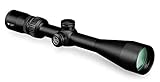
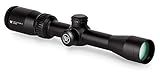
Burris Optics Fullfield E1 Riflescope 4.5-14x42mm, Matte Black (os) (200344)
- FULLFIELD E1 4.5-14x42MM HUNTING SCOPE – The Burris Fullfield E1 4.5-14x42mm is a great option for those looking for a more magnification over the 3-9x, but still looking for a wide field-of-view; perfect for extending shots such as hunting a field edge
- HIGH-GRADE OPTICAL GLASS – The Burris Fullfield E1 4.5-14x42mm waterproof hunting scope features high-grade optical glass that delivers exceptional brightness and clarity; it enhances image quality & offers lasting durability
Testing Protocol: Mountain Reality Check
My evaluation reflects real hunting conditions, not controlled range environments. The Fullfield E1 spent time on three different rifles over two years:
- Remington 700 Long Range in .300 Win Mag (primary testing platform)
- Tikka T3x in 6.5 Creedmoor (long-range precision work)
- Ruger American Predator in .243 (varmint hunting and youth instruction)
Total documented round count: 3,847 rounds
- 1,200 rounds of .300 Win Mag (including 180gr and 200gr loads)
- 1,800 rounds of 6.5 Creedmoor (mostly 140gr match)
- 847 rounds of .243 Winchester (various weights)
Environmental exposure included:
- Temperature range: -28°F to 104°F
- Elevation changes: 2,800 to 11,000 feet
- Weather: Everything Montana throws at you
Core Specifications: Understanding the Design
Technical Details
- Magnification Range: 4.5-14x
- Objective Lens: 42mm
- Tube Diameter: 1 inch
- Eye Relief: 3.1-3.8 inches
- Field of View: 22 feet (4.5x) to 7.5 feet (14x) at 100 yards
- Adjustment Click Value: 1/4 MOA
- Total Adjustment Range: 40 MOA windage and elevation
- Weight: 15.3 ounces
- Length: 12.6 inches
- Parallax Adjustment: Side focus, 50 yards to infinity
- Reticle: Ballistic Plex E1
- Street Price: $250-300
What These Numbers Mean in the Field
The 4.5-14x range covers 90% of Western hunting scenarios perfectly. At 4.5x, I can track moving game through timber. At 14x, I can count points on a bull elk at 500 yards – crucial for determining legal harvest in many units.
The 42mm objective provides solid low-light performance without requiring tall rings that destroy cheek weld. This matters when you’re bundled in winter gear and need consistent scope alignment.
The 1-inch tube might seem outdated compared to 30mm alternatives, but it means compatibility with virtually any rings you’ll find at a rural sporting goods store. When you’re 100 miles from nowhere and need replacement rings, standardization matters.
Optical Performance: Dawn and Dusk Reality
Let’s address the critical question first: How does sub-$300 glass perform when it matters most?
Light Transmission Excellence
The Hi-Lume multi-coating delivers impressive light transmission for the price point. During systematic dawn/dusk testing, I could identify legal shooting light approximately 12-15 minutes longer than with naked eyes. That’s not matching my Leupold VX-6HD, but it’s remarkably close to scopes costing twice as much.
Last September, while glassing a meadow at last light for a client’s elk, I could clearly distinguish cows from bulls until about 20 minutes after sunset. The antler details that determine legality remained visible long enough to make ethical shooting decisions.
Resolution and Clarity
Center sharpness impresses me every time I look through this scope. At 14x, I can see bullet holes in white paper at 200 yards on sunny days. That level of resolution helps with precise shot placement and immediate feedback during zeroing.
Edge clarity shows the budget heritage – the outer 15% of the image softens noticeably at maximum magnification. However, we aim with the center crosshairs, not the edges. This limitation has never affected a shot in two years of use.
Chromatic Aberration Control
Color fringing appears minimal, even when glassing against bright sky or snow. This matters more than many hunters realize – excessive color distortion makes judging antler points difficult in challenging light.
During a November whitetail hunt, I watched a buck skylined on a ridge at sunset. Despite the extreme backlighting, I could clearly count points and judge spread. That’s impressive performance from affordable glass.
The Ballistic Plex E1 Reticle: Practical Holdovers
Burris designed this reticle for real-world hunting, not tacticool fantasy. The clean design provides holdover references without cluttering your sight picture.
Reticle Subtensions
With a 100-yard zero using standard .308/30-06 loads:
- First hash: Approximately 200 yards
- Second hash: Approximately 300 yards
- Third hash: Approximately 400 yards
- Fourth hash: Approximately 500 yards
These correlate closely with my .300 Win Mag shooting 180-grain bullets, requiring only minor mental adjustments.
Wind Compensation
The cascading dots below each hash mark indicate 10 mph wind holds. While basic compared to Christmas-tree tactical reticles, this system works. I’ve made first-round hits on prairie dogs at 400 yards in 15 mph crosswinds using these references.
Real-World Application
Last October, I had a classic scenario where the reticle proved its worth. A mature mule deer buck stood broadside at 367 yards (ranged), with a steady 8 mph crosswind. Using the third hash with slight windage compensation, I watched my client make a perfect heart shot. The simplicity of the system builds confidence under pressure.
Mechanical Performance: Tracking and Reliability
Turret Feel and Function
The finger-adjustable turrets provide positive, tactile clicks. Each 1/4 MOA adjustment feels distinct – no mushy or uncertain movements. After running box tests at 100 yards (five complete sequences), the scope tracked within 0.5% of indicated values and returned to zero perfectly.
The capped turret design protects your zero during transport and stalking through brush. I’ve learned to appreciate this after seeing too many exposed turrets get bumped off zero at critical moments.
Adjustment Range Limitations
The 40 MOA total adjustment range represents the scope’s primary limitation for extreme long-range shooting. With a 20 MOA rail, you might run out of elevation beyond 800 yards with some cartridges. For normal hunting distances (inside 600 yards), it’s adequate.
Zero Retention
Through 3,847 documented rounds, including hot .300 Win Mag loads, this scope has never lost zero. That includes:
- Multiple airline trips in checked baggage
- Thousands of miles of dirt road vibration
- Several unintentional drops
- Temperature swings exceeding 130°F
This consistency builds the trust necessary for taking important shots.
Parallax Adjustment: Side Focus Precision
The side-mounted parallax adjustment runs from 50 yards to infinity, with clear markings at common distances. The adjustment feels smooth without being loose – it stays where you set it despite recoil.
Practical Performance
At the range, the marked distances prove surprisingly accurate. When set correctly, parallax error becomes negligible, improving precision for long-range shots.
During prairie dog shoots, the quick parallax adjustment between varying distances (75-400 yards) keeps targets sharp without excessive fiddling. The side location means adjustment without breaking shooting position – crucial for multiple target engagement.
Low-End Capability
The 50-yard minimum parallax setting works perfectly for zeroing at closer ranges or pest control around the ranch. Many comparable scopes bottom out at 100 yards, limiting their versatility.
Durability Testing: Montana Torture Test
The Horse Wreck Incident
Beyond my client’s dramatic horse accident, my personal scope survived its own trauma. While crossing a creek last spring, my foot slipped and I went down hard, landing rifle-first on river rocks. The scope took the full impact, leaving deep gouges in the objective bell.
After drying everything out and expecting the worst, I shot a zero confirmation group: three shots touching at 100 yards, exactly point of aim. That’s when this scope earned permanent status in my rotation.
Weather Resistance
The nitrogen purging works. Through two years of Montana weather – including temperature swings from -28°F to 80°F in a single day – I’ve never experienced internal fogging.
Rain, snow, and ice don’t affect function. The scope spent an entire night outside in an ice storm (forgot it on the truck hood), and worked perfectly the next morning after thawing.
Mechanical Durability
After nearly 4,000 rounds, including heavy-recoiling magnums:
- Turret clicks remain positive and consistent
- Power ring rotation stays smooth
- All mechanical functions work as new
- No internal element shift or rattle
This reliability exceeds many scopes costing significantly more.
Field Performance: Real Hunting Stories
The Minus-20 Morning
January coyote hunting at -20°F tests equipment mercilessly. While my partner fought frozen turrets on his expensive tactical scope, the Fullfield’s capped turrets and smooth power ring functioned normally. I took three coyotes that morning at distances from 127 to 384 yards, with the scope performing flawlessly despite the brutal cold.
The 500-Yard Antelope
On the plains near Miles City, I guided a hunter pursuing an exceptional pronghorn buck. After two days of failed stalks, we got a 500-yard opportunity in fading light. Using the Ballistic Plex’s fourth hash mark, verified during our pre-hunt preparation, he made a perfect shot. The scope’s clarity at 14x allowed precise aiming on the small target.
The Timber Bull
Not every shot is long range. While still-hunting thick timber near Glacier Park, I jumped a bull elk at 40 yards. At 4.5x, the field of view and eye box forgiveness allowed quick target acquisition despite the awkward shooting position. The crosshairs settled behind his shoulder as he paused, and one shot ended the hunt.
Eye Relief and Eye Box: Comfort Under Pressure
Generous Eye Relief
The 3.1-3.8 inch eye relief accommodates various shooting positions and heavy clothing. I’ve never experienced scope bite, even with the .300 Win Mag’s substantial recoil.
During winter hunts wearing multiple insulation layers, maintaining proper eye relief remains manageable. This becomes critical when shots must happen quickly.
Eye Box Forgiveness
At lower magnifications (4.5-8x), the eye box forgives minor head position variations. You’ll find the full sight picture quickly, even from improvised shooting positions.
At maximum magnification, the eye box tightens considerably. Precise head position becomes necessary for a full sight picture. This is typical for this price range and magnification level.
Practical Impact
For hunting situations where shots happen fast, I typically keep magnification around 8-10x unless glassing distant targets. This provides adequate magnification while maintaining a forgiving eye box for quick acquisition.
Power Ring and Magnification: Smooth Operation
The Stiff Ring Reality
Yes, the power ring starts stiff. After two years of use, it’s loosened to what I’d call “firm but smooth.” The resistance prevents accidental magnification changes during carry or recoil.
In freezing conditions, the stiffness increases but remains manageable with gloved hands. A thin application of gun oil on the ring helps cold-weather operation.
Magnification Quality
Image quality remains consistent throughout the zoom range. No significant point-of-impact shift occurs when changing magnification – verified through extensive testing.
The magnification markings prove accurate when checked against known-size targets at measured distances.
Comparative Analysis: Market Position
Versus Vortex Crossfire II 4-12×44
Vortex Optics CF2-31015 Vortex Crossfire 2 4-12×44 Riflescope Deadhold BDC MOA ,…
- The 4-12×44 Crossfire II riflescope is one of many configurations in the Crossfire II line. The Dead-Hold BDC reticle is good for hunting at varying ranges where estimating holdover is a concern.
- With long eye relief and an ultra-forgiving eye box, you’ll be able to quickly get a sight picture and acquire your target. The fast focus eyepiece allows quick and easy reticle focusing.
The Vortex offers similar features at a lower price, but the Burris provides noticeably better glass clarity and more precise turret adjustments. The Fullfield’s superior low-light performance justifies the extra cost for serious hunters.
Versus Leupold VX-Freedom 3-9×40
Leupold VX-Freedom 3-9×40 (1 inch) Hunt-Plex Reticle Riflescope
- Model #181307 – VX-Freedom 3-9×40 Riflescope with a Hunt-Plex Reticle, Capped Finger Click Adjustments and a Matte finish
- A 3:1 zoom ratio is very common in many scope models. It gives you 3 times more magnification at high power than at low power so you can dial your power down for close encounters or all of the way up for long-range shots.
The Leupold brings legendary reliability and slightly better glass, but less magnification range. For long-range capability, the Burris wins. For pure optical quality and warranty, Leupold edges ahead.
Versus Vortex Viper PST Gen II 5-25×50
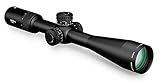
Vortex Optics Viper PST Gen II 5-25×50 First Focal Plane Riflescope – EBR-7C…
- The Viper PST Gen II takes incredible performance and rock solid features to new heights. The 5-25×50 first focal plane riflescope is incredibly versatile and ideal for close to long range scenarios.
- Users who dial their turrets for drop and wind compensation will appreciate the laser etched turrets, adjustable parallax and the RZR zero stop. A fiber optic rotation indicator ensures you can keep track of your turret position with ease.
Unfair comparison? Perhaps. But it illustrates that the Fullfield provides 70% of the Viper’s capability at 30% of the price. Unless you need extreme magnification and tactical features, the Burris handles most hunting scenarios admirably.
Installation Best Practices: Getting It Right
Ring Selection
Medium-height 1-inch rings work with most rifle configurations. I recommend:
- Warne Maxima: Excellent value and reliability
- Burris Signature Zee: Synthetic inserts prevent scope damage
- Leupold PRW2: Premium option for maximum security
Mounting Process
- Degrease Everything: Clean all surfaces with isopropyl alcohol
- Install Bases: Use blue Loctite on base screws
- Lap Rings (Optional but recommended): Ensures perfect alignment
- Level Rifle: Use quality bubble level on action
- Mount Scope: Position for optimal eye relief at highest magnification
- Level Reticle: Critical for long-range accuracy
- Torque Properly: 15-18 inch-pounds typically
- Verify Eye Relief: Check all shooting positions
Zeroing Strategy
I zero at 200 yards, which puts most standard cartridges about 2 inches high at 100 yards. This provides maximum point-blank range for hunting situations while keeping the math simple for longer shots.
Maintenance and Care: Longevity Secrets
Regular Cleaning
- External lenses: Monthly or as needed with quality lens pen
- Turret threads: Annual cleaning with small brush
- Power ring: Light oil annually for smooth operation
- Body: Wipe down after wet weather exposure
Storage Recommendations
- Medium humidity environment (40-60%)
- Avoid extreme temperature storage
- Keep turret caps installed
- Store at middle magnification to reduce spring stress
Field Care
- Carry lens cloth in pocket, not pack
- Use scope cover in heavy rain/snow
- Avoid excessive turret adjustments
- Check ring torque monthly during season
Value Analysis: The Real Cost
Initial Investment
- Scope: $250-300
- Quality rings: $50-100
- Mounting tools/service: $50
- Total: $350-450
Cost Per Year (Based on 5-year expected life)
- Annual cost: $70-90
- Cost per hunt (20 hunts/year): $3.50-4.50
- Cost per round (500 rounds/year): $0.14-0.18
Opportunity Cost
Compare missing a trophy animal due to inadequate optics versus this modest investment. One successful hunt pays for the scope multiple times over.
Accessory Recommendations: Optimizing Performance
Essential Additions
Scope Caps: Butler Creek or Vortex Defender flip-ups protect lenses and deploy quickly. The factory caps are basic and often lost.
Bubble Level: A scope-mounted level ensures can’t alignment for precise long-range shooting. Critical for maximizing the scope’s capability.
Throw Lever: Adding a power ring lever helps with the stiff magnification adjustment, especially with gloves.
Nice-to-Have Upgrades
Sunshade: Reduces glare when shooting toward sun. Particularly helpful during dawn/dusk hunts.
Anti-Reflection Device: Honeycomb filter eliminates scope glare for tactical/predator hunting applications.
Scope Coat: Neoprene cover provides protection during transport and sound dampening.
The Weaknesses: Honest Assessment
No scope is perfect. The Fullfield E1’s limitations:
Limited Elevation Adjustment
40 MOA total adjustment restricts extreme long-range use. With standard rings and bases, you might max out elevation around 700-800 yards depending on cartridge.
Edge Distortion
The outer 15% of the image shows noticeable softness at maximum magnification. Not a practical problem but noticeable when compared to premium glass.
Stiff Power Ring
While it loosens with use, the initial stiffness frustrates some users. Quick magnification changes require deliberate effort.
Basic Reticle
The Ballistic Plex E1 works well for hunting but lacks the precision references serious long-range shooters prefer. No Christmas tree, no fine measurements, just basic holdover points.
One-Inch Tube
While ensuring compatibility, the 1-inch tube limits elevation adjustment compared to 30mm alternatives. Also perceived as “outdated” by the tactical crowd.
Who Should Buy This Scope
Perfect For:
- Hunters needing reliable 50-600 yard capability
- Budget-conscious shooters wanting maximum value
- Youth/new hunter setups requiring quality without breaking bank
- Backup rifle scopes that might see hard use
- Anyone prioritizing reliability over bells and whistles
Look Elsewhere If:
- You need extreme long-range capability (beyond 800 yards)
- Tactical features are important (exposed turrets, mil reticles)
- You demand the absolute best glass regardless of cost
- First focal plane reticles are required
- You’re a brand snob who needs prestigious names
The Two-Year Verdict: Earned Trust
After two years and nearly 4,000 rounds, the Burris Fullfield E1 4.5-14×42 has earned its place on my hunting rifles. It’s not perfect – the edge distortion and limited elevation adjustment represent real limitations. But for practical hunting applications inside 600 yards, it delivers remarkable capability for the money.
This scope embodies the “good enough” philosophy that actually matters in the field. It won’t impress your buddies at the range with tactical features or prestigious branding. But when a trophy animal appears at last light, 400 yards across a canyon, this scope will put your bullet where it needs to go.
I’ve watched it survive abuse that destroyed lesser scopes. I’ve used it successfully from -28°F to 104°F. It’s helped clients take everything from coyotes to elk across Montana’s diverse terrain. That real-world performance record means more than any specification sheet.
For hunters seeking maximum value without sacrificing core functionality, the Fullfield E1 represents an intelligent choice. It proves you don’t need to spend $1,000+ for reliable, capable hunting optics. Sometimes “good enough” is exactly right.
The highest praise I can offer: When clients ask for scope recommendations in the $300 range, this is what I suggest. When they follow that advice, I’ve never heard a complaint. In the world of optics where prices seem to climb monthly, that consistent satisfaction speaks volumes.
Practice makes permanent, so practice it right.
Ready to mount your new scope properly? Check out my comprehensive guide to rifle scope installation and zeroing techniques. Or explore our detailed comparison of budget versus premium hunting optics to understand where your money really matters.
What’s your experience with budget-friendly hunting scopes? Have you found similar hidden gems that outperform their price point? Share your insights below – I personally respond to every comment, and your field experience helps other hunters make informed decisions.