Last summer, I was helping a rancher with a serious prairie dog problem that was decimating his alfalfa fields. We set up on a ridge overlooking a massive dog town, and he pulled out his .223 with what he called his “varmint scope”—a basic 3-9x that belonged on a deer rifle. At 300 yards, those prairie dogs looked like pepper flakes through his glass. After an hour of frustration and missed shots, I handed him my dedicated varmint rifle with a quality 6-24x scope. The difference was immediate—he could see individual dogs clearly, assess wind conditions, and make precise shots that his equipment had been preventing.
That day reminded me why varmint hunting demands specialized optics. Unlike big game hunting where a 200-yard shot is considered long, varmint hunting regularly involves precision shots at 300-500 yards on targets the size of a softball. Your scope isn’t just an accessory—it’s the critical component that determines whether you’ll control pest populations effectively or waste ammunition and time.
After 25 years of varmint hunting across Montana’s ranches and helping farmers protect their livelihood from destructive rodents, I’ve learned what makes a varmint scope truly effective. Here’s my guide to choosing glass that turns your rifle into a precision pest control tool.
Understanding Varmint Hunting Requirements
The Unique Demands of Varmint Shooting
Varmint hunting differs fundamentally from big game hunting in ways that directly impact scope selection. Understanding these differences helps explain why you can’t just use any hunting scope for effective varmint control.
Target Characteristics:
- Size: Prairie dogs, ground squirrels, and similar targets present kill zones of 2-4 inches
- Distance: Typical shots range from 200-500 yards, with some extending beyond 600 yards
- Behavior: Quick, unpredictable movement requires fast target acquisition
- Contrast: Earth-tone animals against similar backgrounds demand excellent optical resolution
Shooting Conditions:
- Volume: High round counts during active sessions
- Precision: Small targets demand sub-MOA accuracy
- Environment: Often shot in bright sunlight with mirage effects
- Time Pressure: Targets appear and disappear quickly
Why Standard Hunting Scopes Fall Short
Magnification Limitations: A 3-9x scope that works perfectly for deer becomes inadequate when prairie dogs look like dots at 400 yards.
Optical Resolution: The ability to distinguish small details becomes critical when your target zone is measured in inches rather than feet.
Tracking Precision: Varmint hunting often requires frequent scope adjustments as you engage targets at varying distances.
Heat Mirage Management: High magnification scopes must maintain clarity through atmospheric distortion common in varmint hunting conditions.
My Top Varmint Scope Recommendations
Best Overall: Athlon Argos BTR 6-24x50mm
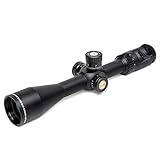
- 0.1 MIL Click Value, 18 MIL Total Adjustment, 10 yards to infinity Parallax adjustment
After extensive testing on Montana ranches, this Athlon consistently delivers the performance serious varmint hunters need. The 6-24x magnification range covers everything from close prairie dog colonies to long-range coyote shots.
Key Specifications:
- Magnification: 6-24x
- Objective: 50mm
- Tube: 30mm
- Reticle: APMR FFP IR MIL
- Weight: 30.3 oz
- Features: First focal plane, illuminated reticle, zero stop
Real-World Performance: Last season, I used this scope to help a wheat farmer eliminate a prairie dog colony that was destroying his crop. At 350 yards, I could clearly see individual dogs, assess their alertness level, and make precise shots even in challenging wind conditions.
Why It Excels: The first focal plane reticle remains accurate at all magnifications, crucial for varmint hunting where you might need to dial down for close shots or max out for distant targets. The 50mm objective gathers enough light for early morning and late evening sessions when many varmints are most active.
Field-Tested Durability: Through two seasons of ranch work, this scope has survived ATV vibration, temperature swings from 15°F to 95°F, and the inevitable bumps of working around farm equipment. Zero retention has been flawless.
Best for Durability: Vortex Viper HD 3-15x44mm
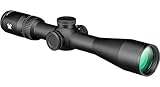
- Ruggedly built on a 30mm tube, the Viper HD 3-15×44 features a 5x optical design and an illuminated second focal plane reticle.
When reliability matters more than maximum magnification, this Vortex delivers professional-grade performance with proven durability. The HD glass provides exceptional clarity crucial for small target identification.
Key Specifications:
- Magnification: 3-15x
- Objective: 44mm
- Tube: 30mm
- Weight: 22.5 oz
- Features: HD glass, weather sealed, exposed turrets
Proven Reliability: I’ve used this scope through Montana’s harsh conditions—from spring snowstorms to summer heat that warps the horizon. It’s never fogged, never lost zero, and the optics remain crystal clear despite years of field use.
Tactical Heritage: Built to military specifications, this scope handles the abuse that comes with high-volume varmint shooting. The exposed turrets allow quick adjustments for varying distances common in prairie dog towns.
Best Lightweight: Maven CRS.1 3-12x40mm

For hunters who cover long distances on foot or prefer lighter rifle setups, this Maven offers excellent optical performance without the weight penalty of larger scopes.
Key Specifications:
- Magnification: 3-12x
- Objective: 40mm
- Tube: 1 inch
- Weight: 14.8 oz
- Features: Premium glass, precise tracking, compact design
Practical Applications: Perfect for calling coyotes where you might need to make quick shots at varying distances, or for ground squirrel hunting where you’re walking between colonies. The 12x maximum provides adequate magnification for most varmint scenarios.
Quality Construction: Don’t let the light weight fool you—this scope is built to last. The glass quality rivals much more expensive European optics, and the mechanical precision exceeds what you’d expect at this price point.
Best Budget Option: Barska AO Varmint 4-16x50mm

- Precision Aiming: The 4-16x magnification scope features 1/8 MOA click adjustments for precision accuracy.
For farmers and ranchers on tight budgets who still need effective pest control capability, this Barska provides functional performance at an accessible price.
Key Specifications:
- Magnification: 4-16x
- Objective: 50mm
- Tube: 1 inch
- Weight: 19.6 oz
- Features: Adjustable objective, multi-coated lenses
Value Assessment: While not offering the refinement of premium scopes, this Barska gets the job done for practical pest control. I’ve helped ranchers set up these scopes for farm use, and they provide adequate performance for controlling rodent populations.
Realistic Expectations: Perfect for shooting prairie dogs to 300 yards or ground squirrels to 250 yards. Beyond those distances, the optical limitations become apparent, but for typical ranch pest control, it’s entirely adequate.
Varmint Scope Selection Criteria
Magnification Range: Finding the Sweet Spot
Minimum Magnification (3-6x):
- Allows quick target acquisition in close prairie dog towns
- Provides wider field of view for scanning large areas
- Essential for shots inside 100 yards
Maximum Magnification (15-24x):
- Enables precise shot placement on small targets at distance
- Allows assessment of wind conditions through mirage
- Critical for ethical shots beyond 400 yards
Optimal Range: 4-16x or 6-24x covers most varmint hunting scenarios effectively.
My Experience: I’ve found that 90% of my varmint shots occur between 8x and 18x magnification. Higher powers are useful but not essential for most applications.
Objective Lens Size: Balancing Light and Weight
40mm Objectives:
- Lightweight and compact
- Adequate for most daylight varmint hunting
- Easier to mount and carry
44-50mm Objectives:
- Better low-light performance
- Improved resolution at high magnification
- Slightly heavier but worth it for serious use
Larger than 50mm:
- Unnecessary for most varmint applications
- Adds weight and bulk without proportional benefit
- May require higher mounting rings
Reticle Selection for Varmint Work
Simple Crosshairs:
- Fast target acquisition
- No reticle obstruction of small targets
- Easy to see in all lighting conditions
BDC Reticles:
- Useful for multiple distance engagement
- Must be calibrated to specific ammunition
- Can speed up shooting in active dog towns
Mil-Dot or MOA Reticles:
- Allow precise holdovers
- Useful for wind compensation
- Require more training to use effectively
My Preference: For serious varmint hunting, I prefer simple crosshairs or mil-dot reticles that don’t obscure small targets.
Optical Quality Requirements
Resolution: Must distinguish fine details at high magnification Color Fidelity: Important for spotting earth-tone animals against similar backgrounds Contrast: Critical for seeing targets in varying light conditions Edge Clarity: Varmint hunting often uses full field of view
Testing Method: I evaluate varmint scopes by their ability to clearly show a dime at 100 yards—roughly equivalent to a prairie dog’s vital zone at 400 yards.
Field Applications and Techniques
Prairie Dog Hunting Strategies
Setup Considerations: Prairie dog towns often span hundreds of acres, requiring systematic coverage. A quality varmint scope allows you to work methodically through colonies without constantly moving positions.
Distance Assessment: Most prairie dog shots occur between 200-400 yards. Your scope must provide clear target identification and precise aiming points throughout this range.
Wind Reading: High magnification scopes reveal mirage patterns crucial for accurate wind calls. I’ve learned to read atmospheric conditions through my scope as much as I watch flags.
Real Example: Last summer, I eliminated 47 prairie dogs from a single setup using the Athlon Argos BTR. The scope’s clarity allowed me to distinguish active from inactive holes, optimizing my shooting sequence.
Ground Squirrel Applications
Closer Range Work: Ground squirrels typically require shots from 100-300 yards. Lower magnification settings become more important for quick target acquisition.
Movement Patterns: These targets move erratically, requiring scopes with generous eye boxes for rapid sight picture acquisition.
Terrain Considerations: Ground squirrel hunting often involves uneven terrain where consistent cheek weld is challenging. Forgiving eye relief becomes critical.
Coyote and Fox Hunting
Calling Scenarios: When calling predators, shots can occur from 50-300 yards with little warning. Variable magnification scopes excel in these situations.
Low-Light Performance: Predators often appear during dawn and dusk periods when light-gathering capability becomes important.
Follow-up Shots: Coyotes may require quick follow-up shots, demanding scopes that maintain zero and provide fast target reacquisition.
Mounting and Setup Considerations
Ring Height Selection
Objective Clearance: Larger objective lenses require higher rings, but excessive height can affect shooting ergonomics.
Scope-to-Barrel Clearance: Ensure adequate clearance for the scope to function through its full magnification range.
Cheek Weld Consistency: Ring height directly affects your ability to maintain consistent shooting position.
My Setup: I prefer medium height rings for most varmint scopes, providing good clearance while maintaining natural head position.
Scope Leveling and Alignment
Critical for Varmint Work: Small targets at long range amplify any alignment errors. Proper scope leveling is essential for consistent accuracy.
Technique: I use a plumb line method, ensuring both the rifle and scope reticle are perfectly vertical before final tightening.
Verification: Box tests at 100 yards reveal any tracking or alignment issues before heading to the field.
Zeroing for Varmint Applications
Zero Distance Selection: Most varmint hunters benefit from a 200-yard zero, providing a relatively flat trajectory to 300 yards.
Ammunition Consistency: Varmint shooting demands consistent ammunition. I verify zero with the exact loads I’ll use in the field.
Environmental Factors: Zero your scope under conditions similar to your hunting environment—same temperature and elevation when possible.
Ammunition and Ballistics Considerations
Cartridge Selection Impact
.223 Remington:
- Most popular varmint cartridge
- Moderate recoil allows spotting hits
- Excellent barrel life for high-volume shooting
.22-250 Remington:
- Flatter trajectory than .223
- Higher velocity reduces wind drift
- Excellent long-range performance
6mm Cartridges:
- Superior long-range ballistics
- Better performance in wind
- Heavier bullets for larger varmints
Bullet Selection for Scope Performance
Match-Grade Accuracy: Varmint scopes reveal ammunition quality differences invisible with hunting scopes. Invest in consistent, accurate ammunition to realize your scope’s potential.
Trajectory Considerations: Flat-shooting loads minimize the need for holdover, allowing more precise scope use.
Terminal Performance: Ensure your ammunition provides clean kills on small targets—wounded varmints are both unethical and ineffective for pest control.
Environmental Factors and Scope Performance
Heat Mirage Management
Understanding Mirage: High magnification scopes reveal atmospheric distortion that affects bullet flight and target clarity.
Shooting Techniques: Learn to read mirage patterns for wind direction and velocity. Time shots during mirage lulls when possible.
Equipment Solutions: Some scopes handle mirage better than others. Quality coatings and optical design make a difference in challenging conditions.
Lighting Conditions
Dawn and Dusk: Many varmints are most active during low-light periods when scope light-gathering capability becomes critical.
Bright Sunlight: Glare control and contrast become important when shooting in harsh lighting conditions.
Overcast Conditions: Some scopes perform better than others in flat, low-contrast lighting common on overcast days.
Maintenance and Care for Varmint Scopes
High-Volume Shooting Considerations
Heat Management: Extended shooting sessions can affect scope performance. Allow cooling periods during intensive prairie dog sessions.
Recoil Effects: High round counts test scope durability. Quality scopes maintain zero through thousands of rounds.
Cleaning Requirements: Dusty ranch environments demand regular lens cleaning for optimal performance.
Storage and Transport
Vehicle Transport: ATV and truck transport subjects scopes to constant vibration. Secure mounting prevents damage.
Weather Protection: Lens caps and protective covers prevent damage during field transport.
Seasonal Storage: Proper storage prevents moisture damage during off-season periods.
Budget Considerations and Value Assessment
Entry Level ($200-400)
Scopes like the Barska provide basic varmint capability for occasional use. Adequate for ranch pest control but limited for serious varmint hunting.
Mid-Range ($400-800)
The sweet spot for most varmint hunters. Options like the Athlon Argos BTR provide professional performance at reasonable prices.
Premium ($800+)
High-end scopes offer superior optics and durability but may exceed most hunters’ actual needs for varmint applications.
Cost-Per-Varmint Analysis
Consider the long-term value of quality optics. A scope that enables successful pest control pays for itself through crop protection and ammunition efficiency.
Common Mistakes in Varmint Scope Selection
Over-Magnification
Many hunters assume more magnification is always better. Beyond 20x, atmospheric conditions often limit practical use.
Under-Budgeting
Varmint hunting demands precision that cheap scopes can’t deliver. Invest in adequate optics for effective pest control.
Ignoring Eye Relief
High-magnification scopes often have critical eye relief requirements. Test before buying.
Wrong Reticle Choice
Complex reticles can obscure small targets. Simple designs often work best for varmint applications.
Professional Pest Control Applications
Ranch and Farm Use
Economic Impact: Effective varmint control protects crops and reduces livestock feed competition. Quality scopes enable efficient pest management.
Liability Considerations: Accurate shots prevent property damage and ensure safe pest control operations.
Documentation: Some pest control contracts require shot accountability that only accurate equipment can provide.
Commercial Applications
Professional Standards: Commercial pest control operations demand reliable equipment that performs consistently.
Efficiency Requirements: Time is money in commercial operations. Quality scopes reduce ammunition waste and increase success rates.
Client Expectations: Professional services require professional equipment to maintain credibility.
Final Recommendations by Application
For Serious Prairie Dog Hunters: Athlon Argos BTR 6-24x50mm provides the magnification and clarity needed for long-range precision on small targets.
For Mixed Varmint Hunting: Vortex Viper HD 3-15x44mm offers versatility for everything from close coyote calls to distant ground squirrel shots.
For Weight-Conscious Hunters: Maven CRS.1 3-12x40mm delivers excellent performance without the bulk of larger scopes.
For Budget-Conscious Farmers: Barska AO Varmint 4-16x50mm provides adequate pest control capability at an accessible price.
Grandfather’s Wisdom on Precision
My grandfather used to say, “You can’t hit what you can’t see clearly.” In varmint hunting, this truth becomes magnified—literally. Small targets at long range demand optical precision that reveals details invisible to the naked eye.
The difference between a good varmint scope and a great one often determines whether you’ll successfully control pest populations or waste time and ammunition on missed opportunities. Quality glass isn’t an expense—it’s an investment in effective hunting and responsible stewardship.
Remember: Practice makes permanent, so practice with the equipment you’ll use in the field. Learn your scope’s capabilities and limitations. Understand how environmental conditions affect your shooting, and always make ethical shots based on your equipment’s true capabilities, not wishful thinking.
The wilderness—and the farmers depending on your pest control—don’t care about your scope’s price tag. They only care whether you can make the shot when it counts.
Keep your shots precise, Flint Marshall Moosir.com
Looking for more precision shooting guidance? Check out our guides on [long-range shooting fundamentals] and [choosing the right rifle cartridge]. Remember, effective varmint hunting combines quality equipment with practiced skill.