Three seasons ago, I was guiding a client on a trophy elk hunt in the Bob Marshall Wilderness when his scope shifted during a critical shot opportunity. The bull was standing broadside at 280 yards—a perfect presentation—but the scope had moved just enough to send the bullet high. We lost that elk, and I learned a hard lesson about the importance of quality scope rings that I’ll never forget.
Your scope might be worth three thousand dollars, but without proper rings to secure it, you’re carrying expensive deadweight. After 25 years of guiding hunters across Montana’s diverse terrain and countless hours on the range perfecting long-range shooting techniques, I’ve mounted more scopes than most gunsmiths see in a year. Some rings have proven themselves worthy of my trust, while others have failed when it mattered most.
The wilderness doesn’t care about your budget or brand preferences—it only cares whether your equipment performs when the moment of truth arrives. Through military service, professional guiding, and thousands of rounds downrange, I’ve identified the scope rings that consistently deliver when everything is on the line.
The Foundation of Accuracy: Why Scope Rings Matter More Than You Think
During my Ranger days, we had a saying: “Your weapon system is only as strong as its weakest link.” In the civilian hunting world, scope rings often represent that weak link. I’ve seen hunters spend five thousand dollars on a rifle and scope combination, then mount it with twenty-dollar rings from a bargain bin.
That’s like building a custom home on a foundation of sand. The best scope in the world becomes useless if it can’t hold zero, and the finest rifle won’t deliver precision if the scope shifts under recoil. Quality rings don’t just hold your scope—they become an integral part of your weapon system that either enhances or destroys your accuracy potential.
My grandfather taught me that good equipment pays for itself over time, while cheap equipment costs you opportunities. Nowhere is this more true than with scope rings. The pain of paying for quality equipment fades quickly, but the regret of missing a once-in-a-lifetime shot because of equipment failure lasts forever.
Field-Tested Champions: The Rings That Have Earned My Trust
Best Overall: Vortex Precision Matched Rings – The Montana Standard
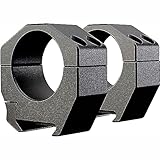
- These Vortex Precision Matched Rings position the center of the riflescope tube at a height of 0.97 inches (24.64 mm) from the base. Will only work with Picatinny spec mounts—will not work with Weaver mounts.
When I need absolute reliability for my personal hunting rifles, these rings get the call. Mounted on my custom .300 Winchester Magnum that’s accompanied me on hunts from Alaska’s Brooks Range to Montana’s Crazy Mountains, they’ve never shifted zero despite thousands of rounds and countless pack trips through unforgiving terrain.
What Makes Them Special:
- Matched pair manufacturing ensures perfect alignment without lapping
- USA-made 7075-T6 aluminum construction survives extreme conditions
- Grade 8 fasteners provide bomber-proof mounting security
- .0005-inch tolerance eliminates scope stress and alignment issues
Real-World Performance: Last October during a late-season mule deer hunt near the Beartooth Mountains, I took a 380-yard shot on a mature buck after hiking eight miles through rocky terrain. Despite the rough pack-in and a hard fall crossing a scree field, the scope held perfect zero. That’s the kind of reliability you need when hunting opportunities are limited and shots count.
The precision machining eliminates the need for lapping, saving time and ensuring your scope isn’t stressed during mounting. I’ve mounted everything from lightweight hunting scopes to massive tactical optics on these rings without a single issue.
Best For: Serious hunters and shooters who demand maximum reliability and are willing to invest in proven performance.
Best for Mountain Hunting: ZEISS Precision Ultralight – The Alpine Specialist

- 1.0-inch / 25.4-mm
- REFINED DESIGN: Compact and refined design, with low-profile, non-snagging hardware; Type 303 stainless steel top cap screws with black oxide finish; Micro-radiused on all machined leading edges to ensure a non-marring design
Weight matters when you’re climbing mountains, and every ounce counts during grueling pack hunts. These rings have accompanied me on numerous high-altitude hunts where reducing pack weight can mean the difference between success and exhaustion.
Lightweight Excellence:
- 50% lighter than steel rings without sacrificing strength
- Integrated anti-cant bubble level for precise shooting on uneven terrain
- Micro-radiused edges prevent scope tube damage
- Type III hard anodizing resists wear and corrosion
Mountain-Tested Durability: During a sheep hunt in the Absaroka Range, these rings endured everything from near-freezing dawn temperatures to blazing afternoon sun, plus a nasty spill when I lost footing on loose shale. The integrated bubble level proved invaluable for ensuring level shots on the steep terrain that defines Montana mountain hunting.
The lightweight construction doesn’t compromise strength—I’ve tested these rings with heavy-recoiling magnums without any zero shift or mechanical failure. When ounces equal pounds and pounds equal pain, these rings deliver professional performance without the weight penalty.
Best For: Mountain hunters, backcountry enthusiasts, and anyone who values weight savings without performance compromise.
Best for Heavy Magnums: Nightforce X-Treme Duty MultiMount – The Recoil Master
When I guide hunters using heavy magnums like .338 Lapua or .416 Rigby for dangerous game preparation, only the most robust mounting systems survive. This mount has absorbed punishment that would destroy lesser rings while maintaining absolute zero retention.
Heavy-Duty Construction:
- 7075-T6 aluminum with titanium crossbolts for maximum strength
- Multiple Picatinny rail positions for accessory mounting
- User-configurable design adapts to various shooting requirements
- Proven performance under extreme recoil conditions
Dangerous Game Ready: I’ve used this mount system while helping clients prepare for African hunts, where equipment failure isn’t just inconvenient—it’s potentially dangerous. The multiple rail positions allow mounting of backup red dots, rangefinders, or other accessories while maintaining primary scope zero.
The titanium hardware shows no wear even after thousands of rounds of punishing recoil. This level of construction represents what’s possible when manufacturing isn’t constrained by budget limitations—it’s simply built to never fail.
Best For: Dangerous game hunters, long-range precision shooters, and anyone using powerful magnum cartridges.
Best Tactical Solution: Burris XTR Signature Rings – The Precision Platform

- DUAL STEEL CLAMPS – The Xtreme Signature Rings feature unique, self-centering dual steel clamps with a full cross-through connection; This innovative design ensures proper centering on any width Picatinny rail while adding extra strength
For precision shooting where sub-MOA accuracy is the standard, these rings have consistently delivered. The innovative insert system allows elevation adjustments without expensive tapered bases, making them ideal for long-range work.
Precision Features:
- Self-centering design eliminates scope stress
- Pos-Align insert system provides up to 40 MOA elevation adjustment
- Steel clamps with aluminum bodies balance strength and weight
- Zero scope tube damage through polymer insert technology
Long-Range Excellence: I’ve used these rings for precision rifle courses and long-range hunting scenarios where first-round hits at extended distances are critical. The ability to dial in precise elevation adjustments without changing bases has saved countless hours of range time.
The insert system allows fine-tuning that would be impossible with traditional rings. When working with clients on long-range precision, these rings provide the adjustment capability necessary for optimal ballistic solutions.
Best For: Precision rifle competitors, long-range hunters, and shooters requiring maximum adjustment capability.
Best Quick-Detach: American Defense AD-RECON – The Tactical Workhorse
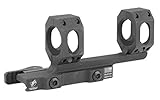
- Does not require proprietary tools for adjustment
When I need to quickly switch between different optics on the same rifle or remove scopes for transport, these QD rings have proven their worth through countless mount-and-dismount cycles.
Quick-Change Capability:
- Tool-less QD operation with excellent return-to-zero
- Dual-lever system provides secure lockup
- 2-inch forward cantilever optimizes eye relief
- Superior rail interface accommodates various rail specifications
Professional Applications: During training scenarios where rapid optic changes are required, these rings consistently return to zero within acceptable tolerances. The auto-lock lever system provides positive engagement feedback—you know instantly whether the mount is properly secured.
I’ve tested these rings through hundreds of removal and installation cycles, and they maintain consistent point of impact better than any other QD system I’ve used. When you need the flexibility of removable optics without sacrificing accuracy, these rings deliver.
Best For: Tactical shooters, competition participants, and anyone requiring frequent optic changes with reliable return-to-zero.
Best Versatile Choice: Vortex Pro Series Rings – The All-Around Performer

- These Vortex Pro Series Rings position the center of the riflescope tube at a height of 1.0 Inches (25.4 mm) from the base. Sold two rings per package. Made in the USA.
For hunters and shooters who need one set of rings to handle various applications, these have proven their versatility across multiple platforms and shooting disciplines.
Adaptable Design:
- Compatible with both Picatinny and Weaver rails
- Laser-engraved torque specifications prevent installation errors
- Integrated recoil lug enhances stability
- Multiple height options accommodate various scope configurations
Multi-Platform Testing: I’ve mounted these rings on everything from lightweight hunting rifles to heavy tactical platforms. The dual rail compatibility means they work with older hunting rifles as well as modern precision guns, making them ideal for shooters with multiple firearms.
The integrated recoil lug provides additional security that becomes apparent during rapid-fire strings or heavy recoil situations. When you need rings that perform consistently across different applications, these deliver reliable results.
Best For: Multi-gun owners, hunters with diverse needs, and shooters wanting maximum versatility.
Best Lightweight: Nightforce X-Treme Duty Ultralite – The Weight-Saver Champion

- 7075-T6 HARD-ANODIZED ALUMINUM – Crafted of machined 7075-T6 hard anodized aluminum, with titanium crossbolts and jaws, they give you the performance of steel at half the weight; this unique construction provides strength well beyond that normally found in lightweight rings
When building ultralight hunting rifles for extended backcountry hunts, these rings provide maximum strength at minimum weight without compromising the precision I demand.
Weight-Conscious Engineering:
- 50% lighter than steel rings through advanced metallurgy
- Titanium crossbolts and jaws maximize strength-to-weight ratio
- Zero-gap design eliminates scope stress
- Precision machining eliminates lapping requirements
Backcountry Proven: During extended pack hunts where every ounce matters, these rings have proven that lightweight doesn’t mean weak. The titanium-aluminum hybrid construction provides strength that rivals much heavier rings while keeping overall rifle weight manageable.
I’ve carried rifles mounted with these rings on week-long wilderness hunts without any shift in zero or mechanical failure. When you’re already carrying everything you need to survive in the wilderness, reducing equipment weight without sacrificing performance becomes critical.
Best For: Ultralight rifle builds, extended backcountry hunts, and weight-conscious precision shooters.
Best Budget Option: Monstrum Precision V2 – The Value Champion

- Each set of scope rings is precision crafted to a given height specification. Choose the height that matches your particular rifle setup and preferred cheek weld.
Not every shooter needs premium rings, and these have surprised me with their performance-to-price ratio. While they lack some refinements of expensive rings, they accomplish their primary mission reliably.
Budget-Friendly Performance:
- 6061 aircraft-grade aluminum construction
- Type III anodized finish resists wear
- Torx screw system prevents installation damage
- Multiple height options accommodate various scopes
Value Proposition: I’ve equipped several client rifles with these rings when budget constraints limited options. They’ve held zero through hunting seasons and range sessions, proving that adequate performance doesn’t always require premium pricing.
While they don’t offer the refinements of expensive rings, they perform their basic function reliably. For hunters on tight budgets or those building their first precision rifle, these rings provide a solid foundation.
Best For: Budget-conscious shooters, first-time precision rifle builders, and hunters needing reliable basic performance.
Critical Selection Factors: Choosing the Right Rings for Your Mission
Material Considerations
Modern scope rings are primarily manufactured from aluminum or steel, with high-grade aluminum offering the best balance of strength, weight, and cost. The key specification is 7075-T6 aluminum, which provides strength approaching steel while weighing significantly less.
Material Guidelines:
- 7075-T6 Aluminum: Best overall choice for most applications
- 6061 Aluminum: Adequate for lighter recoiling rifles
- Steel: Still relevant for extreme recoil applications
- Titanium Components: Premium option for weight-conscious builds
During my military service, we learned that weight savings in non-critical components allows you to carry more essential gear. Quality aluminum rings free up weight budget for ammunition, survival equipment, or other necessities.
Height Selection Science
Proper ring height ensures adequate scope clearance while maintaining optimal cheek weld. Too low creates barrel interference, while too high compromises shooting ergonomics and scope adjustment range.
Height Selection Process:
- Measure from rail top to barrel high point
- Add half your objective lens diameter
- Include 1/16-inch minimum clearance
- Consider scope adjustment requirements
- Test with actual scope before final mounting
I always test fit scopes before final mounting using temporary rings or by hand-holding the scope in position. This prevents expensive mistakes and ensures optimal scope positioning.
Torque Specifications and Installation
Proper torque prevents both over-tightening damage and under-tightening failures. Most quality rings specify torque values, and following these specifications ensures optimal performance and longevity.
Torque Guidelines:
- Base screws: 30-65 inch-pounds (varies by manufacturer)
- Ring screws: 15-25 inch-pounds (most common range)
- Cross-pattern tightening: Ensures even pressure distribution
- Final verification: Check all fasteners after initial shooting session
I always use a calibrated torque wrench for scope mounting. The few dollars invested in proper tools prevents thousands of dollars in damaged equipment and missed opportunities.
Return-to-Zero Requirements
Quick-detach rings must consistently return to the same point of impact after removal and reinstallation. This capability comes at a premium but proves invaluable for certain applications.
QD Performance Standards:
- First-shot accuracy within 0.5 MOA of original zero
- Consistent performance through multiple cycles
- Positive lockup with no play or movement
- Easy operation under field conditions
During training exercises where optic changes are required, QD rings that don’t return to zero become liability rather than asset. Invest in proven QD systems if this capability is mission-critical.
Advanced Mounting Techniques from the Field
Stress-Free Installation
Proper installation prevents scope damage and ensures optimal performance. The goal is secure mounting without inducing stress that could affect scope function or accuracy.
Installation Protocol:
- Clean all surfaces with degreasing solvent
- Apply thread locker to base screws only
- Install bottom ring halves and verify alignment
- Place scope and adjust for proper eye relief
- Install top ring halves and torque gradually in cross pattern
- Verify level using precision bubble level
- Test function through complete elevation and windage range
I always check scope tracking after mounting to ensure the installation hasn’t induced stress that affects adjustment performance. A properly mounted scope tracks perfectly throughout its adjustment range.
Environmental Considerations
Montana’s extreme weather conditions test equipment beyond manufacturer specifications. Temperature swings of 60 degrees between dawn and afternoon, sudden storms, and altitude changes all affect equipment performance.
Weather Preparation:
- Use thread locker rated for temperature extremes
- Verify zero at different temperatures
- Protect mounting hardware from corrosion
- Allow thermal expansion/contraction in mounting system
- Test performance in various weather conditions
I’ve seen scope mounts fail during temperature extremes because thermal expansion wasn’t considered during installation. Quality rings and proper installation techniques prevent these failures.
Maintenance and Inspection
Regular inspection prevents catastrophic failures and ensures continued accuracy. Developing inspection habits extends equipment life and maintains reliability.
Inspection Schedule:
- Pre-hunt: Check all fasteners and verify zero
- Weekly during season: Visual inspection for obvious problems
- Post-season: Complete disassembly, cleaning, and inspection
- Annual: Professional inspection if heavily used
- After incidents: Immediate inspection following drops or impacts
I learned this discipline during military service, where equipment inspection wasn’t optional—it was survival. The same principle applies to hunting equipment, where failure can ruin expensive hunts or dangerous situations.
Scope Ring Myths and Misconceptions
The Steel vs. Aluminum Debate
Many older hunters insist steel rings are superior to aluminum, but modern metallurgy has largely eliminated this advantage. Quality aluminum rings perform as well as steel while offering significant weight savings.
Modern Reality:
- High-grade aluminum matches steel strength in most applications
- Weight savings improve overall rifle handling
- Aluminum resists corrosion better than steel
- Precision manufacturing matters more than raw material choice
During precision rifle competitions, most top shooters use aluminum rings because performance has proven equal to steel. The weight savings and corrosion resistance provide additional benefits without performance compromise.
Lapping Requirements
Modern precision-manufactured rings rarely require lapping, and improper lapping can actually damage rings and scopes. This practice became necessary with older manufacturing techniques but isn’t needed with quality modern rings.
Lapping Reality:
- Quality rings with tight tolerances don’t require lapping
- Improper lapping damages ring finish and dimensional accuracy
- Matched rings eliminate alignment issues that lapping addressed
- Budget rings may still benefit from professional lapping
I haven’t lapped rings in over a decade because quality rings are manufactured to tolerances that eliminate this requirement. Invest in quality rings instead of trying to fix cheap ones through lapping.
Overtorquing Misconceptions
More torque doesn’t equal better performance. Overtorquing damages both rings and scopes while creating stress that affects accuracy. Proper torque provides adequate clamping force without inducing damage.
Torque Facts:
- Manufacturer specifications provide optimal clamping force
- Overtorquing can damage scope tubes permanently
- Proper torque allows thermal expansion without loosening
- Stress-induced accuracy problems are permanent once created
I’ve seen expensive scopes ruined by well-meaning gunsmiths who thought more torque meant better performance. Follow manufacturer specifications and verify with proper torque measurement tools.
Building Your Complete Mounting System
Base Selection Importance
Quality rings require quality bases to perform optimally. The base-ring interface must provide solid attachment points and proper alignment for the complete system to function.
Base Considerations:
- Material and manufacturing quality should match ring standards
- Proper height for intended scope and rifle combination
- Recoil resistance appropriate for cartridge being used
- Compatibility with chosen ring system
I always purchase bases and rings as a system, ensuring compatibility and performance standards match throughout the mounting solution. Mixing quality levels creates weak points that can cause system failure.
Tool Requirements
Proper tools ensure correct installation and prevent damage during mounting. These aren’t areas where improvisation or substitution works—invest in correct tools or have the work done professionally.
Essential Tools:
- Calibrated torque wrench with appropriate range
- Quality hex keys or Torx drivers
- Precision bubble level for scope alignment
- Degreasing solvent for surface preparation
- Thread locker rated for firearm applications
Optional but Helpful:
- Scope alignment rods for verification
- Digital calipers for measurement
- Gun vise for secure work holding
- Magnifying light for detail work
During my gunsmithing training, I learned that correct tools prevent more problems than they solve. The investment in proper tools pays for itself through prevented damage and professional results.
System Integration
Your scope mounting system must integrate with your rifle’s intended use and your shooting requirements. Consider the complete system rather than individual components.
Integration Factors:
- Rifle weight and balance with mounted scope
- Shooting positions and ergonomic requirements
- Environmental conditions where rifle will be used
- Maintenance requirements and field serviceability
- Backup sight integration if required
I approach each mounting job as a system design project, considering how all components work together to meet specific requirements. This systematic approach prevents problems and optimizes performance.
Troubleshooting Common Ring Problems
Zero Shift Diagnosis
When scopes lose zero, systematic diagnosis identifies the problem source quickly. Many factors can cause zero shift, and proper troubleshooting prevents misdiagnosis.
Diagnostic Process:
- Verify scope adjustments haven’t moved
- Check all ring and base fasteners for tightness
- Inspect rings for damage or wear
- Examine scope for internal damage
- Test with known-good ammunition
- Check barrel contact points for interference
I always start with the simplest explanations before assuming complex problems. Loose fasteners cause more zero shifts than mechanical failures, but they’re easily overlooked during problem diagnosis.
Installation Problems
Improper installation creates problems that may not appear immediately. Understanding common installation errors helps prevent future problems.
Common Installation Errors:
- Insufficient surface preparation before mounting
- Incorrect torque application or sequence
- Misaligned rings causing scope stress
- Inadequate thread locker on base screws
- Improper scope positioning affecting eye relief
I’ve corrected more installation problems caused by shortcuts than any other mounting issue. Taking time to do installation correctly prevents most common problems.
Material Failures
While rare with quality components, material failures do occur. Understanding failure modes helps identify problems before they become critical.
Failure Warning Signs:
- Visible cracks in ring or base material
- Fasteners that won’t maintain proper torque
- Scoring or damage to scope tube
- Excessive wear on contact surfaces
- Movement between components under normal use
When I identify material failures, I replace the entire mounting system rather than trying to repair individual components. Scope mounting isn’t an area where partial fixes are acceptable.
Seasonal Maintenance and Care
Pre-Season Preparation
Before each hunting season, thorough inspection and maintenance prevents field failures. This routine inspection identifies problems before they affect hunting success.
Pre-Season Checklist:
- Complete disassembly and cleaning of mounting system
- Inspection for wear, damage, or corrosion
- Retorquing all fasteners to specifications
- Verification of zero with hunting ammunition
- Function testing through complete adjustment range
- Documentation of any changes or observations
I treat this seasonal maintenance as seriously as rifle cleaning and ammunition preparation. Equipment failures during hunting season are preventable through proper maintenance.
Post-Season Storage
Proper storage prevents deterioration during off-season periods and extends equipment life. Montana’s extreme weather conditions make storage preparation critical.
Storage Preparation:
- Complete cleaning and inspection
- Light oil coating on metal surfaces
- Moisture control in storage environment
- Documentation of current zero and settings
- Secure storage preventing physical damage
I remove scopes from rifles during long-term storage to prevent constant compression stress on rings and mounts. This practice extends component life and ensures optimal performance when equipment is needed.
Field Maintenance
During extended hunts, basic maintenance prevents problems and ensures continued reliability. Field maintenance focuses on inspection and basic cleaning rather than major adjustments.
Field Maintenance Tasks:
- Daily visual inspection for obvious problems
- Cleaning of accessible surfaces
- Fastener tightness verification
- Function checking of adjustment systems
- Protection from environmental damage
I carry basic tools for field maintenance but avoid major adjustments in field conditions. Complex work is better left for workshop conditions with proper tools and controlled environment.
Looking Forward: The Future of Scope Mounting
Technology Improvements
Scope ring technology continues advancing, with improvements in materials, manufacturing precision, and user features. Understanding these developments helps make informed purchasing decisions.
Current Innovations:
- Advanced alloy development for improved strength-to-weight ratios
- Precision manufacturing reducing tolerances to near-perfect levels
- Integrated features like built-in levels and adjustment systems
- Improved corrosion resistance through advanced surface treatments
- Quick-detach systems with enhanced return-to-zero capability
Future Developments:
- Smart mounting systems with integrated sensors
- Advanced materials from aerospace applications
- Improved manufacturing techniques reducing costs
- Enhanced environmental resistance
- Integration with digital scope systems
While new technology is interesting, proven performance remains the most important factor. I prefer equipment with track records over cutting-edge features that haven’t been field-tested.
Selection Philosophy
With so many options available, selection philosophy becomes more important than specific product knowledge. Understanding what you need helps navigate the choices available.
Selection Principles:
- Match quality level to application requirements
- Invest in proven performance over experimental features
- Consider total system cost rather than component prices
- Prioritize reliability over convenience features
- Choose based on actual needs rather than theoretical requirements
My selection philosophy developed through years of seeing what works and what fails under real-world conditions. Proven reliability trumps marketing claims and theoretical advantages.
Final Recommendations: Choose Wisely and Mount Properly
After mounting thousands of scopes and testing equipment across Montana’s demanding conditions, I’ve learned that scope rings are force multipliers—they either enhance your rifle’s potential or limit its performance. The difference between adequate and exceptional rings becomes apparent when conditions are challenging and performance matters most.
For most hunters and shooters, the Vortex Precision Matched Rings represent the best balance of performance, reliability, and value. Their precision manufacturing eliminates common problems while providing the dependability needed for serious hunting applications. I trust these rings on my personal hunting rifles because they’ve never failed when it mattered.
However, the best rings are the ones that match your specific requirements and shooting applications. A mountain hunter needs different features than a long-range competitor, and a dangerous game hunter has different priorities than a target shooter. Understanding your needs helps navigate the available options.
Remember my grandfather’s wisdom: “The best equipment is the equipment you can depend on completely.” Quality scope rings become invisible when they work properly—you never think about them because they simply do their job. That’s the kind of equipment worth investing in, because when that shot opportunity arrives, you want to be thinking about making a perfect shot, not worrying about equipment failure.
Practice makes permanent, so practice it right. Quality scope rings are the foundation that makes consistent practice and reliable performance possible. Choose wisely, install properly, and maintain thoroughly. Your success in the field depends on it.
Ready to build a complete precision rifle system? Explore our guides to scope selection, rifle accuracy fundamentals, and long-range shooting techniques. At Moosir, we’re committed to helping you master the complete system approach to precision shooting while honoring the traditions that make hunting and shooting sports meaningful.