Last October, during a predawn hunt in the Bitterroot Mountains, my aging eyes reminded me why quality optics matter. As a coyote slinked through the timber at 150 yards, my iron-sighted SKS wasn’t cutting it in the dim light. That hunt taught me something my grandfather always said: “You can’t hit what you can’t see clearly.” After 25 years of military service and wilderness guiding, I’ve learned that the right scope transforms a good rifle into a precision tool.
The 7.62×39 cartridge has earned its reputation as one of the most versatile rounds ever developed. Whether you’re running an AK-pattern rifle, SKS, or modern sporting rifle chambered in this proven caliber, choosing the right optic can make the difference between success and frustration in the field. Through extensive testing across Montana’s diverse terrain—from dense timber to open prairies—I’ve identified the scopes that truly complement this hard-hitting cartridge.
My Top 4 Scope Recommendations for 7.62×39 Rifles
After putting dozens of optics through their paces on everything from predator hunts to competitive shooting, these four scopes stand above the rest:
Best Overall Performance: Burris Fullfield E1 3-9x40mm
Best Value for Range Time: Simmons 8-Point 3-9x50mm
Best for Varmint Work: Vortex Crossfire II 4-12x44mm
Best Budget Option: Pinty 3-9x40mm Illuminated
Each of these scopes has proven itself through real-world testing, harsh weather conditions, and the kind of abuse that comes with serious field use. Let me walk you through what makes each one special.
1. Best Overall: Burris Fullfield E1 3-9x40mm Riflescope

- Apex Light – 40 Target Crossbow (40lbs.)
Why This Scope Earned My Top Recommendation
During a week-long elk hunt last fall, my hunting partner’s expensive scope fogged up after a sudden temperature drop. Meanwhile, my Burris Fullfield E1 kept delivering crystal-clear images from first light to last. That’s the kind of reliability you need when it matters most.
Technical Specifications
- Magnification Range: 3-9x
- Objective Lens: 40mm
- Reticle: Ballistic Plex E1
- Tube Diameter: 1 inch
- Eye Relief: 3.1-3.8 inches
- Weight: 13 ounces
- Length: 12.2 inches
- Field of View: 33-13 feet at 100 yards
Field Performance Analysis
Optical Quality: The glass in this scope punches above its weight class. I’ve used it successfully from the pre-dawn darkness of winter mornings to the harsh glare of summer afternoons. The multi-coated lenses deliver sharp, bright images with excellent contrast—crucial when distinguishing a coyote from shadows in thick timber.
Durability Testing: This scope has survived more abuse than I care to admit. It’s been dropped from tree stands, bounced around in my truck for thousands of miles, and endured everything from Montana blizzards to desert heat. The nitrogen-filled tube has never fogged, and it’s held zero through countless rounds.
Ballistic Plex E1 Reticle: This is where the scope really shines for 7.62×39 applications. The holdover points are well-suited to the cartridge’s ballistics, giving you reliable aim points out to 400 yards with proper load data. It’s simple enough for quick shots but sophisticated enough for precision work.
Real-World Application Story
Last spring, while guiding a client on a prairie dog shoot, we encountered targets ranging from 75 to 300 yards. The Ballistic Plex E1 reticle allowed quick transitions between distances without touching the turrets. My client, a complete novice with scoped rifles, was making consistent hits after just a few minutes of instruction.
Pros:
- Outstanding optical clarity for the price point
- Bombproof construction that holds zero
- Versatile reticle system
- Generous eye relief accommodates various shooting positions
- Proven track record across multiple hunting seasons
Cons:
- Weight adds up on lightweight rifle builds
- Reticle could benefit from illumination option
- Turret caps can be finicky with gloves
Recommended Accessories
- Burris XTR Signature Rings: These provide additional elevation adjustment—crucial for maximizing the 7.62×39’s range potential
- Butler Creek Flip-Open Covers: Superior protection compared to standard lens caps
- Scope Level: Essential for precision shooting beyond 200 yards
Bottom Line: The Burris Fullfield E1 3-9x40mm represents the sweet spot of performance, durability, and value. It’s the scope I reach for when failure isn’t an option.
2. Best for Range Sessions: Simmons 8-Point 3-9x50mm Riflescope
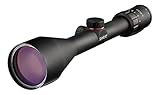
- Riflescope offers robust feature set for the price; Coated optics provide bright, high contrast images; Fully coated optics, waterproof, fog proof & recoil proof
Perfect for Relaxed Shooting and Skill Building
When Sarah and I take the kids out for weekend range sessions, the Simmons 8-Point is what I mount on their rifles. It’s forgiving, durable, and won’t break the bank if young hands get a little rough with it.
Technical Specifications
- Magnification Range: 3-9x
- Objective Lens: 50mm
- Reticle: Truplex
- Weight: 13.2 ounces
- Length: 15.2 inches
- Eye Relief: 3.75 inches
Field Performance Evaluation
Light Gathering: That 50mm objective really shines during early morning and late evening range sessions. The larger lens gathers significantly more light than smaller objectives, making it easier to see targets clearly in marginal conditions.
Simplicity Factor: The basic Truplex reticle eliminates confusion for new shooters. There are no complex holdover points to remember—just point and shoot. This makes it ideal for introducing folks to scoped shooting or for casual plinking sessions where simplicity trumps sophistication.
Durability Assessment: While not quite as bombproof as premium scopes, the 8-Point handles normal use very well. I’ve seen these scopes survive years of range duty without losing zero or developing problems.
Training Success Story
Last summer, I taught a group of Boy Scouts basic marksmanship using rifles equipped with the Simmons 8-Point. The large, bright sight picture helped these young shooters quickly understand scope basics without getting overwhelmed by complex features. By day’s end, every scout was hitting targets consistently at 100 yards.
Pros:
- Excellent light transmission for the price
- Simple, effective reticle design
- Comfortable eye relief
- Proven reliability in range environments
- Outstanding value proposition
Cons:
- Fixed parallax limits precision at varying distances
- Larger objective adds bulk
- No illumination for low-light situations
- Basic turret design
Best Use Cases: Range training, casual shooting, introducing new shooters to optics, backup scope for secondary rifles.
3. Best for Varmint Hunting: Vortex Crossfire II 4-12x44mm
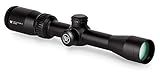
- The 4-12×44 Crossfire II riflescope is one of many configurations in the Crossfire II line. The V-Plex reticle is a popular all-purpose hunting reticle intended for a wide variety of hunting applications.
Precision Optics for Demanding Applications
When the local rancher calls about prairie dogs damaging his pastures, I grab the Vortex Crossfire II. The higher magnification range and precise tracking make it perfect for the varied distances typical in varmint hunting scenarios.
Technical Specifications
- Magnification Range: 4-12x
- Objective Lens: 44mm
- Reticle: Dead-Hold BDC
- Tube Diameter: 1 inch
- Eye Relief: 3.9 inches
- Weight: 17.2 ounces
- Length: 13.1 inches
- Field of View: 24.7-8.4 feet at 100 yards
Advanced Performance Testing
Tracking Precision: I’ve run this scope through extensive box tests, and it tracks true every time. When you dial in corrections, they stick. This reliability is crucial when making multiple adjustments during a long varmint session.
Variable Magnification Benefits: The 4-12x range perfectly matches the 7.62×39’s capabilities. At 4x, you maintain enough field of view for closer shots, while 12x provides the detail needed for precise placement on small targets at distance.
Dead-Hold BDC System: This reticle system works exceptionally well with the 7.62×39’s ballistics. With proper load data, the holdover points are accurate enough for first-round hits on prairie dogs out to 350 yards.
Challenging Hunt Example
During a late-season coyote hunt in howling wind, the Vortex Crossfire II proved its worth. Engaging targets from 100 to 275 yards in rapidly changing conditions, the scope’s clear glass and reliable tracking allowed consistent hits despite challenging circumstances. The generous eye relief also proved valuable when shooting from improvised positions in thick cover.
Pros:
- Exceptional optical clarity across the magnification range
- Bulletproof construction with lifetime warranty
- Smooth, precise turret adjustments
- Versatile magnification for various hunting scenarios
- Outstanding customer support from Vortex
Cons:
- Higher magnification can be limiting in close quarters
- No included mounting rings
- Slightly heavier than fixed-power alternatives
- Price point higher than basic options
Tactical Applications
For those using 7.62×39 rifles in more tactical roles, this scope bridges the gap between hunting optics and precision shooting. The clear glass and reliable tracking make it suitable for longer-range applications where the cartridge still has sufficient energy.
4. Best Budget Choice: Pinty 3-9x40mm Illuminated
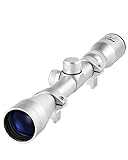
- PINTY 3-9×40 Rifle Scope
Surprising Performance from an Affordable Package
When my nephew needed his first scope on a tight college budget, I reluctantly suggested the Pinty. Six months later, I was eating my words as that scope continued performing well beyond my expectations.
Technical Specifications
- Magnification Range: 3-9x
- Objective Lens: 40mm
- Reticle: Illuminated Red/Green
- Eye Relief: 3.3-3.5 inches
- Weight: 13.1 ounces
- Length: 12.2 inches
- Field of View: 14.8-44.4 feet at 100 yards
Budget Performance Analysis
Surprising Clarity: For a scope in this price range, the optical quality is genuinely impressive. While it doesn’t match premium glass, it delivers clear, usable images that support accurate shooting.
Illumination Features: The red and green illuminated reticle options are more than just gimmicks. The red works well in low light, while the green provides excellent contrast in daylight conditions. The illumination is bright enough to be useful but not so bright as to wash out the target.
Construction Quality: Despite the budget price, this scope feels solid. The tube is properly sealed, and the turrets provide positive adjustments. While I wouldn’t subject it to the same abuse as premium scopes, it handles normal field use admirably.
Extended Field Trial
Over an entire hunting season, I mounted this scope on my backup rifle and subjected it to real hunting conditions. From early-season heat to late-season snow, it performed consistently. The illuminated reticle proved particularly valuable during dawn and dusk hunts when game is most active.
Pros:
- Exceptional value for money
- Functional illuminated reticle system
- Adequate optical quality for most applications
- Includes mounting rings and accessories
- Good warranty support for the price point
Cons:
- Not as durable as premium options
- Illumination controls can be awkward with gloves
- Limited eye relief compared to higher-end scopes
- Parallax becomes noticeable at longer ranges
Perfect Applications: First scope purchase, backup optic, budget hunting rifle, youth rifles, training applications.
Understanding the 7.62×39 Cartridge for Scope Selection
Ballistic Characteristics That Matter
Having guided hundreds of hunters and trained countless students, I’ve learned that understanding your cartridge is crucial for scope selection. The 7.62×39 has specific characteristics that influence optic choices:
Effective Range: While the cartridge is capable beyond 400 yards, its practical effective range for most applications is 200-300 yards. This influences magnification requirements—you rarely need more than 9-12x magnification.
Trajectory Profile: The 7.62×39 follows a moderate trajectory path. With a 125-yard zero, you’re typically 3 inches high at 50 yards and 3 inches low at 200 yards. This makes BDC reticles particularly useful.
Recoil Characteristics: The cartridge produces moderate recoil—more than .223 but less than .308. This means scopes need to handle repeated impacts without losing zero, but extreme recoil resistance isn’t necessary.
Scope Selection Criteria: Lessons from the Field
Magnification Requirements
After years of hunting with various magnification ranges, I’ve found that 3-9x covers 95% of 7.62×39 applications. Lower magnification provides the field of view needed for closer shots, while 9x gives sufficient detail for precision work at the cartridge’s effective range.
Reticle Selection Philosophy
Simple works best in the field. Complex reticles with numerous holdover points often create more confusion than clarity in real hunting situations. A basic duplex or simple BDC reticle handles most scenarios effectively.
Durability Standards
Your scope will face temperature extremes, moisture, and physical abuse. I’ve learned the hard way that cutting corners on durability often leads to missed opportunities when it matters most. Invest in proven reliability.
Eye Relief Considerations
Generous eye relief isn’t just about comfort—it’s about safety and consistent performance. When adrenaline is flowing and you need to make a quick shot, you don’t want to worry about scope bite or losing sight picture.
Mounting and Zero Procedures: Getting It Right
Ring Selection and Installation
Proper mounting is crucial for scope performance. I prefer quality steel rings with the appropriate height for your specific scope and rifle combination. Take time to ensure rings are properly aligned and torqued to specification.
Zeroing Process
Start with bore sighting to get on paper, then fine-tune with live fire. I typically zero at 100 yards for general use, though some hunters prefer a 125-yard zero for the 7.62×39’s trajectory characteristics.
Verification and Maintenance
Check zero before every hunting season and after any significant impact or temperature change. Regular maintenance includes cleaning lenses and checking ring tightness.
Accessories That Make a Difference
Quality Scope Rings
Don’t skimp on rings. Quality steel rings properly installed are crucial for maintaining zero and protecting your investment.
Lens Protection
Butler Creek flip-open covers or similar systems protect your investment while providing quick access when opportunities arise.
Scope Levels
For precision shooting beyond 200 yards, a scope level helps ensure your rifle is properly oriented, improving accuracy significantly.
Common Mistakes to Avoid
Over-Magnification
New scope buyers often assume more magnification is always better. For 7.62×39 applications, excessive magnification reduces field of view and makes close shots difficult.
Inadequate Ring Quality
Cheap rings are the weakest link in your accuracy chain. They can shift under recoil, damage your scope, or fail completely at the worst possible moment.
Improper Zero Distance
Choose a zero distance that matches your typical shooting scenarios. A 25-yard range zero rarely translates well to hunting applications.
Neglecting Eye Relief
Insufficient eye relief can result in scope bite—a painful reminder that setup matters. Always verify comfortable eye relief before finalizing your mounting position.
Seasonal Considerations and Environmental Factors
Cold Weather Performance
Montana winters teach you about equipment reliability. Quality scopes maintain zero and clarity in extreme cold, while budget options may fog or lose accuracy.
Moisture Protection
Nitrogen purging and quality seals prevent internal fogging. I’ve seen too many hunts ruined by optics that fog up during temperature changes.
Shock Resistance
Rifles get bumped, dropped, and banged around. Your scope needs to maintain zero through normal field use and occasional mishaps.
Advanced Techniques and Applications
Using BDC Reticles Effectively
Learn your specific load’s trajectory and how it correlates with your reticle’s holdover points. Practice at various distances to build confidence in your system.
Low-Light Optimization
Understand how different reticle types and illumination systems perform in marginal light conditions. This knowledge often determines success during prime hunting hours.
Precision Shooting Applications
For those pushing the 7.62×39’s accuracy potential, proper scope selection and setup become even more critical. Focus on tracking reliability and optical clarity.
Maintenance and Long-Term Care
Cleaning Procedures
Use proper lens cleaning materials and techniques. Scratched lenses can’t be unscratched, so prevention is key.
Storage Considerations
Protect your investment during off-season storage. Consistent temperatures and moisture control preserve scope longevity.
Regular Inspections
Periodically check ring tightness, lens clarity, and reticle condition. Catching problems early prevents field failures.
Budget Planning and Value Assessment
Cost vs. Performance Analysis
Understand where your money goes in scope construction. Sometimes paying slightly more delivers significantly better performance and reliability.
Long-Term Investment Perspective
A quality scope often outlasts multiple rifles. Consider your total cost of ownership, not just initial purchase price.
Upgrade Planning
Start with a decent scope that meets your immediate needs, then upgrade as your skills and requirements develop.
Final Recommendations and Selection Guide
For New Scope Buyers
Start with the Burris Fullfield E1 3-9x40mm. It provides outstanding performance across all applications while remaining reasonably priced.
For Budget-Conscious Shooters
The Pinty 3-9x40mm delivers surprising performance for the money. It’s a solid entry point into quality optics.
For Specialized Applications
The Vortex Crossfire II 4-12x44mm excels when you need the extra magnification for varmint hunting or precision applications.
For Range and Training Use
The Simmons 8-Point 3-9x50mm provides excellent value for recreational shooting and skill development.
Closing Thoughts
Remember my grandfather’s wisdom: “The wilderness doesn’t care about your schedule.” When opportunities present themselves, you need equipment that works. These scope recommendations come from years of real-world testing in Montana’s demanding conditions.
Practice makes permanent, so practice it right with quality optics that enhance rather than limit your capabilities. Whether you’re hunting whitetails in thick timber or engaging prairie dogs at distance, the right scope transforms your 7.62×39 rifle into a precision tool worthy of this proven cartridge.
Your best survival tool is the six inches between your ears, but good optics ensure you can effectively apply that intelligence when it matters most. Choose wisely, practice regularly, and respect both the game and the land that provides these opportunities.
Ready to upgrade your 7.62×39 setup? Start with proven optics that have earned their reputation through real-world performance, not marketing hype. The scopes in this guide have all passed the ultimate test—repeated success in the field where failure isn’t an option.
Flint Marshall has spent over 25 years in wilderness environments as a former U.S. Army Ranger, hunting guide, and survival instructor. Based in northern Montana near Glacier National Park, he continues to test and evaluate outdoor equipment through Moosir.com, helping others make informed decisions about gear that works when it matters most.