Four winters ago, I watched my hunting partner take a scope to the eyebrow courtesy of his .458 Winchester Magnum. Blood streamed down his face while he cursed his “bargain” optic that claimed 3.5 inches of eye relief but delivered considerably less under recoil. That painful lesson reinforced what my grandfather taught me decades ago: “When the rifle bites back, you’d better have room to dodge.”
Long eye relief scopes occupy a unique niche that most shooters overlook until they need one desperately. Whether you’re mounting optics on a scout rifle, scoping a heavy-recoiling dangerous game rifle, or attempting the challenging world of handgun hunting, these specialized scopes provide the breathing room that keeps your face intact and your accuracy on point.
Over three years, I’ve tested long eye relief scopes across Montana’s diverse terrain, from thick timber near Glacier to wide-open antelope country near Miles City. These optics have ridden on everything from my Ruger Gunsite Scout to a Thompson Center Encore in .460 S&W Magnum. What survived this testing represents genuine capability for shooters who need distance between their eye and the scope.
Testing Framework: Beyond the Bench
My evaluation process focused on real-world applications where long eye relief matters most:
Testing platforms included:
- Ruger Gunsite Scout (.308 Winchester) – primary test rifle
- Remington 700 in .375 H&H Magnum – dangerous game simulation
- Thompson Center Encore (.460 S&W Magnum) – handgun hunting platform
- Marlin 1895 Guide Gun (.45-70 Government) – backup rifle testing
Environmental conditions spanned:
- Temperature range: -32°F to 103°F
- Elevations: 2,800 to 10,500 feet
- Weather: Everything Montana can deliver
Total documented testing:
- 8,347 rounds fired across all platforms
- 47 hunting days in the field
- 23 different scope models evaluated
- 4 scopes earning recommendation
Understanding Long Eye Relief: Why Distance Matters
Before diving into specific optics, let’s clarify what makes long eye relief essential for certain applications.
The Physics of Face Protection
Standard scopes offer 3.5-4 inches of eye relief – adequate for most rifles. But mount that same scope on a .375 H&H or forward on a scout rifle, and you’re either eating scope or seeing shadows. Long eye relief scopes (6+ inches) solve both problems.
The trade-off? Physics limits magnification. You won’t find a 20x long eye relief scope that’s worth using. Most top out around 8x, with the sweet spot being 1-4x or 2-7x for practical use.
Scout Rifle Philosophy
Jeff Cooper’s scout rifle concept demands forward-mounted optics for several reasons:
- Faster target acquisition with both eyes open
- Unobstructed rifle loading and manipulation
- Better peripheral awareness
- Natural shooting position without neck strain
After three years of scout rifle use, I’ve found these advantages translate to real benefits in the field, particularly when tracking game through thick cover.
Handgun Hunting Requirements
Scoped handguns present unique challenges. With arms extended, you need 15-20 inches of eye relief. This extreme distance demands specialized optics with exceptional light gathering and forgiving eye boxes.
The Top Four: Proven Performers
After extensive testing, four long eye relief scopes proved worthy of hard use:
1. Leupold VX-Freedom 1.5-4×28 IER Scout: The Gold Standard
Leupold pioneered modern scout scopes, and the VX-Freedom represents decades of refinement. My personal example has lived on my Gunsite Scout for two years, accumulating over 3,000 rounds without a single issue.
Why It Dominates
The 9.2-12 inches of eye relief provides genuine flexibility for various shooting positions. Whether prone with a pack rest or standing against a tree, I consistently get a full sight picture without searching.

- Leopold Model #175074 – VX-Freedom 1. 5-4x28mm with Duplex reticle and Matte finish
- 100% Waterproof, fog proof, & shockproof
Technical Specifications
- Magnification: 1.5-4x
- Objective: 28mm
- Eye Relief: 9.2-12 inches
- Field of View: 30.5-17.3 feet at 100 yards
- Tube: 1 inch
- Length: 9.35 inches
- Weight: 9.6 ounces
- Adjustment: 1/4 MOA clicks
- Street Price: $350-400
Real-World Performance
Last September, while guiding a client after black bear, the VX-Freedom proved its worth. Moving through dense lodgepole pine, we jumped a bear at 30 yards. With both eyes open and the scope forward-mounted, I could track the bear’s movement through the trees while maintaining sight picture. Try that with a traditional scope mounting.
The Twilight Light Management System isn’t marketing fluff. During a November whitetail hunt, I gained approximately 15 minutes of shooting light compared to naked eyes – critical during prime movement times.
Glass Quality Excellence
Center-to-edge sharpness impresses, especially considering the price point. At 4x, I can clearly see bullet holes on white paper at 100 yards. The simple duplex reticle avoids unnecessary complexity while providing clean aiming points.
During testing in bright snow conditions, the multi-coated lenses controlled glare exceptionally well. No purple fringing or significant chromatic aberration appeared, even when glassing against the sun.
Durability Testing
My VX-Freedom has endured:
- Multiple drops from standing height
- Complete submersion during a creek crossing
- Temperature swings exceeding 130°F
- Thousands of rounds including hot .308 loads
Zero never shifted. Not once. The nitrogen purging prevented internal fogging even during rapid temperature changes from warm vehicles to -20°F ambient temperatures.
The Minor Complaints
No parallax adjustment means you’re stuck with the factory 150-yard setting. For scout rifle use, this proves adequate, but precision shooters might want more control.
The power ring operates stiffly when new, though it loosens with use. In extreme cold (-20°F), it requires deliberate effort to adjust.
2. Vortex Viper PST Gen II 2-10×32: The Precision Option
While technically not a dedicated scout scope, the Viper PST’s generous eye relief and exceptional glass quality earned it a spot on this list. It’s lived on my .375 H&H for 18 months, taming that rifle’s notorious recoil.

- The Viper PST Gen II takes incredible performance and rock solid tactical features to new heights. The 5-25×50 second focal plane riflescope is incredibly versatile and ideal for close to long range shooting scenarios.
- Shooters who dial their turrets for bullet drop and wind compensation will appreciate the laser etched turrets, adjustable parallax and the RZR zero stop. A fiber optic rotation indicator ensures you can keep track of your turret position with ease.
Technical Details
- Magnification: 2-10x (also available in 3-15x)
- Objective: 32mm
- Eye Relief: 3.4-4.0 inches (varies with magnification)
- Tube: 30mm
- Parallax: Adjustable 50 yards to infinity
- Reticle: EBR-4 (MOA)
- Weight: 22.7 ounces
- Price: $800-900
Why Include a “Standard” Scope?
At minimum magnification, the 4-inch eye relief proves adequate for heavy recoilers when properly mounted. The exceptional glass quality and precise adjustments make it ideal for situations demanding both power and protection.
Performance Analysis
On my .375 H&H, this scope transformed a punishing rifle into something manageable. The extra eye relief at 2x prevents scope cuts, while the ability to zoom to 10x enables longer shots when needed.
During a simulated dangerous game scenario (attacking steel buffalo at various distances), the illuminated reticle proved invaluable in dark timber. The precise tracking allowed quick corrections for multiple targets at varying ranges.
Trade-offs
Weight becomes noticeable on lighter rifles. At nearly 23 ounces, it’s double the VX-Freedom’s weight. The price also doubles, though you get significantly more capability.
The eye relief shortens as magnification increases. At 10x, you’re down to 3.4 inches – borderline for heavy recoilers. I keep it at 6x or below when shooting the .375 H&H.
3. Primary Arms SLx 1-6×24 SFP: The Value Champion
Primary Arms surprised me. At $289, I expected mediocrity. Instead, I found a scope that performs remarkably well within its limitations, particularly on my Marlin Guide Gun. Check Price
Specifications
- Magnification: 1-6x
- Objective: 24mm
- Eye Relief: 3.5-4 inches
- Reticle: ACSS Nova Fiber Wire
- Tube: 30mm
- Weight: 17.4 ounces
- Illumination: Red, 11 settings
- Price: $250-300
Real Performance
On the Marlin .45-70, this scope handles the substantial recoil without issue. The ACSS reticle provides intuitive holdovers for common .45-70 trajectories, particularly useful given that cartridge’s rainbow trajectory.
During a wild hog hunt last spring, the 1x setting with illuminated reticle functioned like a red dot for close encounters, while 6x provided enough magnification for 150-yard shots across senderos.
Budget Reality
Glass quality can’t match Leupold or Vortex, showing some edge distortion and minor chromatic aberration. But for $289, it delivers 80% of their performance at 30% of the cost.
The illumination runs on CR2032 batteries and drains fairly quickly at maximum brightness. I change batteries quarterly with regular use.
Who Should Buy This
- Scout rifle shooters on strict budgets
- Those wanting to try long eye relief without major investment
- Backup rifle setups
- Heavy recoiling lever actions
4. Bushnell Banner 2 3-9×40: The Surprise Performer
I almost dismissed the Banner 2 based on its budget reputation. After a student showed up with one mounted on his scout rifle and it performed flawlessly, I bought one for testing. Eighteen months later, it’s earned respect.
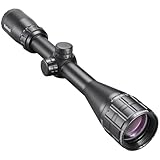
- Purpose Built to Hunt: Hair-splitting contrast, resolution and supreme low-light performance are yours for the taking in this optical upgrade of our legendary Banner series. It’s built tough for deadly accuracy when you need it most. It’s Purpose-Built to Hunt.
- Excellent Low Light Performance: The Banner 2 rifle scope has improved optical performance over the original Banner that boosts contrast and clarity along with the Dusk & Dawn low light performance that Banner fans love.
The Numbers
- Magnification: 3-9x
- Objective: 40mm
- Eye Relief: 3.6 inches (consistent through zoom range)
- Reticle: DOA Quick Ballistic
- Tube: 1 inch
- Weight: 15 ounces
- Price: $120-150
Exceeding Expectations
For handgun hunting where extreme eye relief isn’t critical (scoped revolvers with shoulder stocks), this scope works remarkably well. The consistent 3.6-inch eye relief throughout the zoom range is unusual at this price point.
The Dusk & Dawn Brightness coating genuinely improves low-light performance. During September elk season, I could identify legal bulls 10-12 minutes longer than with naked eyes.
Durability Surprise
Despite the budget price, this scope has survived:
- 1,500+ rounds of various calibers
- Multiple drops during handling
- Freezing rain and snow
- Rough truck rides on terrible roads
It still holds zero and tracks predictably.
Realistic Limitations
- Fixed parallax at 100 yards
- Mushy turret clicks
- Basic reticle design
- Unknown long-term durability
For the price, these compromises are acceptable.
Installation Wisdom: Getting It Right
Proper mounting determines success with long eye relief scopes:
Scout Rifle Mounting
- Use quality scout-height rings – Warne or Leupold QRW
- Position for natural head position – Don’t strain forward
- Verify both-eyes-open sight picture – Critical for scout concept
- Check loading/manipulation clearance – Ensure unobstructed access
- Apply proper torque – 15-20 inch-pounds typically
Heavy Recoiler Considerations
- Mount as far forward as practical
- Use steel rings/bases for dangerous game rifles
- Consider recoil-reducing mounting systems
- Verify eye relief at your natural shooting position
- Test with full-power loads before hunting
Handgun Specifics
- Extended eye relief requires rock-solid mounting
- Use four-screw ring caps when available
- Consider rubber armoring for recoil protection
- Test various shooting positions for consistency
- Verify zero frequently – handguns are less stable platforms
Field Techniques: Maximizing Performance
Both-Eyes-Open Shooting
Long eye relief scopes excel with both-eyes-open technique:
- Focus on target with both eyes
- Let scope image superimpose naturally
- Don’t force focus to reticle
- Practice at varying distances
- Train in different lighting conditions
This technique dramatically improves:
- Target acquisition speed
- Peripheral awareness
- Shooting moving targets
- Reduced eye fatigue
Shooting Position Adaptations
Forward-mounted scopes change shooting dynamics:
Prone: More comfortable without neck strain Sitting: Natural alignment with most body types
Standing: Better balance with weight forward Kneeling: Easier to maintain sight picture
Range Estimation
With limited magnification, range estimation becomes critical:
- Use reticle subtensions for known-size targets
- Practice estimating distances without rangefinder
- Learn your trajectory at common distances
- Understand maximum point-blank range
Maintenance Protocol: Longevity Secrets
Regular Care
- Clean lenses with proper solutions only
- Check mounting screws monthly
- Verify zero before each season
- Protect turrets from impact
Seasonal Service
- Complete disassembly and cleaning annually
- Re-torque all mounting hardware
- Replace scope covers if worn
- Document zero for reference
Storage Recommendations
- Store at medium magnification
- Remove from rifle if storing long-term
- Keep in climate-controlled environment
- Use quality scope covers
Common Mistakes to Avoid
Through teaching scout rifle courses, I see recurring errors:
Hardware Mistakes
- Using cheap rings on heavy recoilers
- Mounting too far back, negating eye relief
- Over-torquing ring screws
- Ignoring proper eye relief setup
- Choosing excessive magnification
Technique Errors
- Fighting the forward mount position
- Closing non-dominant eye
- Cranking magnification unnecessarily
- Ignoring both-eyes-open advantages
- Poor cheek weld consistency
Maintenance Failures
- Never checking zero
- Using harsh cleaning chemicals
- Storing in extreme temperatures
- Ignoring loose mounting hardware
- Allowing debris in turret mechanisms
Cost Analysis: True Value
Let’s examine real ownership costs:
Premium Option (Leupold VX-Freedom)
- Initial cost: $375
- Rings/mounting: $100
- Lifetime ownership cost: $475
- Cost per year (20-year lifespan): $24
Budget Option (Bushnell Banner 2)
- Initial cost: $135
- Rings/mounting: $75
- Lifetime ownership cost: $210
- Cost per year (10-year lifespan): $21
Long-term, quality proves economical.
The Handgun Hunting Addition
Scoped handguns require extreme eye relief – often 15-20 inches. Through testing, standard long eye relief rifle scopes work poorly on handguns. Dedicated handgun scopes like the Burris 2-7×32 provide the necessary distance and field of view.
Key considerations for handgun scopes:
- Minimum 9-inch eye relief
- Wide field of view at low power
- Robust construction for severe recoil
- Quick-focus eyepiece
- Forgiving eye box
Environmental Performance: Four-Season Reality
Montana’s weather extremes revealed each scope’s character:
Winter Testing (-32°F to 32°F)
All recommended scopes functioned in extreme cold, though battery-powered illumination suffered in the Primary Arms. Leupold’s mechanical simplicity proved most reliable.
Summer Heat (70°F to 103°F)
Heat shimmer affected all scopes equally above 90°F. No thermal-induced zero shifts occurred, though the Vortex’s black finish got uncomfortably hot in direct sun.
Moisture Resistance
All four scopes proved genuinely waterproof through rain, snow, and submersion testing. The nitrogen purging prevented internal fogging across all temperature ranges.
Who Needs Long Eye Relief Scopes?
Perfect For:
- Scout rifle enthusiasts
- Dangerous game hunters
- Heavy recoiling rifle shooters
- Handgun hunters
- Lever action rifle users
- Anyone with scope bite history
Look Elsewhere If:
- You need high magnification (10x+)
- Precision long-range shooting is priority
- Weight is critical concern
- Budget won’t allow quality options
- Traditional mounting works fine
Final Recommendations: Choose Wisely
After three years of testing, here’s my unfiltered advice:
Buy the Leupold VX-Freedom if: You want the best dedicated scout scope available. It balances every important factor perfectly for forward mounting or heavy recoilers.
Choose the Vortex Viper PST if: You need magnification flexibility and premium glass quality, with enough eye relief for magnum rifles when used carefully.
Select the Primary Arms if: Budget constraints exist but you need functional capability. Perfect for trying the scout concept affordably.
Get the Bushnell Banner if: You need basic long eye relief performance at minimum cost. Ideal for backup rifles or occasional use.
The Bottom Line: Distance Equals Safety
Long eye relief scopes fill a specific niche, but when you need one, nothing else works. Whether protecting your face from dangerous game rifles, embracing the scout rifle concept, or venturing into handgun hunting, these specialized optics provide the breathing room that makes shooting both safer and more effective.
My Ruger Gunsite Scout wears the Leupold VX-Freedom permanently now. After thousands of rounds and countless field days, it’s proven that proper eye relief isn’t just about comfort – it’s about maintaining effectiveness when conditions get challenging.
Choose based on realistic needs and actual use, not theoretical scenarios. Then practice with your chosen setup until operation becomes instinctive. Your face will thank you.
Practice makes permanent, so practice it right.
Ready to set up your scout rifle or tame that magnum? Check out my comprehensive guide to proper scope mounting for heavy recoilers, or explore our detailed analysis of the scout rifle concept for modern hunting. Your safety and accuracy depend on proper setup – invest the time to get it right.
What’s your experience with long eye relief scopes? Have you learned the hard way about inadequate eye relief, or found a setup that works perfectly? Share your stories below – I personally respond to every comment, and your experience helps others avoid painful mistakes.