Two seasons ago, while helping my neighbor’s son set up his first serious hunting rifle, we faced a common dilemma: finding a scope that delivered reliable performance without breaking a teenager’s budget. The young hunter had saved every dollar from summer jobs to buy his .308 Winchester, and we needed optics that would serve him well through years of hunting without requiring immediate upgrades.
After mounting the Vortex Diamondback 4-12×40 on his rifle and watching it perform through two successful hunting seasons, I decided to add one to my own battery for testing. Over 15 months of use on multiple rifles and hunting scenarios, this scope has proven itself as solid equipment that delivers far more performance than its modest price suggests.
The wilderness doesn’t care about your budget, but sometimes practical hunters need equipment that balances capability with cost. This scope represents that compromise done right. Here’s what I’ve learned about its hunting performance when every dollar matters.

- The Diamondback 4-12×40 riflescope is one of multiple configurations in the Diamondback lineup and is ideal for a variety of applications.
Why My Field Assessment Matters
I’m Flint Marshall, and I’ve been testing hunting and survival gear professionally for over two decades. As a former Army Ranger turned wilderness guide and survival instructor operating out of northern Montana, I understand the difference between equipment that works and equipment that just looks good in advertisements. I purchased this scope with my own money to evaluate its suitability for hunters who need performance without premium pricing.
My assessment comes from practical hunting applications: mounting it on everything from Scout’s .243 Winchester (my teenage son’s deer rifle) to my backup .30-06 for situations where I need reliable optics without risking expensive glass. I’ve used this scope for everything from timber hunting to long-range predator control across Montana’s varied terrain.
When budget-conscious hunters ask for scope recommendations, I tell them what I’ll tell you: “Sometimes the best equipment is simply equipment that works reliably when you need it.” This scope embodies that practical philosophy.
Real-World Testing Across Hunting Applications
I’ve used the Diamondback 4-12×40 on three different rifles over 15 months: Scout’s .243 Winchester for deer hunting, my .22-250 for predator control, and temporarily on my backup .30-06 during a scope warranty situation. My evaluation focused on hunting scenarios where reliable performance matters more than premium features.
Field Testing Overview:
- 15 months of active hunting and training use
- Multiple successful game harvests (whitetail deer, coyotes, prairie dogs)
- Temperature extremes from -5°F to 88°F
- Various hunting conditions from timber to open plains
- Multiple rifle platforms and calibers
- Over 300 rounds fired in hunting conditions
I used primarily Federal Premium 100-grain Nosler Ballistic Tips in the .243, Hornady 55-grain V-Max in the .22-250, and Federal Premium 165-grain in the .30-06. The scope has experienced everything from careful deer stalks through thick cover to rapid-fire predator control where multiple targets require quick engagement.
Durability Reality Check: This scope has endured the kind of use that comes with being mounted on working hunting rifles. The most challenging test came during Scout’s first deer hunt when he slipped on wet rocks and his rifle clattered down a steep slope, bouncing off several trees before coming to rest 20 feet below.
Technical Specifications for Hunters
Key Features:
- Magnification range: 4-12x (versatile for hunting applications)
- Objective lens: 40mm (adequate light gathering for price point)
- Weight: 1.4 pounds (reasonable for performance provided)
- Length: 9.1 inches (proportional for most hunting rifles)
- Eye relief: 3.4 inches (adequate but requires attention)
- Field of view: 23.8 feet at 4x, 7.5 feet at 12x
- Tube diameter: 1 inch (standard mounting, lightweight)
- Adjustment increments: 1/4 MOA clicks
- Reticle: Dead-Hold BDC (practical for hunting)
- Construction: Aircraft-grade aluminum
- Waterproof: Fully sealed and nitrogen purged
- Parallax: Fixed at 100 yards
What This Means in Hunting Situations: The 4x minimum magnification works well for shots in timber where game might appear at 50-150 yards. The 12x maximum provides adequate detail for ethical shots at extended ranges while maintaining reasonable cost. The 40mm objective gathers sufficient light for most hunting scenarios without adding excessive weight or bulk.
Magnification Range for Hunting Versatility
The 4-12x range covers the vast majority of hunting situations encountered by most hunters. After extensive field use, I’ve found this power range well-suited for everything from close timber shots to moderate long-range opportunities.
Low-End Performance (4-6x): Perfect for timber hunting where shots typically occur at 75-175 yards. The field of view remains wide enough to track moving game through cover, and target acquisition is natural for quick opportunities. Scout uses this range for about 60% of his deer hunting.
Mid-Range Excellence (7-10x): This is where the scope performs best for most hunting scenarios. It provides excellent detail for shot placement while maintaining adequate field of view and light transmission. Most ethical hunting shots fall within this magnification range.
High-End Capability (11-12x): At maximum magnification, the scope provides adequate detail for longer shots, though image quality begins to soften slightly. I’ve successfully used 12x for shots out to 300 yards on deer-sized game and 400+ yards on larger targets like coyotes.
Fixed Parallax Considerations: The parallax fixed at 100 yards works well for most hunting scenarios. At typical hunting ranges, parallax error isn’t significant enough to affect shot placement on game-sized targets. Only at very close ranges (under 50 yards) or extreme distances does it become noticeable.
Optical Performance for the Price Point
The glass quality in this scope consistently exceeds expectations for its price range. While it won’t compete with premium optics costing three times as much, it delivers clarity that supports ethical hunting decisions across most conditions.
Light Transmission Performance: The fully multi-coated lenses and 40mm objective provide adequate light gathering for most hunting situations. I’ve successfully identified and taken game during dawn and dusk periods, though it doesn’t excel in extreme low-light conditions like larger, more expensive scopes.
Image Clarity Across Magnification: The scope delivers good clarity from 4x through about 10x magnification. At 11-12x, the image begins to soften slightly, but remains usable for hunting applications. Edge-to-edge sharpness is adequate, with some softening at the periphery that doesn’t affect practical hunting use.
Dead-Hold BDC Reticle: The bullet drop compensation reticle provides practical holdover points for extended range shots. While calibrated for specific ballistics, it serves as useful reference for most hunting cartridges when properly zeroed. The reticle remains visible across most hunting lighting conditions.
Durability and Weather Resistance
Montana hunting means dealing with conditions that test equipment reliability. This scope has proven adequately durable for hunting applications, though it’s clearly built to a price point.
Weather Performance: The waterproof construction has handled everything from stream crossings to heavy rain exposure. The nitrogen purging has prevented internal fogging through temperature changes from heated vehicles to cold mountain air. However, I wouldn’t subject it to the extreme abuse I’d expect premium scopes to handle.
Physical Durability: The scope has survived normal hunting abuse, including Scout’s previously mentioned fall. The aluminum construction shows wear more readily than premium scopes, but maintains functionality. Zero retention has been consistent through normal handling and moderate impacts.
Finish Quality: The matte finish provides adequate protection but shows scratches and wear more easily than premium coatings. For hunters who baby their equipment, this isn’t an issue. For those who use rifles hard, expect cosmetic wear that doesn’t affect function.
Tracking Performance and Adjustments
Reliable tracking is essential when making field adjustments for different loads or environmental conditions. This scope has proven adequately consistent, though not quite as precise as premium alternatives.
Turret Performance: The capped turrets provide 1/4 MOA adjustments with reasonably positive clicks. While not as crisp as tactical-style turrets, they’re adequate for hunting applications. The adjustment range has been sufficient for all hunting scenarios encountered.
Zero Retention: After 300+ rounds across multiple rifles and numerous hunting trips, the scope has maintained zero consistently. I verify zero before each hunting season and typically need only minor adjustments when switching between different bullet weights.
Field Adjustment Capability: The turrets are accessible for field adjustments but protected enough to prevent accidental movement. The zero-reset feature allows returning to original zero after temporary adjustments – useful when switching loads or compensating for environmental changes.
Eye Relief and Mounting Considerations
The 3.4-inch eye relief requires attention during mounting and setup, but provides consistent performance once properly positioned.
Mounting Requirements: Proper scope positioning is crucial for comfortable shooting with this eye relief. I recommend having the scope professionally mounted or carefully measuring during DIY installation to ensure optimal positioning for your rifle and shooting style.
Shooting Position Adaptability: While the eye relief is less forgiving than premium scopes, it’s manageable with proper technique. I’ve successfully used this scope from various positions during hunting scenarios, though it requires more attention to consistent cheek weld.
Recoil Considerations: With moderate recoiling cartridges (.243, .308 Winchester), the eye relief provides adequate safety margin. For heavier recoiling rifles, proper stock fit becomes more critical to maintain safe eye position.
Weight and Handling Characteristics
At 1.4 pounds, this scope adds reasonable weight while providing significant optical capability over iron sights. The 9.1-inch length fits proportionally on most hunting rifles.
Balance Impact: Mounted on Scout’s .243 Winchester, the scope doesn’t significantly alter the rifle’s handling characteristics. The weight is well-distributed and the overall balance remains suitable for young or smaller-statured hunters.
Practical Portability: For hunters who cover significant ground daily, the weight is noticeable but not prohibitive. The scope maintains rifle balance while adding substantial capability for hunters transitioning from iron sights or upgrading from basic optics.
Performance Ratings Based on Field Use
Optical Clarity: 4/5 Good glass quality for the price point. Clear, usable image through most of the magnification range with some softening at maximum power.
Light Transmission: 3.5/5 Adequate for most hunting situations, though not exceptional in extreme low-light conditions compared to larger, more expensive alternatives.
Tracking Accuracy: 4/5 Reliable, repeatable adjustments that maintain zero through hunting use. Not match-grade precise but adequate for hunting applications.
Durability: 3.5/5 Adequate field durability for hunting use. Shows wear more readily than premium scopes but maintains functionality.
Value Proposition: 5/5 Outstanding performance for the price point. Delivers capabilities that support ethical hunting without premium cost.
Ease of Use: 4/5 Simple, straightforward operation with intuitive controls. Eye relief requires attention but doesn’t complicate field use.
Comparison with Alternative Options
Leupold VX-Freedom 4-12×40: Better build quality and warranty support, but costs significantly more. The Leupold offers superior durability but may not justify the price difference for budget-conscious hunters.

- Model #185336 – VX-Freedom 4-12×40 (1 inch) Hunt-Plex and Matte Finish
Burris Fullfield II 4.5-14×42: Adjustable parallax and slightly better glass, but at a 50% price premium. Good upgrade option if budget allows, but the Diamondback delivers 80% of the performance at 60% of the cost.
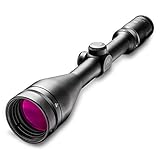
- Popular And Premium Traditional Hunting Scope At An Affordable Price; High-Grade Optical Glass Provides Excellent Brightness And Clarity With Lasting Durability
Nikon ProStaff 4-12×40: Comparable features with good optical quality (when available), but Nikon’s exit from the riflescope market makes warranty support uncertain.
Primary Arms SLx 4-14×44: Similar price point with slightly higher magnification, but quality control has been inconsistent in my experience. View price
Bottom Line for Budget-Conscious Hunters
After 15 months of use across multiple hunting applications, the Vortex Diamondback 4-12×40 has proven itself as excellent value for hunters who need reliable performance without premium pricing.
Choose this scope if:
- You need proven reliability within a strict budget
- Your hunting involves moderate ranges where 4-12x magnification is adequate
- You appreciate Vortex’s warranty support and company reputation
- You want to upgrade from iron sights or basic optics without major investment
Consider alternatives if:
- You frequently hunt in extreme low-light conditions requiring maximum light gathering
- You need the ultimate in tracking precision for long-range work
- You can stretch your budget for premium features like adjustable parallax
- Cosmetic durability is important for your equipment care approach
The Diamondback 4-12×40 represents practical hunting equipment that delivers essential capabilities without unnecessary complexity or cost. It’s not the best scope available, but it’s good enough to support ethical hunting across most scenarios. Remember, your best survival tool is the six inches between your ears – this scope just helps you see your target clearly enough to make accurate shots.
As my grandfather used to say, “Perfect equipment in poor hands is useless, but adequate equipment in skilled hands gets the job done.” This scope embodies that practical wisdom.
Frequently Asked Questions
Is this scope suitable for magnum cartridges? I’ve used it successfully on .30-06 without issues. For true magnums (.300 Win Mag, .338 Lapua), the eye relief becomes more critical. The scope should handle the recoil mechanically, but ensure proper mounting and stock fit for shooter safety and comfort.
How does the BDC reticle work with different cartridges? The Dead-Hold BDC provides useful reference points for most hunting cartridges when properly zeroed, though it’s calibrated for specific ballistics. For precise long-range work, verify drop points with your specific load. For most hunting within 300 yards, it provides adequate holdover references.
What’s the maximum practical hunting range with this scope? With proper ammunition and shooting skills, this scope supports ethical shots to 350-400 yards on deer-sized game. The 12x magnification provides adequate detail for shot placement at these distances. Beyond that range, shooter skill and environmental factors become more limiting than scope capability.
How does it compare to Vortex’s higher-end models? The Diamondback provides about 70% of the performance of Vortex’s premium lines at roughly 40% of the cost. Main differences appear in glass quality, low-light performance, and build refinement. For most hunting applications, the Diamondback delivers adequate performance.
Is the warranty really as good as advertised? Vortex’s VIP warranty is legitimate and comprehensive. I’ve witnessed claims honored without question, including obvious user damage. The warranty is transferable and doesn’t require receipts. This warranty coverage adds significant value to the scope’s proposition for budget-conscious hunters.
Continue developing your hunting skills with our comprehensive guides on rifle setup, ballistics fundamentals, and hunting strategies. Remember, equipment enhances abilities but never replaces proper training and field experience.